
Many buyers are surprised to learn that 40% of Mexican vehicle armoring companies lack certifications, which shows how easy it is to make a serious mistake when choosing an armored vehicle. We see the same pattern globally, where buyers focus on the visible vehicle and overlook hidden technical, documentation, and long-term factors that matter just as much.
Key Takeaways
| Question Buyers Ask | Key Answer & Mistake To Avoid |
|---|---|
| What is the biggest mistake when choosing an armored vehicle? | Focusing only on the base vehicle or appearance and ignoring verified protection levels and certification. Our Armored Car Buyer’s Guide explains how to verify documentation. |
| How do I choose the right protection level? | Start from a realistic risk profile, then match B6, BR6, or higher accordingly. Our overview of best armored SUVs for civilian use shows how BR6 and BR7 are typically applied. |
| Are sedans or SUVs better for executive protection? | Many buyers overlook discreet sedans that blend in better than SUVs. We compare both in our discreet armored sedans guide. |
| What about heavier platforms like APCs or MRAP-style vehicles? | Choosing a platform that is too heavy for your routes or infrastructure is a common error. Our APC SHARK overview shows when heavy platforms make sense. |
| How do I plan for armored truck or pickup needs? | Many fleets misjudge interior layout and capacity. Our detailed armored truck guide explains how to choose the right configuration. |
| What long‑term ownership aspects do buyers miss? | Ignoring lifecycle factors like maintenance planning and fuel impact can lead to operational challenges. We unpack this in our ownership costs guide. |
| Why are more private companies adopting armored vehicles? | Corporate buyers increasingly rely on structured fleets for executive and logistics needs. Our insights in this article highlight key decision points. |
1. Ignoring Verified Protection Levels And Certification
One of the most serious mistakes we see is choosing an armored vehicle based on looks and brand, while treating the protection level as a vague label instead of a verified standard. Protection classes such as B6, BR6, B7, or VR10 have specific test protocols, and ignoring these details can mean the vehicle does not match the threats you had in mind.
In our Armored Car for Sale: Ultimate Buyer’s Guide we explain how ballistic protection ranges from lighter ratings up to B7 and why B6 is often used for executive-focused vehicles. Buyers sometimes assume any “armored” label is enough, without checking whether there is recognized test documentation to support it.
Certification and compliance also involve time and technical effort. Many buyers overlook the fact that proper testing, documentation, and export processes require structured engineering and administration, not just steel and glass.
At SchutzCarr, we place emphasis on in-house armoring and export certification so buyers can review a clear documentation trail rather than rely on verbal assurances.
2. Overlooking Platform Suitability: Matching Chassis To Armor
Another frequent error is starting with a favorite vehicle model, then forcing an armor package onto it without considering whether the chassis, suspension, and drivetrain are truly suited for the additional weight. Not every platform tolerates armor in the same way, and poor matching can reduce reliability and drivability.
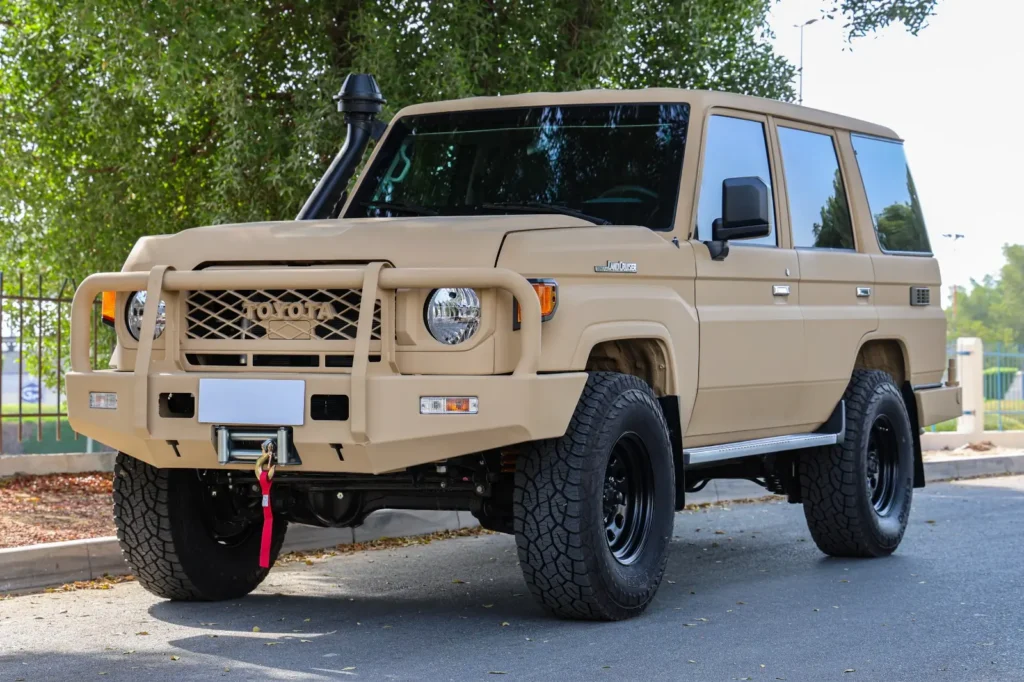
The Armored Toyota Land Cruiser 76 is a good example of a platform that responds well to armoring when engineered correctly. We integrate the armor into the shell and glass while working carefully with the chassis to preserve balanced handling as much as possible.
Buyers sometimes underestimate how structural reinforcements interact with weight and load paths. If you only look at interior comfort and brand prestige, you may overlook whether the vehicle has been engineered from the frame outward to carry the protection you are specifying.
We advise starting with the intended use case, terrain, and passenger count, then narrowing down platforms that can realistically support the required protection level without excessive compromise.
3. Misjudging Protection Level Needs (B6, BR6, B7, VR10)
Many buyers either over-specify protection levels based on worst-case headlines or under-specify by copying what a peer selected. Neither approach is based on a structured risk profile, and both can result in vehicles that do not properly match day-to-day realities.
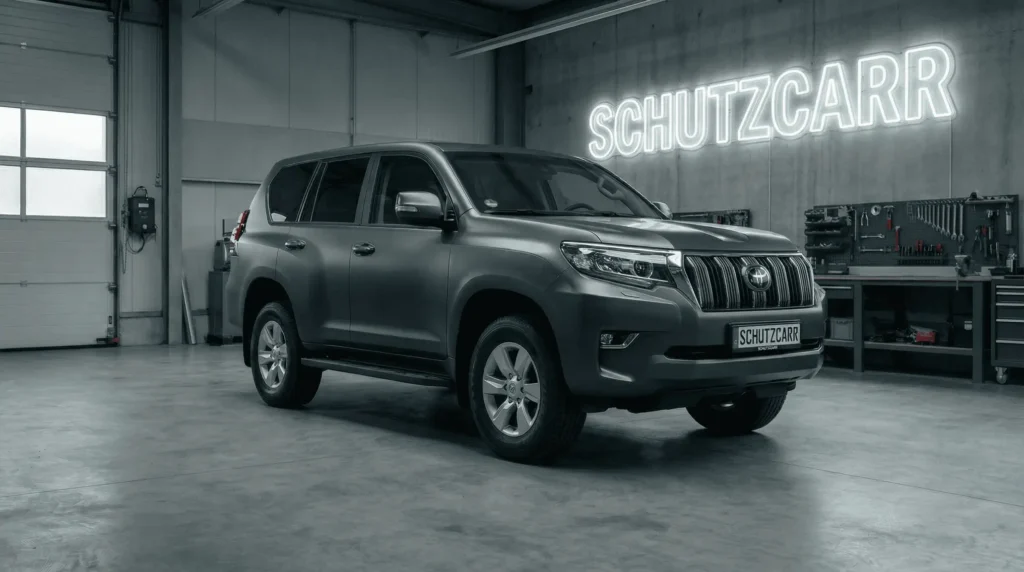
For civilian SUVs, our Best Armored SUVs for Civilian Use guide discusses how BR6 and BR7 fit into real-world requirements. BR6 is often the default for buyers who need credible ballistic resistance while maintaining reasonable drivability and interior comfort.
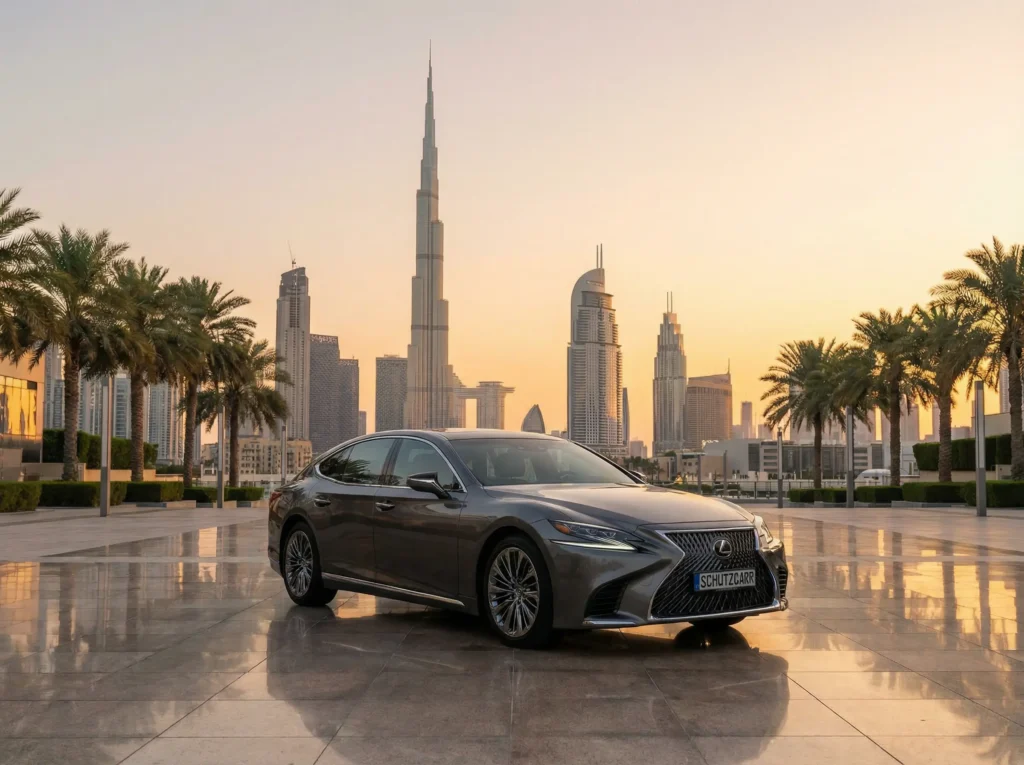
In contrast, our discreet armored sedans comparison explains how protection ranges like B6, BR6, and VR10 relate to executive risk profiles. VR10 and similar ratings have specific testing implications that not every route or organization genuinely requires.
We encourage buyers to document specific scenarios, routes, and exposure patterns, then let that assessment guide the level and configuration of protection. A clear risk model helps avoid both under-protection and excessive overbuild.
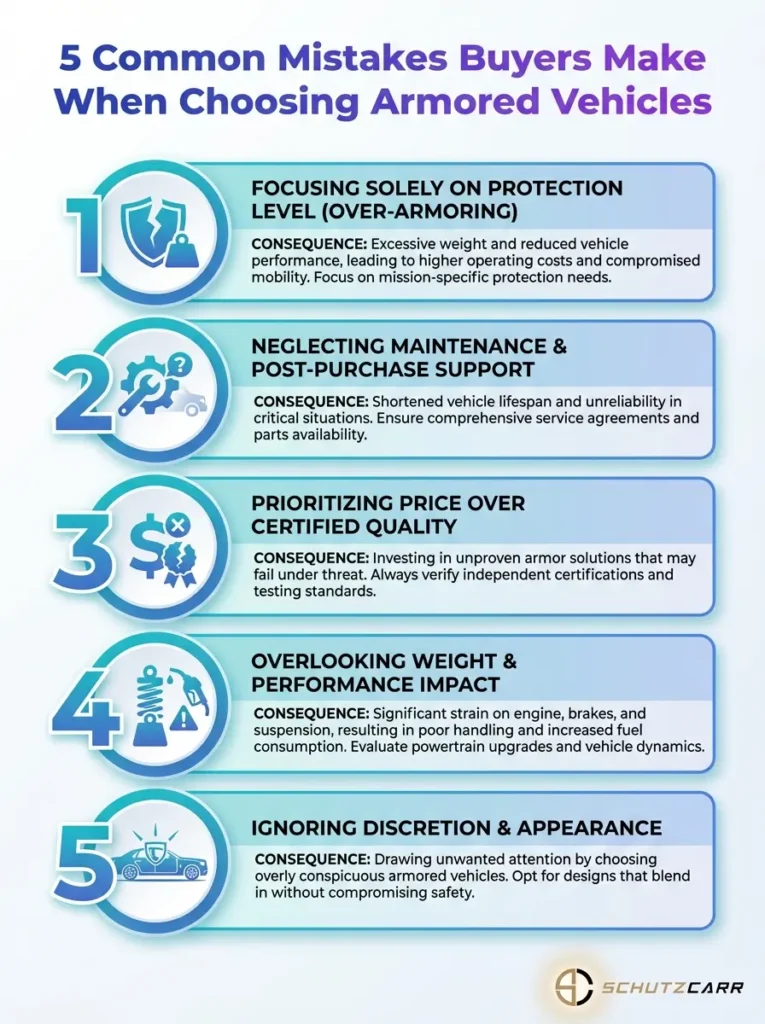
A concise visual guide outlining the top five errors buyers make when selecting armored vehicles. Use this infographic to compare options and avoid costly missteps.
Did You Know?
On full-size SUVs with B6 protection, armor adds about 800–1,100 kg, and power-to-weight can drop by around 29%, which significantly affects handling and performance if not properly planned.
4. Underestimating The Impact Of Weight, Performance, And Handling
Weight is one of the most overlooked aspects of armored-vehicle selection. Additional steel, ballistic glass, and structural reinforcements all accumulate, and if buyers do not plan for this, they may end up with vehicles that feel sluggish and stressed in daily use.
The drop in power-to-weight ratio directly affects acceleration, braking distances, and the way the vehicle responds to emergency maneuvers. If you ignore this at the specification stage, you might find that the platform struggles to keep up with your route demands once delivered.
In our technical notes on armored SUV weight trade-offs, we walk through how weight, suspension upgrades, and tire choices relate to protection levels. Buyers who review these trade-offs early can have more informed conversations about engine options and chassis packages.
We often recommend comparing several platforms side by side to see how the same protection level translates into different driving characteristics, then choosing the configuration that best fits your operational environment.
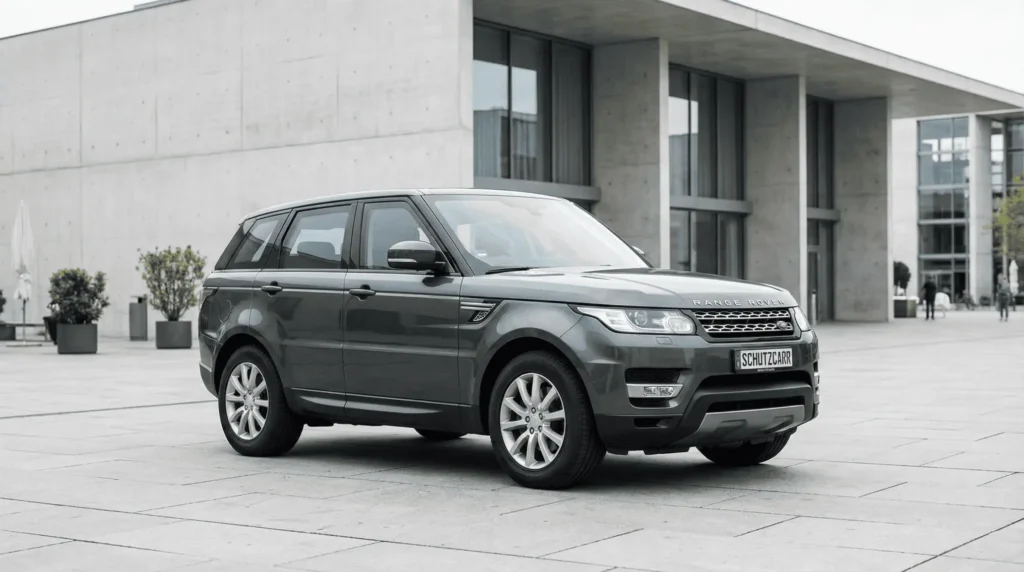
5. Choosing The Wrong Vehicle Type: Sedan, SUV, Pickup, Or APC
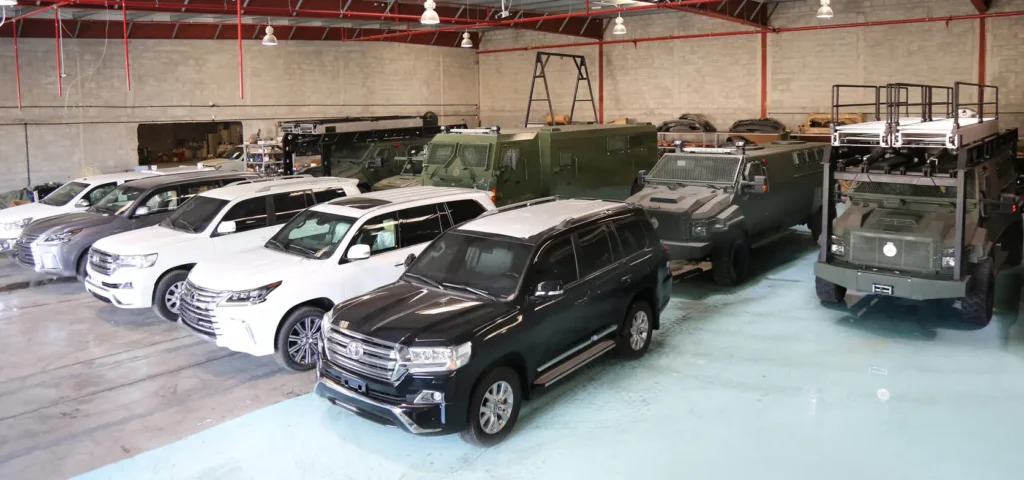
Platform choice is not just about personal preference. Selecting between sedan, SUV, pickup, armored truck, or APC-style vehicles should follow a clear analysis of routes, capacity, and the need for discretion versus presence.
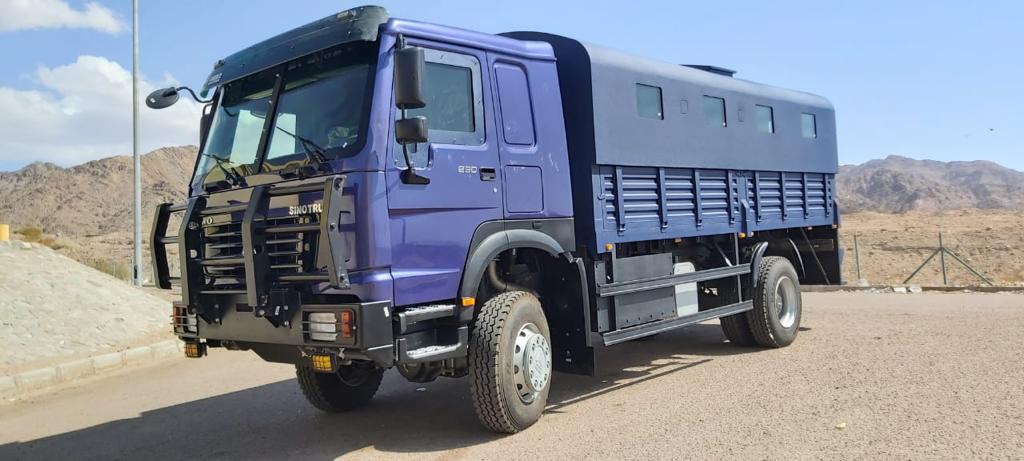
Our guide to armored trucks and secure transport explains how trucks and pickups differ in layout, interior accessibility, and cargo security. A truck body can provide walk-in space, while a pickup-based solution may favor flexible loading with secure cargo compartments.
For executive and family use, the armored SUV overview details how SUVs balance passenger comfort with ground clearance and visibility. Some buyers, however, are better served by discreet sedans that blend into typical traffic and parking environments.
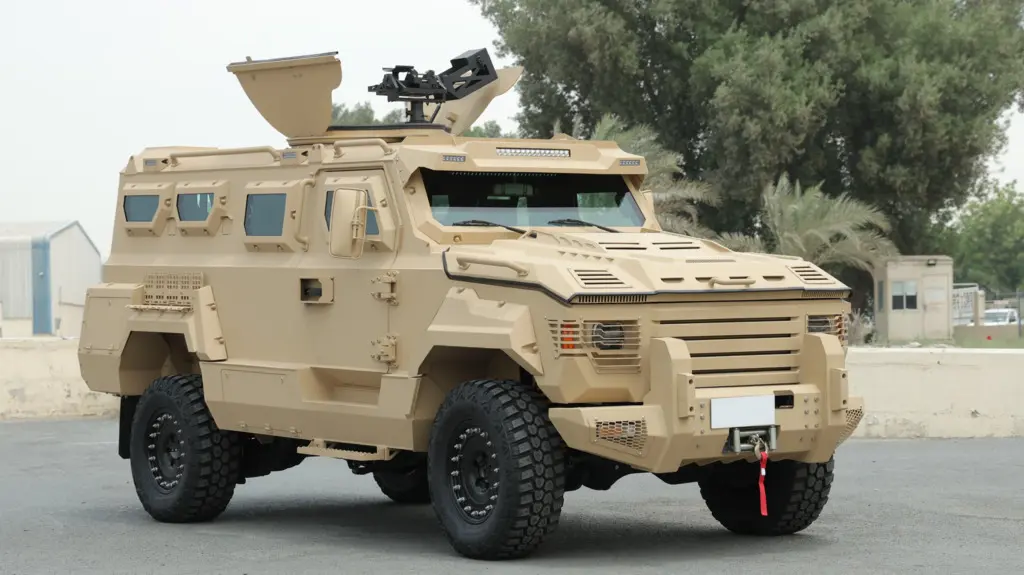
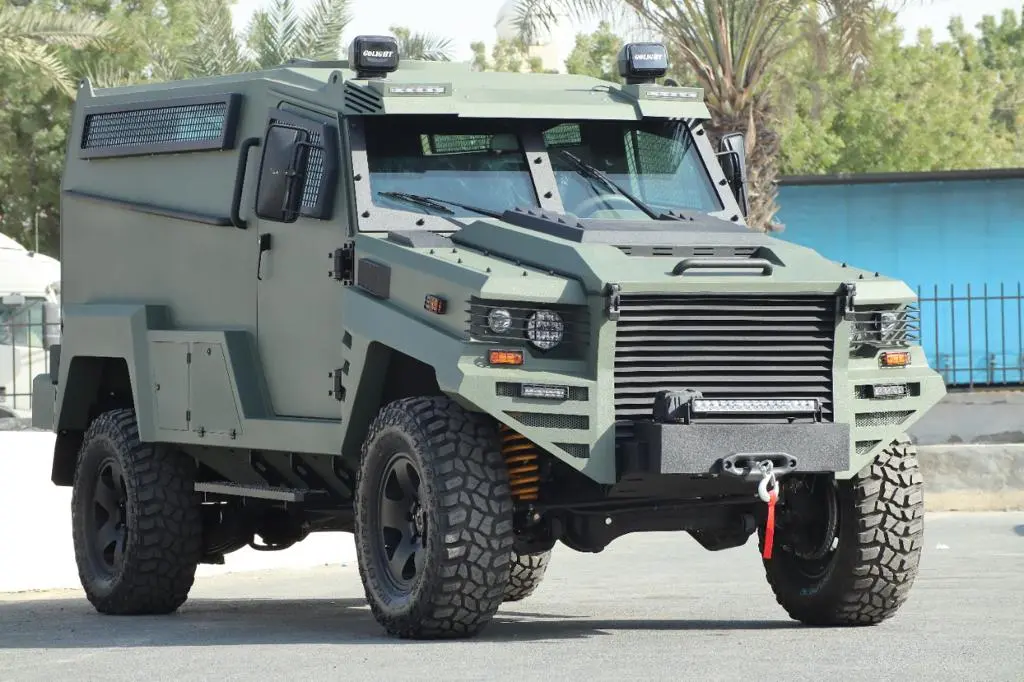
On the heavy end, our MRAP and APC lineup shows when larger passenger capacity and more extensive armored shells are appropriate. Choosing these platforms without considering infrastructure, parking, and driver training can introduce unintended complexity.
6. Neglecting Discretion And External Appearance
Some buyers assume that a larger and more imposing vehicle automatically signals security and therefore must be better. In practice, discretion is often one of the most effective safety tools, and neglecting it can be a significant mistake.
Our discreet armoring design guide focuses on preserving factory silhouettes and minimizing visible changes. We often work to keep the exterior close to stock so that the vehicle does not attract unnecessary attention in traffic or parking areas.
The comparison between discreet sedans and high-riding SUVs shows that executives do not always need a visibly armored platform. In many cases, a sedan with the right protection level and subtle engineering provides adequate safety while keeping a low profile.
Buyers should discuss with us how visible they want their vehicles to be in their typical environment, then prioritize designs and models that meet that visibility target.
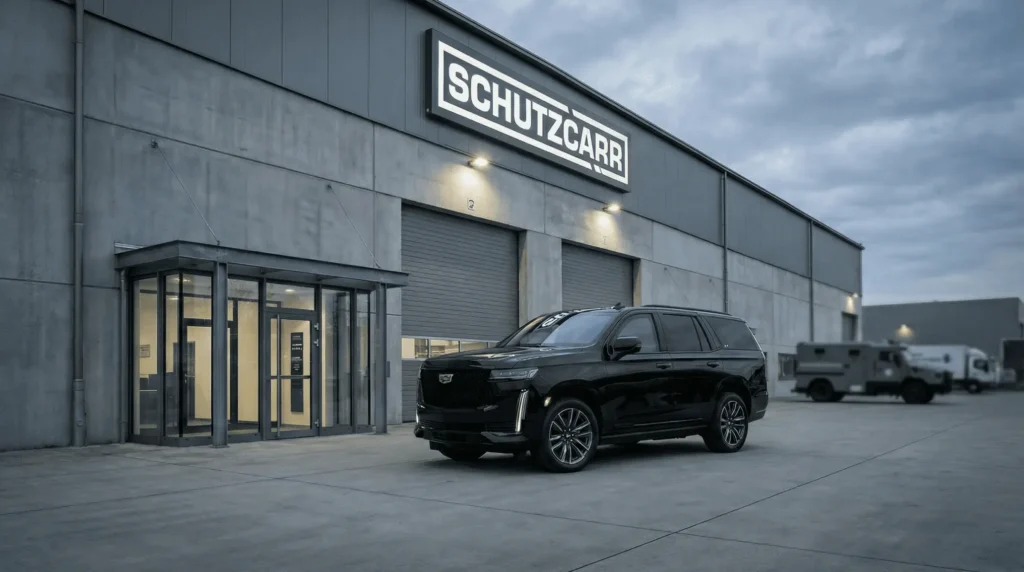
7. Focusing Only On Purchase, Not Long‑Term Ownership
A common mistake is treating the armored vehicle decision as a one-time purchase instead of a long-term ownership commitment. Lifecycle factors such as maintenance scheduling, component wear, fuel usage, and periodic upgrades can have a major influence on overall satisfaction.
In our long‑term ownership costs guide, we break down key cost components over a vehicle’s life. These include depreciation behavior, insurance conditions, maintenance intensity, and the effect of additional weight on fuel usage.
Buyers who plan a multi-year view can select platforms and specifications that are more sustainable. For example, weight-efficient builds and appropriate engine choices can moderate fuel consumption, while structured maintenance planning helps preserve reliability.
We encourage fleets and individual buyers to ask not only “What do we need now?” but also “What will operating this platform look like in a few years?” so that the decision is grounded in durable practicality.
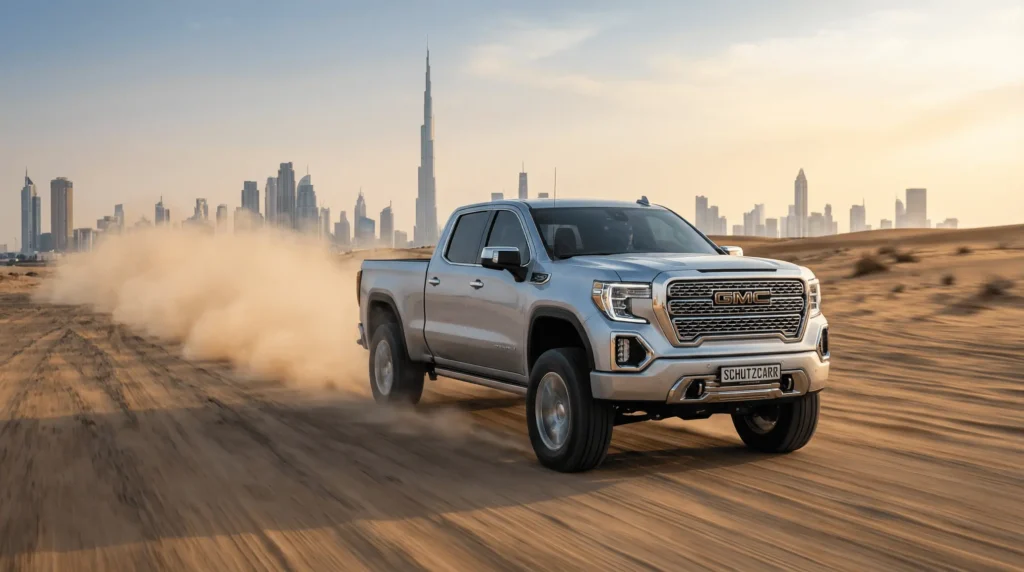
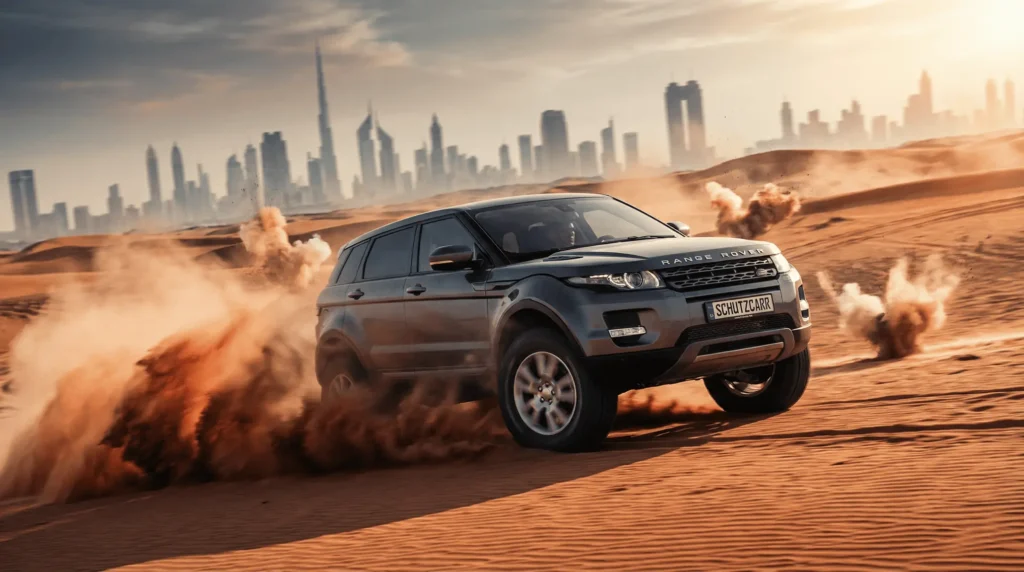
Did You Know?
Armor increases typically translate into an 8–15% reduction in fuel efficiency, which directly affects the long-term operating profile of every armored vehicle you choose.
8. Underestimating Certification, Documentation, And Compliance
Beyond physical armor, buyers often underestimate the importance of complete documentation, including ballistic test reports, build records, and export certifications. Incomplete paperwork can create issues at borders, during inspections, or when transferring ownership.
Our buyer’s guide emphasizes how proper certification should be traceable and specific. Generic claims such as “B6 level” without supporting test references are a warning sign that the build may not have gone through formal evaluation.
We manage export compliance and road-legal requirements as part of our in-house process so buyers can rely on a single documentation chain. This approach reduces the risk of surprises later, especially for fleets that may operate across several jurisdictions.
When comparing options, ask to see real examples of certification packages and verify that they match the exact configuration you are considering, not a different variant or an older test.
9. Forgetting About Interior Functionality, Ergonomics, And Capacity
In the rush to secure ballistic protection and a suitable chassis, some buyers underprioritize interior layout, seating configuration, and day-to-day ergonomics. This is especially common with larger platforms such as APCs and heavy SUVs.
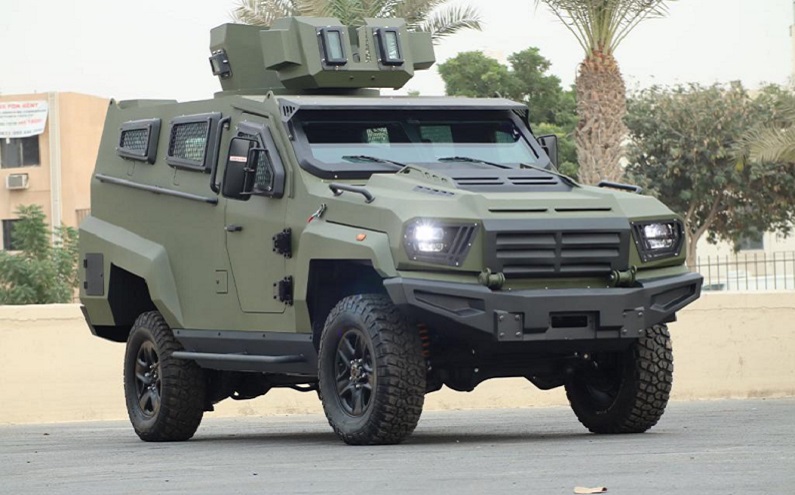
Our overview of the APC SHARK armored MRAP highlights how interior volume can be structured for different user groups. Choices about seat orientation, access paths, and storage affect how quickly passengers can enter and exit, as well as how comfortable longer journeys feel.
For SUVs and sedans, armoring can influence door weight, window operation, and cargo capacity. Buyers who do not review a sample interior or detailed layout drawings may only discover usability constraints after delivery.
We recommend that decision-makers walk through real vehicles or detailed virtual tours where possible and think carefully about everyday operations, including luggage, communications equipment, and any specialist items that need to be carried.
10. Treating The Purchase As A One‑Off Instead Of A Fleet Strategy
Another frequent oversight is to treat each armored vehicle as an isolated procurement, rather than viewing the decision as part of a broader mobility and security strategy. This can lead to fragmented fleets that are hard to maintain and operate consistently.
Our article on why private companies are turning to armored vehicles explains how organizations use structured fleets for executive transport and secure logistics. When the fleet is planned as a system, training, maintenance, and spare parts can be streamlined around common platforms and protection levels.
We often help buyers map out a phased approach that starts with core routes and key individuals, then scales to cover additional vehicles and use cases. This method avoids mismatched specifications and helps align operating procedures across the fleet.
Even individual buyers can benefit from this thinking by considering how future additions or replacements might fit into the decisions they make today.
11. Skipping Expert Consultation And Structured Comparison
The final mistake we see often is trying to make all decisions internally without a structured consultation process. Armored vehicles combine automotive engineering, materials science, certification, and practical security considerations, and it is difficult to cover all of this without specialist input.
Our buyer resources exist to give you a head start, but they are most effective when paired with a direct conversation about your specific routes, risk profile, and expectations. We routinely compare platforms such as SUVs, sedans, pickups, and APC-style vehicles side by side for clients.
By walking through structured questions, we help buyers avoid the errors outlined in this article, from mismatched protection levels to overlooked documentation. This collaborative approach usually reveals considerations that were not obvious at the start of the process.
Our goal is to ensure that every vehicle or fleet configuration we propose is defensible, practical, and aligned with the realities you face, rather than driven only by brochure images or assumptions.
Conclusion
Choosing an armored vehicle involves far more than selecting a recognizable model and asking for “B6 protection.” The most common mistakes we see, from misjudged protection levels to overlooked documentation and long-term ownership factors, all stem from decisions made without a structured framework.
By focusing on verified certification, suitable platforms, realistic risk assessment, weight and performance trade-offs, discretion, interior functionality, and lifecycle planning, you can build a fleet or select a single vehicle that genuinely matches your needs. At SchutzCarr, we design our guidance and products to address exactly these areas and to help buyers avoid the pitfalls described above.
If you are planning to acquire an armored vehicle or expand an existing fleet, we invite you to speak with our team so we can review your requirements together. Get in touch with SchutzCarr here to start a structured, informed conversation about your next armored vehicle decision.