
When people look for serious protection on unpredictable roads, they usually compare platforms by weight, capacity, and range. Vehicles in the SHARK class are often benchmarked against heavy MRAPs in the 18 to 19 ton range that can carry up to 12 people, because that scale of protection and capacity has become the reference point for modern armored personnel carriers. In this guide, we explain how an APC SHARK Armored MRAP fits into that picture and how it compares to related armored platforms that we build and support for civilian users. Our goal is to give you clear, practical insight so you can decide whether an APC SHARK style MRAP is the right solution for your security profile.
Key Takeaways
| Question | Answer |
|---|---|
| What is an APC SHARK Armored MRAP in simple terms? | It is a mine resistant, ambush protected armored personnel carrier designed to carry a full security team with enhanced blast and ballistic protection, similar in purpose to our SHARK class APCs within the broader APC SHARK lineup. |
| How does SHARK level protection compare to standard armored SUVs? | Where armored SUVs focus on BR6 or BR7 ballistic coverage, an APC SHARK Armored MRAP typically adds a V-hull style blast philosophy, closer to the concepts shown in our MRAP overview in the civilian MRAP guide. |
| Who usually considers an APC SHARK style MRAP? | Organizations that move larger teams, equipment, or sensitive personnel through higher risk routes often step up from SUVs to SHARK class APCs, as outlined in our broader armored vehicle buyer’s guide. |
| Are there smaller alternatives to an APC SHARK MRAP? | Yes. Compact 4×4 APC platforms such as our MONO Q series provide a lighter, more agile alternative, discussed in detail on the APC MONO Q 4×4 page. |
| Can SHARK class MRAPs work alongside conventional armored SUVs? | Yes. Many users mix SHARK level APCs with SUVs like the Land Cruiser 300 BR6 Extended to balance heavy protection and lower profile assets, as seen in our armored SUV comparison. |
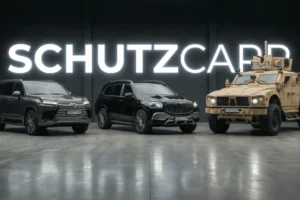
| Where can I see how SHARK class APCs fit into a full fleet? | You can review our complete armored lineup, from APCs to SUVs and pickups, on the main armored stock overview. |
1. What Defines an APC SHARK Armored MRAP Today
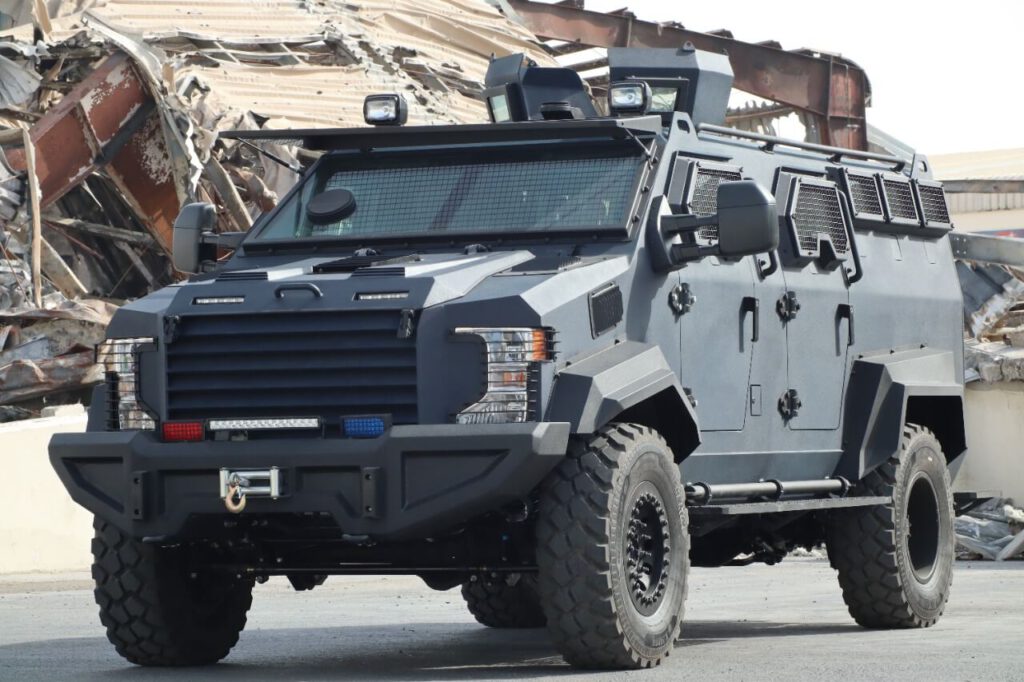
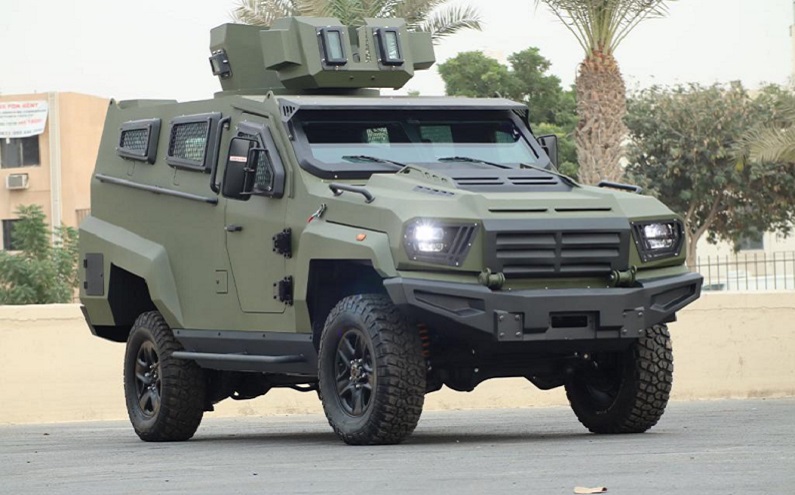
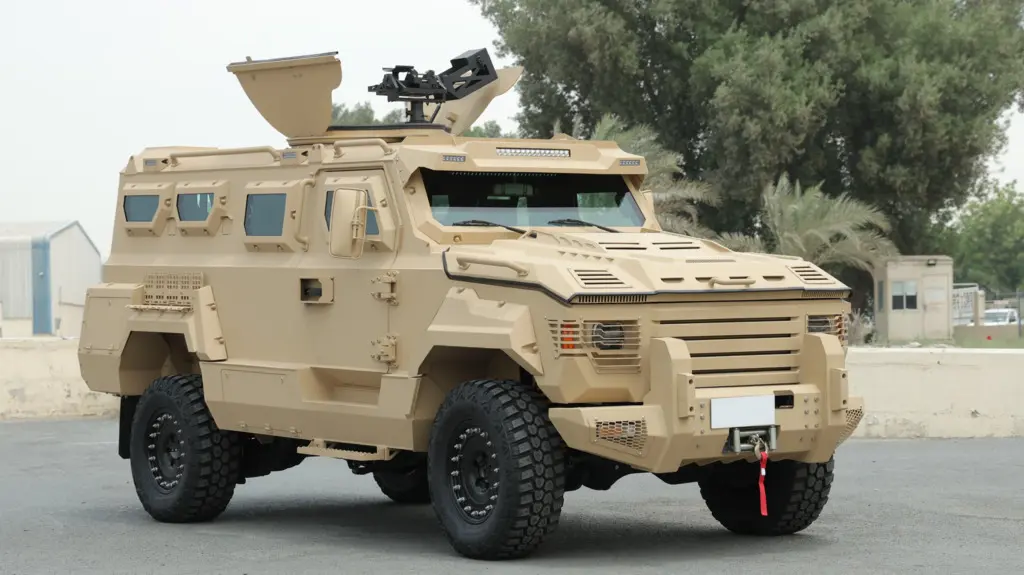
When we speak about an APC SHARK Armored MRAP, we are talking about a purpose built armored personnel carrier that uses mine resistant and ambush protected design principles. In practice, this means a tall, spacious hull, reinforced underbody, and carefully engineered geometry that aims to redirect blast energy away from occupants.
In weight and capacity, the SHARK class sits in the same world as heavy MRAPs that approach 18 to 19 tons and carry a full team of 10 to 12 people including crew. That scale allows us to integrate full 360 degree ballistic protection, armored glass, protected fuel and brake lines, and optional roof or side systems for observation or active defense, depending on local regulations.
2. Core MRAP Design Principles Behind APC SHARK
APC SHARK Armored MRAP concepts follow the same core ideas that defined modern mine resistant platforms. A V shaped or blast deflecting underbody, elevated crew cell, and energy absorbing seating can dramatically improve survivability compared with low floor, flat bottom vehicles. The goal is not just to stop fragments, but to manage blast loading on the crew compartment.
Public technical data on similar MRAP families shows how this thinking translates into numbers. For example, one well known MRAP evolution of the Shrek family on a 6×6 chassis weighs about 18 000 kg and seats 2 crew plus 8 passengers, combining significant armor mass with practical passenger volume. An APC SHARK Armored MRAP typically aims for the same mix of heavy protection and usable capacity, tuned to the chosen chassis and powertrain.
3. APC SHARK Within Our APC and MRAP Family
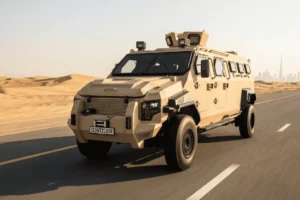
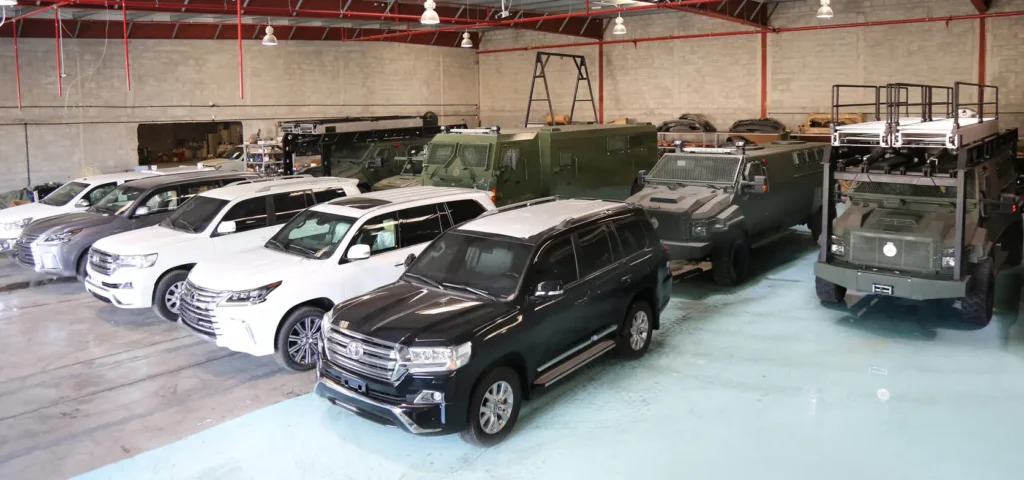
We position the APC SHARK Armored MRAP as the heavy protection anchor within our armored personnel carrier range. Around it, we offer other platforms such as APC MONO Q 4×4, APC JASAR, GER 1D and Tygor B7, each aimed at slightly different mobility and threat profiles. This lets you scale from urban friendly APCs to full MRAP class vehicles while staying within one engineering and support ecosystem.
For many clients, the decision is not just about the SHARK itself, but about how it pairs with other vehicles in the fleet. A typical configuration might place SHARK class MRAPs as the primary high risk route solution, supported by Land Cruiser 76 BR6 or Land Cruiser 300 BR6 SUVs for lower profile transport between safer locations. That layered approach is where we see SHARK level vehicles deliver the most value.
Did You Know?
Shrek One weighs about 19.3 tonnes and can carry 2 crew plus up to 10 passengers, a useful benchmark when you evaluate how much capacity and armor an APC SHARK class MRAP can realistically package into a single vehicle.
4. Interior Layout and Passenger Capacity of SHARK Class MRAPs
Inside an APC SHARK style MRAP, the layout usually follows a simple rule: keep people inside the protected cell and keep ingress and egress predictable under stress. That translates into high roof clearance, central or side aisle seating, and wide rear or side doors with steps or ladders designed for quick movement with gear.
Most SHARK class vehicles are planned around a core crew of 2 in the front cabin plus 8 to 10 passengers in the rear module. Seating can be inward facing benches or forward facing seats, depending on mission focus. When we design or adapt a SHARK style interior, we also account for stowage, communications hardware, and optional medical or command equipment, all fixed to armored structures rather than thin body panels.
5. Protection Levels: How SHARK Compares To Other Platforms
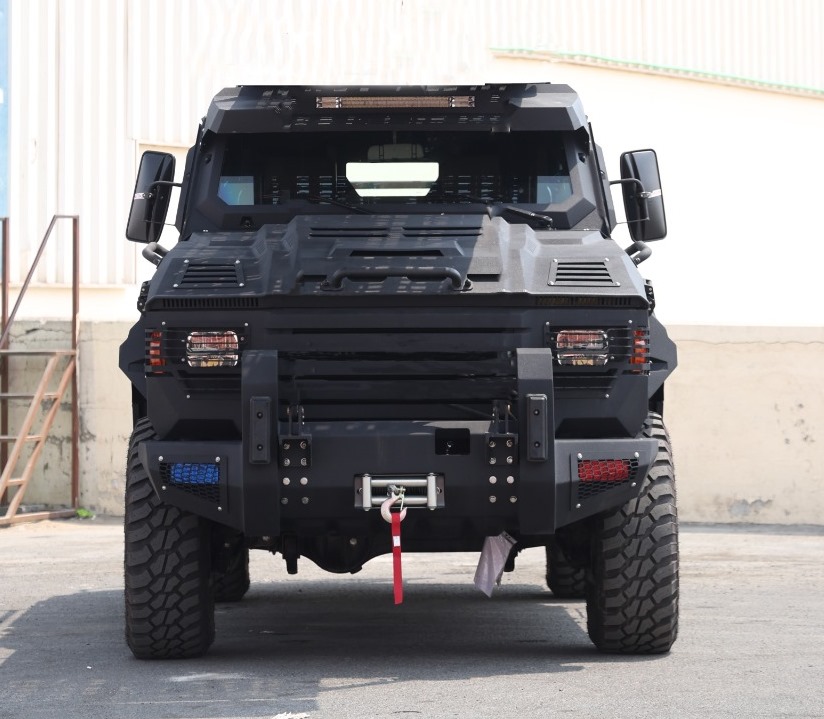
From a protection standpoint, an APC SHARK Armored MRAP usually targets higher threats than a typical civilian SUV. Where many SUVs hold BR6 certification focused on rifle fire, a SHARK level APC is designed around blast management and, in many designs, around protection that is comparable to STANAG Level 2 or 3 philosophy in terms of small arms and mines. Public data on some Fiona 6×6 MRAP variants, for example, confirms STANAG 4569 Level 2 to 3 protection.
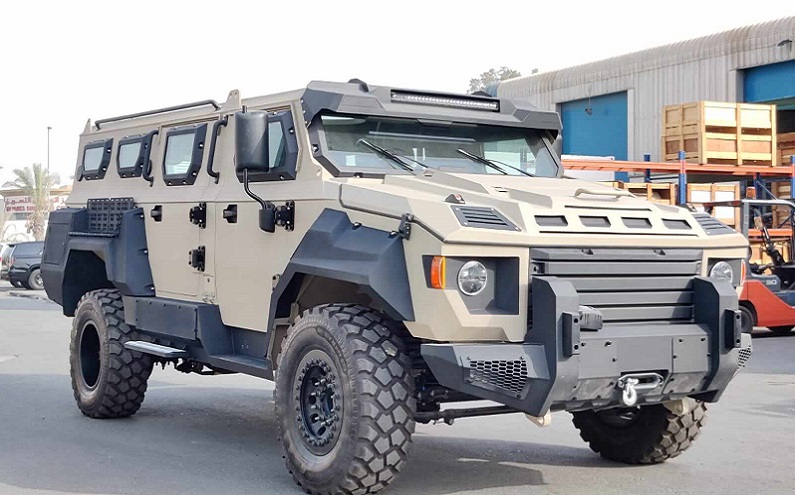
In our lineup, we map SHARK class expectations against vehicles like Tygor B7 and Merkava SAGIV BR6 APCs. Tygor B7 leverages a Land Cruiser 79 base with B7 armor, while Merkava SAGIV uses a dedicated APC body for BR6 coverage. SHARK type platforms sit at the top end of this scale, prioritizing blast deflection and high level ballistic packages at the cost of higher weight and footprint.
6. APC SHARK vs Compact APCs and Armored SUVs
Not every requirement justifies a full APC SHARK Armored MRAP. For many users, a compact APC like MONO Q 4×4 offers more than enough protection with a footprint similar to a heavy pickup based vehicle. MONO Q platforms can navigate tight streets more easily and are typically simpler to park and store, which matters in built up areas.
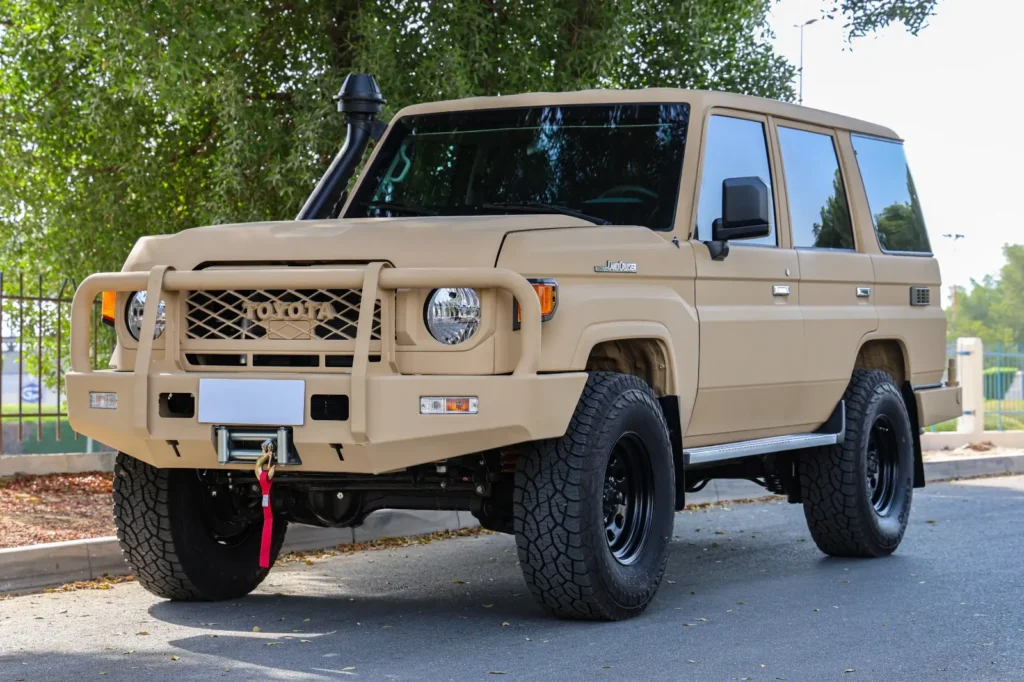
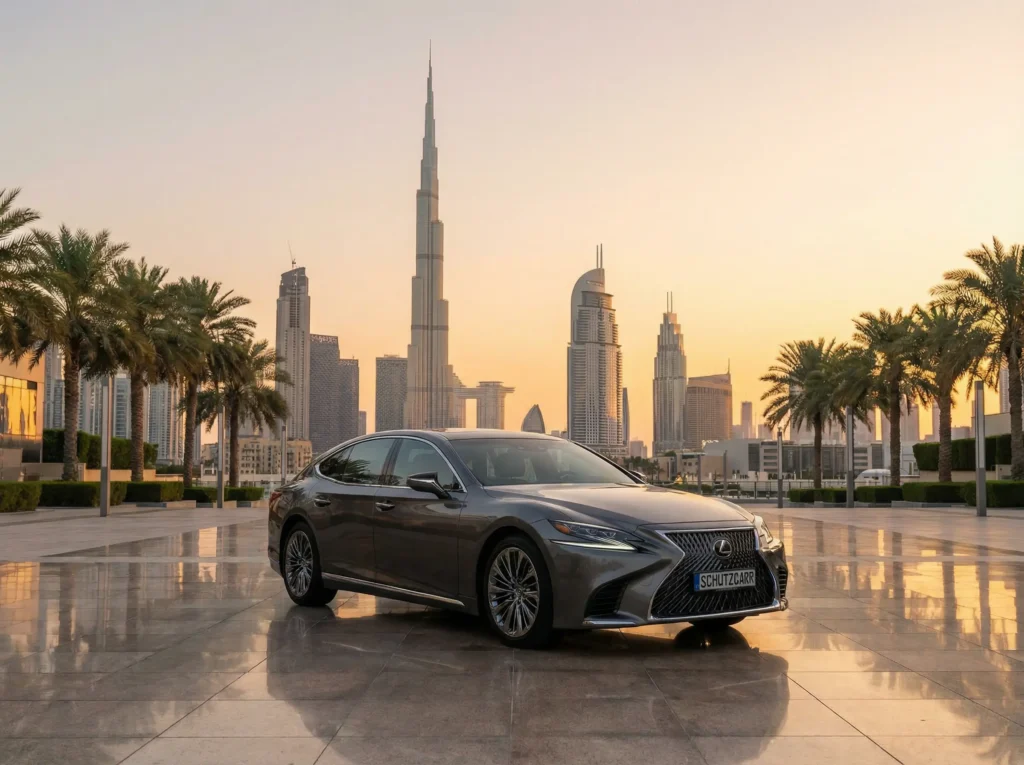
Armored SUVs such as the Land Cruiser 76 BR6 or Land Cruiser 300 BR6 Extended sit one step further toward everyday drivability. They provide certified ballistic protection and solid off road capability but do not carry the same blast optimization as a SHARK type MRAP. We often help clients design mixed fleets that use one or two SHARK class APCs for the highest risk segments and armored SUVs for routine movement where a lower profile is valuable.
7. Powertrain, Range, and On Road Performance
Powertrain choices for APC SHARK type MRAPs tend to favor high torque diesel engines capable of moving 18 to 19 ton vehicles at highway speeds. Comparable MRAP platforms based on Shrek One architecture reach around 105 km/h on road and about 1 000 km of range on a full fuel load, which sets realistic expectations for long overland routes and convoy work. We design SHARK class solutions around similar targets, always balancing armor mass, usable payload, and engine durability.
For users comparing SHARK class APCs with SUVs or pickups, the performance question is often about duty cycle rather than top speed. Armored SUVs feel more familiar for daily driving, but they cannot match the range and endurance of a large tank capacity MRAP in remote areas. On graded roads, a SHARK class MRAP can maintain convoy speeds comfortably, while off road it benefits from high ground clearance and heavy duty suspension tuned for payload and armor.
Did You Know?
Some published Shrek One MRAP figures indicate a range of around 1,000 km per fuel fill, a useful reference when planning the endurance you may expect from an APC SHARK Armored MRAP configured for long remote routes.
8. Matching an APC SHARK Armored MRAP to Real World Use
The first question we ask when someone considers an APC SHARK Armored MRAP is simple: what does a typical day in service look like. If the vehicle will spend most of its life on long, exposed routes with unpredictable conditions, SHARK class protection is usually justified. The ability to keep an entire team inside a single hardened shell simplifies planning and reduces exposure during loading and unloading.
If, however, the work profile is mostly within urban zones, through controlled facilities, or in environments where blending in matters more than maximum protection, we often steer buyers toward vehicles like Land Cruiser 300 BR6 Extended, Infiniti QX80 BR6 Extended, or Land Cruiser 76 BR6. Those platforms still offer high protection but without the visual and physical footprint of a SHARK level APC. Many clients adopt a hybrid model with one or two MRAPs as strategic assets and smaller platforms for day to day movement.
9. SHARK Class MRAPs and Supporting Vehicles: Building a Cohesive Fleet
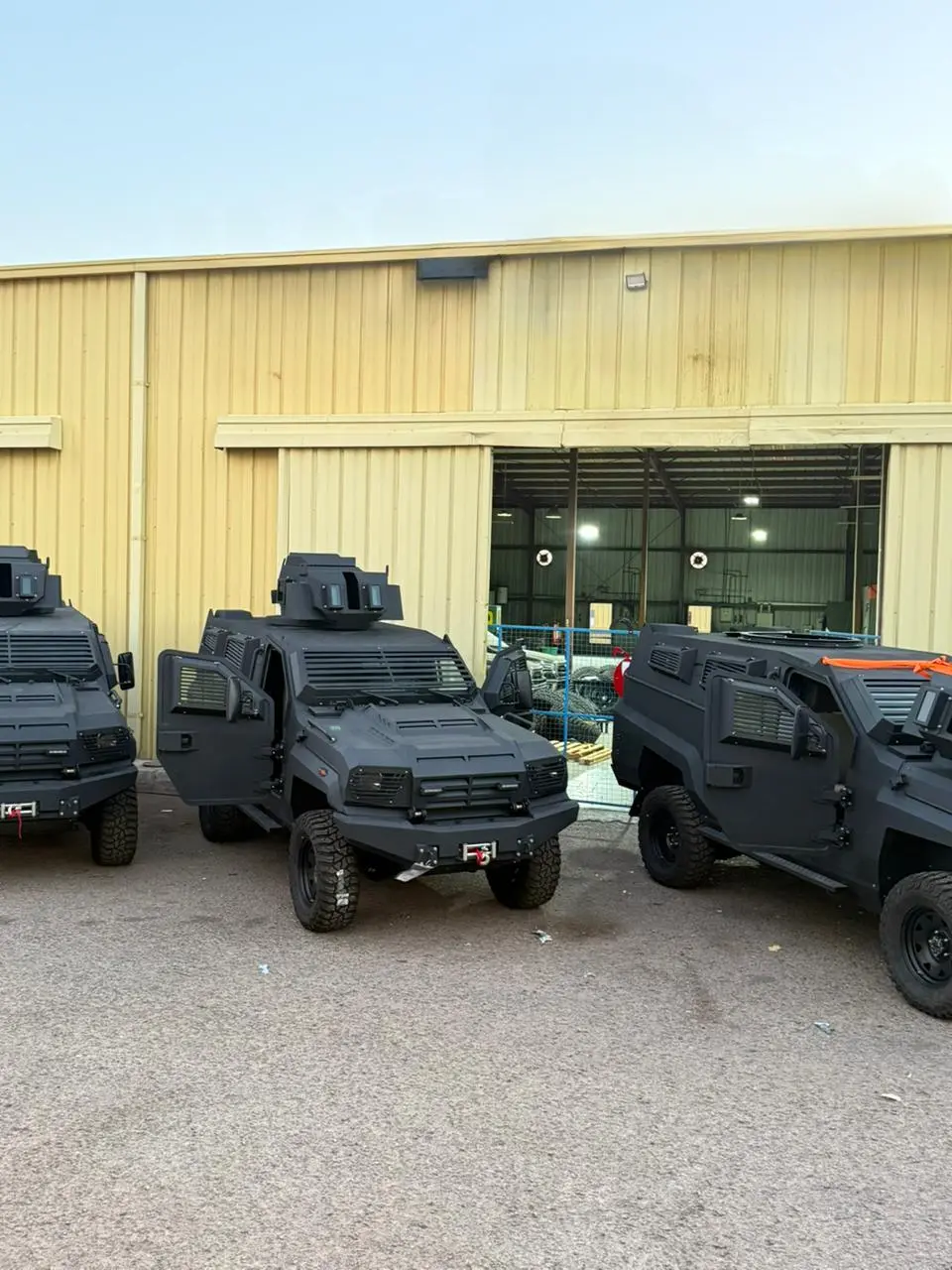
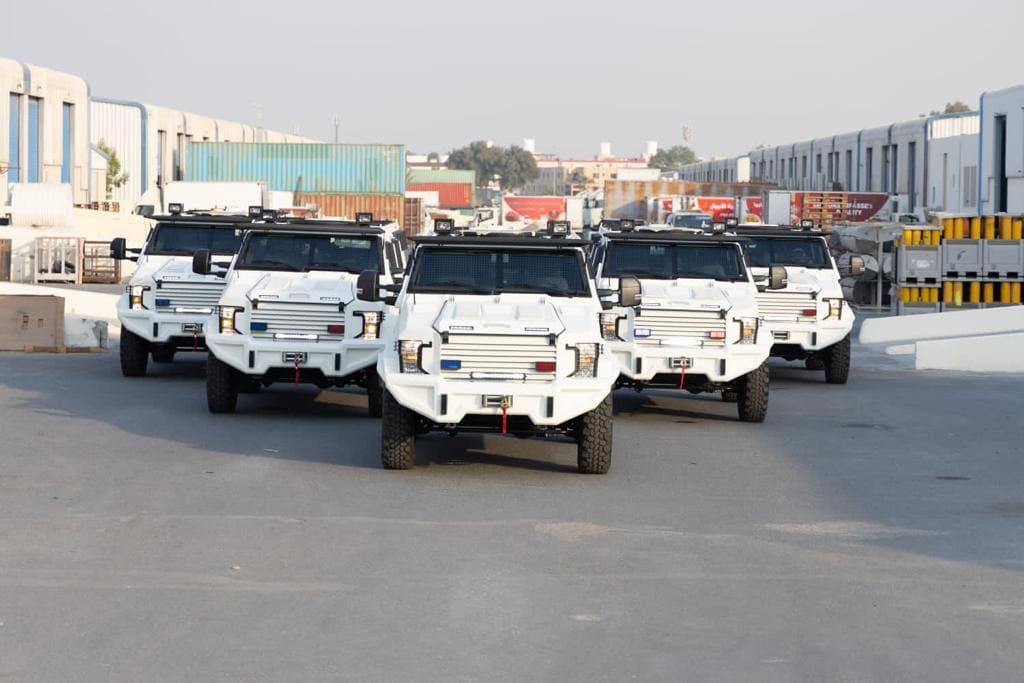
An APC SHARK Armored MRAP does its best work as part of a coherent fleet, not as a standalone one off. In many scenarios, SHARK type MRAPs carry the main body of personnel, while armored pickups and SUVs support logistics, scouting, or discrete movement around the area of operations. By standardizing protection levels and build quality across these platforms, we reduce maintenance complexity and training overhead.
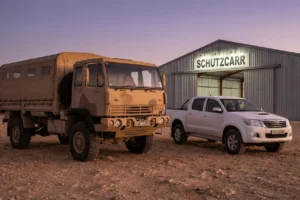
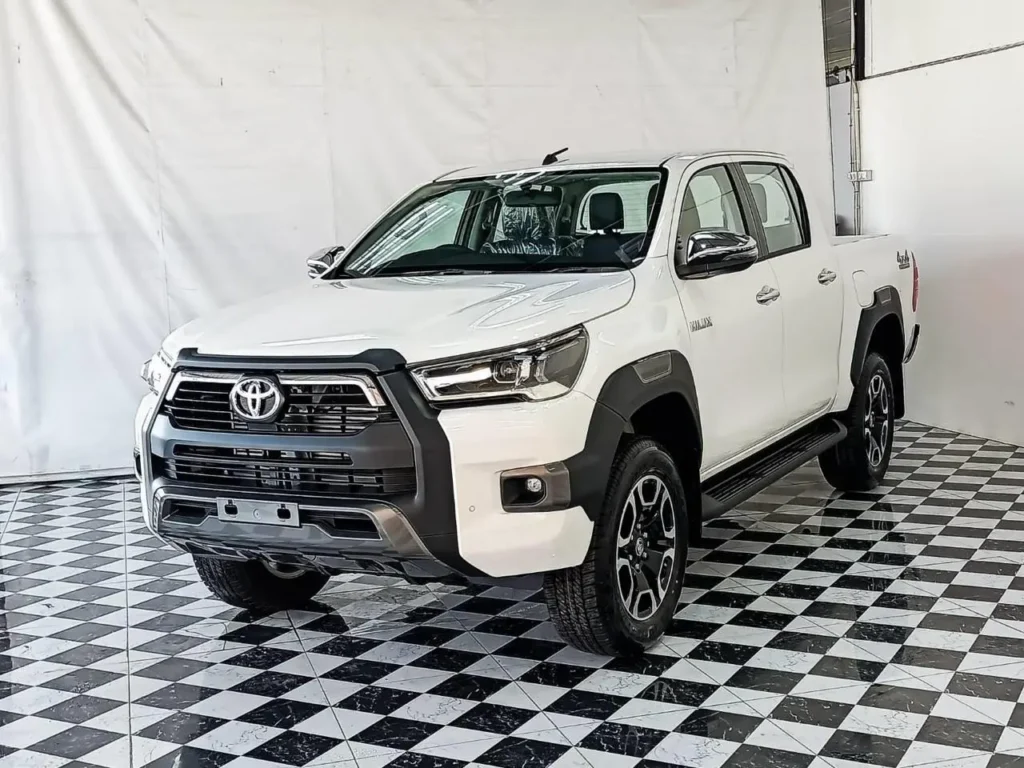
Our catalog reflects this philosophy. Vehicles like the Toyota Hilux BR6, Land Cruiser 300 BR6 Extended, Infiniti QX80 Extended BR6, and Land Cruiser 76 BR6 all share design DNA with our APC programs. For clients that need at least one SHARK class APC, we typically propose matching SUVs and pickups drawn from the same engineering standards, which simplifies spares, service, and documentation.
10. Certification, Documentation, and Civilian Legality
For an APC SHARK Armored MRAP to be practical, it must be supported by clear documentation. That means structural drawings, ballistic certificates, material test reports, and where required, evidence that the underlying chassis and armoring work together safely. We align our engineering programs with recognized ballistic standards and maintain documentation that supports registration and operation in multiple regions, subject to local regulation.
The same approach applies across our wider armored lineup from SHARK level MRAPs to discreet sedans. Land Cruiser 76 BR6, Land Cruiser 300 BR6 Extended, and other platforms we supply are backed by laboratory testing and certification traceability. When you integrate a SHARK class APC into your operations, this paperwork helps with risk assessment, insurance support, and long term fleet planning.
11. Comparing APC SHARK MRAP Concepts With Other APC Designs
To put an APC SHARK Armored MRAP in perspective, it helps to compare its philosophy with other known vehicles. Shrek One, for instance, uses a 4×4 chassis and a V hull inspired design to prioritize blast resistance, while some Fiona 6×6 configurations extend this concept with more axles for weight distribution and additional seating. SHARK style platforms that we work with occupy the same design space but allow for customization of interior layout, systems integration, and external equipment.
Within our catalog, you can see how these ideas cascade down into lighter APCs such as JASAR or MONO Q, and even into pickup based carriers like Tygor B7. The core principles remain the same: preserve the life of the occupants, maintain mobility under stress, and deliver protection levels that match the identified risk rather than an abstract specification. SHARK class MRAPs simply deliver this philosophy at the top end of the protection and capacity range.
Conclusion
An APC SHARK Armored MRAP is not just a large armored truck. It is a structured approach to protecting people against complex threats, built on blast aware hull design, substantial ballistic coverage, and the capacity to move an entire team inside one protected cell. When you compare SHARK class vehicles with other APCs and armored SUVs, you are really choosing a balance between protection level, visibility, mobility, and day to day practicality.
Our role is to help you understand where your needs sit on that spectrum. Whether you ultimately select a full SHARK style MRAP, a compact APC such as MONO Q or JASAR, or a fleet of Land Cruiser based SUVs and pickups, we apply the same engineering standards and certification discipline. If you are exploring an APC SHARK Armored MRAP for your organization, we recommend starting with a clear threat assessment and then mapping it to the mix of platforms that will keep your people safest on the routes they actually travel.