
Typical BR6 armor can add 700 to 1,200 kg to a full-size SUV, which reshapes everything from acceleration and braking to how much you can safely load in the vehicle. Understanding these armored SUV weight trade-offs helps you choose a platform that matches your real-world driving, not just a spec sheet.
Key Takeaways
| Question | Short Answer |
|---|---|
| How much weight does BR6 armor usually add to an SUV? | Typical BR6 packages add roughly 700 to 1,200 kg, which affects acceleration, braking, and payload capacity across platforms discussed in our off-road BR6 capability guide. |
| Are SUVs really the best platform for that added mass? | SUVs combine space, ground clearance, and chassis strength, which is why we highlight them in our overview of the best armored SUVs for civilian use. |
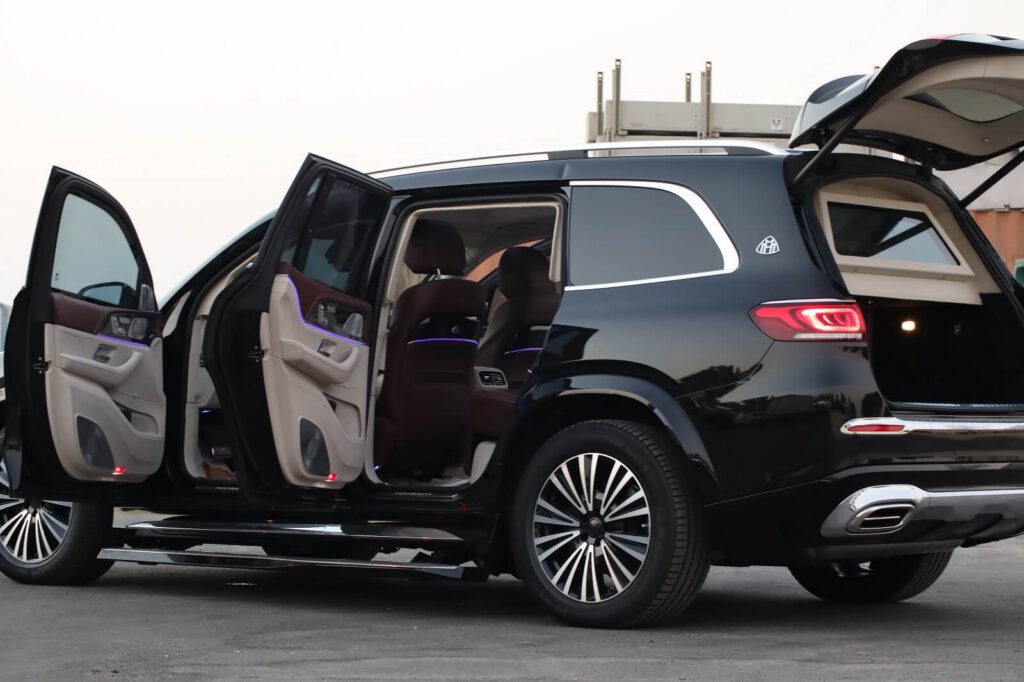
| What is the trade-off between weight and comfort in luxury armored SUVs? | Luxury platforms like the Mercedes Maybach GLS 600 BR6 carry substantial armor mass, so suspension tuning and chassis integration become essential to keep ride quality consistent. |
| How do weight trade-offs differ between rugged and executive SUVs? | Rugged platforms such as the LC76 family focus on payload and off-road clearance, while executive SUVs like the Lexus LX600 BR6 prioritize cabin refinement over maximum cargo flexibility. |
| Is BR6 usually enough for civilian road use? | For many civilian profiles, BR6 provides a balanced level of protection and weight, which we outline in our bulletproof car guide. |
| How do we compare heavy, extended platforms? | Extended SUVs like the Infiniti QX80 4WD Extended appear in our broader armored vehicle collection, where length, wheelbase, and weight distribution all influence handling. |
1. Why Armored SUV Weight Matters More Than Most Buyers Expect
Every kilogram of armor you add to an SUV changes how it accelerates, turns, and stops, so weight is not a side detail, it is the foundation of how the vehicle behaves. We see many clients focus first on protection level, then later realize that weight trade-offs drive day-to-day usability.
For full-size SUVs, typical added armor weight moves from a light B4 package at around 300 to 600 kg up to BR6 packages in the 700 to 1,200 kg range, especially when you include options like upgraded floors or extra glass coverage. That level of mass affects everything from tight city maneuvering to highway merging and long-distance comfort.
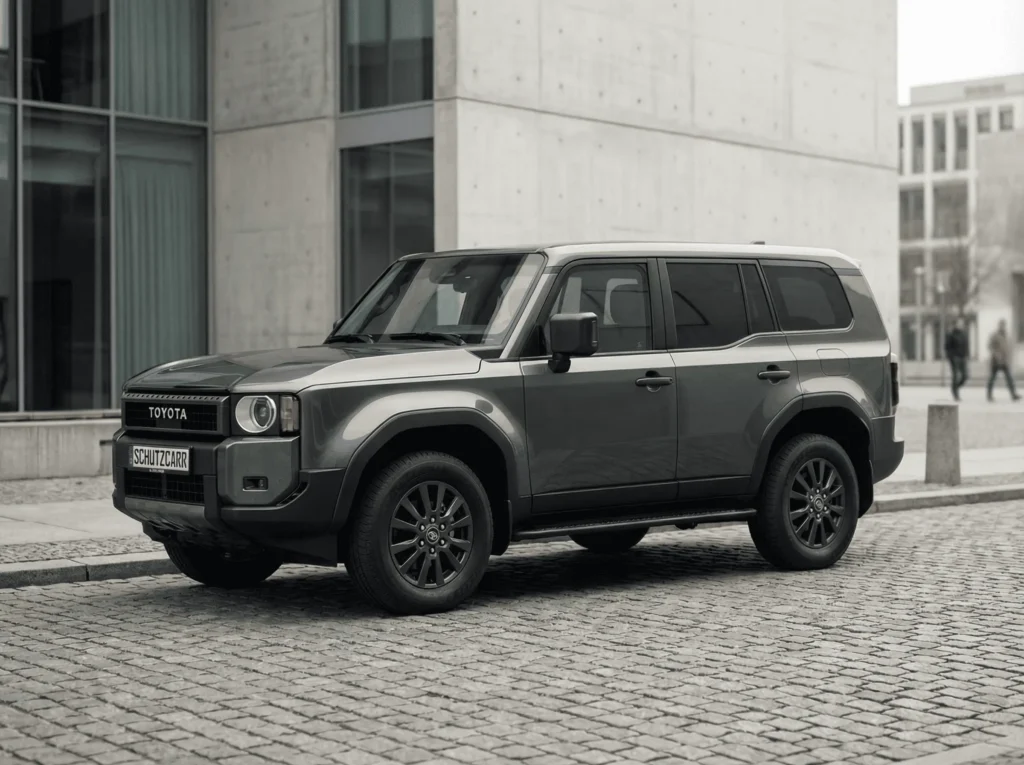
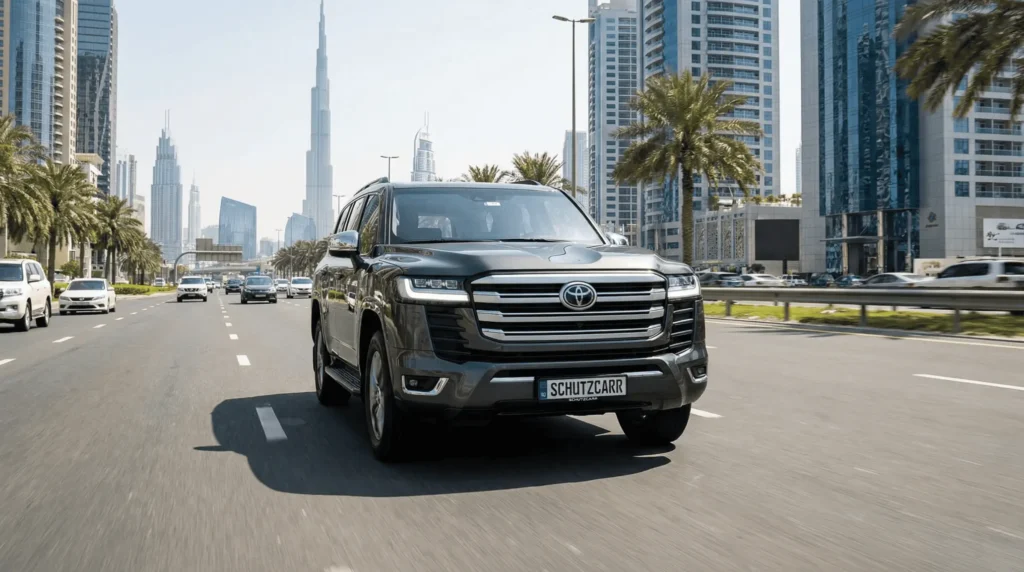
We help clients think of weight as a resource, not just a penalty. You are effectively trading some performance margin, fuel economy, and payload to gain a certified protective capsule around the cabin.
Once you treat weight as a design input instead of a surprise, it becomes easier to choose between rugged ladder-frame platforms and more refined unibody luxury SUVs that carry similar protection levels.
2. How Much Weight BR6 Armor Adds To Typical SUVs
On most platforms we work with, BR6 rifle-level protection wraps the passenger cell in steel and multi-layer ballistic glass, which is where the majority of the extra mass comes from. Floor, roof, and door overlaps all accumulate weight that you can feel in daily driving.
Industry references indicate that a full-size SUV moving from stock to BR6 often gains around 700 to 1,200 kg, with another 100 to 300 kg possible when clients add specialized packages like extra underbody reinforcement. You can think of this as loading the equivalent of several adult passengers permanently into the vehicle.
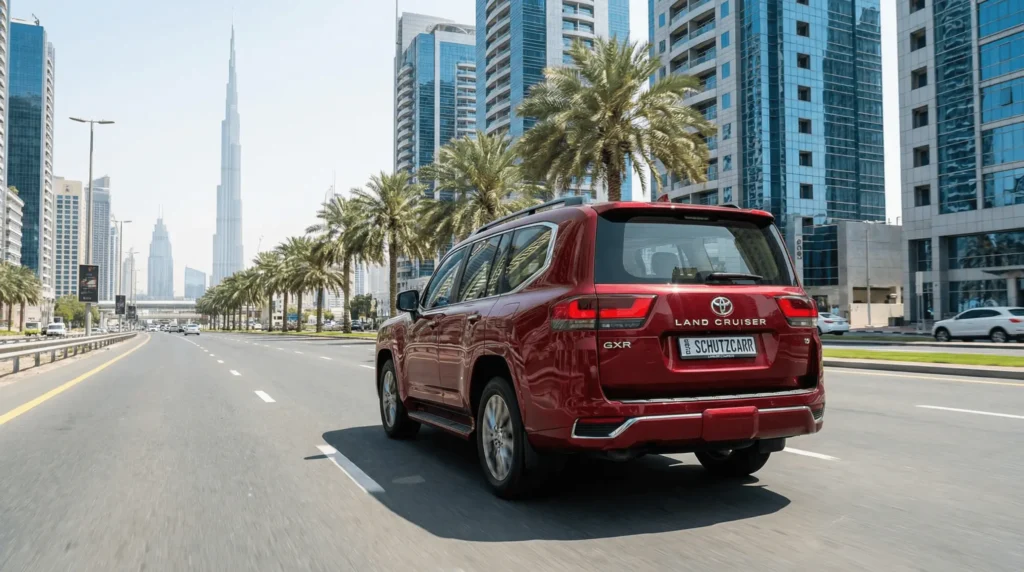
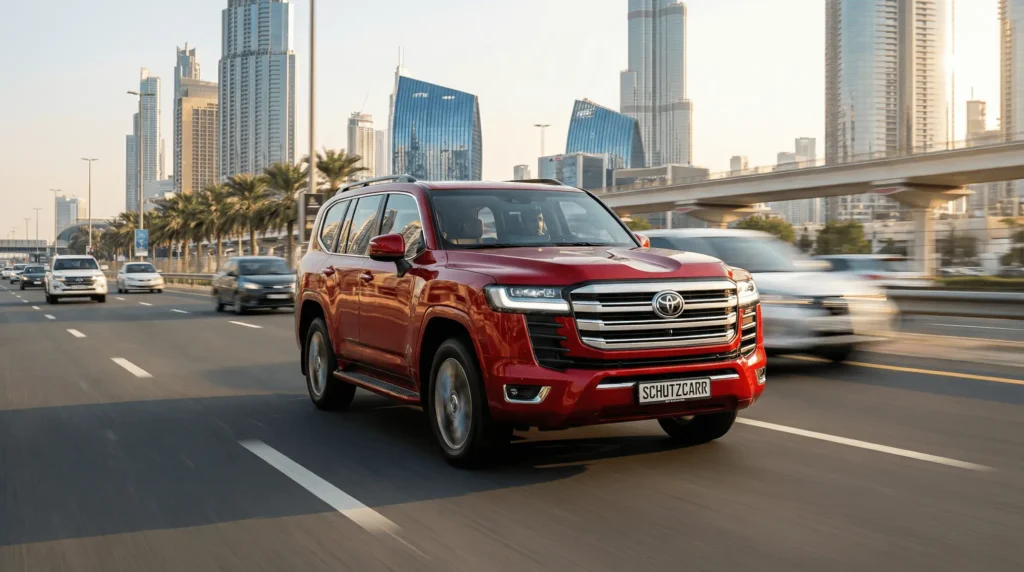
We also watch total vehicle weight on specific luxury platforms. Listings for armored Maybach S580 variants, which are similar in concept to armored luxury SUVs, sit around 3,000 kg, which gives a reference for how heavy a fully equipped premium build can become.
Those figures matter because manufacturers set a Gross Vehicle Weight Rating (GVWR) that must not be exceeded. Armor mass plus passengers, luggage, and optional equipment all have to sit under that GVWR for safe and compliant operation.
3. Weight vs Performance: What You Feel From Behind The Wheel
Once armor adds hundreds of kilograms, the power-to-weight ratio drops and you feel it most clearly in acceleration, passing maneuvers, and steep climbs. For example, adding about 800 kg of armor to a 2,500 kg SUV with 300 hp reduces power-to-weight from roughly 120 hp per ton to around 91 hp per ton, which is close to a 29 percent drop.
You still have the same engine output, but that power now has to move a heavier structure, so the vehicle feels more deliberate when you press the throttle. Clients who are used to quick luxury SUVs often ask us to walk them through this shift before they commit to a platform.
This infographic breaks down the five key trade-offs in armored SUVs. It highlights how weight, protection, and performance influence overall capability.
Handling also changes as weight rises. Body roll can increase if the suspension is not correctly upgraded, and the extra mass sits higher because of thick glass and roof armor, which shifts the center of gravity upward.
We use reinforced suspension setups and careful weight distribution to keep steering response predictable, but anyone moving from a stock SUV to a BR6 build should expect a different driving character, especially during sudden lane changes or emergency braking.
Did You Know?
Adding roughly 800 kg of armor to a 2,500 kg SUV with 300 hp drops power-to-weight from about 120 hp/ton to ~91 hp/ton, which is close to a 29% reduction in acceleration headroom.
4. Fuel Economy, Range, and Daily Use With Heavier BR6 SUVs
Higher mass does not only affect how the SUV feels, it also influences how often you stop for fuel and how you plan long journeys. Industry data suggests that armored SUVs commonly see an 8 to 15 percent fuel economy penalty for roughly every 10 percent increase in total weight.
That means a large SUV that originally returned comfortable range figures may see noticeable reductions once fully armored, particularly in city driving where stop and go cycles amplify weight effects. For some clients, this is a minor adjustment, while others adjust their refueling routines accordingly.
We discuss these trade-offs early in the planning process so no one is surprised later. If long highway legs or remote-region travel are part of your profile, we look closely at tank capacity, realistic range with armor installed, and how to balance payload against the need for extra supplies.
In tight urban environments, heavier SUVs can also require more attention when parking and maneuvering into narrow spaces. Larger wheel and tire packages, which often come with BR6 builds, can increase the turning circle slightly compared with stock versions.
5. Weight vs Off-Road Capability: What Really Happens On Trails
Off-road capability is one of the biggest reasons clients choose armored SUVs, and weight plays a central role in how these vehicles behave once you leave pavement. In our guide on off-road BR6 armored SUVs, we explain that BR6 protection affects suspension travel, approach and departure angles, and the way the vehicle loads its axles.
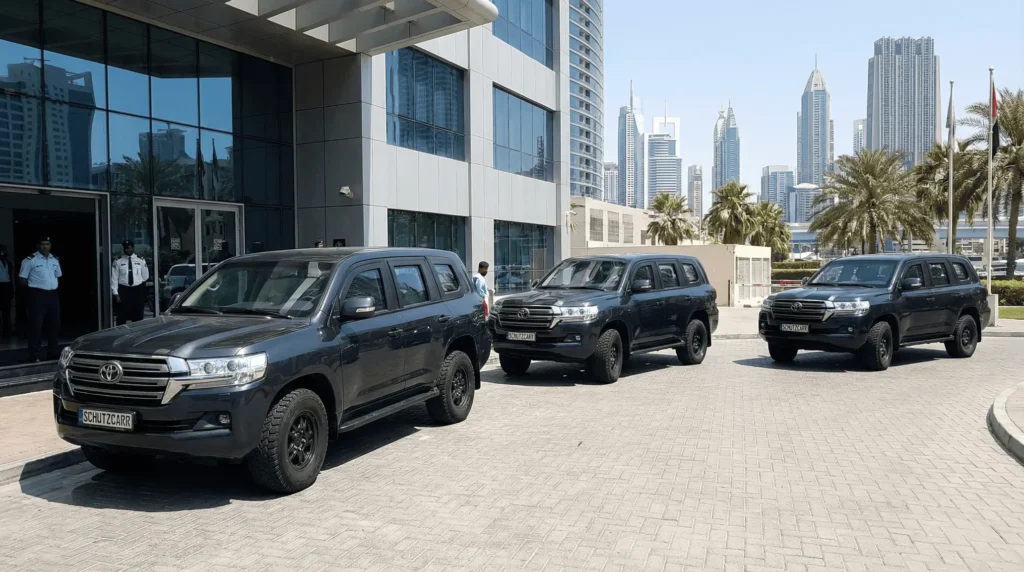
Heavier armor compresses springs more, which can slightly reduce ground clearance if suspension components are not upgraded. That is why we rely on lifted, load-rated springs and reinforced dampers on platforms like the Land Cruiser 76, Land Cruiser 300, and Infiniti QX80 based builds.
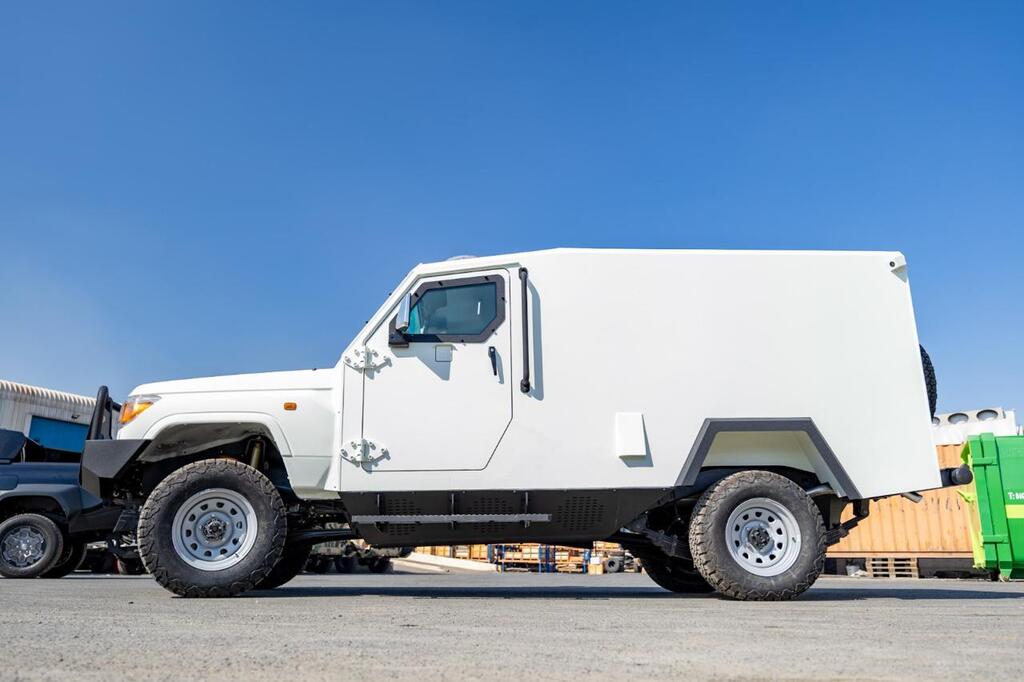
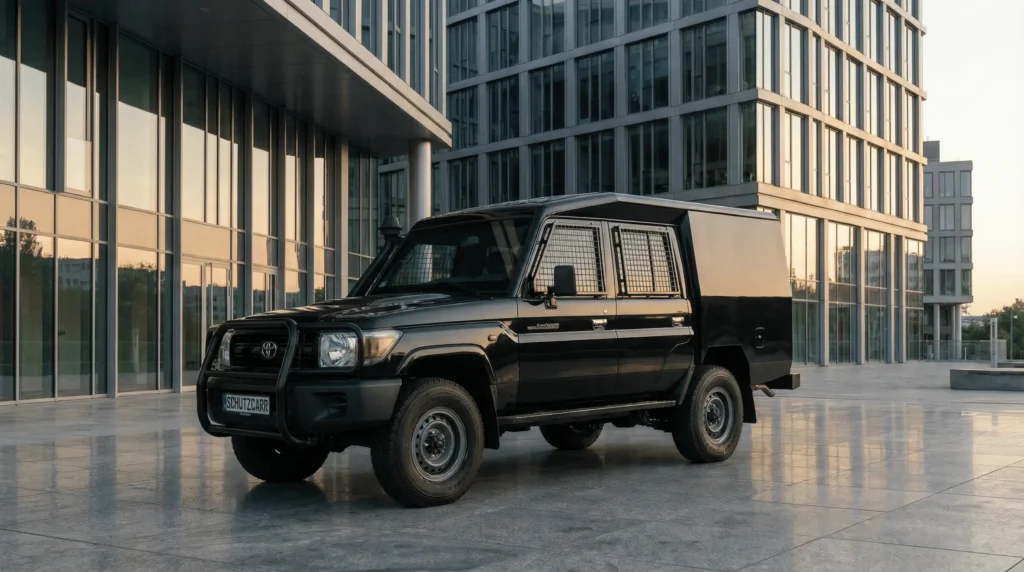
On loose surfaces, more weight can provide extra traction but also increases the risk of getting bogged down if you exceed the tire and surface capacity. A BR6 Land Cruiser that is carefully loaded and driven within its limits can still handle serious trails, but it requires a more measured driving style.
We help clients think through how often they truly use low-range four wheel drive, what kind of terrain they see regularly, and how many occupants or how much equipment they typically carry. This conversation shapes choices like tire selection, ride height, and whether an extended body is appropriate.
6. Luxury Armored SUVs: Weight vs Comfort Trade-Offs
Luxury armored SUVs like the Mercedes Maybach GLS 600 and Lexus LX600 BR6 approach weight management differently from rugged platforms. Their starting points already include sophisticated suspension systems, complex electronics, and high sound insulation, so armor mass stacks on top of an already well equipped base vehicle.
Our goal with these builds is to keep the cabin experience as close as possible to the original, even after the structure becomes much heavier. That means carefully tuning suspension rates, noise isolation, and door hinge geometry so occupants feel a calm, predictable environment.
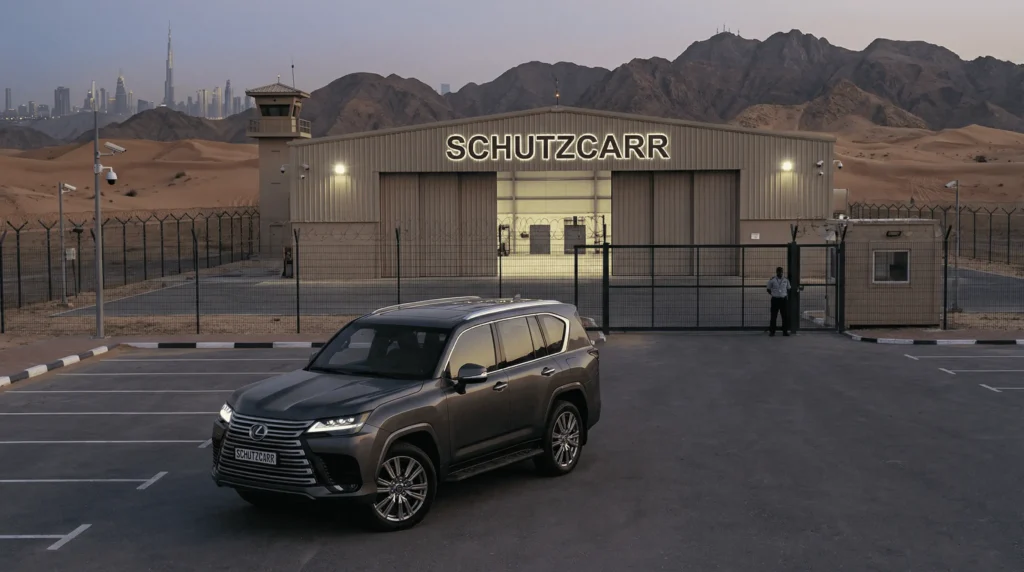
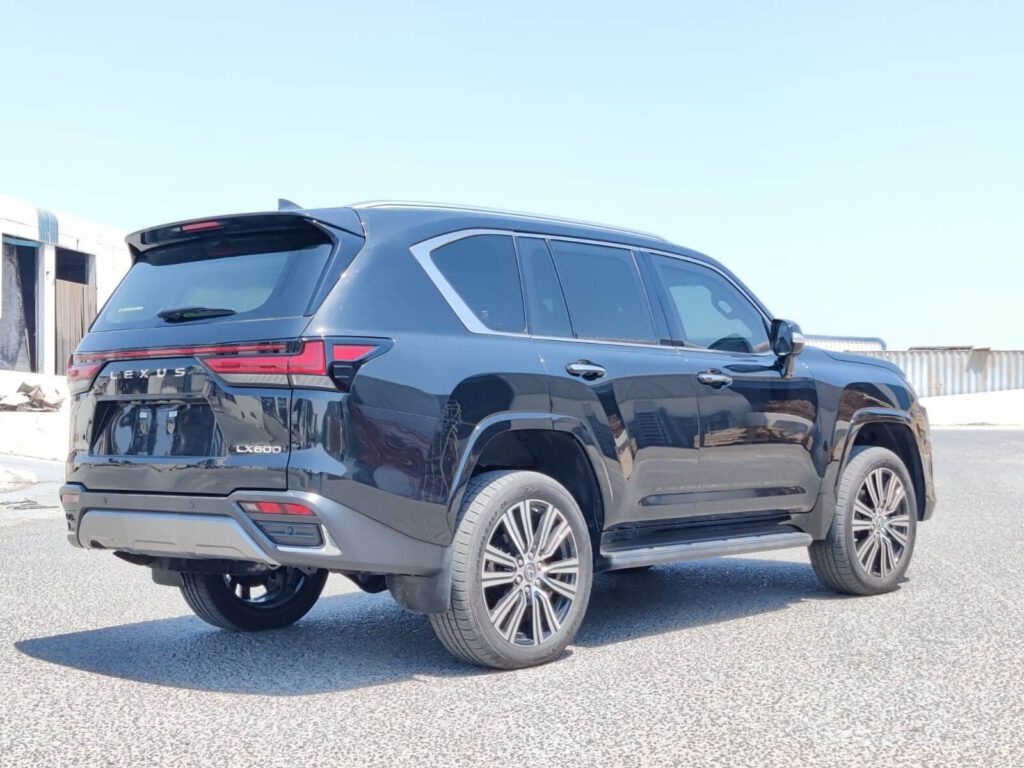
On the GLS 600, for instance, we integrate BR6 protection around the cabin while respecting the factory suspension architecture that is designed to manage weight changes. The trade-off is that some configurations will feel heavier off the line compared with a stock GLS, particularly when fully loaded with passengers and luggage.
Clients focused on executive and VIP transport usually prioritize interior refinement over maximum trunk space or towing capacity. Weight trade-offs in this segment are mostly about preserving comfort and quietness while accepting that payload margins are narrower than on stripped back utility platforms.
7. Rugged Platforms Like Land Cruiser 76: Payload vs Protection
On vehicles such as the Toyota Land Cruiser 76 family, weight trade-offs center on payload and durability rather than pure luxury. The LC76 is built on a ladder frame with a focus on simplicity and robustness, which makes it an appealing base for BR6 armoring.
When we design an LC76 BR6 capsule, we integrate armor with the chassis and drivetrain to maintain off-road capability as much as possible. That integration is critical because the solid axles and leaf springs handle weight differently from the air or adaptive suspensions found on upscale SUVs.
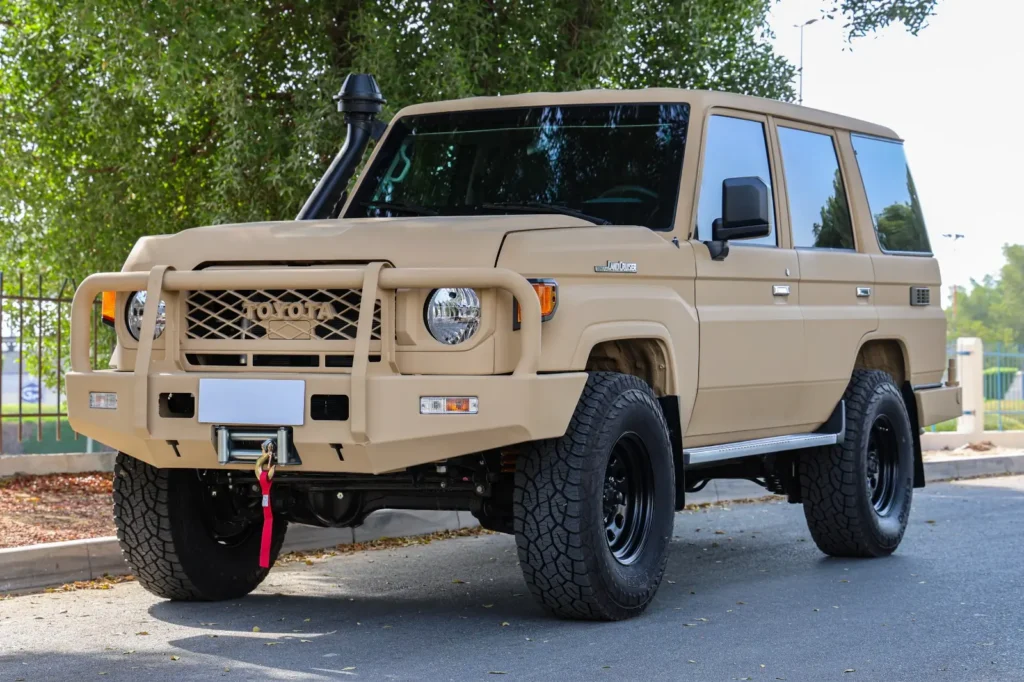
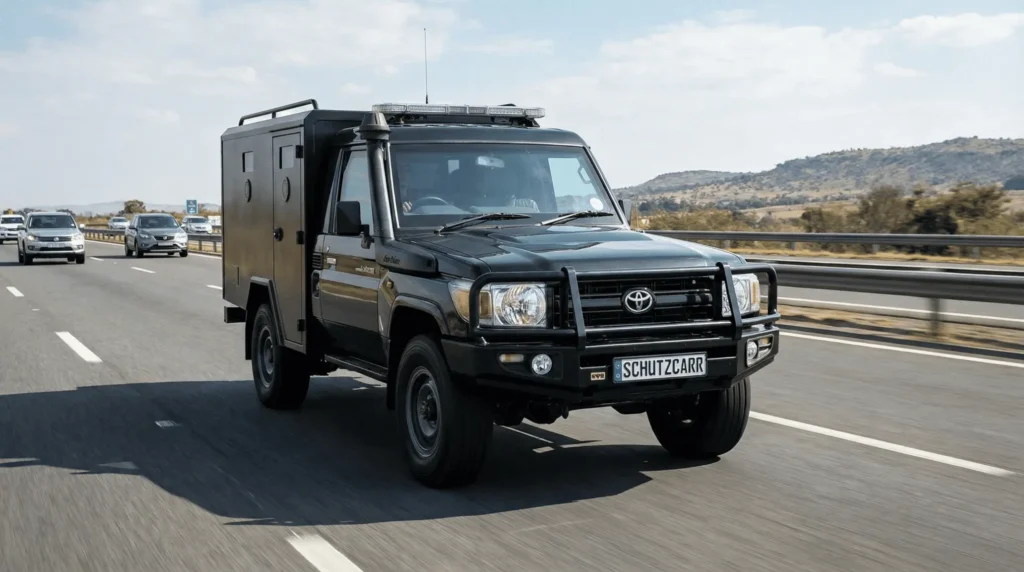
Weight influences how many occupants and how much cargo you can responsibly carry while staying within GVWR limits. We advise clients to think in terms of realistic headcount and gear, not just maximum seating capacity, when they choose roof racks, drawer systems, or auxiliary tanks.
In practice, a BR6 LC76 remains a very capable off-road platform when treated as a people carrier with light equipment, rather than as a heavily loaded expedition truck. That shift in mindset helps preserve drivetrain longevity and braking performance over time.
Did You Know?
GVWR constraints mean every kilogram of armor directly reduces available payload, so armor mass, passengers, and cargo together must stay within manufacturer weight ratings for safe operation.
8. Brakes, Suspension, and Tires: Why Upgrades Become Non-Negotiable
When you add hundreds of kilograms of armor, stock brakes and suspension components are no longer operating in the range they were originally designed for. Industry guidance is clear that armor weight increases drive common upgrades in braking and suspension to maintain handling and stopping distances.
We typically specify load rated springs, reinforced dampers, and larger or higher friction brake components on BR6 SUVs. These changes work together to control body motion, shorten braking distances relative to unmodified heavy vehicles, and keep steering feedback consistent.
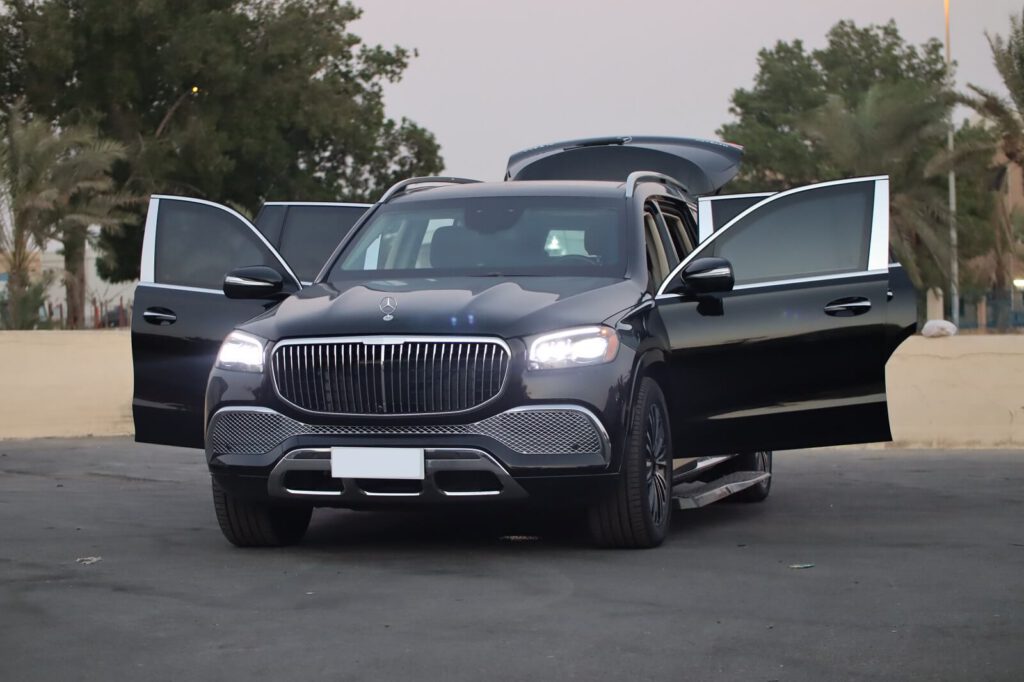
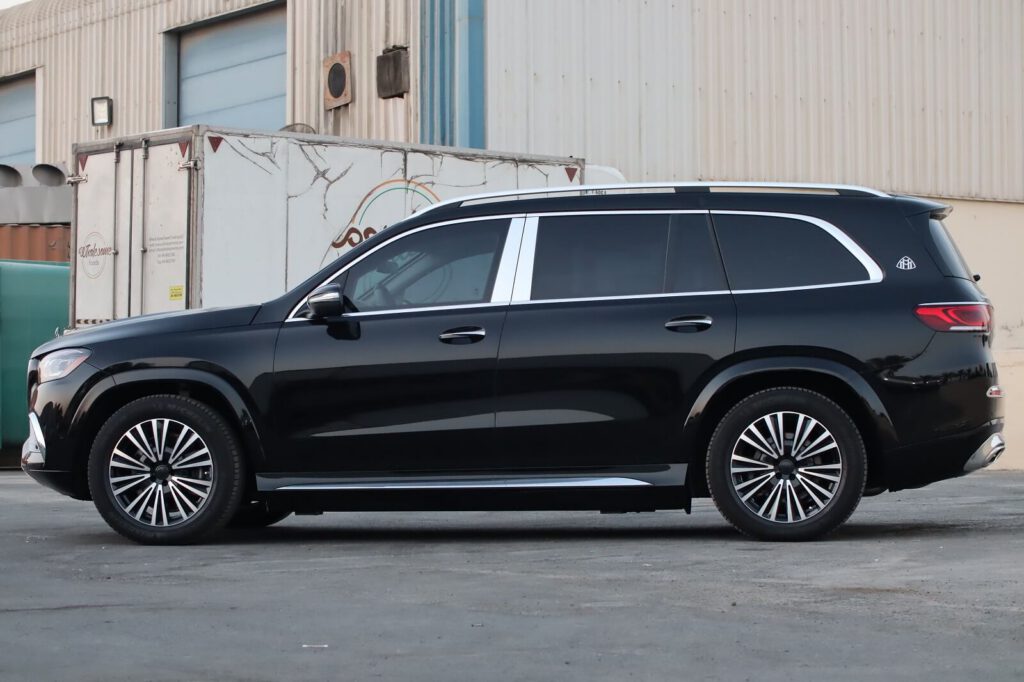
Tires also see higher loads with BR6 armoring, especially during emergency maneuvers and pothole impacts. We carefully select load indexes and speed ratings that reflect the final armored curb weight plus intended payload.
For clients, the takeaway is simple. Properly engineered brake and suspension upgrades are not cosmetic features, they are essential for preserving control and safety margins once the SUV becomes significantly heavier.
9. Choosing Platforms: Extended, Standard, and Low Profile Options
Not every armored SUV needs to be the largest, heaviest configuration available, and weight plays a major role in platform selection. Extended wheelbase SUVs like long Infiniti QX80 or extended Land Cruiser 300 variants offer extra cabin space, but they concentrate more mass over a longer footprint.
Standard wheelbase SUVs often strike a better balance between protection and maneuverability, particularly for clients who operate frequently in crowded urban areas or tight parking structures. In these cases, trimming unnecessary options can keep weight under control while still achieving BR6 coverage.
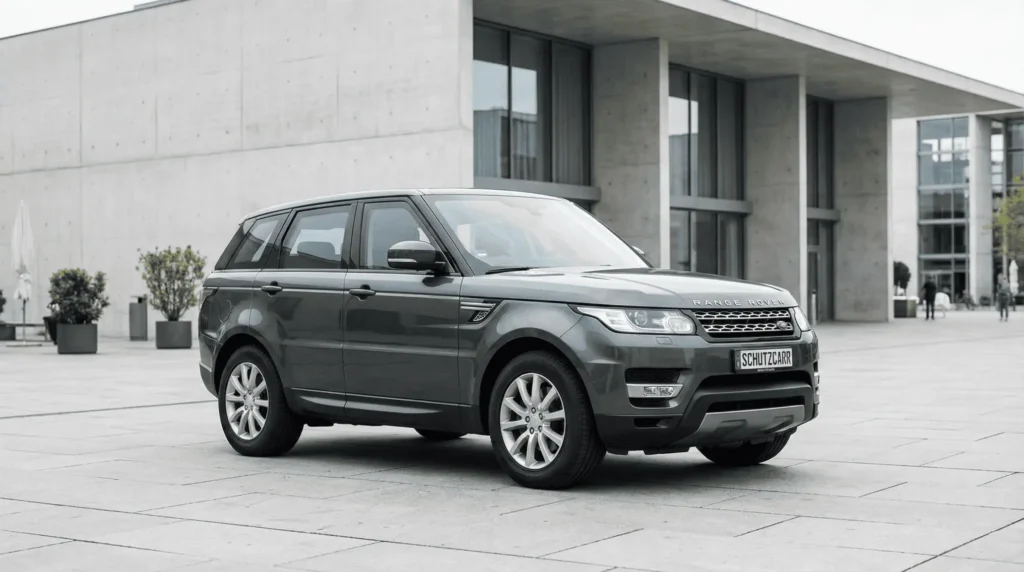
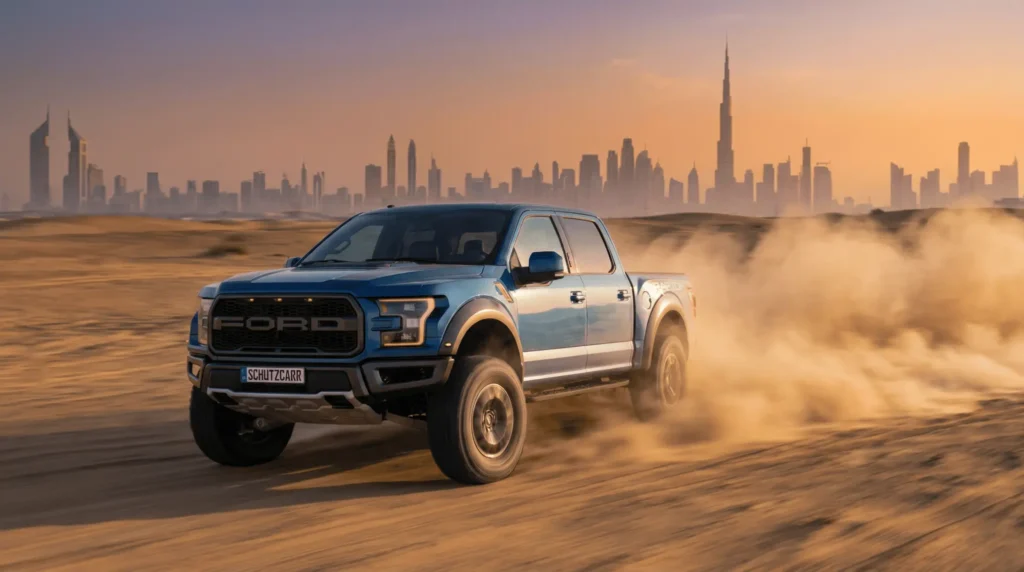
We also work with clients who prefer low profile armored vehicles where appearance is intentionally discreet. In such projects, careful material choices and conservative option lists keep weight within tight limits to avoid obvious stance changes or sagging suspensions.
During planning, we map out how often each row of seating will be used, how much luggage space is really necessary, and whether rear facing or special seating layouts are required. Removing unused seating and complex mechanisms can recover meaningful weight that we can reallocate to armor coverage or payload.
10. Lightweight Materials vs Traditional Armor: Is Less Mass Worth It?
Advanced lightweight armor materials provide a path to reduce mass, often cutting added weight by up to 40 percent compared with traditional steel dominant packages. The trade-off is that these materials typically come at higher unit prices and may require more complex integration work.
For some clients, especially those who value performance and range, choosing lighter materials makes sense. A BR6 package using composite and advanced alloys can retain more of the base SUV’s dynamic character while still surrounding occupants with certified protection.
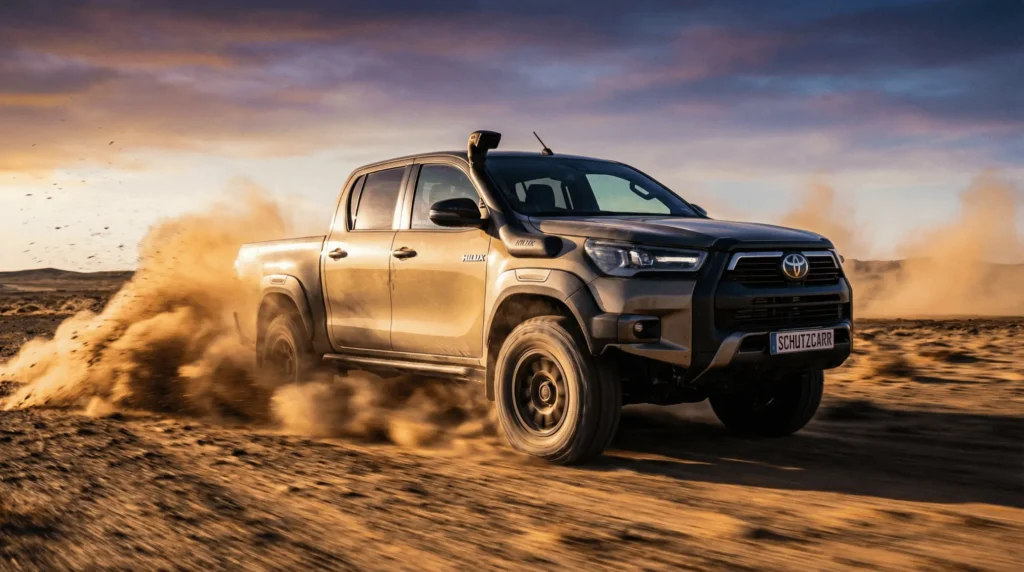
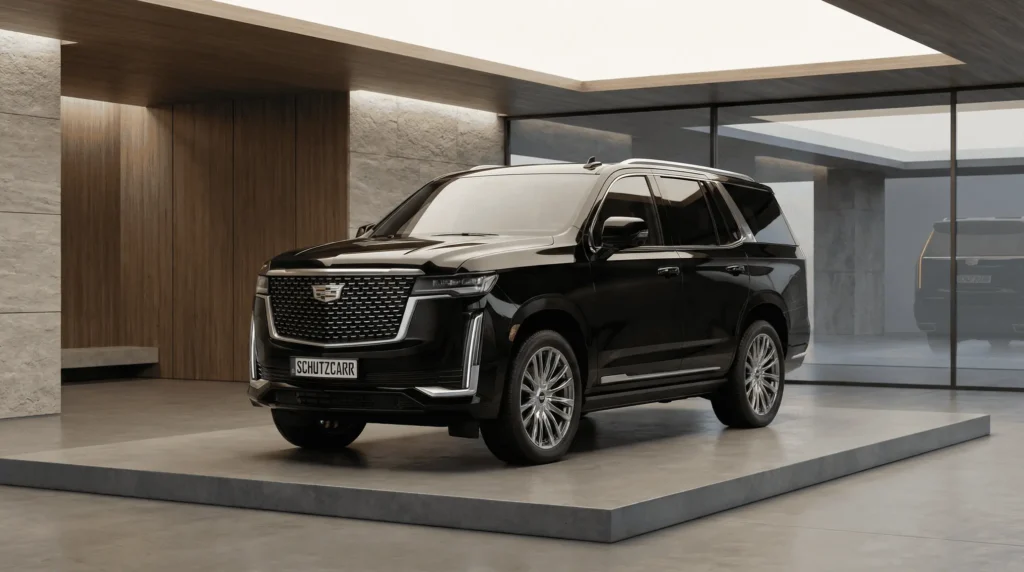
On the other hand, traditional materials still make sense where simplicity, serviceability, and widely available repair expertise are priorities. We discuss material choices candidly so clients understand where each kilogram is coming from and what it offers in return.
Ultimately, choosing between lightweight and traditional solutions is a balancing act between desired driving feel, long term maintenance preferences, and how aggressively you need to manage GVWR margins.
Conclusion
Armored SUV weight trade-offs are not abstract engineering details, they are the practical realities that shape how your vehicle drives, how much it can safely carry, and how comfortable it feels every day. When you understand how BR6 protection adds 700 to 1,200 kg, how that mass affects power-to-weight, and why suspension and brake upgrades are essential, you can choose a platform and configuration that matches your actual use case.
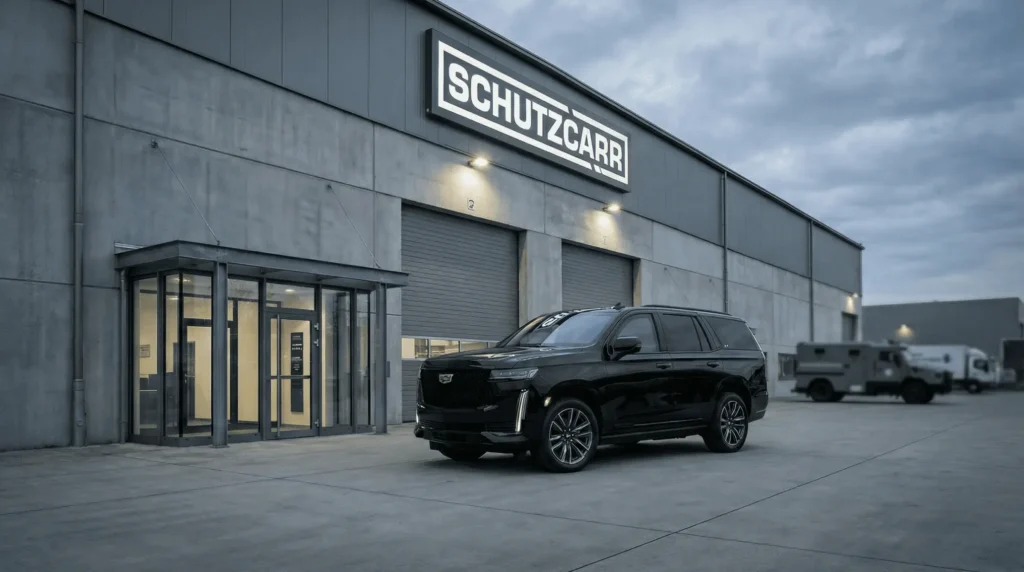
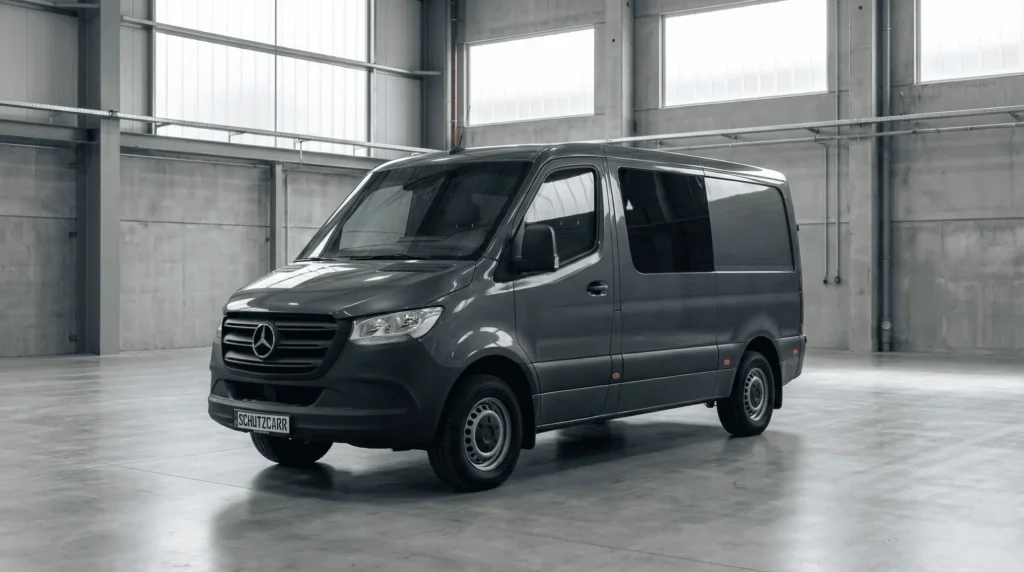
At SchutzCarr, we design armored SUVs by starting with these weight trade-offs and working backward to the right chassis, materials, and options. If you would like to talk through your requirements and see which armored SUV configuration fits your profile, you can reach our team directly via our contact page at https://schutzcarr.shop/contact/.