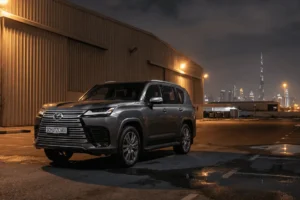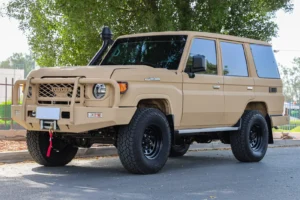

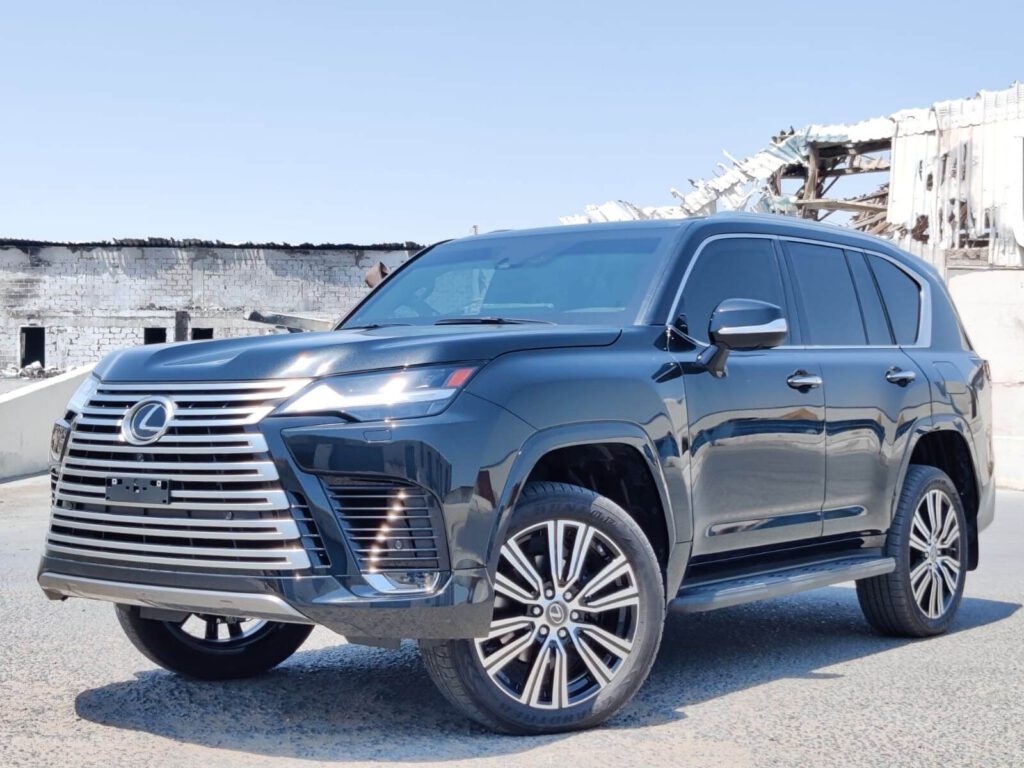
The Toyota Land Cruiser 300 GXR has become one of the most requested platforms for civilian armoring, largely because typical armored LC300 GXR builds use protection around B6 level, which is widely treated as a baseline for urban passenger protection. The Toyota Land Cruiser 300 GXR has become one of the most requested platforms for civilian armoring because it combines a modern chassis, strong drivetrain, and electronics architecture that can support additional ballistic mass. This guide explains what makes an armored LC300 GXR practical, how BR6 packages are typically configured, and how the platform compares with other armored SUVs in civilian fleets. If you are considering the LC300 GXR for your fleet or organization, this article gives you a structured way to think through protection level, configuration, and long‑term use.
Key Takeaways
| Question | Answer |
|---|---|
| What armor level is common for an armored Toyota Land Cruiser 300 GXR? | Most civilian builds use BR6 as a practical baseline, providing comprehensive ballistic protection of the passenger cabin using armored steel, composites, and multi-layer glass aligned with recognized standards. More available in this LC300 GXR armor guide. |
| What parts of the LC300 GXR are usually armored? | Typical builds include the passenger cell on all four sides, the roof, and selective floor and underbody zones. You will see examples of this philosophy applied to other platforms in our armored car buyer’s guide. |
| How does the LC300 GXR compare with the Land Cruiser 76 in armored form? | The LC300 GXR focuses on comfort and electronics, while the LC76 emphasizes simplicity and ruggedness. Our in‑depth article on the 76 platform is here: Armored Toyota Land Cruiser 76 overview. |
| Is the armored LC300 GXR suitable as a primary family or fleet SUV? | For many civilian users it serves as an all‑rounder, combining BR6 protection with everyday drivability. You can see how it ranks among other SUVs in our list of the best armored SUVs for civilian use. |
| What protection levels are available beyond BR6? | Depending on the builder, packages may range from B4 and B4+ up to B6 and B7. For specific details on our stock BR6 LC300 builds, visit the Toyota Land Cruiser 300 GXR stock armored variant page. |
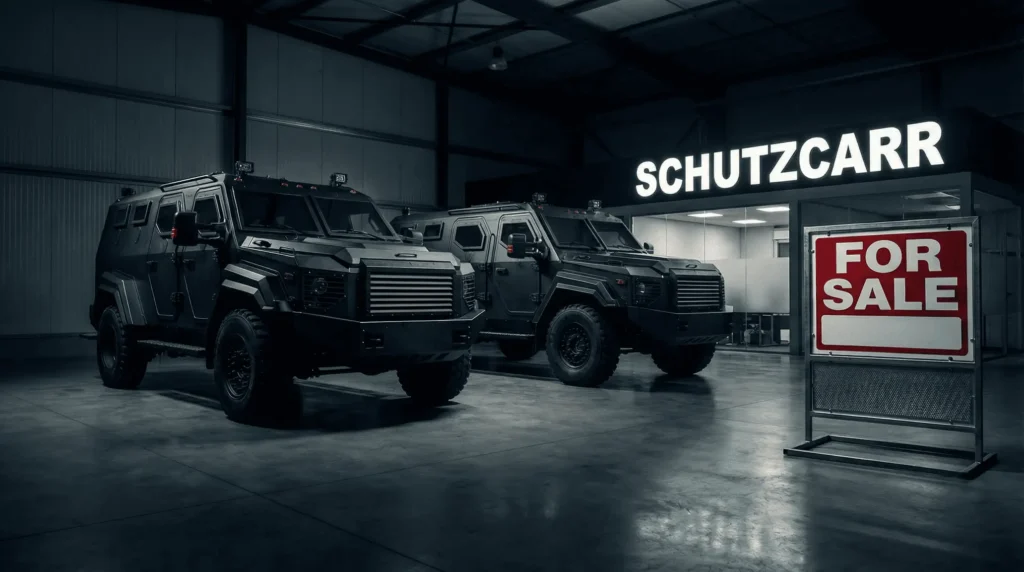
| How does the LC300 GXR fit inside a mixed fleet with MRAPs and APCs? | It usually plays the role of a flexible SUV platform around heavier vehicles. We explain that layered approach in our MRAP for civilian protection guide. |
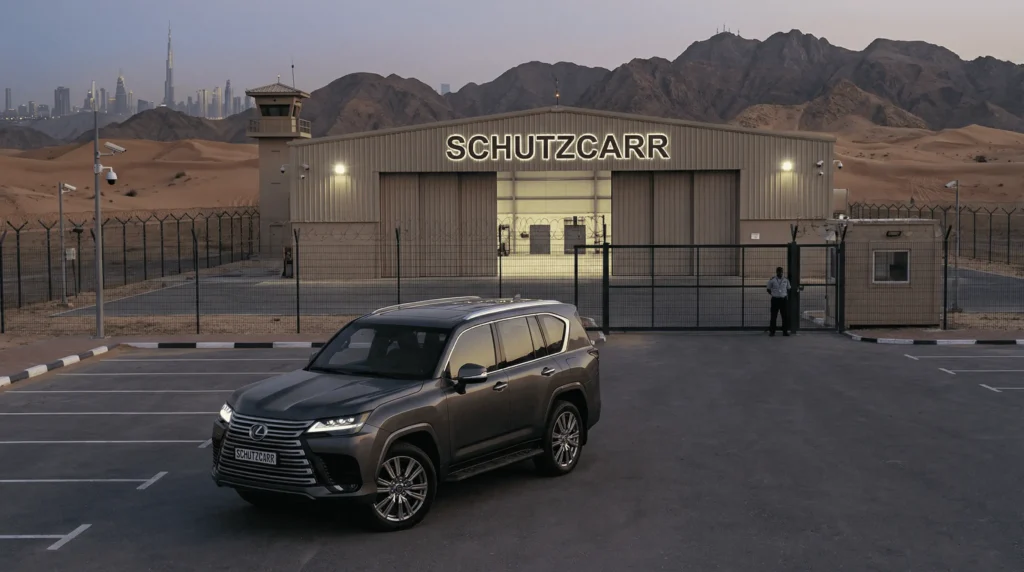
| Where can I learn more about different armored platforms beyond the LC300? | Our general armored vehicle catalogue, from SUVs to APCs, is outlined here: SchutzCarr armored vehicle overview. |
1. Why the Armored Toyota Land Cruiser 300 GXR Has Become a Civilian Favorite
The LC300 platform benefits from widespread global adoption, which means strong parts availability, broad service knowledge, and long-term support that armored variants can rely on.
From a user standpoint, the GXR trim gives a functional balance of equipment without excessive cosmetic complexity, which helps with discreet armoring. For many clients, the LC300 GXR sits in the middle between minimalistic platforms like the Land Cruiser 76 and higher‑luxury SUVs, so it becomes the default choice when they want a single armored SUV that can serve multiple roles.
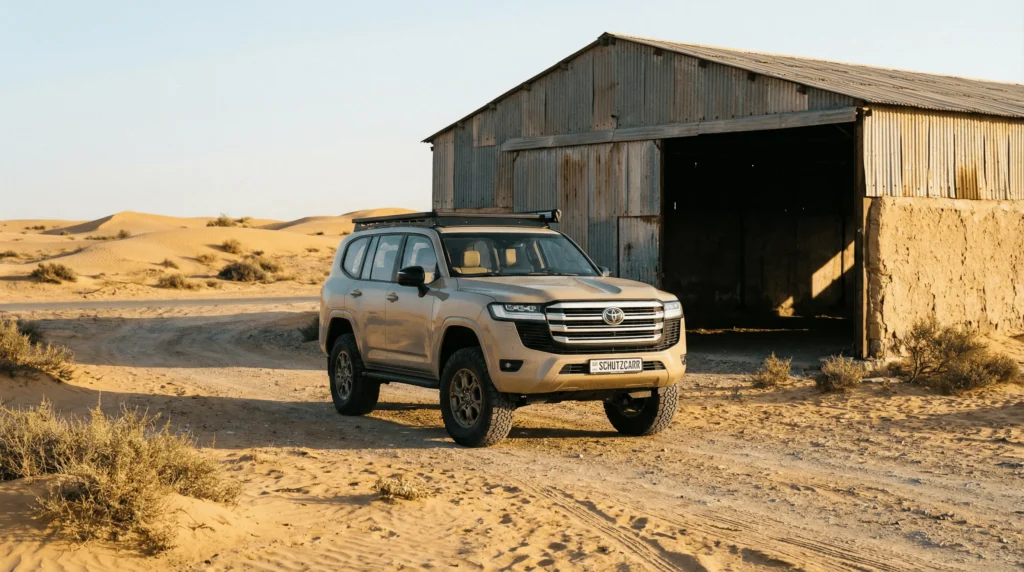
2. Understanding the LC300 GXR Platform Before Armoring
Recent LC300 GXR models typically use a modern twin-turbo V6 gasoline engine paired with a multi-speed automatic transmission and full-time four-wheel drive, which provides a solid mechanical base for handling additional mass from ballistic protection.
Compared with older ladder‑frame designs, the LC300’s updated frame and suspension geometry are more refined, but they also require careful integration when we reinforce key points. Electronics, driver aids, and safety systems all need to remain functional after the armoring process. The goal is to preserve as much of the original driving character as possible while integrating a coherent armored capsule around the passenger cell.
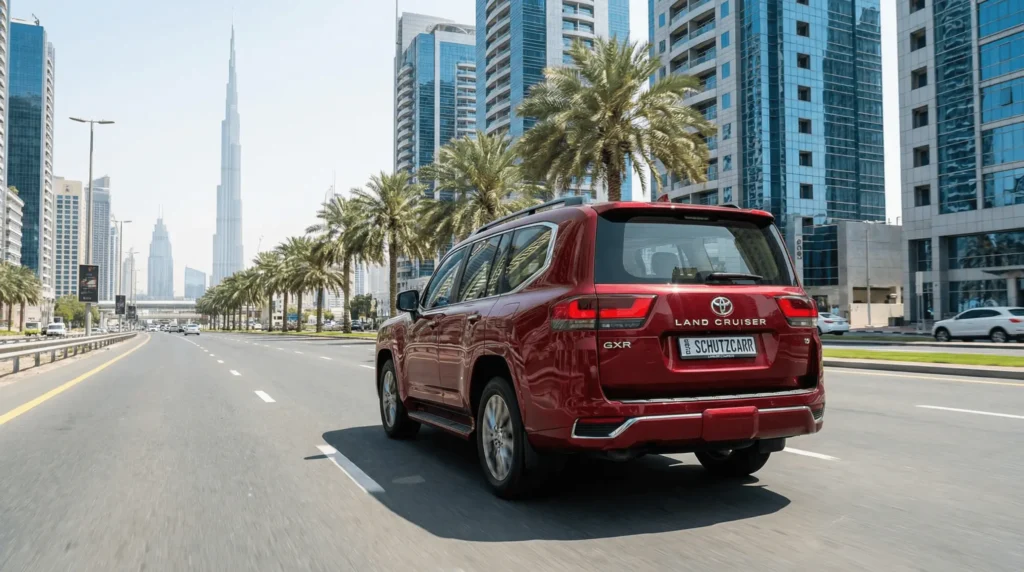
3. Armor Levels on the Toyota Land Cruiser 300 GXR: BR6 as the Baseline
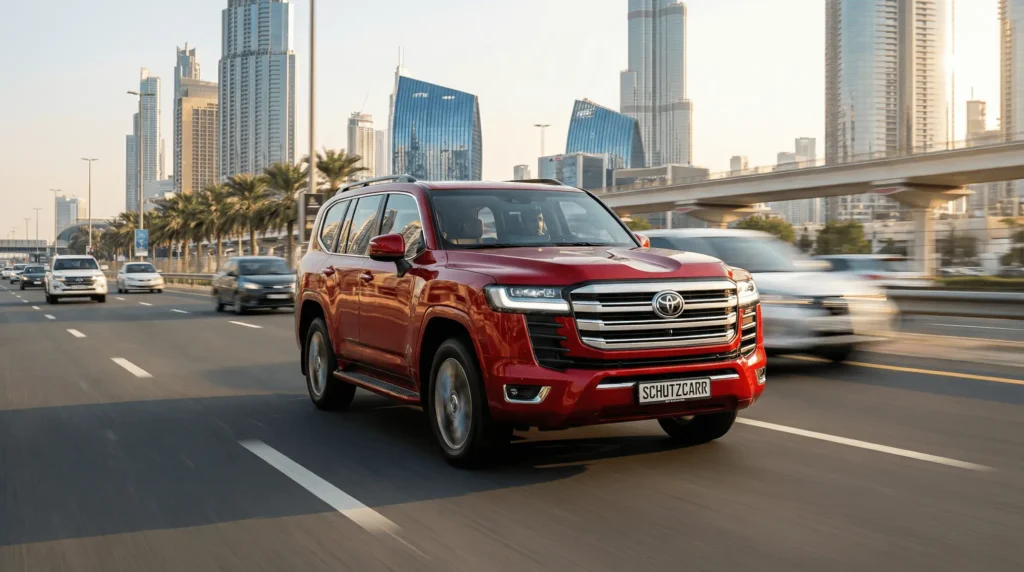
Armor packages offered for the LC300 GXR commonly range from B4 and B4+ through BR6 and, in some cases, higher protection levels, depending on configuration and intended use.
BR6 armoring on the LC300 GXR usually covers all four sides of the passenger compartment, the roof, and carefully selected floor areas. When we configure packages, we look at occupant count, expected routes, and how much additional equipment the vehicle needs to carry. That determines whether BR6 is enough or whether a higher protection level is appropriate.
| Armor Package | Typical Use on LC300 GXR | Key Trade‑offs |
|---|---|---|
| B4 / B4+ | Low‑profile, lighter conversions | Less mass, but lower protection envelope |
| BR6 | Common civilian baseline | Balanced weight vs coverage for most routes |
| B7 / VR7‑type | Higher‑threat environments, specialized roles | More mass, more intensive chassis upgrades |
Did You Know?
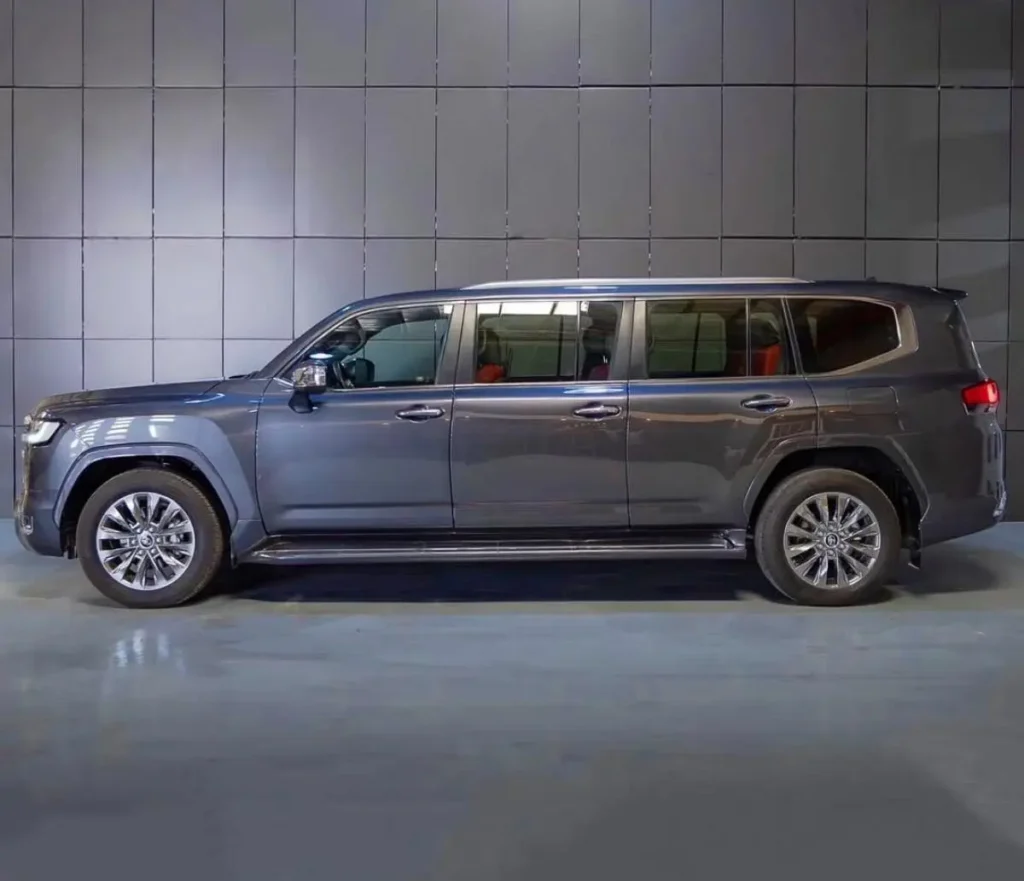
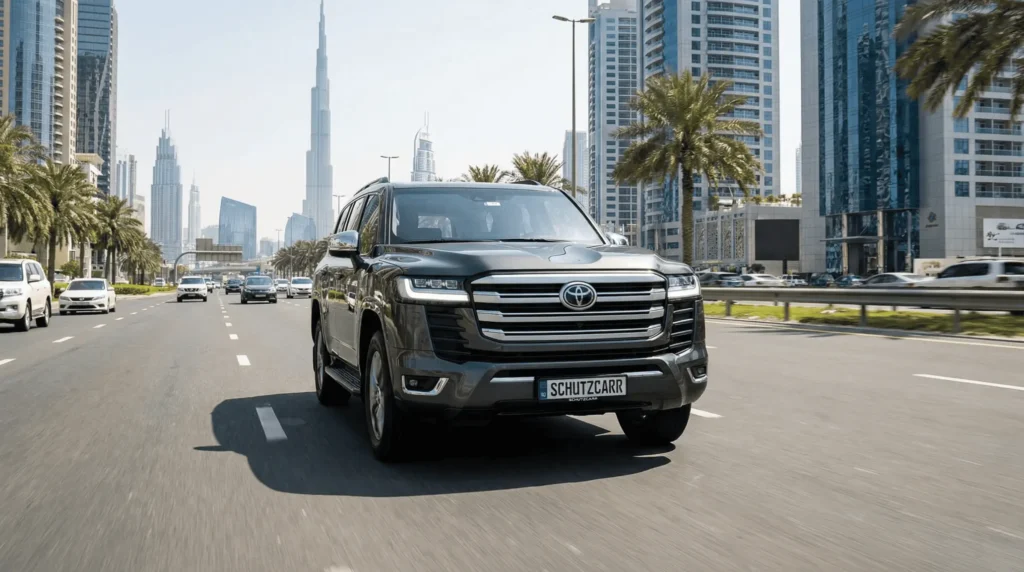
Armored LC300 GXR builds typically use protection around B6 level, which has become the standard reference point for civilian and urban passenger armoring on this platform.
4. BR6 Coverage on the LC300 GXR: Body Shell, Glass, Roof and Floor
When we talk about an armored Toyota Land Cruiser 300 GXR at BR6 level, we are referring to a specific style of coverage. That normally includes protection for all four sides of the passenger compartment and the roof, along with ballistic glass matched to the steel or composite armor around it.
Interlocking armor is typically integrated around pillars, door frames, and the firewall to form a continuous protective structure around the passenger cabin. Select floor areas receive reinforcement in critical zones, particularly around footwells and areas exposed to upward fragments, with the goal of minimizing gaps between armor elements.
- Comprehensive cabin plating integrated into the body structure
- Multi‑layer ballistic glass with overlap at frames
- Roof and selective floor armor tied into the main capsule
- Protected battery and ECU locations where feasible
5. Underbody Armor and Skid Plates for the LC300 GXR
Underbody protection is one of the most misunderstood parts of an armored LC300 GXR build. Clients are often surprised when they learn how much weight a full three‑piece skid system adds, even in heavy‑duty aluminum, and how that affects suspension tuning and braking performance.
On this platform, we typically protect the engine, transmission, transfer case, and fuel system with a combination of skid plates and localized armor, either in aluminum to save mass or in steel when additional robustness is required. We always balance coverage with serviceability so that technicians can still work on the vehicle without stripping large amounts of armor just to reach basic components.
- Engine and transmission skid plates, often in modular sections
- Fuel tank and transfer case shielding where risk profiles suggest it
- Drainage and cooling apertures to avoid overheating components
- Service access points that align with routine maintenance tasks
6. Managing Weight: Suspension, Brakes, and Run‑Flat Systems
A fully equipped armored Toyota Land Cruiser 300 GXR carries significantly more mass than a standard vehicle, which directly affects suspension tuning, braking performance, and overall handling.
Typical changes include reinforced springs, upgraded dampers, and recalibrated brake components designed to manage repeated stops under load. Armor packages often integrate run‑flat tires, ballistic glass, and roof or floor armor as standard features, so the rolling mass and center of gravity change as a system rather than as isolated parts.
| Component | Typical Upgrade on Armored LC300 GXR |
|---|---|
| Suspension | Reinforced coils/leafs, heavy‑duty dampers, sometimes revised geometry |
| Brakes | Higher‑capacity discs and pads, brake balance tuning |
| Tires | Run‑flat inserts with reinforced sidewalls |
| Wheels | Sturdy wheel designs sized to accommodate run‑flat hardware |
Did You Know?
Suspension and brake system upgrades are a standard part of serious LC300 GXR armoring programs, specifically to compensate for the significant extra weight of ballistic steel, glass, and underbody protection.
7. Comparing the Armored LC300 GXR with the Land Cruiser 76
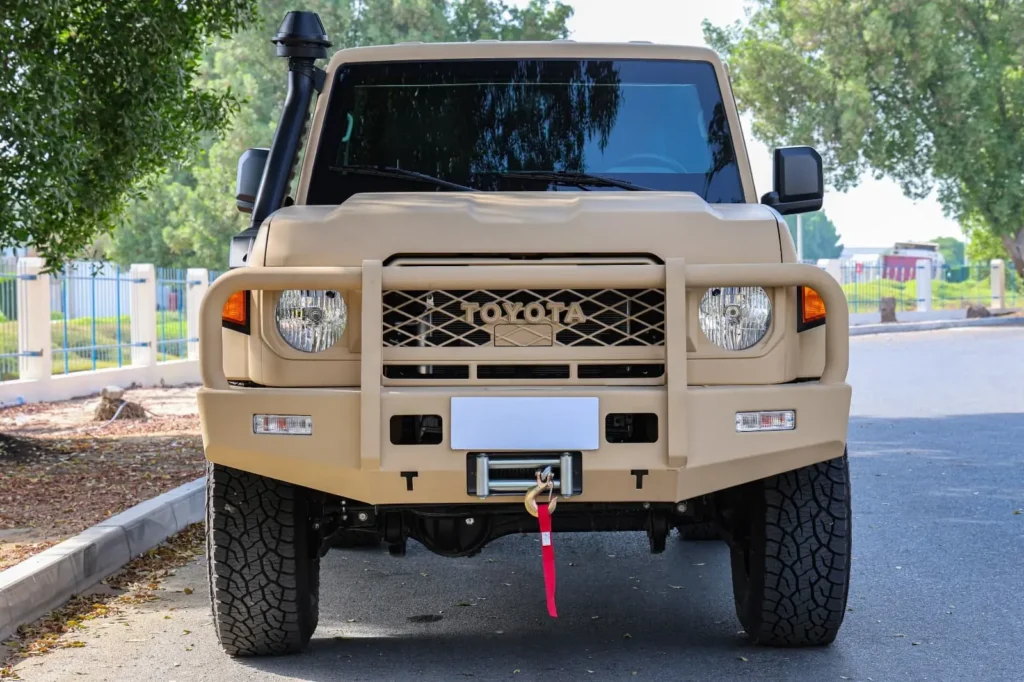
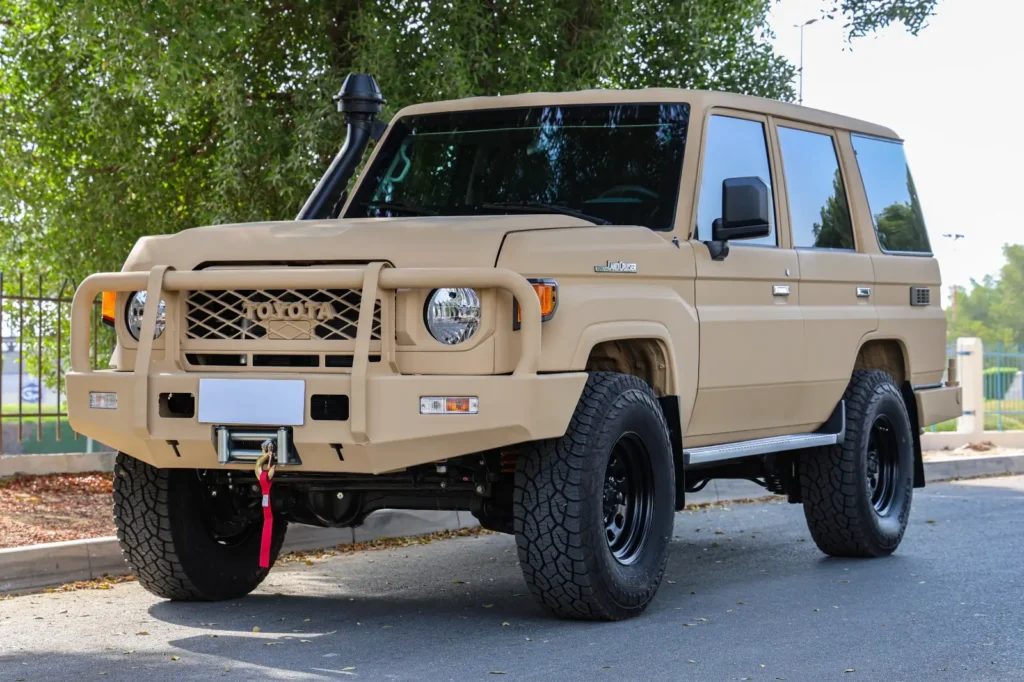
Many clients ask us whether to choose an armored Toyota Land Cruiser 300 GXR or an armored Land Cruiser 76. The LC76 has a simple ladder‑frame chassis and fewer electronics, which makes it forgiving in very harsh conditions and easier to maintain in remote workshops.
The LC300 GXR, on the other hand, offers better on‑road comfort, modern safety systems, and a refined interior, which matters for long journeys or executive transport. We often see fleets choose a mix, with LC300 GXR units handling everyday routes and LC76 BR6 or BR7 builds reserved for rough terrain or where mechanical simplicity is a priority.
| Aspect | LC300 GXR Armored | LC76 Armored |
|---|---|---|
| Chassis | Modern frame, refined suspension | Traditional ladder‑frame, very simple |
| Comfort | Higher cabin comfort and NVH control | Basic interior, focus on durability |
| Electronics | Advanced driver aids and safety systems | Minimal driver aids, fewer systems to maintain |
| Typical Role | Family / executive use, mixed urban‑rural routes | Harsh terrain, remote operations, support roles |
8. How the Armored LC300 GXR Fits in a Mixed Armored SUV Lineup
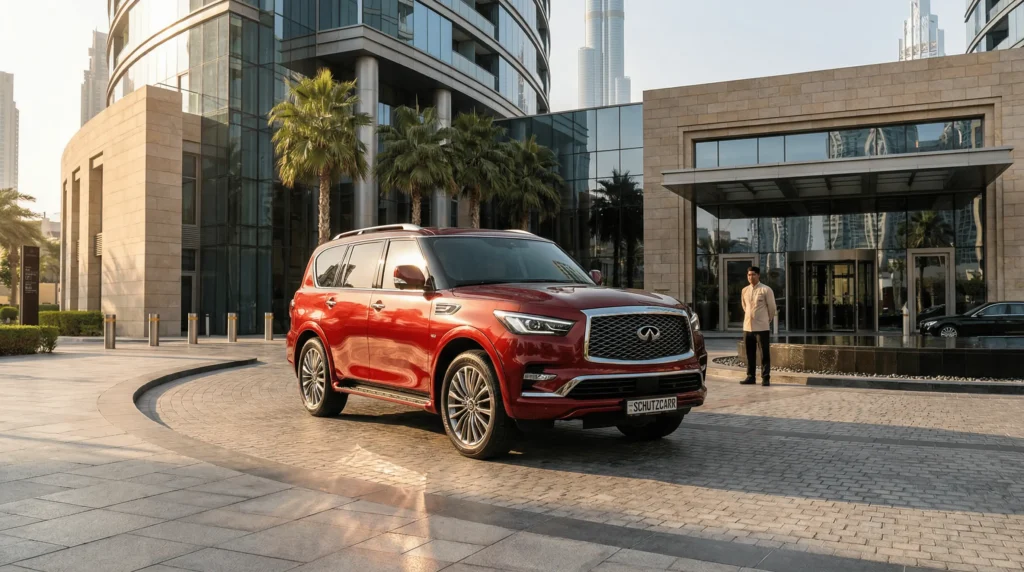
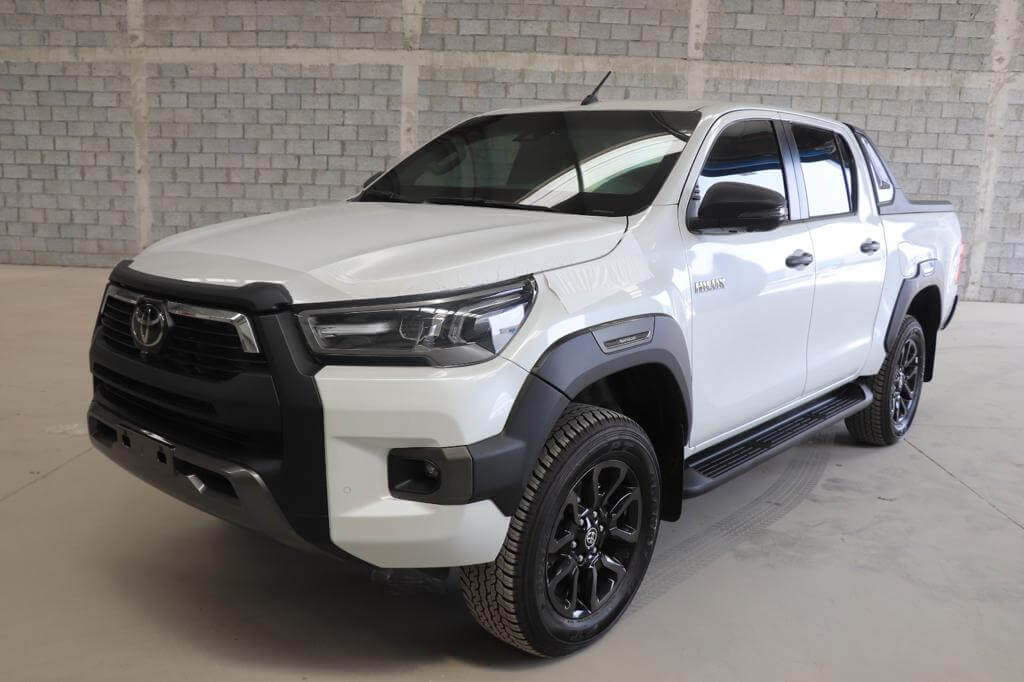
Within our own lineup, the armored Toyota Land Cruiser 300 GXR sits alongside platforms like the Range Rover BR6 P530 Extended, Lexus LX 600 BR6, Mercedes‑Maybach GLS 600, Infiniti QX80 BR6, and Hilux‑based builds. Each has its own personality and use case, but many operators view the LC300 GXR as the most balanced all‑rounder.
Compared with luxury‑focused SUVs such as the Maybach GLS 600 or large Infiniti QX80 BR6 Extended, the LC300 GXR generally leans slightly more toward practicality and off‑pavement capability. In contrast, pickup‑based platforms such as the Toyota Hilux prioritize payload and open‑bed functions. The LC300 often becomes the default choice when an organization needs one core armored SUV type that can support many different tasks.
9. The LC300 GXR in Fleets Alongside MRAPs and APCs
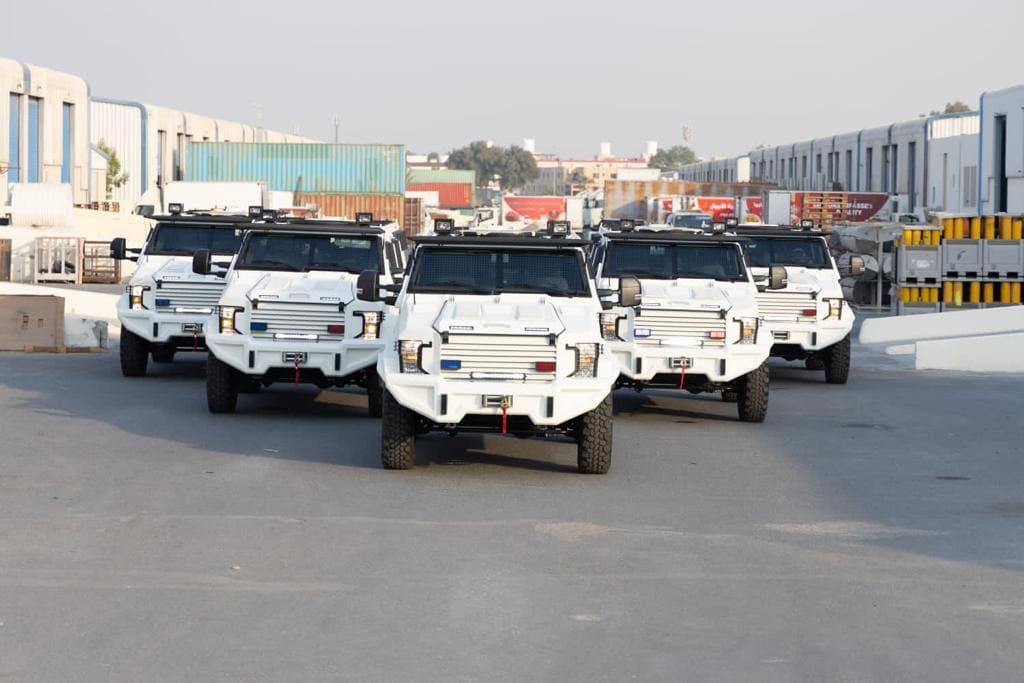
Some organizations operate the armored Toyota Land Cruiser 300 GXR as part of a layered fleet that also includes MRAPs and APCs. In those cases, the LC300 GXR usually provides flexible mobility for smaller groups or for routes where a heavier platform is not practical or permitted.
MRAPs and APCs, such as the APC SHARK, MONO Q 4×4, GER 1D, or JASAR family, illustrate how far protection can go when weight and size are less constrained. The LC300 GXR complements these vehicles by offering a more discreet profile and smoother road manners, particularly useful when moving small teams, visitors, or logistics staff.
10. Practical Checklist for Choosing an Armored Toyota Land Cruiser 300 GXR
When clients approach us about an armored Toyota Land Cruiser 300 GXR, we walk through a simple checklist to match the build to their needs. The questions below help clarify what type of configuration makes sense and how it should integrate with any existing fleet.
- Route profile: Primarily urban, mixed urban‑rural, or regular unpaved travel?
- Occupant count: Typical passenger load and luggage or equipment needs.
- Desired protection level: B4/B4+, BR6, or higher, depending on assessed risks.
- Integration with other vehicles: Will the LC300 GXR work alongside LC76, pickups, or MRAPs?
- Maintenance environment: Local workshop capabilities and parts availability.
- Discretion level: Preference for low‑visibility builds versus high‑presence vehicles.
By answering these questions clearly, we can specify the right armor package, underbody protection, suspension tuning, and interior options without overcomplicating the build. Our role is to design an armored LC300 GXR that fits your real routes and constraints rather than a theoretical use case.
Conclusion
The armored Toyota Land Cruiser 300 GXR offers a well‑balanced mix of protection, drivability, and interior comfort that suits many civilian and organizational roles. With typical BR6 coverage, reinforced suspension and brakes, and carefully planned underbody armor, it can handle the added mass of ballistic protection while remaining suitable for everyday use.
The armored Toyota Land Cruiser 300 GXR can function both as a stand-alone solution and as part of larger fleets that include LC76 builds, armored pickups, and MRAP or APC platforms. Evaluating routes, passenger needs, discretion requirements, and maintenance conditions provides a clear foundation for selecting the appropriate protection level and configuration.