
Chad is reported to operate more than 200 armored fighting vehicles in total, which shows how central protected mobility has become to movement across long distances and demanding terrain. For organizations planning armored vehicles in Chad, understanding platforms, protection levels, and daily usability is essential before making any decisions.
Key Takeaways
| Question | Answer |
|---|---|
| What types of armored vehicles are practical for Chad? | SUVs, pickups, and APC-style platforms are common choices for mixed terrain and long distances. Our overview of armored vehicles shows how similar regions balance protection and mobility. |
| Which protection levels are typically considered? | Ballistic protection in the BR6 to BR7 range is frequently discussed for civilian and organizational use. Guidance in our regional and sector-focused articles under regulations & standards helps clarify these options. |
| Are there discreet options for executive transport in Chad? | Yes, discreet sedans and SUVs that blend into normal traffic are often preferred in cities. Our guide on discreet armored sedans explains how platforms are selected and configured. |
| How can organizations plan daily usability for armored fleets? | Weight, suspension tuning, and service access all affect everyday operation. The article on daily usability of armored SUVs outlines what owners and fleet managers need to anticipate. |
| What drives private sector interest in armored vehicles in Chad? | Secure logistics, executive transport, and institutional mobility are common drivers in similar markets. We discuss these patterns in why private companies are turning to armored vehicles. |
| Can armored vehicles be positioned for operations across Africa? | Regional shipping setups allow vehicles to be staged where required. Our Africa-focused overview at shipping region: Africa describes how we handle such deployments. |
1. Why Armored Vehicles Matter in Chad’s Environment
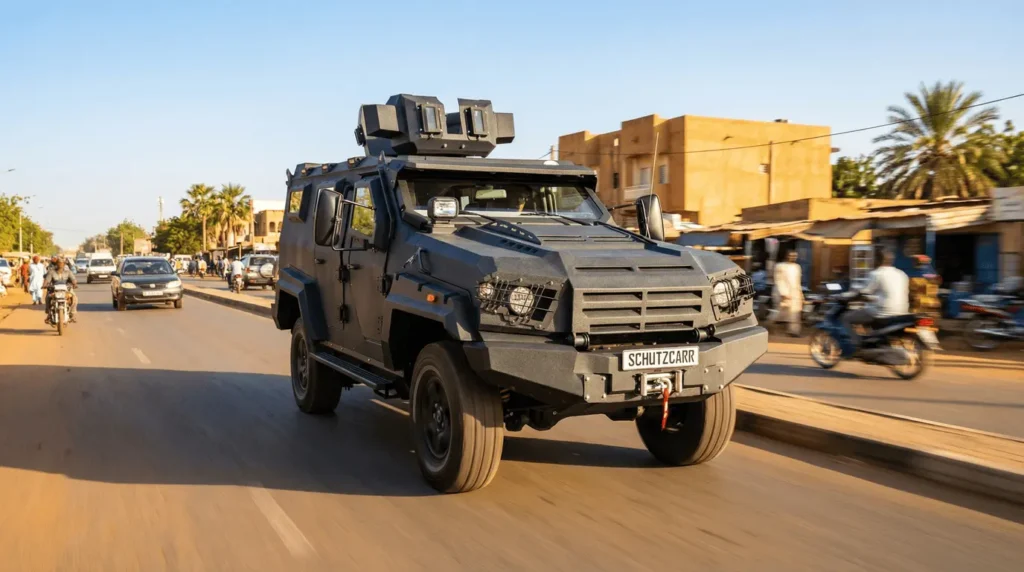
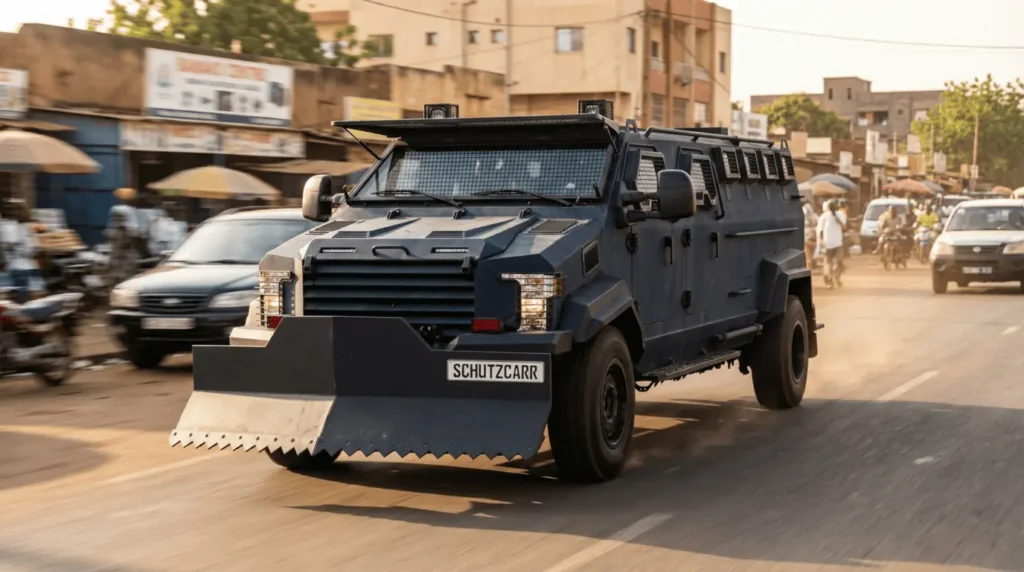
Chad spans vast distances with a mix of paved roads, desert tracks, and rural routes, so any armored vehicle must handle variability in climate and terrain. The country is reported to maintain more than 50 main battle tanks and a broad mix of armored platforms, which underlines how important protected mobility is for institutional and organizational planning.
For civilian agencies, NGOs, and corporate operators, this context makes vehicle choice a technical decision about payload, range, and reliability. We focus on chassis that can carry additional mass, maintain stability, and be serviced within regional support networks.
Many of Chad’s existing platforms are tracked or specialist wheeled vehicles, yet civilian users usually need different, more discreet solutions. For these users, we typically look at SUVs, pickups, and sedans configured around civilian drivetrains and comfort requirements.
This dual context, with both legacy heavy armor and modern civilian-based platforms in the picture, shapes how we advise clients on armored vehicles in Chad. It also guides which chassis make the most sense for long-term operation and maintenance.
2. Key Operational Realities for Armored Vehicles in Chad
Temperatures, dust, and long stretches between major service centers all affect how an armored vehicle behaves in Chad. We plan around high engine loads, extended idling, and the need for robust cooling and filtration systems.
Similarly, road conditions vary from tarmac to soft sand within a single journey, which puts pressure on suspension, brakes, and tires. The added weight of armor, often around hundreds of kilograms on an SUV, amplifies these demands.
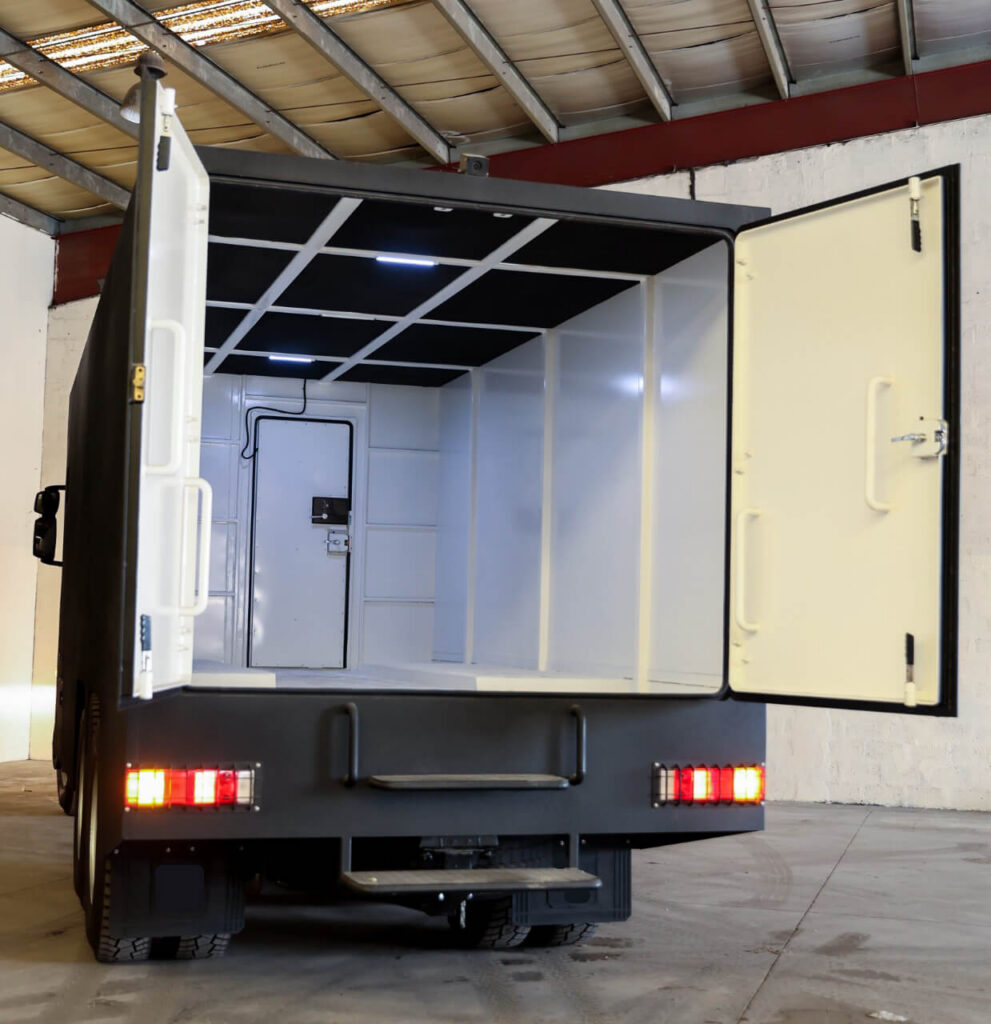
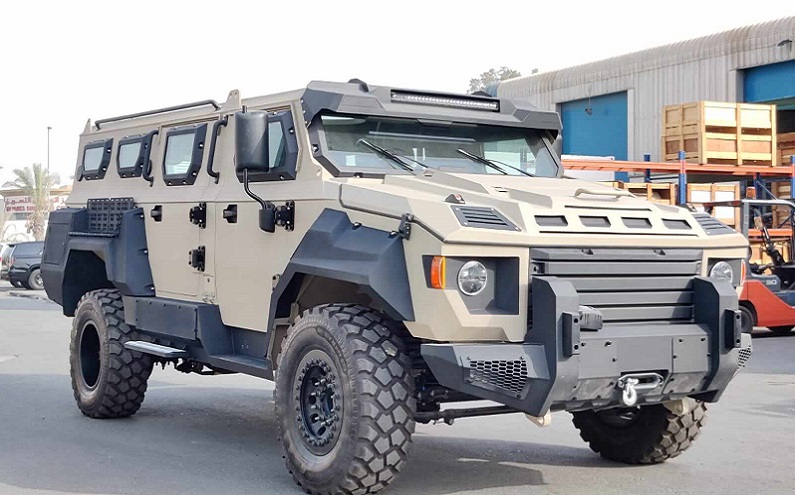
For users in Chad, we pay close attention to ground clearance and axle loads so that vehicles do not bottom out on rough tracks. Vehicles also need fuel systems that cope with mixed fuel quality and longer refill intervals.
All of this makes base-platform selection particularly important. When we design an armored configuration, we choose donor vehicles with proven durability in hot, dusty climates and with a global supply chain for parts.
3. Protection Levels and Certification: What Matters Most
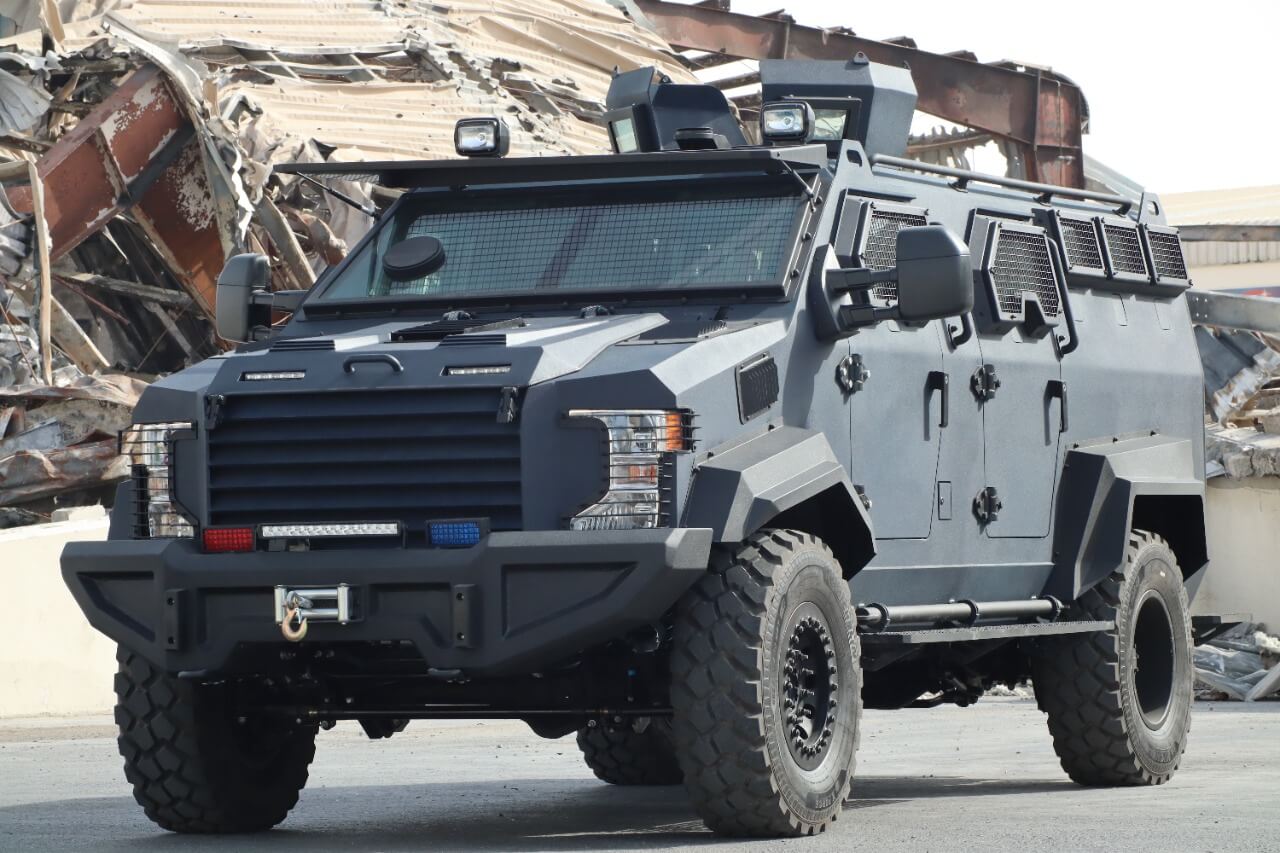
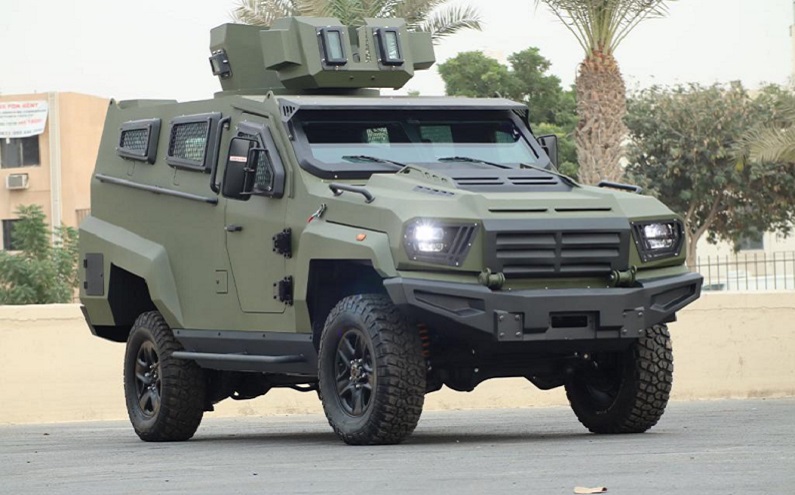
For armored vehicles in Chad, we frequently discuss ballistic protection levels in the BR6 to BR7 range, depending on the use case and risk profile. These levels inform how thick the steel and glass must be and how much extra weight the chassis will carry.
Certification is not just a label, it reflects ballistic testing, glass integrity, and correct overlap of armor panels around doors, pillars, and seams. We treat certification as a continuous process that ties into material selection, welding quality, and final inspection.
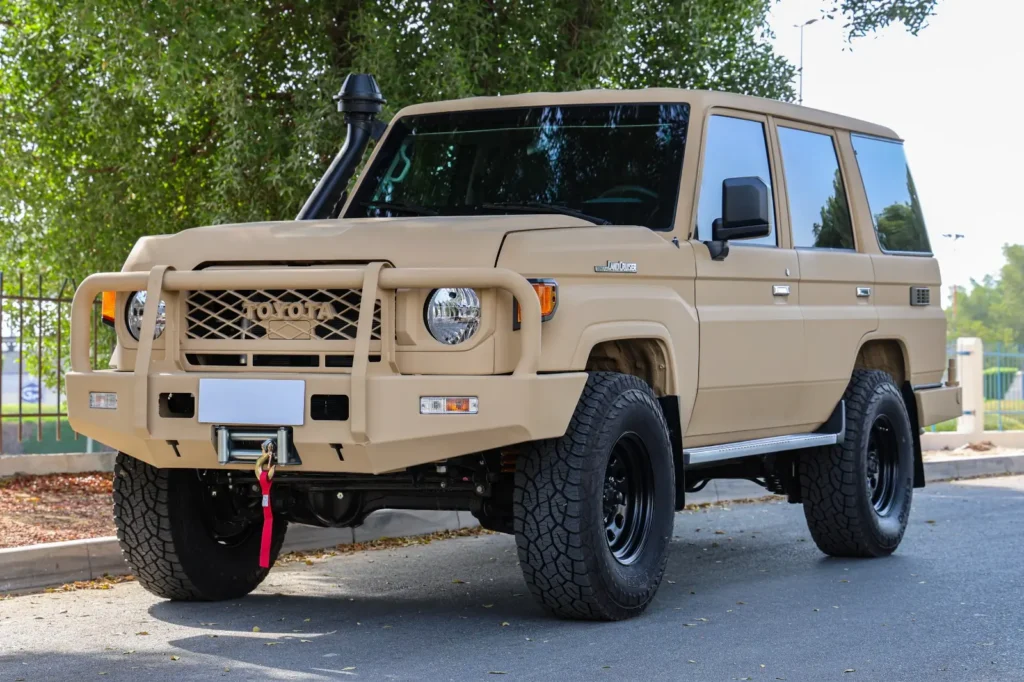
In our armored Toyota Land Cruiser 76 builds, for example, we design an internal protection cell that follows the contours of the cabin rather than simply adding plates around it. This approach keeps weight distribution predictable and helps the vehicle retain its balance and steering feel.
For Chad, where rough roads and long drives are common, this level of engineering detail directly influences vehicle longevity and driver confidence. Clients also rely on our export documentation and certification packages to align with regulatory expectations in transit and destination regions.
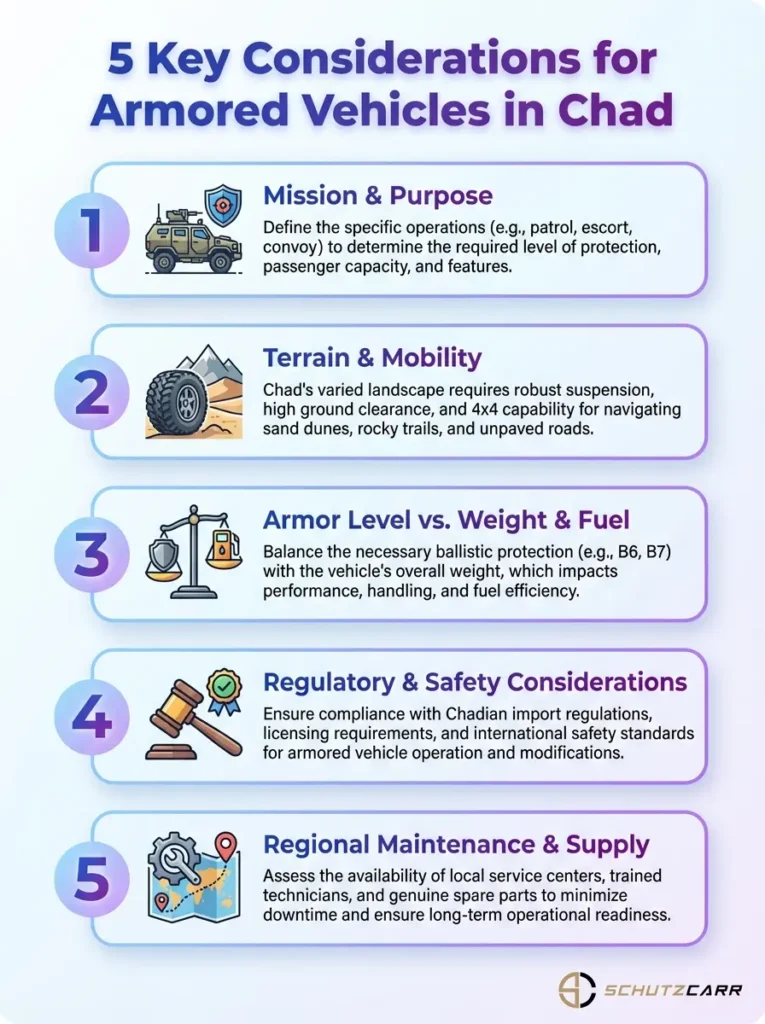
A concise visual guide outlining five key considerations for armored vehicles in Chad. Helpful for planners, security analysts, and policymakers.
4. The Armored Toyota Land Cruiser 76: Proven Platform for Chad-like Conditions
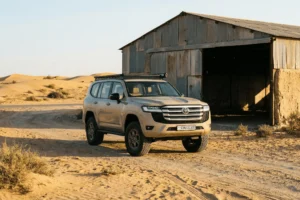
The Toyota Land Cruiser 76 is one of our signature platforms because its ladder-frame chassis accepts reinforcement while retaining predictable handling. In regions with conditions similar to Chad, this platform is often valued for simplicity and mechanical durability.
We start with the bare 76 Series chassis and construct an internal armored capsule, integrating certified ballistic glass, reinforced doors, and protected critical components. The goal is a coherent structure where the armor behaves as part of the vehicle rather than as a bolt-on weight.
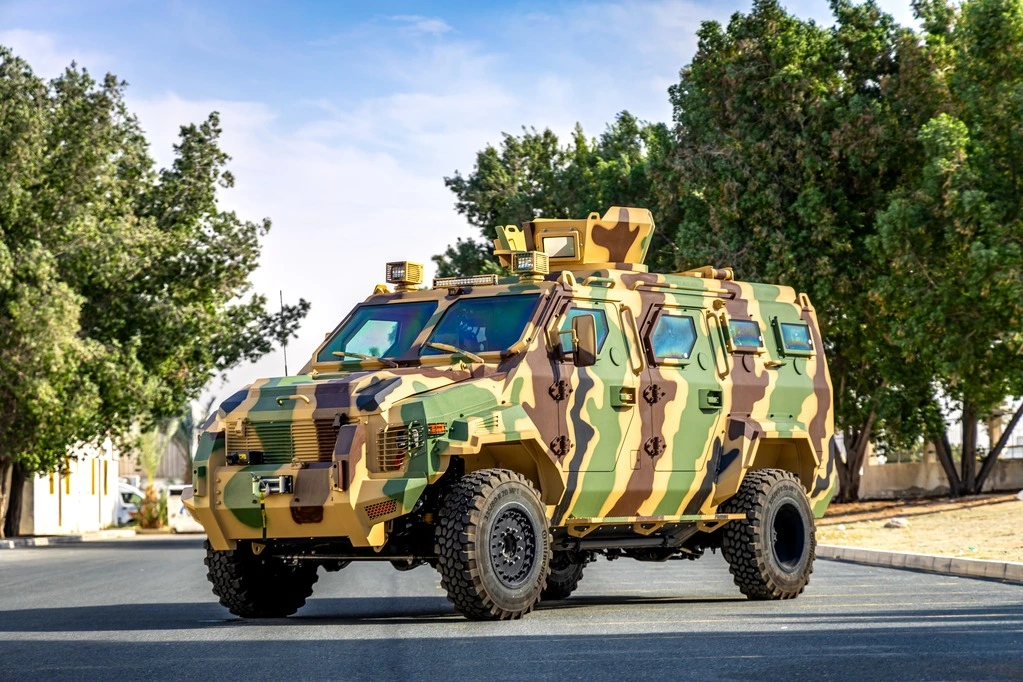

Clients looking at Chad often ask about customization inside the cabin. We can adapt seating layouts, communications infrastructure, and storage spaces while staying within safe weight limits.
Maintenance for an armored Land Cruiser 76 in such environments focuses on brakes, suspension, tires, and fluids, given the extra load and heat. We advise structured maintenance schedules and clear checklists so vehicles keep their performance envelope over the long term.

Did You Know?
Overall, Chad’s inventory of armored fighting vehicles is reported at over 200 units, highlighting the scale of protected mobility in the country.
5. Daily Usability of Armored SUVs in Chad-like Cities and Corridors
In N’Djamena and other urban centers in Chad, armored SUVs need to navigate tight streets, parking areas, and traffic just like any other vehicle. The additional armor weight, often around 800 kg on a typical SUV, alters acceleration, braking distances, and turning behavior.
We tune suspension systems to handle this mass so that vehicles sit level and retain adequate travel for rough surfaces. Brake systems are also upgraded to maintain reliable stopping performance from urban speeds.
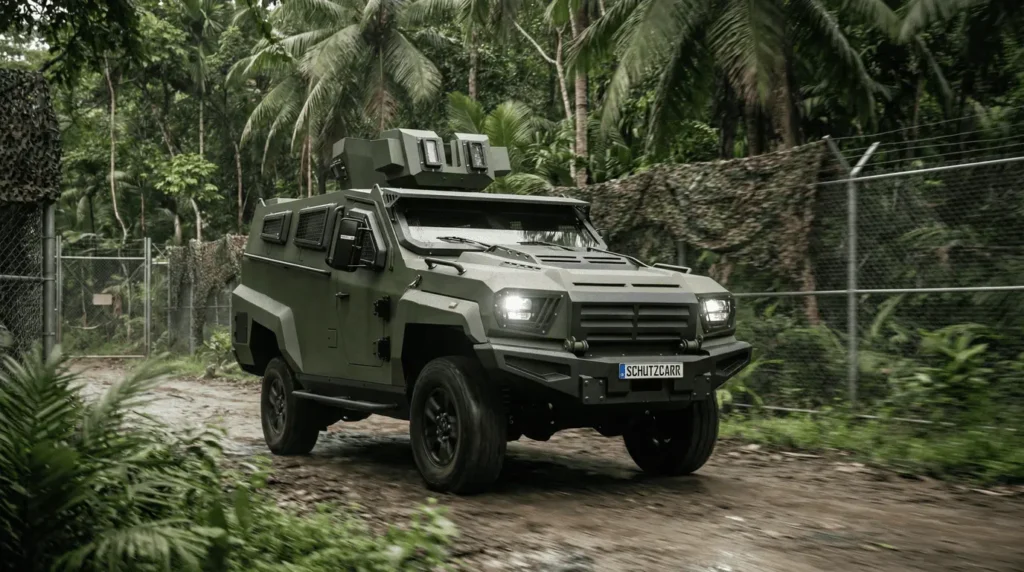
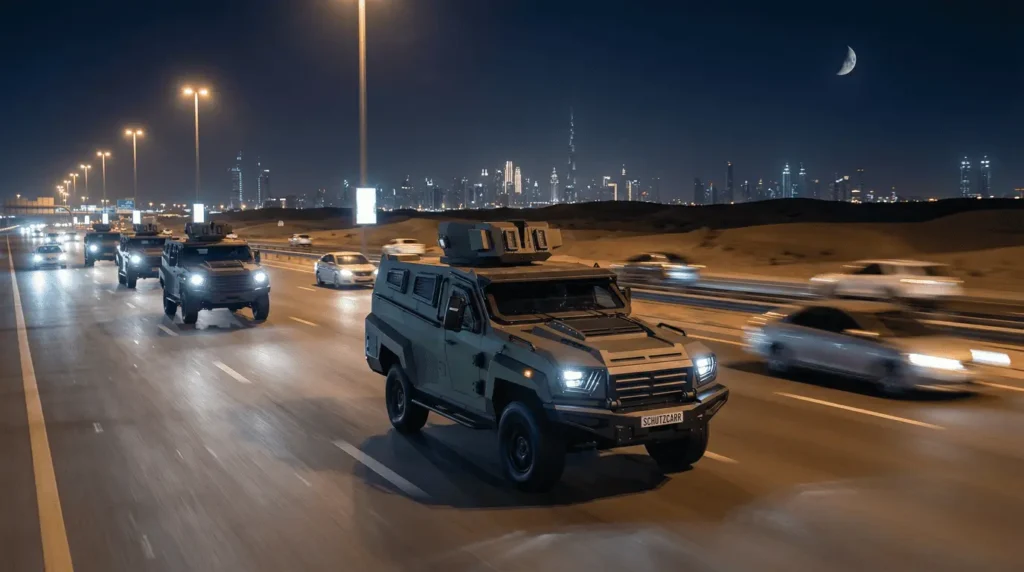
For Chad-style intercity journeys, range and comfort become just as important as protection. We pay attention to seat ergonomics, climate control, and cabin noise since crews may spend many hours in the vehicle.
Our guidance on daily usability helps clients think through fuel planning, driver training, and preventive maintenance. These factors keep armored SUVs practical for both city moves and long highway legs.
6. Discreet Armored Sedans and SUVs for Executive Transport in Chad
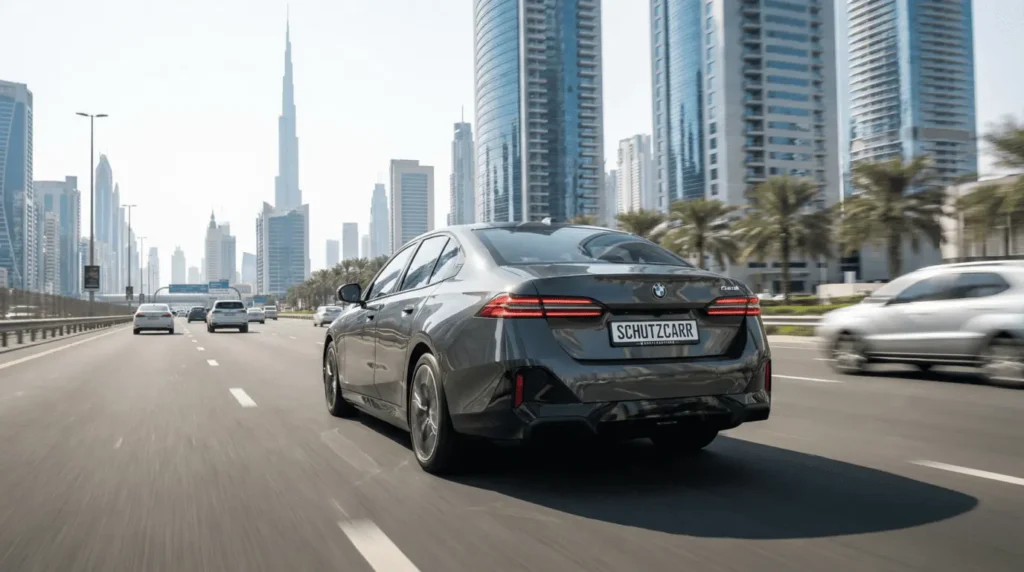
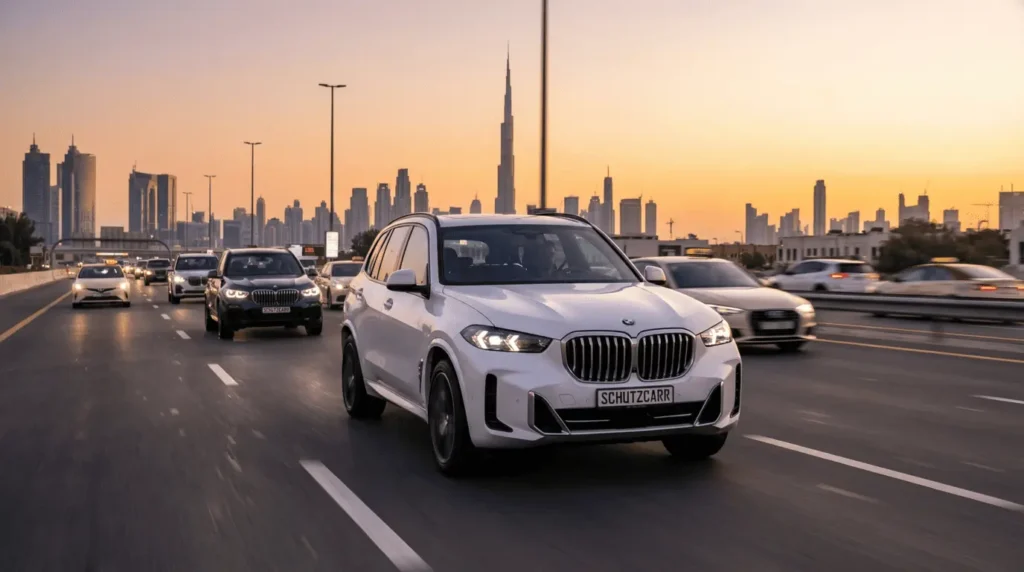
Some users in Chad prefer vehicles that do not visually stand out. Discreet armored sedans and SUVs allow executive transport to blend into normal traffic, which can be preferable in business and diplomatic contexts.
Our executive platforms are built around well-known premium sedans and SUVs. From the outside they remain close to the original appearance, while inside they incorporate armored glass, protected doors, and reinforced pillars.
Inside the cabin, we maintain comfort features such as leather seating, infotainment, and climate control. At the same time we integrate communications or fleet-management hardware if required by the client.
In Chad, these discreet platforms can support visiting delegations, project teams, or institutional leaders. We tailor each build to the number of passengers, luggage needs, and preferred seating layout.
7. Lessons from Regional Case Studies for Armored Vehicles in Chad
We have documented regional experiences in countries with road networks, climate, and usage patterns that resemble parts of Chad. These case studies in Niger, Mali, Senegal, and Rwanda describe how organizations select platforms and manage fleets in practice.
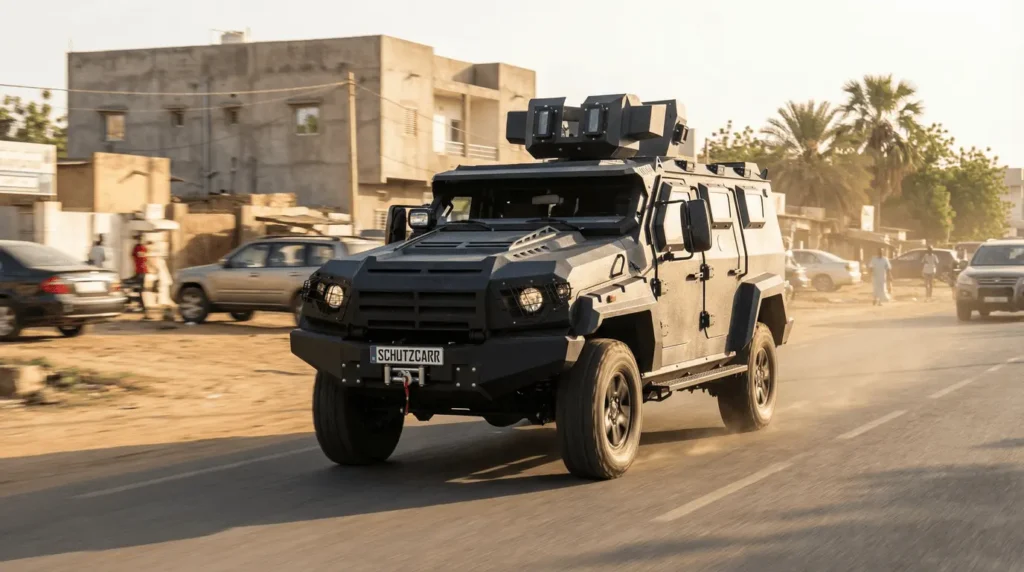
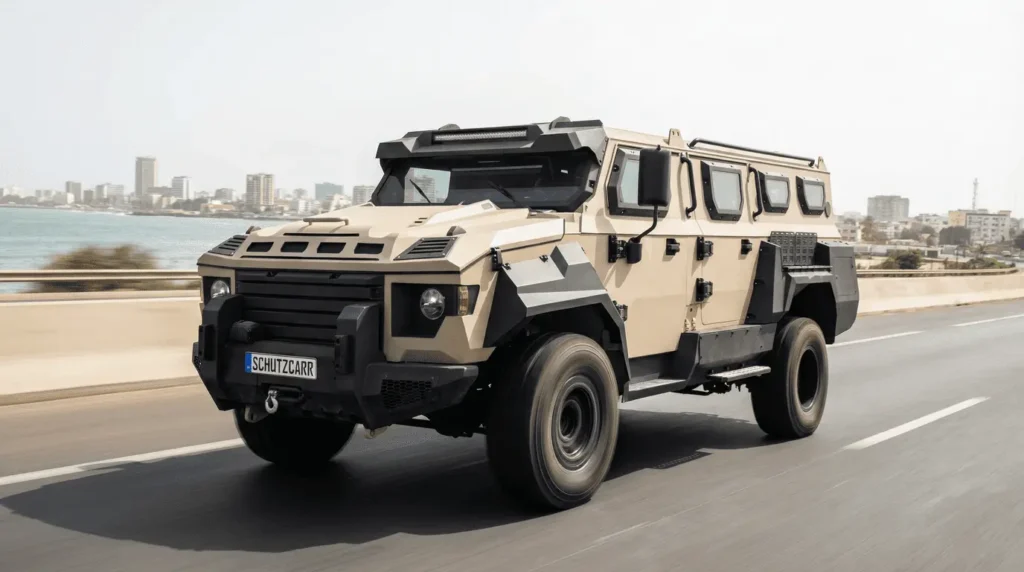
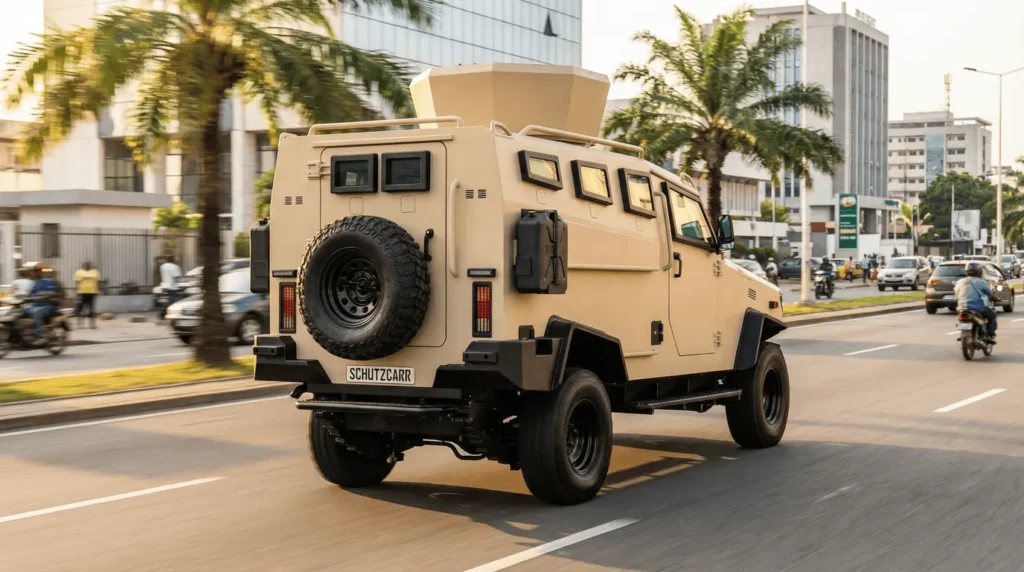
For example, some regions rely on APC-type vehicles for higher capacity and rougher tracks, while others lean on SUVs for mixed city and highway use. Looking at what works in these neighboring markets helps Chad-based planners avoid repeated trial and error.
Chad’s reported mix of BMP-1U, BTR-3E, and MRAP-style vehicles shows a shift toward diversified fleets that combine tracked, wheeled, and highly protected 4×4 platforms. Civilian and institutional users can apply similar thinking by combining SUVs for lighter tasks and APC-type vehicles where higher capacity or off-road capability is needed.
We use these regional lessons to advise on fleet composition, not just individual vehicles. The aim is a coherent mix in which each platform has a clear role in day-to-day use.
Did You Know?
Chad reportedly maintains more than 50 main battle tanks in its inventory, underscoring the depth of its heavy armored backbone.
8. Maintenance, Training, and Lifecycle Planning for Chad-based Fleets
An armored vehicle that cannot be maintained locally quickly loses value. For Chad, we help clients think through workshop capability, spare parts logistics, and technician training from the outset.
Key wear areas include brakes, suspension bushings, ball joints, tires, and batteries, all of which work harder on armored platforms. We recommend structured inspection intervals based on mileage and operating conditions.
Driver training is another part of lifecycle planning. Even experienced drivers need time to adapt to heavier steering, longer stopping distances, and the different handling of armored vehicles.
We also advise on documentation for each vehicle, including build sheets, parts lists, and maintenance logs. This documentation supports local workshops in Chad that may service the vehicles in the future.
9. Shipping and Deployment of Armored Vehicles to Chad
Moving an armored vehicle into Chad involves careful coordination of shipping, customs, and inland transport. We design logistics plans that consider port access, road routes, and local partners.
Our Africa-focused shipping practices show how we stage vehicles in regional hubs before final transfer to their operating areas. This approach reduces transit risk and simplifies documentation flows.
For Chad, we also consider the final leg of delivery. Depending on the destination location, we can organize overland transfer or staged delivery through neighboring hubs.
Throughout this process, export and import regulations, including those connected to armored vehicles, must be followed precisely. Our experience with certified documentation and structured logistics helps keep the process predictable for clients.
10. How Organizations in Chad Can Structure Their Armored Vehicle Decision
Choosing armored vehicles in Chad is a multi-factor decision that touches on risk assessment, daily use, logistics, and lifecycle cost of ownership. We encourage clients to start by defining clear roles for each vehicle before looking at specific models.
From that starting point, we match platforms such as Land Cruiser 76s, premium SUVs, or APC-type vehicles to the required capacity, terrain, and level of discretion. Protection level then follows, rather than leading, the conversation.
We also discuss future expansion or adjustments, so that fleets can grow or adapt without starting from scratch. This forward planning is particularly important in Chad, where conditions and requirements can vary between regions.
Our role is to provide clear, technical input at each stage instead of pushing any single platform. That includes honest conversations about trade-offs between mobility, capacity, protection, and maintainability.
Conclusion
Armored vehicles in Chad sit at the intersection of geography, infrastructure, and institutional needs. With more than 200 armored fighting vehicles already reported in the country, any new additions must be carefully chosen to fit real operating conditions and long-term support structures.
At SchutzCarr, we help clients in Chad and similar environments navigate platform selection, protection levels, vehicle configuration, and deployment logistics with a focus on practical, sustainable solutions. If you are planning armored vehicles in Chad and need structured guidance, we invite you to contact us directly through our SchutzCarr contact page so we can discuss your requirements in detail.