
Global armored cars spending reached USD 31.86 billion in 2025, which shows that the real financial impact of armored vehicles is not only in acquiring them but in owning and operating them over many years.
Key Takeaways
| Question | Answer |
|---|---|
| What drives long-term ownership costs of armored vehicles most? | Depreciation, fuel, maintenance, insurance, and upgrades typically dominate lifecycle costs, often exceeding the initial purchase over time. |
| Do luxury armored SUVs cost more to maintain than utilitarian models? | Premium models with complex electronics and interiors, such as those in the SchutzCarr armored luxury range, can require more specialized care and therefore higher upkeep planning. |
| How important is the armoring process for lifecycle cost? | A well engineered armoring process, such as the one described in SchutzCarr’s key advantages, can reduce unscheduled repairs and extend service life. |
| Can upgrades be more cost effective than new purchases? | Many fleets use life extension upgrades as a budgeting tool, since retrofit programs can preserve a large share of functional capability while postponing new acquisitions. |
| What role do services and support play in total cost? | Structured services, such as consulting and armoring support from SchutzCarr services, help optimize specifications and maintenance, which directly affects long-term expenditure. |
| Are regional deployments more expensive to run? | Logistics, parts availability, and local support for vehicles that operate in specific regions, like the solutions discussed for armored vehicles in Rwanda, all influence operating budgets. |
| Where can I discuss my specific armored vehicle cost questions? | You can contact our team directly through the SchutzCarr contact page to review scenarios and long-term planning. |
1. Understanding Long-Term Ownership Costs For Armored Vehicles
When organizations plan for armored vehicles, they often focus on the initial build or acquisition, yet over multiple years the cumulative operating and maintenance costs usually define the real financial footprint.
We see owners increasingly ask for lifecycle views that cover depreciation, upkeep, upgrade paths, and exit strategies for each platform in their fleet.
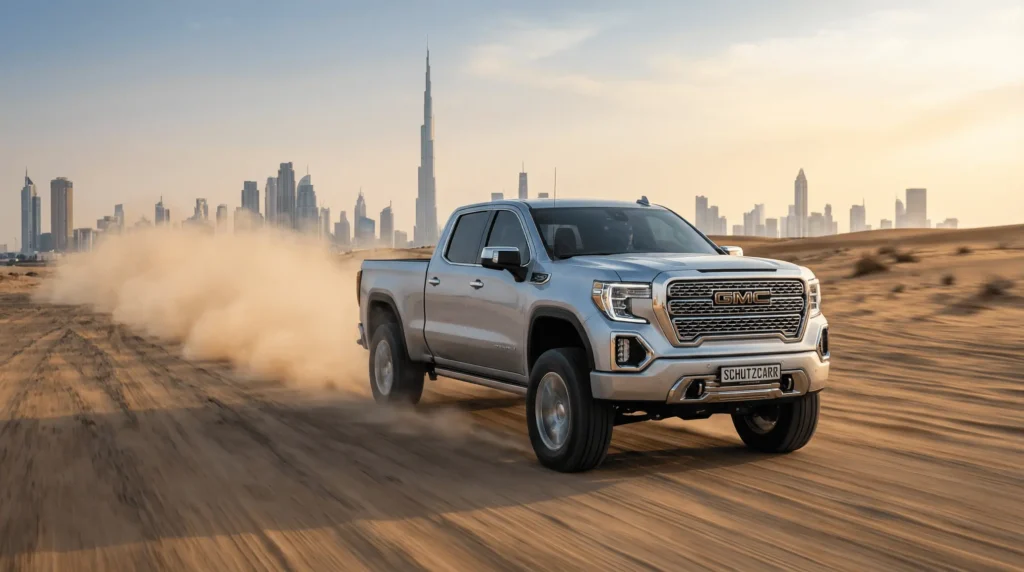
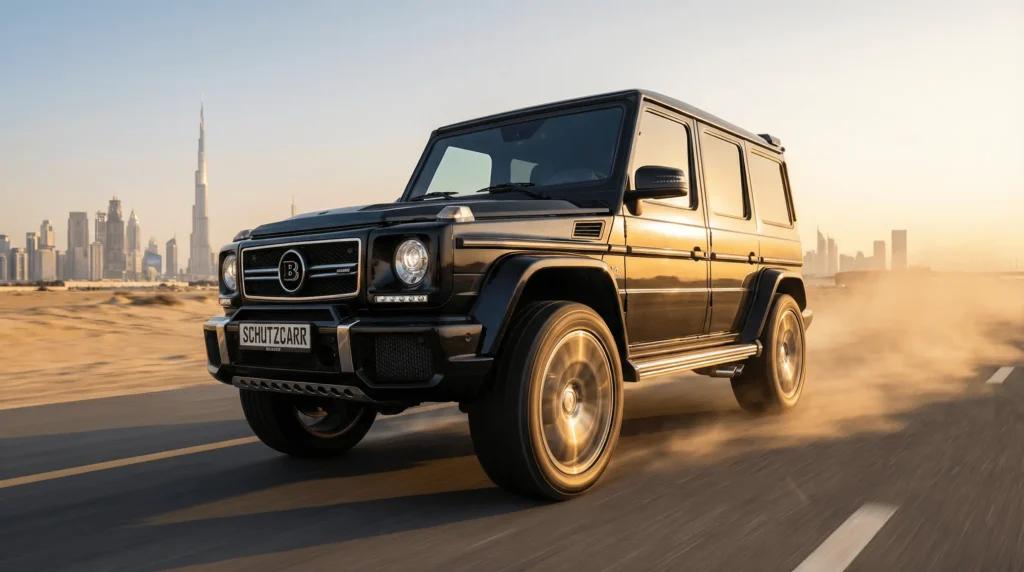
Armored vehicles concentrate a high level of engineering in a single asset, which amplifies the impact of each maintenance decision across their lifetime.
Choosing suitable platforms and a capable armoring partner like SchutzCarr at the outset helps align safety needs with realistic budget planning for years of service.
2. Key Cost Components Over An Armored Vehicle’s Life
To manage armored fleets responsibly, we encourage owners to break costs into predictable components, then track them over time against real usage.
Typical categories include acquisition, depreciation, financing, fuel, preventive maintenance, repairs, consumables, insurance, and end of life handling.
- Acquisition and build: Base vehicle plus armoring package and integrations.
- Routine maintenance: Scheduled services, fluids, brake systems, suspension, and alignment.
- Specialized repairs: Work related to armor, ballistic glass, and structural reinforcements.
- Upgrades and retrofits: Protection level changes, driveline updates, and new electronics.
- Operational costs: Fuel, tires, and wear items influenced by vehicle weight and usage.
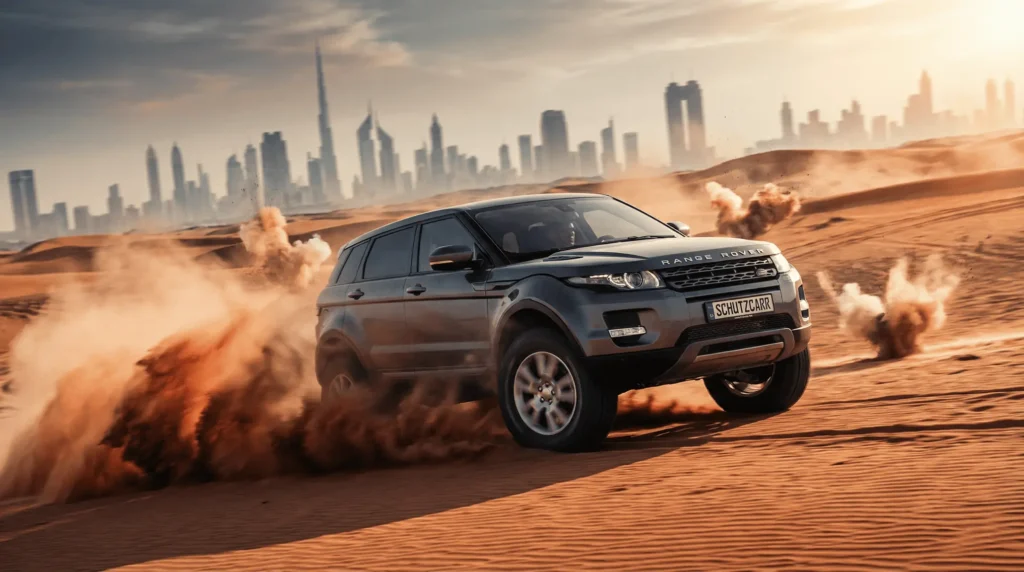
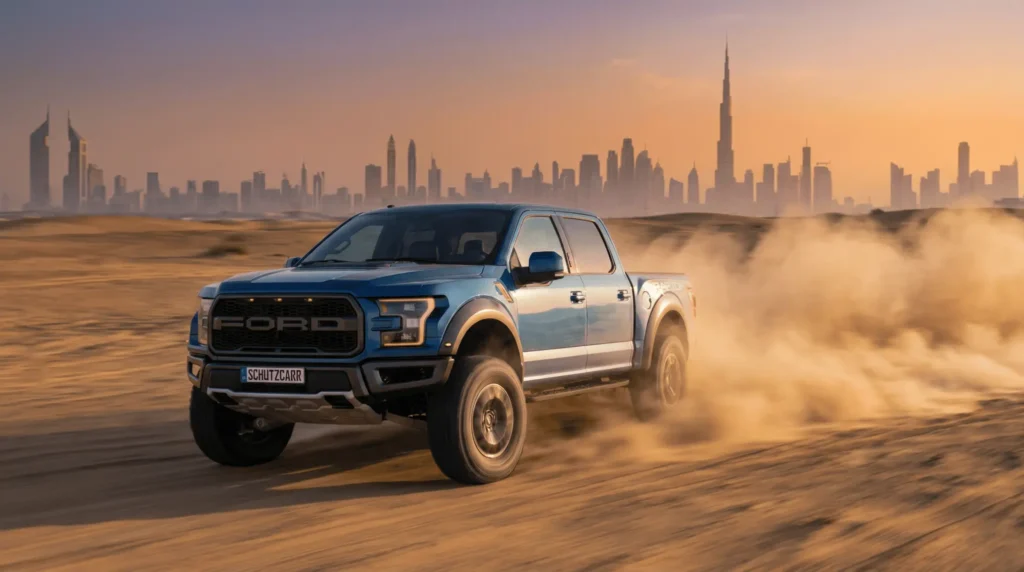
Each type of armored platform, from luxury SUVs to personnel carriers, distributes these costs differently across the years.
We often map these categories into multi year budgets so fleet managers can compare vehicles on a cost per year or cost per kilometer basis.
3. Luxury Armored SUVs: Comfort, Complexity, And Cost Planning
Luxury armored SUVs appeal to clients who combine protection expectations with refined interiors and advanced electronics, and these choices affect long-term cost planning.
More complex driver assistance systems, infotainment suites, and comfort features require skilled technicians and may rely on premium parts that influence lifecycle budgets.
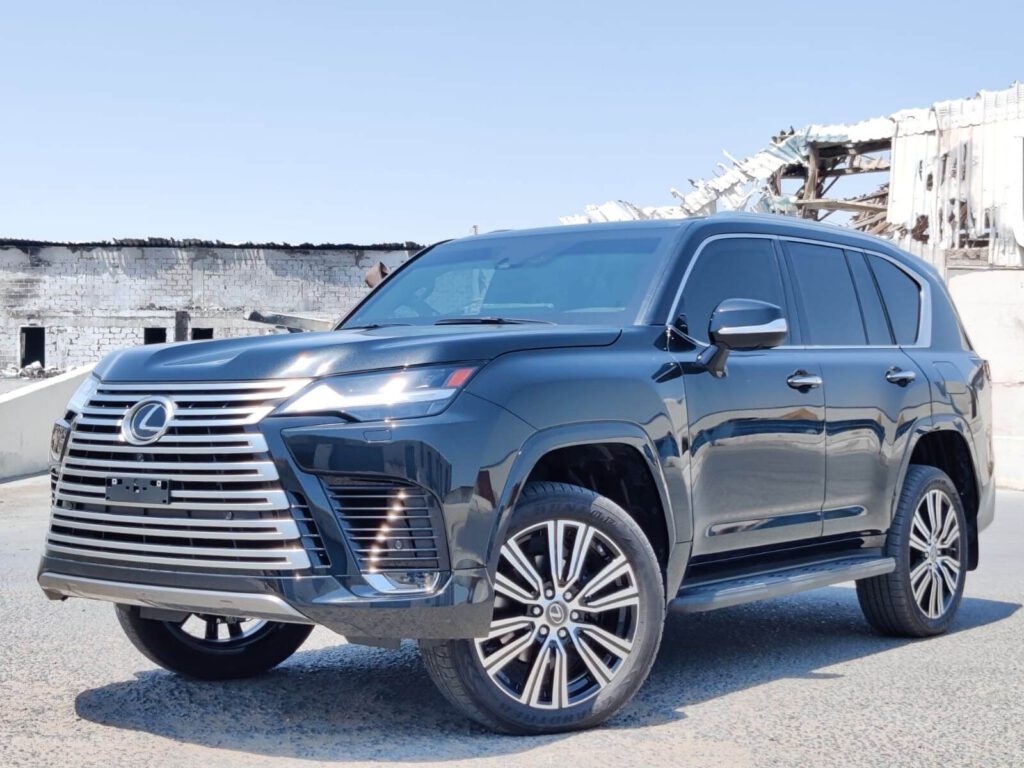
Armored Luxury Lexus LX600 BR9 Ownership Considerations
The Armored Luxury Lexus LX600 BR9 pairs high protection levels with a premium interior, which means owners should expect to plan carefully for both mechanical and interior maintenance.
Caring for bespoke leather, electronics, and integrated armoring systems in a single package requires disciplined service intervals and properly trained workshops.
Other Luxury Platforms And Cost Profiles
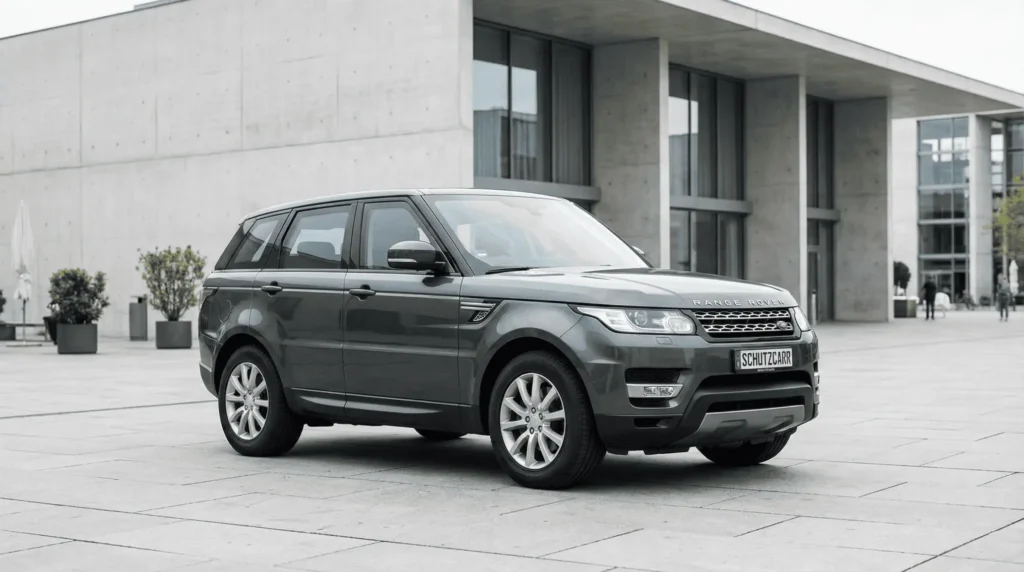
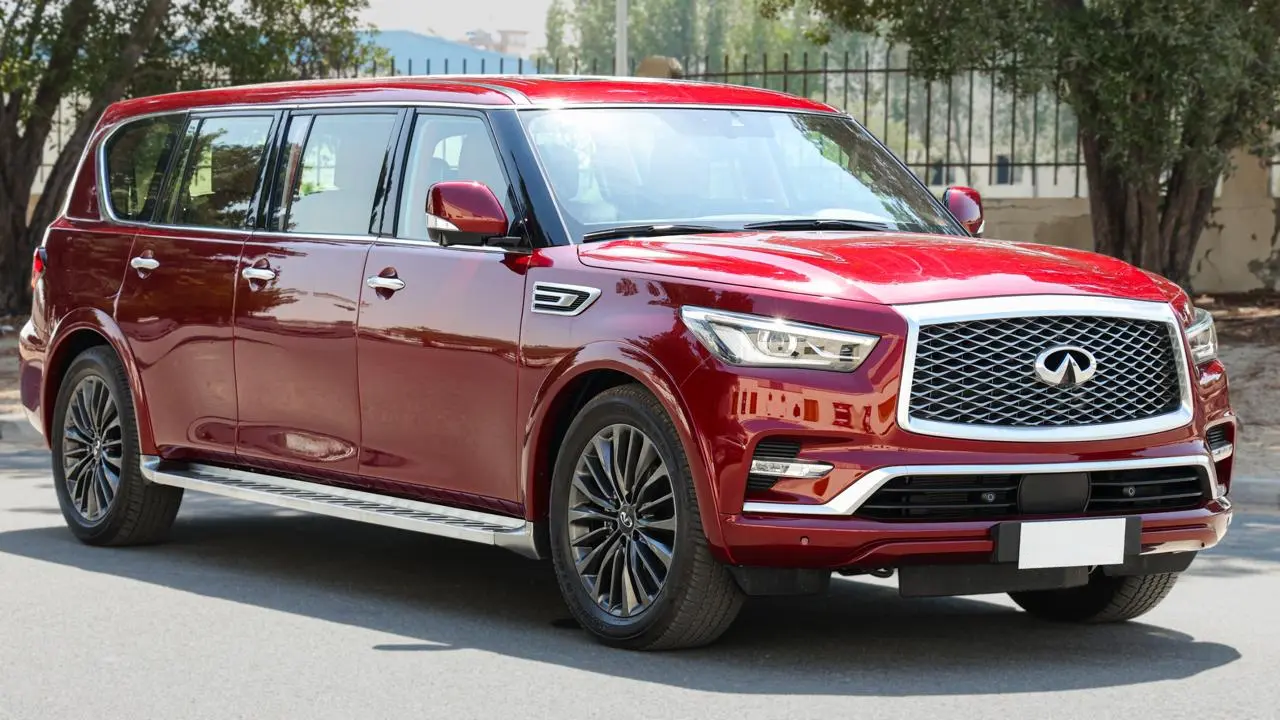
Within the SchutzCarr luxury collection, vehicles such as premium full size SUVs and high end sedans carry sophisticated drivetrains and suspension setups that interact with the extra weight of armor.
Owners typically schedule more frequent checks of tires, brakes, adaptive suspension components, and electronic driver aids to maintain consistent performance over time.
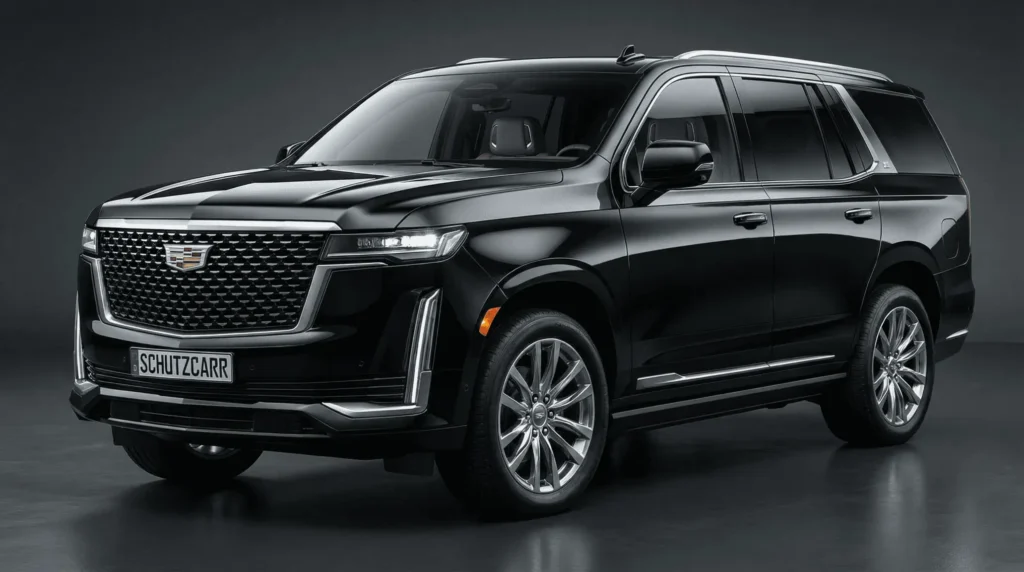
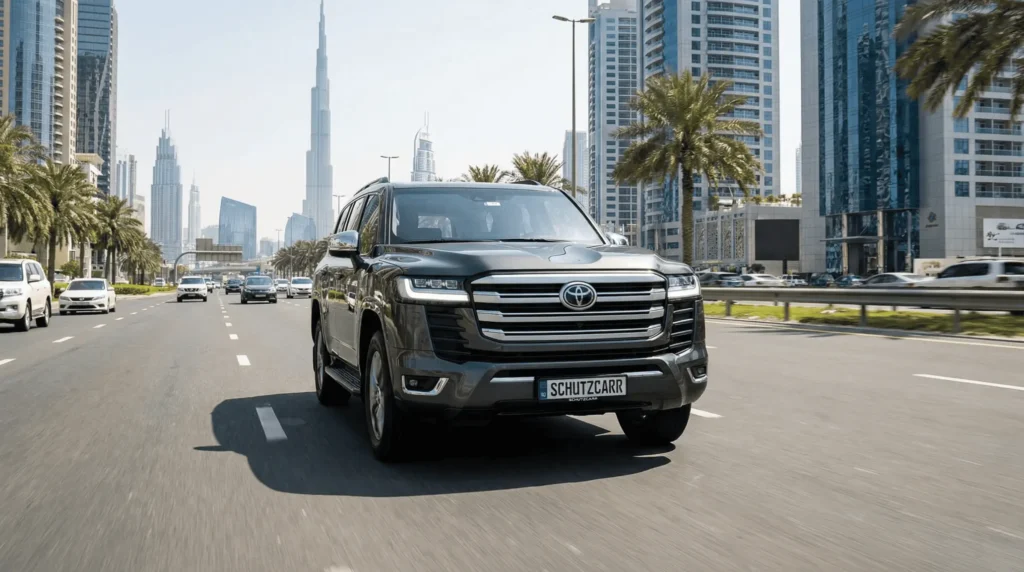
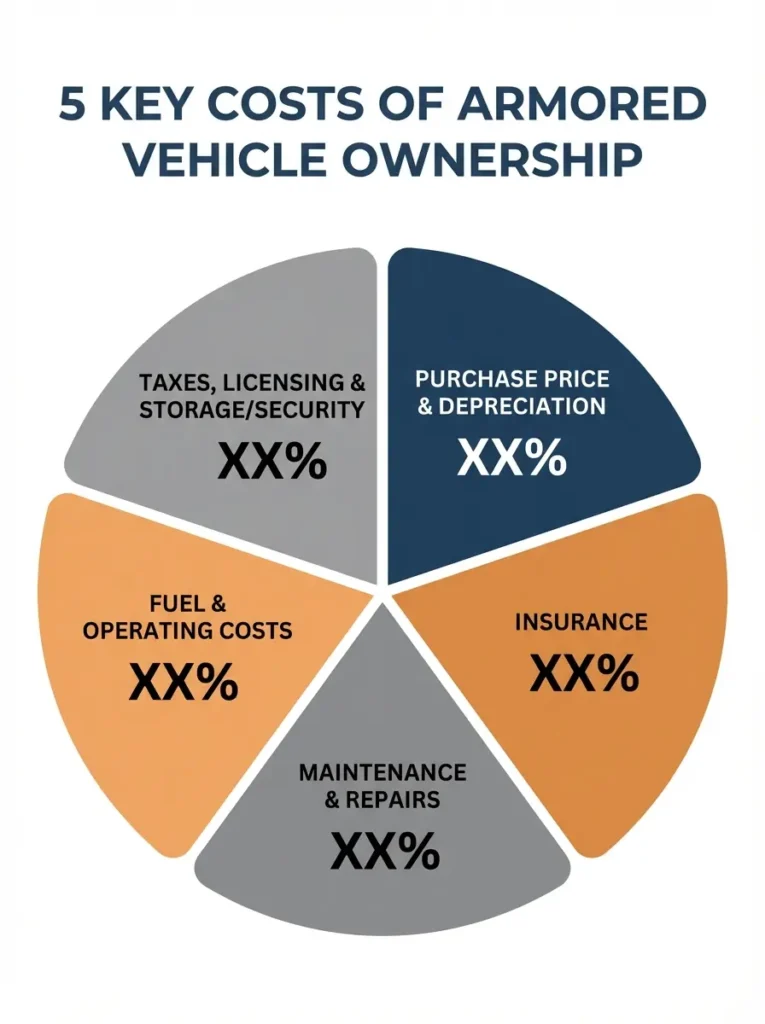
A concise breakdown of the five main costs of owning armored vehicles over time, helping budgeting and procurement decisions.
4. Utilitarian Armored Platforms: Land Cruiser 76 And Similar Vehicles
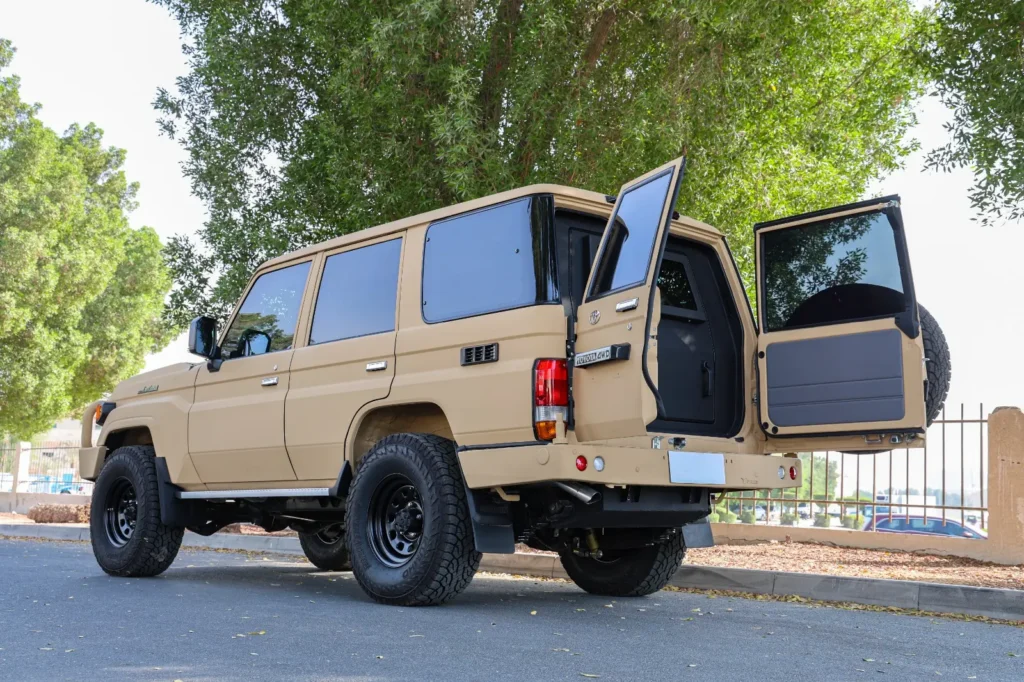
Utilitarian armored platforms, such as the Armored Toyota Land Cruiser 76 BR6, follow a different cost pattern that many fleet operators value for durability and relatively straightforward mechanics.
These vehicles often prioritize proven chassis and simpler interiors, which can help streamline long-term maintenance routines.
- Robust ladder frame designs support the additional armor weight effectively.
- Simpler interior layouts can reduce the number of specialized parts to maintain.
- Many service tasks are well understood by technicians familiar with the base platforms.
However, even utilitarian platforms require specialized attention to the integrated armor, ballistic glass, and structural reinforcements over their service life.
We usually advise owners to maintain a clear log of all armoring related inspections alongside standard vehicle maintenance records.
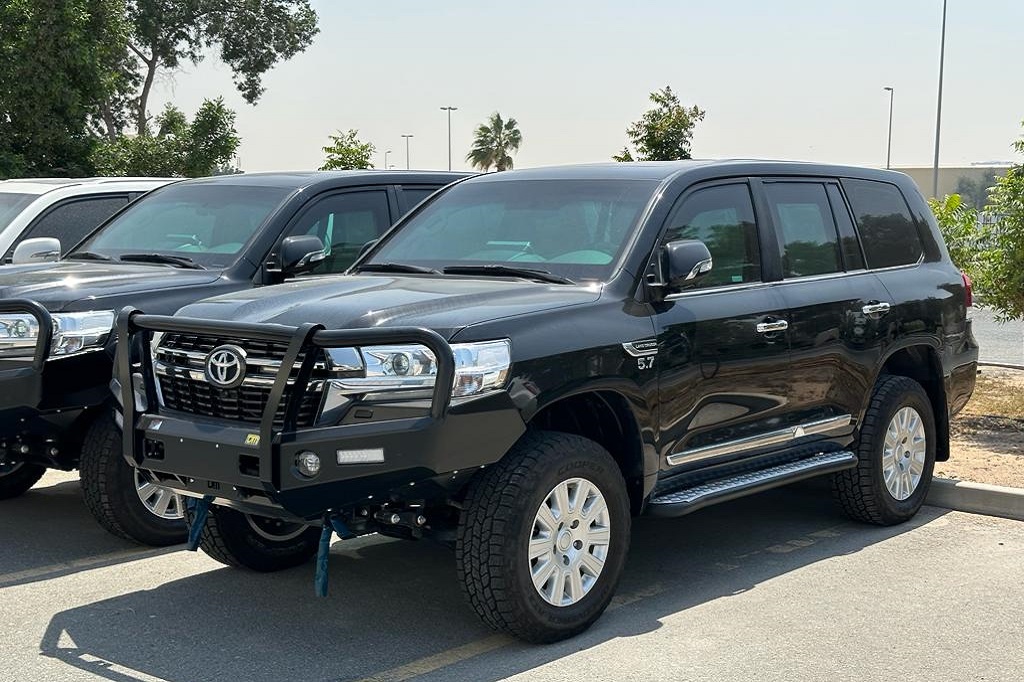
The Land Cruiser 76 BR6 offered by SchutzCarr is designed with an armoring concept that complements the base vehicle’s strengths, which gives owners a clear path to planning long-term use.
By pairing robust mechanical components with an engineered armor package, operators can forecast maintenance intervals with more confidence.
Did You Know?
Specialized repairs for armored vehicles occur about 25% more often than for conventional vehicles, which makes disciplined maintenance planning critical for long-term cost control.
5. Armored Personnel Carriers And Group Transport Costs
Armored personnel carriers (APCs) introduce additional cost dimensions compared with individual SUVs, largely because they move more passengers and often operate in structured fleets.
These vehicles typically involve more complex drivetrains, larger tire sets, and more extensive armor coverage, which influence maintenance frequency and parts planning.
APC SHARK And APC MONO-Q 4×4 Cost Drivers
The APC SHARK is built as a group transport platform, so owners usually account for higher consumable usage and more involved inspection routines across its life.
Similarly, the APC MONO-Q 4×4 combines a compact footprint with substantial protection, which requires attentive care for chassis components and armor integration points.
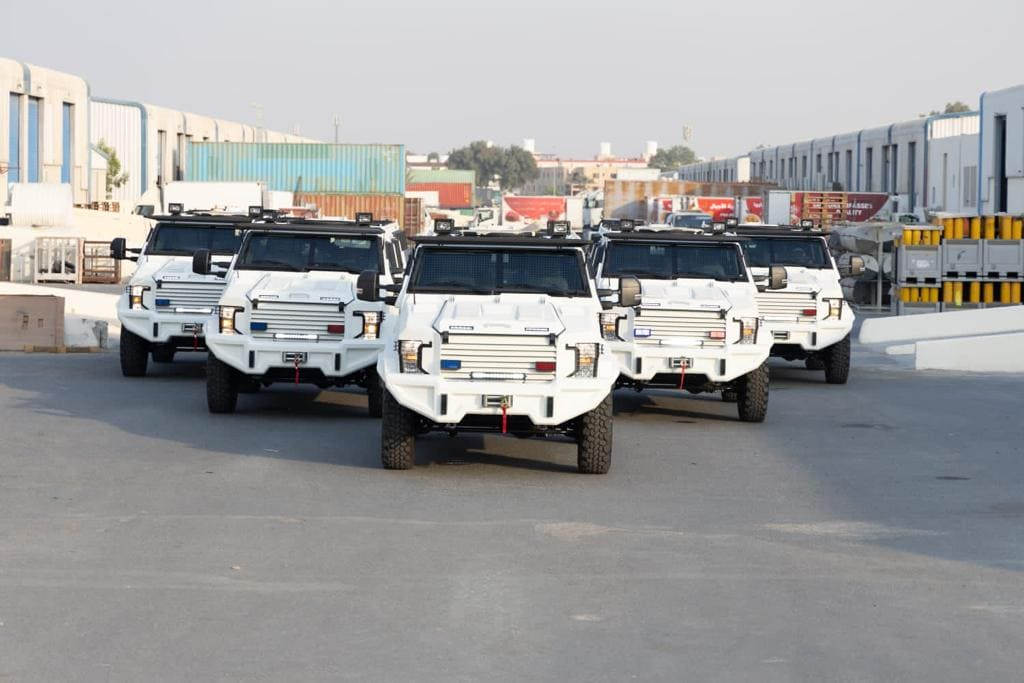
Because APCs often serve as core assets in security convoys or protected shuttles, downtime carries both financial and operational consequences.
We recommend owners of these platforms build detailed service calendars that include body inspections, armor checks, and component life tracking for key parts such as suspension bushings, driveline joints, and braking systems.
6. Fuel, Tires, And Wear Items: The Hidden Daily Costs
Armored vehicles are heavier than their non armoured counterparts, which directly affects fuel usage, tire life, and braking system wear.
Even when daily distances seem modest, the cumulative effect over years can significantly increase the total cost of ownership.
- Fuel planning: Larger engines or tuned powertrains that move heavy armor typically consume more fuel, especially in stop and go conditions.
- Tire replacement: Reinforced or higher load rated tires experience additional stress, which can shorten their lifespan.
- Brake systems: Rotors, pads, and calipers handle higher loads and often require more frequent attention.
We often support clients by matching vehicle choices with intended duty cycles, so expected fuel and wear item needs are clear at the planning stage.
This cost clarity is particularly important for fleet operators who run multiple armored vehicles in parallel.
7. Maintenance Strategies: Preventive Care Versus Deferred Repairs
Because armored vehicles face higher mechanical and structural loads, preventive maintenance plays a crucial role in controlling lifetime cost.
Deferring repairs on critical systems can lead to more extensive component damage and longer downtime, which often proves more expensive in the long run.
A structured maintenance plan with clear intervals for inspection, lubrication, and component replacement is usually less costly than reactive repairs triggered by failures.
SchutzCarr’s focus on a repeatable armoring process and clear documentation helps owners and workshops understand where to concentrate maintenance inspections.
We see the best cost outcomes when fleet managers align scheduled services with documented armoring guidelines, rather than treating armored vehicles like standard passenger cars.
Did You Know?
Life-extension style upgrades can deliver 70–80% of new-platform capability at 30–40% of the acquisition cost, which is why many owners seriously evaluate retrofit programs before ordering entirely new vehicles.
8. Upgrades, Retrofits, And Lifecycle Extension
As mission profiles, standards, or internal policies evolve, many armored vehicle owners explore upgrades rather than full replacement, to extend the useful life of existing assets.
These retrofit programs might involve improving protection levels, integrating new communications, or adjusting suspension and braking components for revised operating conditions.
From a cost perspective, upgrades can spread capital expenditure across a longer period, while also reducing the learning curve that comes with switching platforms entirely.
We support clients in evaluating whether a given vehicle’s chassis, drivetrain, and structure can realistically handle an additional lifecycle with targeted upgrades.
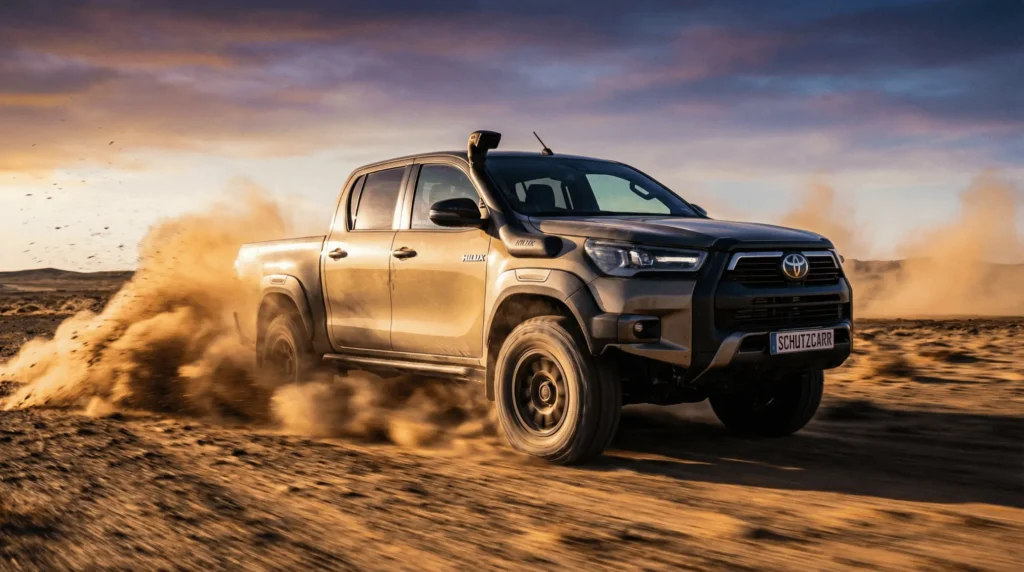
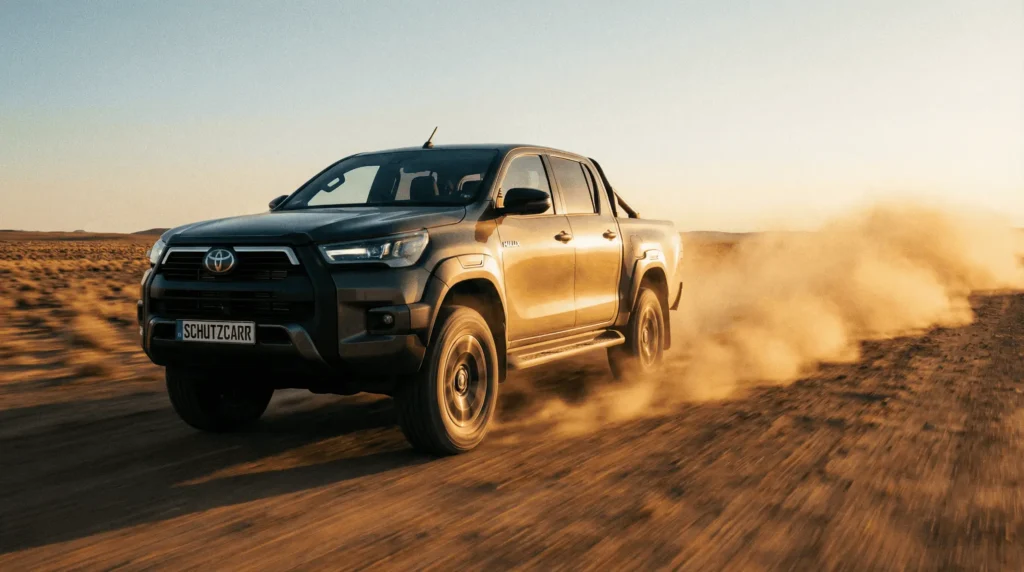
Life extension decisions should always consider the expected residual value of the vehicle, and whether the chassis hours and kilometers support another multi-year period of use.
In our experience, realistic appraisals of existing condition paired with clear upgrade scopes help owners avoid over investing in platforms that are nearing their structural or mechanical limits.
9. Regional Deployment, Logistics, And Support Costs
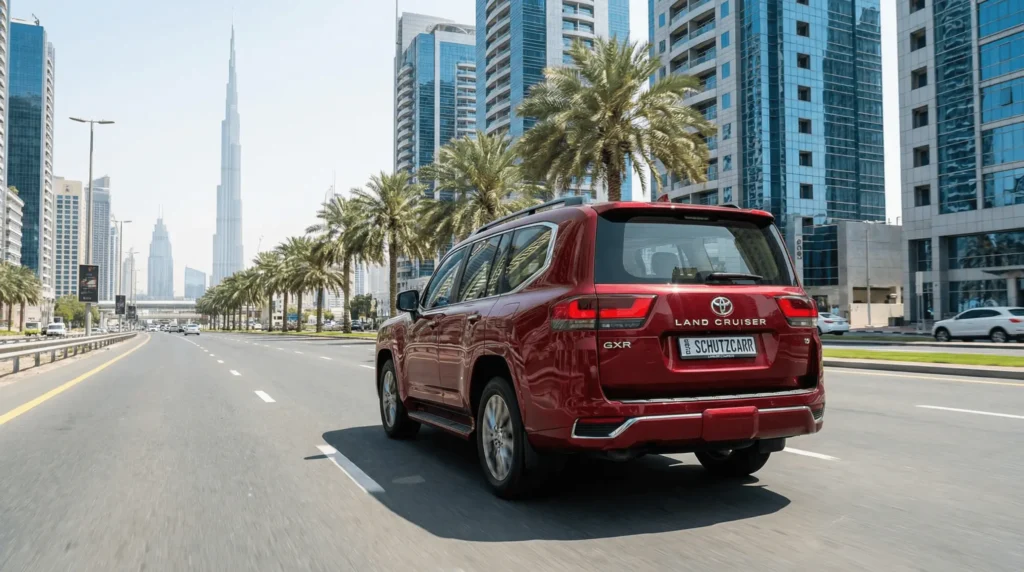
Where an armored vehicle operates has a major impact on its total ownership cost, especially when it comes to parts availability, technical support, and logistics.
Fleet operators who deploy vehicles in regions with developing infrastructure often need to plan more carefully for spares, local training, and recovery arrangements.
For example, our focus on Armored Vehicles Rwanda highlights how regional solutions package vehicles, support, and deployment considerations into a single framework.
By planning deployment logistics together with acquisition, owners can reduce the risk of unplanned downtime or expensive emergency shipping for critical components.
10. Specialized Platforms: MRAP And High-Protection Vehicles
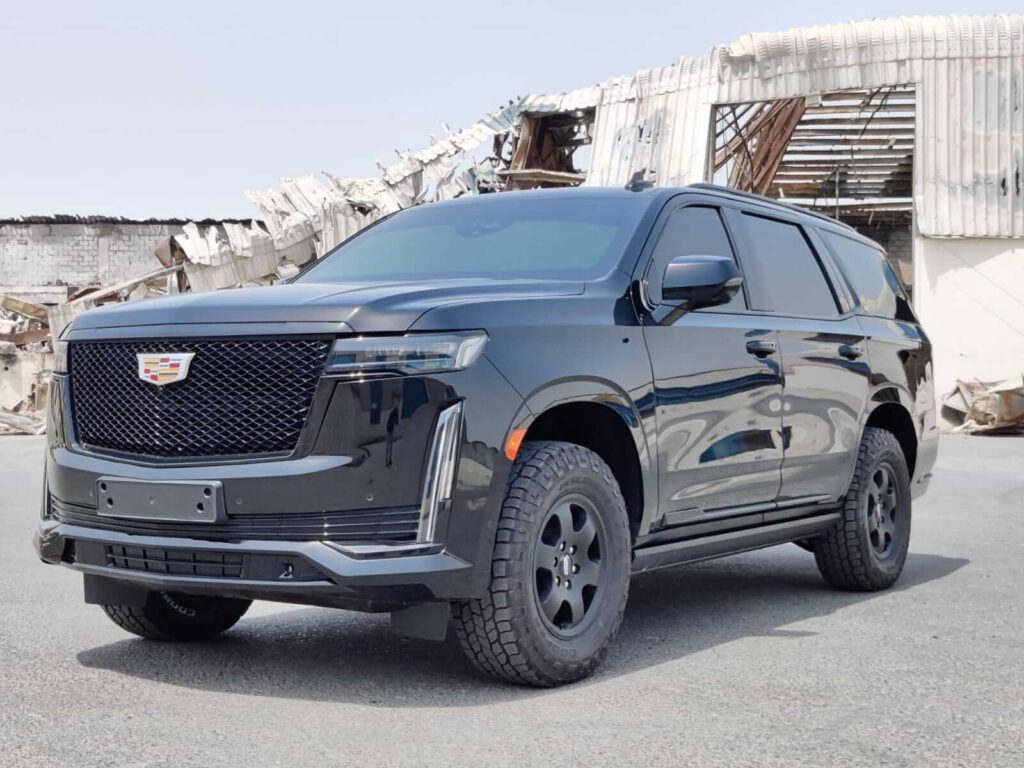
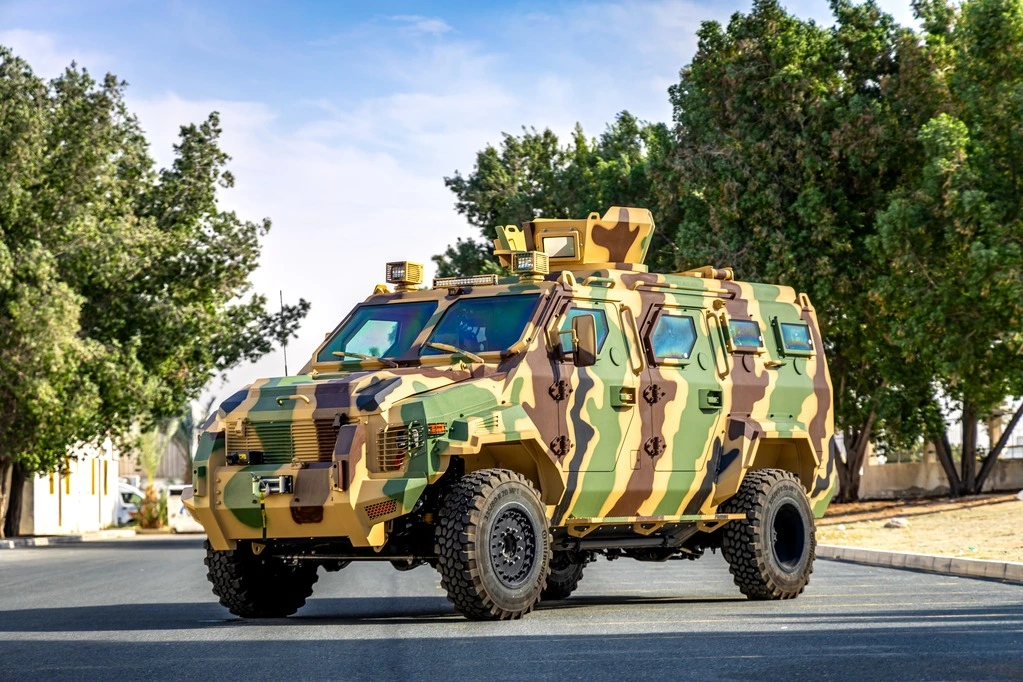
Some owners require especially high protection levels in specific platforms, such as the MRAP for Sale: Civilian Armored Protection built by SchutzCarr, which are adapted for civilian security roles.
These vehicles use advanced armor architectures and heavy duty drivetrains, so their maintenance and parts planning must reflect their specialized nature.
In cost terms, this usually means allocating higher budgets for consumables, aligning maintenance intervals with heavy commercial vehicle standards, and coordinating closely with armoring experts for any structural work.
We work with clients to forecast these higher service loads and integrate them into long-term fleet cost models, so MRAP style platforms remain sustainable assets throughout their life.
11. Planning Ownership Costs From Day One
The most effective way to manage the long-term ownership costs of armored vehicles is to plan them before a single unit is ordered.
This means selecting platforms, armoring levels, and support arrangements that align with both security requirements and budget expectations across many years.
| Planning Area | Why It Matters For Cost |
|---|---|
| Platform selection | Determines baseline maintenance complexity, fuel needs, and service network access. |
| Armoring specification | Impacts vehicle weight, structural loads, and long-term repair costs for armor and glass. |
| Service strategy | Defines whether maintenance is preventive and structured, or reactive and potentially more expensive. |
| Upgrade roadmap | Helps decide when retrofits will extend life, and when replacements are more prudent. |
| Regional deployment plan | Influences logistics costs, spares availability, and technician training requirements. |
Our role at SchutzCarr is to bring technical and operational experience into these early conversations, so owners can see a realistic cost picture across the entire lifetime of each asset.
With clear assumptions on mileage, usage intensity, and planned service intervals, most organizations can create budgets that keep armored vehicles effective and sustainable.
Conclusion
Long-term ownership costs for armored vehicles arise from many interconnected factors, including platform choice, armoring design, maintenance strategy, usage patterns, and regional deployment conditions.
By treating these vehicles as long horizon assets and planning for their full lifecycle from the outset, owners can keep fleets reliable, predictable, and aligned with both operational and financial expectations.
If you would like to review your own armored vehicle plans or explore specific models and support options, we invite you to get in touch with our team at SchutzCarr through our contact page: https://schutzcarr.shop/contact/.