
Cash logistics faces a rapidly changing risk landscape, with cargo theft incidents showing significant year-over-year increases across multiple regions. As theft attempts increase in frequency and sophistication, we see more operators rethinking their fleets and looking for cash in transit armored vehicle solutions that combine certified protection, reliability, and operational flexibility.
Key Takeaways
| Question | Answer |
|---|---|
| 1. What makes a vehicle suitable for cash in transit operations? | A suitable CIT platform combines certified ballistic protection (typically BR6 or BR7), reinforced structure, reliable chassis, and discreet appearance. Platforms like the Armored Toyota Land Cruiser 76 are commonly used because they balance protection and everyday usability. |
| 2. Are MRAP-style vehicles relevant for cash in transit? | Yes, especially for routes with elevated blast and ambush risk. Our civilian MRAP platforms offer mine-resistant V-hull design principles and protection philosophies informed by STANAG-type testing benchmarks, while remaining road legal for sensitive civilian CIT scenarios. |
| 3. Which protection levels matter for CIT fleets? | Most CIT operators look for independently certified BR6 or BR7 protection, along with tested ballistic glass and reinforced floor structures designed to mitigate secondary blast effects and fragmentation, without implying certified mine or explosive resistance. For an overview of standards, see our guide on B4 to B7 ballistic protection levels. |
| 4. Can discreet SUVs be used as CIT vehicles? | Discreet armored SUVs are increasingly used for high-value or low-profile cash movements. Our armored SUV portfolio shows how civilian platforms can carry strong protection while blending into everyday traffic. |
| 5. Where can I compare different armored platforms? | We maintain an up-to-date armored vehicles collection that covers SUVs, APCs, and specialty builds, allowing CIT operators to align fleet selection with route risks and payload needs. |
| 6. How do I start planning a CIT fleet upgrade? | Begin with a needs assessment using resources like our armored car buyer’s guide, then shortlist platforms based on threat profile, terrain, and regulatory requirements. |
Understanding Modern Cash In Transit Armored Vehicle Requirements
Cash in transit operations today face more than isolated robbery attempts. They intersect with broader cargo theft patterns, organized crime, and route surveillance by offenders who study routines and vulnerabilities.
For that reason, we design CIT-capable armored vehicles around layered protection. The cabin, drivetrain, tires, and glass all work together to keep the crew moving and the payload secure, even if attackers target multiple weak points at once.
Core Design Priorities For CIT Armored Vehicles
- Ballistic resistance across doors, roof, firewall, and glass to protect crew and cargo from small arms fire.
- Reinforced floor structures and protected fuel and brake systems designed to mitigate secondary blast effects and fragmentation, without implying certified mine or explosive resistance.
- Mobility under attack with run-flat systems and upgraded suspension to handle the weight of armor.
- Regulatory compliance so vehicles remain road legal and insurable in the jurisdictions where they operate.
Why Discreet Appearance Matters In CIT Work
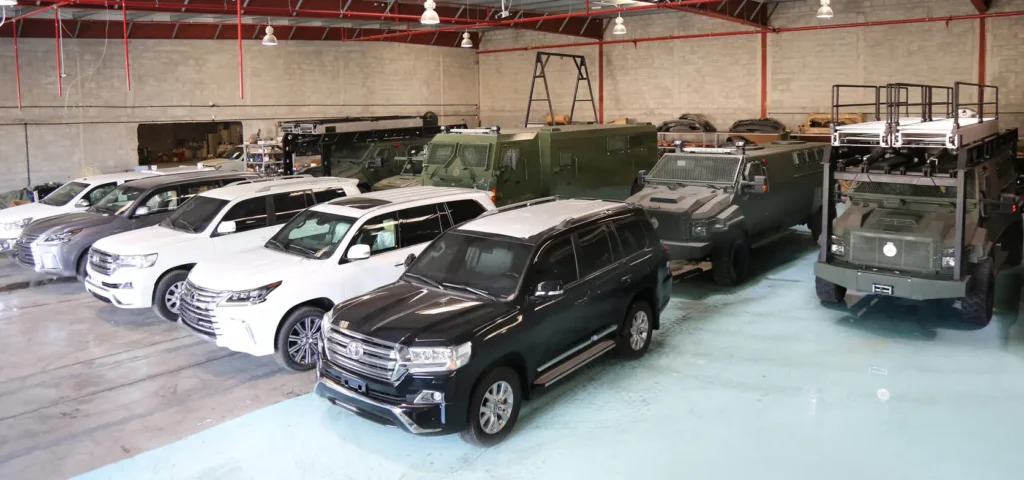
We see growing demand for armored vehicles that do not visually signal their purpose. While traditional cash trucks remain common, many routes now use SUVs and pickups that blend into traffic while quietly carrying armored cells and ballistic glass.
This approach reduces premeditated targeting and supports flexible routing. It also lets operators run mixed fleets where some vehicles draw attention as deterrents while others move more quietly through high-risk areas.
Armored Toyota Land Cruiser 76: A Workhorse Platform For CIT Routes
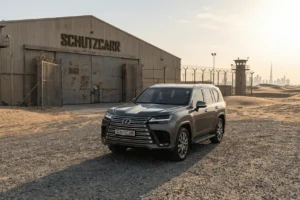
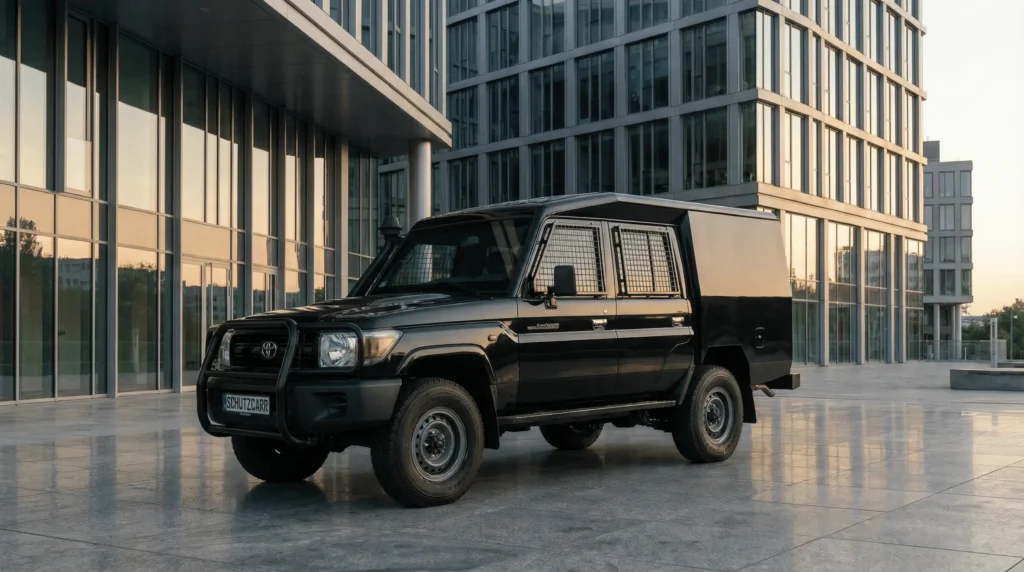
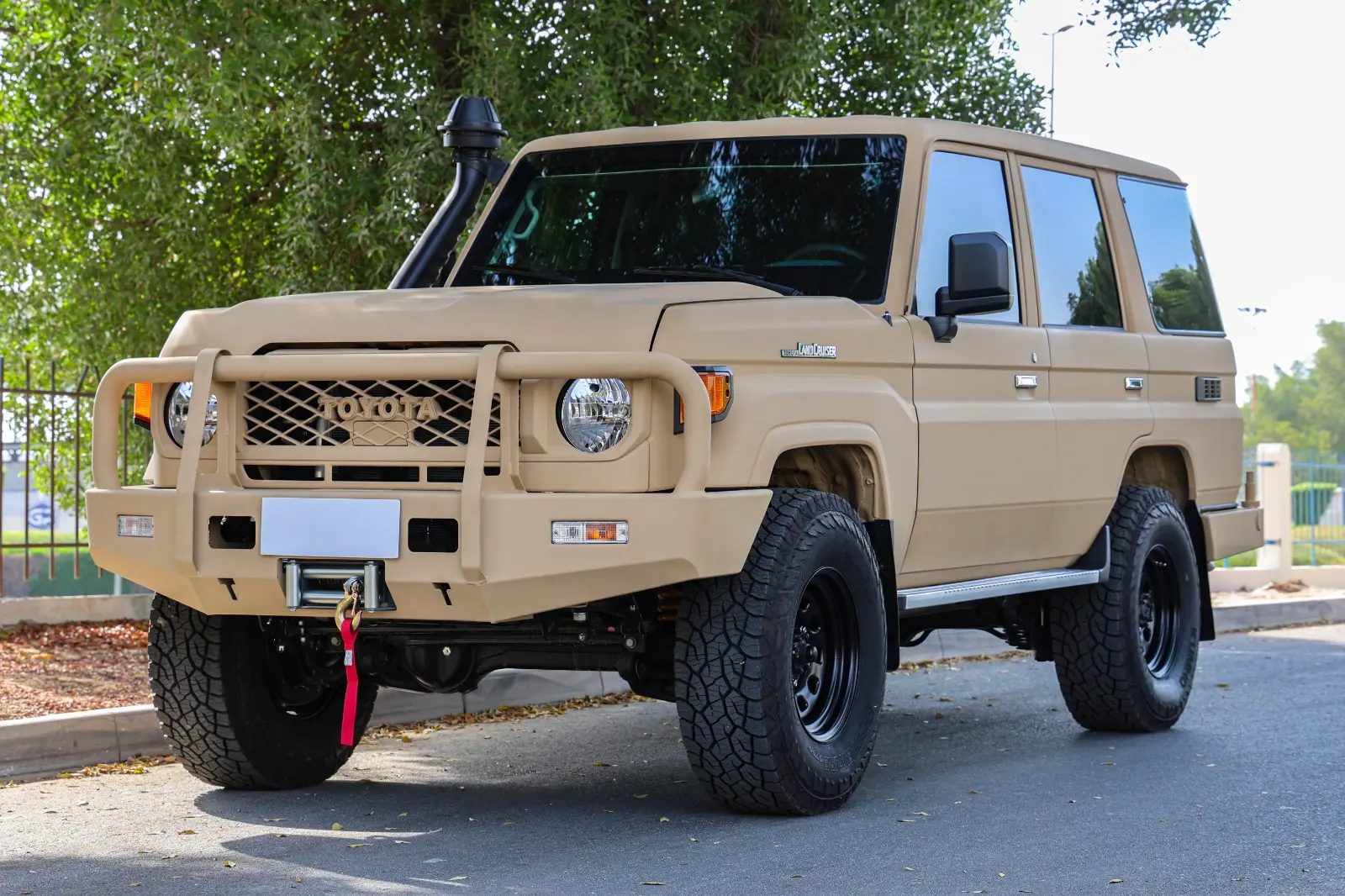
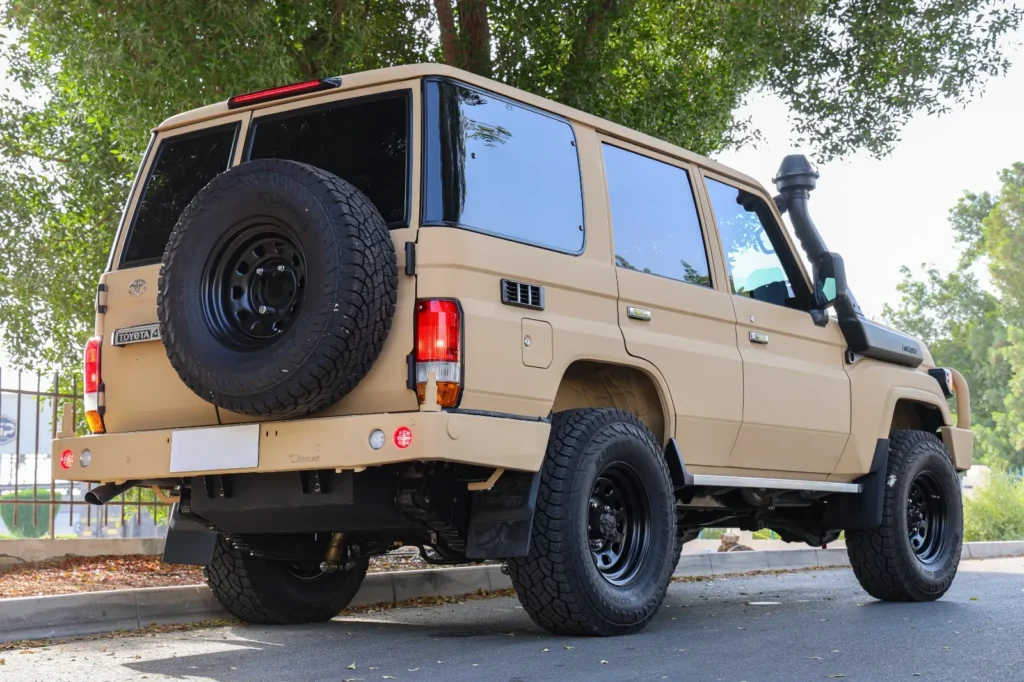
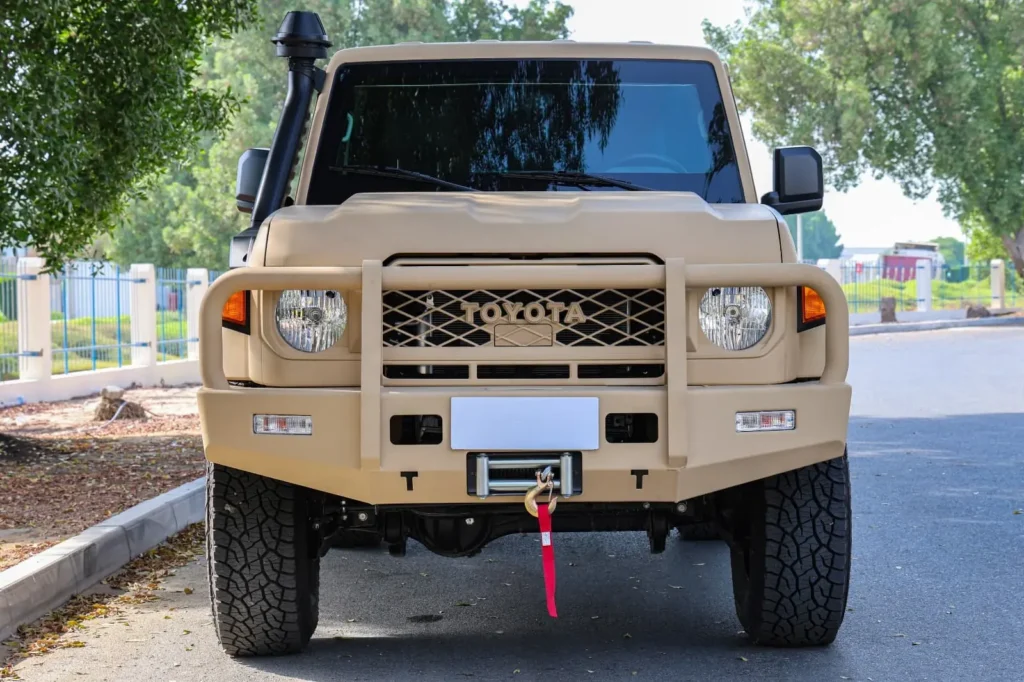
The Toyota Land Cruiser 76 BR6 armored SUV is one of the most versatile platforms we use for CIT-style deployments. Its ladder-frame chassis accepts significant reinforcement while maintaining balance, braking stability, and off-road capability.
We engineer an internal protection cell that follows every contour of the body. Steel, overlapping joints, and ballistic glass create a rigid shell that behaves as a single unit rather than an add-on kit, which is critical when crews must trust the vehicle under repeat stress.
Protection Features That Matter For CIT
- BR6 / B6 ballistic cell covering firewall, doors, pillars, and roof.
- Ballistic glass integrated into OEM-style frames with tight tolerances and neat edge finishing.
- Run-flat systems that keep the vehicle moving after tire damage, which is critical for breaking contact during an attack.
- Reinforced floor structures designed to mitigate secondary blast effects and fragmentation, without implying certified mine or explosive resistance.
From the outside, our armored Land Cruiser 76 appears almost stock. This discretion supports cash movements that must avoid drawing attention while still depending on certified protection inside the cabin and cargo area.
Cargo Configuration For CIT Payloads
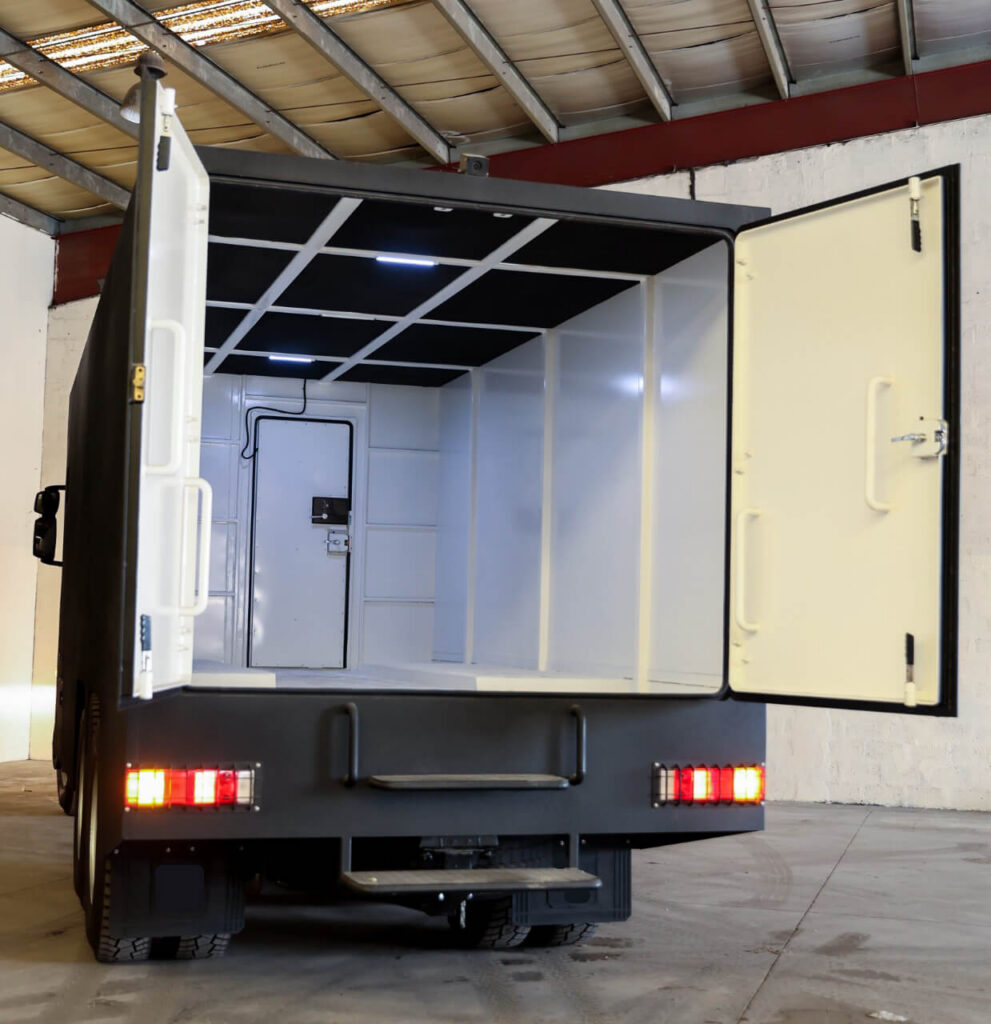
For CIT operators, the Land Cruiser 76 can be configured with internal lockers, secure cages, or modular cash boxes in the rear compartment. We retain wide rear-door access and reinforce hinges and latches to handle heavier armored doors and frequent loading cycles.
Suspension and braking upgrades help maintain predictable handling when fully loaded with cash, coin, or other valuables. This stability directly supports driver confidence and reduces accidents, which are an underappreciated source of loss in CIT work.
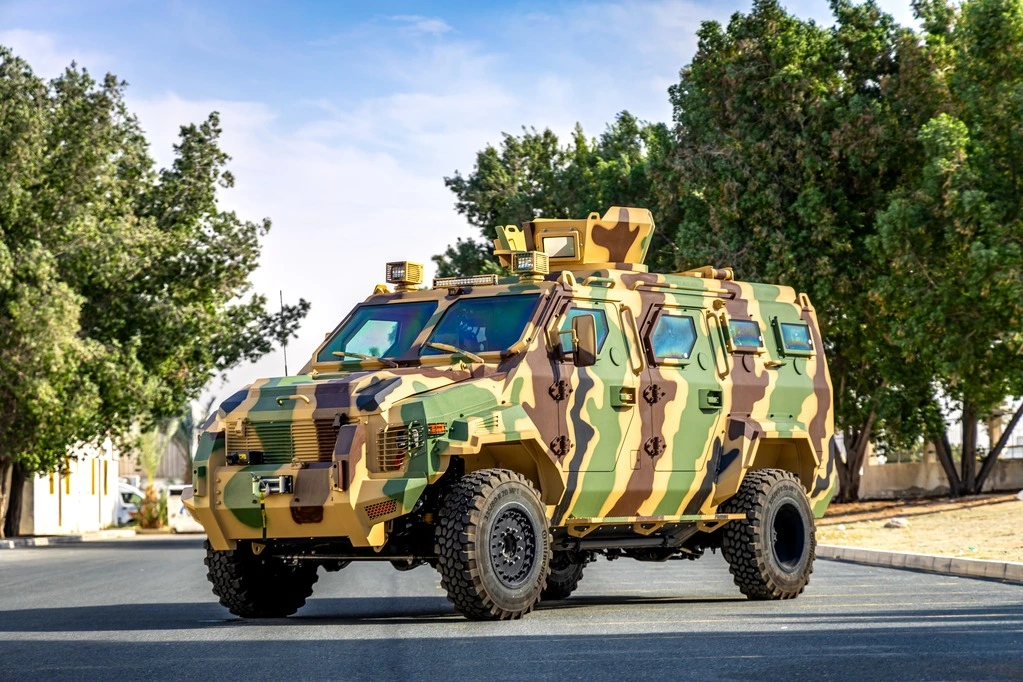
Civilian MRAP Platforms For High‑Threat Cash In Transit Missions
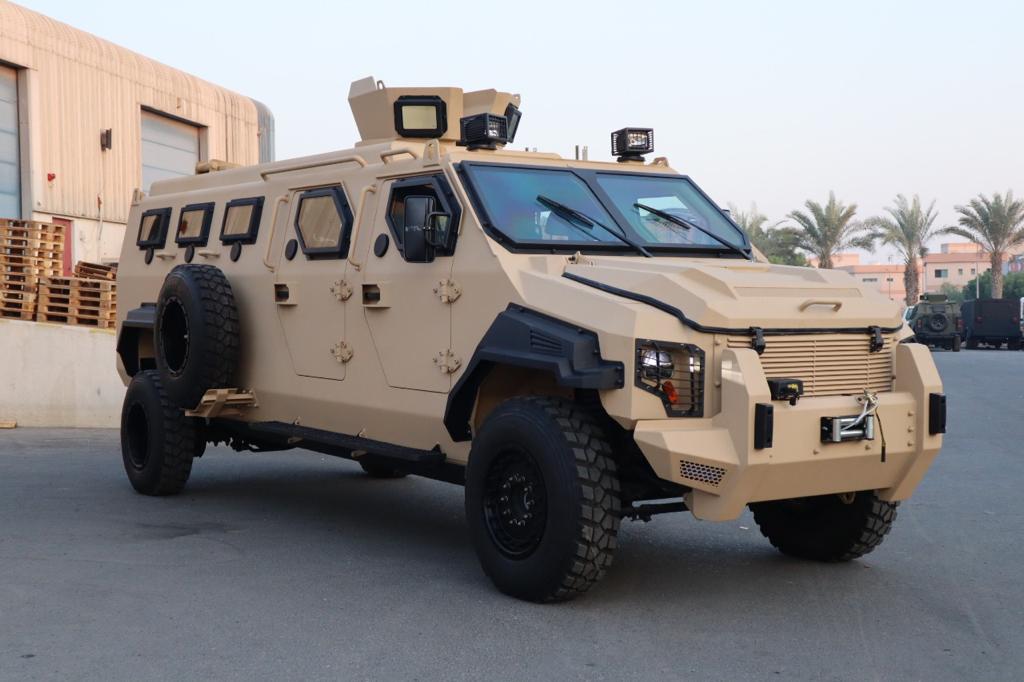
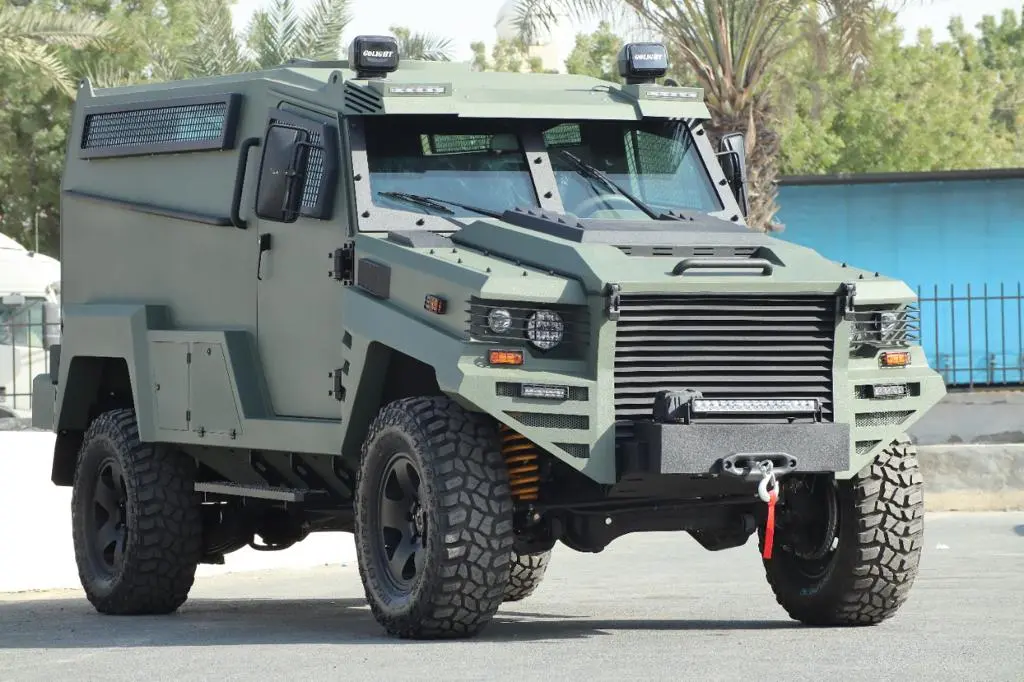
Some CIT routes involve elevated risk environments where operators face organized attacks, explosives, and deliberate ramming. For those scenarios, a standard SUV may not provide sufficient protection, and we look to MRAP-inspired platforms with higher underbody and side blast resistance.
Our civilian MRAP range includes platforms such as APC SHARK, APC MONO Q 4×4, GER 1D, and APC JASAR. These vehicles combine V-hull thinking, energy absorbing floors, and high protection levels while remaining road legal for civilian use.
When Does A CIT Operator Need MRAP-Level Protection?
- Regular routes passing through areas with documented blast or roadside device incidents.
- CIT missions supporting large cash movements to and from critical infrastructure.
- Recovery or emergency extraction of stranded cash vehicles from high-risk zones.
In these cases, mine-resistant engineering and high ground clearance give crews a far greater margin of safety. The cabin layout still supports secure storage compartments and transport of cash boxes, although these vehicles are usually assigned to special missions rather than routine branch runs.
Did You Know?
Industry reporting indicates sharp year-over-year increases in cash theft incidents in multiple regions, with a concentration of hijack events along specific high-risk corridors.
BR6 And BR7 Ballistic Protection For CIT: What Levels Do You Really Need?
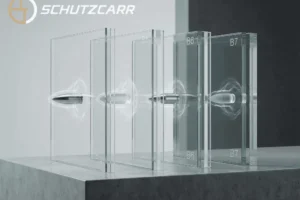
Deciding between BR6 and BR7 is one of the most important choices when specifying cash in transit armored vehicle solutions. Both levels address rifle threats, but BR7 increases protection margin against higher caliber rounds and repeated impacts.
We independently certify opaque and transparent areas according to recognized standards, then integrate the armor into the body structure. That integration affects how the vehicle performs under multi-angle fire, not just in lab-type single-shot tests.
Where BR6 Is Often Sufficient
- Urban and suburban CIT routes with primarily small arms risk and low likelihood of high-caliber rifle fire.
- Short branch-to-branch runs where crews can count on rapid response if an incident occurs.
- Discrete SUV-based operations that prioritize blending in while still stopping rifle rounds.
When To Consider BR7
- Rural or isolated corridors where attackers can operate longer without interference.
- High-profile cash movements where the payload size might justify escalation in threat level.
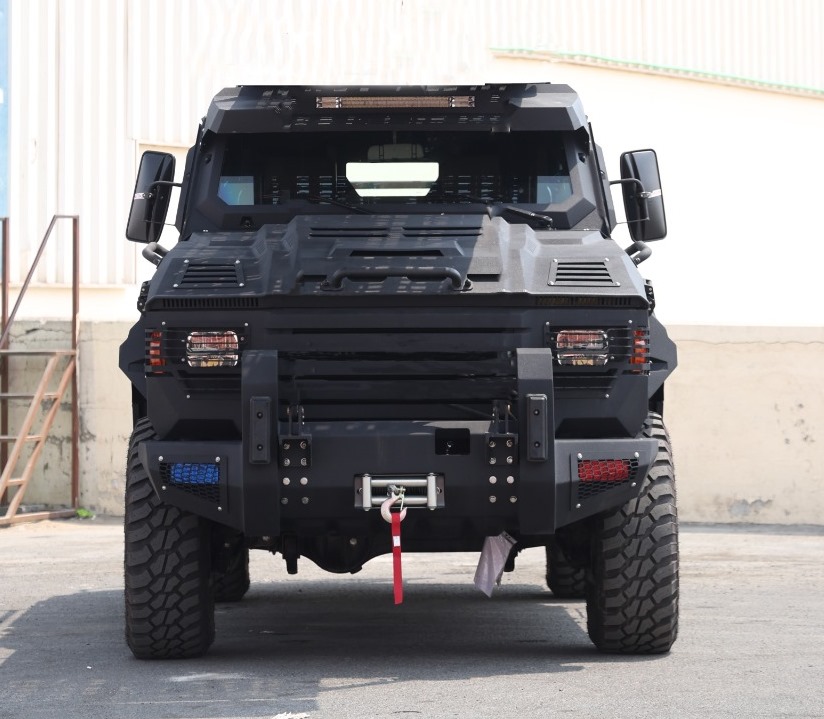
- Vehicles such as Black APC Tygor B7 built on tough platforms like the Land Cruiser 79 chassis.
For many operators, a mixed fleet makes sense: BR6 SUVs for everyday work and one or more BR7 APC-style vehicles assigned to the most exposed segments or as escorts.
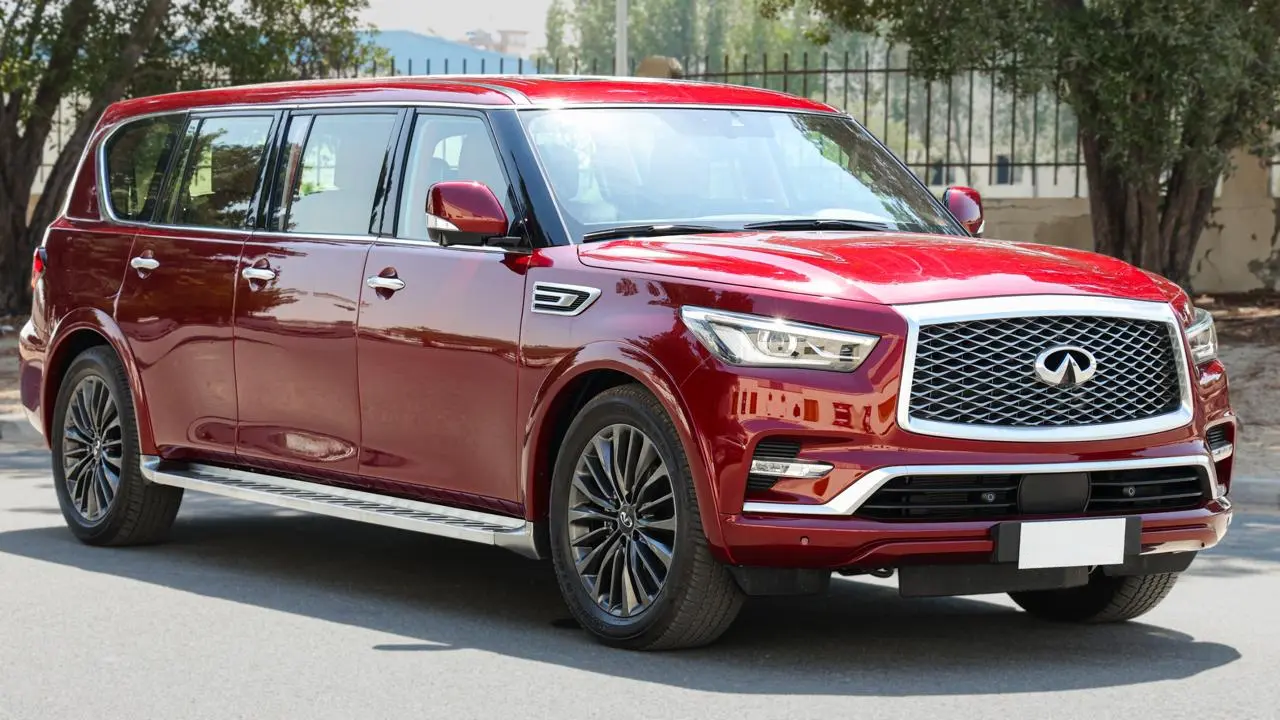
Discreet Armored SUVs For Low‑Profile Cash Movements
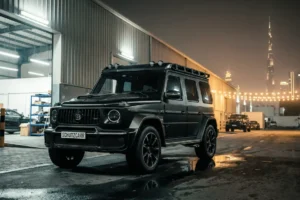
Not every cash movement uses a box-style armored truck. In many regions, discreet armored SUVs now handle high-value routes that benefit from blending into regular traffic. We armor premium platforms while retaining their civilian appearance as closely as possible.
Three platforms stand out for CIT-style adaptation: the Range Rover P530 Extended BR6, the Toyota Land Cruiser 300 BR6 Extended, and the Infiniti Qx80 4WD Extended BR6. Each offers strong protection and comfortable cabins for crews who spend long hours on the road.
Key Features Across These BR6 SUVs
- 360 degree protection with FB6 ballistic glass and 8 mm-class steel armor panels.
- Reinforced floor structures and protected battery, ECU, and fuel systems designed to reduce vulnerability to secondary blast effects and fragmentation.
- Run-flat tires and upgraded suspension tuned for the added weight of the armor cell.
- Civilian styling that keeps the vehicle visually close to its factory configuration.
These vehicles suit executive and VIP cash transport, high-end retail collections, and routes where an obvious armored truck might increase risk rather than reduce it. We can integrate dedicated cash safes or sealed compartments into the rear area while keeping seating and access practical for crews.
Pickup‑Based And APC Platforms For Specialized CIT Roles
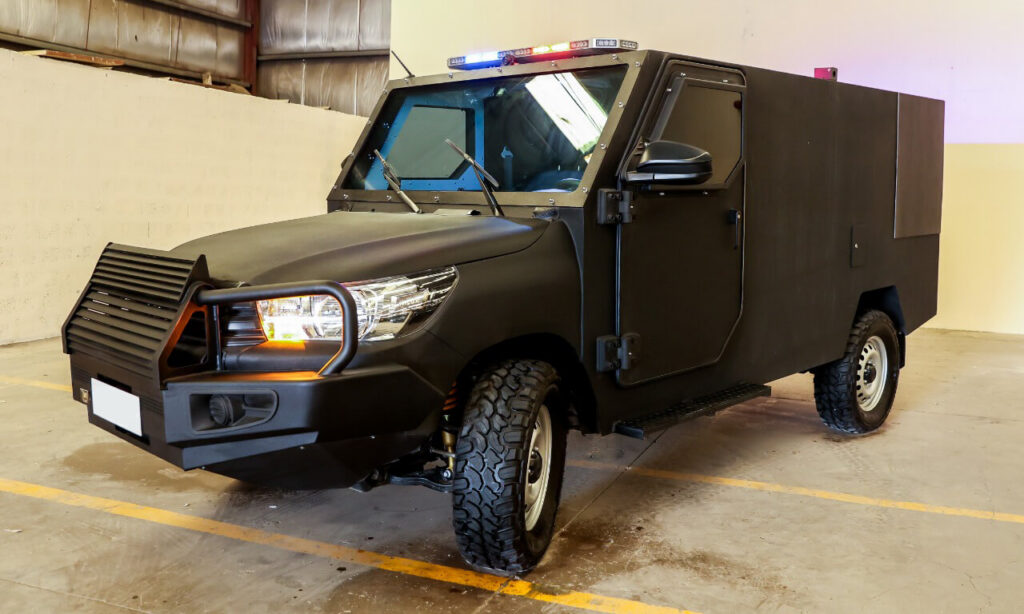
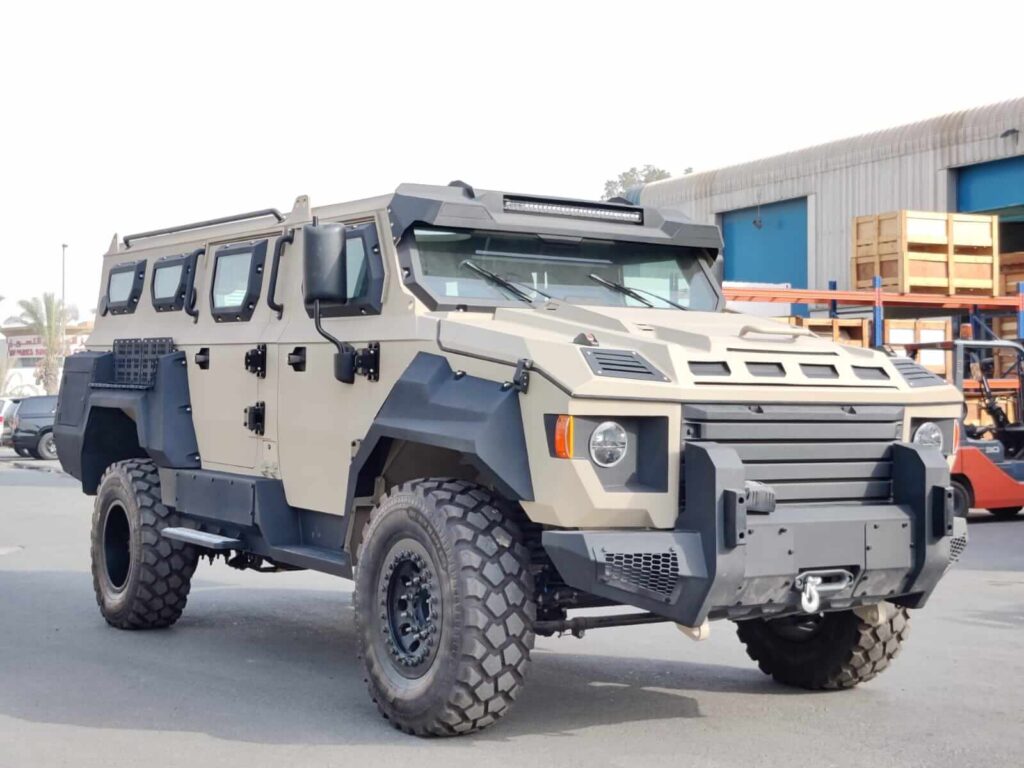
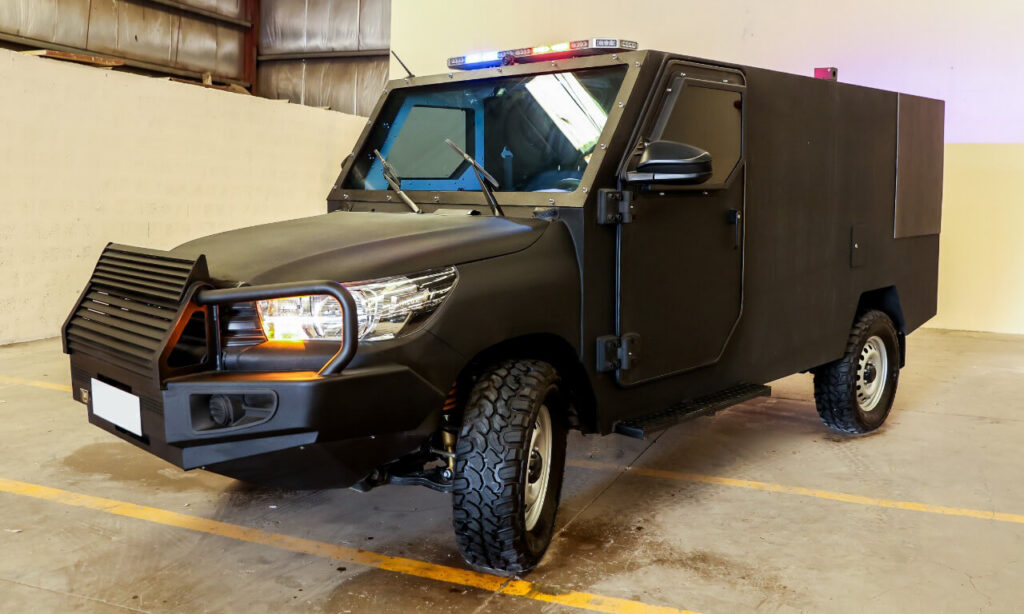
Beyond SUVs and MRAPs, we deploy pickup-based APC solutions and specialized 4×4 carriers that can double as CIT vehicles or provide escort and overwatch. These platforms offer higher internal volume and modular layouts that support cages, lockers, and multi-crew operations.
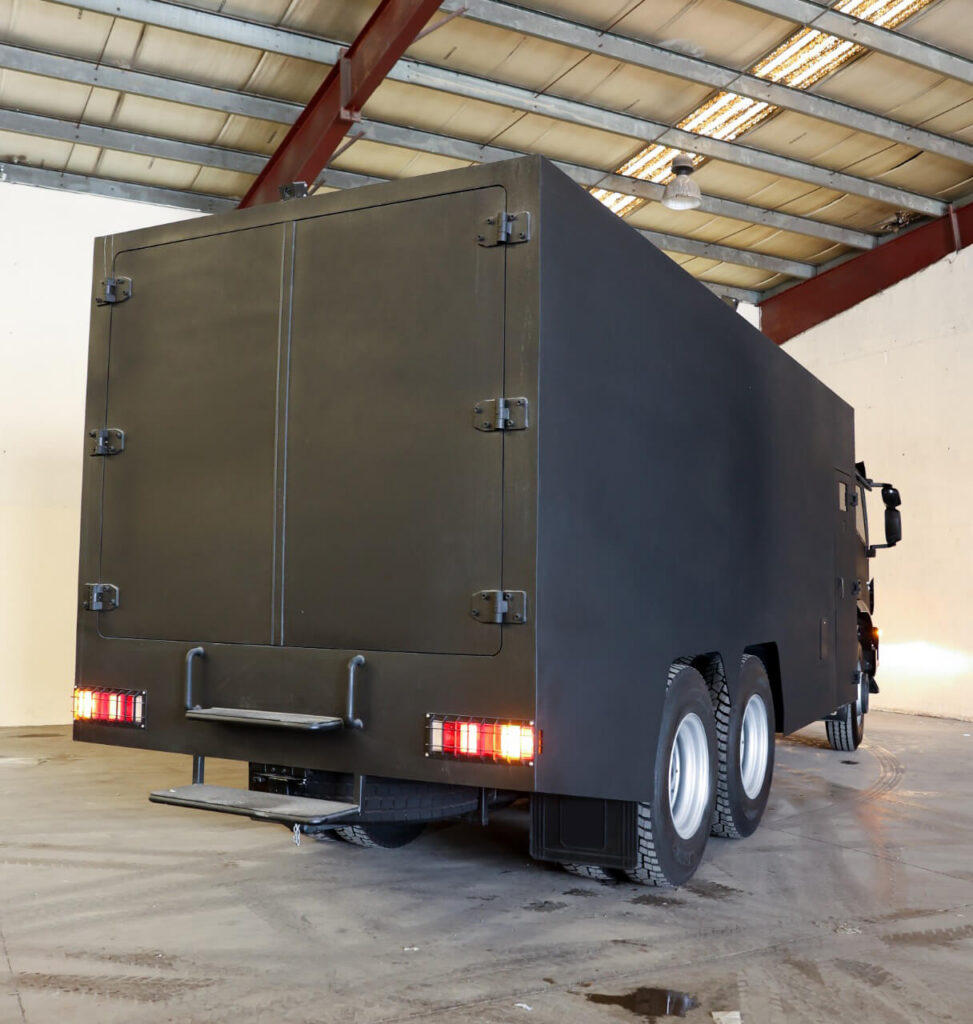
Examples include APC MONO Q 4×4 and APC Merkava SAGIV variants built on robust commercial chassis. Their boxy bodies allow detailed compartmentalization of cash storage, crew seating, and equipment racks while keeping the vehicle compact enough for urban routes.
Use Cases For APC‑Style CIT Vehicles
- High-volume cash routes where traditional vans lack adequate ballistic protection.
- Combined crew and cash transport, where multiple staff must be moved together.
- Escort roles to support a fleet of lighter CIT vehicles across exposed stretches.
We design these platforms with protected roof hatches or observation points where permitted, as well as interior layouts that separate cash from crew. Large side doors and rear ramps support fast loading and unloading of sealed containers at central vaults or retail sites.
Fleet Strategy: Mixing SUVs, MRAPs, And APCs For Layered CIT Security
There is no single best cash in transit armored vehicle solution. The most resilient CIT operations use mixed fleets that align platform type with route risk, payload volume, and public visibility requirements.
We often help clients segment their network into tiers. Lower risk urban runs might use armored SUVs, while high-value trunk routes between processing centers are handled by APC-style trucks or MRAP-based vehicles, optionally with escort support.
Example Mixed Fleet Layout
| Route Type | Recommended Platform | Typical Protection Level |
|---|---|---|
| Retail branch collections in dense urban areas | Armored SUVs (Land Cruiser 300, Infiniti QX80, Range Rover) | BR6 |
| Long-distance trunk routes between cash centers | APC-style CIT trucks, MRAP platforms | BR6–BR7 with enhanced underbody protection |
| High-profile occasional moves (events, seasonal peaks) | Combination of SUVs and APC escorts | BR6 core fleet with selected BR7 escorts |
This layered approach also helps with fleet resilience. If a vehicle is offline for maintenance, another platform can temporarily cover its role without exposing crews or payloads to unnecessary risk.
Did You Know?
The global cash‑in‑transit vehicles’ bulletproof glass market generated USD 1,419.2 million in 2024 and is projected to reach USD 2,556.7 million by 2030, growing at a 10.8% annual rate as fleets upgrade their protection.
Integrating Vehicle Capabilities With CIT Procedures And Training
Armored vehicles only reach their full potential when matched with clear procedures and trained crews. We encourage operators to map vehicle capabilities against specific scenarios, then train staff to use features such as intercoms, emergency exits, and run-flat mobility.
For example, crews must understand how to drive on damaged tires without oversteering, how to lock down internal compartments during an incident, and how to use cameras or observation ports to assess external threats without exposing themselves.
Key Procedure Areas To Align With Vehicle Design
- Pre-trip inspections that check armor integrity, locks, communications, and run-flat indicators.
- Standardized loading and unloading steps tailored to the specific door and compartment layouts.
- Incident drills that assume partial loss of mobility or visibility and practice safe withdrawal.
By matching training and procedures to specific models, CIT operators gain the full benefit of their investment in protection systems. Our engineering and support teams can help design these checklists and scenario drills around each platform.
Certification, Compliance, And Documentation For CIT Fleets
Regulatory compliance is a non-negotiable aspect of CIT vehicle selection. Our armored platforms come with documented ballistic testing and quality management compliance so that operators can register, insure, and audit their fleets with confidence.
We supply third-party test reports for glass and armor, along with build documentation that details materials, coverage areas, and structural reinforcements. This paperwork supports risk assessments, insurance underwriting, and internal compliance reviews.
Key Certification Elements For CIT Buyers
- Ballistic test reports covering both opaque armor and transparent glass for the relevant protection level.
- Quality management system conformity, often based on international standards, to show consistent production.
- Road legality documentation confirming that weight, dimensions, and lighting meet regulations.
When you audit or expand a CIT fleet, these documents help standardize risk across different vehicle types. They also support forensic analysis if there is ever an incident, enabling continuous improvement in both equipment and procedures.
Conclusion
The cash in transit market is evolving quickly, driven by rising theft statistics and growing expectations for safety and continuity. In this environment, armored vehicles are not just hardened boxes but carefully engineered systems that combine certified protection, mobility, and operational practicality.
By matching platform types like the Toyota Land Cruiser 76, discreet BR6 SUVs, MRAP-based carriers, and APC-style trucks to specific route risks, CIT operators can build layered fleets that protect crews and cash without compromising daily operations. Our role is to design, build, and document these vehicles so you can integrate them confidently into your procedures and keep critical value moving safely every day.