
281 aid workers were killed globally in 2024, which underlines how critical it is for NGOs to treat diplomatic transport as a core risk-management priority, not an afterthought. In this article, we share how we at SchutzCarr look at diplomatic transport solutions for NGOs, and which armored platforms and planning concepts help missions move people and assets more safely and predictably.
Key Takeaways
| Question | Answer |
|---|---|
| What is “diplomatic transport” for NGOs in practice? | It means using vetted vehicles, drivers, procedures, and protection levels that match the NGO’s risk profile and mandate, often with armored platforms like our Toyota Land Cruiser 76 BR6 for higher-risk missions. |
| Which vehicle types do NGOs typically rely on? | Secure sedans, armored SUVs, and in some cases armored personnel carriers, selected from specialized stock such as the platforms on our armored vehicles fleet page. |
| How important are certification and protection levels? | NGOs benefit from clearly documented levels like BR6 or BR7, as explained in our overview of the Armored Toyota Land Cruiser 76 certification, so they can align vehicles with internal security frameworks. |
| Do NGOs need discreet as well as visible protection? | Yes, many missions mix low-profile options from our discreet armored sedans lineup with more visibly protected vehicles depending on context and community perception. |
| How do NGOs plan for daily usability of armored fleets? | By considering weight, handling, and maintenance implications, as outlined in our guide on daily usability of armored SUVs, so vehicles remain practical for routine movements. |
| Can NGOs source vehicles quickly for emerging needs? | In some regions we maintain immediate-availability fleets, such as those described in our Rwanda diplomatic and VIP transport overview, which can support urgent NGO deployments. |
1. Why Diplomatic Transport Solutions Matter For NGOs Today
NGO teams travel to support communities, negotiate access, and maintain dialogue with authorities, often in environments with complex risk patterns. Diplomatic transport solutions provide a structured way to move staff and visitors that respects duty of care, institutional reputation, and local sensitivities.
We see diplomatic-style mobility for NGOs as a combination of suitable vehicles, protection levels, driver training, and protocols that fit the mission profile. Rather than improvising trip by trip, NGOs benefit from a coherent fleet concept with clear criteria for when to deploy armored platforms and when lighter, more discreet options are sufficient.
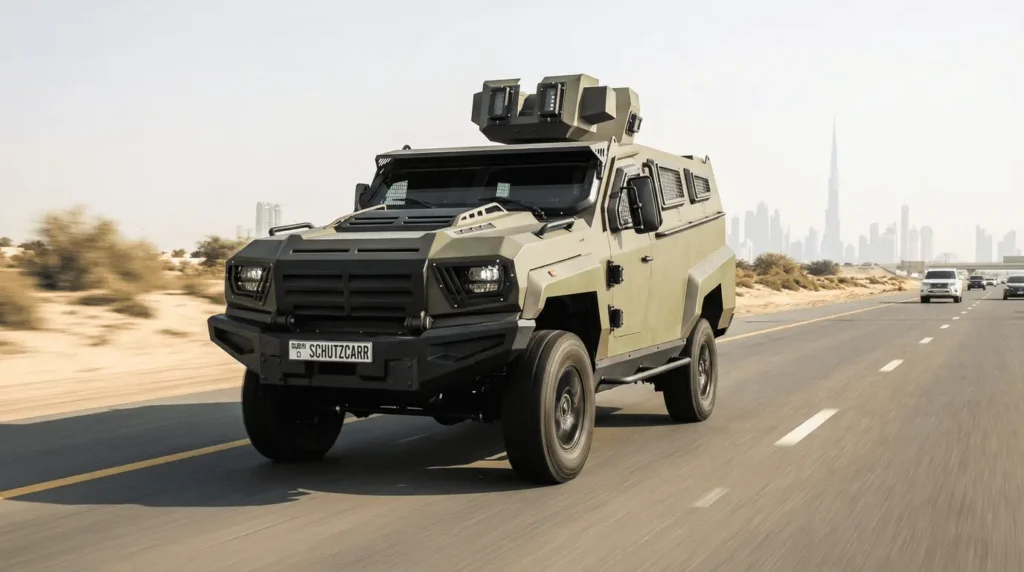

2. Core Requirements Of Diplomatic Transport For NGOs
From our work with institutional buyers, we see four recurring requirements for NGO diplomatic transport: predictable safety performance, continuous availability, acceptance by local communities, and administrative clarity. Each of these has direct implications for fleet composition and vehicle specification.
Predictable safety performance calls for tested armoring levels such as BR6 or BR7, with transparent documentation and repeatable build standards. Administrative clarity, such as consistent documentation packages and export-ready certificates, helps NGOs integrate vehicles into their own compliance and reporting structures.
Protection Levels And Certification
Diplomatic transport solutions often revolve around clear protection-level choices. In practice, many NGO fleets use BR6 as a baseline for higher-risk areas, stepping up to BR7 in specific roles where additional ballistic resistance is warranted.
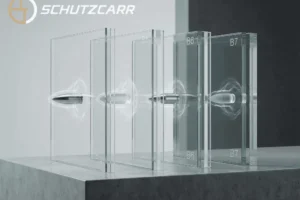
Our armored platforms, including the Land Cruiser 76 family, are engineered with integrated armor and documented certification, which gives NGO risk managers a clear technical basis for internal decision-making. This type of transparency helps align transport decisions with security frameworks, incident data, and board-level expectations.
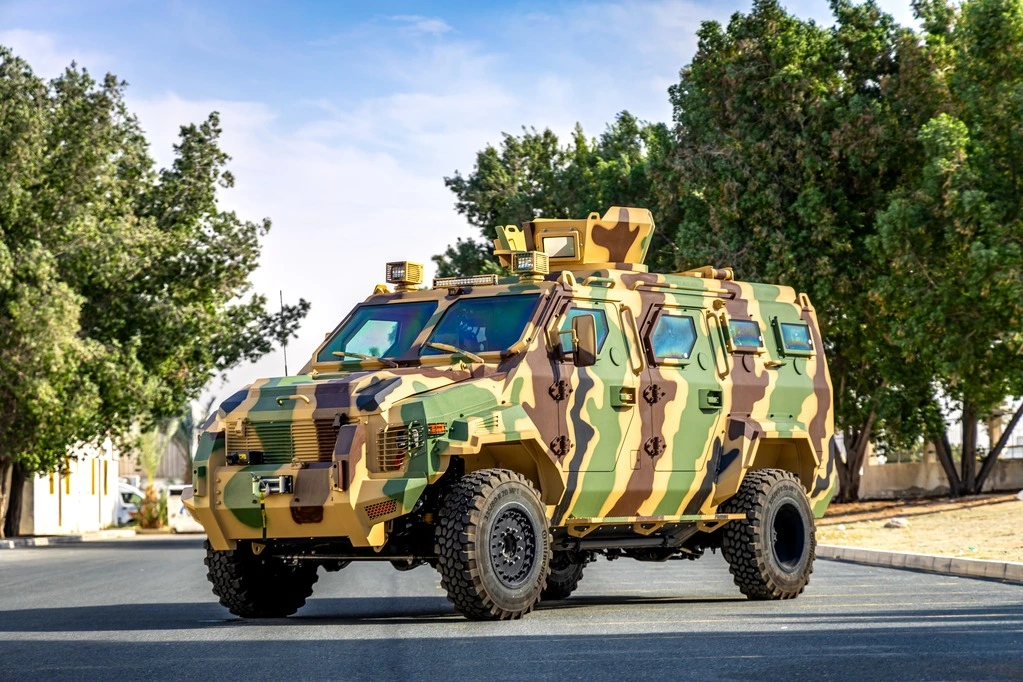

3. Matching Vehicle Types To NGO Diplomatic Use-Cases
NGO diplomatic transport rarely relies on a single vehicle model. Instead, organizations tend to combine armored SUVs for field missions, discreet sedans for city meetings, and in some cases higher-capacity platforms for delegation or staff shuttle roles.
This mix allows security teams to switch configurations by mission type: for example, field assessments outside major cities might rely on BR6 SUVs, while urban stakeholder visits use discreet sedans that blend into local traffic. The key is to create a simple internal matrix that pairs risk levels with appropriate vehicle categories.
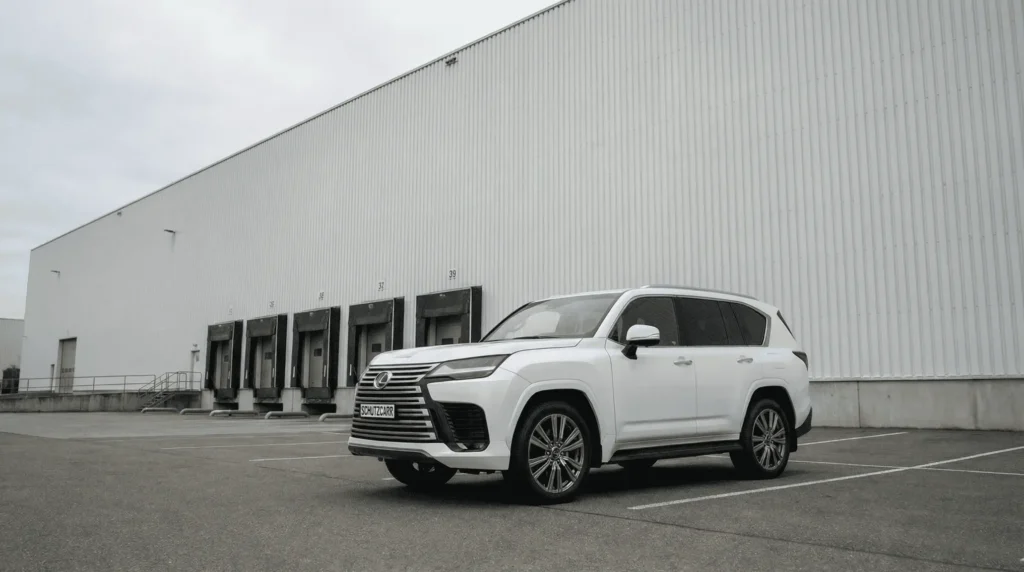
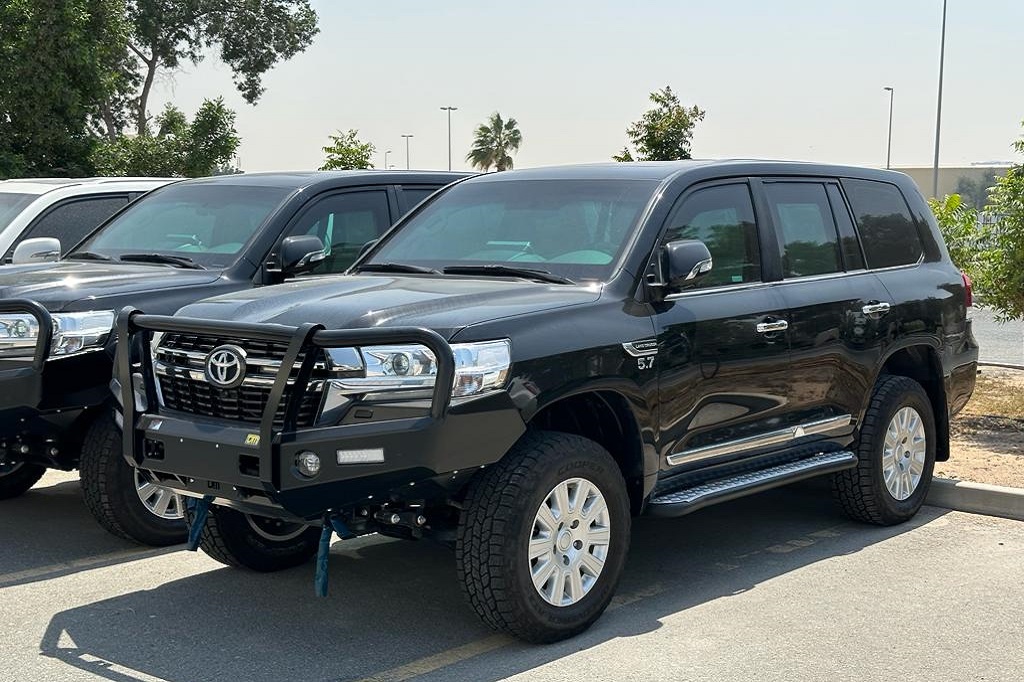
Armored SUVs For Mixed Urban And Field Missions
Armored SUVs give NGOs a flexible base for diplomatic tasks that involve mixed routes, paved and unpaved. Platforms such as Land Cruiser and other large SUVs are popular because they combine off-road capability with cabin space and the ability to carry multiple staff members or visitors.
In our own lineup, we focus heavily on SUVs that retain usability even after armoring, which is critical when missions involve both daily commuting and longer diplomatic itineraries. Routing, terrain, and expected passenger loads all inform which specific SUV platform makes sense for a given NGO office.
Discreet Sedans For Urban Diplomatic Engagement
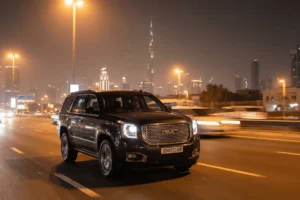
For embassies, liaison offices, and NGO headquarters that host high-level visitors, discreet armored sedans can be as important as SUVs. These vehicles preserve a low profile while still providing certified protection for occupants.
Our guidance in the discreet armored sedans comparison is directly applicable to NGOs that want to move senior staff and diplomatic guests in cities without drawing unnecessary attention. Factors such as protection level, vehicle silhouette, and local market familiarity all shape how discreet a platform feels on the road.


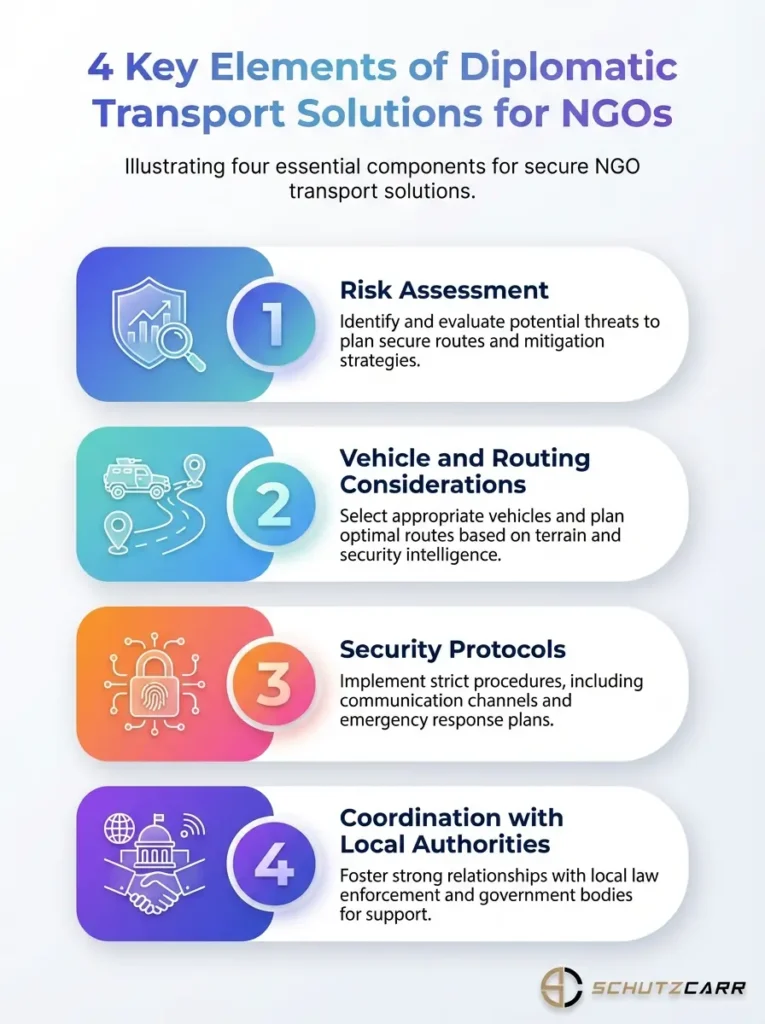
An overview of the four essential components that enable secure and efficient diplomatic transport for NGOs. This visual guide helps readers quickly grasp strategic considerations and best practices.
4. The Armored Toyota Land Cruiser 76 As An NGO Diplomatic Workhorse
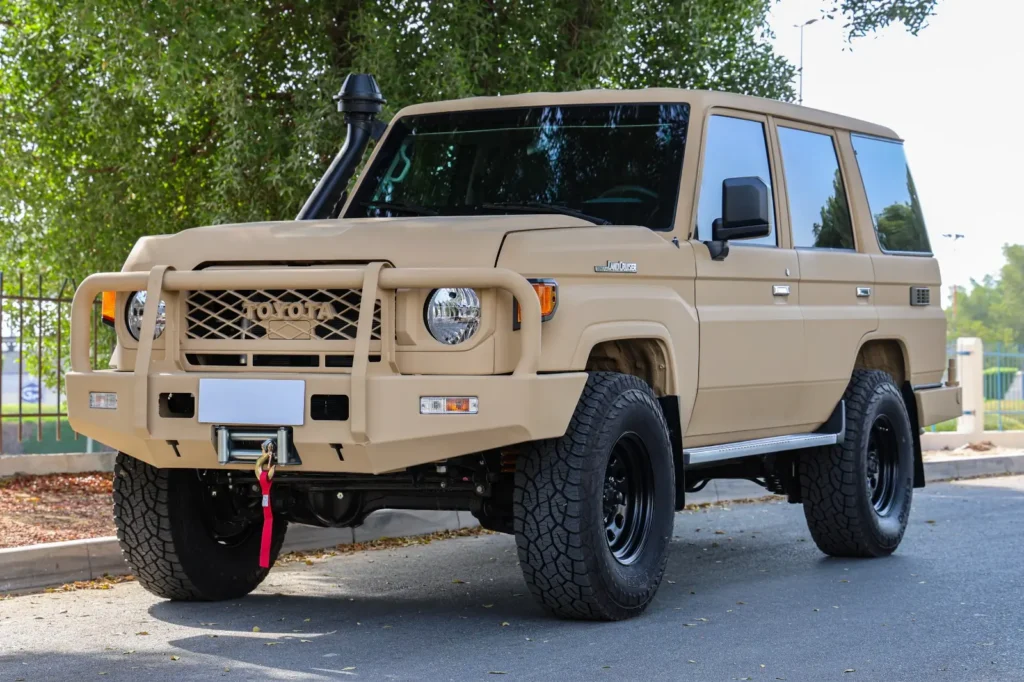
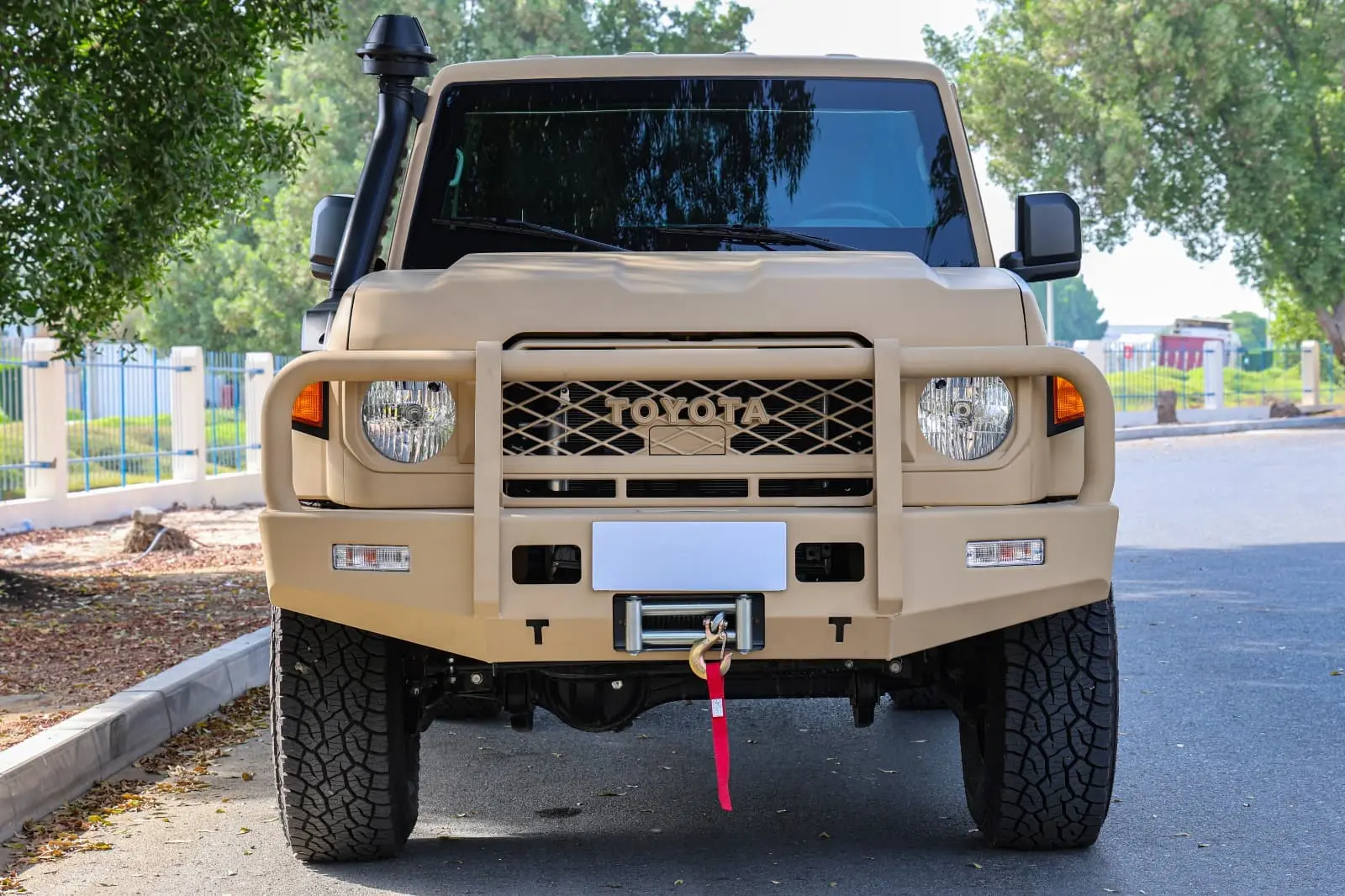
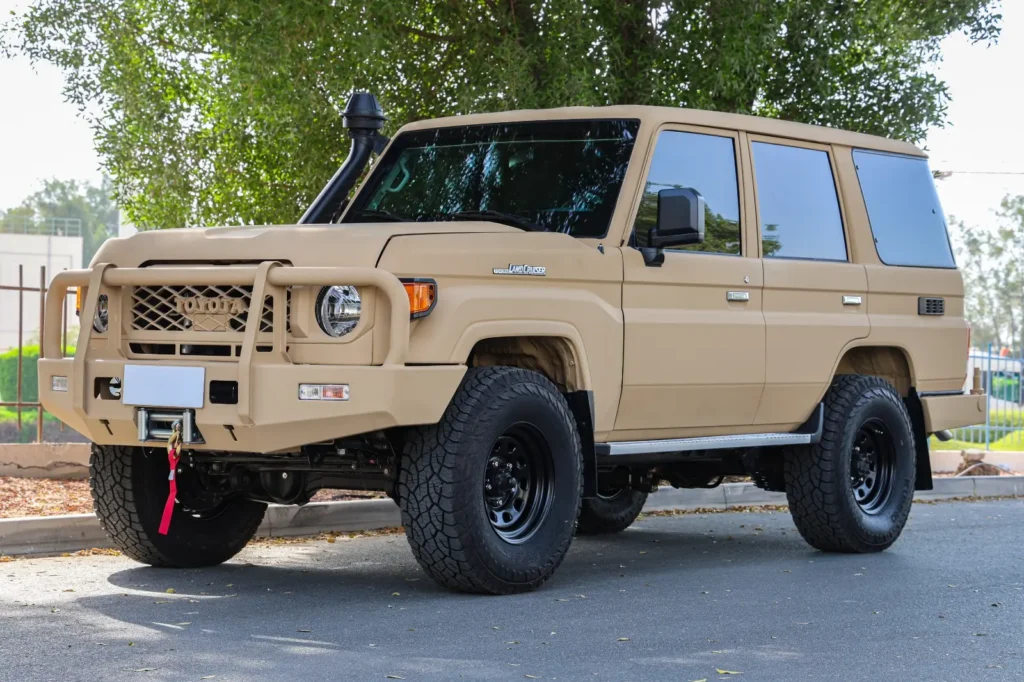
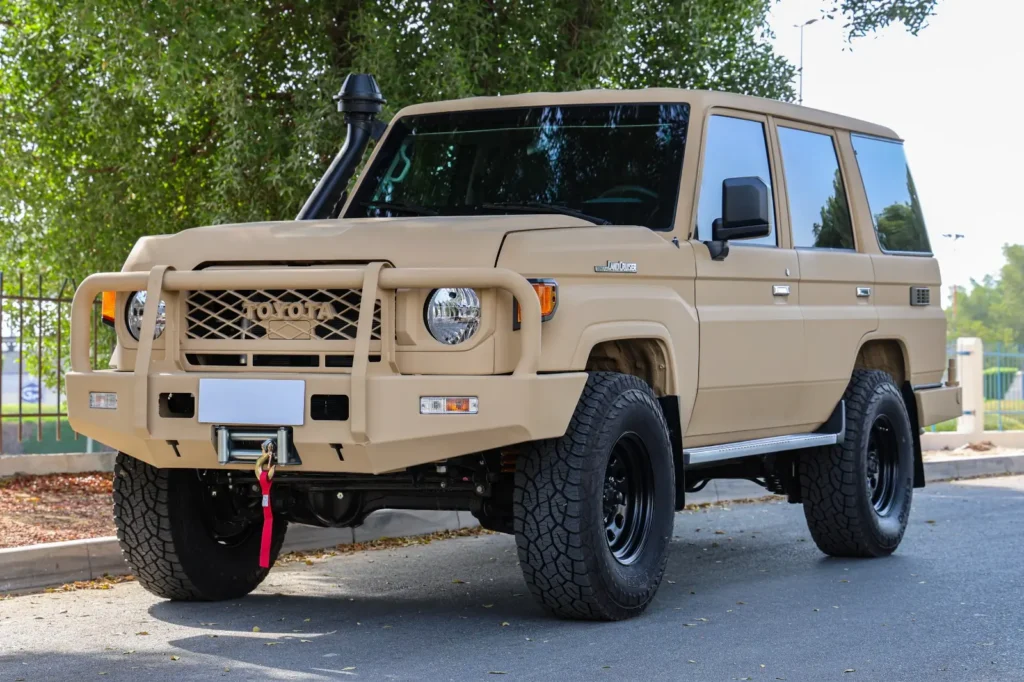
The Toyota Land Cruiser 76 occupies a special place in NGO diplomatic transport because of its balance between simplicity and capability. Many organizations appreciate that this platform is widely understood by local drivers and mechanics, which supports continuity in the field.
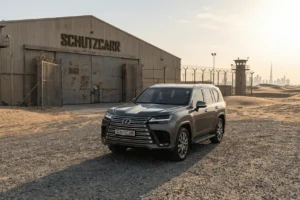
At SchutzCarr, we offer the armored Toyota Land Cruiser 76 built to BR6 or BR7 protection levels, with integrated armor and reinforced structural components. This approach helps preserve drivability and reliability, which matters when vehicles must cover long distances between remote project sites and diplomatic meetings in regional hubs.
Key Attributes For NGO Use
- High ground clearance and sturdy suspension that can handle mixed terrain on diplomatic visits and project supervision trips.
- Interior layouts that allow for multiple passengers, equipment, and where appropriate, small amounts of sensitive cargo or documents.
Our detailed product page for the Toyota Land Cruiser 76 BR6 tactical SUV outlines how we integrate ballistic glass, run-flat systems, and underbody enhancements. NGOs can use these specifications as a template when drafting internal vehicle standards across country programs.
Did You Know?
There were 599 major attacks affecting aid workers globally in 2024, highlighting why structured, well-engineered diplomatic transport is now a core element of NGO risk management.
5. Planning Global NGO Diplomatic Itineraries With Armored SUVs
Many NGOs run regional or global programs where staff and visitors move between multiple countries and project hubs. In these scenarios, planning diplomatic itineraries involves more than simply booking flights and hotels, it requires a coherent ground-transport concept at each point on the route.
Our guide on the best armored SUVs for VIP global travel is directly relevant here. We discuss how to balance comfort, protection, and serviceability so that vehicles can support extended diplomatic trips without placing unnecessary strain on staff or logistics teams.
Rugged And Luxury Platforms In One NGO Fleet
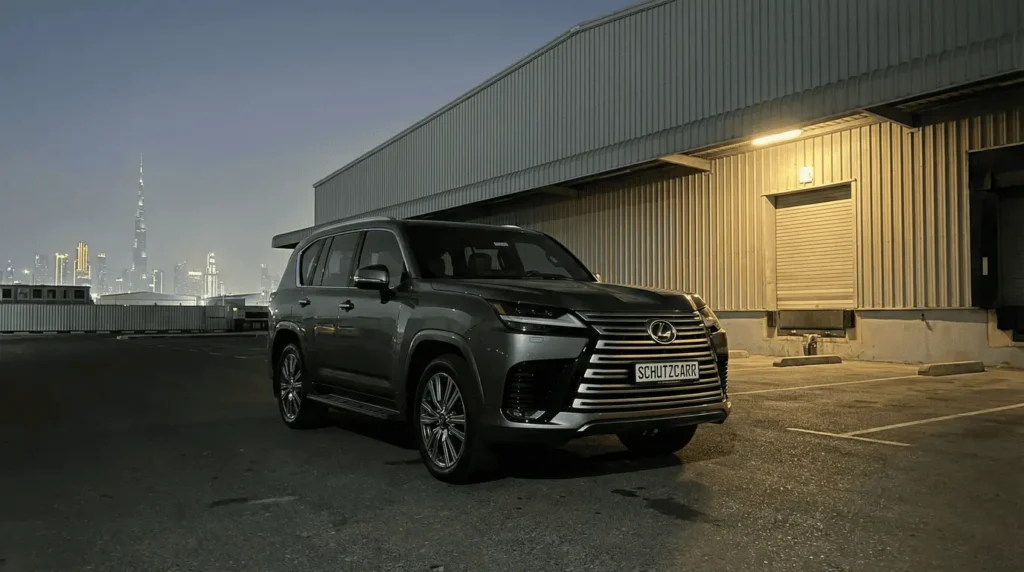
Some NGOs maintain a combination of rugged SUVs for field routes and more comfort-oriented platforms for longer highway segments or multi-stop itineraries. For instance, mixing a Land Cruiser-based platform with a more comfort-focused SUV can give staff options that match each day’s agenda.
This approach mirrors how many diplomatic and corporate fleets operate, but NGOs must also factor in local perceptions and community relations. Vehicle selection is not just a technical choice, it also shapes how communities perceive an organization’s posture and priorities.

6. Daily Usability: Keeping Diplomatic Vehicles Practical For NGO Operations
Armored vehicles that sit in the parking lot do not help an NGO deliver on its mandate. Daily usability is therefore central to any diplomatic transport plan, covering driving characteristics, fuel planning, parking, and routine maintenance.
In our article on the daily usability of armored SUVs, we describe how armor affects weight, braking distances, and component wear. NGO fleet managers can use these insights to adjust driver training content, scheduling buffers, and maintenance forecasts.
Driver Experience And Staff Acceptance
Diplomatic transport solutions work best when staff feel confident using the vehicles. Extra weight from armor can change acceleration and handling, so familiarization sessions and clear operating guidelines are important.
We encourage NGO partners to treat armored platforms as specialized tools that require briefing and practice, not as standard SUVs. This mindset helps prevent uncomfortable surprises in traffic and supports safer decision-making by drivers and passengers.


7. Regional Case Focus: Diplomatic Transport For NGOs In East Africa
Some regions present specific access, infrastructure, and regulatory realities that shape NGO diplomatic transport needs. Our work in East Africa illustrates how local conditions influence the mix of vehicles and services that make sense for NGOs.
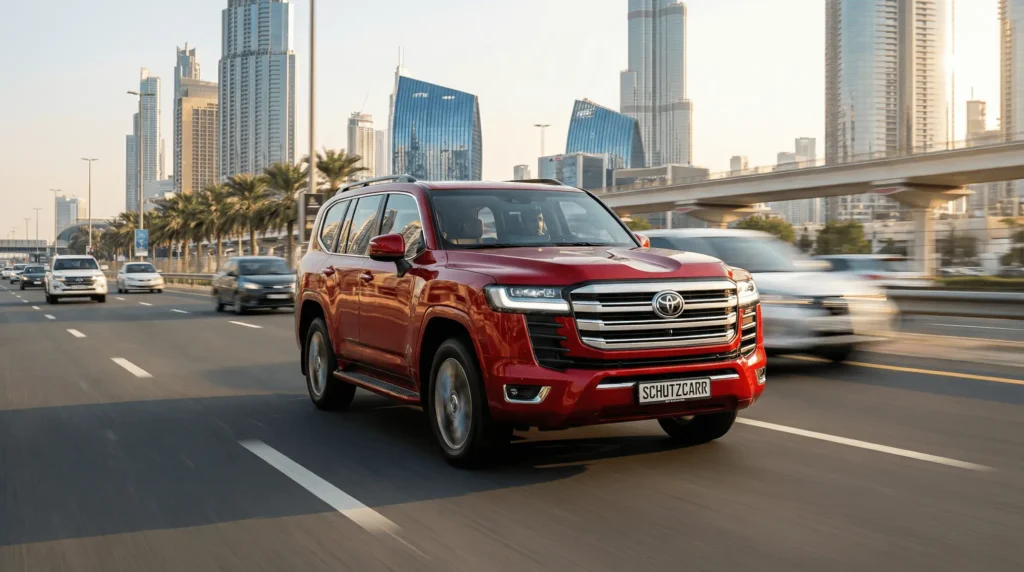
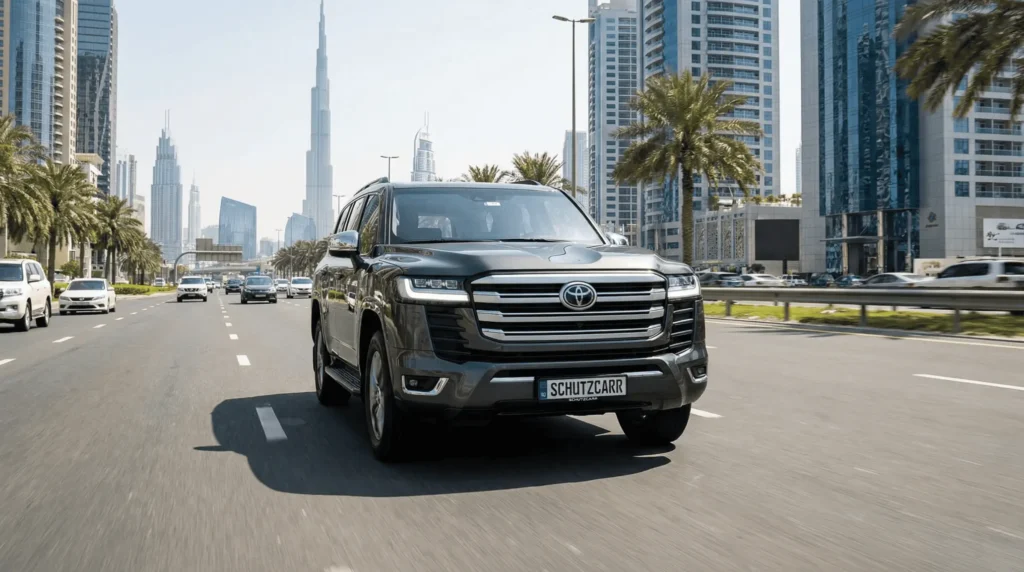
In our Rwanda-focused overview, we explain how we align armored vehicles with VIP and diplomatic requirements in and around a regional capital. For NGOs, this translates into options for both city-based movements and routes that connect to surrounding districts where projects are located.
Immediate Availability And Local Context
Where NGOs face tight deployment timelines, immediate availability of armored vehicles can be valuable. Our regional inventory in East Africa, for example, allows organizations to source platforms configured for diplomatic and VIP protection needs without long lead times.
At the same time, we work with partners to ensure that vehicle selection respects local legal frameworks, registration rules, and practical infrastructure constraints such as road conditions or workshop capacity. This regional tailoring is an important part of a realistic diplomatic transport solution for NGOs.
Did You Know?
Over 210 million people lived in areas fully controlled or contested by armed groups in 2024, underscoring why NGOs increasingly turn to structured diplomatic transport solutions with armored fleets and formal movement protocols.
8. Fleet Composition: From Sedans To High-Capacity Platforms
Diplomatic transport for NGOs is not only about the highest protection levels. It also involves selecting the right mix of vehicle classes, from sedans to SUVs to higher-capacity carriers, depending on program size and movement patterns.
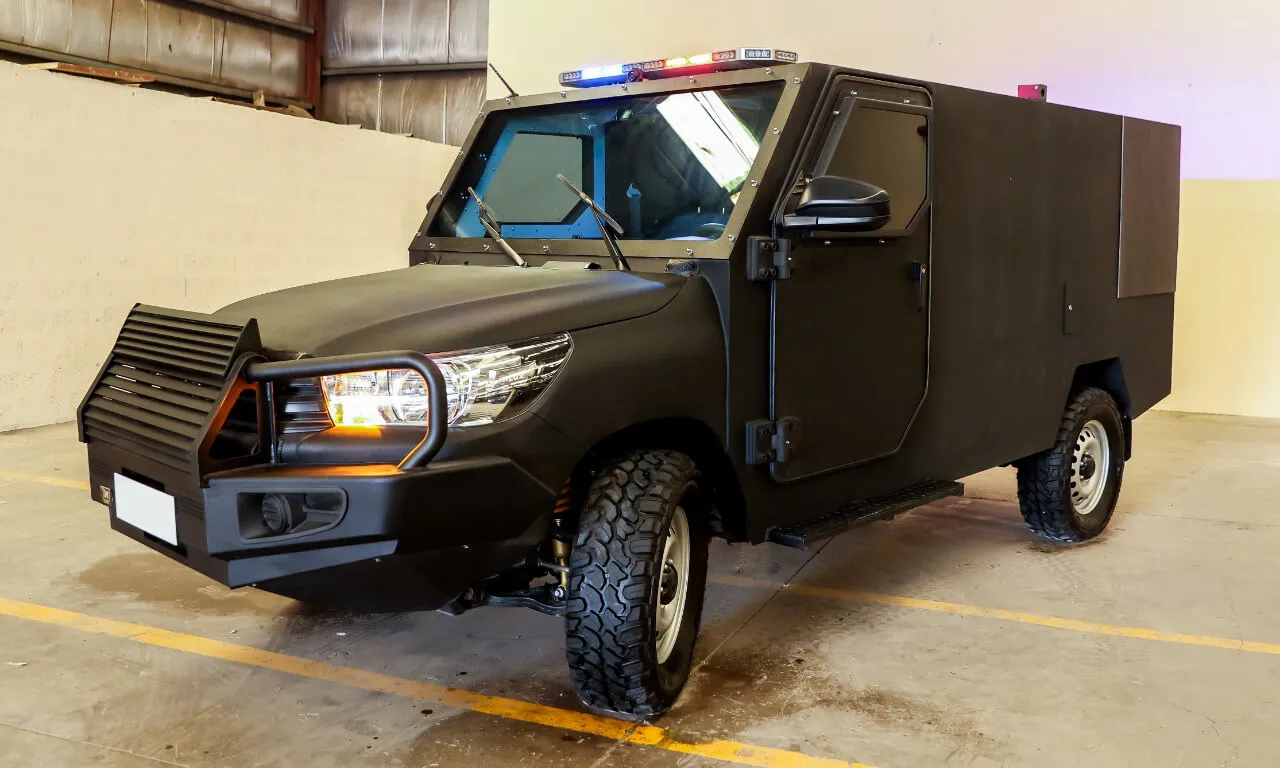
Our armored vehicles fleet overview shows how sedans, SUVs, pickups, and personnel carriers fit together in a comprehensive fleet. NGOs can adapt this template when designing their own transport frameworks, taking into account staff numbers, project dispersion, and visitor flows.
When NGOs Consider Armored Personnel Carriers
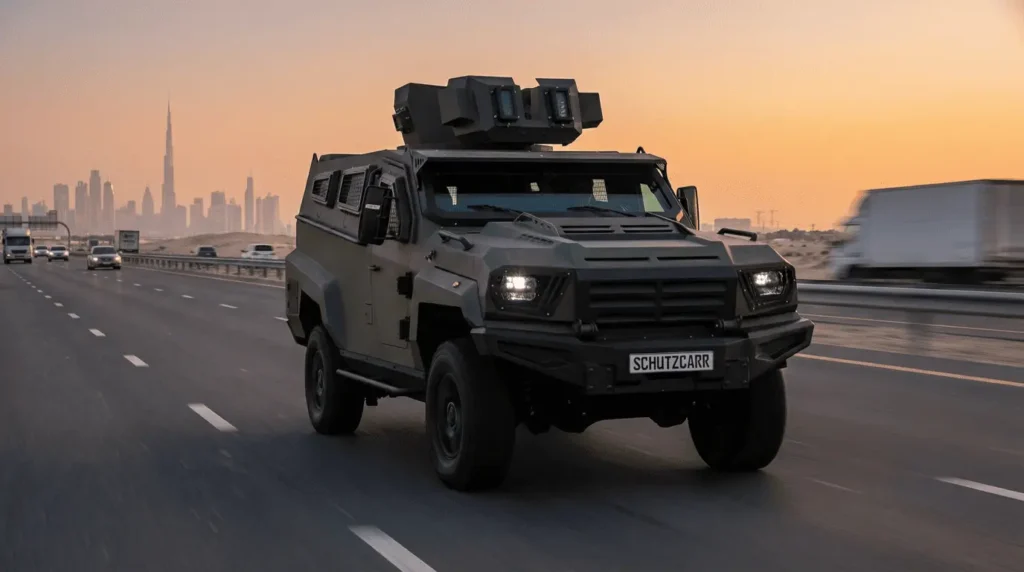
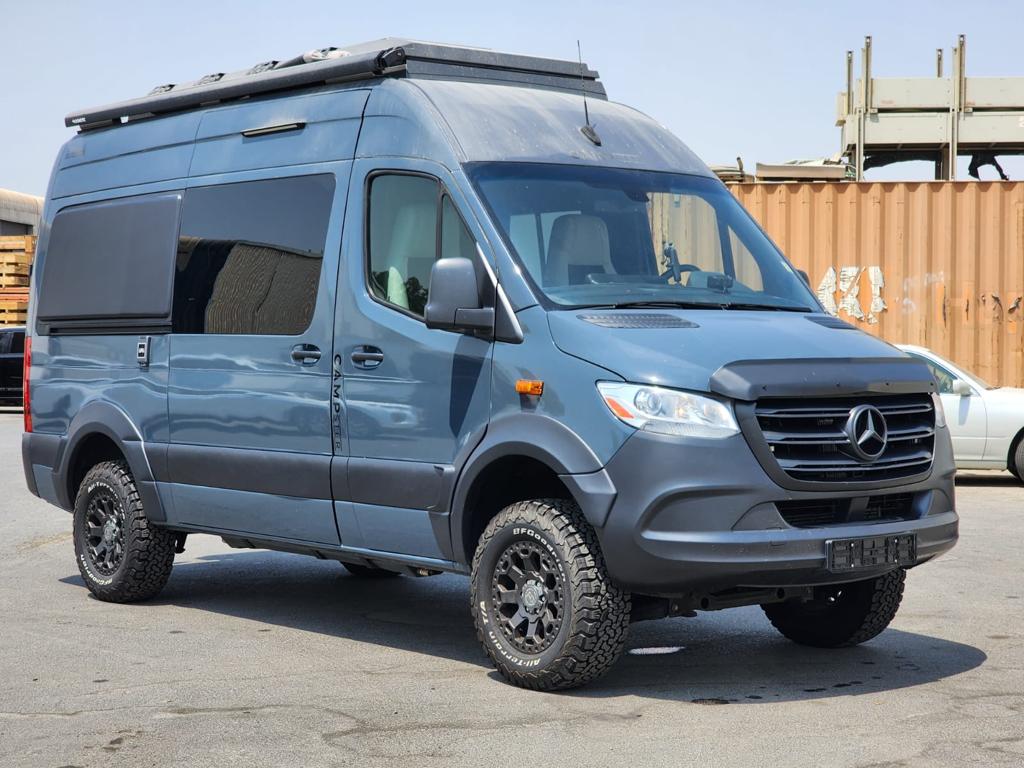
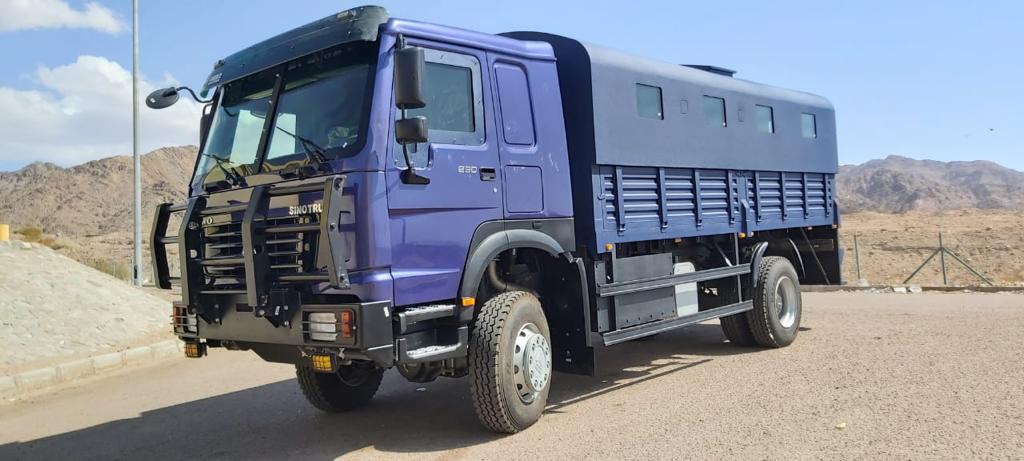
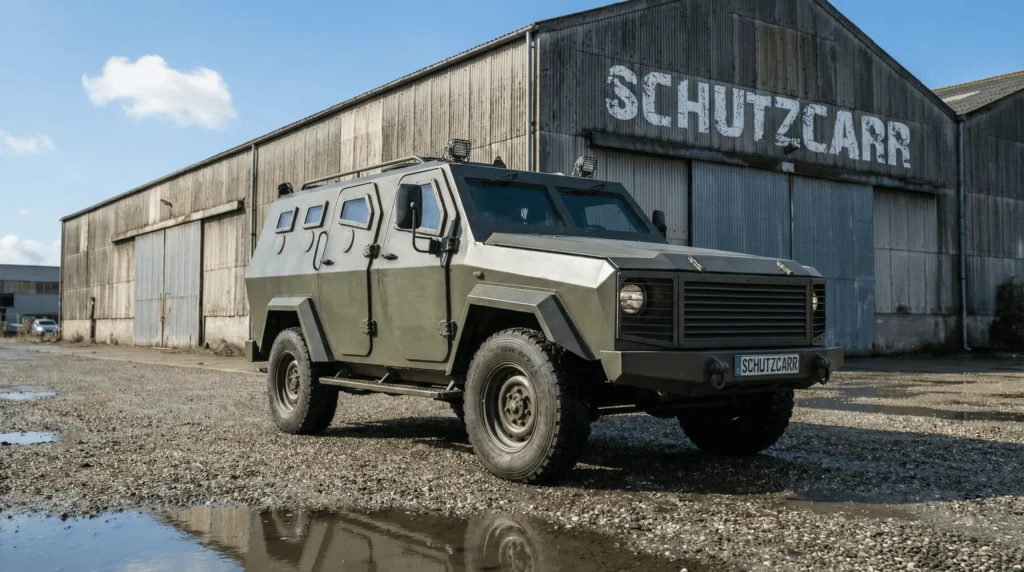
Some NGOs support missions where larger groups need to move together in a single protected vehicle, for example on staff rotations between guesthouses and project locations. In such cases, armored passenger carriers or bus-style platforms can complement smaller SUVs and sedans.
These vehicles emphasize capacity and stability, and require specific driver training due to their size and weight. While not suitable for every setting, they can form a useful part of a diplomatic transport portfolio where group movements are predictable and regular.
9. Governance, Documentation, And Internal NGO Policies
For diplomatic transport solutions to work at scale, NGOs need internal governance that matches the technical capabilities of their fleets. This includes written movement policies, clear authorization processes, and document management for each vehicle.
From our side, we support this by providing certification packets, ballistic test summaries, and detailed build specifications for platforms like the certified Land Cruiser 76. NGOs can attach these to internal risk assessments, donor reports, or board briefings as needed.
Aligning Diplomatic Transport With NGO Risk Appetite
Each NGO has a different risk appetite defined by its mandate, governance structure, and history. Diplomatic transport solutions need to align with this profile, so that decisions about when to use armored vehicles are consistent and explainable.
We encourage security and logistics teams to document thresholds, such as which routes require BR6 or BR7 protection and which visitor categories must always use armored platforms. This structured approach helps avoid ad hoc decisions that may be difficult to justify later.
10. Lessons From Private-Sector Diplomatic Transport For NGOs
While NGOs and private companies have different missions, there are useful parallels in how both sectors approach secure mobility for senior staff and critical operations. Our article on why private companies use armored vehicles highlights trends that NGO transport planners can adapt.
For example, private fleets often prioritize discreet protection, multi-role vehicles that handle both business and liaison tasks, and predictable maintenance regimes. NGOs can adopt similar design principles while tailoring vehicle selection and procedures to their humanitarian or development priorities.
Discreet Versus Visible Protection Choices
One recurring lesson is the value of choosing when protection should be visible and when it should be discreet. In some contexts, a plainly visible armored SUV can communicate seriousness and stability, while in other settings a low-profile sedan is more appropriate for community engagement.
Diplomatic transport solutions for NGOs benefit from planning these perception choices intentionally rather than leaving them to chance. Fleet diversity, clear internal guidelines, and staff training help ensure that each journey uses the vehicle type that best fits its diplomatic and operational objectives.
11. From Strategy To Implementation: Building Your NGO Diplomatic Transport Plan
Bringing all these elements together, NGOs can approach diplomatic transport as a structured project rather than a set of ad hoc vehicle purchases. The starting point is usually a risk and movement mapping exercise that identifies routes, passenger types, and frequency of travel.
From there, our role at SchutzCarr is to help match vehicle types, protection levels, and documentation to those needs. We also work with partners to phase fleet build-out over time, so that new platforms can be integrated alongside existing vehicles without disrupting current operations.
Practical Steps To Engage With Us
- Clarify your core movement patterns, including diplomatic meetings, project visits, and staff rotations.
- Define internal protection thresholds so you know when armored vehicles are required.
- Identify priority countries or regions where immediate or near-term sourcing is most important.
With this information, we can propose a set of platforms, such as Land Cruiser 76 units or discreet sedans, and outline how they might fit into your policies and budgets. Our aim is to provide clear, technically grounded options that NGO leadership and security teams can evaluate together.
Conclusion
Diplomatic transport solutions for NGOs sit at the intersection of security, access, and organizational credibility. Well-chosen armored vehicles, clear internal policies, and attention to daily usability help protect staff, support dialogue with authorities, and sustain long-term program delivery.
If your organization is reviewing its diplomatic transport posture or planning a new fleet, we would be pleased to discuss how our platforms and experience can support your objectives. You can contact us directly through our SchutzCarr contact page to begin a focused conversation about your NGO’s specific mobility needs.