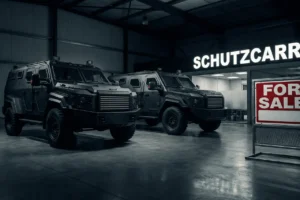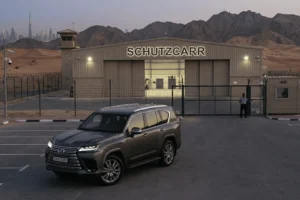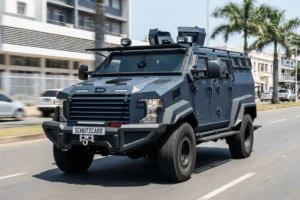

Global demand for armored personnel carriers is rising fast, with the APC market reaching USD 2.828 billion in 2024 and forecast to keep growing over the next decade. In this environment, choosing the right platform is not just a fleet decision, it is a long-term strategic investment. APC MONO Q 4×4 stands out as a focused, multi-mission armored transport solution that aligns with this growth and with modern expectations for wheeled protection, mobility, and maintainability.
Key Takeaways
| Question | Answer |
|---|---|
| What is APC MONO Q 4×4? | APC MONO Q is a wheeled armored personnel carrier platform designed for protected transport of people and mission equipment. You can see it positioned within our broader lineup on the APC MONO Q 4×4 overview. |
| How does MONO Q fit into a wider armored strategy? | It sits alongside MRAP and SUV-based solutions, as described in our MRAP for civilian protection guide, giving organizations a coherent protected mobility family. |
| What protection logic underpins MONO Q? | MONO Q draws from standards similar to those outlined in our STANAG protection level reference, focusing on survivability against ballistic and blast threats with a wheeled 4×4 layout. |
| Can APC MONO Q be combined with armored SUVs? | Yes. Many buyers pair MONO Q with BR6 SUVs such as the Land Cruiser 300 BR6 Extended to cover both high-capacity transport and discreet movement. |
| Where can I explore related APC platforms? | Compare MONO Q with other APCs like APC SHARK and JASAR via our APC JASAR page, then align them with your operational profile. |
| Is stock availability important for investment? | Yes. Fast deployment and predictable delivery are major advantages, which is why we maintain a dedicated in-stock armored vehicles section for time-sensitive projects. |
| How do I understand the broader armored options before committing? | We recommend starting with the Armored Car Buyer’s Guide 2025, then narrowing down to MONO Q against your risk profile, terrain, and capacity needs. |
1. Why Organizations Invest in APC MONO Q Armored Transport Today
APC MONO Q 4×4 exists in a market where wheeled platforms already generate the majority of revenue, driven by demand for protected mobility that still behaves like a road vehicle. For security teams, humanitarian organizations, and high-risk logistics providers, this means an armored carrier must combine survivability, capacity, and road-legal practicality. MONO Q is shaped around that expectation, offering a dedicated armored hull and interior layout purpose-built for personnel transport.
When stakeholders talk about investing rather than simply buying a vehicle, they focus on lifecycle, ease of support, and suitability across multiple mission profiles. MONO Q is designed as a core asset in that sense: a platform that can operate in mixed fleets, integrate with SUV-based escorts, and remain serviceable in regions where heavy tracked equipment is impractical. The result is a vehicle that can anchor a long-term protected mobility plan.
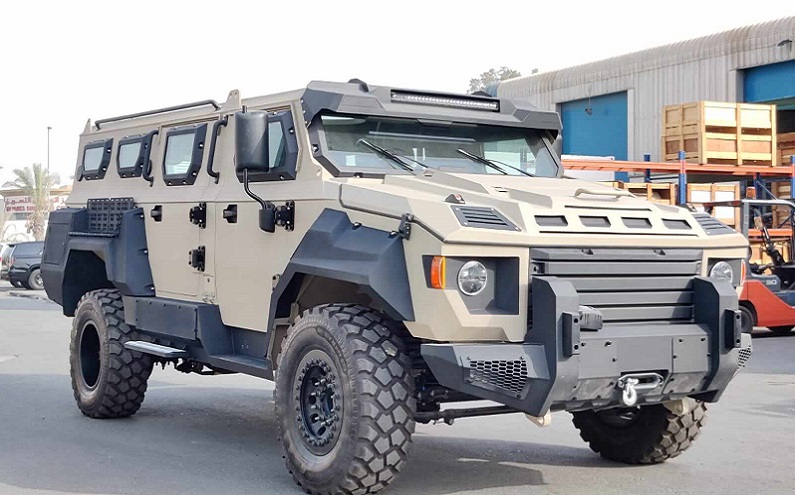
2. APC MONO Q 4×4: Platform Overview and Role Within a Fleet
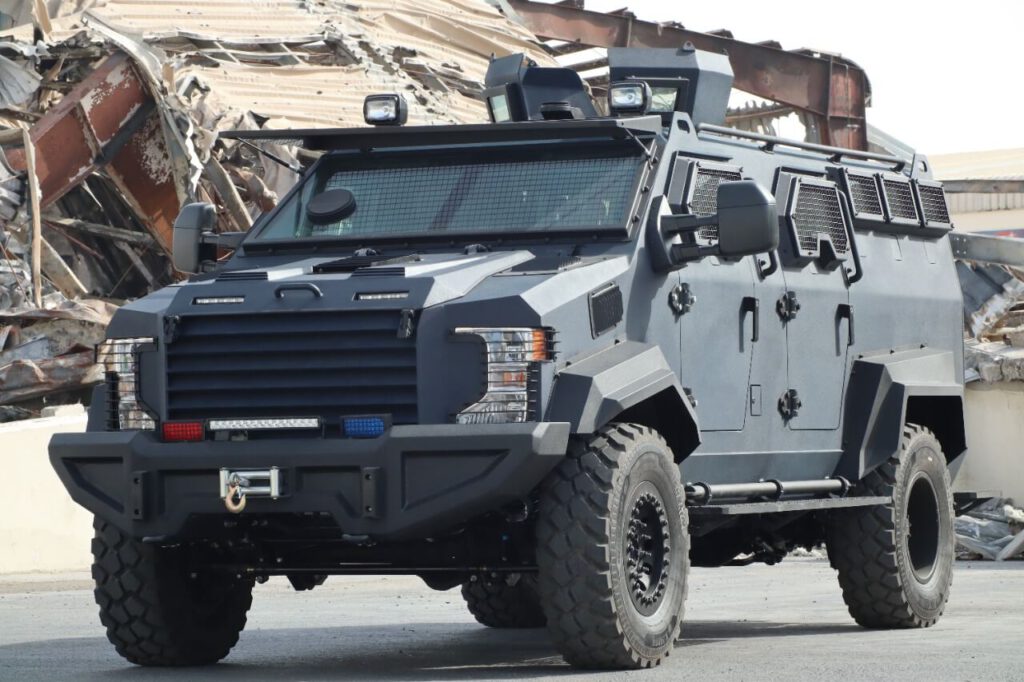
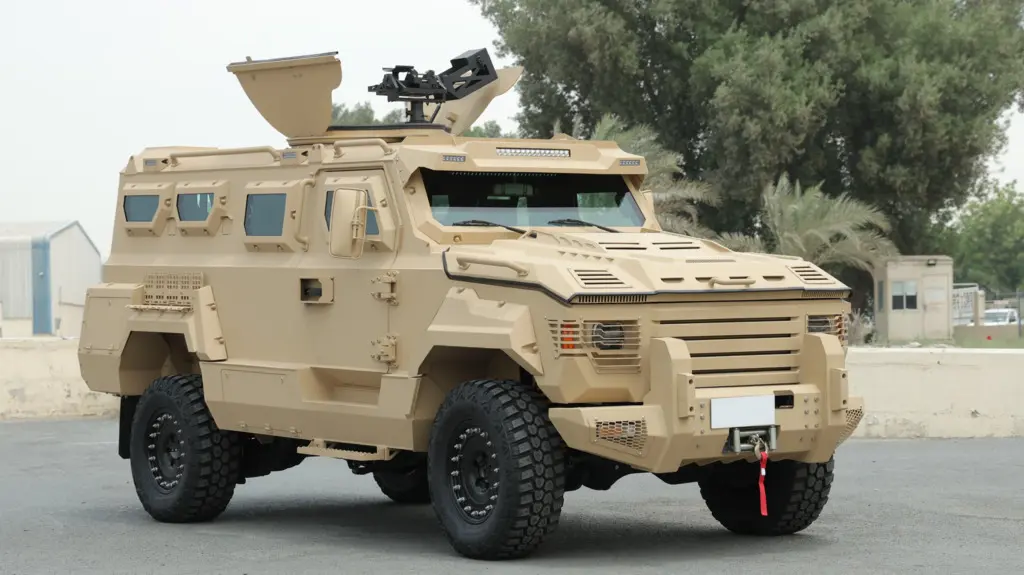
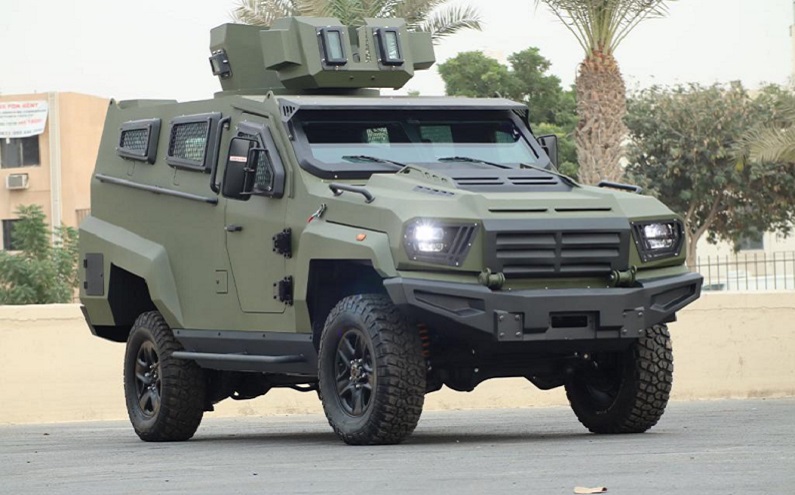
APC MONO Q is a 4×4 armored personnel carrier built around a wheeled chassis with a dedicated armored capsule. In practice, that means you gain easier road registration, simpler driver training, and more predictable maintenance pathways than with heavier tracked options. The MONO Q body is purpose-built for occupants, with straight lines, large doors, and integrated seating that respect armor geometry and blast routing.
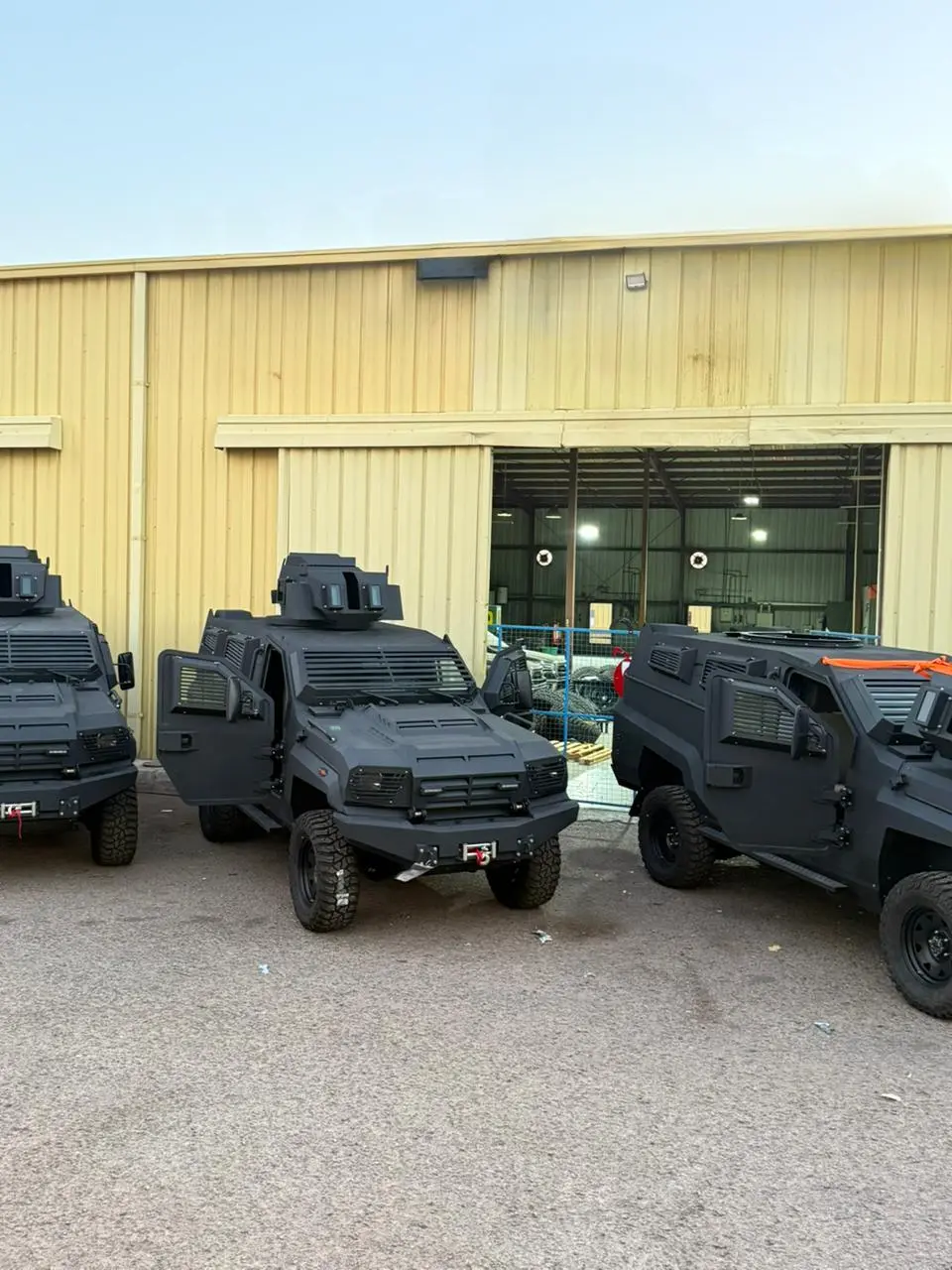
Within a mixed fleet, we see MONO Q used alongside SUVs and pickups: it provides the high-capacity, high-protection core while lighter vehicles handle liaison, scouting, or discreet moves. Thanks to this modularity of roles, buyers can standardize on a single armoring philosophy yet adapt seating, storage, and external equipment to each platform.
3. Protection Logic: How APC MONO Q Aligns With Modern Armor Standards
Although the APC MONO Q product page does not list a specific numeric protection level in the data we have, the platform is presented alongside vehicles built around recognized ballistic and blast standards. The same thinking used in STANAG-referenced MRAPs and BR6 or B7 SUV builds carries into MONO Q, with an emphasis on all-round ballistic protection, reinforced floors, and carefully managed door and glass interfaces. When you invest in MONO Q, you are buying into that engineering discipline.
In practice, that translates into a survivable capsule that can be configured for different mission intensities. For some buyers, this means prioritizing ballistic protection around the passenger compartment. For others, it may involve additional underbody treatment or fitment for mission-specific systems. The key is that the base design already anticipates these requirements.
Did You Know?
APC market shares by mobility show wheeled platforms accounted for 73.28% of 2024 revenue.
4. APC MONO Q vs Other APC Platforms: SHARK, JASAR, GER 1D and Tygor
To understand the investment case for MONO Q, it helps to see it in context with other APCs offered in the same ecosystem. APC SHARK, APC JASAR, GER 1D, MERKAVA SAGIV, and APC Tygor B7 each occupy specific niches in terms of chassis choice, body shape, and likely protection focus. MONO Q is the clean 4×4 personnel carrier that prioritizes internal volume and road practicality while still sitting firmly in the armored segment.
From a procurement perspective, this variety allows you to standardize training and support while tailoring vehicles to location and threat profile. A fleet might use MONO Q for routine protected transport, Tygor for higher ballistic envelopes, and JASAR or GER 1D for roles that need specific chassis or cabin layouts. The result is a coherent family that shares armoring philosophy and many service components.
| Platform | Type | Notable Characteristics |
|---|---|---|
| APC MONO Q 4×4 | Wheeled APC | Dedicated armored capsule, 4×4 mobility, multi-mission transport focus |
| APC SHARK | APC | Highlighted for higher protection and demanding environments |
| APC JASAR | APC | Distinct front profile and armored superstructure for personnel |
| GER 1D | APC / Utility | Versatile armored body, often shown as part of MRAP and APC lineup |
| APC Tygor B7 | APC | B7 protection on LC79 chassis, higher ballistic envelope |
5. Integration With Armored SUVs: Building a Complete Protection Ecosystem
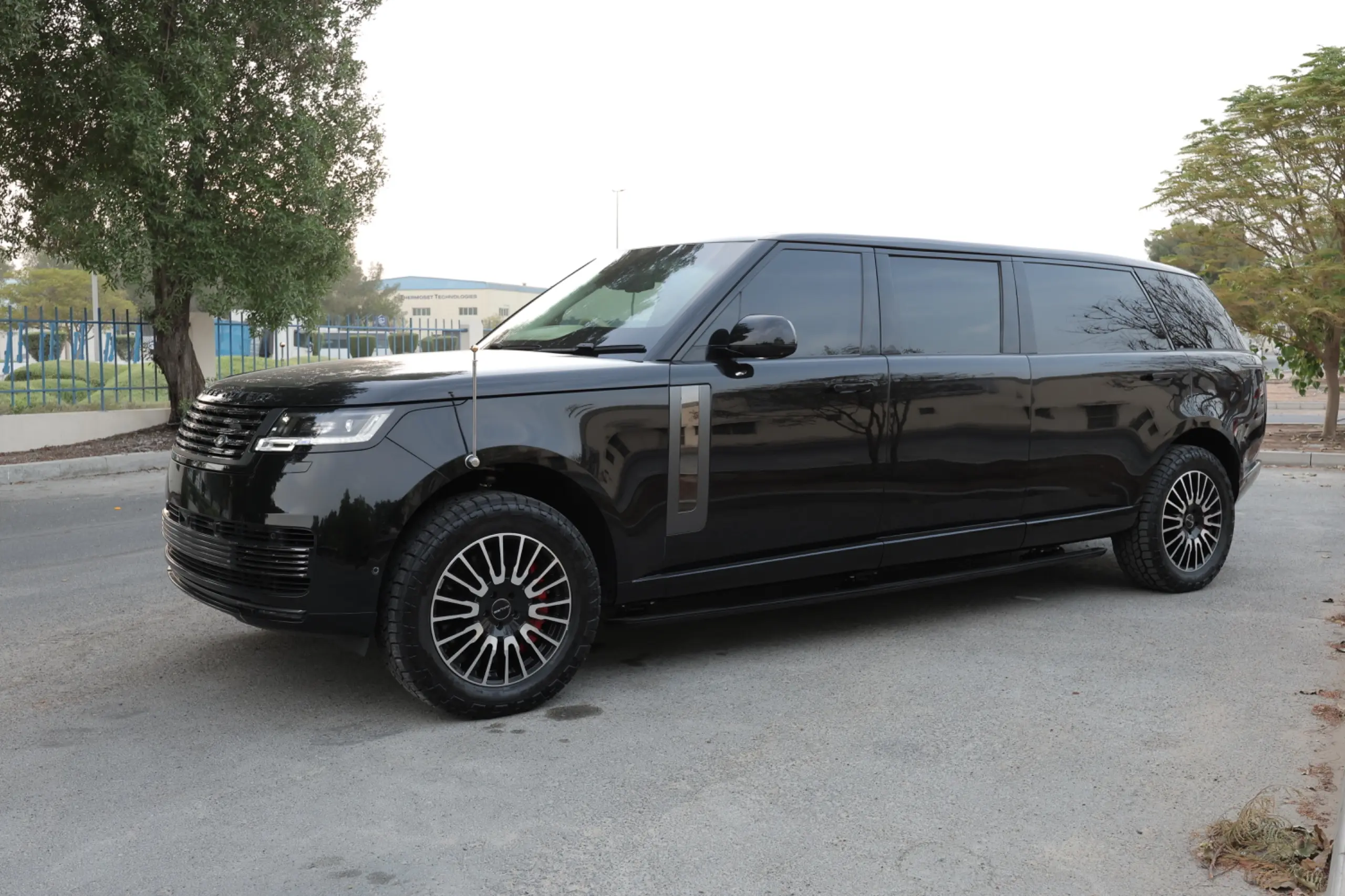
Investing in MONO Q rarely happens in isolation. Many organizations pair a core APC like MONO Q with armored SUVs such as the Land Cruiser 300 BR6 Extended, Range Rover P530 Extended BR6, or Infiniti QX80 BR6. These vehicles provide discreet, comfortable transport for smaller teams or key individuals, while the APC handles larger groups and higher-risk routes.
This approach creates a layered mobility plan. MONO Q delivers a clear, highly protected presence wherever a larger footprint is acceptable, while SUVs move separately, blend into urban traffic, or handle liaison duties. All maintain a consistent protection philosophy, which simplifies training in topics such as ingress/egress under stress, glass behavior, and run-flat usage.
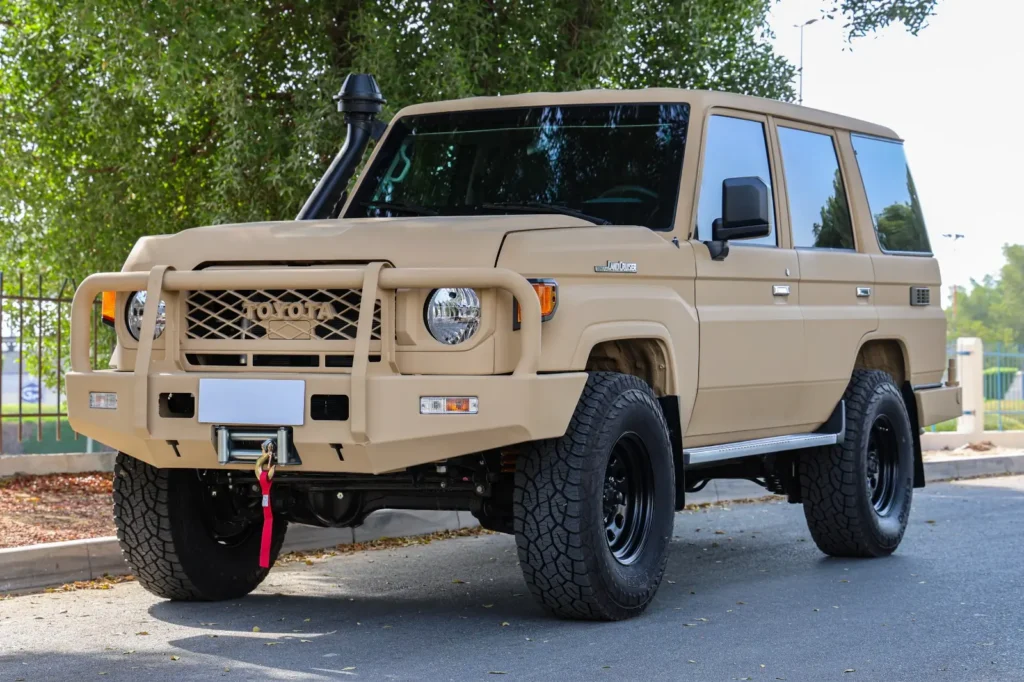
6. APC MONO Q and the Armored Toyota Land Cruiser 76: Shared DNA, Different Roles
The Armored Toyota Land Cruiser 76 is a core platform in our portfolio, known for its robust chassis and straightforward, service-friendly design. APC MONO Q shares much of that philosophy, although it is a dedicated APC rather than an armored conversion of a standard wagon. For many fleets, LC76-based builds offer flexible utility, while MONO Q provides the fully armored personnel carrier role with greater internal volume and more controlled geometry.
From an investment viewpoint, pairing LC76 and MONO Q offers a clear advantage. Workshops learn one family of mechanical components, operators move between vehicles without having to relearn basic handling, and procurement teams can negotiate support and parts around a coherent portfolio rather than a scattered collection of unrelated models.
Did You Know?
Europe accounted for 42.83% of global APC market revenue in 2024, and wheeled APCs represented 73.28% of market revenue that year.
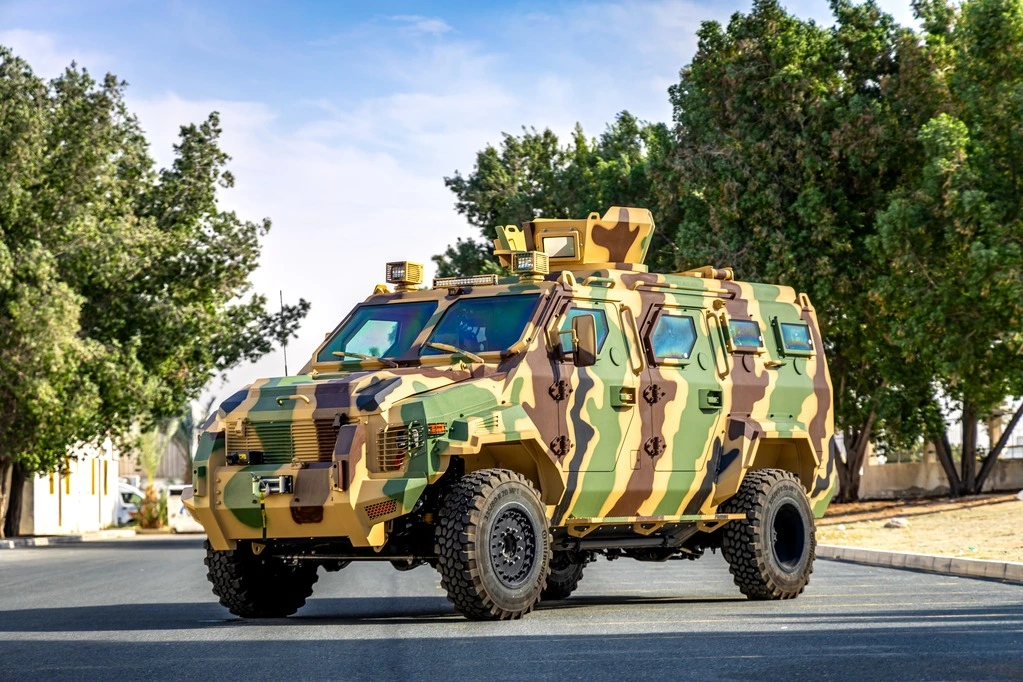
7. MONO Q in the Wider MRAP / APC Family: Civilian-Focused Protection
Our MRAP range focuses on V-hull concepts, blast mitigation, and seating arrangements tuned for very high-threat routes while staying road legal in civilian contexts. APC MONO Q shares this civilian orientation but in a more compact 4×4 package, ideal for organizations that require serious protection without moving up to the height and mass of full MRAP vehicles. The shared technology base helps ensure that survivability lessons flow from MRAP programs into MONO Q engineering improvements.
For portfolio planners, this means a single supplier can cover the continuum from discreet sedans and SUVs, through utility trucks and pickups, up to APC MONO Q and full MRAPs. You gain one point of accountability for armor quality, documentation, and aftersales support, which reduces complexity in long-term contracts.
8. Operational Scenarios Where APC MONO Q Delivers the Most Value
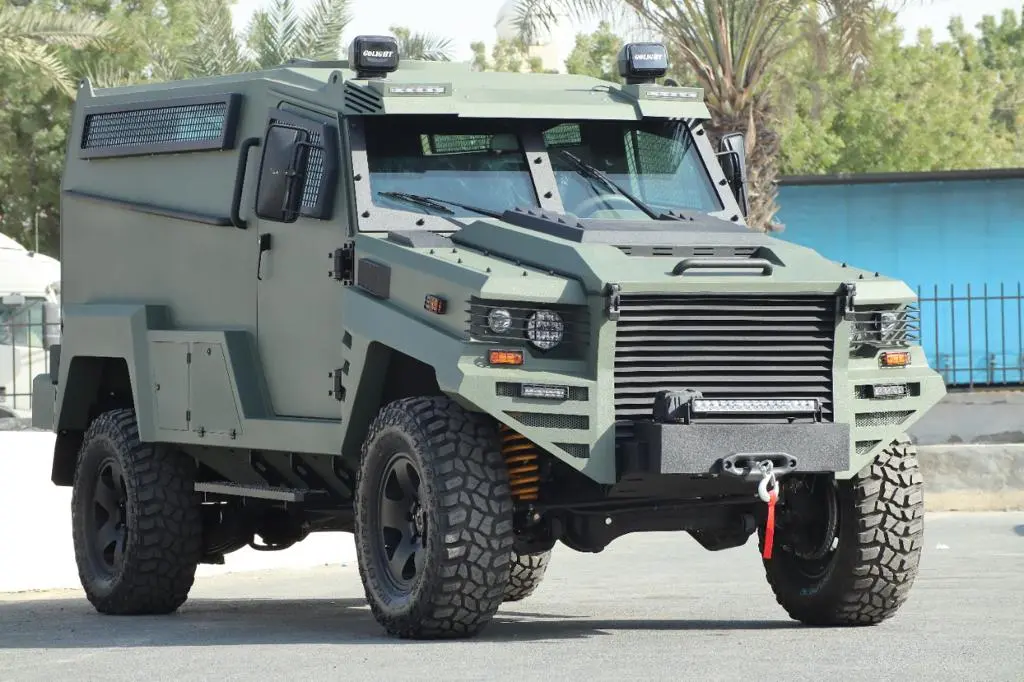
APC MONO Q is geared for scenarios where organizations must move groups of people through environments that justify armored protection but still rely on existing road infrastructure. This includes secure convoy movement, protected shuttling between compounds or sites, and support to operations in regions with uncertain roadside security. The 4×4 layout and wheeled configuration support these scenarios better than heavier tracked alternatives.
Because MONO Q is purpose-built as an APC, its interior can be adapted for different seat counts, stowage configurations, and entry or exit patterns. That makes it suitable for varied roles such as team transport, medical support interior layouts, or equipment carriage with reduced seating. The key is that the base capsule remains a constant, certified protective shell around those adaptations.
9. Planning an Investment in APC MONO Q: Procurement and Lifecycle Considerations
When planning to invest in APC MONO Q, many organizations start with a risk and route assessment, then match those findings against a mix of APCs and SUVs. The MONO Q usually anchors the higher-exposure segments of the duty cycle, where repeated use in risk-prone corridors justifies a dedicated armored capsule. Buyers then determine how many units are needed to maintain availability while rotational maintenance is underway.
Lifecycle planning covers training, spares, and documentation. Here, the benefit of choosing MONO Q within a broader SchutzCarr lineup is that technical standards, quality control, and documentation practices stay consistent from one model to another. Over time, that consistency support reduces fleet complexity and makes it easier to introduce additional vehicles or retrofit new systems into existing MONO Q units.
10. How MONO Q Connects With Pickup and Utility Armoring (Hilux, LC79, and Others)
Pickup-based armoring, especially on platforms like Toyota Hilux or Land Cruiser 79, remains popular for utility-focused roles. APC MONO Q sits one step above those conversions, as a complete APC designed from the outset around an armored cabin. However, it still benefits from the same engineering culture that has proven itself on Hilux and LC79 armoring programs, including integration of ballistic steel, composite armor, and run-flat wheels.
For many of our customers, this means a single supplier can provide an armored Hilux or LC79 for general duties, while APC MONO Q covers tasks where a full APC is justified. In long-term contracts this shared heritage reduces the learning curve for technicians and drivers, since armor behavior and support principles remain familiar across the range.
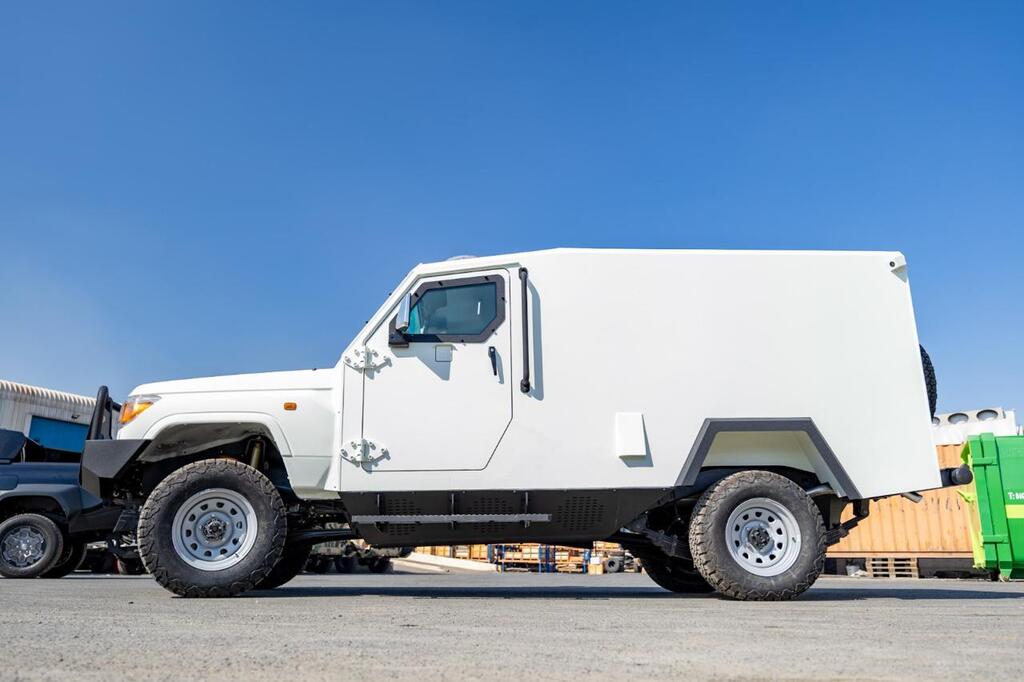
11. Positioning APC MONO Q Within a Long-Term Armored Vehicle Strategy
The long-term growth of the APC market suggests that armored transport will remain a central concern for many organizations. APC MONO Q offers a way to secure a foothold in that future, by giving you a modern wheeled APC that can sit at the core of your protected mobility strategy. Because it is part of a wider ecosystem of SUVs, MRAPs, pickups, and specialized APCs, you can expand gradually rather than trying to solve every requirement at once.
From our perspective as a builder and integrator of armored vehicles, MONO Q represents a logical centerpiece for buyers who need serious protection, predictable support, and system-level thinking rather than one-off purchases. It functions as a backbone asset that other vehicles, procedures, and training can connect to over the course of a multi-year plan.
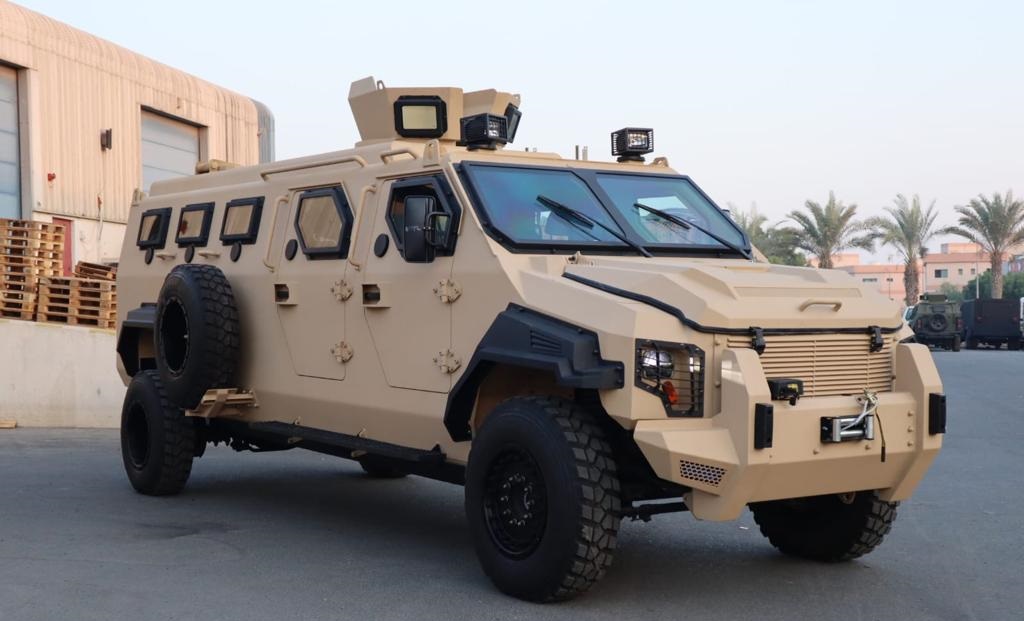
Conclusion
Investing in APC MONO Q armored transport is ultimately about securing a dependable, future-facing capability within a rapidly growing global APC market. MONO Q offers the protection logic, wheeled mobility, and fleet compatibility that organizations need to move people and equipment through risk-prone environments with confidence. By positioning MONO Q at the center of a wider ecosystem of armored SUVs, pickups, and MRAPs, you can build a scalable, coherent protected mobility strategy that remains relevant for years to come.
If you are evaluating how best to add dedicated armored personnel carriers to your fleet, MONO Q deserves a place on your shortlist. It combines the strengths of a focused APC design with the practical advantages of shared engineering across our wider SchutzCarr portfolio, giving you a stable foundation for long-term planning, support, and operational reliability.