
Armored cash-in-transit fleets are changing fast, driven by shifting risks and new technology. Some operators have reported meaningful reductions in total vehicle weight on early electric armored truck prototypes, highlighting how the industry is moving toward lighter and more discreet cash-in-transit designs. In this guide, we walk through practical low-profile armored CIT vehicle options and related platforms currently used across different fleets, so buyers can compare what is available and how it fits various routes, risk profiles, and fleet strategies.
Key Takeaways
| Question | Short Answer |
|---|---|
| What is a low-profile armored CIT vehicle? | A vehicle that carries valuables with integrated armor but looks similar to standard SUVs, pickups, or vans, often based on platforms like the Toyota Land Cruiser 76 BR6. |
| Which platforms are most common for discreet armored CIT work? | Well known SUVs and pickups such as Land Cruisers, Hilux-based cash boxes, Infiniti QX80, and luxury SUVs highlighted in our discreet armored sedans and SUVs guide. |
| How do MRAPs and APCs relate to CIT operations? | They support high-risk legs of value transport or feeder operations, as shown in our civilian MRAP overview, but are usually not classic “low-profile” units. |
| Where can I see a snapshot of current armored vehicle stock? | Our live armored vehicles stock overview lists APCs, SUVs, and donor platforms that can be configured for CIT roles. |
| Do low-profile CIT fleets use the same armor levels as VIP vehicles? | Often yes. BR6-type solutions are widely used across both CIT and executive transport, described in our armoring and protection level overview. |
| Can a pickup-based cash box still look discreet? | Yes, especially when based on familiar models like the Toyota Hilux CIT that blend into mixed light commercial fleets. |
1. What “Low-Profile” Really Means for Armored CIT Fleets
When we talk about low-profile armored CIT vehicle options, we focus on platforms that do not immediately stand out as heavy armor from a distance. The silhouette often mirrors a regular SUV, pickup, or light commercial vehicle, while the structure integrates armor, ballistic glass, and reinforced components around the cash compartment and crew.
Low-profile does not mean lightly protected. Many value-transport operators use levels in the BR6 range, which are designed to address common rifle-level threats encountered in civilian cash-in-transit operations while keeping the external appearance close to a standard vehicle. The balance between protection, weight, and discretion shapes the choice between SUV-style carriers, pickup-based cash boxes, or compact vans for urban work.
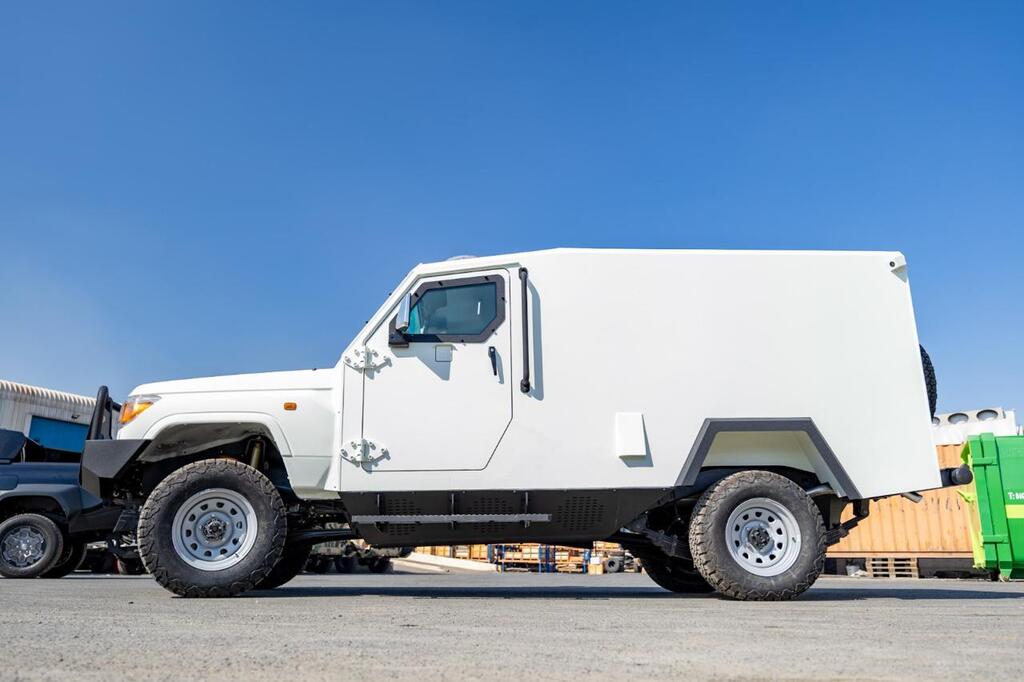
2. Toyota Hilux Cash Box: Classic Pickup-Based CIT Solution
Why CIT Operators Rely on Hilux-Based Cash Boxes
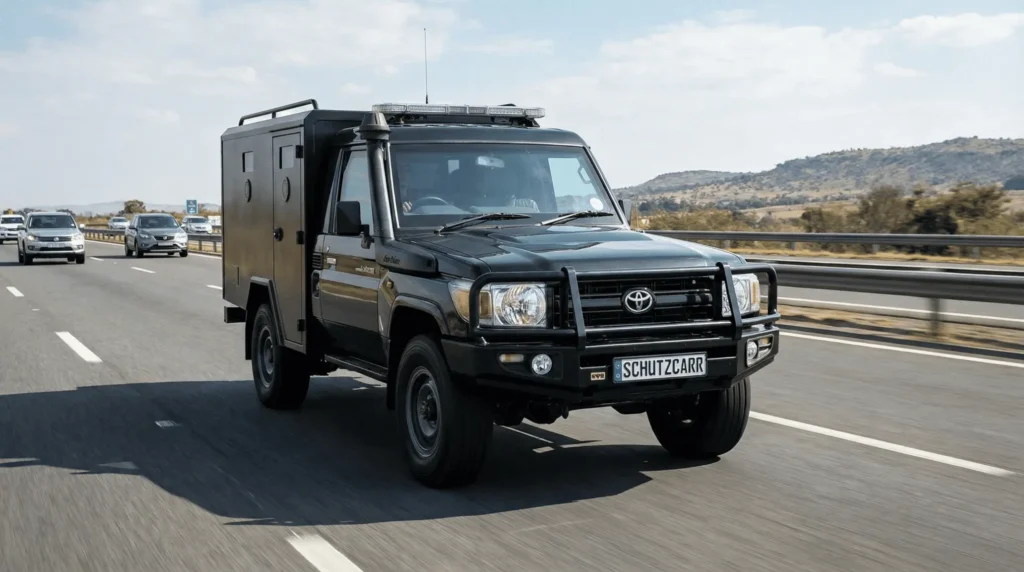
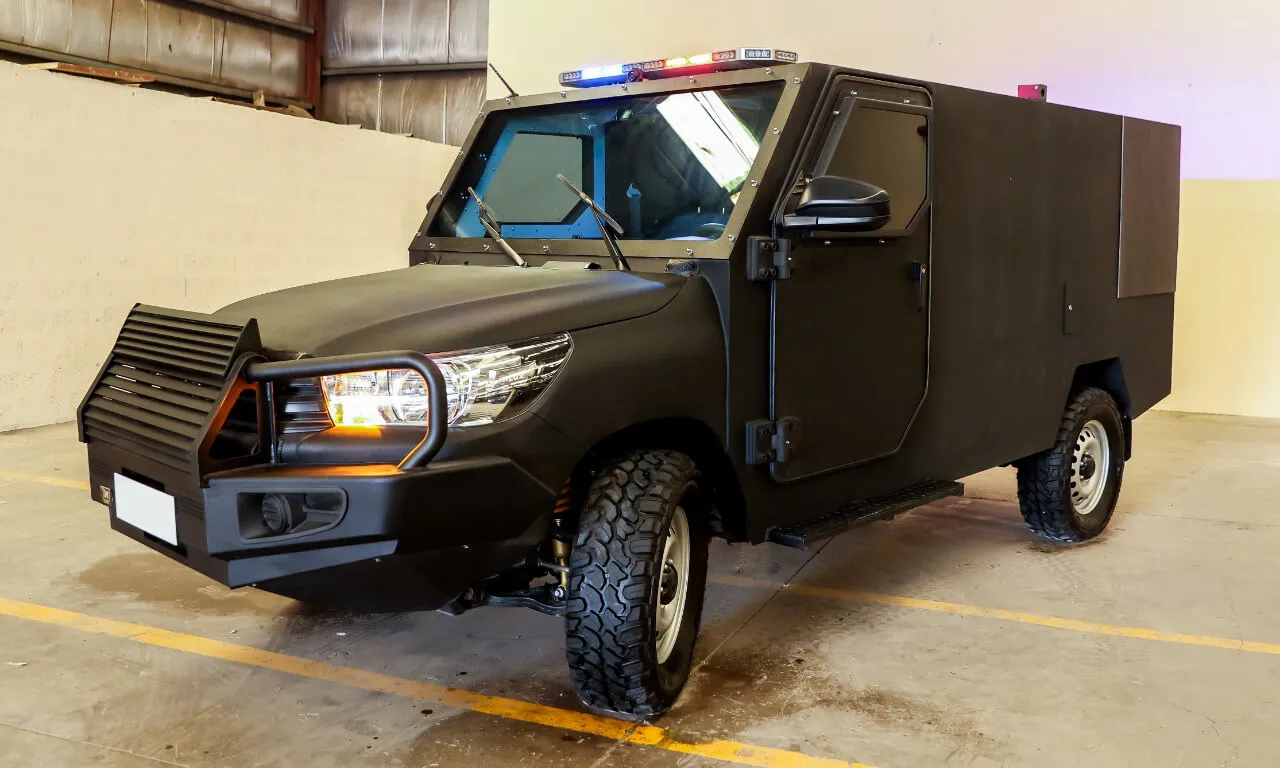
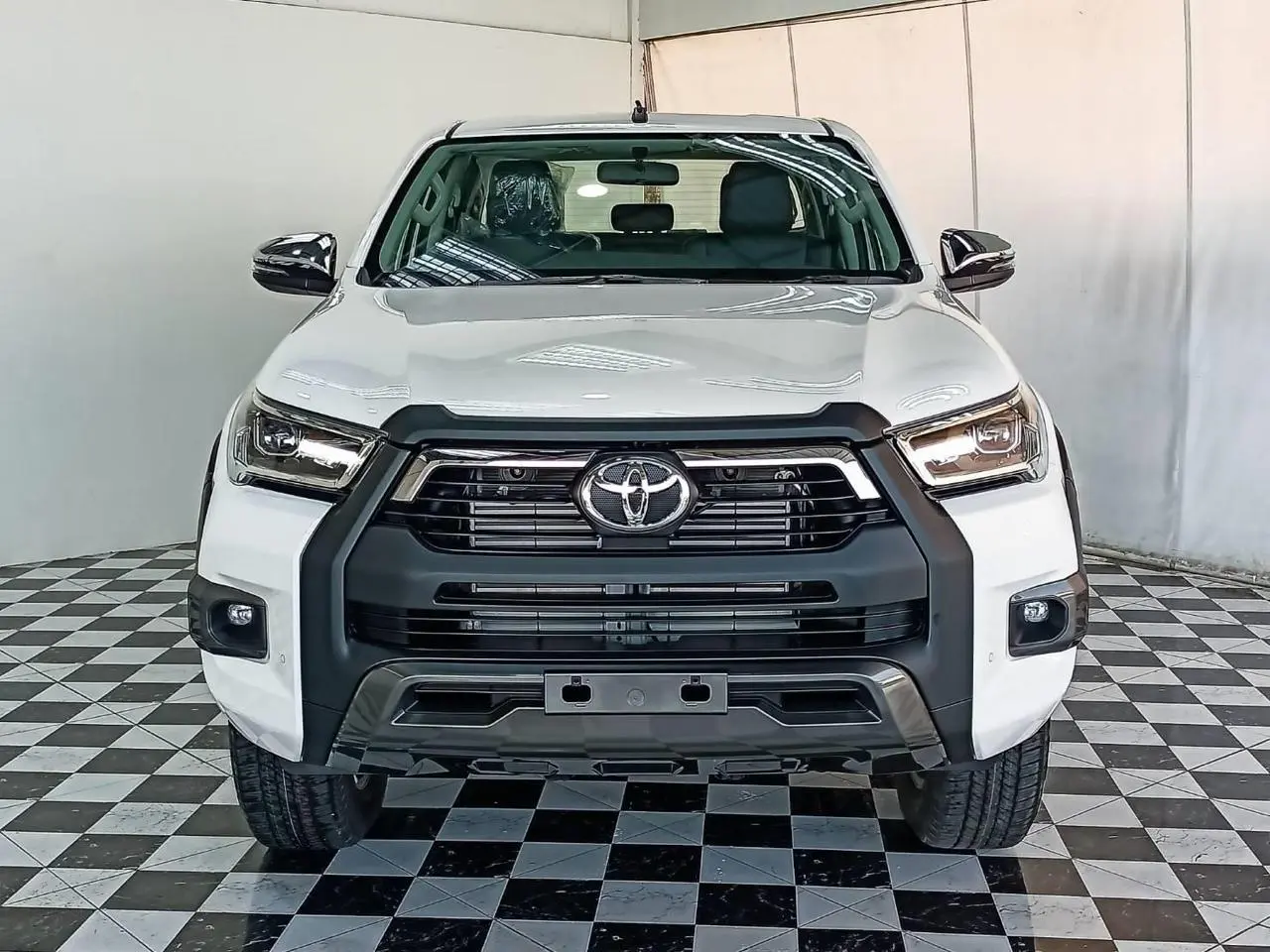
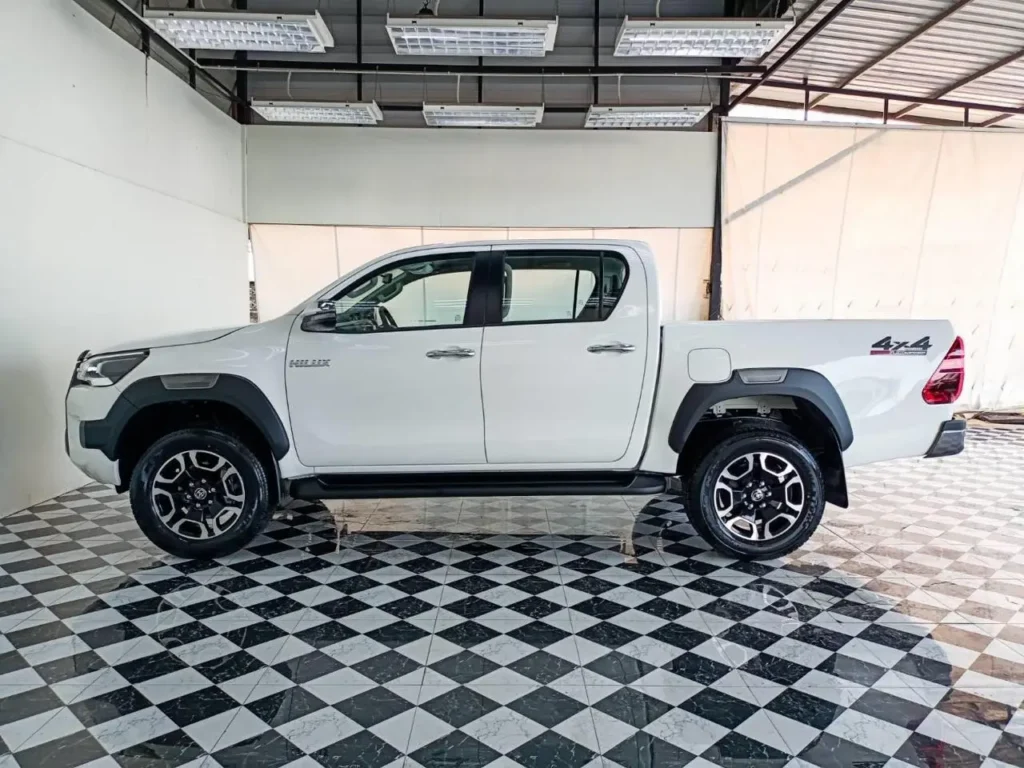
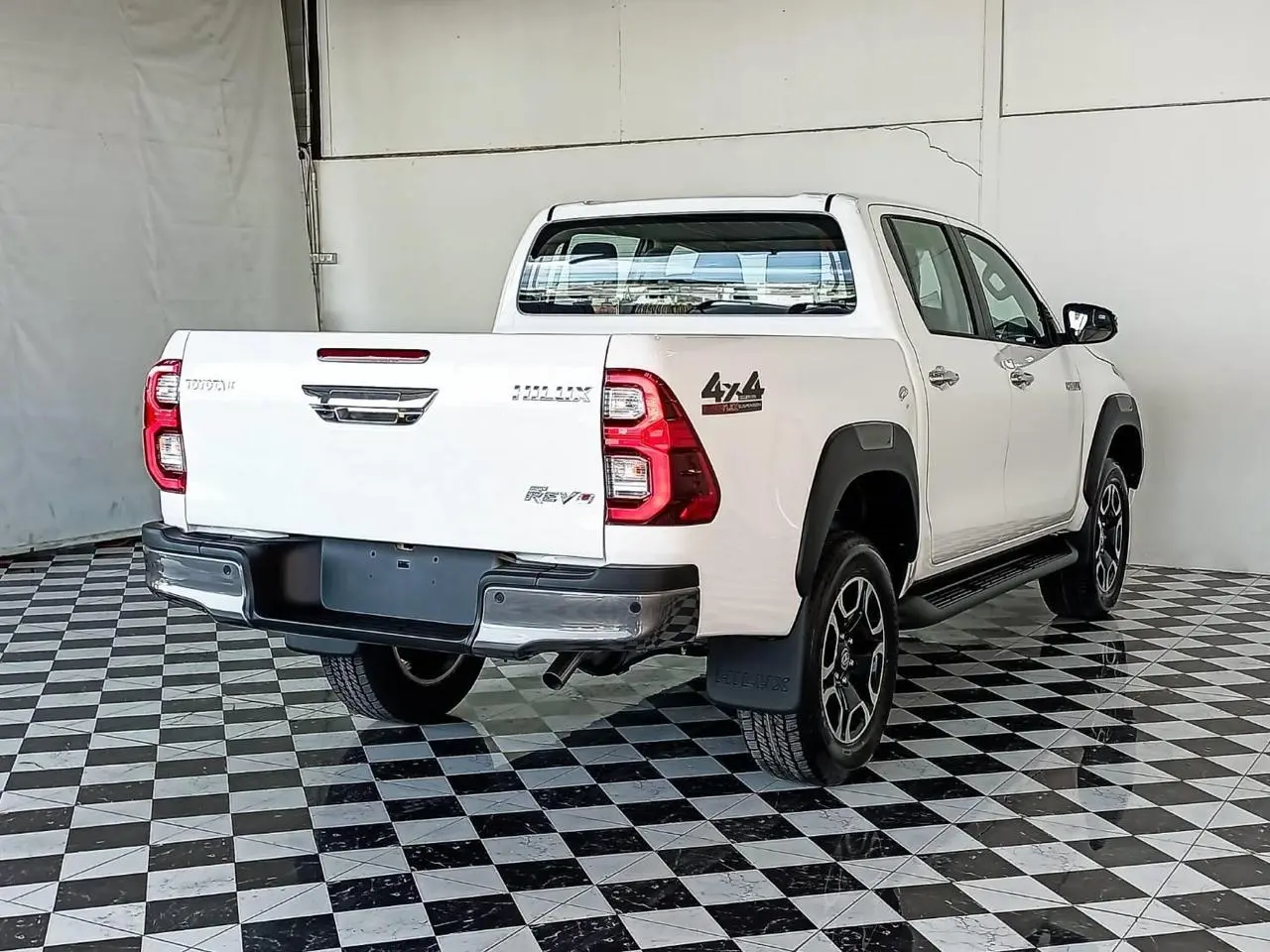
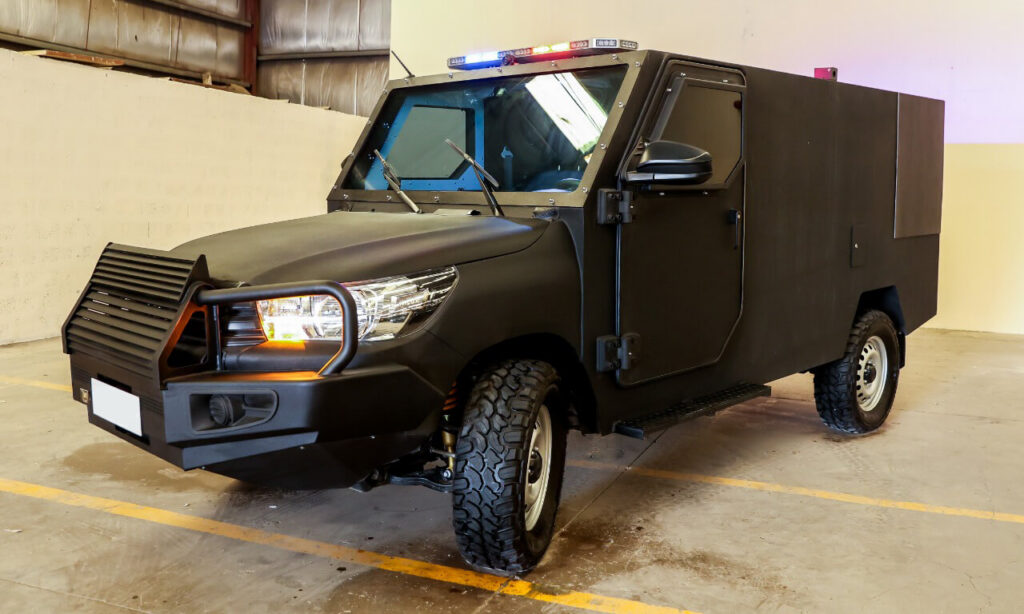
Pickup-based cash boxes remain a cornerstone of many CIT fleets because they combine a familiar commercial profile with a purpose-built armored rear module. Our Toyota Hilux Cash Box configuration builds on this logic, using a rugged Hilux platform with a fully armored cash compartment for valuables and shielded transit routes.
The armoring program reinforces critical areas such as the cab firewall, pillars, and floor, then integrates multi-layer ballistic glass and upgraded suspension. This maintains predictable handling while carrying armor, crew, and payload. For many operators, it offers a middle ground between a highly visible truck and a fully covert SUV-style CIT carrier.
Armored Enhancement Highlights
- Reinforced firewall and cabin structure for crew protection.
- Multi-layer ballistic glass to align with the selected protection level.
- Run-flat tire systems that help preserve mobility after tire damage.
- Armored cash box with controlled access doors and lockable compartments.

3. Land Cruiser-Based CIT Platforms: From 76 Series to Troop Carrier
Toyota Land Cruiser 76 BR6: Discreet SUV-Style Carrier
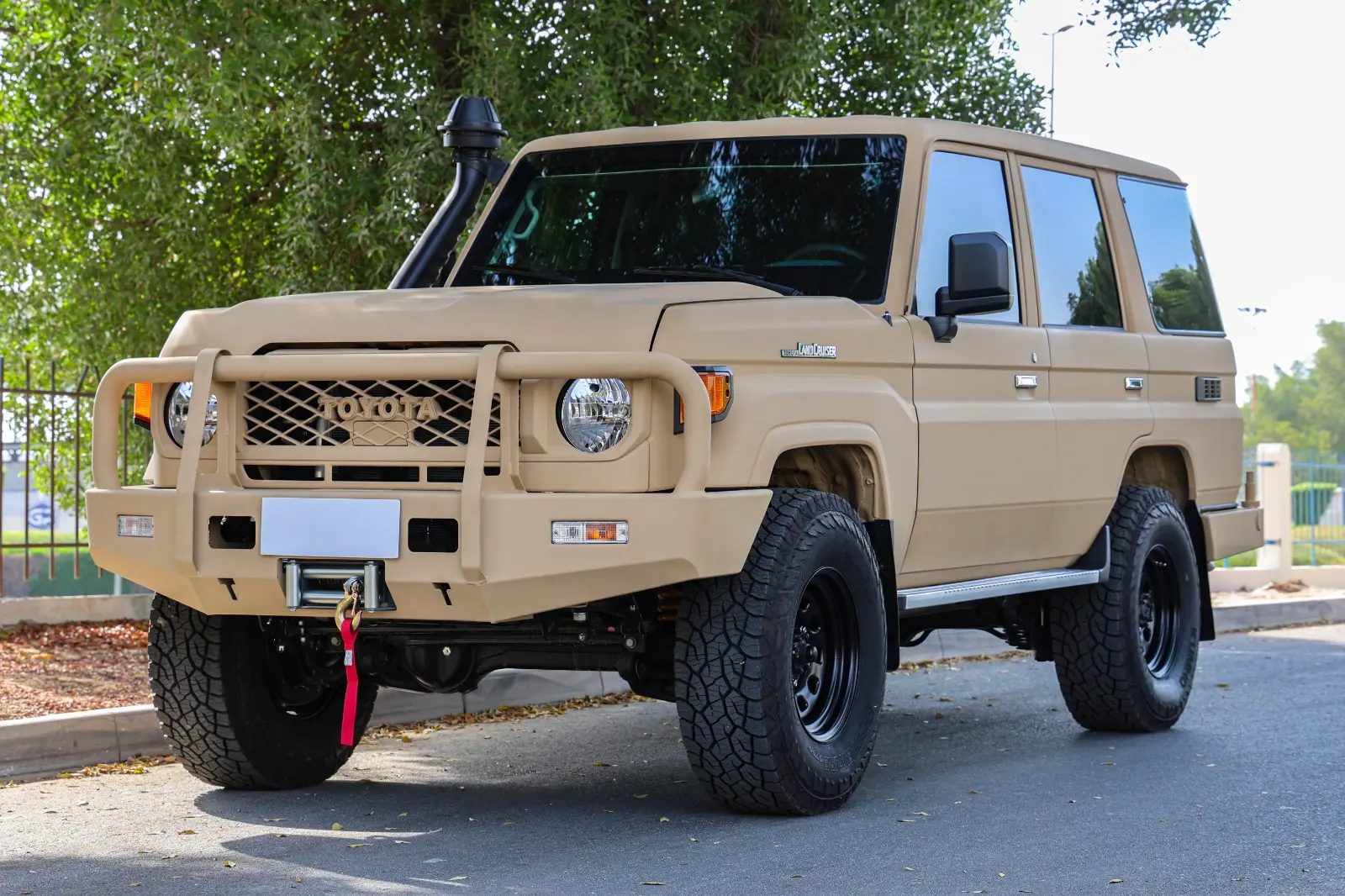
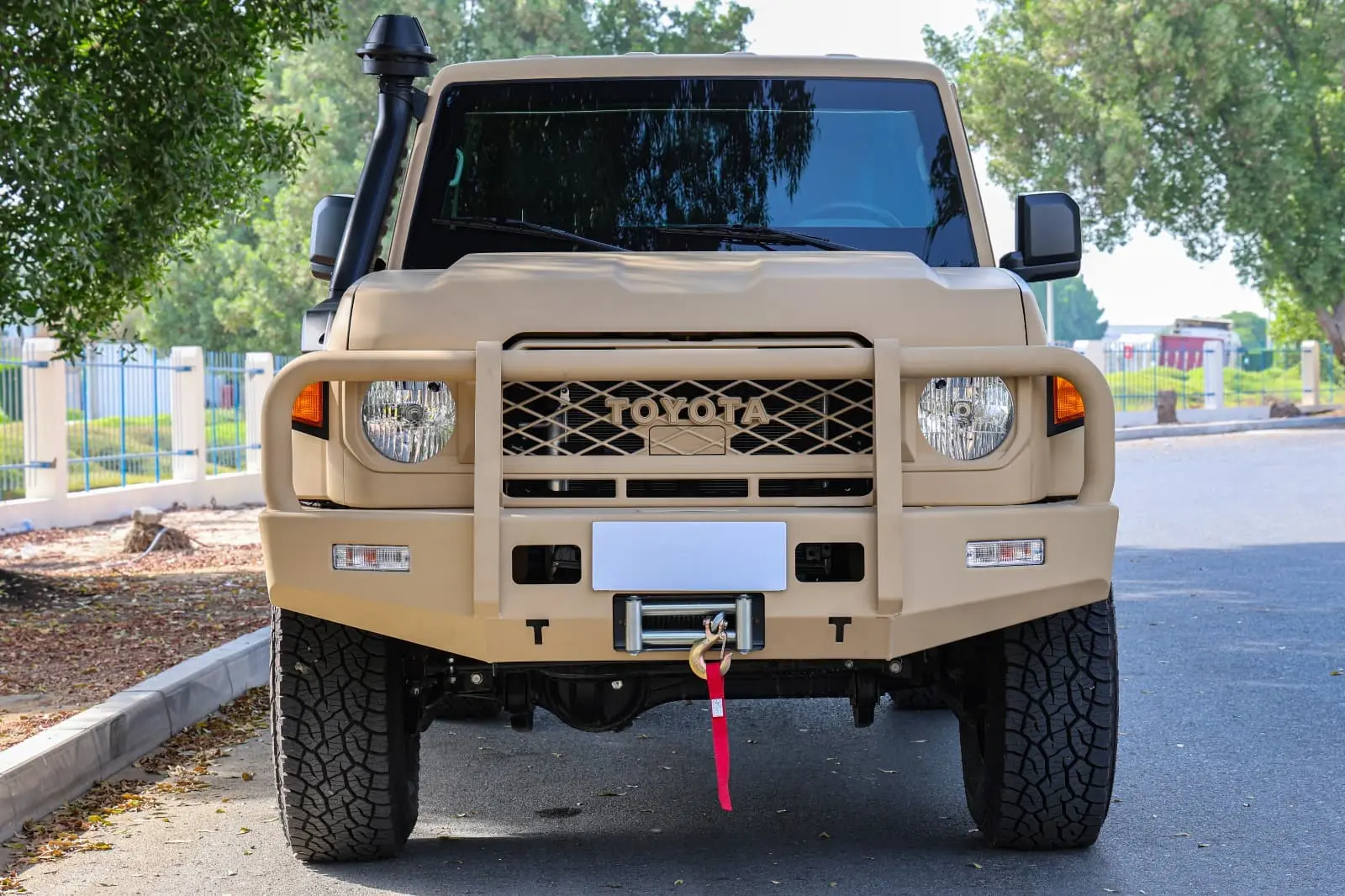
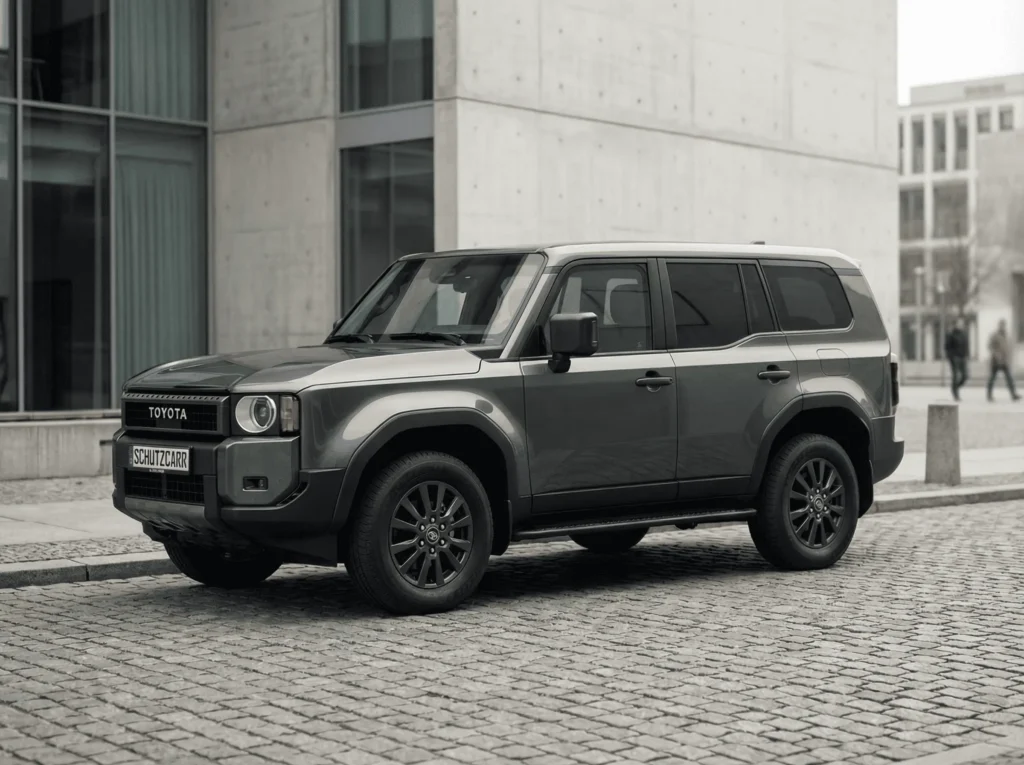
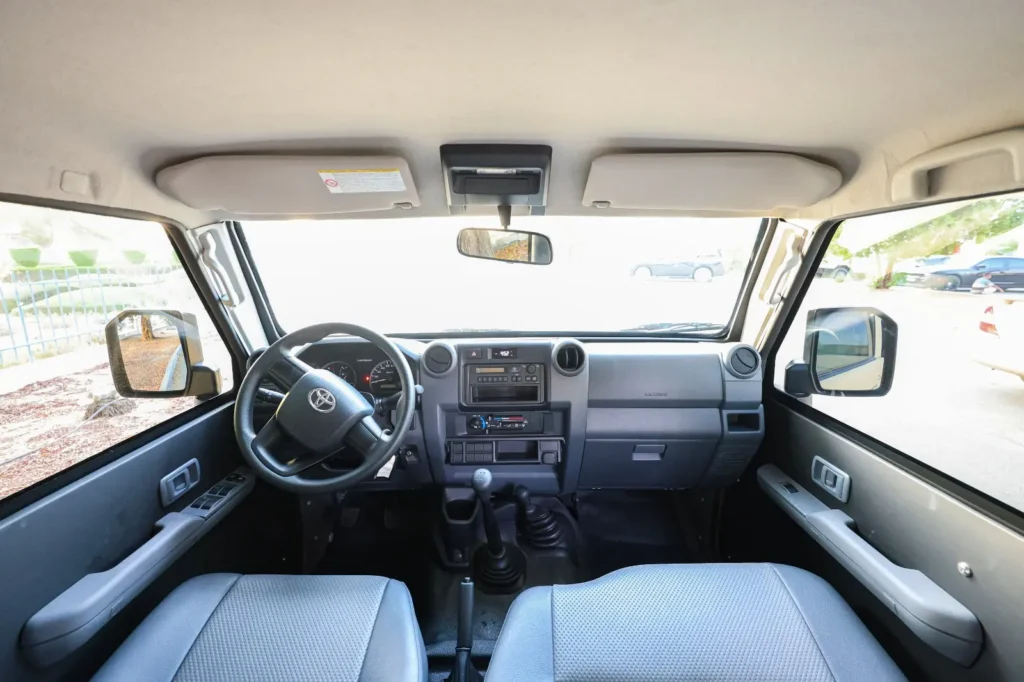
The Toyota Land Cruiser 76 BR6 armored SUV illustrates how a classic 70-series profile can serve both VIP and CIT roles. The model uses a self-supporting steel armored cabin structure that protects doors, roof, firewall, and key mechanical components with comprehensive ballistic coverage around the passenger cabin according to the defined BR6 specification.
For low-profile CIT tasks, this type of vehicle fits either as a covert valuables carrier or as a protective escort unit around a larger cash box truck. Because the exterior closely resembles a standard Land Cruiser, it blends into many regions where these platforms are common, while the interior architecture is engineered for protection.
Land Cruiser 79 Troop Carrier: Basis for High-Capacity Cash Movement
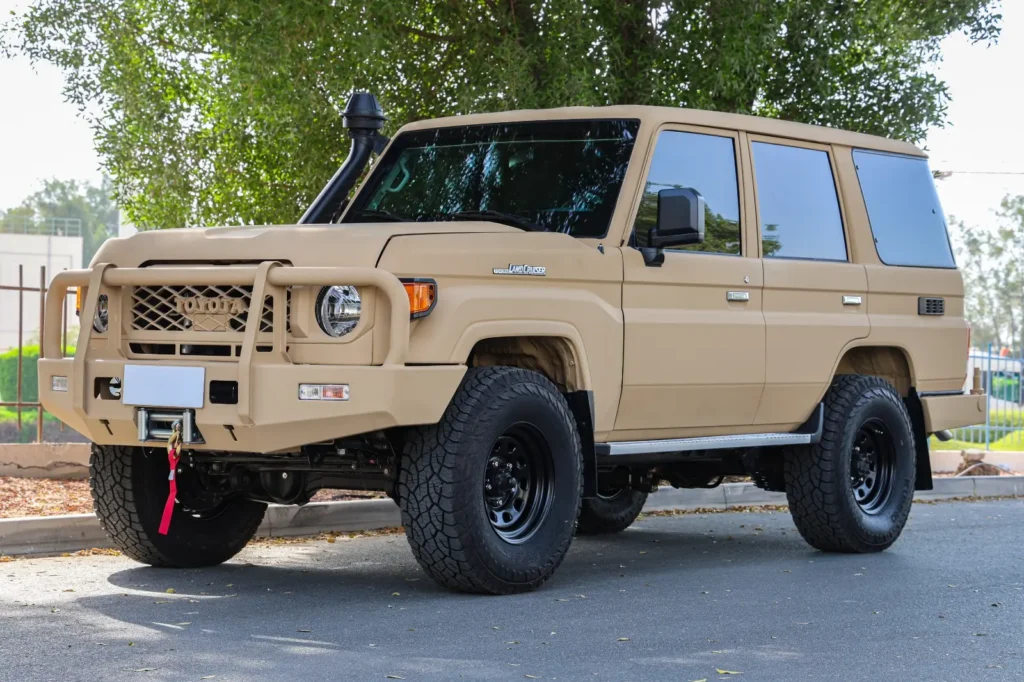
The Land Cruiser 79 troop carrier layout offers a longer wheelbase and expanded rear area that operators sometimes adapt into CIT boxes or hybrid crew and cargo cabins. This makes it suitable when routes require more personnel or flexible layouts for valuables and support equipment.
Our projects that use 79-series donor platforms integrate BR-level armor over the cab and rear superstructure, while retaining off-road capability. For certain markets, the vehicle can appear as a utility truck rather than a dedicated CIT unit, which can be helpful if discretion is a priority on specific routes.
Did You Know?
Large international cash-in-transit operators run fleets numbering in the thousands of armored and light vehicles worldwide, illustrating how major players mix traditional armored trucks with lighter, more low-profile CIT options.
4. Discreet SUV Platforms for CIT and Valuables Escort
Infiniti QX80 and Luxury SUV-Based Solutions
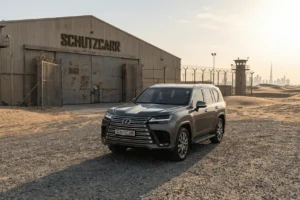
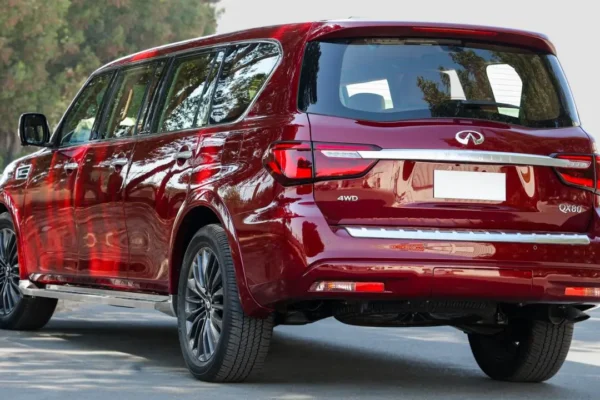
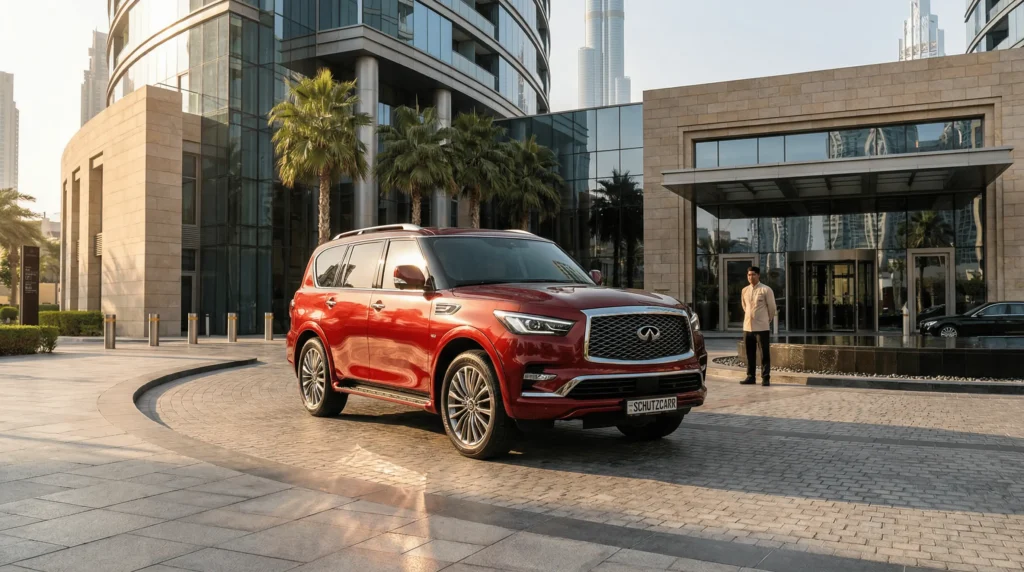
Some fleets increasingly run high-end SUVs as either covert CIT carriers or escort and overwatch vehicles that accompany dedicated cash trucks. Platforms like the Infiniti QX80 4WD Extended appear as luxury family SUVs in traffic, yet once armored to BR6-type levels they provide a high degree of ballistic protection suitable for discreet escort and valuables movement roles.
This type of vehicle is especially relevant in urban corridors where a traditional armored truck would be too conspicuous. The same principle applies to Range Rover and similar platforms, which are discussed in our discreet executive protection comparisons but can be configured around valuables protection as well.
Learning from Executive Protection Sedans and SUVs
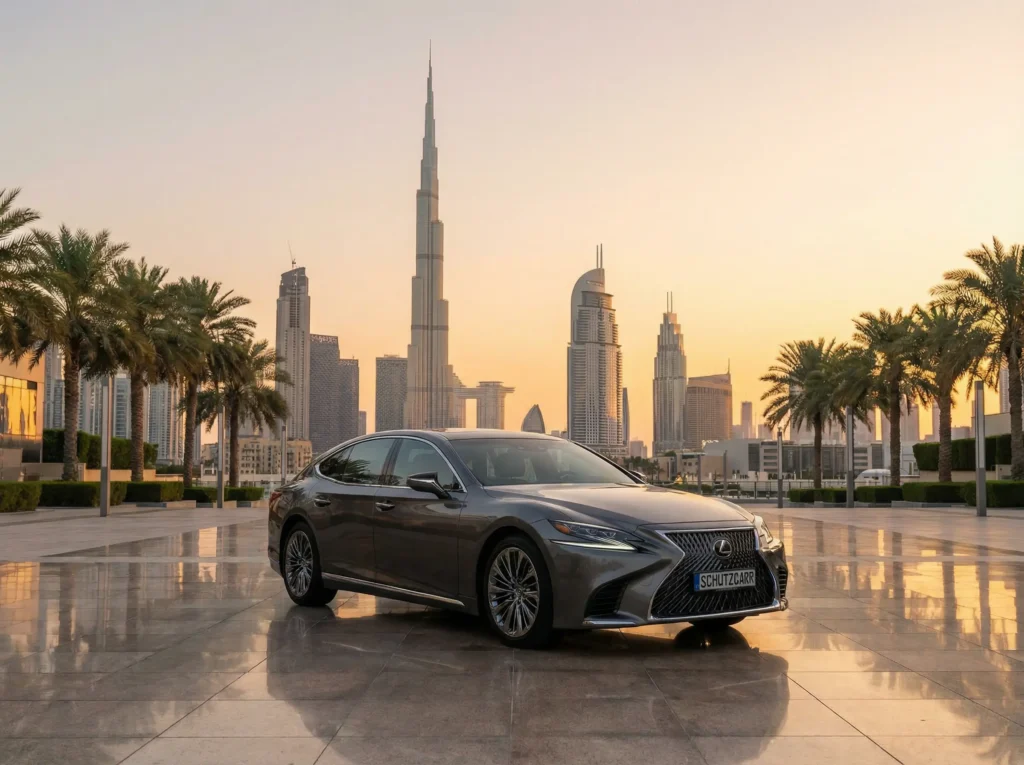
Our guide on discreet armored sedans and SUVs explains how executives use BR6 and VR-rated vehicles that appear almost identical to standard luxury cars. The same thinking can inform low-profile CIT options, especially when moving higher-value items in small volumes where a full cash truck is not required.
By reusing platforms and specifications across VIP and CIT roles, operators can standardize maintenance, training, and armor configurations, while tailoring interior layouts to either passengers or valuables. This convergence is a key trend in markets that prioritize quiet, low-visibility movements over traditional armored trucks in city centers.
5. Stock Armored Vehicles and Donor Platforms for CIT Conversion
Using Stock Fleets to Build or Expand CIT Capability
Many security operators prefer to start from available stock vehicles rather than waiting for long build cycles. Our Armored Vehicles Stock overview lists BR6 and BR7-ready SUVs, APCs, and donor platforms that can anchor new CIT projects or extend existing fleets quickly.
For low-profile CIT needs, vehicles like Land Cruiser 300 GXR or 76-series units can be used either directly or as engineering references for local adaptations. APC and MRAP platforms are also present in the same stock pool, supporting more overt security postures or long-distance feeder legs that connect depots and hubs.
Warehouse and Fleet Structure
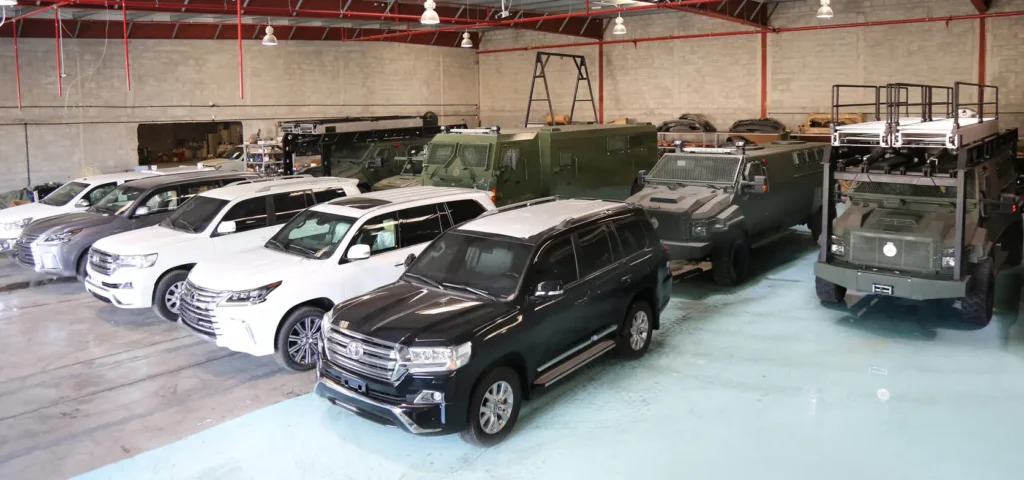
Our APC and armored SUV stock is stored in dedicated facilities that allow rapid inspection, configuration, and dispatch. This environment is also where new layouts are evaluated, suspension setups are validated under armored payloads, and telematics or interior monitoring systems are integrated for cash box operations.
For operators planning new low-profile routes, starting from a warehouse of mixed APCs, pickups, and SUVs makes it easier to tailor different legs of the CIT chain. That could mean a subtle SUV in a dense downtown area, followed by a more robust APC between regional hubs.
6. MRAPs and APCs in Support of Cash-in-Transit Operations
When Operators Pair Low-Profile Units with Heavier Armor
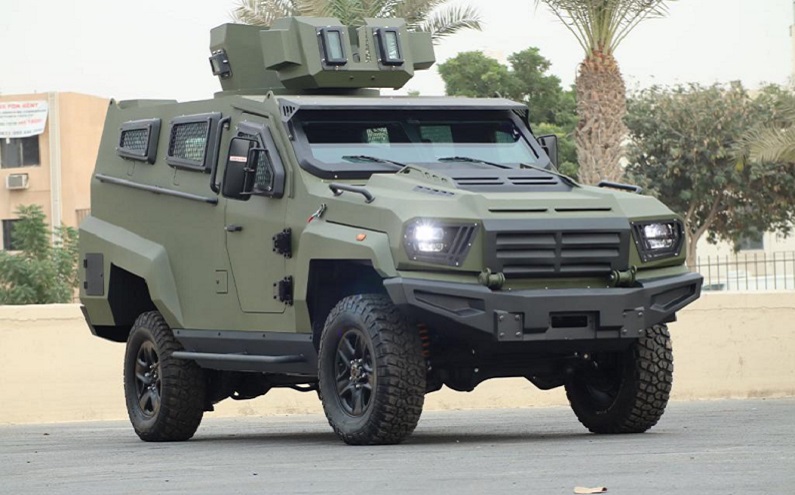
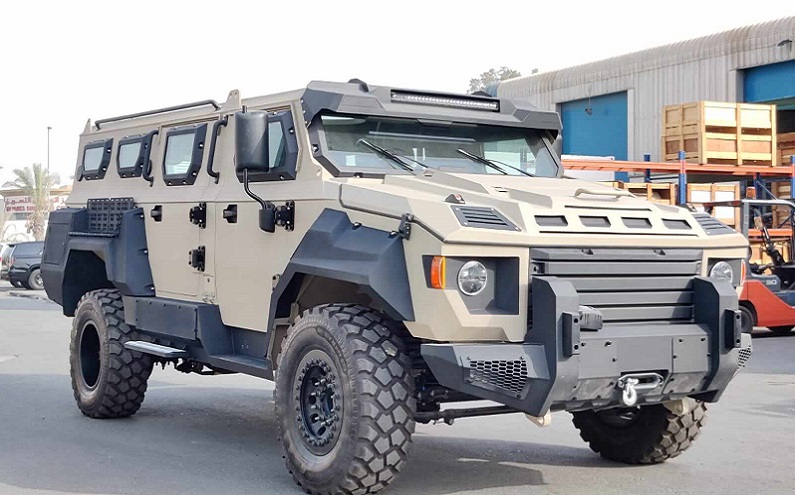
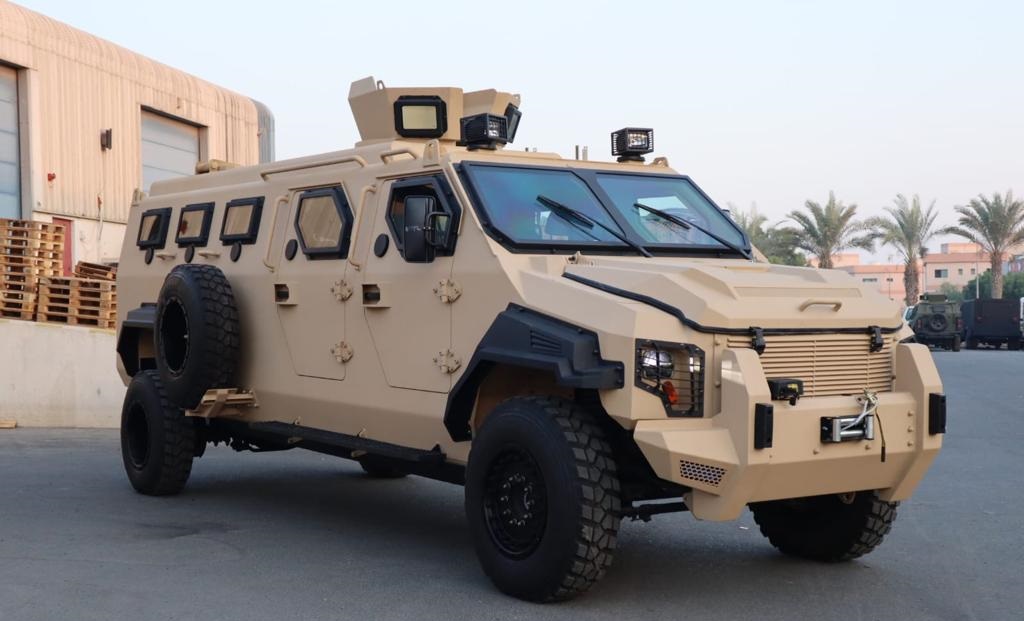
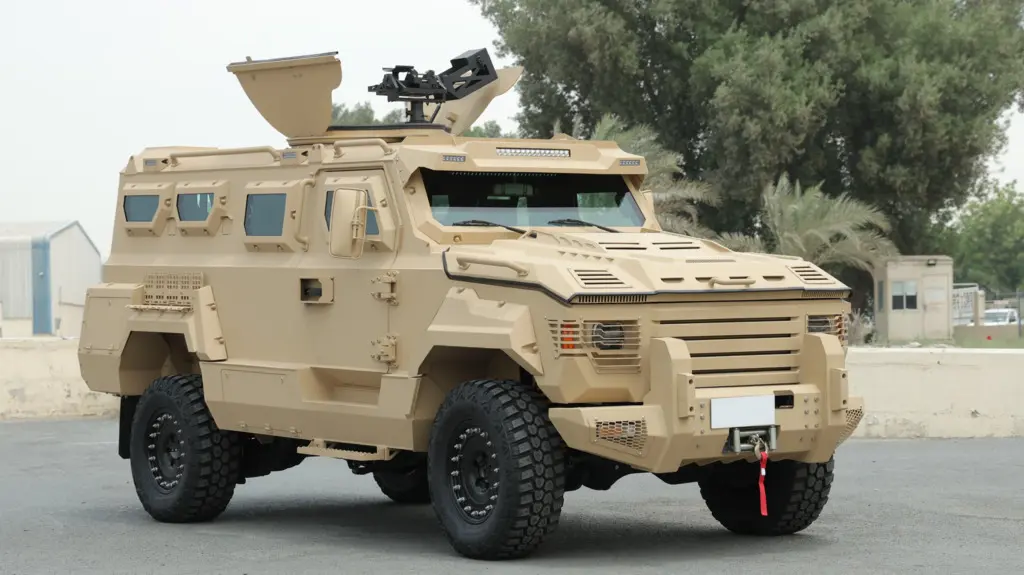
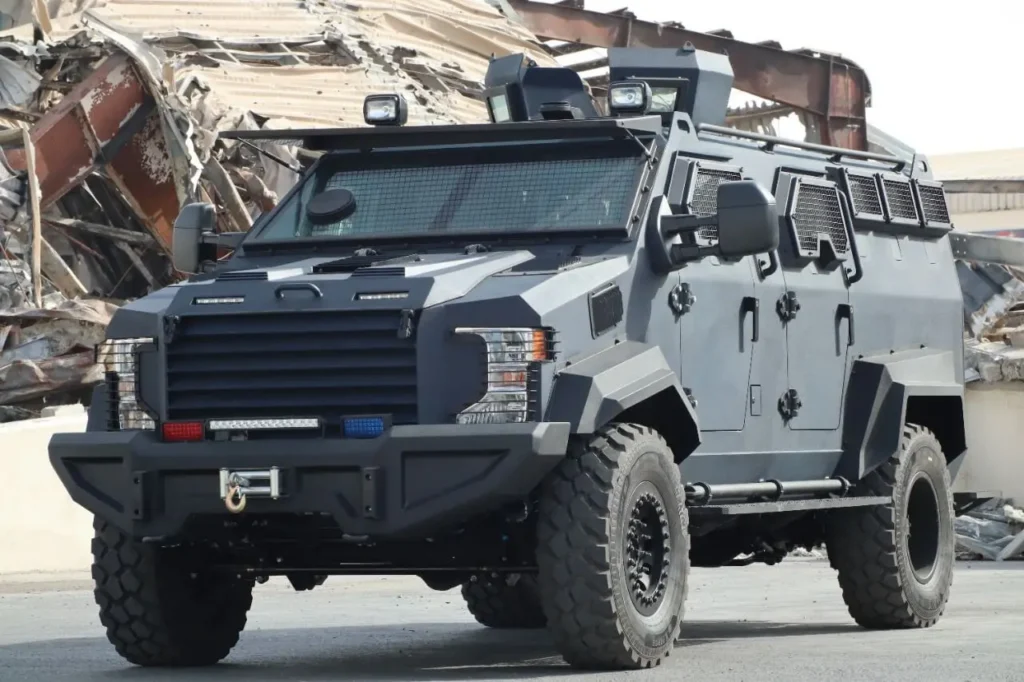
Low-profile CIT vehicles rarely operate in isolation. On certain risk profiles, fleets combine discreet carriers with armored personnel carriers (APCs) or mine-resistant ambush-protected (MRAP) platforms that offer additional shielding for crews on high-threat legs of the journey.
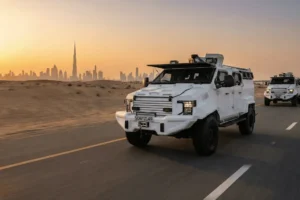
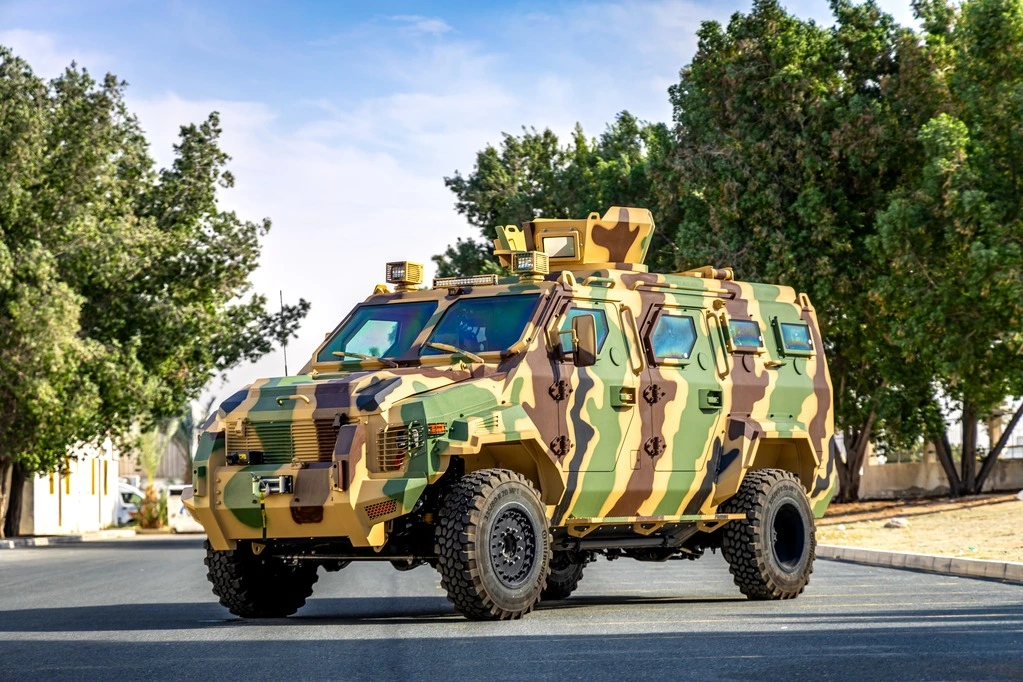
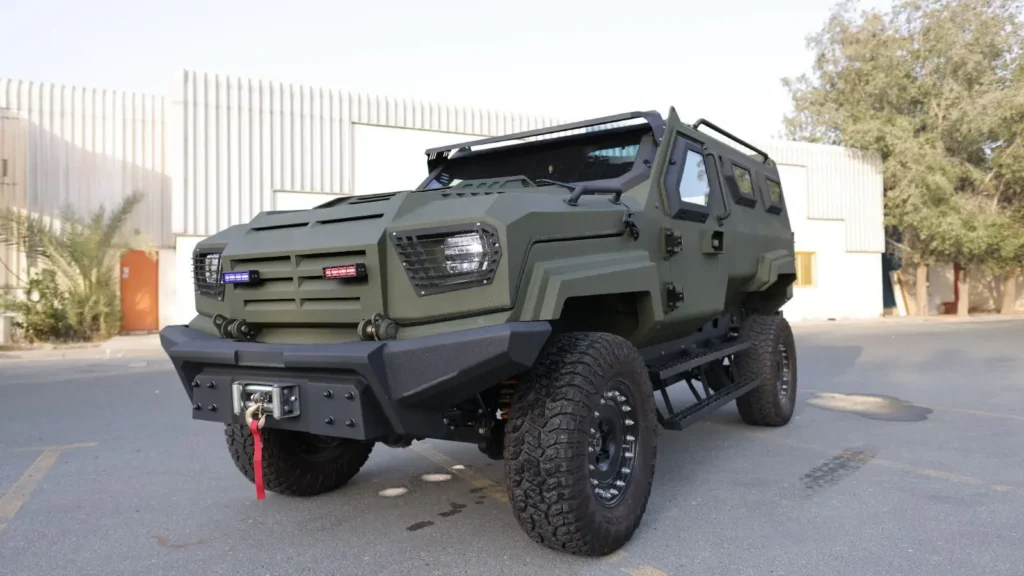
Our MRAP and APC lineup includes models such as APC SHARK, APC MONO Q, APC JASAR, and others built with V-hull design principles and protection standards aligned with civilian, road-legal armored configurations. While these are more visible than a discreet SUV, they support the overall security picture, especially between depots and sorting hubs.
APC TAV and MERKAVA SAGIV: Fleet Workhorses
Platforms like the APC TAV based on Ford F550 and APC MERKAVA SAGIV variants provide armored volume for personnel, equipment, and in some configurations valuables. In practice, that might mean they serve as secure support units near critical transfer points, rather than driving directly to public collection locations.
These vehicles are designed around durability, wide operating windows, and straightforward maintenance. They help bridge the gap between fully low-profile carriers and heavy-duty protection platforms, so planners can combine both within the same CIT ecosystem.
7. Ballistic Glass and Protection Levels for Low-Profile CIT
Choosing the Right Protection Levels
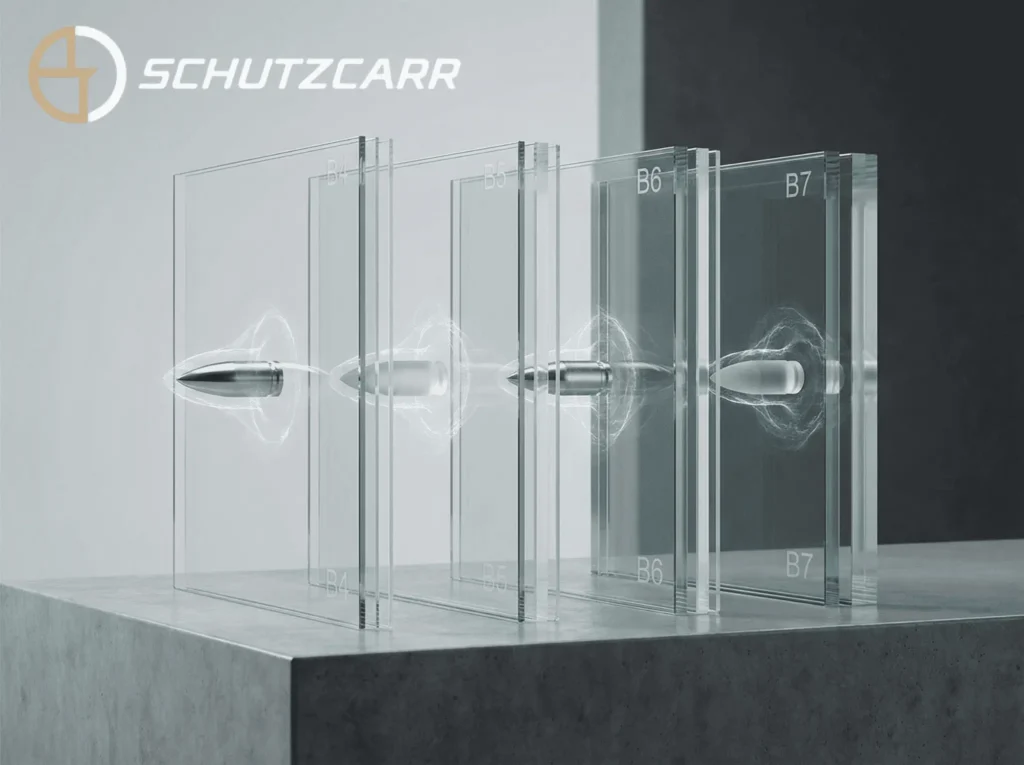
Any low-profile CIT concept depends heavily on the underlying armoring level and the quality of ballistic glass. Our armoring services operate in a range of protection levels commonly used in civilian armored vehicles, with BR6 widely selected where rifle-level threats form part of the risk assessment. The goal is to create a continuous protective cell around the crew and, where needed, the valuables compartment.
Ballistic glass is a critical component. It must withstand specified threats while maintaining optical clarity, minimal distortion, and acceptable weight. Edges and overlap zones are engineered to remove weak points, so that external observers still see a normal windshield and side windows without understanding the thickness and layering behind them.
Analyzing Threats versus Vehicle Profile
We use a structured protection-level analysis to match armor specification to realistic threat scenarios. That process considers whether the vehicle will operate mostly in urban traffic, in industrial zones, or on longer intercity legs, and whether it needs more seating or pure valuables volume.
In many regions, this results in fleets built around a mix of BR6 SUVs, cash boxes on pickups, and a smaller number of higher-level platforms. The mix allows planners to keep the most conspicuous assets away from busy retail sites, while still providing a strong protective envelope for the overall cash-in-transit chain.
Did You Know?
Across several markets, major cash-in-transit operators report growing adoption of low-emission and electric vehicles, underlining how fleets are moving toward smaller, more efficient, and often more discreet platforms.
8. Regional Deployment and Low-Profile CIT in Practice
Lessons from Urban-Focused Fleets
Our regional fleets show that low-profile armored vehicles are particularly valuable in dense urban contexts. In such settings, SUV- or pickup-based CIT units can navigate narrow streets and underground parking areas more easily than traditional tall cash trucks, while drawing less attention around commercial premises.
In some regional portfolios, Land Cruiser 76 units, Infiniti QX80 SUVs, and APCs appear side by side within the same fleet. The APCs handle more visible security roles or challenging terrain outside city centers, while SUVs and discreet platforms cover VIP movements and low-profile valuables runs.
Fleet Composition and Risk Planning
Operators often design route maps that assign the least conspicuous vehicles to locations with high pedestrian density and limited escape paths. More robust or visibly armored platforms then support from a distance, switching roles as the cargo moves between zones.
This layered approach allows fleets to keep a low profile in front of customers and bystanders, while still integrating strong protective options where they are needed. As electrification and lightweight armoring evolve, we expect more SUVs and light commercial vehicles to carry certified protection into this low-profile CIT space.
9. Comparing Vehicle Classes for Low-Profile CIT Roles
Side-by-Side Overview
To help plan fleets, it is useful to compare the main vehicle classes that can support low-profile CIT work. Each brings trade-offs in capacity, visibility, and perceived “normality” in public streets. The table below summarizes how different platforms from our catalog typically position within CIT-style missions.
| Class | Example Platform | Typical Use in CIT Context |
|---|---|---|
| Pickup cash box | Toyota Hilux Cash Box | Core urban / regional cash collection and delivery. |
| Armored SUV | Land Cruiser 76 BR6, Land Cruiser 300, Infiniti QX80 | Low-profile valuables transport, escort, and support. |
| APC / MRAP | APC SHARK, APC JASAR, APC MERKAVA SAGIV | High-risk legs between depots, regional trunks. |
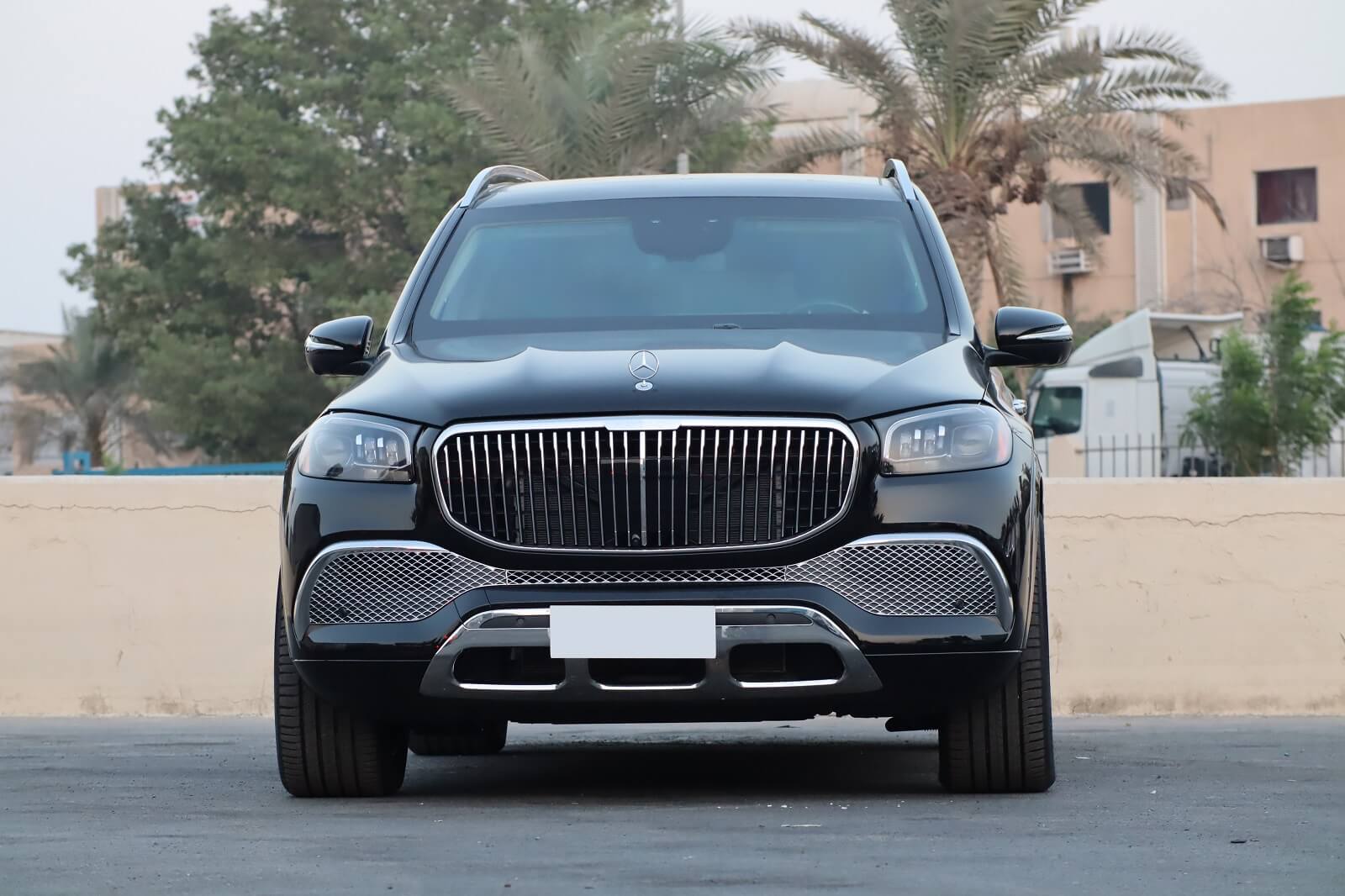
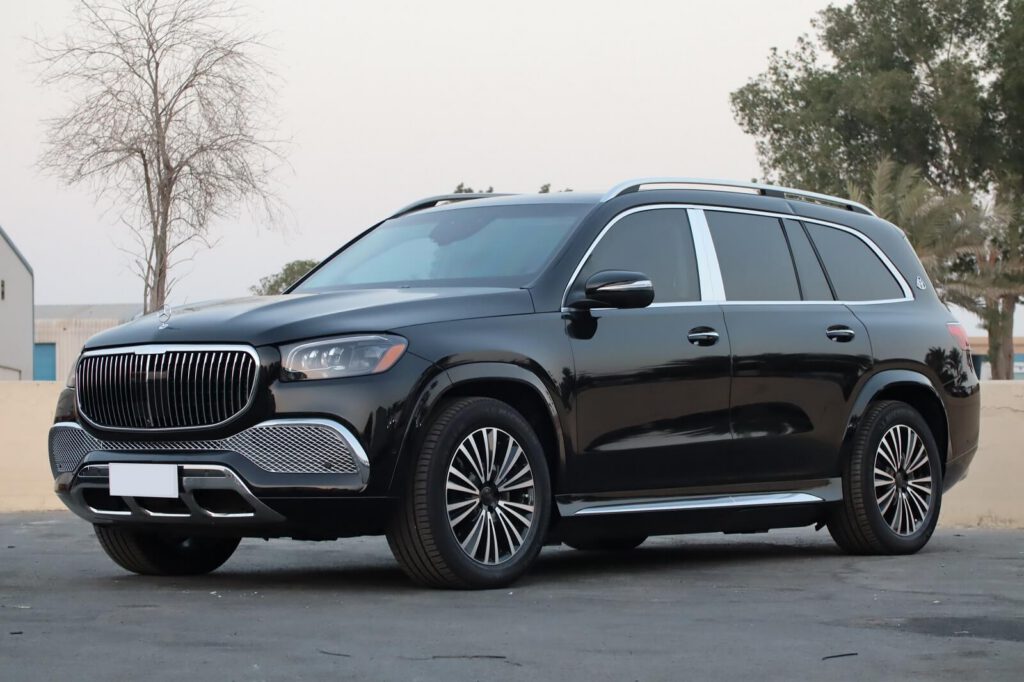
| Luxury SUV / Crossover | Mercedes Maybach GLS 600, Range Rover (BR6) | Covert valuables movement or VIP plus valuables. |
Each operator weights these factors differently, depending on regulatory frameworks, local norms, and the types of locations served. Low-profile CIT strategy is less about one perfect platform and more about combining several compatible vehicle types into a coherent, adaptable fleet.
10. Future Trends in Low-Profile Cash-in-Transit Vehicles
Electrification and Lightweight Armor
Operators and manufacturers invest in lighter armor materials, hybrid drivetrains, and full battery-electric concepts for CIT fleets. Reported reductions in vehicle weight on early electric CIT prototypes illustrate how material science directly influences what is feasible for discreet, efficient vehicles that still meet ballistic criteria.
As electrification spreads, we expect more CIT units to adopt SUV or light commercial profiles that naturally hide battery packs and armored compartments. Reduced noise and emissions can also help vehicles blend into standard urban traffic flows.
Tech-Enabled, Connected CIT Platforms
CIT vehicles increasingly integrate secure communications, interior and exterior cameras, and telematics that monitor route progress, doors, and compartment status. While this technology is not visible from the outside, it plays a large role in how low-profile vehicles stay controlled and supervised during operations.
At the fleet level, data from these systems supports better route planning, improved maintenance scheduling under armored loads, and refined risk models. All of that feeds back into the design of future low-profile CIT units and the mix of SUVs, pickups, and APCs that support them.
Conclusion
Low-profile armored CIT vehicle options today span from pickup-based cash boxes and BR6 SUVs to luxury platforms and supporting APCs and MRAPs. The most effective fleets build a layered mix, using discreet vehicles where public visibility is a concern and heavier units for trunk routes and high-risk legs.
Experience across Land Cruisers, Hilux cash boxes, Infiniti QX80 platforms, luxury SUVs, and diverse APC configurations shows how these segments fit together within modern low-profile CIT strategies. When you assess your next CIT vehicle decision, focus on how protection levels, vehicle silhouette, route types, and fleet composition interact, rather than viewing any single platform as a complete solution on its own.