
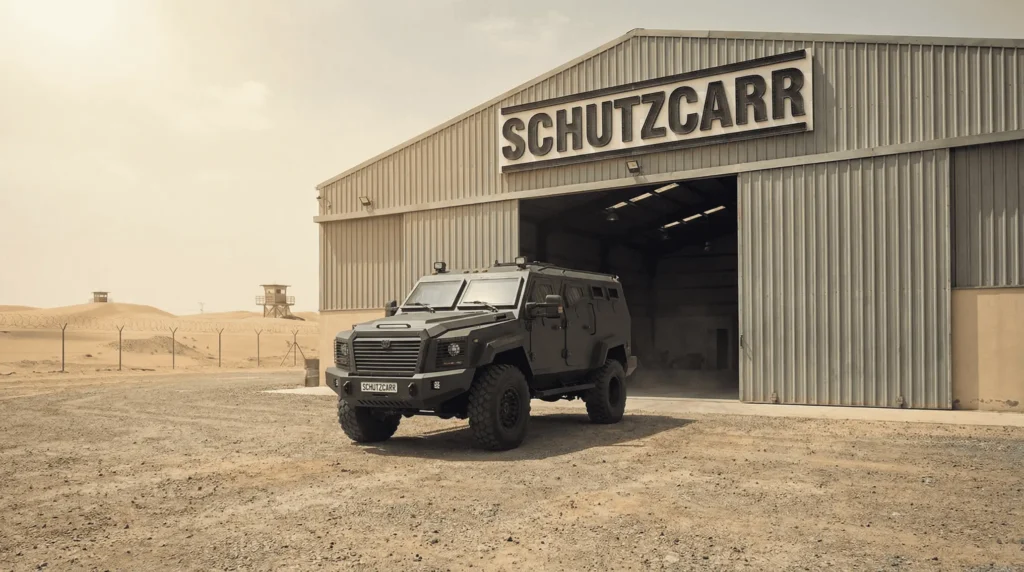
Finding an MRAP for sale can feel complex, especially if you are coming from standard SUVs or pickups. With growing global demand for protected mobility platforms, there is now a wide range of MRAP and MRAP-family vehicles available, each designed for different protection, mobility, and operational needs. In our work at SchutzCarr, we focus on civilian‑ready MRAPs and related armored platforms that balance protection, legality, and day‑to‑day usability for organizations and private clients.
Key Takeaways
| Question | Answer |
|---|---|
| What is an MRAP and who is it for? | An MRAP is a mine‑resistant, ambush‑protected vehicle built around blast‑deflecting architecture and high‑level armor. Our civilian‑focused MRAPs are used by security providers, infrastructure operators, and other high‑risk profile organizations. Learn more in our dedicated guide MRAP for Sale: Civilian Armored Protection Built by SchutzCarr. |
| Are there smaller alternatives to full MRAPs? | Yes. Platforms like the APC MONO Q 4×4 and compact APCs sit between armored SUVs and heavy MRAPs. We break this down in APC SHARK Armored MRAP overview. |
| How do I compare MRAPs with armored SUVs? | Armored SUVs such as the Toyota Land Cruiser 76 and extended BR6 SUVs offer more discreet protection, while MRAPs provide a dedicated, purpose‑built shell. For a broader context see our Armored Car Buyer’s Guide. |
| What protection levels should I look for? | For civilian MRAPs and heavy APCs, buyers usually consider protection comparable to STANAG Level 3 or civilian BR6 / BR7 ballistic envelopes. We explain these levels using the Land Cruiser 76 as a reference in our LC76 protection guide. |
| Can MRAPs work with fleets of SUVs and pickups? | Yes. Many buyers combine MRAPs with armored SUVs and utility platforms to cover different environments and passenger counts. Our article Choosing Armor for Toyota Land Cruiser 300 GXR shows how SUV platforms fit beside MRAPs. |
| Where can I see armored SUVs that complement MRAPs? | You can explore options such as BR6 Infiniti QX80 and Toyota LC300 extended builds in our Infiniti QX80 BR6 Armored SUV overview and related SUV pages. |
| How do I compare trucks, APCs, and MRAPs? | Trucks, pickups, APCs, and MRAPs all have different payload and protection envelopes. We outline these trade‑offs in Armored Trucks vs Armored Pickups, which is useful when you are planning mixed fleets. |
1. What “MRAP for Sale” Really Means in the Civilian Market
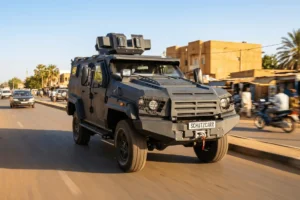
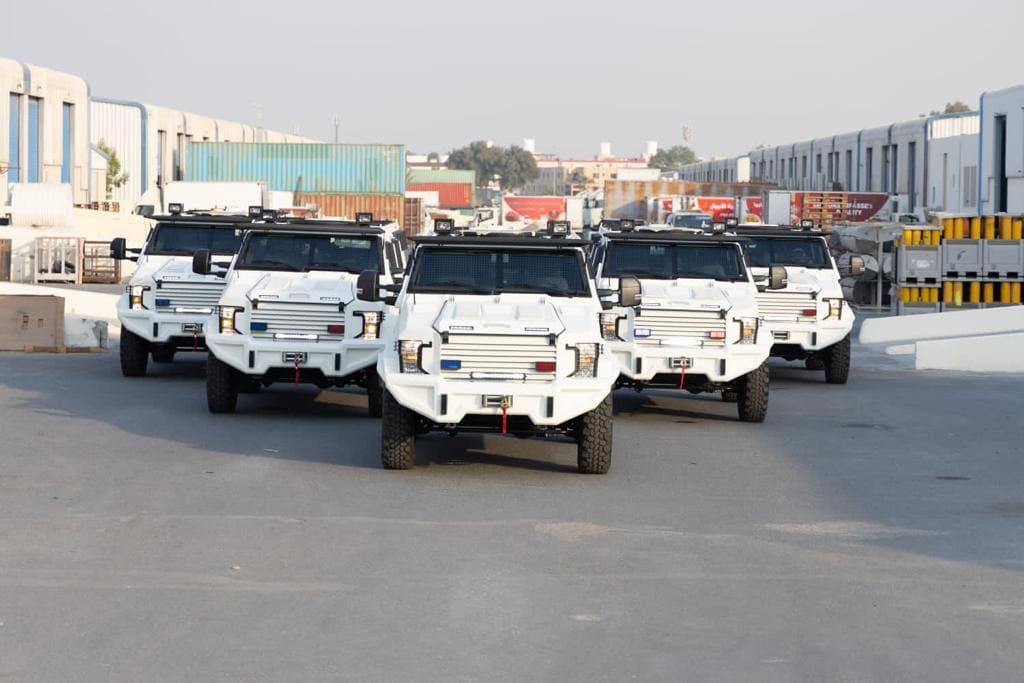
When you see an MRAP for sale today, it can refer to several types of heavy protected vehicles. Some are purpose‑built, mine‑resistant platforms with a V‑hull and high ground clearance, while others are closely related APCs that share similar blast and ballistic logic but focus on passenger transport and utility roles.
Our own MRAP and APC family is built for civilian contexts such as critical‑infrastructure access, secure personnel movement, and operations in areas with elevated risk profiles. The focus is on protective geometry, certified armor packages, energy‑absorbing floor structures, and the ability to register and operate these vehicles legally on public roads where regulations allow.
2. Core MRAP Design: V‑Hull, STANAG Thinking, and Energy‑Absorbing Floors
Most buyers looking for an MRAP for sale ask first about protection levels. In our civilian MRAPs and related APCs, we work with engineering principles aligned with STANAG Level 3 thinking, which prioritize underbody blast deflection and crew survivability. The recognizable V‑hull geometry helps redirect blast energy away from occupants, while reinforced sidewalls and roof structures support the overall protective envelope.
Floor systems play a crucial role in this. Energy‑absorbing floor structures, decoupled seating, and protected footwells help reduce the transfer of shock to occupants in blast scenarios. Combined with multi‑layer ballistic glass and carefully designed door overlaps, this approach creates a shell that is engineered to perform as a complete system rather than as a collection of separate armor plates.
3. APC SHARK MRAP: Heavy Civilian Protection for Larger Groups
APC SHARK as a Civilian MRAP Platform
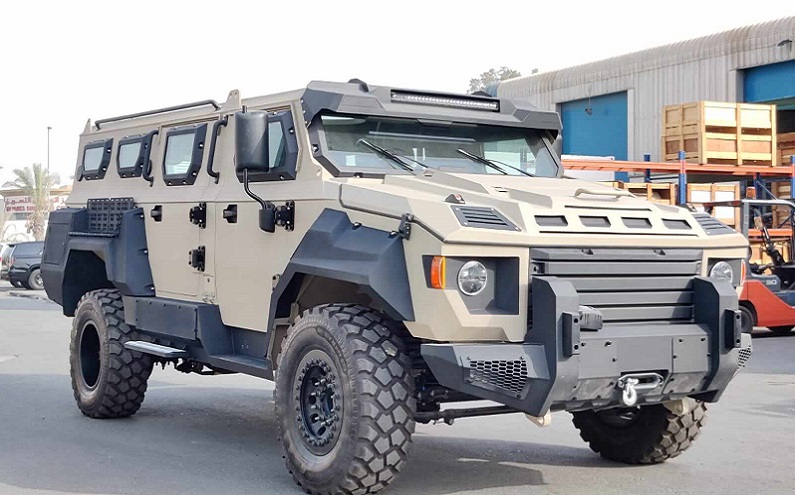
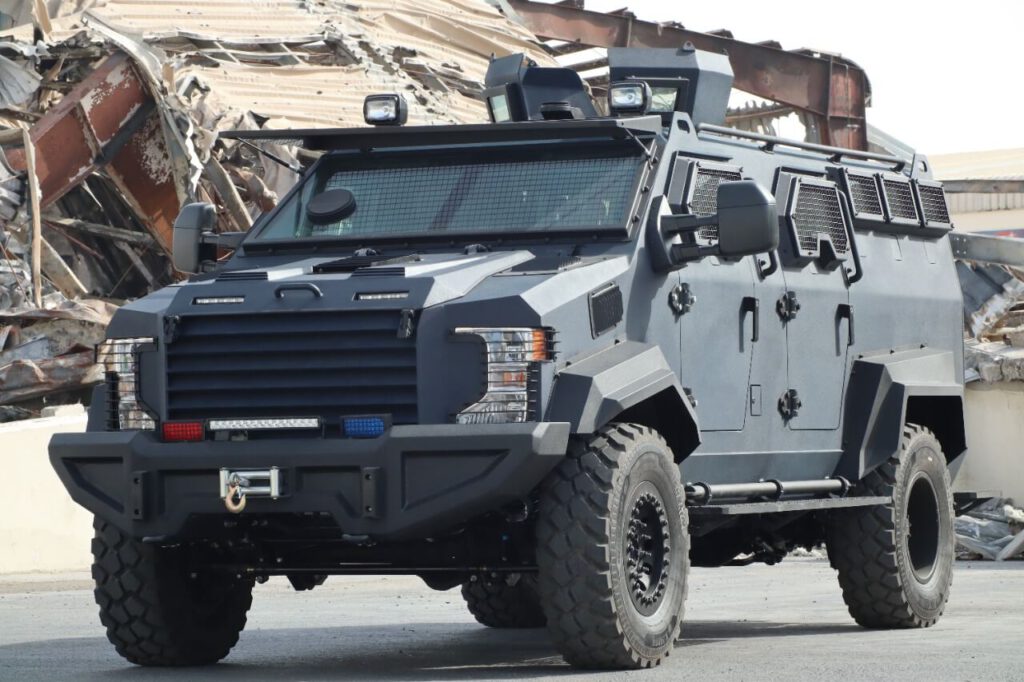
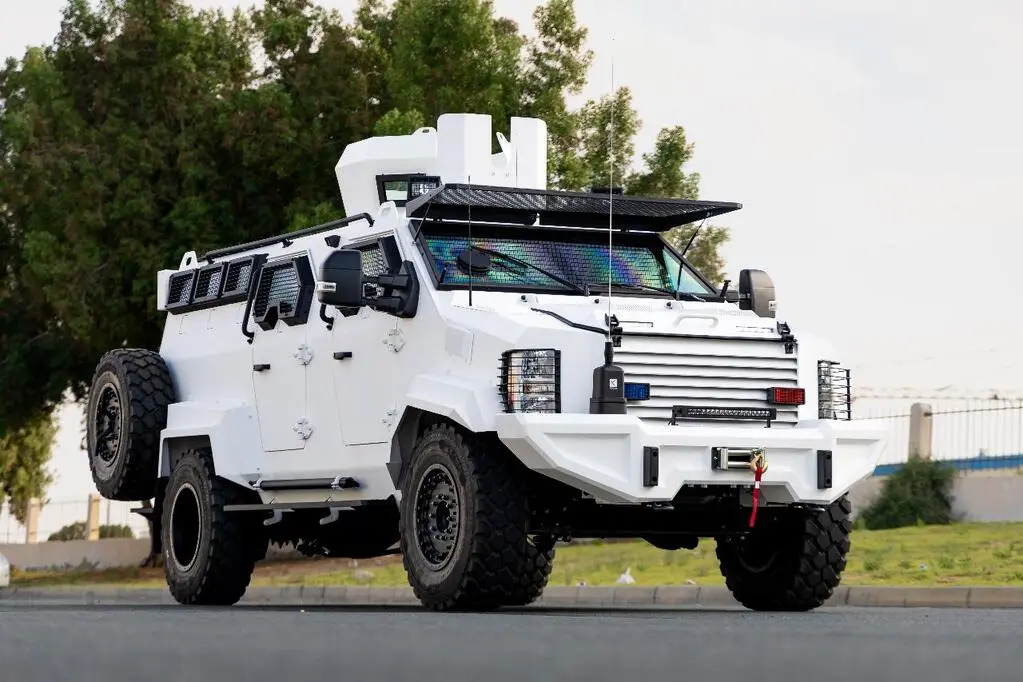
The APC SHARK sits at the heavy end of our civilian MRAP and APC family. It is designed for routes and assignments that require a dedicated, high‑volume armored shell with blast‑oriented architecture, and it can be configured for higher passenger counts depending on layout. Buyers who need a true MRAP for sale that centers on group transport usually evaluate the SHARK or similar platforms first.
From a design standpoint, SHARK‑class vehicles incorporate raised ride height, V‑hull construction, and integrated armor packages for the sides, roof, and underbody. The interior focuses on practical seating, accessible storage, and predictable ingress and egress rather than visual impact. This makes the SHARK well suited to organizations that prioritize functional protection and repeatable deployment patterns.
How SHARK Fits in the Wider MRAP and APC Family
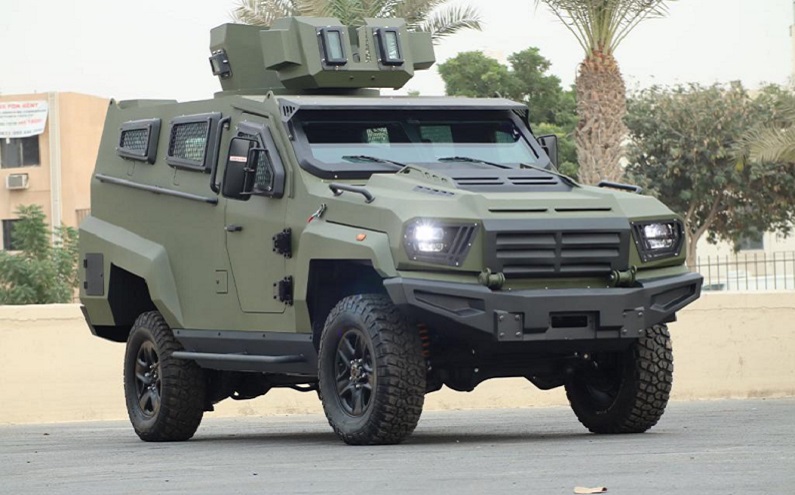
We rarely recommend looking at SHARK in isolation. In practice, most clients build a layered fleet around it, pairing the SHARK with more compact APCs and armored SUVs. For example, MONO Q and JASAR can take on lighter duties where full MRAP geometry would be impractical, while vehicles like GER 1D handle larger‑group secure movement with a different balance of interior comfort and footprint.
Viewing SHARK as the heavy core of a mixed fleet helps buyers understand where its strengths matter most. The focus on blast resistance, volume, and all‑round protection is particularly helpful for organizations that must regularly access high‑risk areas while maintaining predictable movement patterns and standardized maintenance routines.
4. APC MONO Q 4×4: When You Need MRAP‑Style Protection in a More Compact Package
Role of MONO Q in a Protected Fleet
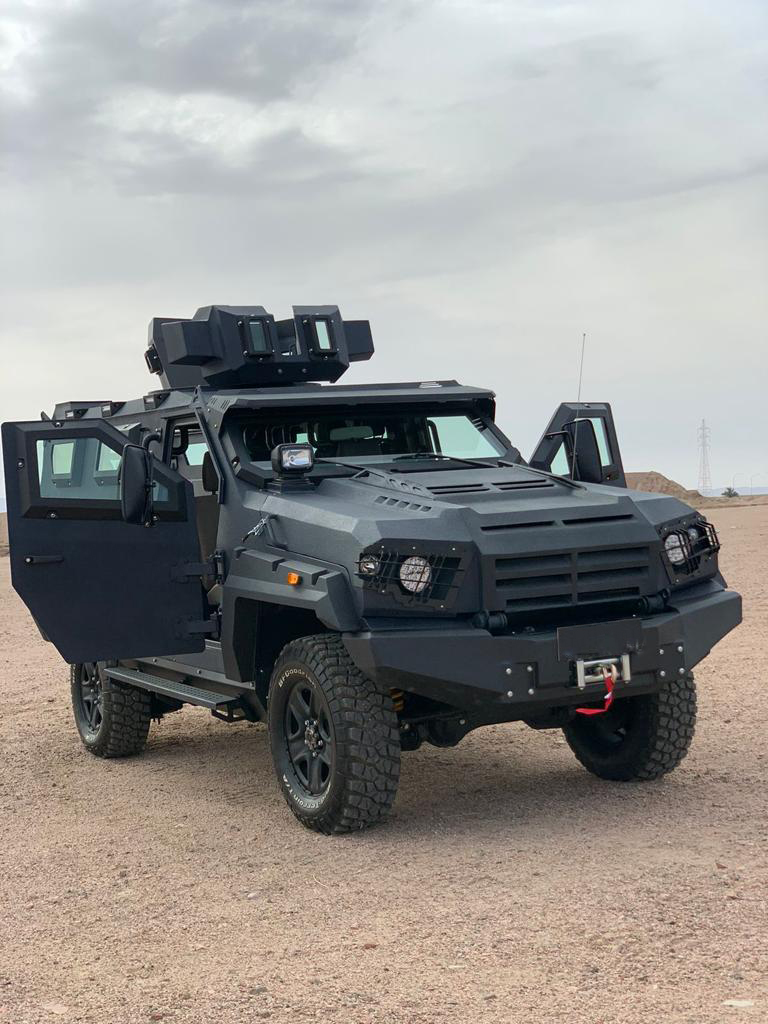
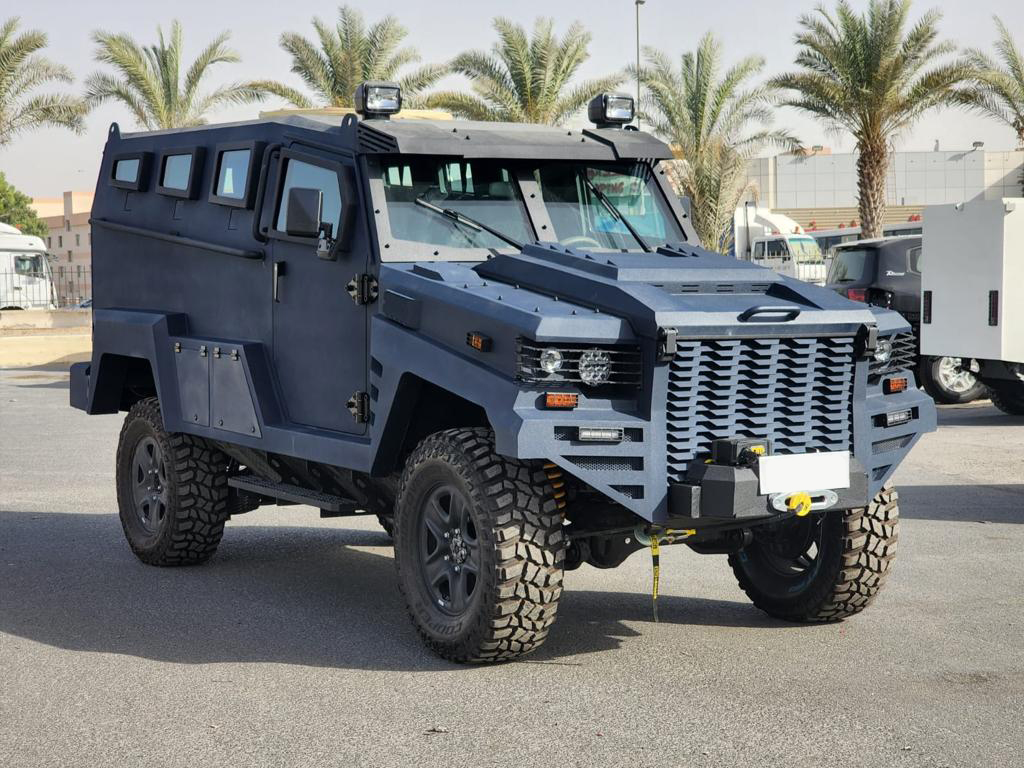
Not every buyer searching for an MRAP for sale needs the full height and footprint of a SHARK‑class vehicle. This is where the APC MONO Q 4×4 becomes relevant. MONO Q is a wheeled armored personnel carrier that blends MRAP‑inspired protection logic with a more compact body, making it suitable for mixed urban and rural routes.
The platform supports multi‑mission roles, from secure personnel movement to equipment transport. Its protection package focuses on all‑round ballistic coverage, floor protection, and configurable interiors that can be set up for passengers, gear, or a mix of both. For buyers, MONO Q often serves as a bridge between heavy MRAPs and armored SUVs, both in size and in running requirements.
MONO Q vs Other Platforms in the MRAP Family
Within our lineup, MONO Q sits between SHARK on the heavy side and compact APCs like JASAR on the lighter side. It shares engineering standards and components with other platforms, which helps simplify fleet maintenance and parts planning. From a buyer’s perspective, that shared DNA matters just as much as armor thickness, because it affects uptime and lifecycle planning.
MONO Q also pairs well with our armored Toyota Land Cruiser 76 builds, offering a heavier complement for routes where SUVs alone would not provide adequate protection. Many organizations use MONO Q on more demanding routes and rely on Land Cruisers in the surrounding areas, keeping a consistent protection philosophy across very different vehicle classes.
Did You Know?
MRAP demand varies significantly by region, which is why buyers outside major manufacturing hubs often rely on specialized builders and export-focused suppliers to access suitable civilian MRAP platforms.
5. GER 1D and JASAR: MRAP‑Family Options for Different Passenger Counts
GER 1D: High‑Capacity Secure Transport
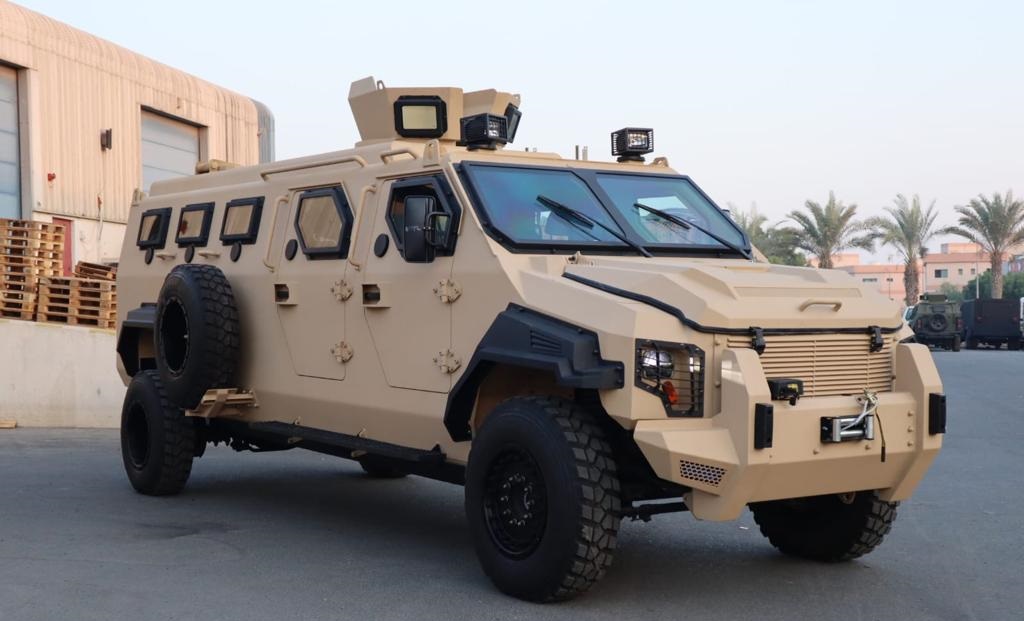
Alongside SHARK and MONO Q, the GER 1D addresses high‑capacity secure transport within the MRAP/APC family. Its design focuses on moving larger groups while maintaining an armored shell and underbody protection that align with civilian security needs. Buyers typically evaluate GER 1D when they need higher seating capacity with a different balance of comfort and interior layout than a pure MRAP hull.
Within a mixed fleet, GER 1D can function as a shuttle or core transport platform that remains consistent with the overall protection philosophy. This consistency supports training, maintenance, and operational planning, since crews encounter similar layouts and systems across different vehicles.
JASAR: Compact APC Linked to MRAP Thinking
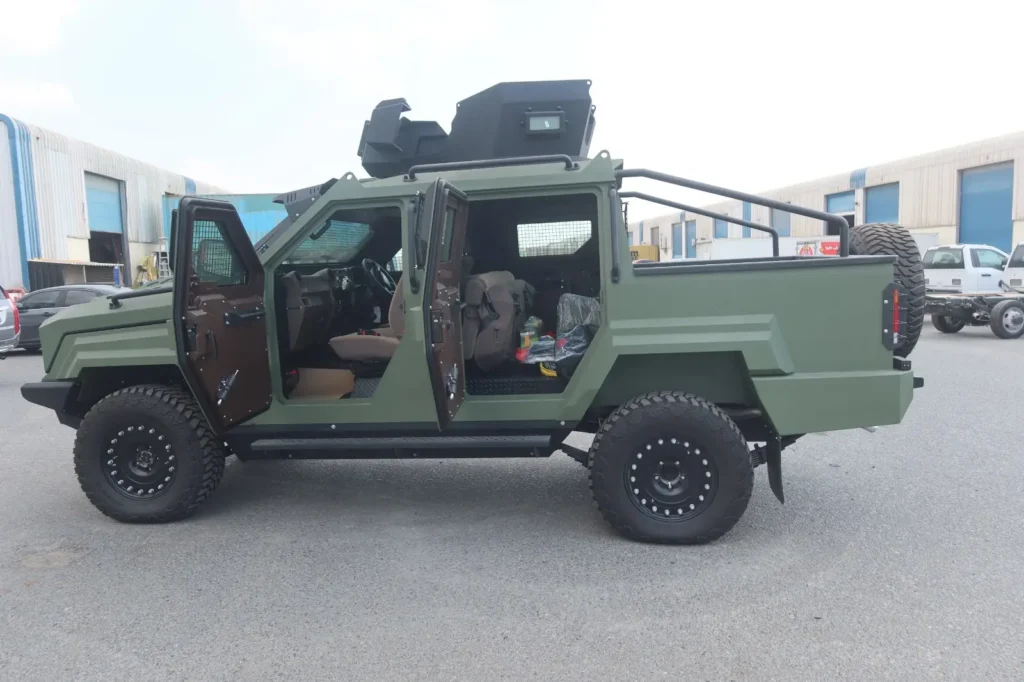
APC JASAR represents the compact end of our MRAP‑family range. Its narrower front profile and shorter overall footprint suit more constrained urban environments, while still carrying over the protective logic and component standards from larger platforms. For many buyers, JASAR serves as a flexible, lighter‑duty complement to full MRAPs, in contexts where size and maneuverability are just as important as armor.
This compact geometry makes JASAR particularly interesting when organizations need to blend into environments where a full‑size MRAP would stand out too much or be difficult to position. The key is that JASAR does not abandon the core protective ideas of our MRAP family; it simply applies them in a smaller package.
6. Armored SUVs vs MRAPs: Land Cruiser 76, LC300, and Extended BR6 SUVs
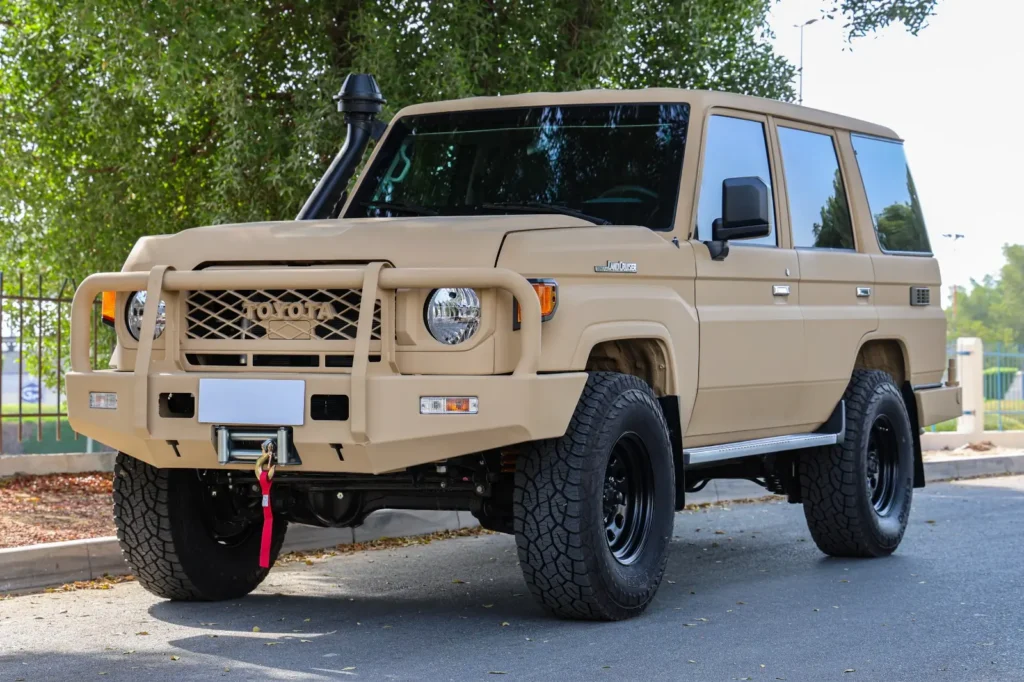
Armored Toyota Land Cruiser 76
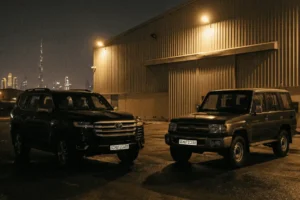
Many buyers start their journey looking for an MRAP for sale but realize that a properly armored SUV may serve their needs more effectively. Our Armored Toyota Land Cruiser 76 is a good example. Built on a simple ladder‑frame chassis, the LC76 accepts BR6 and BR7 armor packages while retaining strong off‑road capability and relatively straightforward serviceability.
The LC76 BR6/B7 builds use ballistic steel and multi‑layer ballistic glass to create full‑perimeter protection, including roof and floor upgrades. For organizations that need to move fewer people with a more discreet profile, an armored LC76 can be more practical than a full MRAP, especially where parking, height limits, and road conditions vary widely.
LC300 GXR and Extended BR6 SUVs
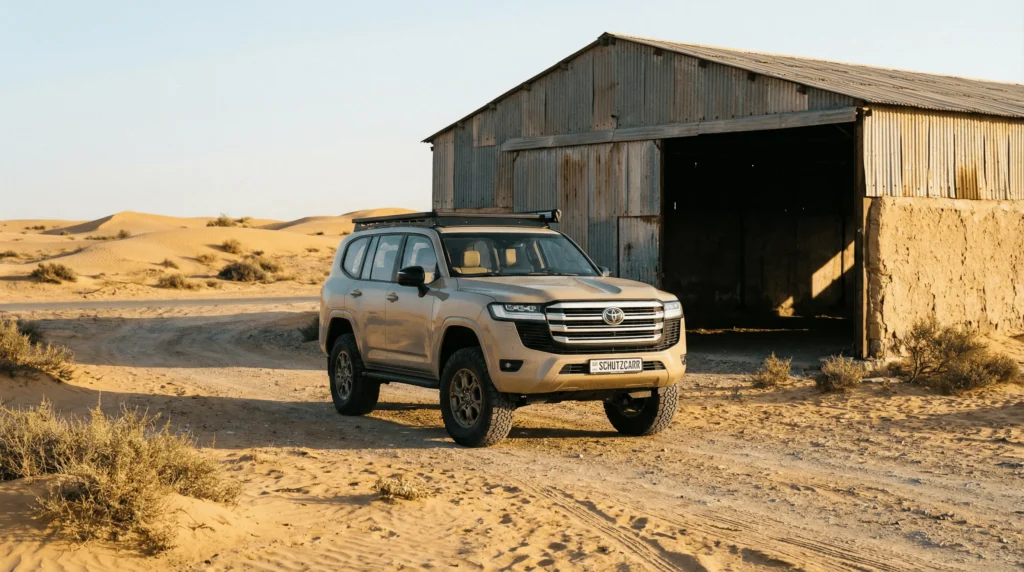
The Land Cruiser 300 GXR, along with extended BR6 SUV platforms like the LC300 Extended and Infiniti QX80 BR6 Extended, brings modern electronics and comfort into the protection equation. These vehicles typically use BR6 armor as a baseline, covering the body shell, glass, and critical underbody zones with discreet integration so that the vehicle retains its original appearance as far as possible.
For clients who require comfort, low visual profile, and everyday usability, these SUVs often sit alongside MRAPs in the same fleet. The MRAP handles the highest‑risk routes, while BR6 SUVs manage access runs, lower‑threat environments, and executive movement that still calls for serious protection.
7. Luxury Armored SUVs That Complement MRAP Fleets: Maybach GLS 600 & Infiniti QX80
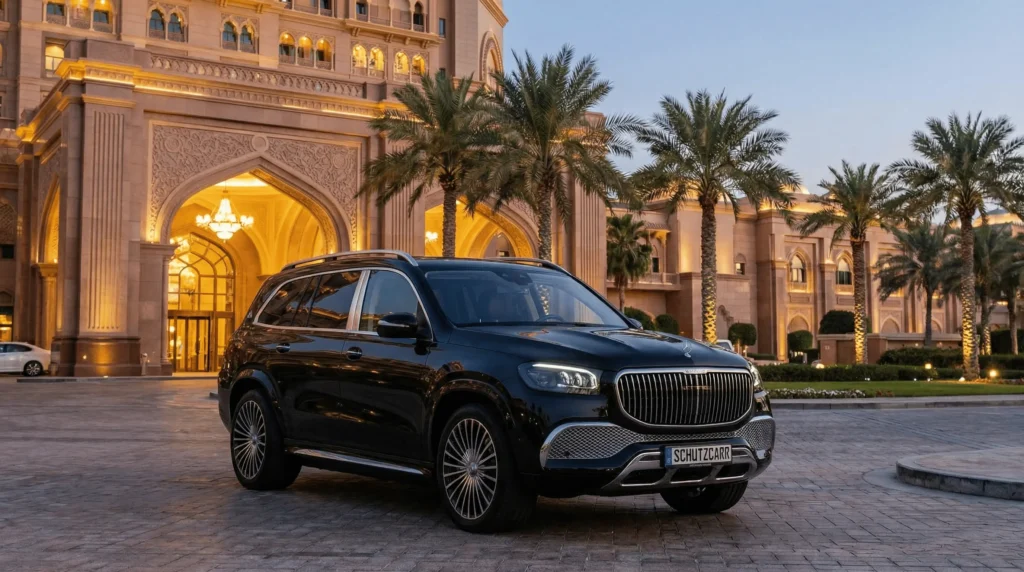
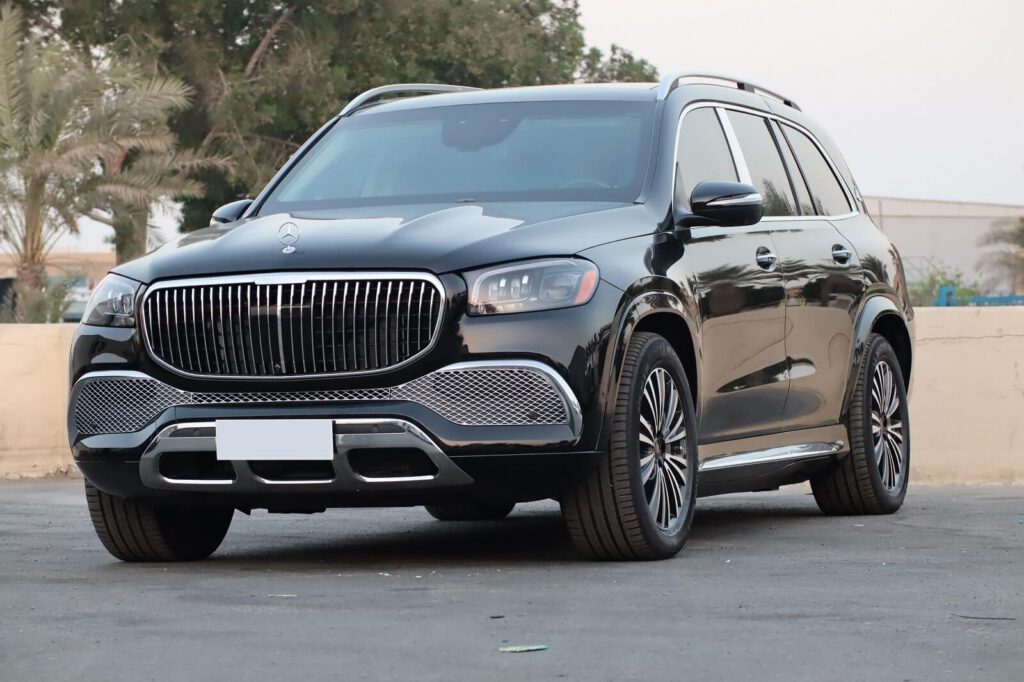
Mercedes Maybach GLS 600 Armored
In some fleets, heavy MRAPs coexist with high‑end luxury SUVs that carry comparable ballistic protection in a more refined package. Our Mercedes Maybach GLS 600 Armored illustrates this. It combines a BR6 / FB6 protective shell, including roof and underbody reinforcement, with a full luxury interior and advanced comfort features.
From a planning perspective, this lets organizations keep a consistent protection envelope across both operational vehicles and executive‑level SUVs. Routes and use cases will differ, but the underlying safety logic and certification approach remain aligned.
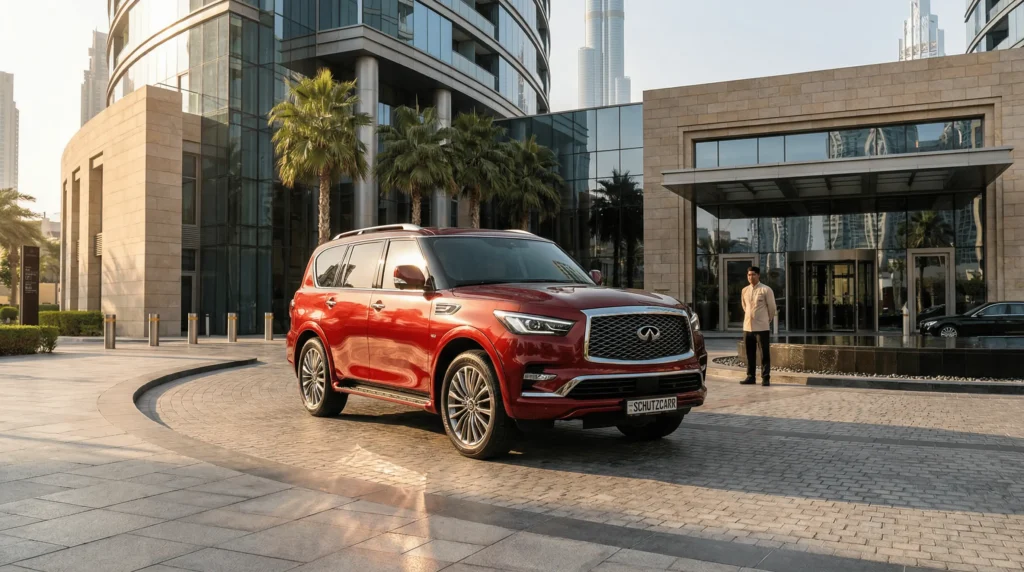
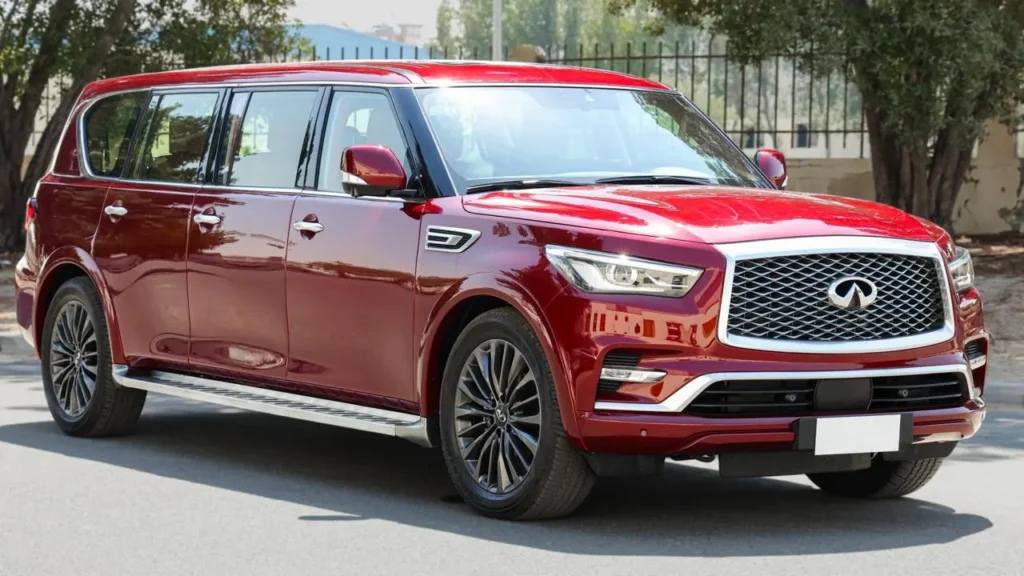
Infiniti QX80 BR6 Extended
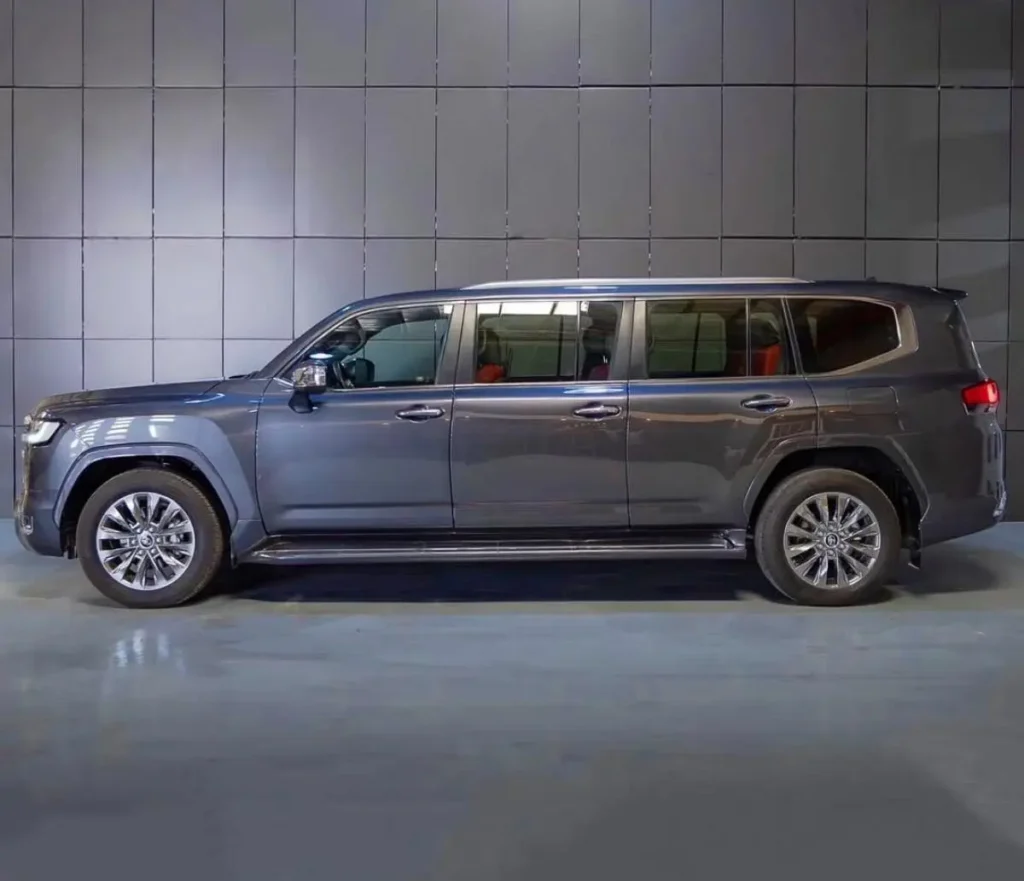
The Infiniti QX80 BR6 Extended provides another example of a BR6 SUV that naturally fits around an MRAP‑based fleet. The extended chassis offers more interior space while still maintaining 360° ballistic coverage and underbody mitigation measures. It retains the road manners and comfort expected of a premium SUV, which is important when the same organization also fields more utilitarian MRAP or APC platforms.
This combination of vehicles allows for flexible deployment. Heavy MRAPs can focus on the most exposed routes or locations, while QX80 and similar BR6 SUVs support day‑to‑day movement, site‑to‑site visits, and longer drives where comfort and low fatigue matter.
Did You Know?
Ongoing demand for protected mobility continues to drive new MRAP builds as well as refurbishment programs across civilian and commercial fleets.
8. Trucks, Pickups, and MRAP‑Family Platforms: How They Work Together
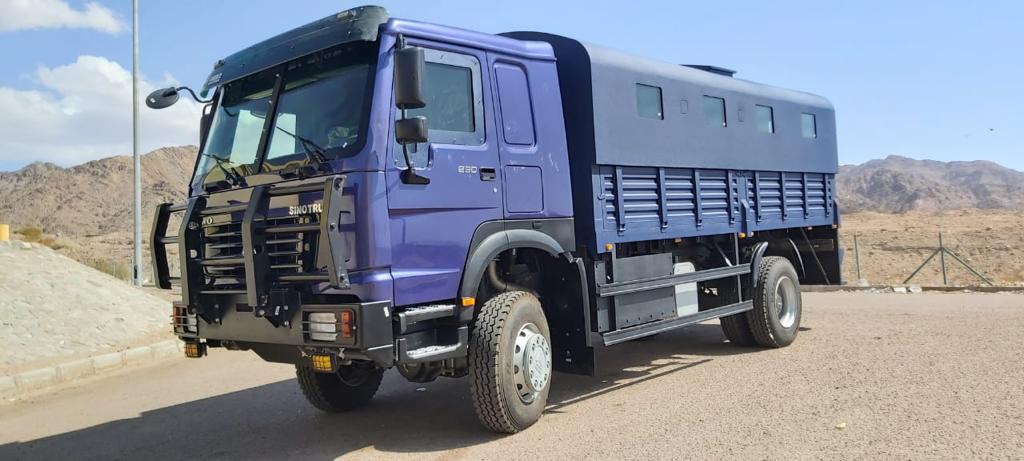
When evaluating an MRAP for sale, it is useful to place that decision inside a broader view of your vehicle mix. Armored trucks and pickups can take on roles that MRAPs are less suited to, particularly when payload, cargo configuration, or visual discretion are key considerations. Our armored trucks, for example, prioritize payload and volume under protection, which helps when equipment or larger groups must be moved regularly.
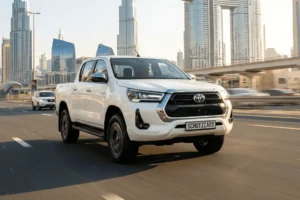
Armored pickups, on the other hand, use a lighter footprint and more familiar driving dynamics. They often share armor standards with SUVs and APCs in the same fleet, simplifying training and maintenance. Together with MRAPs and APCs, this combination allows organizations to match vehicle type to route conditions and task profiles without compromising on core protection principles.
9. Where to Find an MRAP for Sale and What to Ask Before You Commit
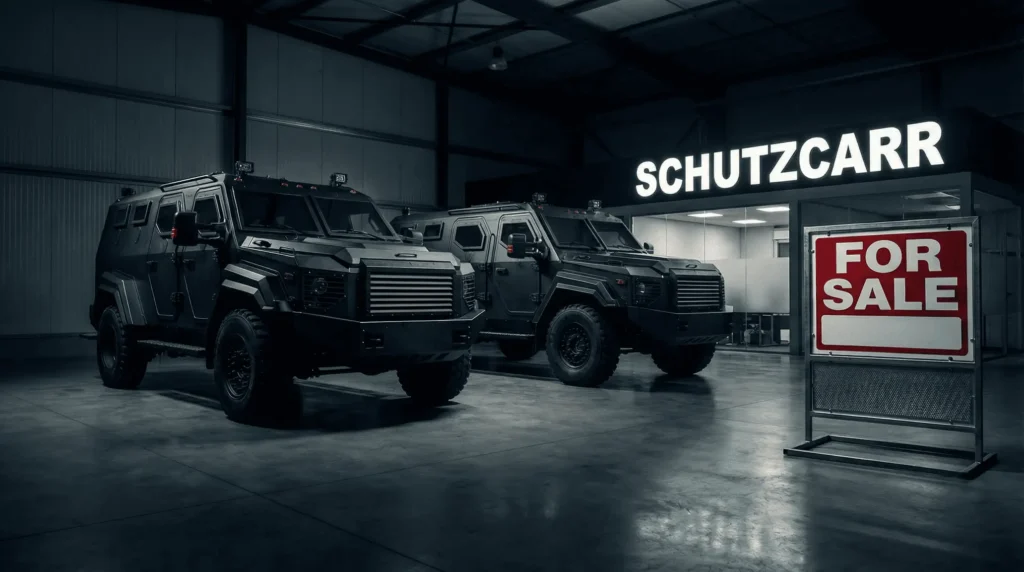
When you search for an MRAP for sale, you will typically encounter three broad sources: specialized builders with civilian‑ready platforms, surplus or resale channels, and integrated security providers that supply vehicles as part of wider services. We focus on the first category, designing MRAP and APC platforms from the ground up for civilian registration where regulations allow, export documentation, and consistent lifecycle support.
Before committing, it helps to ask structured questions about chassis origin, armor certification, protection levels (including underbody), interior layout options, documentation for road legality in your jurisdiction, and expected service intervals. If you plan a mixed fleet, you should also clarify parts commonality between MRAPs, APCs, SUVs, and trucks to keep maintenance manageable across the board.


10. Planning a Civilian MRAP Purchase: Practical Checklist
To help structure your decision, it is useful to compare MRAPs and related platforms against a consistent set of criteria. Below is a simple reference table we use when advising clients.
| Criteria | Heavy MRAP (e.g., SHARK) | APC (e.g., MONO Q / GER 1D) | Armored SUV (e.g., LC76 / LC300) |
|---|---|---|---|
| Primary Use | High‑risk routes, larger groups | Mixed routes, staff & cargo | Discreet movement, smaller groups |
| Protection Focus | Blast & ballistic, V‑hull | All‑round ballistic, floor protection | Ballistic shell, targeted underbody |
| Typical Passenger Count | Up to ~12, depending layout | Varies, often 8–12 | 4–7, depending model |
| Visual Profile | Overt, heavy | Functional, utilitarian | Discreet, civilian‑looking |
| Ideal Complement | APCs & armored SUVs | MRAPs & pickups | APCs or MRAPs on core routes |
Using this structure, you can map your requirements to vehicle types rather than chasing a generic MRAP for sale listing. Once your needs are clear, it becomes much easier to identify whether you should prioritize heavy MRAP geometry, a more flexible APC like MONO Q, or a combination of MRAPs with armored SUVs such as LC76, LC300, or extended BR6 platforms.
Conclusion
Searching for an MRAP for sale is ultimately about matching a very specific type of protection and mobility to your real‑world needs. Whether you settle on a heavy SHARK‑class MRAP, a flexible APC like MONO Q or GER 1D, or a mixed fleet that combines MRAPs with armored SUVs such as the Land Cruiser 76, LC300, Maybach GLS 600, or Infiniti QX80 BR6 Extended, the key is to think in terms of roles, routes, and protection logic rather than vehicle labels.
When planning a civilian MRAP purchase, the goal is to select platforms that integrate cleanly into mixed fleets, with shared engineering standards, clear documentation, and protection packages that can be independently verified. If you approach the process with clear criteria and a structured comparison, you can select an MRAP or MRAP‑family platform that supports your safety objectives in a practical, sustainable way.