
Key takeaways
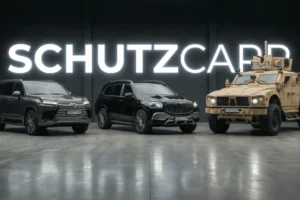
- SchutzCarr builds civilian road-legal MRAPs that combine mine resistance, reliability, and comfort.
- Check the latest inventory on the SchutzCarr Stock Vehicles page.
- Features include V-hull underbody protection, STANAG Level 3 armor, and energy-absorbing floors.
- Civilian users include humanitarian agencies, security operators, and recovery crews.
- Explore platforms: APC SHARK, APC MONO Q, GER 1D, APC JASAR, Toyota Land Cruiser 300, Maybach GLS 600, Hilux 2.7 BR6.
- For specs or help deciding, contact engineers through Contact SchutzCarr.
What “MRAP for sale” really means outside the military talk
Search MRAP for sale and you’ll see big words. Blast resistance. V-hull. Protection levels. All true, but what does it actually mean for someone who just needs to move people safely? It means this: a machine that will start in bad weather, stay on its wheels after an impact, and get you home without making every ride feel like a chore.
Civilian MRAPs aren’t about showing power. They’re about keeping normal people safe in abnormal conditions. SchutzCarr builds them that way, no extra drama. You can read how the philosophy formed on About SchutzCarr or see how projects are managed on Services.
Sometimes I joke that the hardest part isn’t the armor, it’s the air conditioning. You’ll understand once you sit in one for six hours straight.
Road-legal protection with V-hull thinking and STANAG 3 discipline
The V-hull shape looks simple until you realize how it behaves under pressure. A blast doesn’t hit straight up; it slides off. That’s geometry saving lives. SchutzCarr uses that principle across its V-hull mine protection vehicles and matches it with STANAG Level 3 shielding.
You’ll see different approaches if you compare the APC SHARK and GER 1D. Both handle energy transfer differently, but both pass the same brutal tests. It’s never about how thick something looks. It’s about how it reacts when it counts.
Quick checklist from the floor up: deflect, absorb, survive. Seats hang from anti-blast mounts. Glass overlaps metal edges. Every joint earns its keep. No nonsense, no fancy slogans. Just the physics of survival done right.
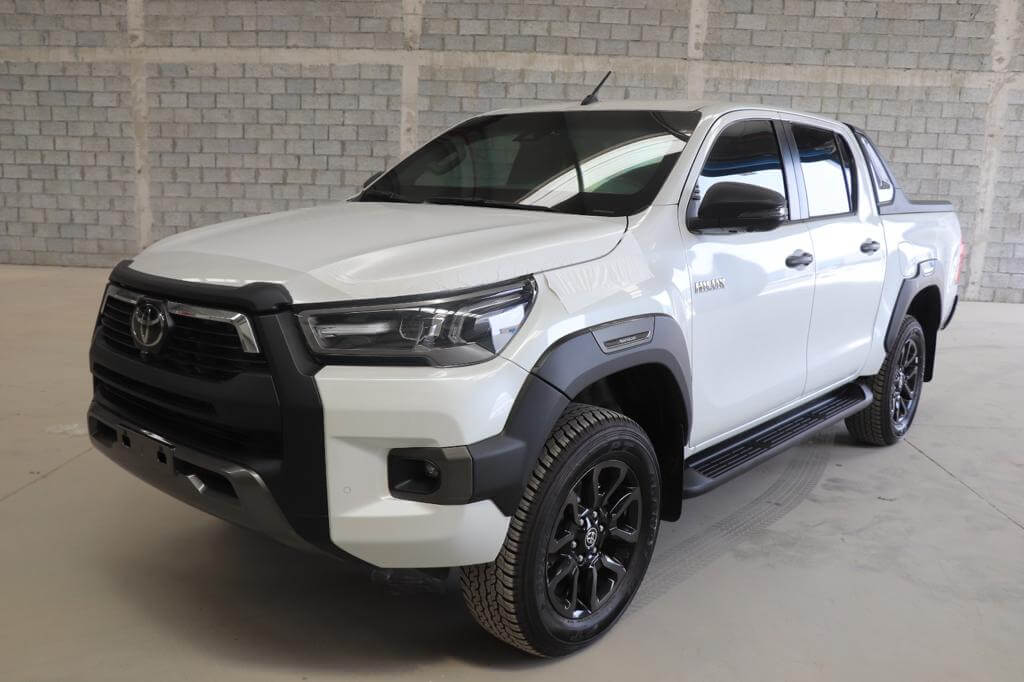
Stock today, working tomorrow
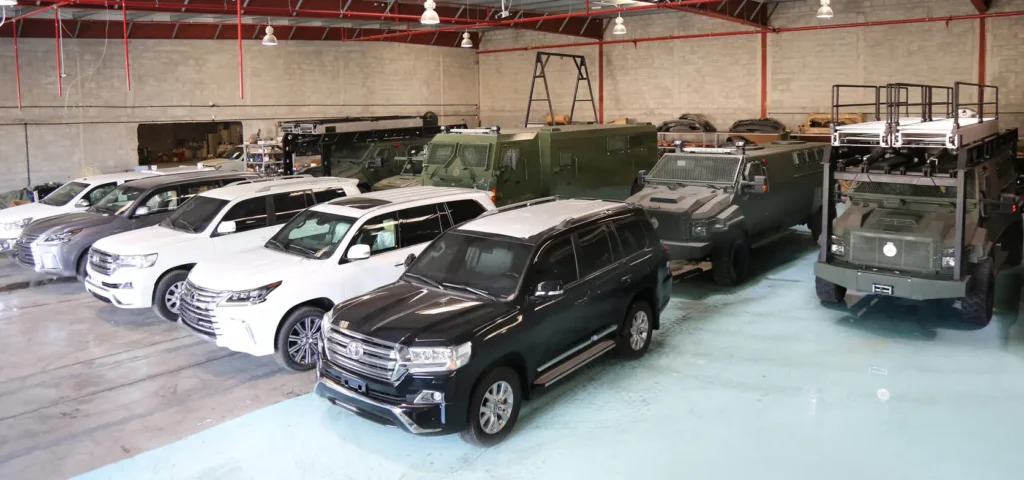
You probably don’t want to wait months if your security plan starts next week. The SchutzCarr Stock Vehicles page shows what’s available now, built and certified. These aren’t old conversions. They’re purpose-built civilian models already cleared for registration.
The practical bits:
- Run-flat tires installed and tested
- Blast-mitigating floors fitted from factory
- B6/B7 glazing documented with certificates
If it’s not in stock, the team will give you a straight timeline. No sales fluff. Sometimes that honesty surprises people. Paperwork gets weird, sure, but it’s better than guesswork.
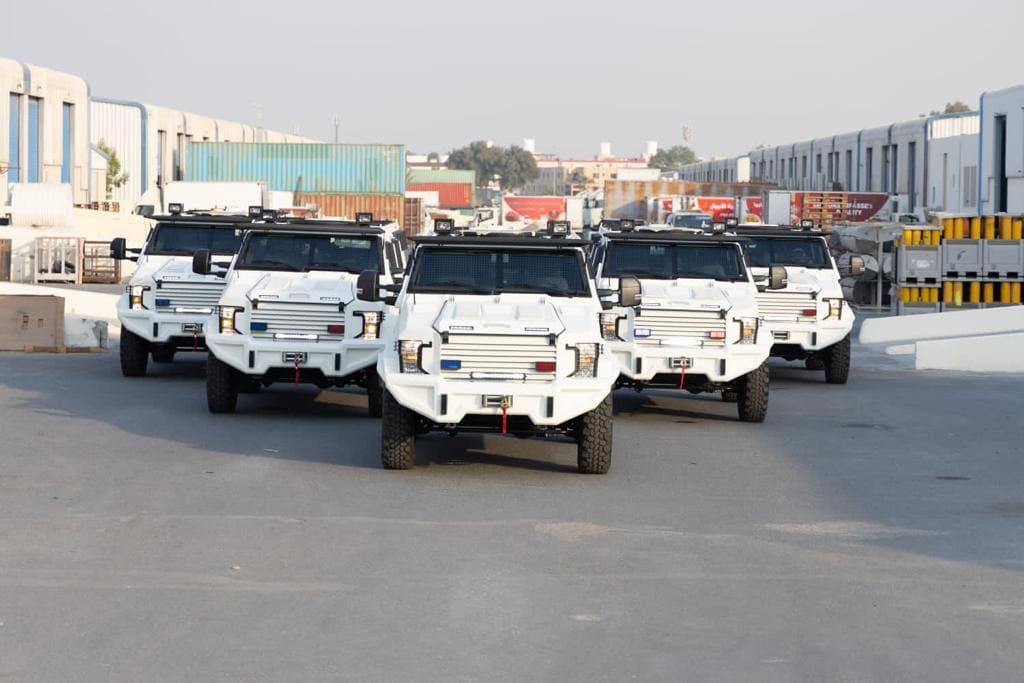
APC lineup built for the real ground, not the brochure
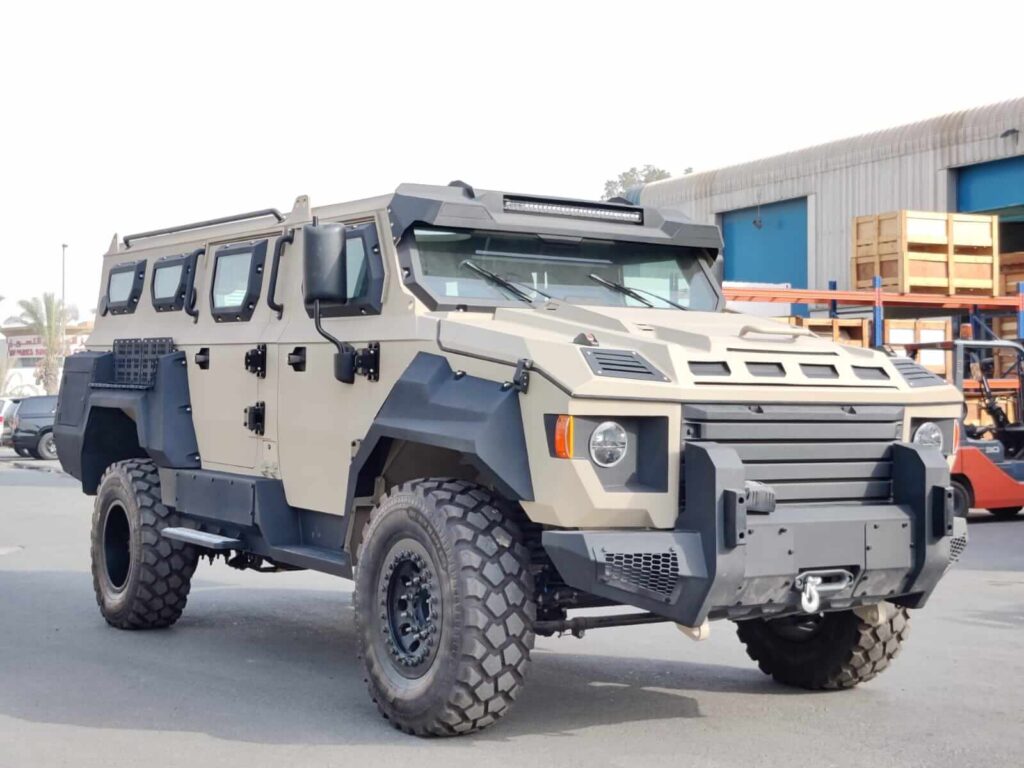
Not all MRAPs drive the same. Terrain, payload, and hours behind the wheel change everything. SchutzCarr’s lineup is wide for a reason. The APC MONO Q feels tight and controlled on narrow streets. The APC JASAR is the workhorse. Then there’s the APC SHARK and GER 1D for rougher ground or longer runs.
People sometimes ask why air vents and door handles matter in an armored vehicle. Because injuries don’t only happen from explosions. They happen when you slip on bad steps or fight bad airflow. Real safety lives in the details.
If you ever step inside one of these after an eight-hour drive, you’ll notice something: silence. That’s how you know it’s built right.
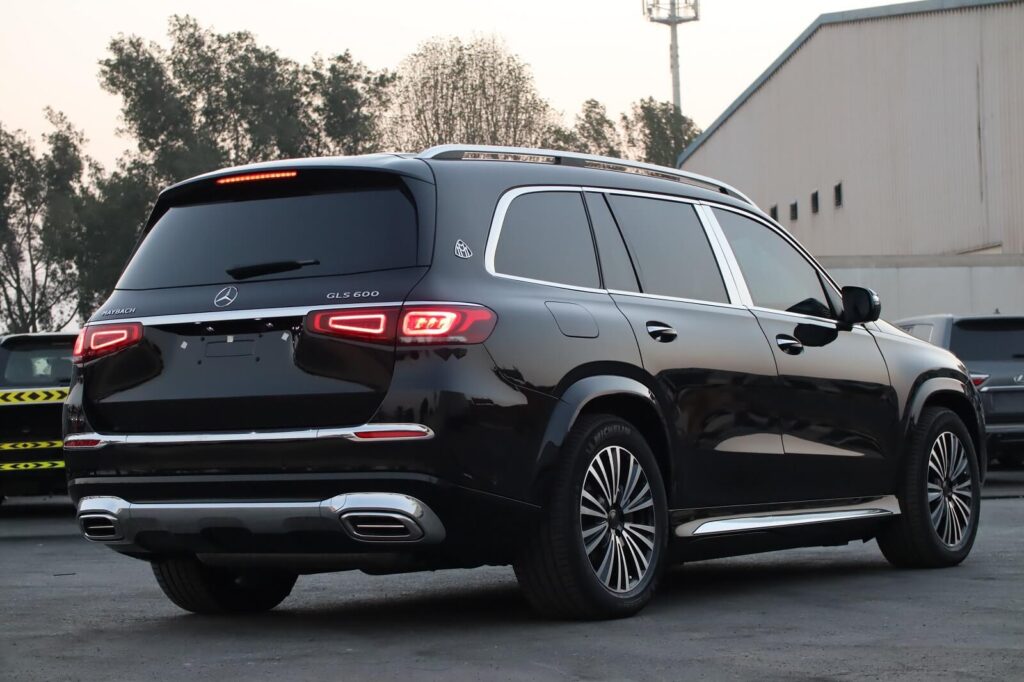
Armored SUVs and pickups that blend in quietly
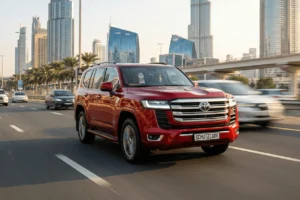
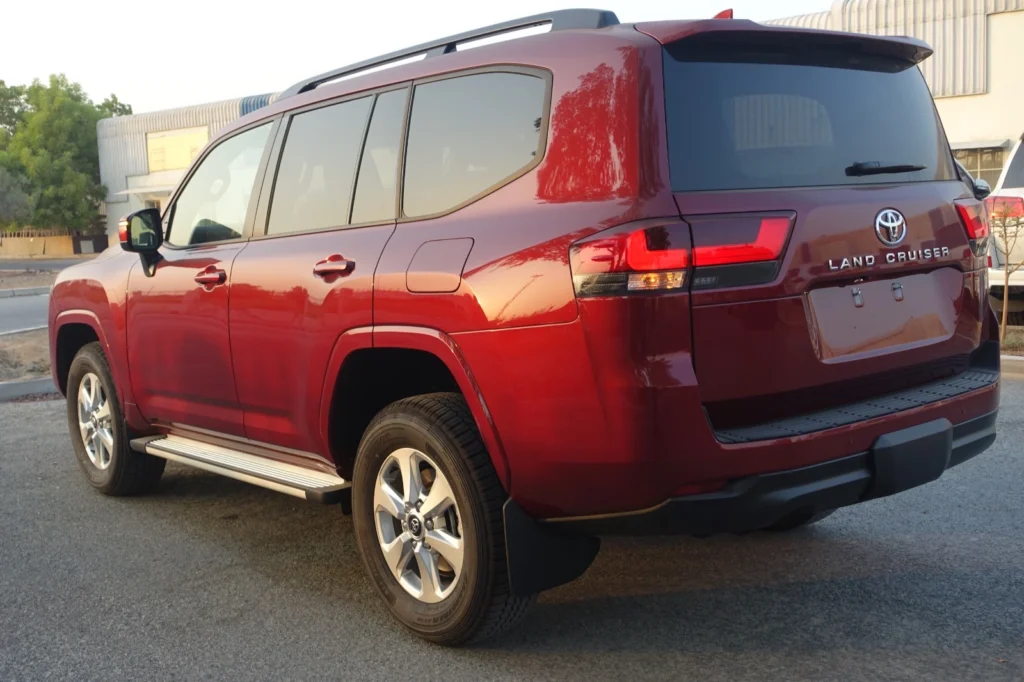
Not everyone needs the bulk of an MRAP. Some want a civilian ballistic protection vehicle that looks ordinary but stays tough. The Toyota Land Cruiser 300 does that job daily. The Maybach GLS 600 is for clients who need luxury without risk. The Hilux 2.7 BR6 gets the tough shifts in bad weather.
Each can serve as a lead, escort, or recovery unit depending on your setup. It’s funny how the quietest vehicles often end up leading the loudest operations. Weight balance, tire pressure, suspension—every adjustment has purpose.
If you’ve never driven an armored SUV on wet pavement, remember this: it’s not fast that matters, it’s control.
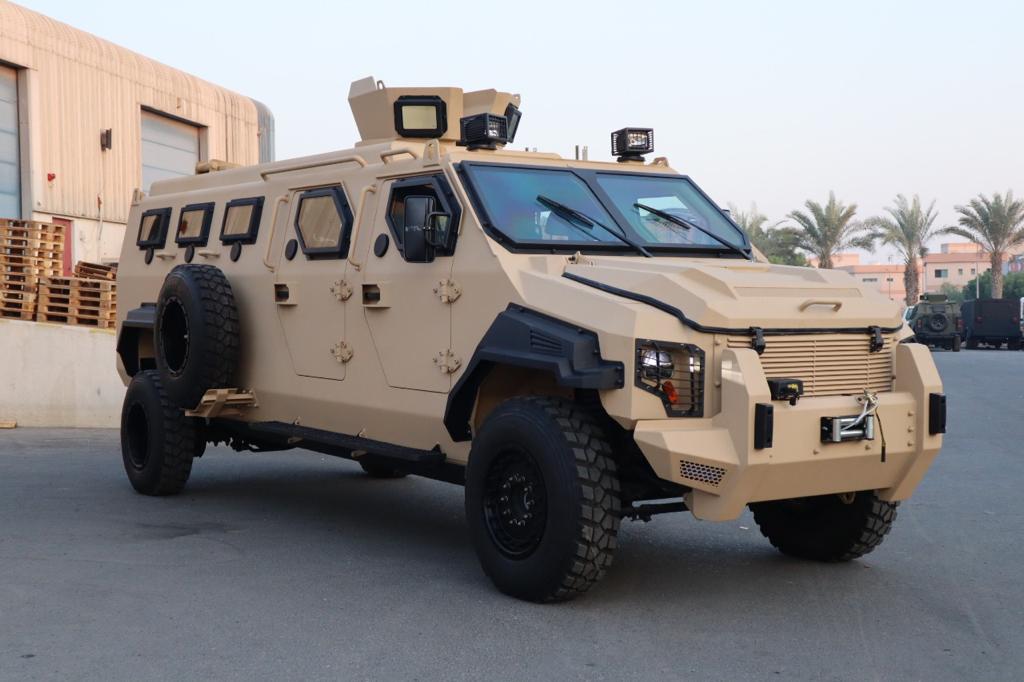
Civilian legality and the support behind it
Buying an MRAP for sale is one thing. Getting it registered and maintained is another. SchutzCarr helps with that through full documentation and on-site or remote training. You’ll find what’s included on the Services page, but here’s the short version.
Drivers learn how weight changes braking distance. Technicians get torque maps and inspection intervals. Fleet managers receive homologation files that keep authorities happy. It’s not glamorous, but it saves headaches.
If you’re unsure what’s legal in your region, message the engineers directly at Contact SchutzCarr. They’ll tell you what papers you need before you ship a thing. Plans gets executed, excuses dont.
Humanitarian, recovery, and ambulance builds
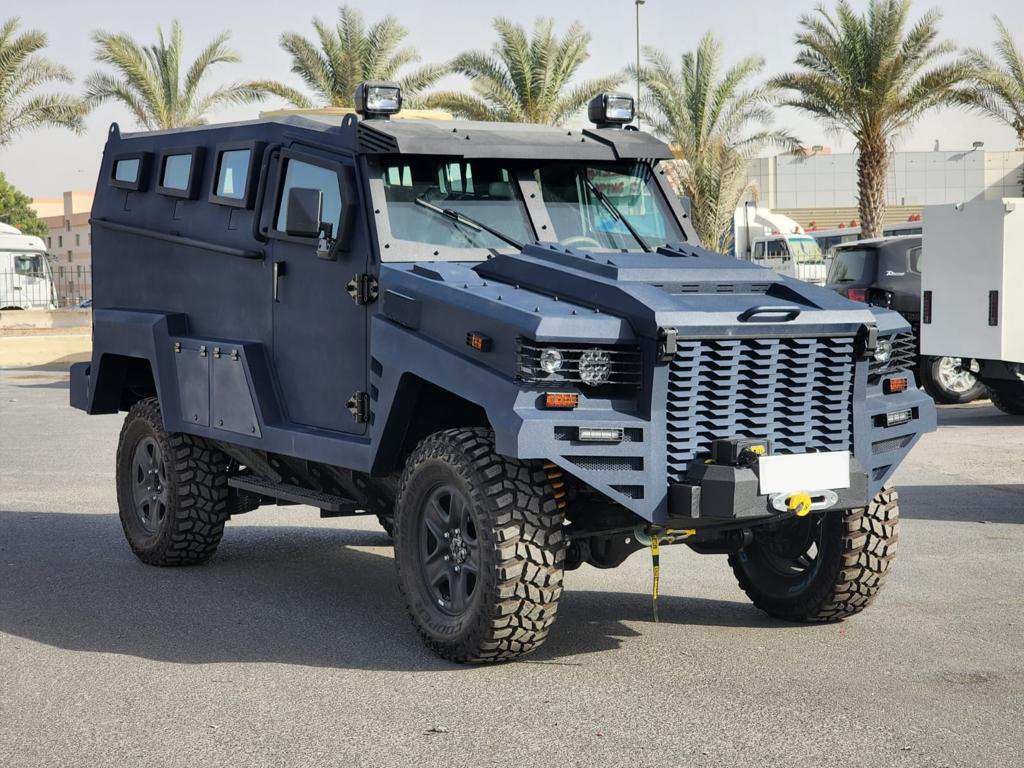
An MRAP with STANAG Level 3 protection doesn’t have to carry soldiers. It can carry medics, tools, or relief workers. SchutzCarr has converted multiple platforms for humanitarian aid, EOD, and armored ambulance use.
Think simple: keep clean power, filtered air, and organized space. The rest follows. Negative-pressure compartments for medical teams, internal winches for recovery kits, shock-mounted racks for EOD robots. Each design starts with the same question—how do we protect life, not just steel?
Calm cabins move faster than loud ones. That’s not poetic. It’s a field truth.
Quick checklist before deciding
You don’t buy an MRAP like you buy a pickup. Write down what it has to do first. Threat level, route length, number of people, and the terrain. Then pick what fits, not what impresses.
If you want to compare or double-check specs, the MRAP Vehicles for Sale article breaks it down in plain detail. Cross-reference it with Stock Vehicles to see what’s available. Or just read the story behind the brand on About SchutzCarr.
Most mistakes in selection happen because someone guessed. So don’t guess. Measure, test, confirm. Then buy once.
Next steps
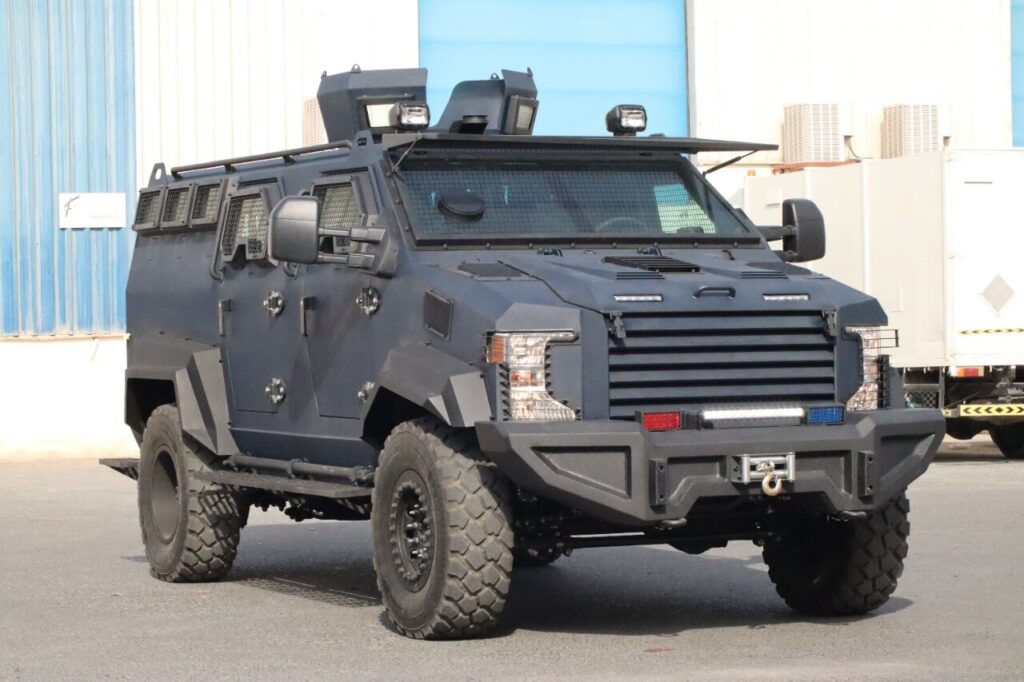
When you’re ready, start with what’s already built. Check SchutzCarr Stock Vehicles first. If nothing there fits your setup, reach out via Contact SchutzCarr. That starts the conversation directly with the engineering side, not a call center.
They’ll ask you about load, distance, weather, maybe even fuel grade. It’s not bureaucracy—it’s to make sure you get a vehicle that actually works where you are. Protection begins with good data. The rest is just bolts and steel.
Frequently Asked Questions
Is an MRAP for sale from SchutzCarr legal for civilians?
Yes. SchutzCarr platforms are engineered for civilian use and come with the paperwork needed for local registration.
What protection levels do they include?
Most platforms meet STANAG Level 3 standards and can include B6 glazing for ballistic protection.
Can these vehicles be used for humanitarian work?
Yes. They are often deployed as humanitarian aid MRAPs, armored ambulances, and recovery vehicles.
What’s the difference between SUVs and full MRAPs?
SUVs like the Land Cruiser 300 or Hilux BR6 are lower-profile and better for urban movement. Full MRAPs suit high-risk, off-road, or convoy operations.
Where can I see what’s available?
Visit SchutzCarr Stock Vehicles for current listings.
Do you offer maintenance and driver training?
Yes. Programs are available through SchutzCarr Services.
Can MRAPs be customized as ambulances or recovery units?
They can. SchutzCarr designs interiors around client requirements.How do I start the process?
Submit your route details and project goals through Contact SchutzCarr. You’ll get a direct answer from the engineering team.