

Modern multi-layer armor can be up to 45.33% lighter than traditional steel-only solutions while keeping comparable ballistic resistance, which reshapes what is possible for secure vehicles and personal protection. In our work at SchutzCarr, we see how these new materials directly influence how SUVs, sedans, and specialty platforms handle, protect, and perform in daily use.
Key Takeaways
| Question | Short Answer |
|---|---|
| What does “new materials lighter stronger armor” actually mean? | It describes advanced material stacks like ceramics, high-strength alloys, and composites that reduce weight while maintaining or improving protection levels on platforms such as the armored Toyota Land Cruiser 76. |
| How do lighter materials affect daily driving of armored SUVs? | Lower mass generally supports better braking, steering response, and suspension life, as discussed in our daily usability of armored SUVs guide. |
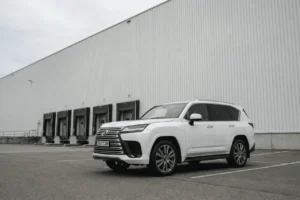
| Do luxury platforms benefit from lighter armor materials? | Yes, vehicles like the Lexus LX600 BR6 armored SUV rely on advanced armoring approaches to keep comfort and refinement with added protection weight. |
| Can heavy-duty platforms also use lighter armor solutions? | Yes, specialist builds like the APC-style vehicles in our lineup, such as those related to the Infiniti QX80 BR6 Extended, apply material science improvements to floors, roofs, and door structures. |
| How does platform choice affect material selection? | Ladder-frame models and modern SUVs handle weight differently, which we break down in our Land Cruiser 76 versus 300 GXR comparison. |
| Where can I learn how to choose the right armored platform? | Our detailed armored cars buyers guide explains key concepts like armor levels, weight, and materials for first-time and experienced buyers. |
1. Why Lighter, Stronger Armor Matters For Modern Armored Vehicles
Traditional armor relied heavily on thick steel plates that added significant mass and altered driving dynamics. New materials let us design protective shells that reduce weight while keeping the protective envelope consistent around the occupants.
In lab testing, ceramic-front bi-layer armor combining silicon carbide (SiC) with high-strength aluminum alloy AA7075 can be 45.33% lighter than a comparable monolithic Weldox steel plate while still holding a ballistic limit velocity of around 172.6 m/s. This type of result guides how we specify armor stacks in vehicles like the Land Cruiser 76, Range Rover builds, and luxury SUVs.
Core Principles Of New Armor Materials
Modern armor for vehicles is rarely a single metal plate. Instead, we mix hard ceramics, tough metallic backers, and composites in carefully chosen thicknesses.
These combinations are designed to defeat energy at the outer layers, then manage residual force with backing materials that deform in a controlled way. That is how we keep weight down without abandoning the protective objective.
Real-World Examples In Our Fleet
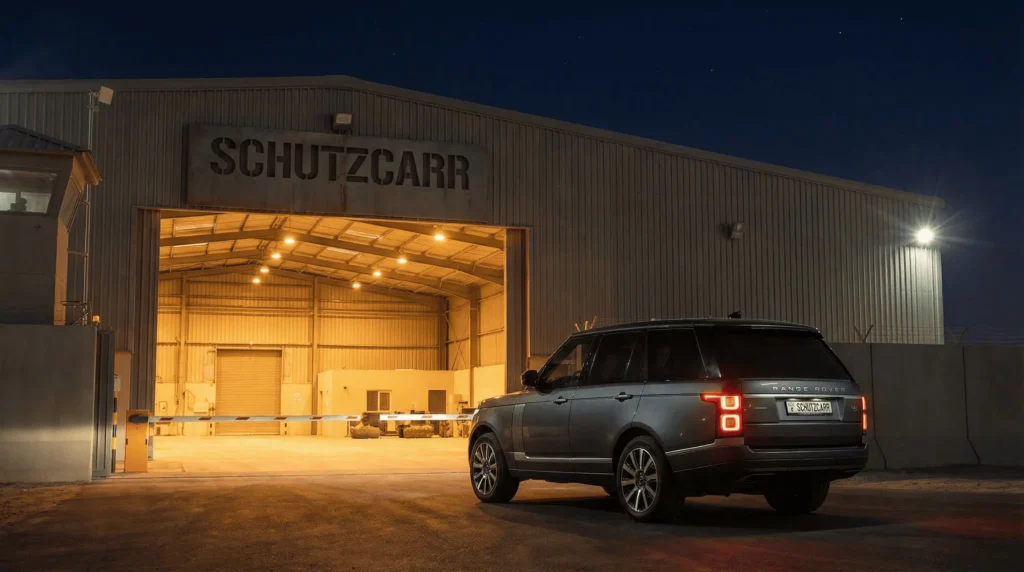
Platforms such as the BR6 Land Cruiser 76 and our Range Rover P530 Extended builds integrate ballistic steel, multi-layer glass, and additional composite and reinforcement elements. We work to keep the center of gravity and handling close to stock where feasible.
This principle holds for both traditional ladder-frame designs and modern unibody SUVs. New material stacks give us far more flexibility in how we reach a required protection level.
2. Inside The Multi-Layer Armor Stack: Ceramics, Metals, And Composites
Modern armor typically uses distinct layers with different jobs instead of one thick slab of metal. Each layer absorbs, breaks, or redirects energy in a specific way.
For example, ceramics like SiC can fracture and blunt an incoming projectile, while high-strength metals such as Weldox or AA7075 help contain fragments and absorb remaining energy. Behind them, composite liners and structural reinforcements support the passenger cell and tie the system into the vehicle chassis.
Bi-Layer And Tri-Layer Concepts
Bi-layer setups pair a hard front (often ceramic or high-strength alloy) with a ductile rear plate. Research on SiC–Weldox, AA7075–Weldox, and SiC–AA7075 stacks shows how much weight can be saved while maintaining ballistic limit velocities in the same band as heavy reference plates.
Tri-layer concepts add intermediate materials and spall liners for occupant comfort and secondary fragment control. These laminates show up in both opaque armor and ballistic glass packages.
Translating Lab Results Into Vehicle Builds
We use test data on areal density and ballistic limit to select material combinations that suit a specific platform and required protection level. A compact SUV receives different thickness and stacking than a heavy-duty cash-in-transit truck.
The aim is to combine survivability targets with practical ride quality, interior volume, and long-term durability of hinges, suspension, and brakes.

3. How Lighter Armor Changes Vehicle Dynamics And Daily Usability
Every kilogram added to a vehicle changes how it accelerates, brakes, and corners. When we keep armor lighter, we reduce the stress on suspension and braking systems and make the vehicle easier to live with every day.
This is particularly important for clients who use armored SUVs in dense urban traffic or for frequent long-distance driving. Lower mass can also support more predictable tire wear and better ride comfort.
Daily Usability Considerations
In our daily usability of armored SUVs work, we focus on how weight distribution affects door operation, passenger access, and parking. New materials help keep door and tailgate mass manageable so users can open and close them comfortably.
Steering feel and body roll are also influenced by how we position heavy elements like ballistic glass and opaque armor. Careful distribution keeps these effects within acceptable bounds.
Key Benefits Of Weight Reduction In Armor
- More predictable braking distances under load.
- Reduced strain on suspension, bushings, and wheel bearings.
- Improved ride quality for passengers, particularly in the second and third rows.
- Better compatibility with stock powertrains and transmissions.
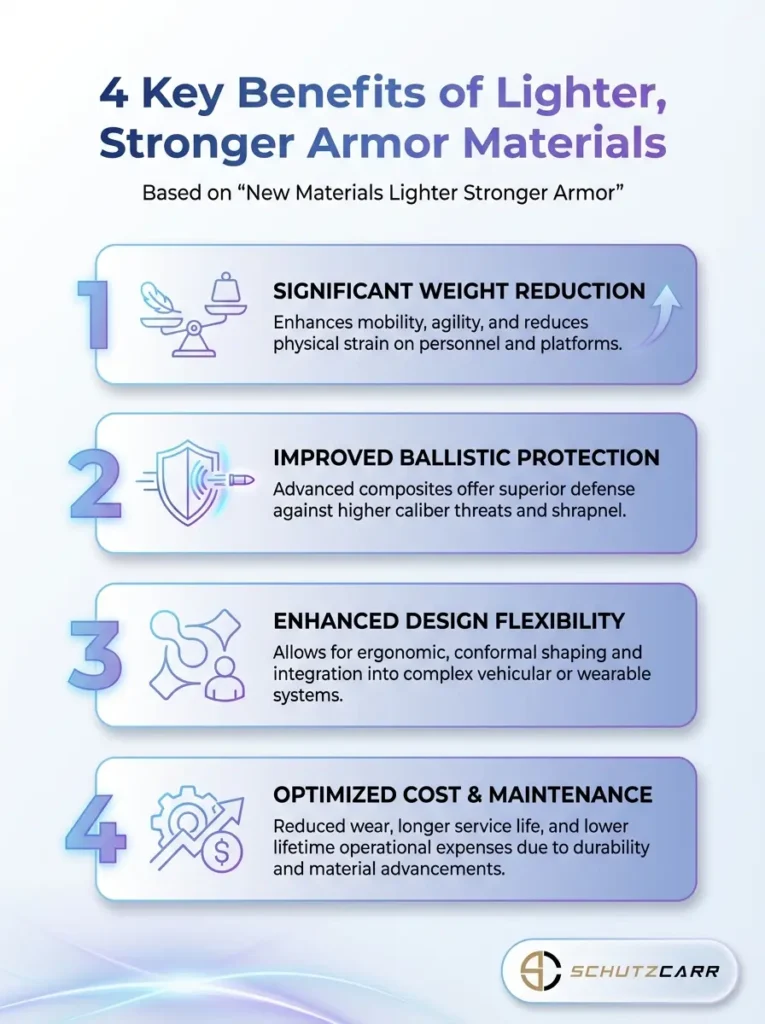
This infographic highlights four key benefits of lighter, stronger armor materials. It explains how new materials reduce weight while improving protection.
4. Land Cruiser 76 And 300 GXR: Traditional Strength Meets New Materials
The Toyota Land Cruiser family is a good case study for how new armor materials interact with different chassis philosophies. The 76 uses a traditional ladder frame, while the 300 GXR uses a more modern architecture.
Both can host BR6 or BR7 armoring solutions, yet their response to weight is different. That is why material selection and thickness tuning matter so much in each build.
LC76: Signature Armored Platform
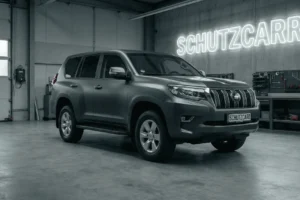
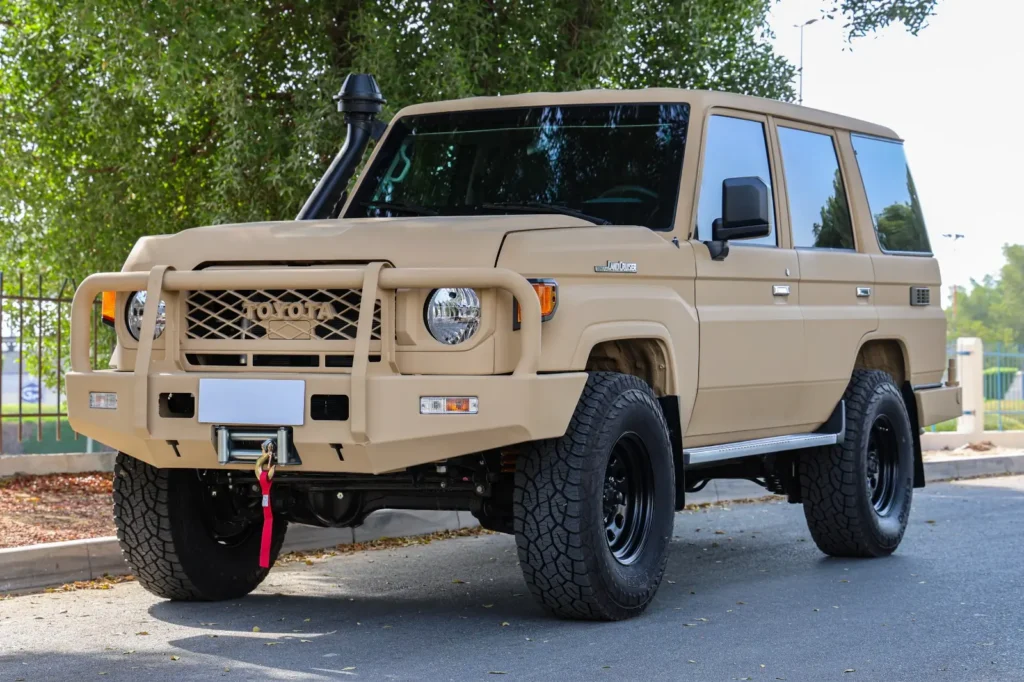
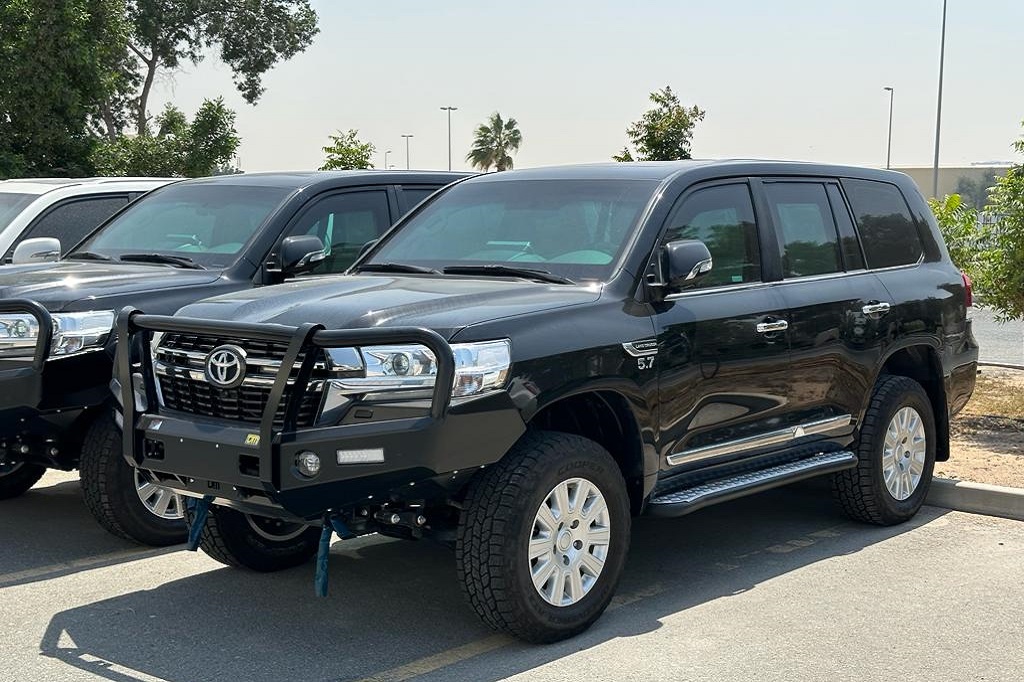
Our armored Land Cruiser 76 is engineered with a reinforced chassis, ballistic glass, and a carefully designed armor capsule around the passenger cell. By combining high-strength steel with optimized glass thickness, we aim to keep the vehicle as balanced as possible.
In practice, this means consistent ride height, reliable door function, and solid off-road capability even after the armor is installed.
LC300 GXR: Guided BR6 Builds
The Land Cruiser 300 GXR benefits from modern suspension and chassis engineering, so lighter, stronger armor materials are especially valuable here. We can work within tighter packaging constraints without compromising passenger space.
The combination of ballistic steel, composite underbody solutions, and advanced glass packages allows the 300 GXR to remain comfortable on paved roads and graded tracks.
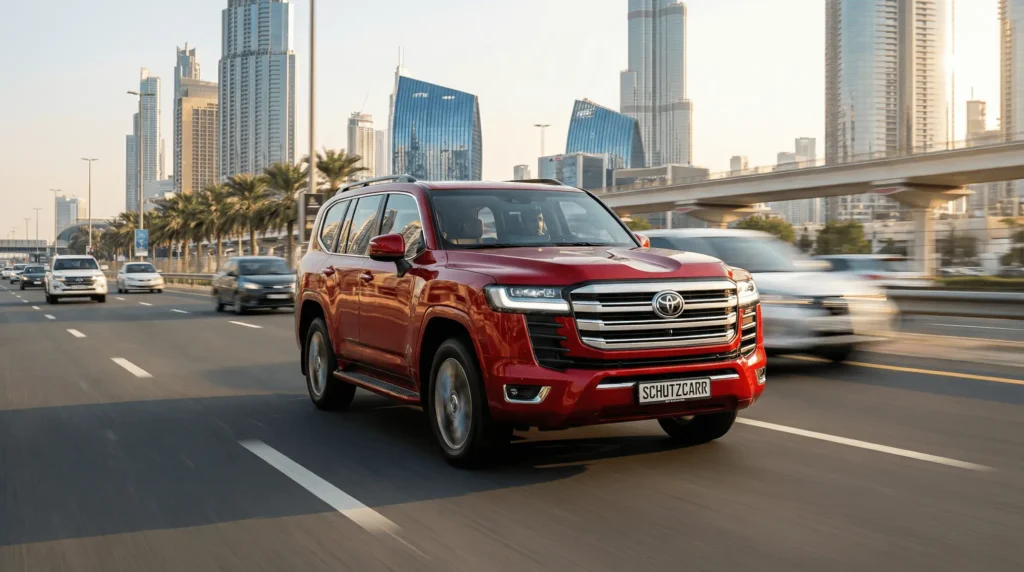
Did You Know?
The AA7075–Weldox bi-layer yields a 39.39% weight reduction and a ballistic limit velocity of 184.9 m/s, showing how a lightweight front plate with a tough metallic back can significantly cut mass while maintaining ballistic resistance.
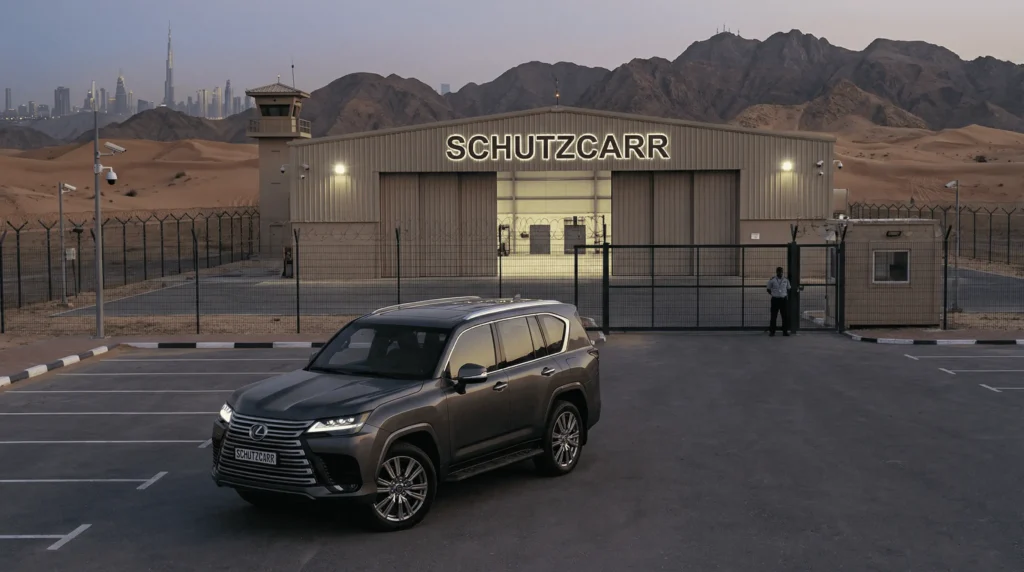
5. Lexus LX600 BR6: Luxury, New Materials, And Ride Comfort
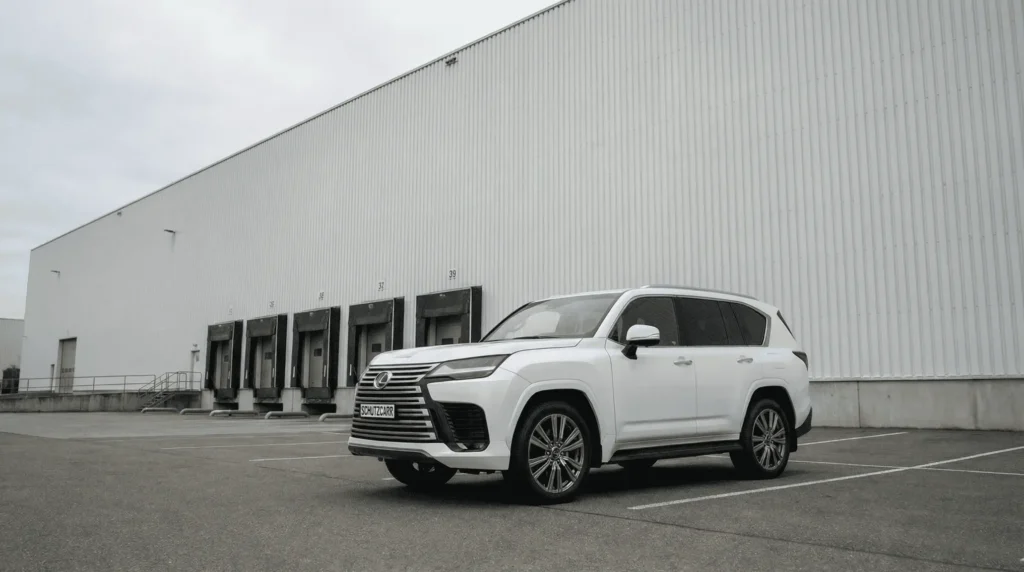
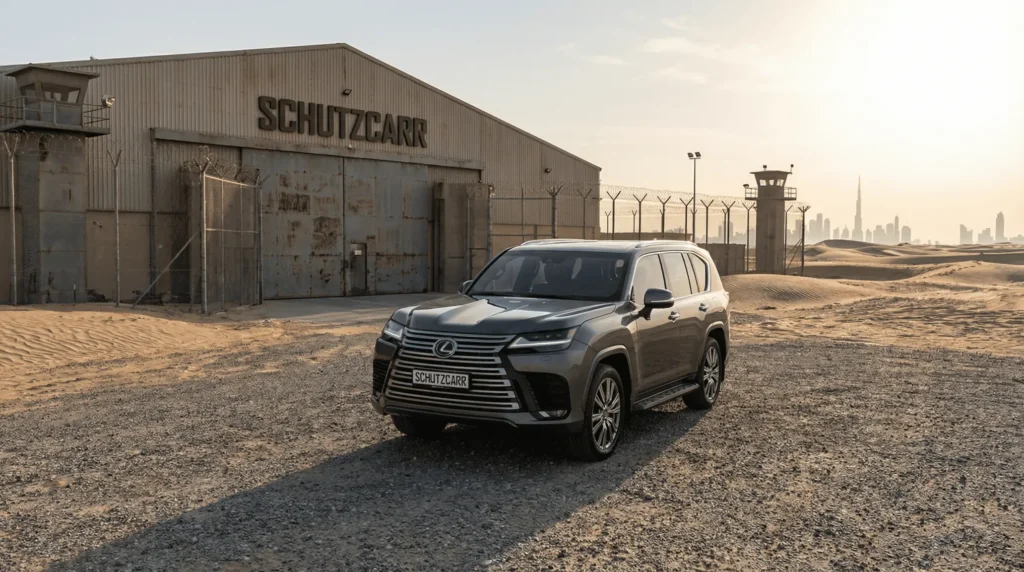
The Lexus LX600 BR6 armored SUV demonstrates how lighter armor materials are essential when comfort and refinement are priorities. The base vehicle offers sophisticated suspension and noise insulation that we aim to preserve as much as possible.
Armor naturally adds weight, so we work with carefully selected steel, composite, and glass solutions that respect the LX600’s chassis limits and character. Tuning of springs, dampers, and bushings complements these material choices.
Balancing Luxury And Protection
For the LX600, we design the armor envelope to minimize intrusion into cabin space, particularly around door frames, glazing, and roof structures. New materials with higher strength-to-weight ratios help reduce the bulk of these sections.
Clients expect a quiet, smooth ride along with discreet exterior styling. We shape our material and thickness choices accordingly.
Related Platforms And Material Consistency
The same thinking applies to related platforms like extended Infiniti QX80 BR6 SUVs and other premium SUVs. Across the board, we aim for consistent protection coverage with as little mass penalty as practical.
This is where the combination of ballistic steel, laminated glass technologies, and in some cases composite or ceramic elements can yield a clear advantage over older concepts that relied on thicker steel everywhere.

6. Infiniti QX80 BR6 Extended: Large SUV Packaging And Material Efficiency
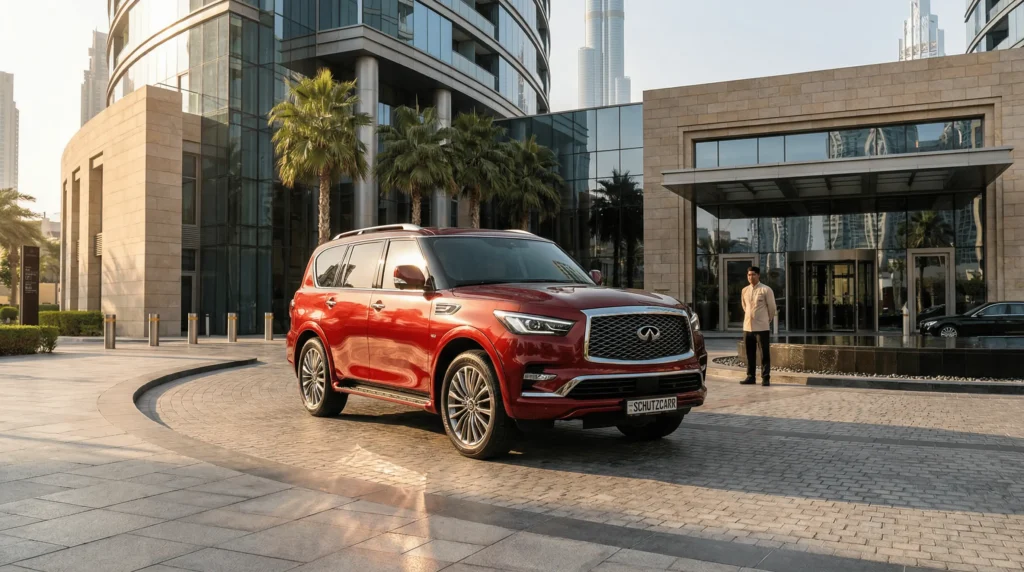
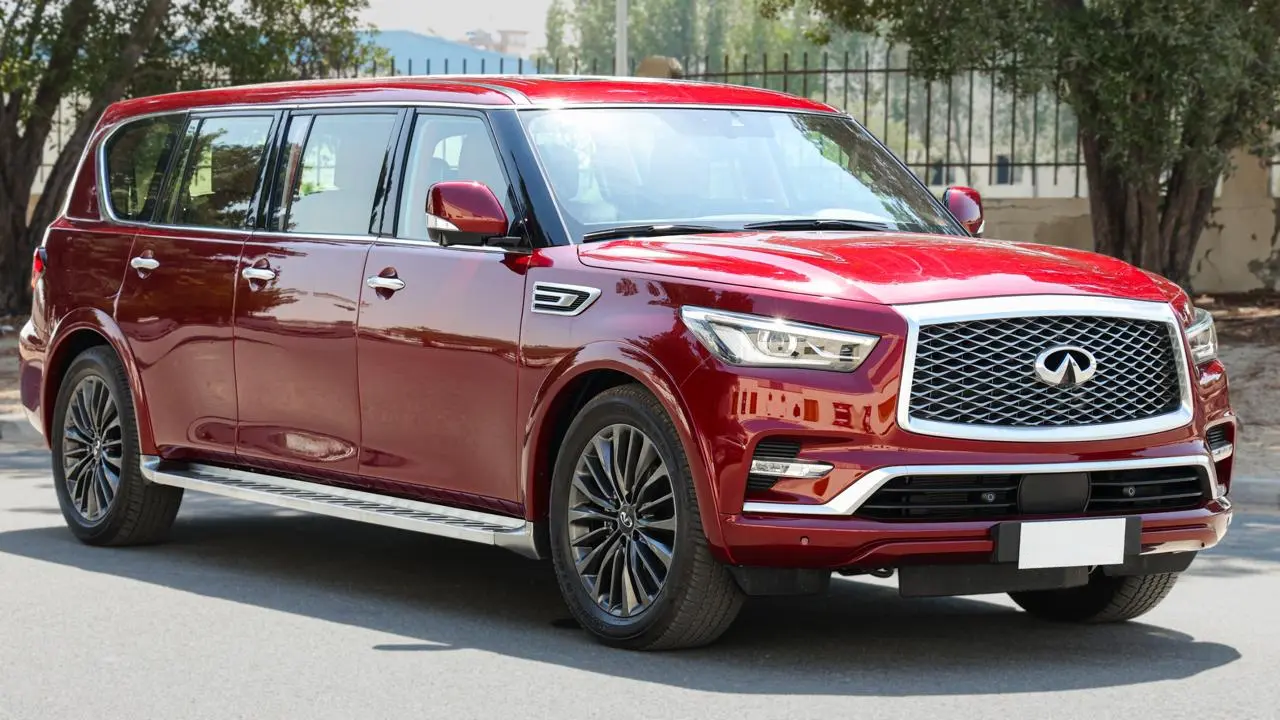
The Infiniti QX80 BR6 Extended platform shows how a large SUV can integrate a full 360° armor enclosure, including floor and roof, while maintaining useful interior space. New materials are important because the surface area is large, so every kilogram of areal density matters.
Using ballistic steel in optimized thicknesses, laminated glass, and reinforcement schemes that follow the vehicle’s existing structure allows us to keep weight in check. The result is a functional cabin that remains suitable for daily and long-distance use.
Understanding BR6 Armor On The QX80
BR6 armor involves opaque panels and glass specified to a defined ballistic resistance level. For the QX80, this typically includes doors, pillars, firewall, rear partition, and tailgate.
By employing high-strength materials instead of just more thickness, we limit the impact on door hinges, power window systems, and tailgate mechanisms.
Material Choices Versus Other Platforms
When we compare the QX80 with more compact SUVs or traditional ladder-frame models, the overall philosophy remains similar. We tailor the armor layout and materials to the specific platform’s structure and intended use profile.
Large premium SUVs often host more passengers and luggage, so we pay attention to payload margins and ride quality with the heavier but stronger glass and metal components installed.
7. Armored Cadillac Escalade & Range Rover: New Materials In Luxury Flagships
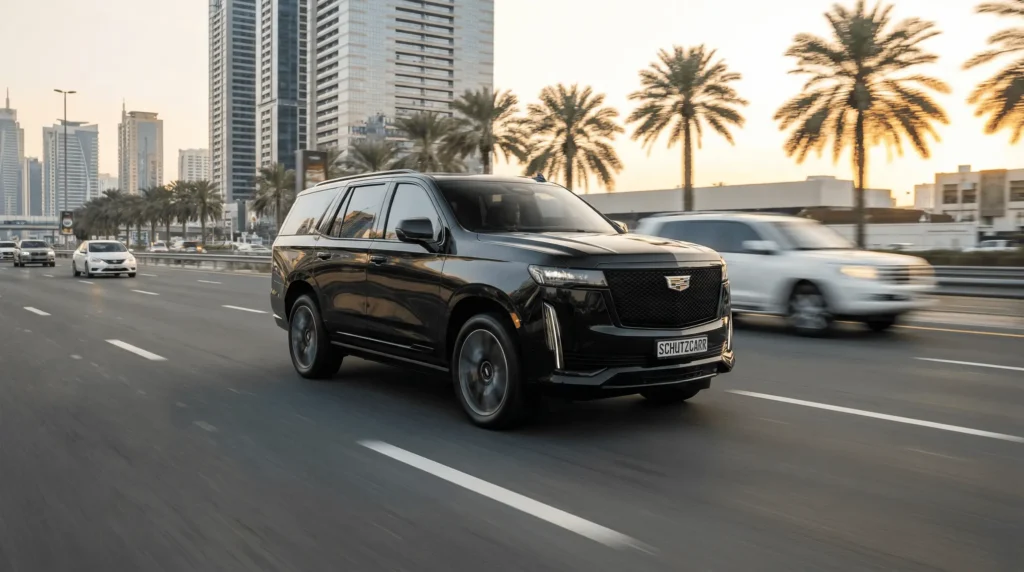
Full-size luxury SUVs like the Cadillac Escalade and Range Rover P530 Extended are natural candidates for lighter, stronger armor solutions. Their owners expect refined cabins, quiet operation, and smooth ride quality along with protective upgrades.
Here, keeping the added mass under control is essential to preserving the character of the base vehicle. Weight-conscious armor stacks and careful suspension tuning work together to achieve that.
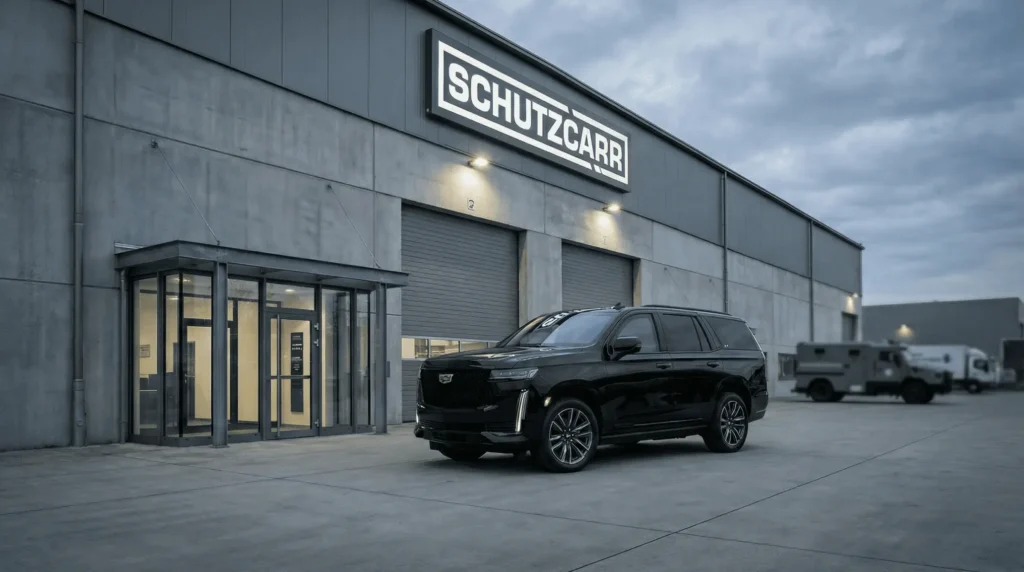
Armored Cadillac Escalade BR6
Our armored Cadillac Escalade guide covers how BR6 armor alters the body shell, glass, and some mechanical systems. The goal is to maintain the Escalade’s presence and comfort while adding a protective shell around the passenger area.
Selective use of high-strength steel and advanced glazing solutions plays a key role in how we approach this platform. Every panel and window is analyzed for both coverage and mass impact.
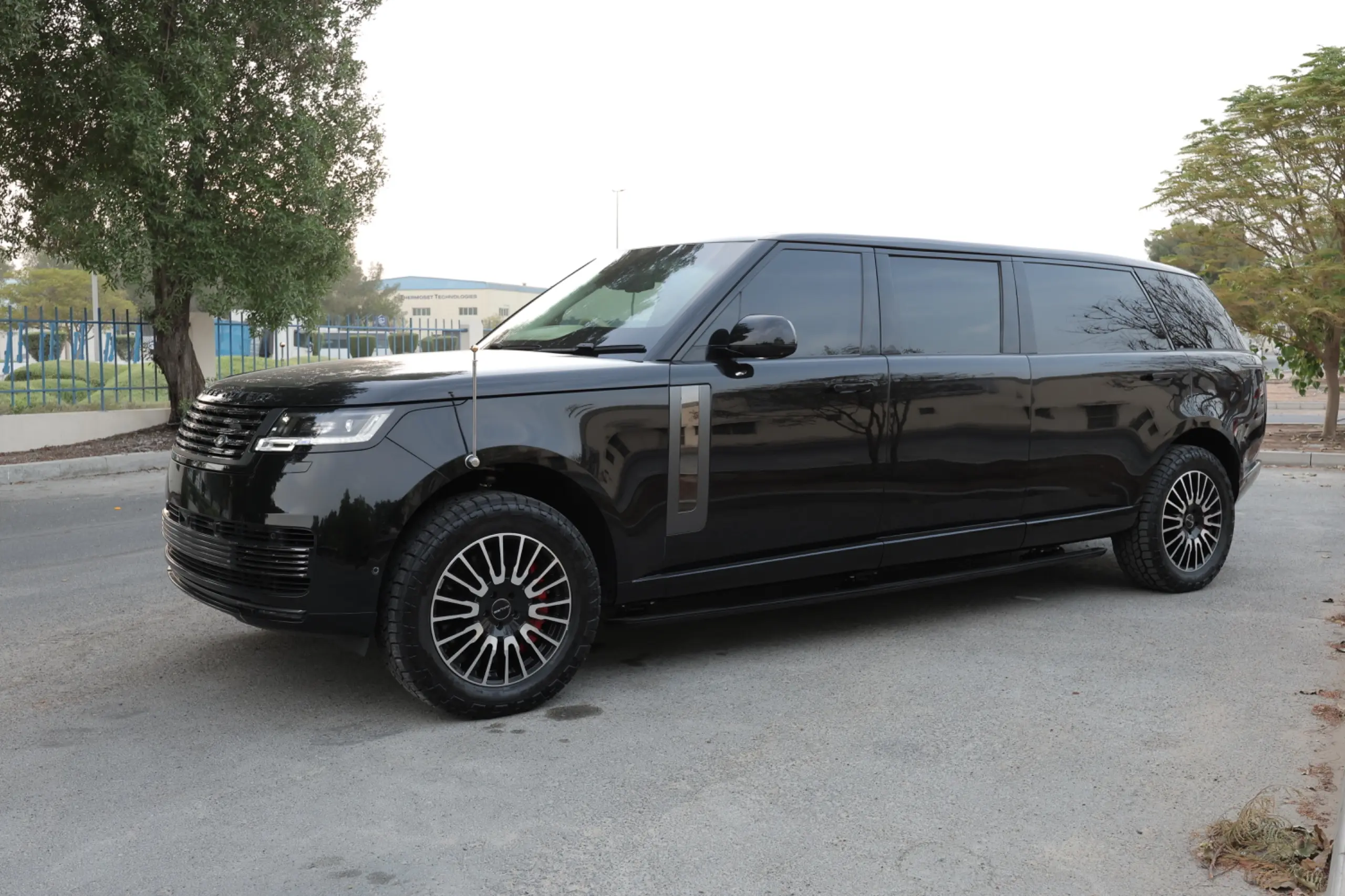
Armored Range Rover BR6 P530 Extended
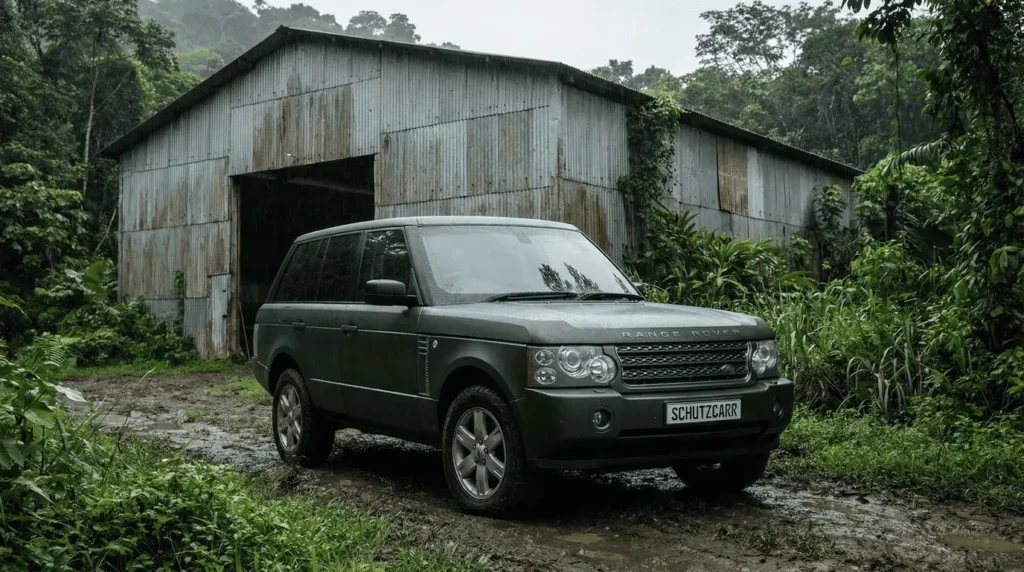
The Range Rover BR6 P530 Extended build demonstrates how a modern luxury SUV can receive extensive armor while retaining a balanced stance. New materials enable thinner panels with appropriate protective capability, which keeps the vehicle from feeling excessively heavy.
Range Rover-specific chassis and suspension design also guide how we distribute weight over the axles so that handling remains predictable.
Did You Know?
A SiC–AA7075 bi-layer configured as 2–13 mm thick showed an areal density of just 52.9 kg/m² and resisted tests without penetration, highlighting how specific thickness choices in layered armor can significantly cut weight while maintaining penetration resistance.
8. Discreet Styling And New Materials: Keeping Armor Unobtrusive
Lighter, stronger armor materials also support more discreet vehicle styling. When panels and glass are not excessively thick or heavy, we can keep exterior lines closer to stock.
Our discreet styling considerations for armored SUVs include door-frame treatments, glass overlaps, and trim integration. Sensitive use of new materials helps avoid visual cues such as sagging doors or visibly altered ride height.
Examples Of Discreetly Armored Platforms
Vehicles like the Lexus LX600, Range Rover Sport, and Mercedes-Maybach GLS 600 in our portfolio show how modern SUVs can carry significant protection with minimal external difference. Carefully designed armor kits follow existing stampings and follow the original paint finish.
Interior trim is also adjusted so that thicker glass and panels still feel cohesive and refined to passengers.
Why Weight Matters For Discretion
Excess weight can cause body gaps, inconsistent shut lines, and faster wear on hinges and latches. By using higher-performance materials, we keep these side effects under control.
Clients who value discretion often prioritize this, and modern armor materials give us more options to deliver it effectively.

9. Heavy-Duty And Specialist Platforms: New Materials Beyond SUVs
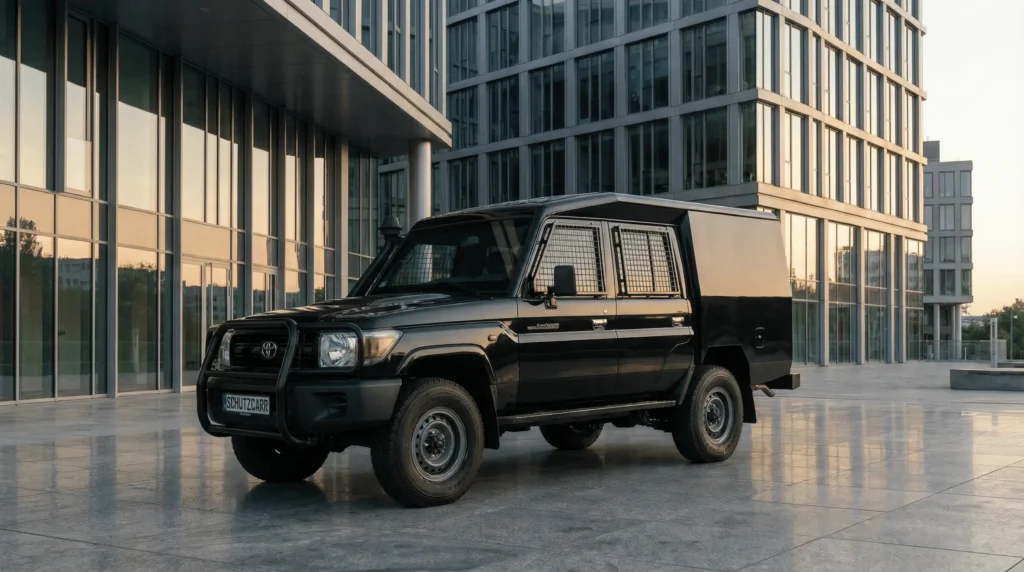
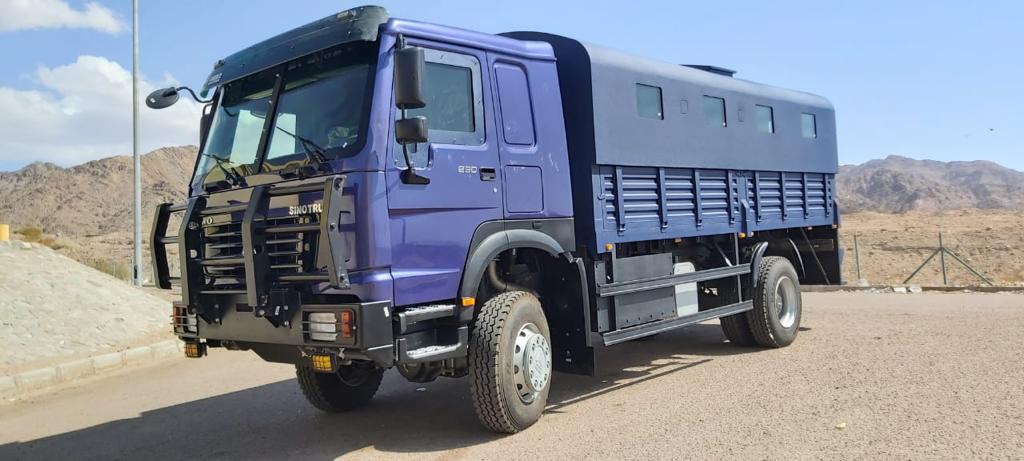
New armor materials also benefit specialist vehicles, such as cash-in-transit trucks and larger troop carrier platforms. The sheer surface area of these vehicles means that lighter materials can have a large impact on total curb weight.
Some of our images feature heavy-duty builds like Land Cruiser 79 cash-in-transit vehicles and large passenger carriers. In these cases, we prioritize strong, efficient material combinations for floors, bulkheads, and side walls.
Managing Payload And Durability
For heavy-duty platforms, we often work with established chassis that are designed for high payloads. Even so, any unnecessary weight reduces payload capacity and stresses structural elements.
Using modern ballistic steels, potential composite additions, and efficient layouts, we keep weight closer to what the base chassis was intended to support.
Material Strategies In Specialist Builds
These builds might also use higher-strength materials in specific zones like door frames, roof edges, and mounting structures. Doing so can avoid resorting to thicker plates everywhere.
The result is a platform that remains suitable for repeated, intensive use while carrying armored protection where it is needed.
10. Comparing Traditional And New Armor Approaches
To understand the impact of new materials, it helps to compare them with older approaches that relied on thick, homogeneous steel. We summarize some of the differences in objectives and outcomes in the table below.
While exact specifications vary per project, the overall trends are clear. New material stacks offer more configuration choices and finer control over weight distribution.
| Aspect | Traditional Thick Steel Armor | New Multi-Material Armor |
|---|---|---|
| Primary Material | Homogeneous steel plate with limited layering | Ceramics, high-strength alloys, composites, layered steels |
| Weight Impact | High mass, strong effect on suspension and handling | Lower mass for similar protection, better daily drivability |
| Integration With Luxury SUVs | Greater risk of affecting refinement and quietness | Improved compatibility with high-end interiors and comfort |
| Discreet Styling | Heavier doors and visible stance changes | Closer-to-stock appearance with careful layout |
In platforms ranging from Land Cruiser 76 builds to Cadillac Escalade and Range Rover projects, we rely on these multi-material strategies. The goal is always the same: efficient protection with controlled impact on how the vehicle behaves and feels.
As material science progresses, we continuously review test data and real-world performance to refine our internal standards and build practices.
Conclusion
New materials for lighter, stronger armor have changed what is possible for armored SUVs, sedans, and specialist vehicles. By combining ceramics, high-strength steels, advanced glass, and composite elements, we can design protection systems that better respect driving dynamics, comfort, and long-term durability.
At SchutzCarr, we apply these principles across platforms such as the Land Cruiser 76, Lexus LX600, Infiniti QX80, Cadillac Escalade, and Range Rover. If you would like to discuss how these material choices relate to your specific requirements, we invite you to contact us directly through our SchutzCarr contact page.