
Global armored vehicle market size reached USD 32.41 billion in 2024, which shows how seriously organizations now treat secure group transport for teams, guests, and VIPs. In this guide, we explain how our premium armored vans, SUVs, and carriers support group movement while balancing protection, comfort, and operational practicality.
Key Takeaways
| Question | Answer |
|---|---|
| 1. What are premium armored vans and carriers for groups? | They are purpose built armored SUVs, vans, and personnel carriers configured to move multiple passengers with integrated ballistic protection, such as the BR6 platforms in our armored vehicles stock. |
| 2. Are SUVs a viable alternative to classic armored vans? | Yes, extended SUVs and troop-style carriers can function as “armored van alternatives,” giving more flexibility while maintaining group seating, as discussed in our guide on armored van alternatives. |
| 3. Which platforms are common for secure group travel? | Platforms such as the Toyota Land Cruiser 76 and 79 troop carriers and dedicated APCs are widely used, reflected in our focus on the Toyota Land Cruiser 76 BR6 armored SUV. |
| 4. How do executives decide between sedans and group carriers? | They weigh discretion versus capacity and access needs, using frameworks similar to those in our discreet armored sedans comparison to decide when a group carrier is more appropriate. |
| 5. Can group carriers fit into VIP and diplomatic transport programs? | Yes, they are often used for support staff, security teams, and logistics in structured programs, as outlined in our article on VIP transport planning. |
| 6. How usable are armored carriers in daily operations? | Daily usability depends on weight, handling, and interior layout, which we break down in our guide to daily usability of armored SUVs. |
| 7. Why are private organizations adopting armored group vehicles? | Growing demand for VIP protection and private security is one factor, as explored in our analysis of why private companies turn to armored vehicles. |
1. What “Premium Armored Vans and Carriers for Groups” Really Mean Today
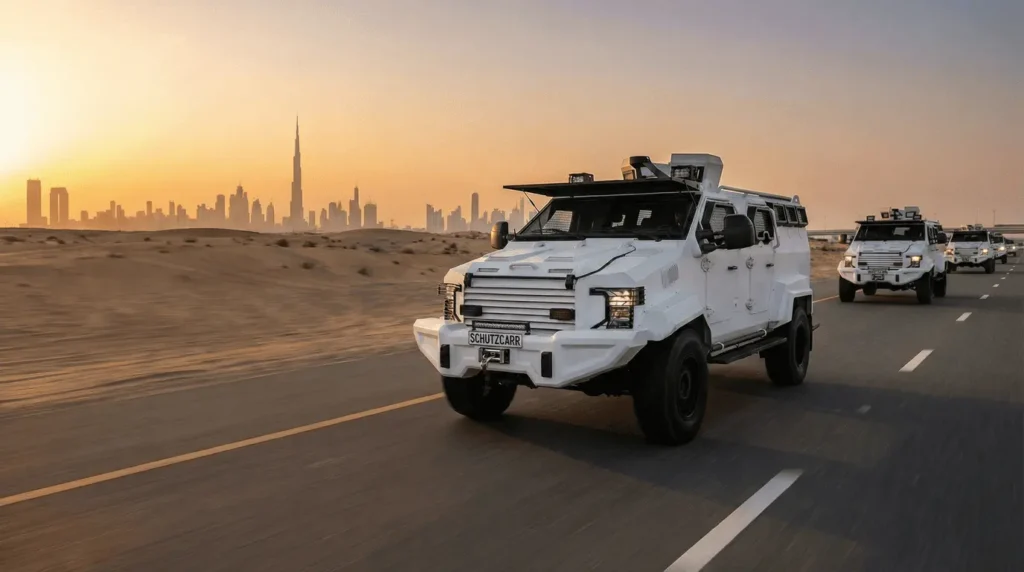
When clients ask us about premium armored vans and carriers, they usually mean any road-optimized armored platform that can move multiple people together, securely and comfortably. That can include traditional vans, extended SUVs, troop carriers, or fully enclosed armored personnel carriers, depending on group size and risk profile.
Across the market, wheeled armored vehicles account for 72.63% of demand in 2025, which confirms that most organizations favor flexible road based platforms for group transport. Our role is to help you decide whether your group is better served by an SUV based solution, a van style body, or a purpose built armored carrier.
Core expectations from premium group carriers
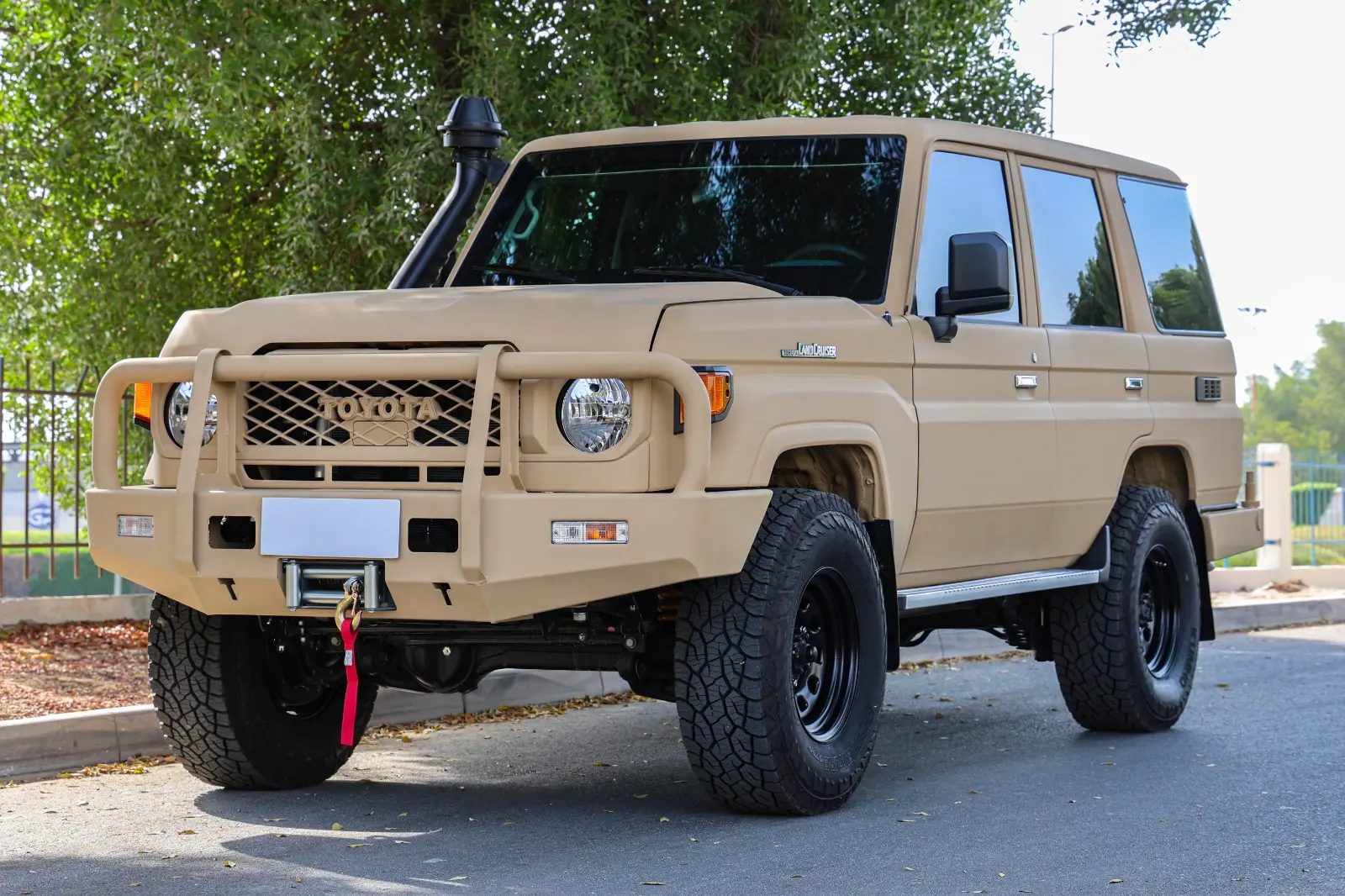
Most organizations expect three things from a premium group carrier: verified protection, predictable reliability, and a cabin that staff or guests can actually work or relax in. Platforms like the Toyota Land Cruiser 76 BR6 give a starting point that combines proven mechanical underpinnings with certified armoring.
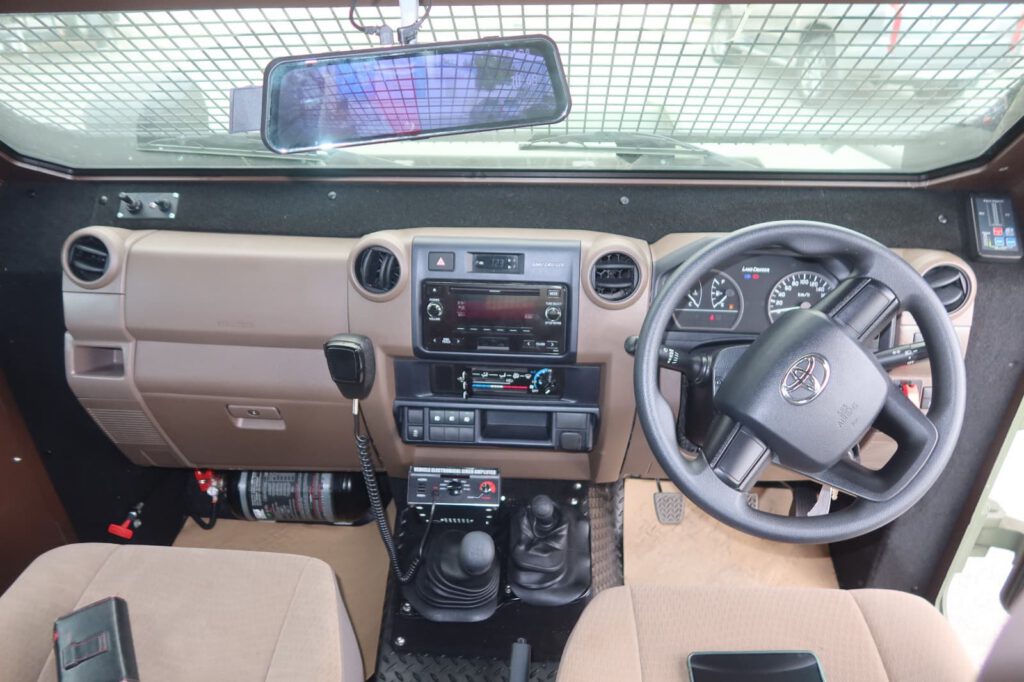
We then configure interiors for seated teams, with attention to ingress and egress, climate control, and storage for equipment. The result is a vehicle that functions as a moving workspace or waiting room, not just a steel box on wheels.
Where group carriers fit in a wider fleet
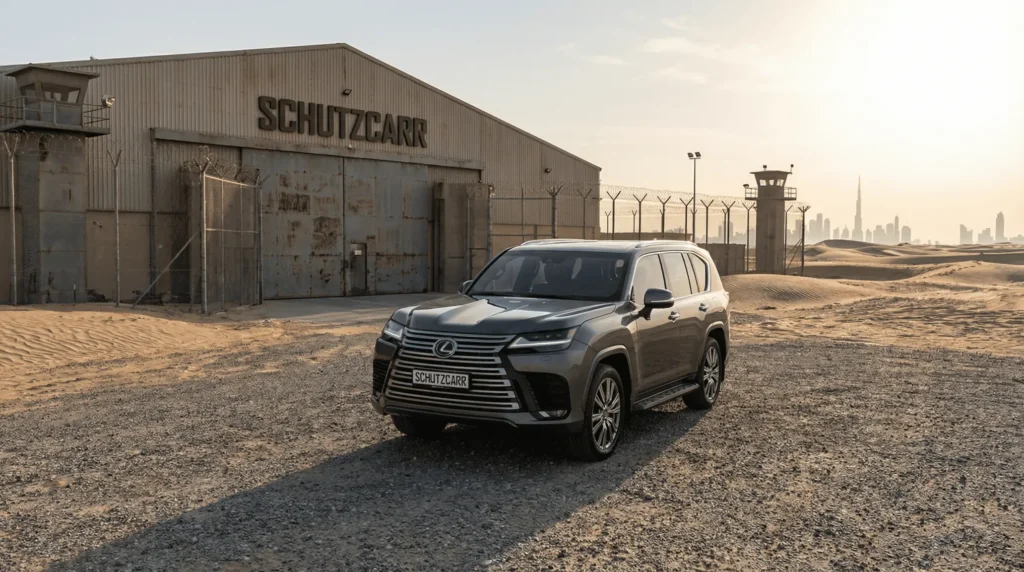
For many clients, group carriers sit alongside principal vehicles such as discreet sedans or luxury SUVs. The group carrier handles security teams, staff, media, or technical crews, keeping everyone close enough to coordinate while preserving the privacy of key passengers in separate vehicles.
This structure becomes important for organizations that regularly host delegations, roadshows, or inspection trips where people and equipment need to move together in a controlled way.
2. Armored Van Alternatives: When an SUV or Carrier Serves Groups Better
Many clients start by asking for “a premium armored van,” then discover that an extended SUV or troop style carrier solves their problem more effectively. In our guide on armored van alternatives, we explain how body style, seating layout, and operating environment should shape that choice.
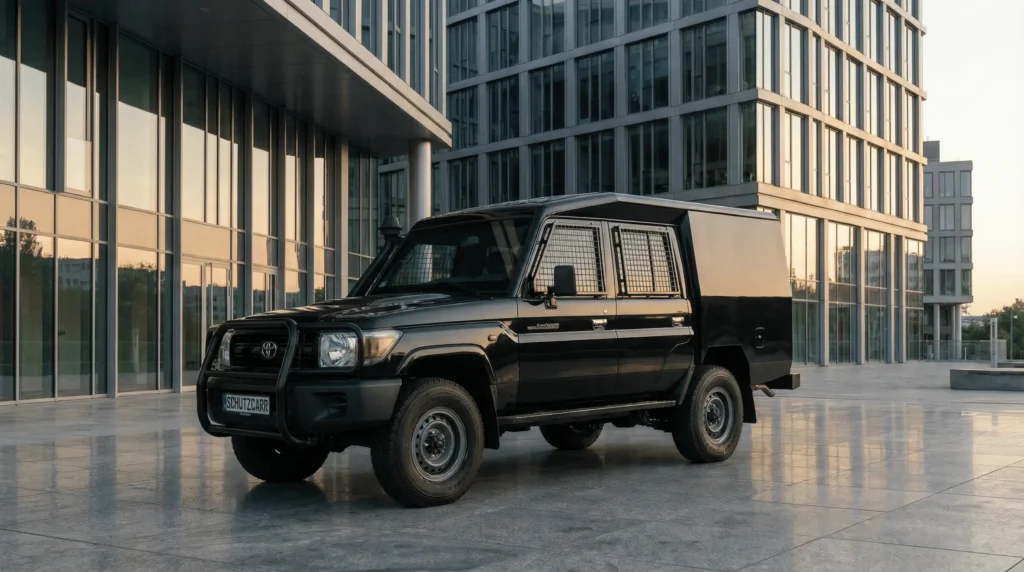
Traditional van bodies can be suitable for urban shuttles or hotel style transfer tasks. For mixed terrain, however, architectures like the Land Cruiser 76 and 79 often give better durability and simpler service options while still carrying a full team.
Key trade offs between vans and SUV based carriers
- Interior height and access: Vans often give a taller cabin, while SUVs and troop carriers offer better ground clearance and approach angles.
- Service ecosystem: Popular SUV platforms can be easier to maintain in regions with limited dealership infrastructure.
- Perception: A van might look more “commercial,” while SUVs can blend in within an executive or VIP setting.
We regularly walk clients through these trade offs with concrete scenarios, such as airport hotel shuttle operations versus remote site visits or regional road tours.
Using APC style carriers as high capacity group solutions
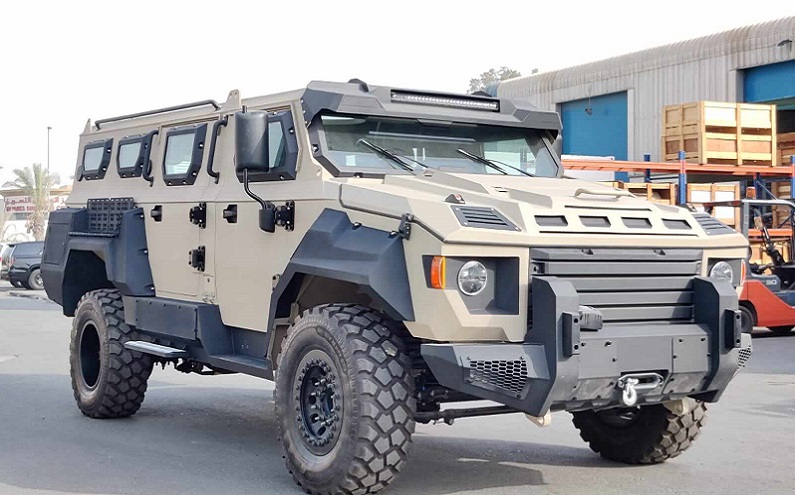
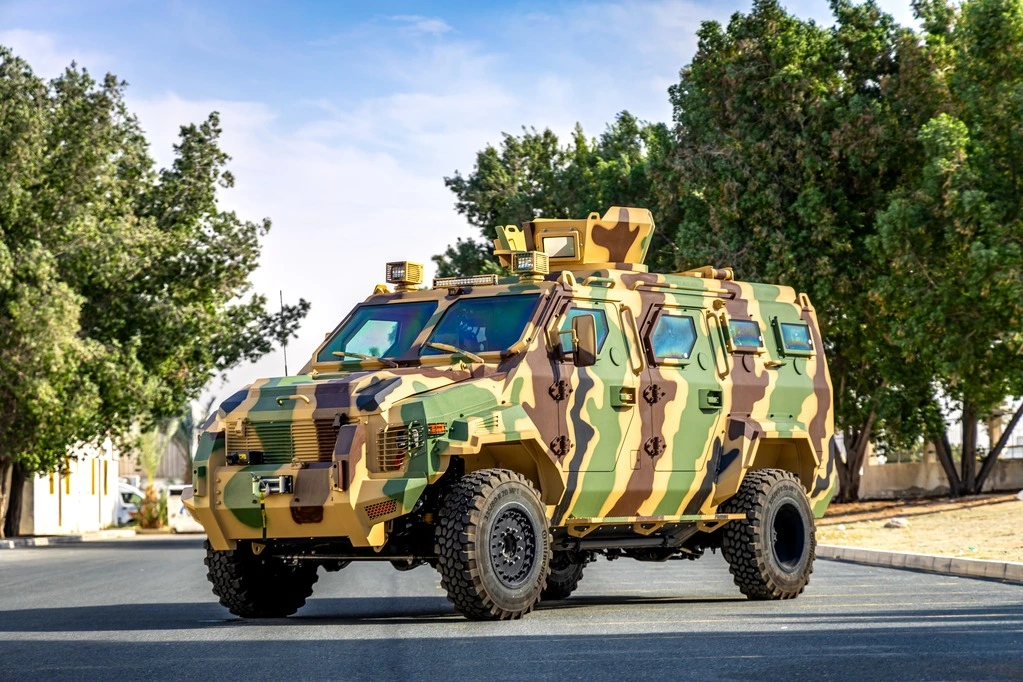
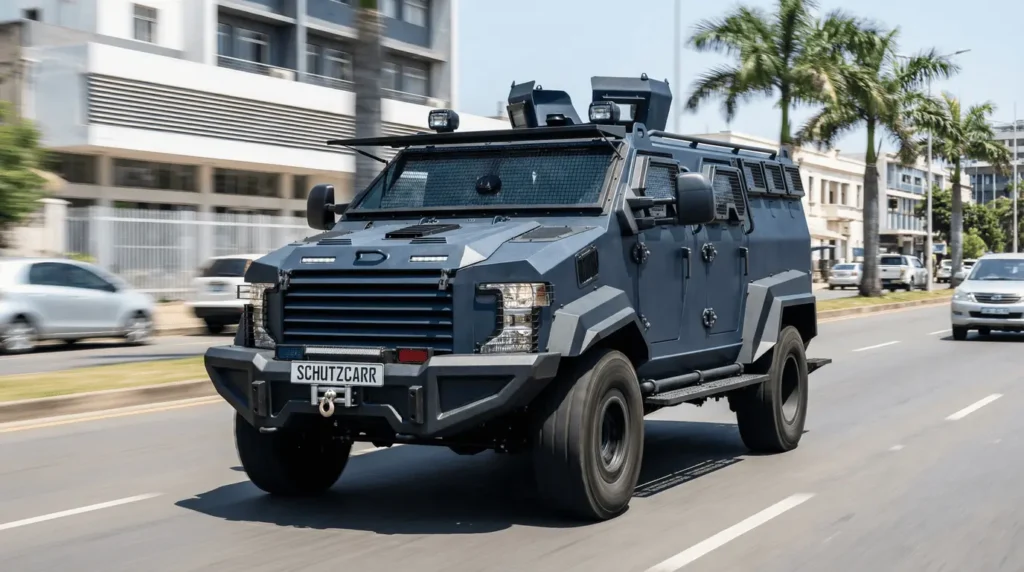
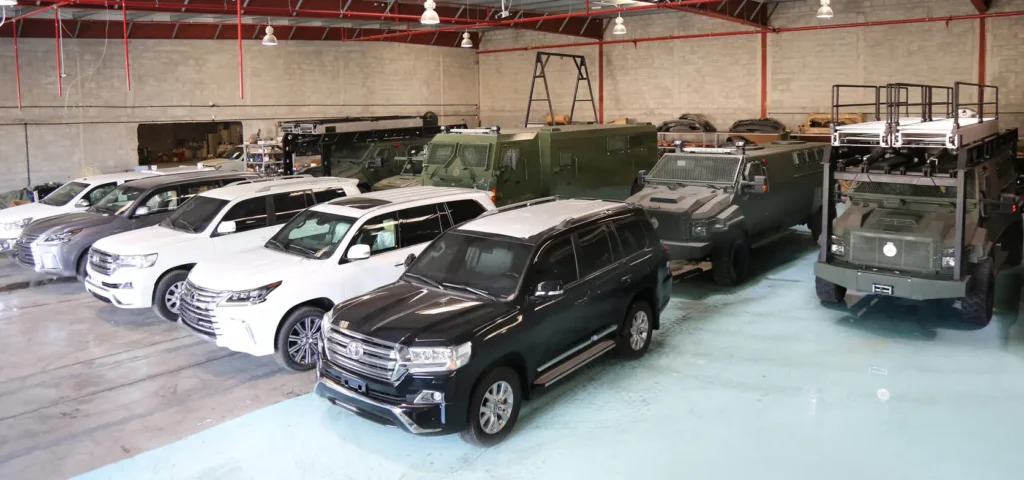
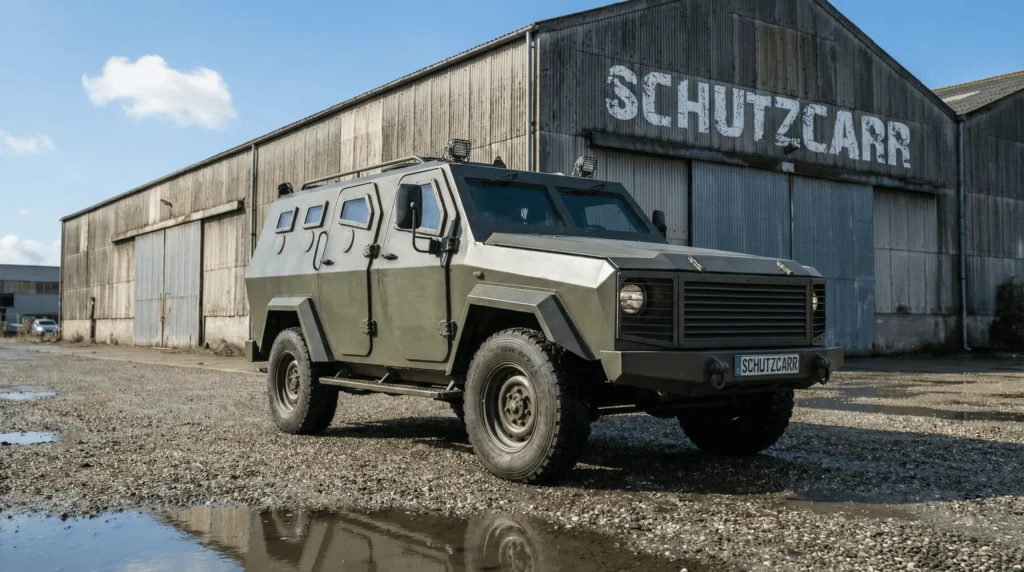
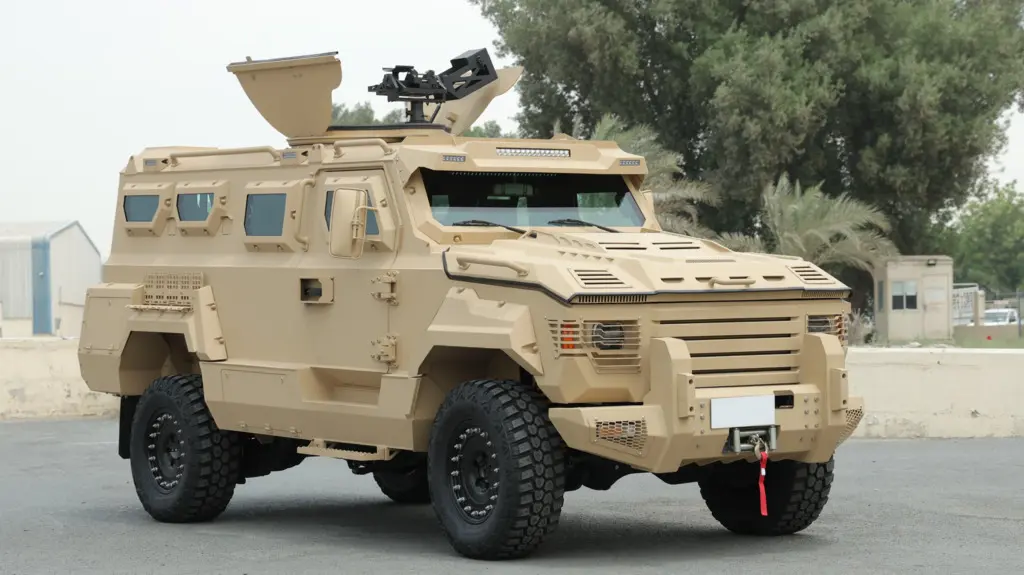
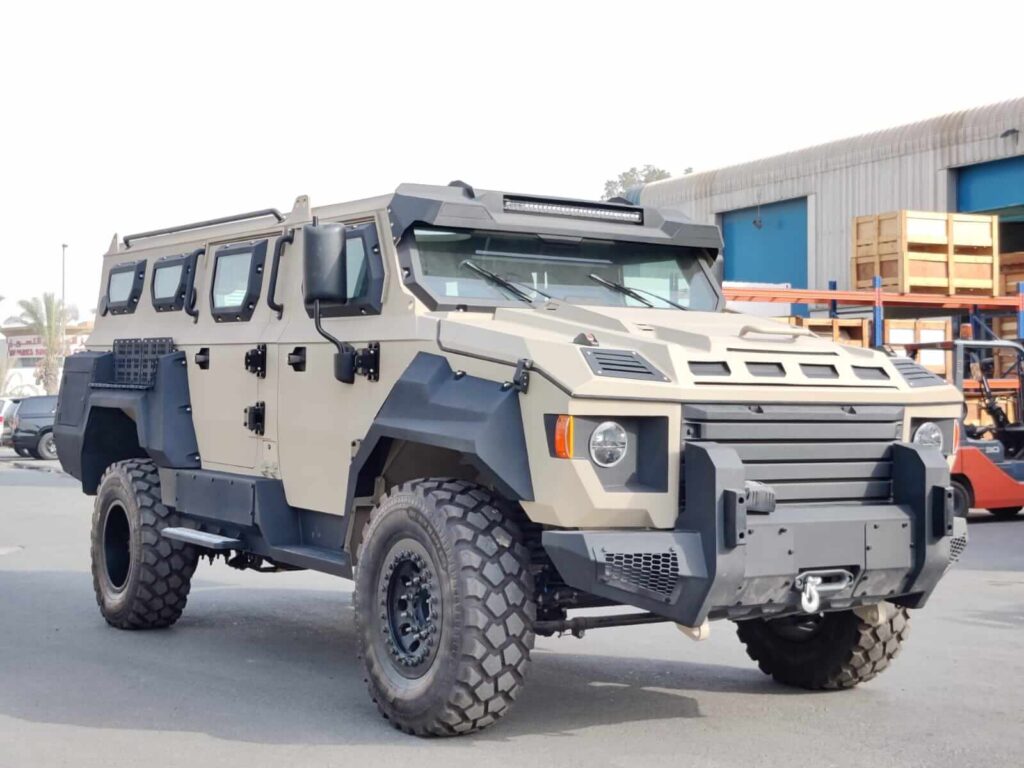
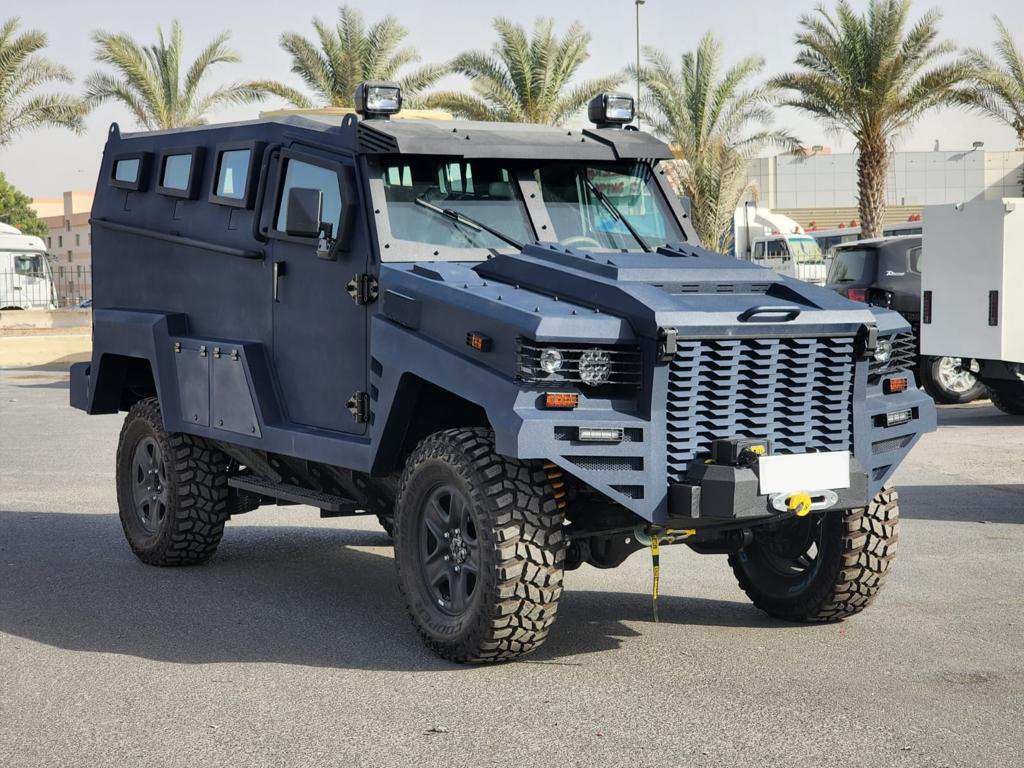
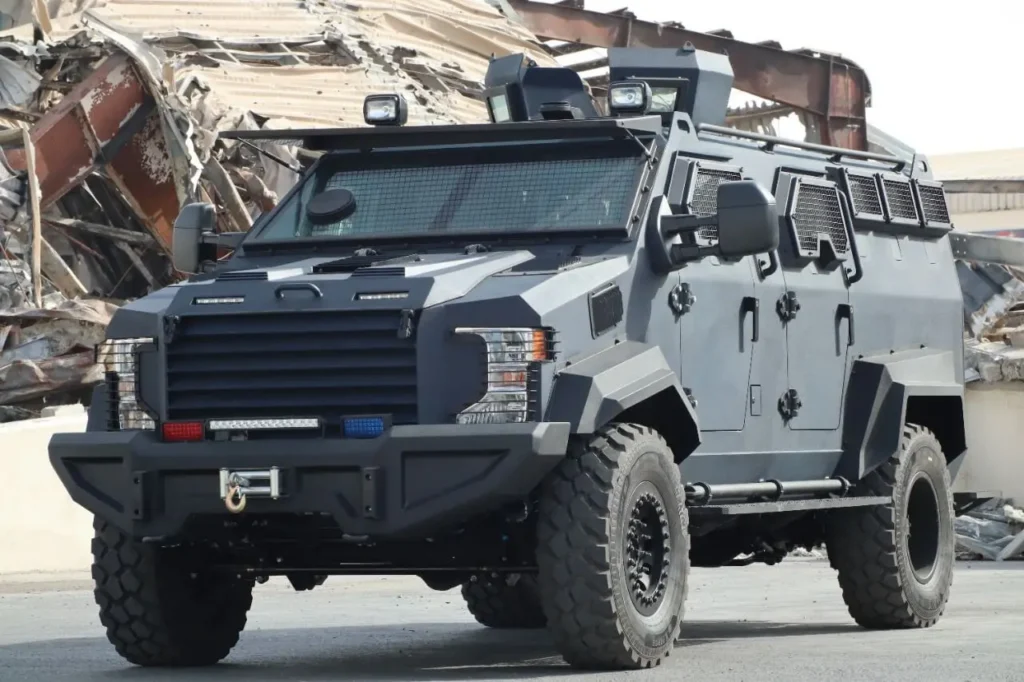
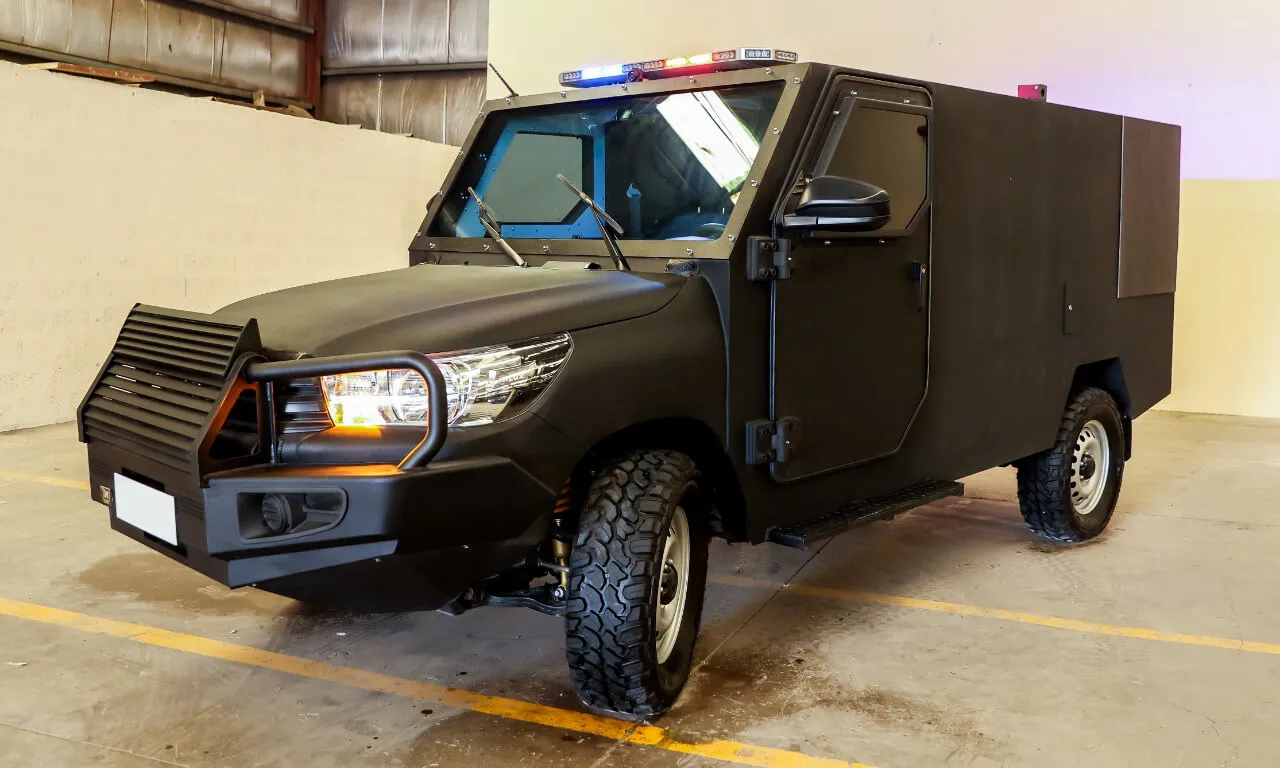
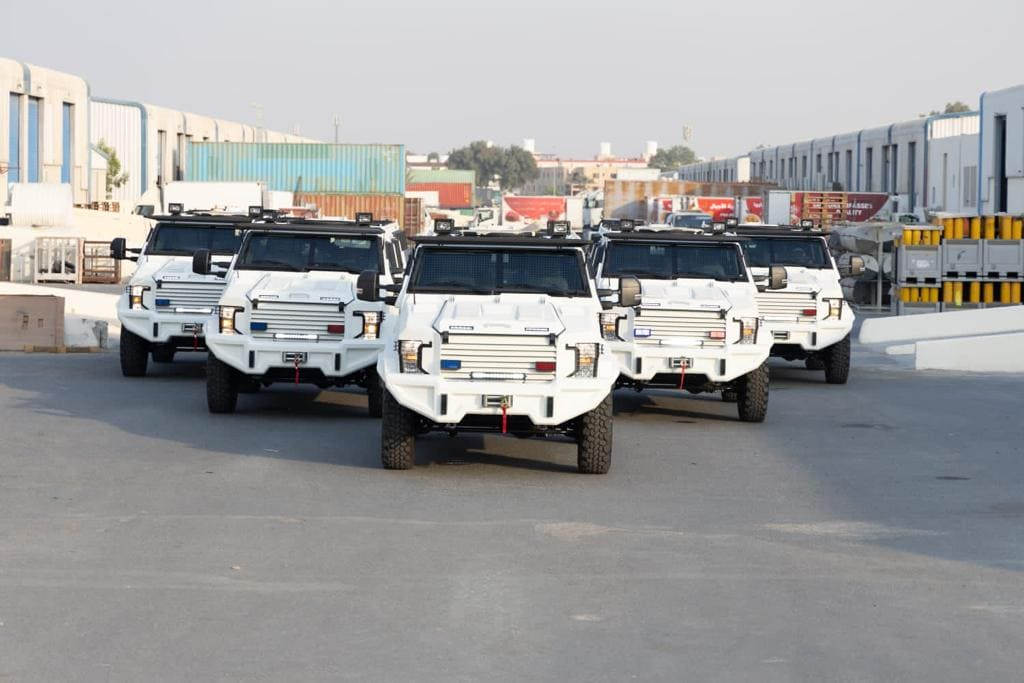
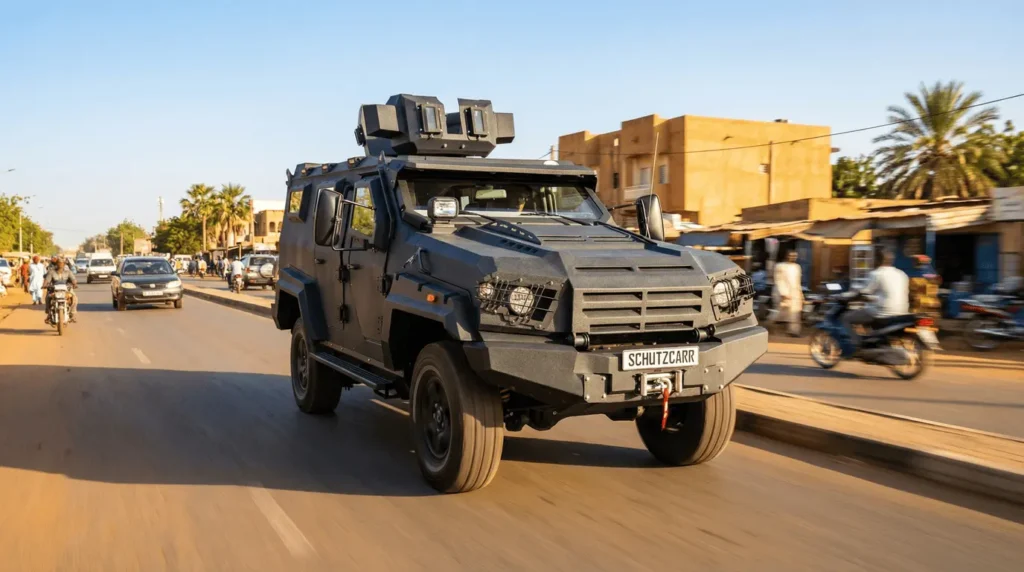
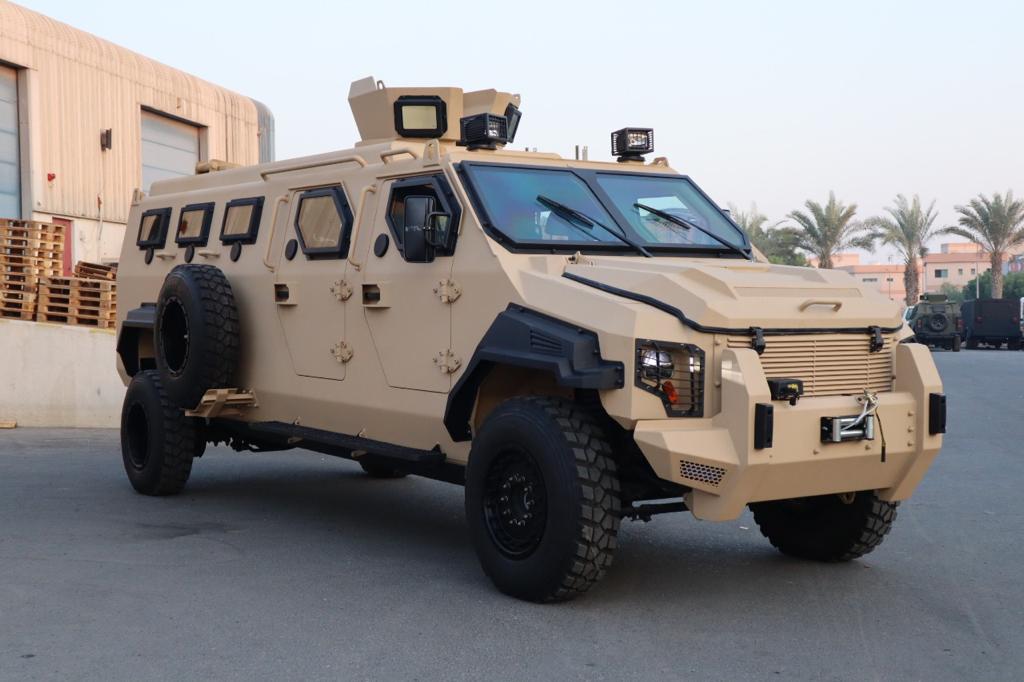
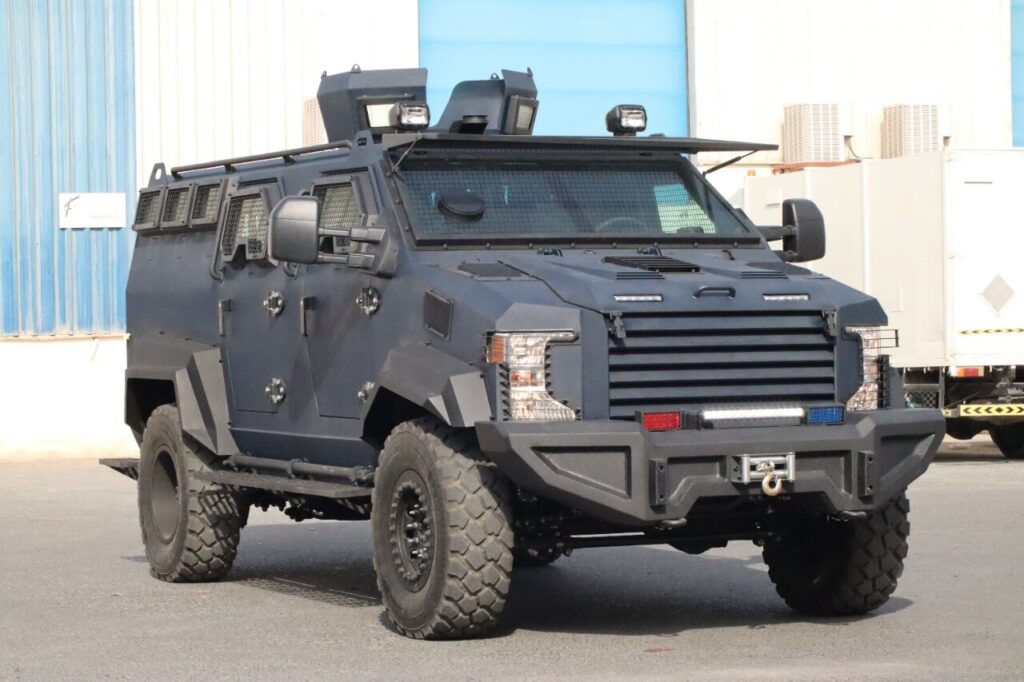
For larger groups, an armored personnel carrier (APC) can function as a premium shuttle for staff, media teams, or technical crews. Vehicles like the APC SHARK style platforms in our stock inventory overview show how a purpose built carrier can combine passenger seating with storage and equipment mounting options.
These platforms are usually configured with bench or airline style seating, climate control, and communication points so that teams can stay operational while in transit.
3. Toyota Land Cruiser 76 Group Platforms: From SUVs to Troop Carriers
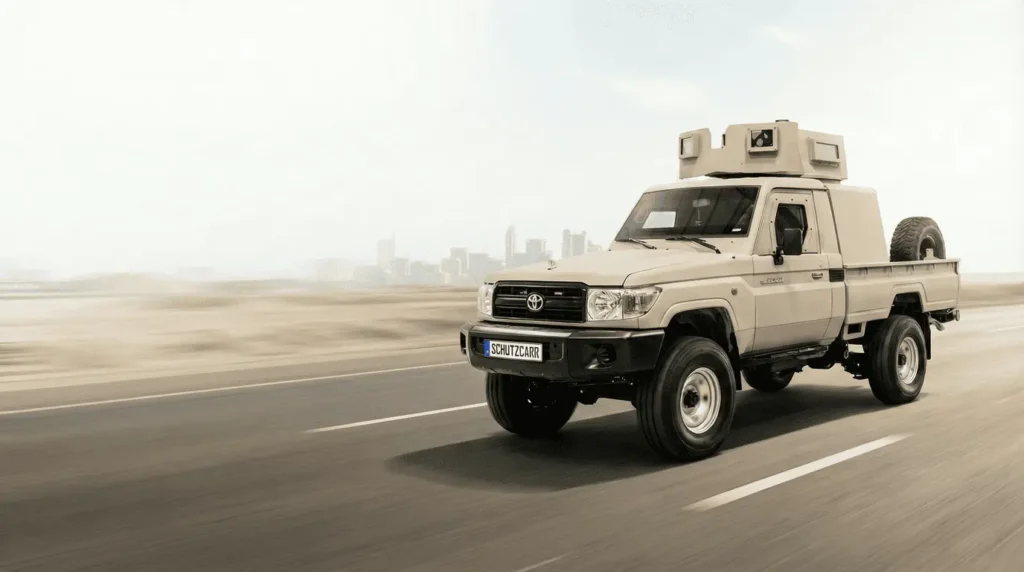
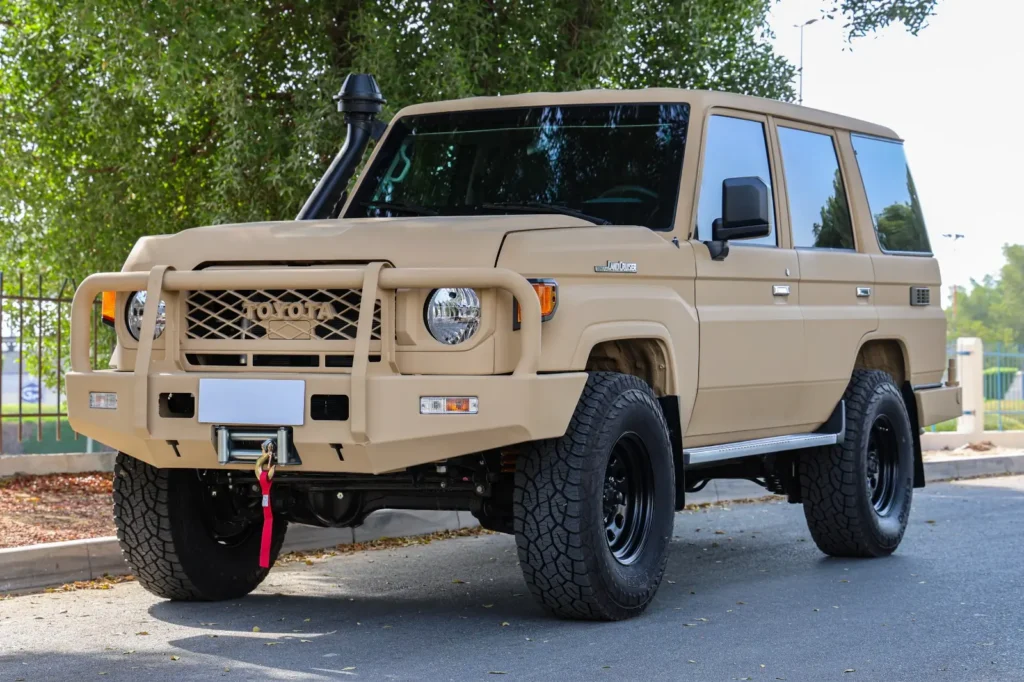
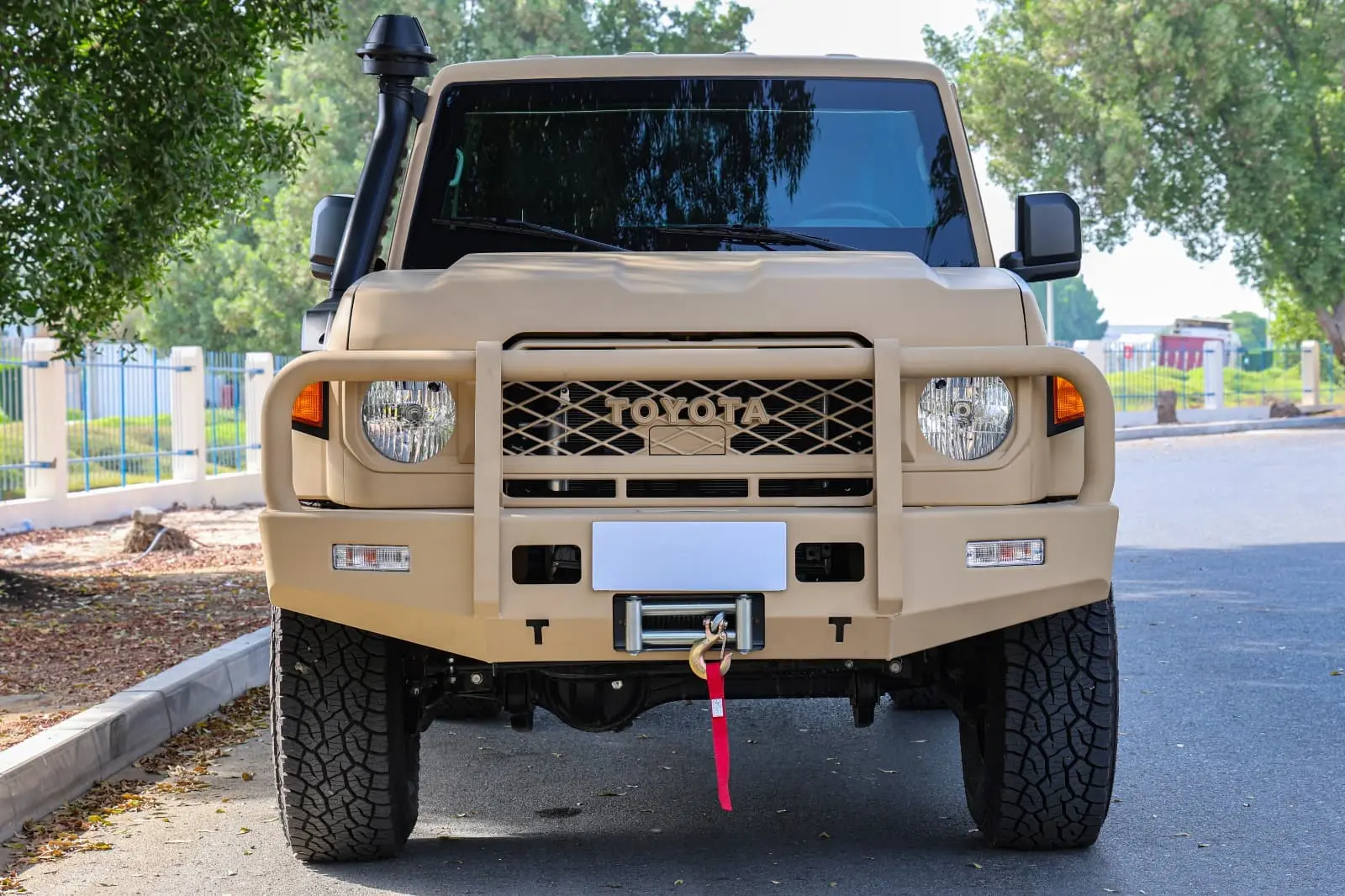
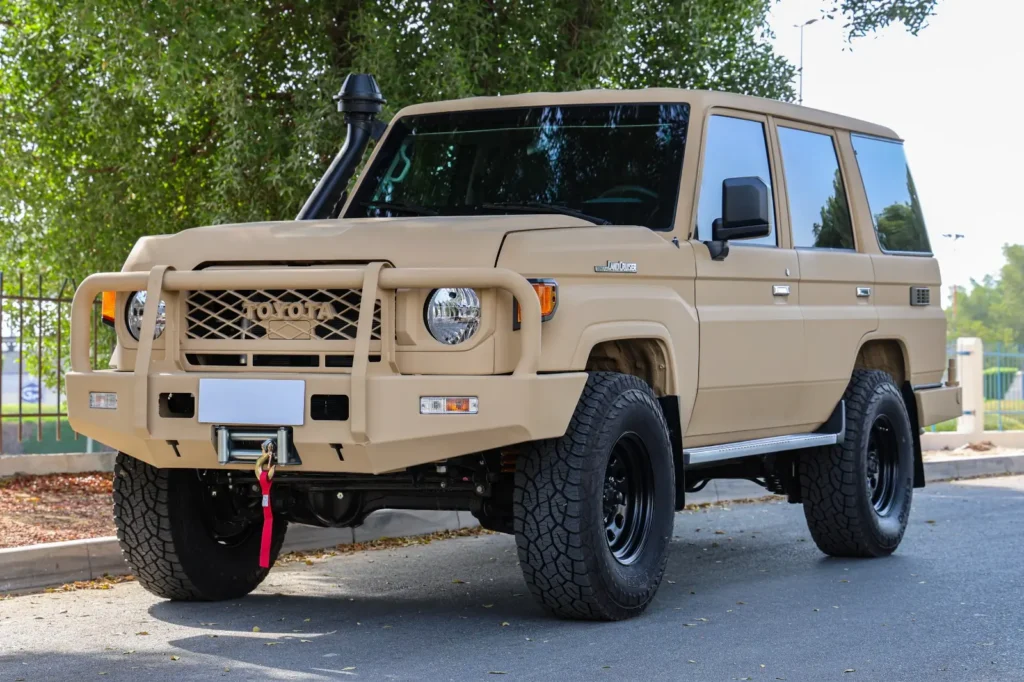
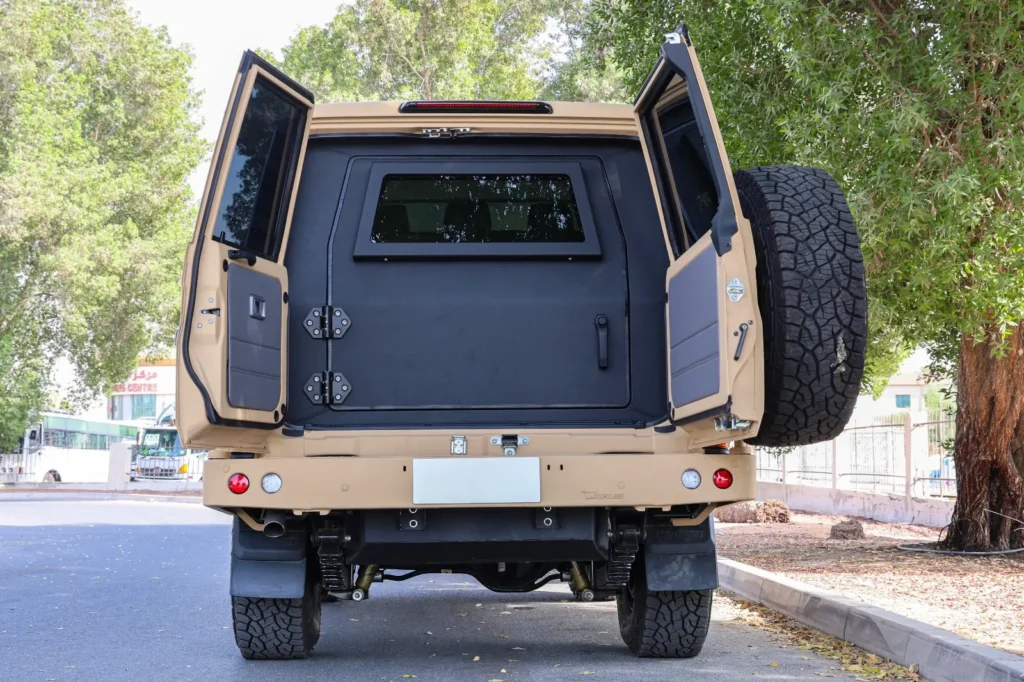
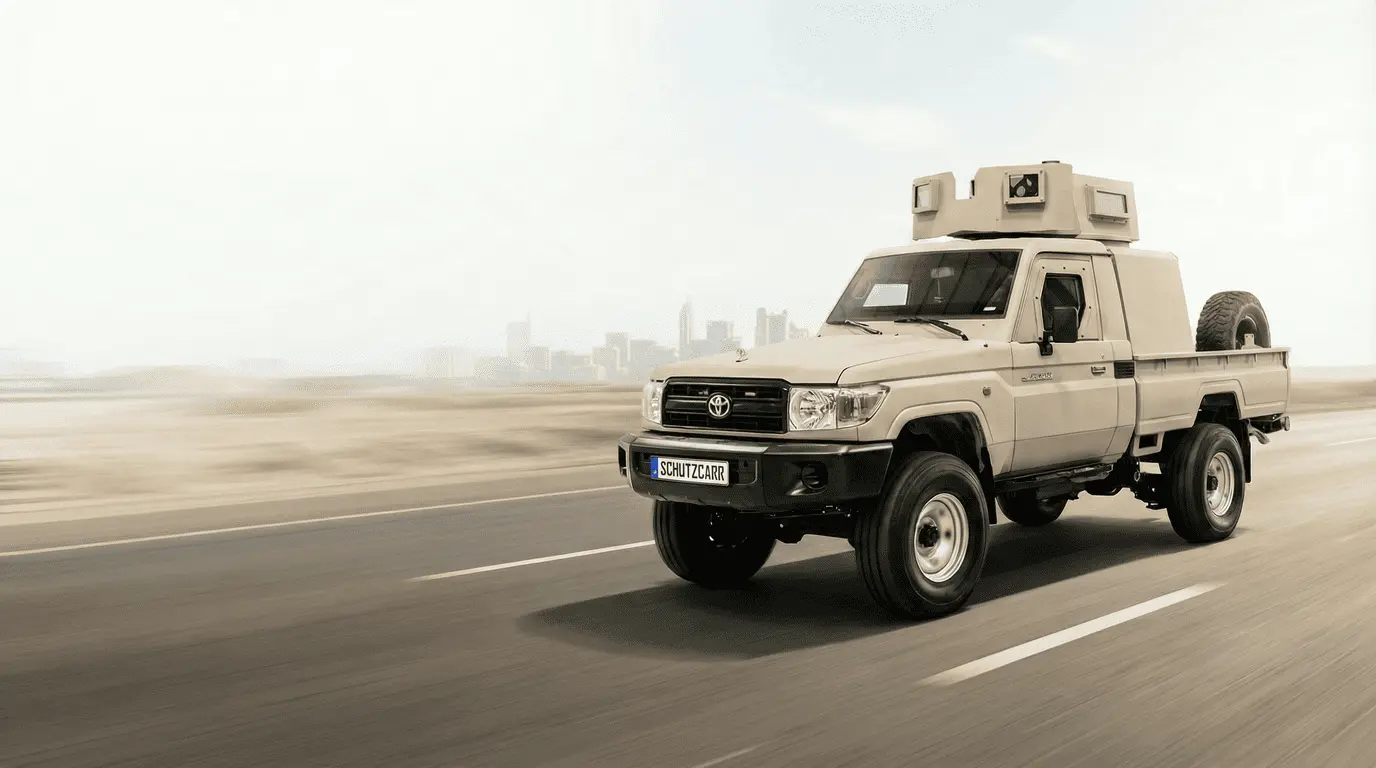
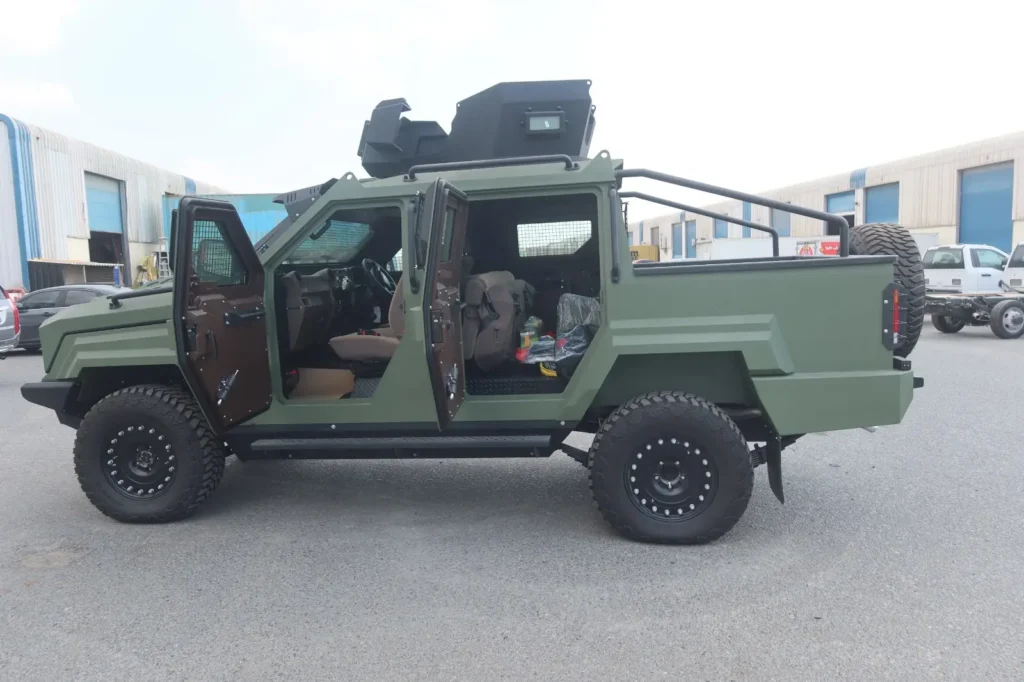
The Toyota Land Cruiser 76 is one of our signature platforms for clients who need reliable group movement over mixed or poor road conditions. At SchutzCarr, we offer the Toyota Land Cruiser 76 BR6 armored SUV as well as extended and troop carrier variants that can seat multiple passengers in a controlled, protected cabin.
Every unit is engineered around B6 or BR6 ballistic protection, with reinforced chassis, upgraded suspension, and run flat tire systems to support the additional weight.
Why the LC76 is suited to group roles
The LC76’s boxy body and ladder frame architecture make it a strong basis for multi-row seating and equipment storage. We can configure rear compartments with forward facing seats, inward benches, or mixed layouts depending on whether you prioritize comfort or pure capacity.
For some clients, a pair of LC76 units functions as a de facto “armored van and escort” package, with one vehicle carrying staff and the other handling equipment or support personnel.
Certified safety and testing for group peace of mind
Our dedicated article on the armored Toyota Land Cruiser 76 describes how we validate each build with ballistic glass certification, in house testing, and independent lab support. Group transport amplifies the importance of that testing, since you often have multiple key people in a single vehicle.
We also handle export documentation and compliance, which is particularly relevant for organizations that operate fleets across several regions or move vehicles between projects.
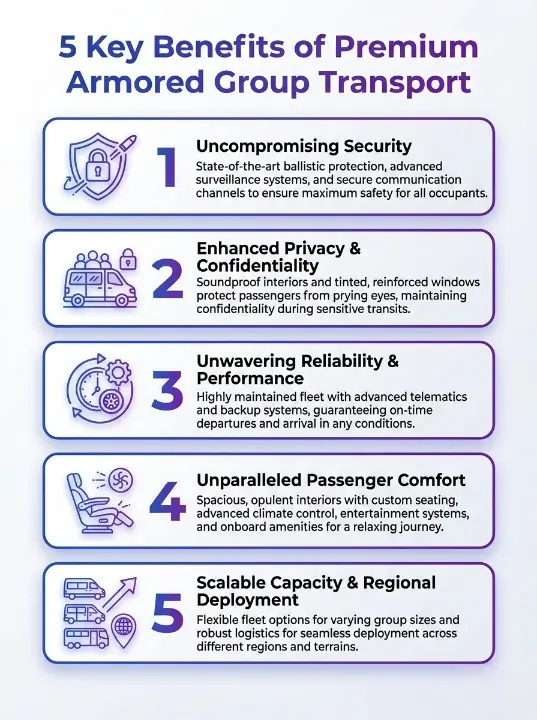
This infographic highlights the five key benefits of premium armored group transport. It emphasizes security, reliability, and cost-effective travel for groups.
Did You Know?
VIP protection and private security are cited as key drivers of demand for armored vehicles in civilian and commercial segments, directly supporting use cases like secure group transport for executives and teams.
4. Using Premium Armored Carriers in VIP and Diplomatic Style Programs
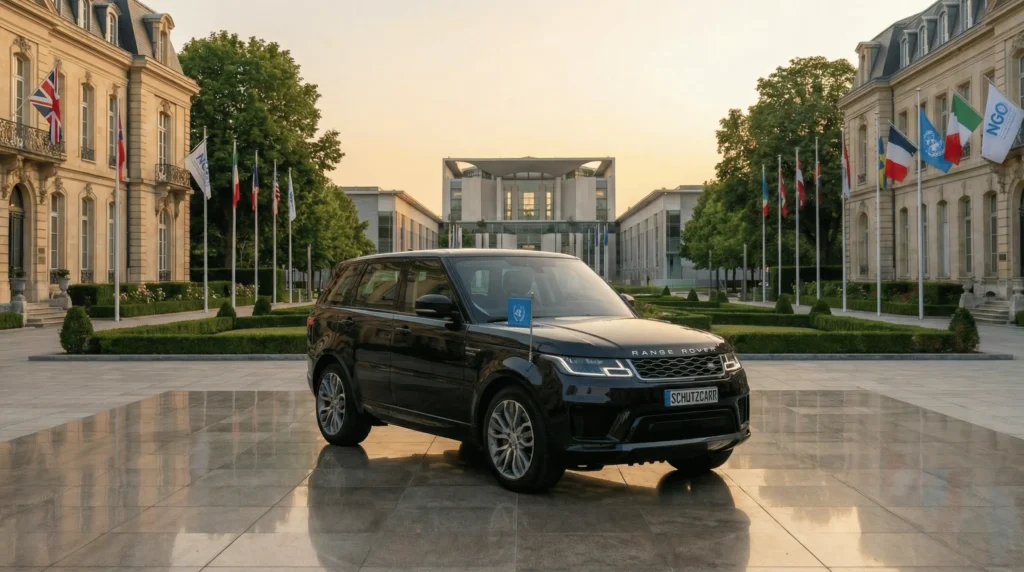
Many of our group carriers operate as part of structured VIP or diplomatic style transport programs. In these programs, principal passengers travel in sedans or high end SUVs, while armored carriers move security teams, protocol staff, and technical crews in parallel.
Our article on VIP transport planning explains how to align vehicle types with protocol, route constraints, and local conditions.
Roles that premium group carriers typically fill
- Transport for protection teams and support staff.
- Movement of media groups, advisors, or delegations during visits.
- Shuttle for equipment, documentation, and logistics personnel.
Using armored carriers for these roles keeps key personnel in controlled, protected conditions along the full route, instead of splitting them across multiple unarmored vehicles.
Aligning carrier choice with itinerary type
Short, urban itineraries might be served well by discreet SUVs with fold flat seating or small APC style carriers. Longer regional trips or visits to remote locations can benefit from more rugged platforms with higher ground clearance and auxiliary systems.
We help clients map these requirements against actual itineraries instead of choosing vehicles in isolation.

5. Daily Usability: What It Feels Like To Operate Group Carriers
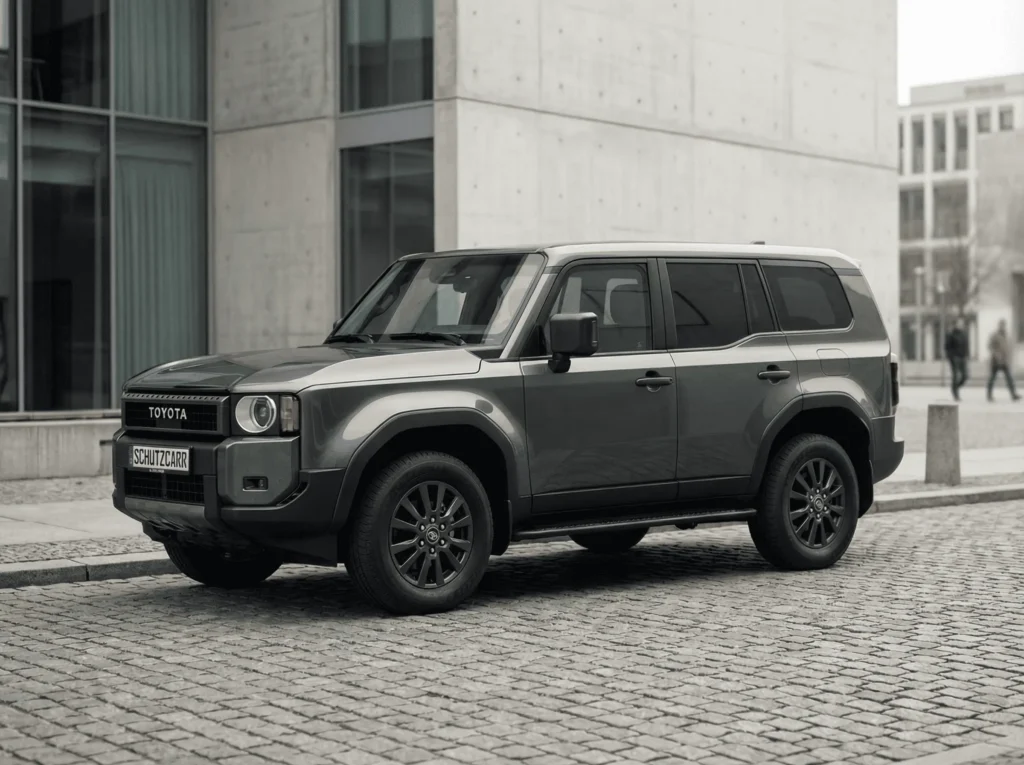
Daily usability is one of the most important considerations for premium armored vans and carriers for groups. Our guide on the daily usability of armored SUVs shows how weight, braking, and handling change after armoring, which is equally relevant for group carriers.
Drivers need to be comfortable with the way an armored carrier accelerates, slows, and corners, especially when fully loaded with passengers.
Interior comfort for longer journeys
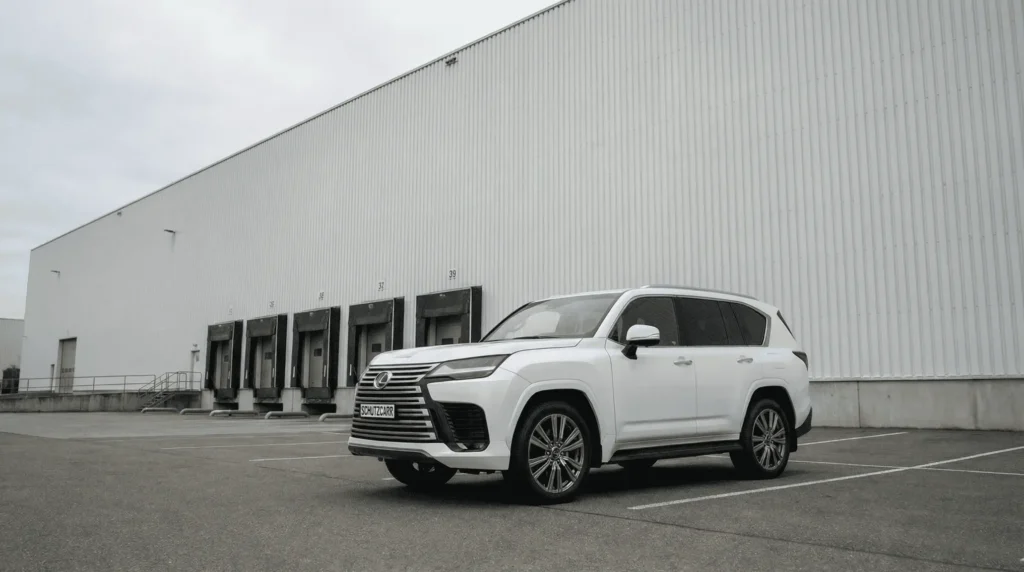
For group vehicles, seat design, legroom, headroom, and noise levels matter a great deal, especially if passengers need to work on laptops or hold discussions. We design interiors so that even in more rugged platforms, the ride experience stays controlled and predictable.
Air conditioning distribution, lighting, and charging points are also important for teams that spend several hours per day in the vehicle.
Service and maintenance planning for fleets
Armored carriers use upgraded brakes, suspension, and tires that require structured maintenance. In our daily usability article, we outline how to plan service intervals and checks so that vehicles remain predictable for drivers and passengers.
For clients with multi vehicle fleets, we often help build simple service calendars that are easy to follow even with rotating drivers and teams.
6. Stock Armored Group Vehicles vs Tailored Builds
Some organizations need group carriers on short timelines, while others are planning programs months in advance. Our in stock armored SUV overview focuses on principal vehicles, but the same logic applies to group carriers.
In stock units support rapid deployment. Tailored builds allow you to specify seating, storage, and interior features to match your team and equipment precisely.
When stock group vehicles make sense
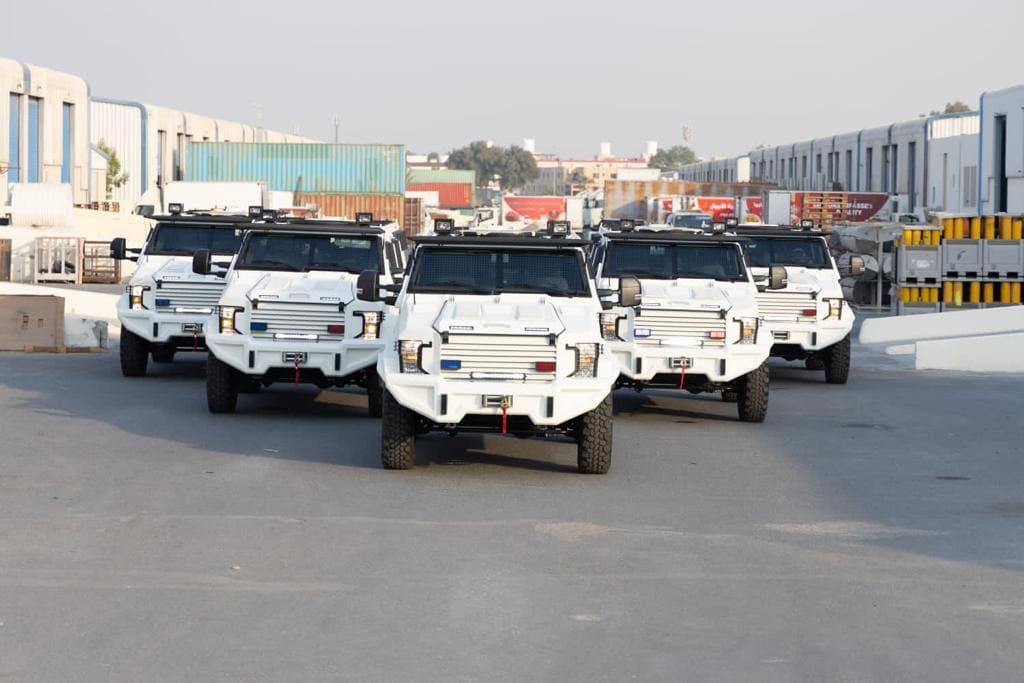
Stock carriers are useful when you have immediate travel commitments, new project launches, or changes in risk profile that require armored group mobility. We maintain an evolving inventory of APCs, SUVs, and troop carriers that can be adapted quickly with regional compliance and export support.
Even with stock units, we can still adjust seating and minor interior elements to better fit your group usage.
Benefits of tailored interiors for specific roles
Tailored builds shine when you have a clear role in mind, such as media convoy support, executive team shuttle, or technical inspection groups. In those cases, we can integrate work surfaces, storage, and cable routing so that the vehicle functions as a mobile office.
These details affect how productive and comfortable your teams are during long days of site visits or regional travel.
Did You Know?
Wheeled armored vehicles accounted for 72.63% of the market in 2025, underscoring how strongly organizations prefer road-optimized platforms like vans, SUVs, and personnel carriers for premium group transport.
7. Regional Group Transport Programs: Example from Rwanda
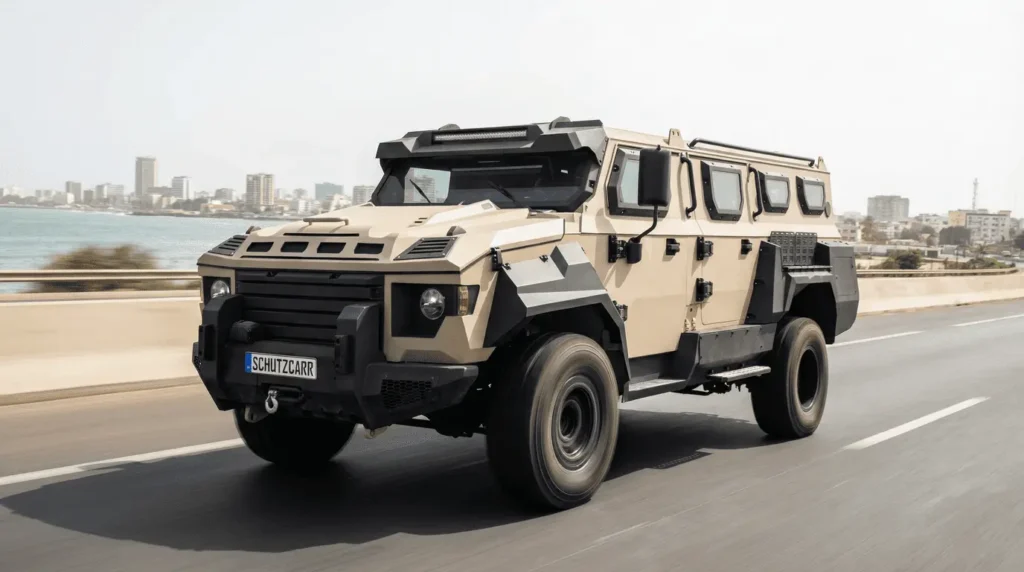
Our dedicated page for SchutzCarr armored vehicles in Rwanda illustrates how group carriers fit into regional programs. In that context, armored SUVs and APCs are configured for VIP protection, secure transport in urban centers, and regional operations.
Group carriers are used to move protection teams, project staff, and visiting delegations between airports, city centers, and more remote sites.
Balancing VIP comfort and group capacity
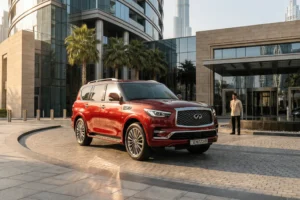
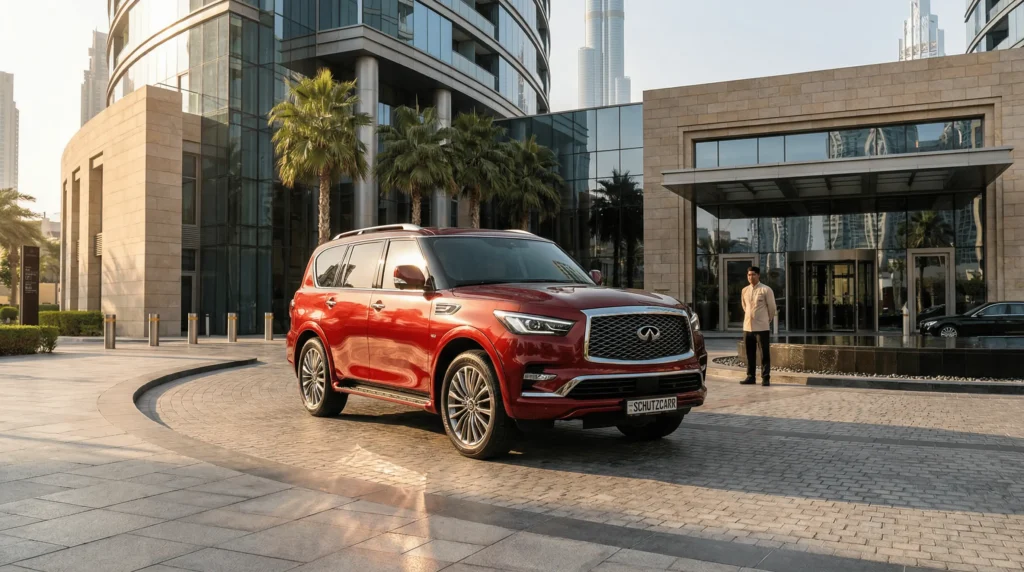
In many regional fleets, we see a mix of luxury SUVs like extended QX80s or Range Rovers for principal passengers, combined with APCs or troop carriers for staff. This keeps the entire party within an armored bubble while matching comfort levels to role and need.
We work with clients to define which journeys require full fleet deployment and which can be handled with a smaller set of vehicles.
Compliance and documentation across borders
Regional programs often cross borders or involve multiple regulatory environments. We support clients with homologation, registration, and export documentation so that group carriers remain compliant in each jurisdiction where they operate.
This reduces administrative friction and helps ensure that fleets remain available and road legal for planned itineraries.
8. How Private Organizations Use Premium Armored Group Vehicles
Our article on why private companies are turning to armored vehicles highlights several drivers that apply directly to group carriers. These include executive protection policies, duty of care for travelling staff, and the need for predictable logistics in unfamiliar environments.
Premium armored vans and carriers for groups are often used for board visits, site inspections, media trips, and roadshows where multiple people travel together.
Typical corporate use cases for group carriers
- Moving executive teams between airports, hotels, and project sites.
- Supporting NGO or project field visits with mixed groups of staff and partners.
- Carrying technical crews and equipment for infrastructure or industrial inspections.
In each case, a premium armored carrier provides a contained environment where schedules and interactions are easier to manage.
Perception and stakeholder reassurance
Using a visibly robust, professionally finished armored carrier can reassure guests and stakeholders that security is taken seriously. At the same time, interior finishes and ride quality show respect for passenger comfort and time.
Our clients often tell us that the calm environment inside a well specified carrier makes long days of travel and meetings more manageable for everyone involved.
9. Integrating Group Carriers with Discreet Sedans and Luxury SUVs
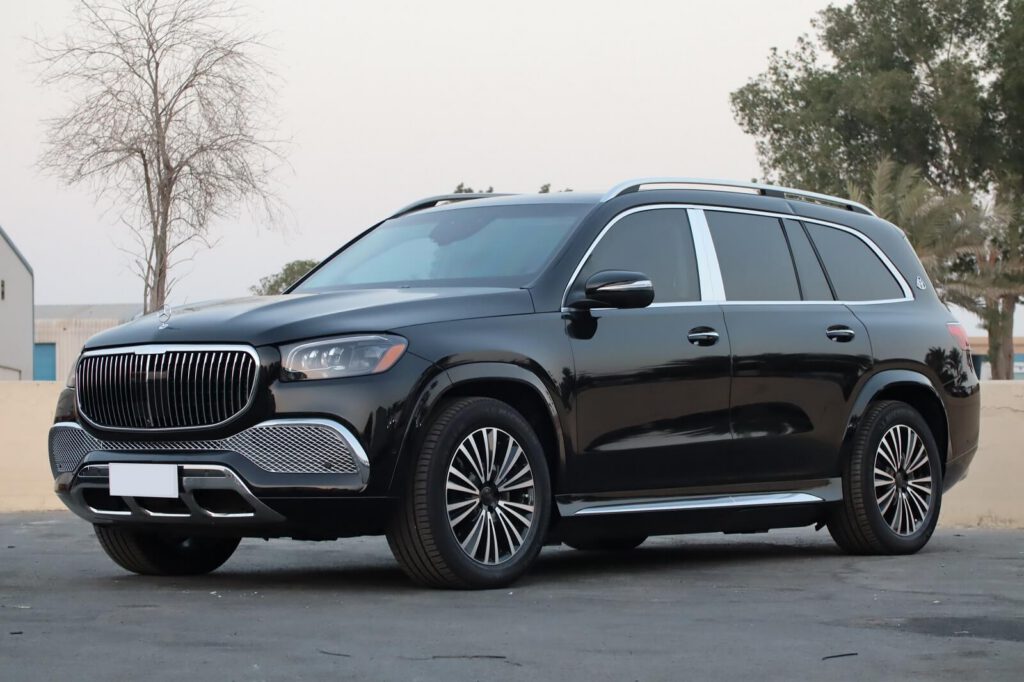
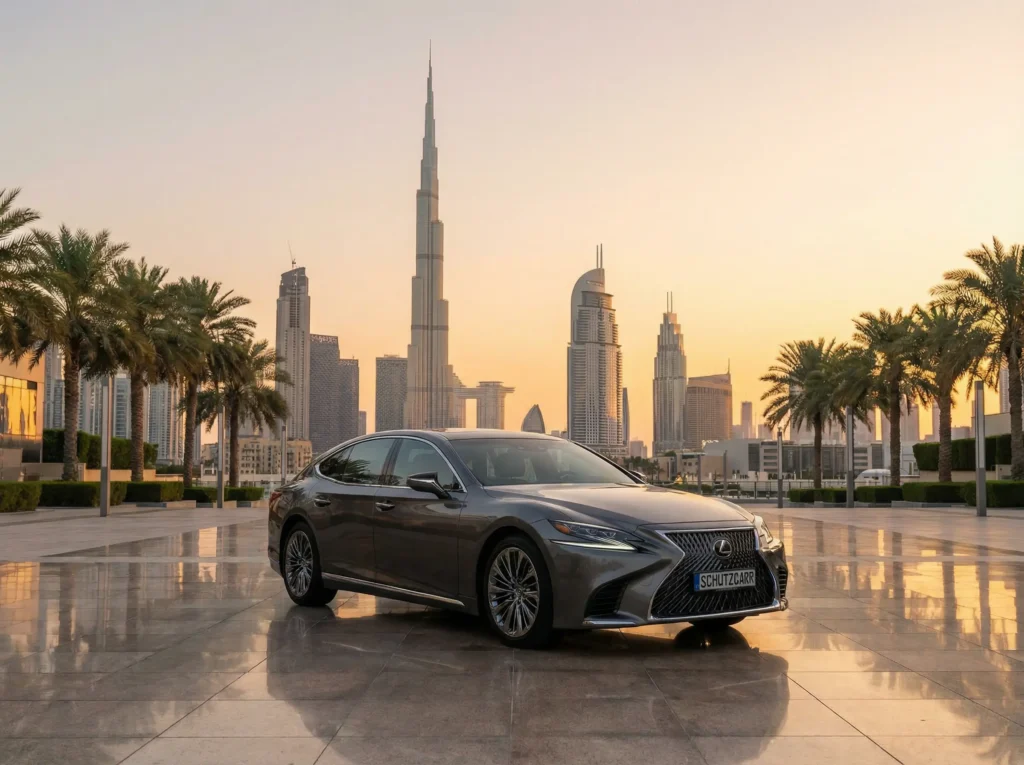
Premium armored vans and carriers for groups rarely operate alone. They usually run alongside discreet sedans and luxury SUVs that carry principal passengers, which we explore in our guides to discreet armored sedans and high end SUVs like the Maybach GLS 600 and Infiniti QX80.
This mixed fleet approach lets you segment passengers by role while keeping everyone within a coordinated armored arrangement.
Matching the right passenger to the right vehicle
Typical assignments in a mixed fleet might include discreet sedans for senior principals, luxury SUVs for close advisors or family members, and armored carriers for staff and security teams. This structure keeps movement orderly and aligned with organizational hierarchy without compromising security.
We help clients plan not just which vehicles to use, but how to assign them for different event types and itineraries.
Vehicle comparison considerations
| Vehicle Type | Best For | Key Strength |
|---|---|---|
| Discreet armored sedan | Single VIP or small group | Low profile, blends with traffic |
| Luxury armored SUV | VIPs plus limited staff | Comfort and luggage space |
| Armored van / APC carrier | Security teams and staff groups | High passenger capacity |
Thinking in terms of roles instead of models helps ensure you specify the right mix of vehicles for your actual operations.
10. Planning Your First Premium Armored Group Carrier
When organizations plan their first premium armored van or carrier for groups, they often start with model names instead of requirements. We suggest working the other way around, listing how many people you move, how often, on what roads, and with what equipment.
From there, we can recommend specific platforms such as LC76 based carriers, APC style vehicles, or extended SUVs based on concrete constraints.
Key questions to clarify with your team
- Average and maximum passenger count for typical journeys.
- Mix of urban versus rough or unpaved roads.
- Need for onboard work, meetings, or equipment use.
- Existing fleet composition and parking or access constraints.
Having these answers prepared makes early conversations with us far more productive and grounded.
How we support decision making
We provide scenario based comparisons, layout sketches, and platform recommendations tied to your risk profile and operational realities. Where helpful, we can reference existing deployments that resemble your planned use, without revealing any sensitive details.
The goal is a carrier that feels proportionate to your needs, neither overbuilt nor under specified for the way you actually move people.
Conclusion
Premium armored vans and carriers for groups sit at the center of many modern security and logistics programs. Whether you rely on LC76 based group vehicles, APC style carriers, or extended SUVs, the right configuration can give your teams a predictable, controlled way to move together through varied environments.
If you are planning or upgrading group transport capability and want to discuss specific platforms, seating layouts, or fleet structures, we invite you to contact us directly. Reach out to SchutzCarr via our contact page at https://schutzcarr.shop/contact/ and our team will help you evaluate suitable armored group solutions for your needs.