
UL 752 Ed. 12-2023 introduced 16 detailed ballistic designations that many people now reference when they talk about bullet resistance, yet very few vehicle buyers understand how this actually relates to armored SUVs and specialized platforms.
Key Takeaways
| Question | Answer |
|---|---|
| What is UL 752 and why does it matter for vehicles? | UL 752 is a ballistic standard for bullet resisting components such as glass and panels. For vehicles, we often map UL 752 designations to automotive protection bands like B4 to B7, then integrate them into full armored capsules, as explained in our guide to B4 to B7 ballistic protection levels. |
| Does UL 752 apply directly to complete armored vehicles? | UL 752 is written for architectural assemblies, not entire vehicles, but we use its firearm and ammunition definitions to select glass and armor packages inside platforms you will see in our armored vehicle lineup. |
| How does UL 752 compare with B4, B6, B7, BR6, and BR7? | UL 752 lists detailed handgun, rifle, and shotgun threats, while B4 to B7 and BR6 or BR7 are vehicle-focused shorthand bands. We help buyers bridge this gap in our article on choosing a bulletproof car for real-world protection. |
| Is UL 752 certification mandatory? | No, UL 752 compliance is voluntary. It allows components to be tested and labeled, and we use that data when configuring vehicles such as the Toyota Land Cruiser 76 BR6 armored vehicle. |
| Can civilian buyers use UL 752 when selecting an armored SUV? | Yes. Many clients use UL 752 threat definitions to specify what their glass and opaque armor should resist before deciding between BR6 SUVs in our executive BR6 SUV guide. |
| How does UL 752 relate to off-road use? | UL 752 defines ballistic performance, not mobility, but heavier rifle-level configurations influence weight. We cover these practical effects in our article on off-road BR6 armored SUVs. |
| Where can I compare UL-type threat bands to other standards? | We often reference UL 752 threats alongside B4–B7 and STANAG levels. For context on that spectrum, see our guide to STANAG 4569 Levels 1, 2, and 3. |
1. What UL 752 Ballistic Standards Mean For Vehicle Buyers
UL 752 was written for bullet resisting windows, doors, and similar assemblies, yet its firearm and ammunition definitions now shape how many armored vehicle projects specify ballistic glass and opaque armor.
When a buyer asks whether a vehicle can match a given UL 752 handgun or rifle threat, we translate those designations into the automotive B4 to B7 and BR6 or BR7 bands that actually govern weight, handling, and packaging inside a moving platform.
In practical terms, this means using UL 752 as a language for the projectile, caliber, velocity, and number of shots that the transparent and opaque armor are expected to resist.
From there, we integrate those components into a complete vehicle shell so that door frames, pillars, floor, roof, and glass form a coherent ballistic envelope instead of a set of unrelated parts.
2. UL 752 Ed. 12-2023: Handgun, Rifle, And Shotgun Designations
The current UL 752 revision is Ed. 12-2023, published in October 2023, and it reshaped the way ballistic resistance is described by replacing simple levels with firearm-focused codes.
Instead of talking vaguely about Levels 1 to 10, we now work with UL-HG-A to UL-HG-D for handguns, UL-RF-A to UL-RF-J for rifles, and UL-SG-A to UL-SG-B for shotguns, each tied to specific ammunition and velocities.
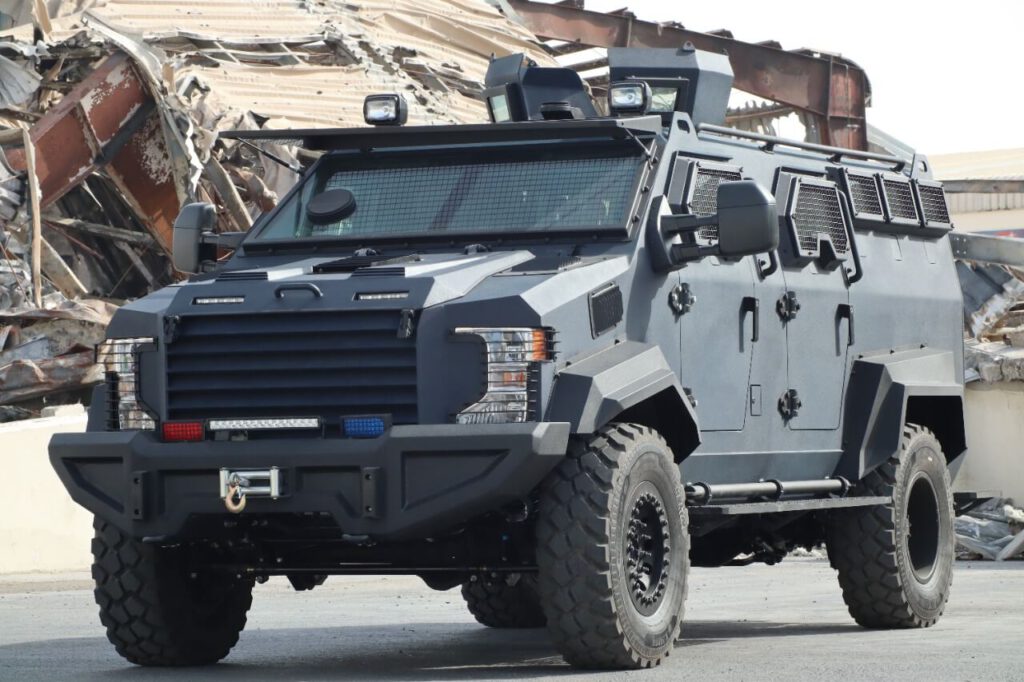
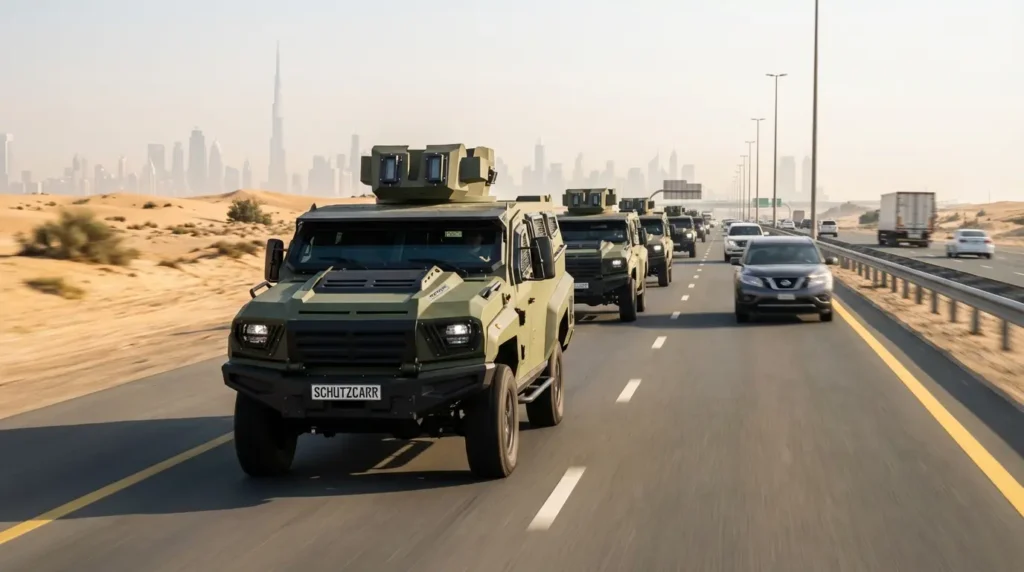
For vehicle projects, we use these designations to specify glass and panels that match or exceed the intended threat profile before we categorize the configuration into B4 handgun level, BR6 rifle level, or similar automotive shorthand.
This structure gives buyers a way to confirm that their vehicle protection band traces back to a defined test that uses known calibers instead of generic marketing phrases.
3. Mapping UL 752 To B4–B7 And BR6/BR7 Vehicle Protection Levels
Because UL 752 is not written as a vehicle standard, one of our main tasks is to map its handgun and rifle designations to the B4–B7 and BR6 or BR7 bands that many armored vehicle buyers recognize.
For example, handgun-focused UL-HG designations relate conceptually to B4 or BR4 vehicles, while higher rifle-focused UL-RF codes correspond more closely to BR6 or B7 builds that address 7.62 mm rifle threats.
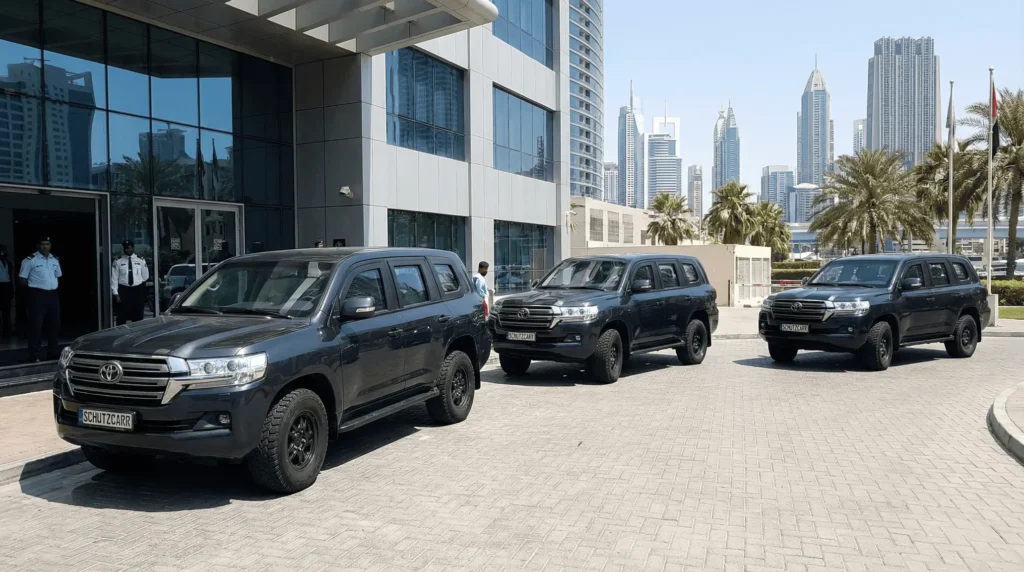
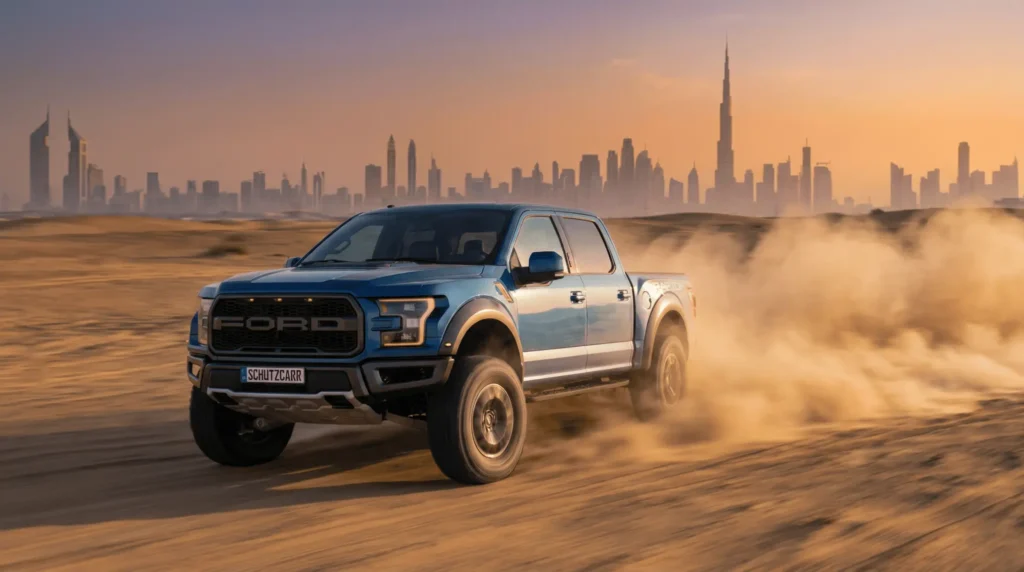
At vehicle level, we then add other standards into the discussion, such as EN 1063 and STANAG 4569, to give a clear multi-standard picture of where a configuration sits.
This helps a buyer see, for instance, how a BR6 SUV that conceptually sits near UL rifle mid-bands compares with a platform that targets higher UL-RF designations or B7-type protection.
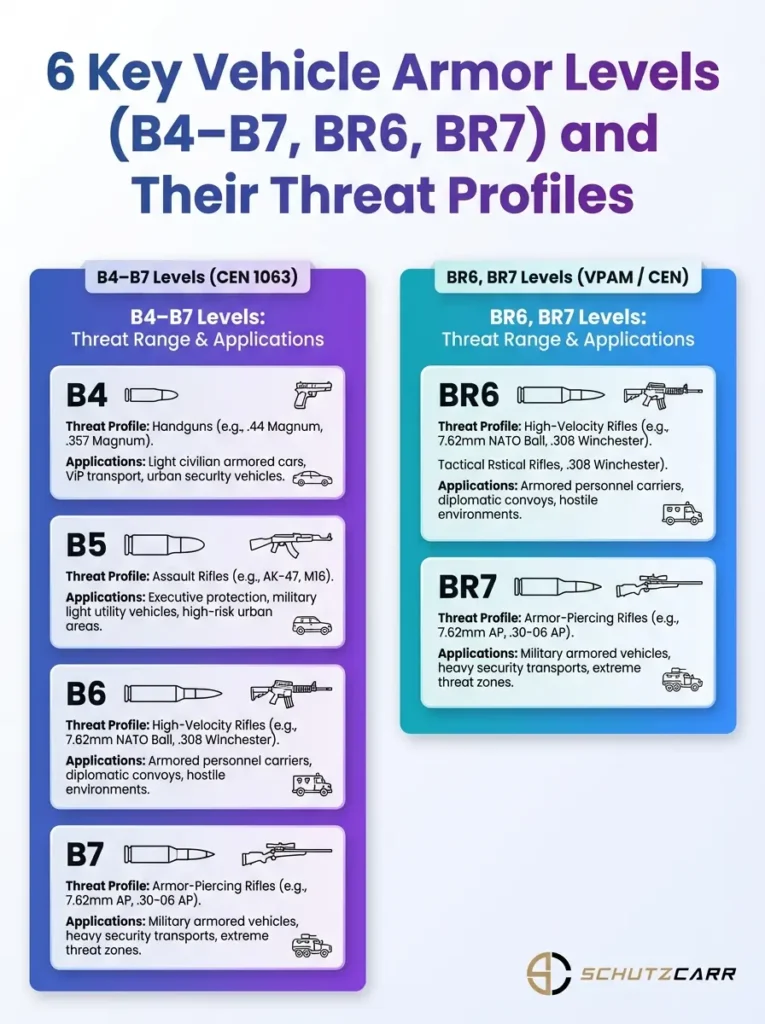
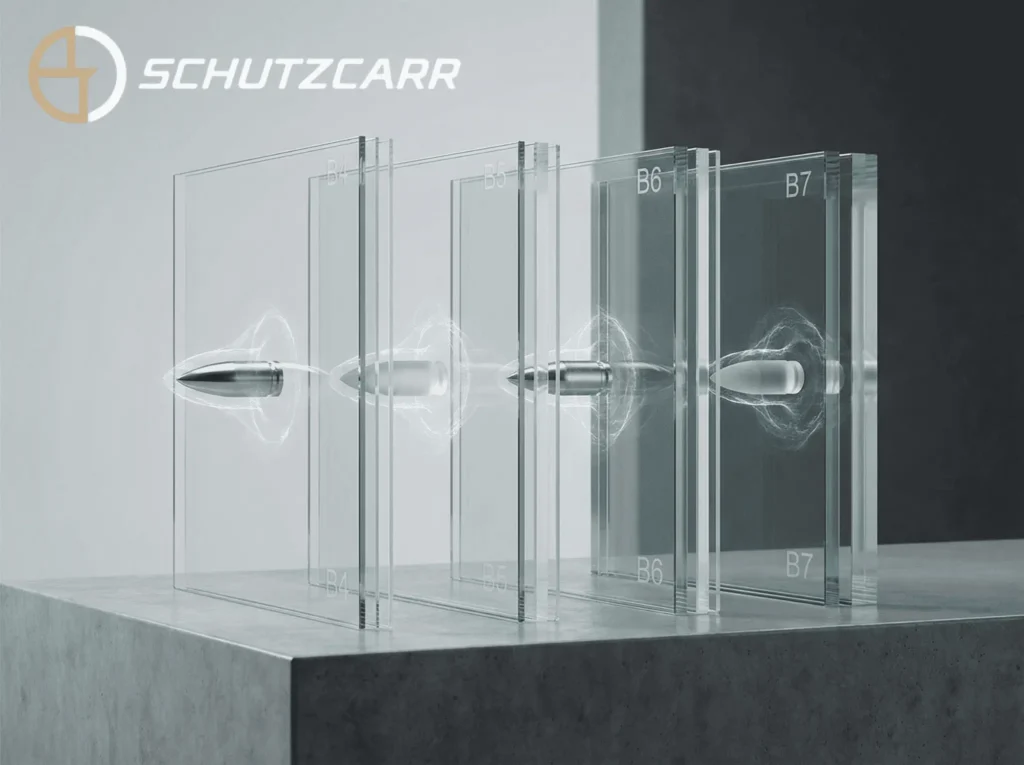
A visual guide to UL 752 ballistic standards for vehicles, highlighting the six armor levels (B4–B7, BR6, BR7) and their threat profiles.
4. How UL 752 Threat Bands Affect Vehicle Design Choices
Once a buyer selects a UL 752 style threat band, such as a mid rifle designation, almost every aspect of the vehicle design is affected, from chassis selection to suspension tuning.
Higher rifle threats mean thicker glass and heavier opaque armor, which influence how we select springs, dampers, brakes, and tires for platforms such as Land Cruiser based SUVs or extended wheelbase luxury vehicles.
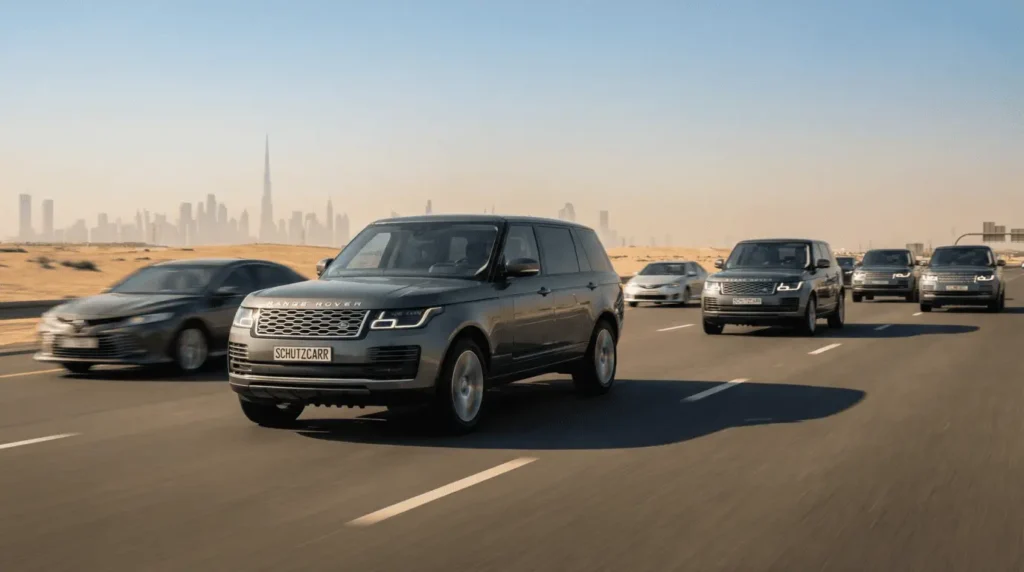
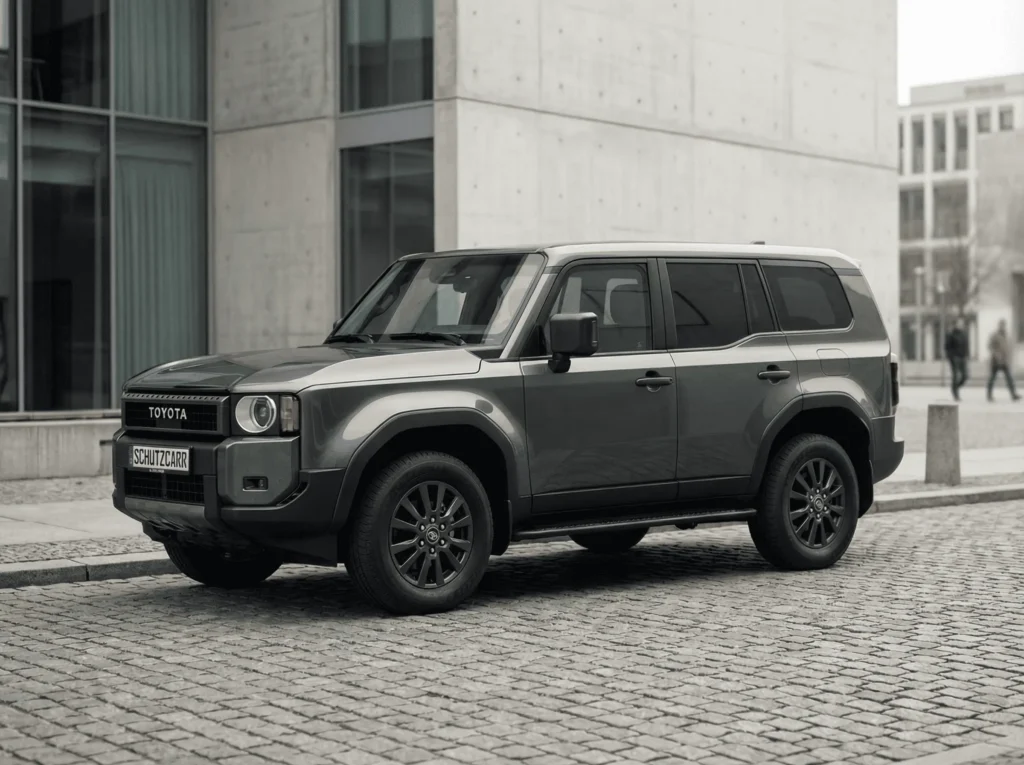
For typical BR6 rifle configurations, our engineering teams expect weight increases in the several hundred kilogram range or beyond, which changes ride height and center of gravity compared with the original non-armored base vehicle.
Because UL 752 focuses on ballistic performance only, we take its threat definitions as a starting point, then run full vehicle level integration and testing to understand real-world road behavior.
Did You Know?
UL 752 Ed. 12-2023 introduces 16 performance designations: UL-HG-A/B/C/D (handgun), UL-RF-A through UL-RF-J (rifle), and UL-SG-A/B (shotgun).
5. UL 752 And The B4–BR4 Handgun Band For Vehicles
At the lower end of the threat spectrum, UL handgun designations such as UL-HG-A or UL-HG-B describe test protocols involving 9 mm or similar handgun rounds, which conceptually align with B4 or BR4 vehicle configurations.
In vehicle builds, B4 or BR4 style protection typically focuses on lighter transparent and opaque armor, which keeps added mass comparatively modest and usually allows platforms like sedans and crossovers to preserve much of their original performance character.
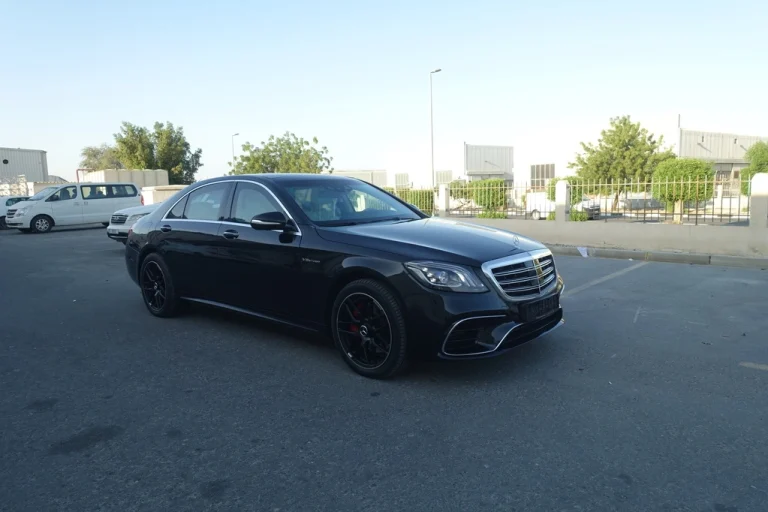
Because these levels work with thinner glass and slimmer armor sections, interior space sacrifices are smaller, and styling can remain discreet with minimal visible changes around door frames and window apertures.
We still apply UL 752 style thinking at component level, choosing glass and panels that refer to defined handgun threats even when the final product is presented to the buyer simply as a B4 or BR4 vehicle.
6. UL 752 Rifle Designations And BR6/BR7 SUVs
When clients ask for rifle-level protection, we are usually working with UL-RF designations in UL 752 and BR6 or BR7 bands in the vehicle space, particularly for SUVs such as the Land Cruiser 76, Infiniti QX80, or Lexus LX600.
These projects involve thicker laminated glass, heavily reinforced doors and pillars, and often upgraded brakes and driveline components that can handle the increased mass of a full rifle-level armored capsule.
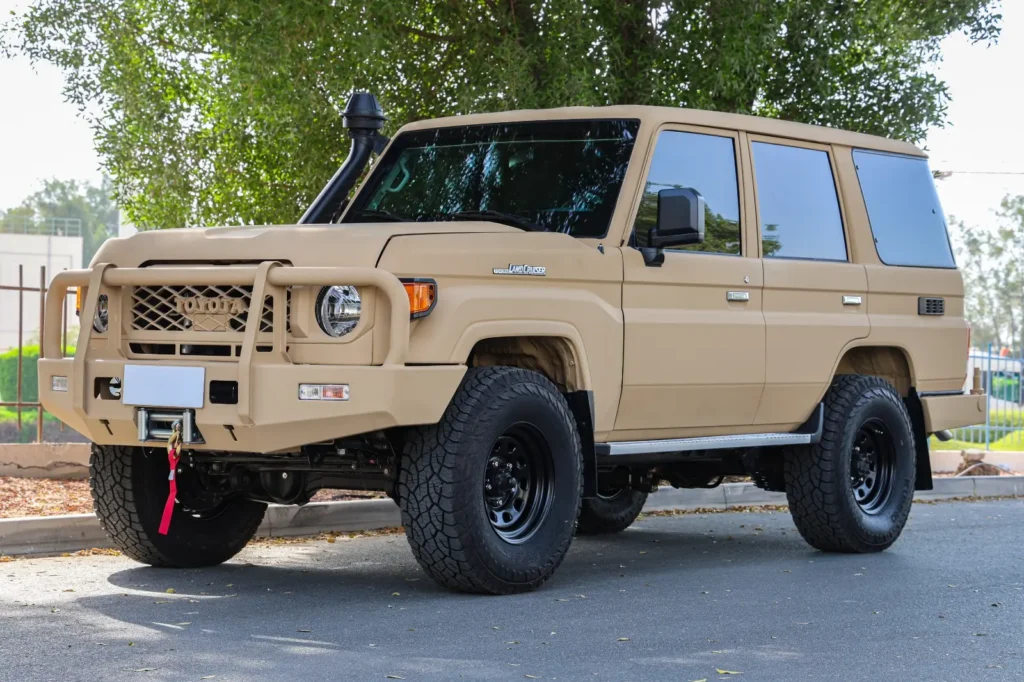
For a BR6 Land Cruiser 76, for example, we integrate rifle-focused protection into a relatively simple ladder frame platform, which makes it easier to package heavy armor without overcomplicating the base vehicle.
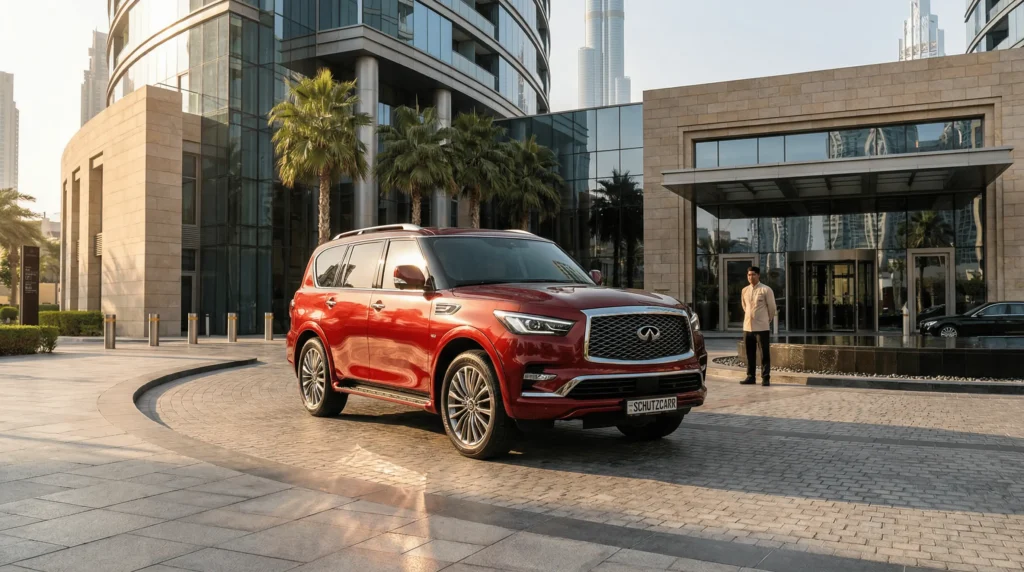
On full-size luxury platforms such as the Infiniti QX80 BR6, we balance rifle-level UL 752 style glass and armor with a cabin that retains comfort features, lighting, and technology that many buyers expect from a large SUV.
7. UL 752 Concepts In The Lexus LX600 BR6 And Executive BR6+ SUVs
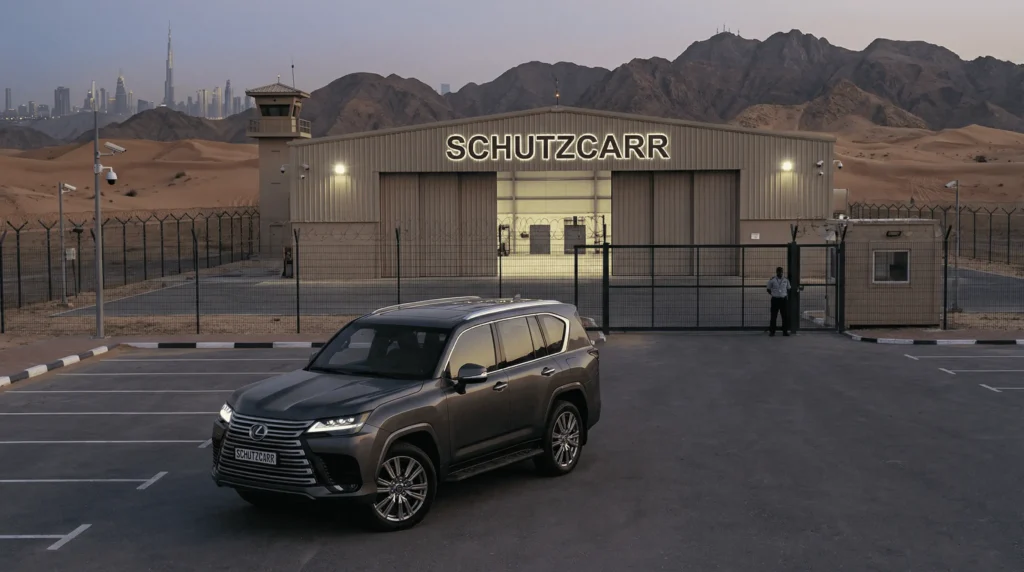
The Lexus LX600 BR6 armored SUV is a good example of how UL 752 inspired threat definitions map into a high-end vehicle that still looks and feels like a civilian luxury platform.
In such builds, we use rifle-level glass and composite or steel armor that correspond to UL-RF mid bands while ensuring that door apertures, seat layouts, and climate systems continue to function as a daily-use executive vehicle.
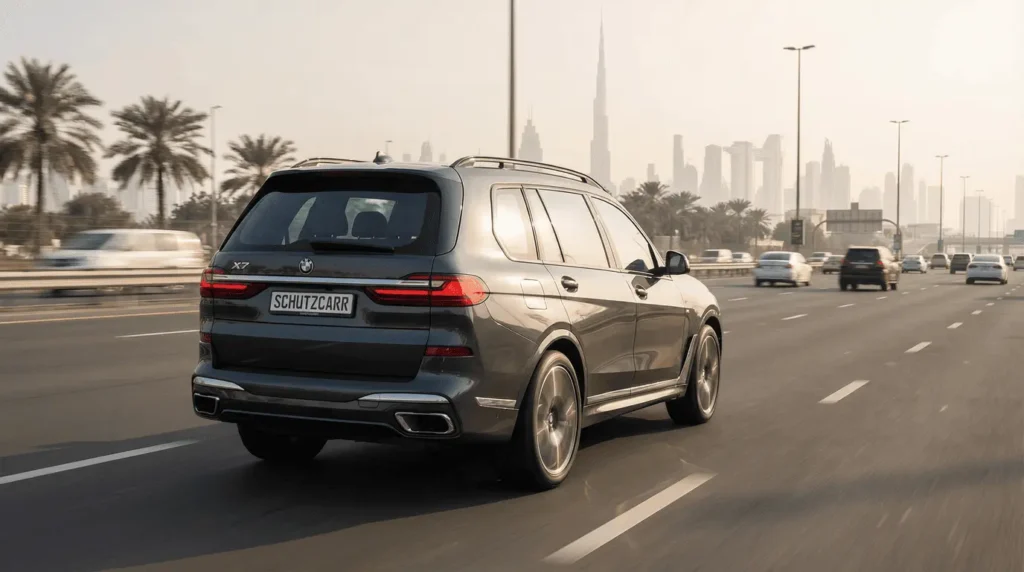
BR6+ executive SUVs extend this idea, applying UL 752 rifle and occasionally shotgun threat concepts to extended wheelbase vehicles or to platforms such as high-spec Range Rover or Maybach GLS SUVs.
The result is a group of vehicles that sit clearly in the rifle-level band but can be used for long-distance road travel, airport transfers, and regular city driving without drawing unnecessary attention.
Did You Know?
Rifle designations UL-RF-A through UL-RF-J in UL 752 include extreme threats, with the highest UL-RF-J using a .50 caliber M33 round at about 2910 fps and roughly 12,389 ft-lb of energy.
8. Off-Road Vehicles, UL 752 Threats, And BR6 Integration
Clients who operate on mixed surfaces or unpaved routes often prefer platforms such as the Toyota Land Cruiser 76, which can carry BR6 rifle-level protection while keeping suspension geometry suitable for off-road use.
Here, UL 752 rifle designations help define the glass and armor, but our primary vehicle questions become ground clearance, weight distribution, and how certain components such as axles and steering systems react to extra mass.
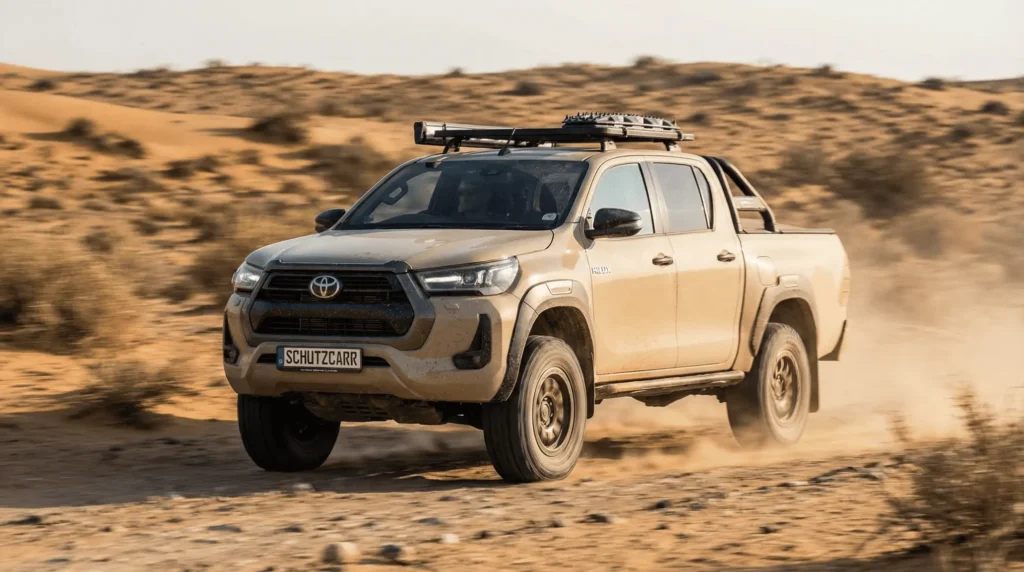
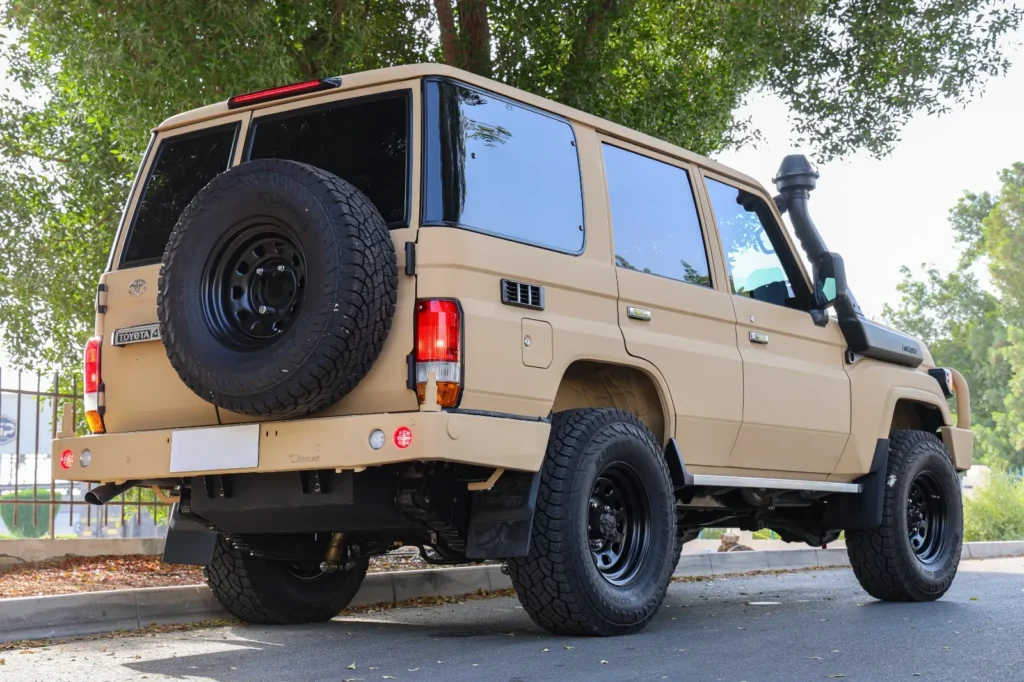
Because off-road use subjects a vehicle to additional loads, we pay close attention to how thicker UL 752 rifle-rated glass affects door weight and hinge loads when the vehicle is parked at angles or on uneven surfaces.
We also consider how underbody and floor protection associated with rifle or blast-focused configurations change the way the vehicle rides over obstacles compared with a non-armored or handgun-level build.
9. Discreet Styling, UL 752 Levels, And Civilian Contexts
For many civilian users, the central challenge is obtaining UL 752 style ballistic performance while keeping the vehicle visually discreet in everyday environments.
This means integrating thicker glass and panel systems into door frames, rooflines, and tailgates in a way that preserves original styling cues and does not advertise the presence of armor.
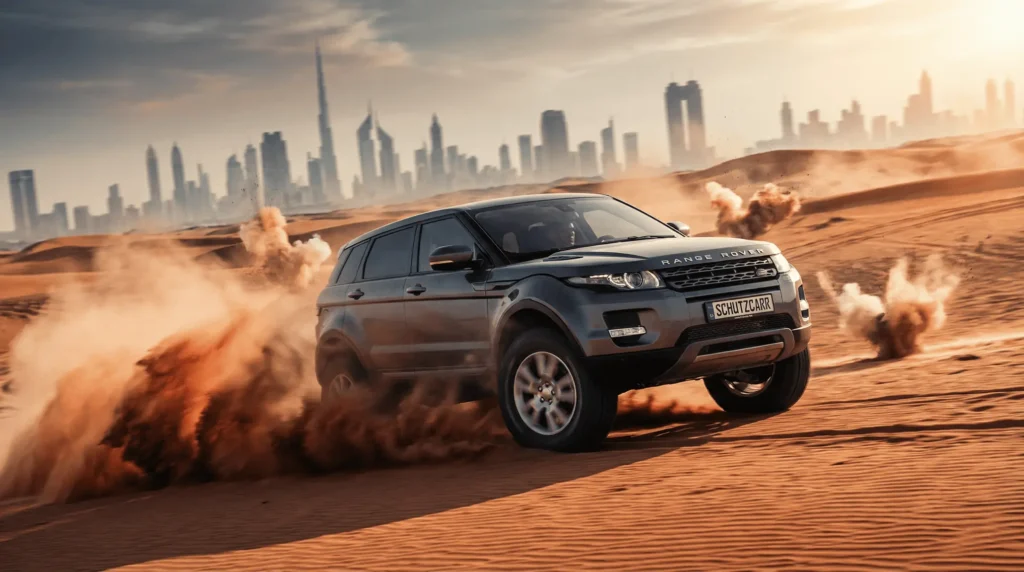
On vehicles like the Infiniti QX80 BR6 or Lexus LX600 BR6, our design teams shape the armor edges to follow factory body lines so that the thicker glass and panel overlaps are not obvious from a distance.
Inside the cabin, we often re-trim pillars and door cards to conceal armor overlaps, which allows a rifle-level vehicle to present itself much like a standard high-spec SUV.
10. Using UL 752 Concepts To Compare Platforms: Land Cruiser 76, QX80, LX600
When buyers narrow their options to specific platforms, such as a Toyota Land Cruiser 76, Infiniti QX80 BR6, or Lexus LX600 BR6, UL 752 concepts help them compare rifle threat handling across very different vehicle types.
Each of these platforms can host ballistic glass and panels that map to UL rifle designations, but they differ in cabin volume, chassis sophistication, suspension layouts, and how the added mass is distributed.
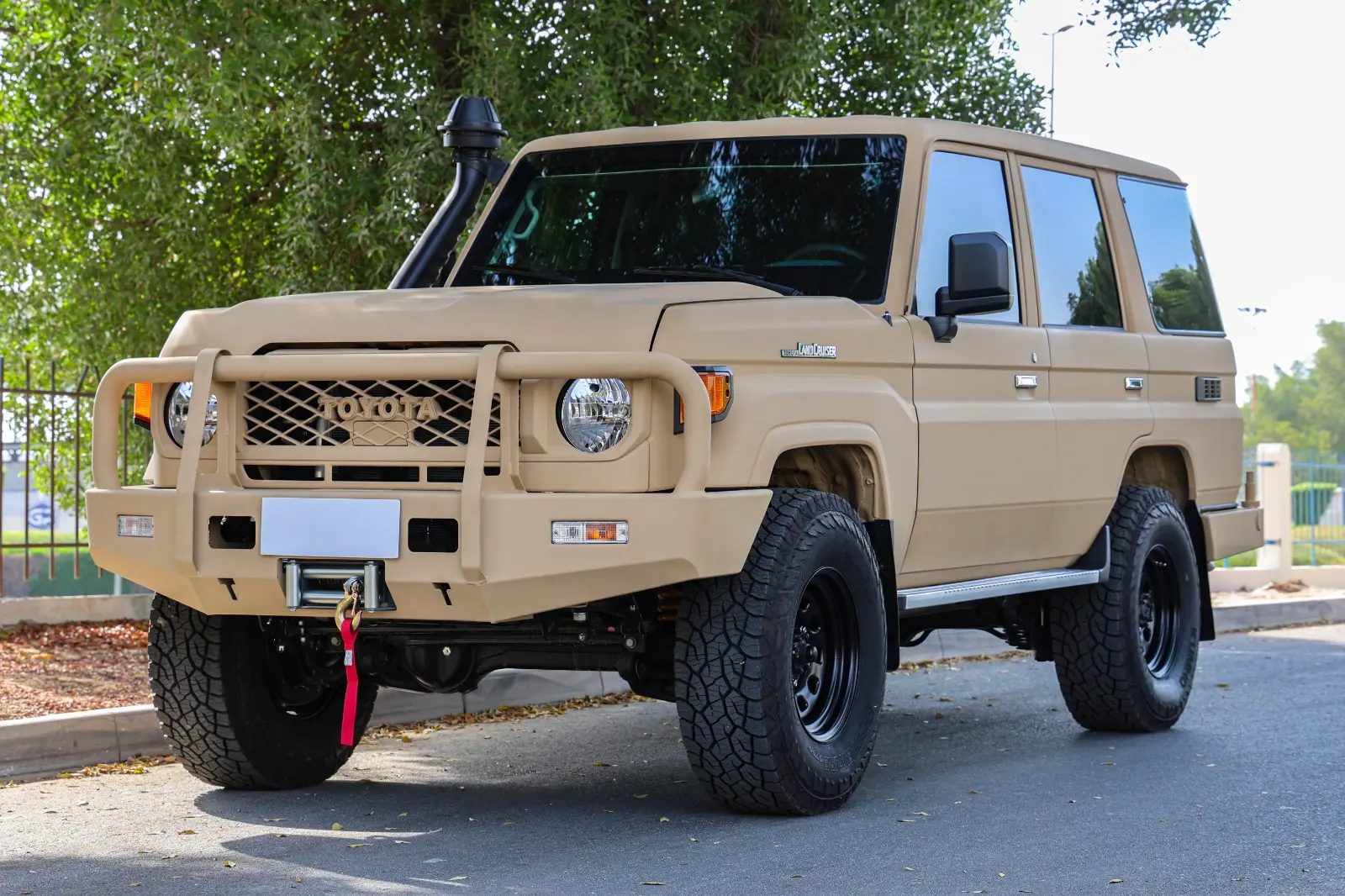
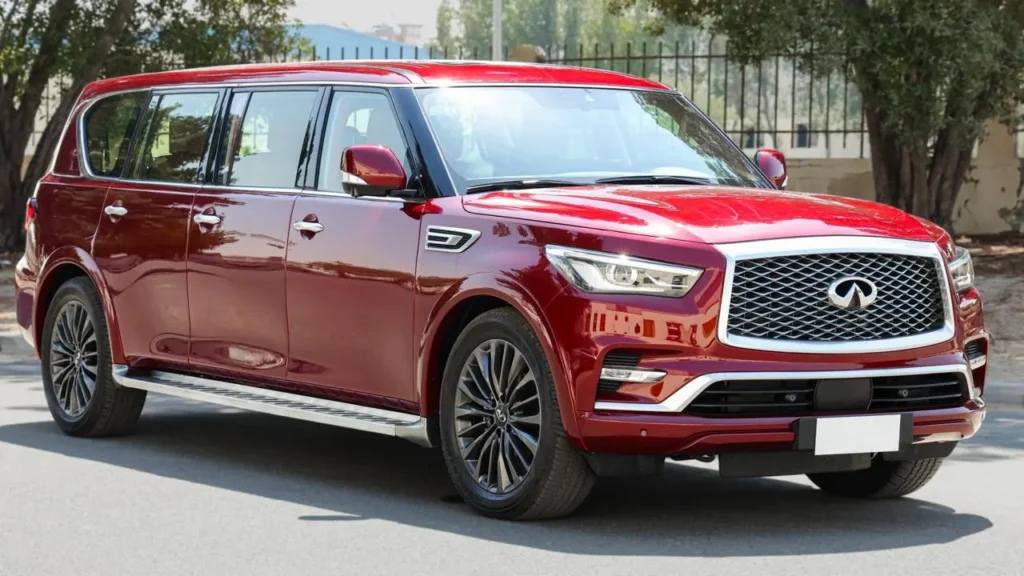
The Land Cruiser 76 offers a simpler, rugged base that handles weight predictably and is often chosen where durability and serviceability are priorities.
The QX80 and LX600, by contrast, provide more cabin refinement and technology, which some buyers value when using rifle-level vehicles for long journeys on paved routes.
11. Where UL 752 Fits Alongside EN And STANAG For Vehicle Projects
In real projects we rarely rely on UL 752 alone, and instead we place it alongside EN 1063, EN 1522, and STANAG 4569 concepts to form a multi-standard picture for each configuration.
UL 752 gives a precise language for handgun, rifle, and shotgun threats, while EN and STANAG add different perspectives on glass thickness, multi-hit spacing, and sometimes blast-related criteria that are relevant for specialized vehicles.
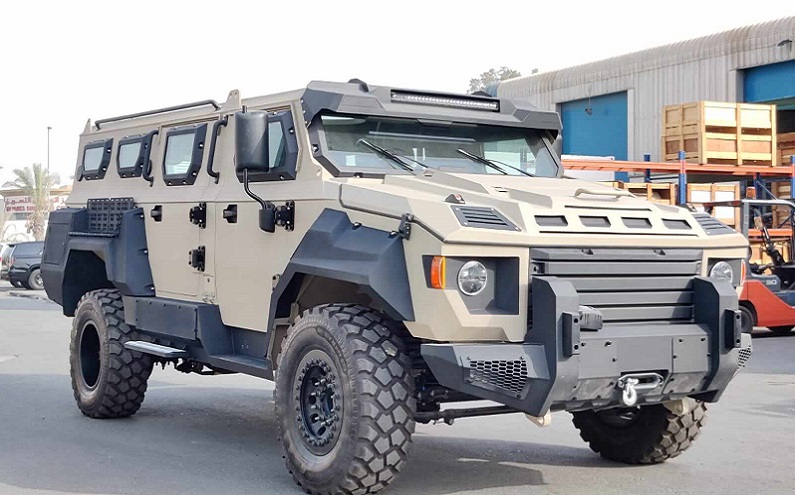
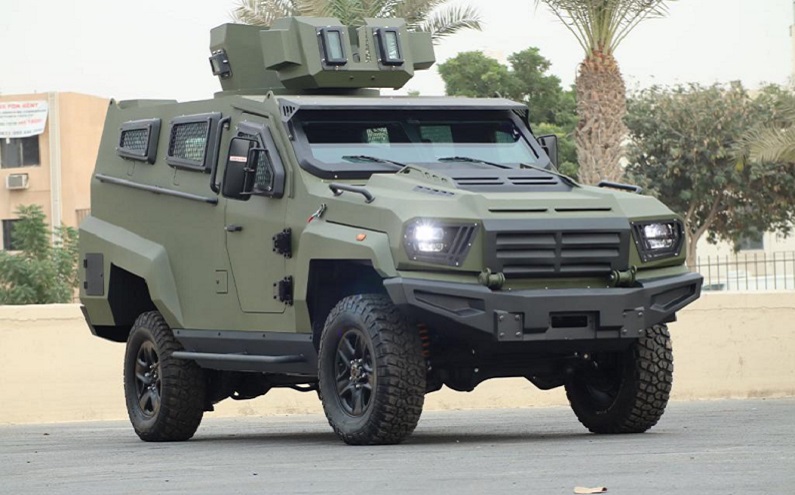
By building an internal matrix of UL, EN, and STANAG references, we help clients see how a given SUV or armored personnel carrier concept performs across different testing frameworks without needing to become experts in each document.
This makes it easier to specify a vehicle in simple terms, such as BR6 with certain STANAG characteristics, while knowing that the underlying components trace back to documented UL 752 test conditions.
Conclusion
UL 752 ballistic standards were not created for vehicles, yet their detailed handgun, rifle, and shotgun threat definitions now sit behind many armored SUVs, pickups, and specialty platforms we supply.
By mapping UL 752 designations to B4–B7, BR6, BR7, and related bands, we help buyers choose practical configurations that align component-level ballistic performance with real-world vehicle behavior on the road and off it.
If you would like help interpreting UL 752 in the context of a specific vehicle platform, or want to discuss how these standards relate to BR6 or B7 builds, we are available to walk through your options in detail.
To discuss your requirements with our team, please get in touch with SchutzCarr directly via our contact page at https://schutzcarr.shop/contact/.