
VIP delegations working with NGOs depend on reliable ground transport that respects both security and discretion. For many programs, up to 60 minutes of courtesy wait time for international arrivals is now standard in professional executive transport, which shows how carefully timed and protected every movement needs to be when teams land, clear borders, and move into high‑risk urban or rural areas. In this guide, we explain how our VIP diplomatic vehicle solutions support NGOs with armored sedans, SUVs, and personnel carriers tailored to field missions, diplomatic visits, and sensitive negotiations.
Key Takeaways
| Question | Answer |
|---|---|
| What are VIP diplomatic vehicle solutions for NGOs? | They combine armored sedans, SUVs, and personnel carriers with professional drivers, documentation, and mission planning to move NGO leaders and partners safely. Our overview of platforms on armored vehicles shows the range of options available. |
| Which vehicles work best for discreet diplomatic visits? | Discreet BR6 sedans and luxury SUVs offer high protection without attracting attention. We detail these choices in our guide to discreet armored sedans. |
| How can NGOs choose between SUVs and personnel carriers? | It depends on group size, threat level, and terrain. Smaller missions often use BR6 SUVs, while larger teams or sensitive convoys may rely on APC platforms such as those discussed in our civilian MRAP overview. |
| What protection levels are relevant for diplomatic NGO work? | Most NGO VIP movements sit in the B6 or BR6 range, with BR7 and above reserved for very high‑threat environments. Our armored car buyer’s guide explains these ratings in detail. |
| Which platforms are most proven for NGO field missions? | Rugged models such as the Armored Toyota Land Cruiser 76 provide durable, serviceable protection for operations in challenging terrain. |
| How do NGOs integrate VIP transport with overall security planning? | By aligning vehicle type, protection level, routes, and documentation with risk assessments and mission goals. We support that process through our main armored vehicle hub and tailored consultations. |
1. Why NGOs Need VIP Diplomatic Vehicle Solutions
NGOs often host high‑level delegations, negotiate access with local authorities, and oversee field missions that depend on road movement through unpredictable environments. VIP guests expect comfort and privacy, while security advisors insist on credible ballistic protection, controlled routing, and vetted drivers.
To meet these expectations, we design our VIP diplomatic vehicle solutions around three priorities: threat‑appropriate armor, discreet appearance, and operational reliability. Our platforms range from executive sedans to fully armored personnel carriers, all configured to integrate with existing NGO travel and security protocols.

2. Core Vehicle Types for Diplomatic NGO Missions
Diplomatic NGO operations typically rely on three core vehicle classes: discreet sedans for urban movements, armored SUVs for mixed city and field travel, and armored personnel carriers for larger teams or high‑threat routes. Each class addresses a different balance of visibility, capacity, and protection.
We group our offerings accordingly so NGOs can match their risk profile and mission style with the right platform. Armored sedans focus on low‑profile movement, SUVs handle multi‑role tasks, and APCs carry full teams, interpreters, and security staff while preserving continuity of operations in difficult conditions.

3. Discreet Armored Sedans for VIP NGO Delegations
Executive Sedan Profiles for Diplomatic Work
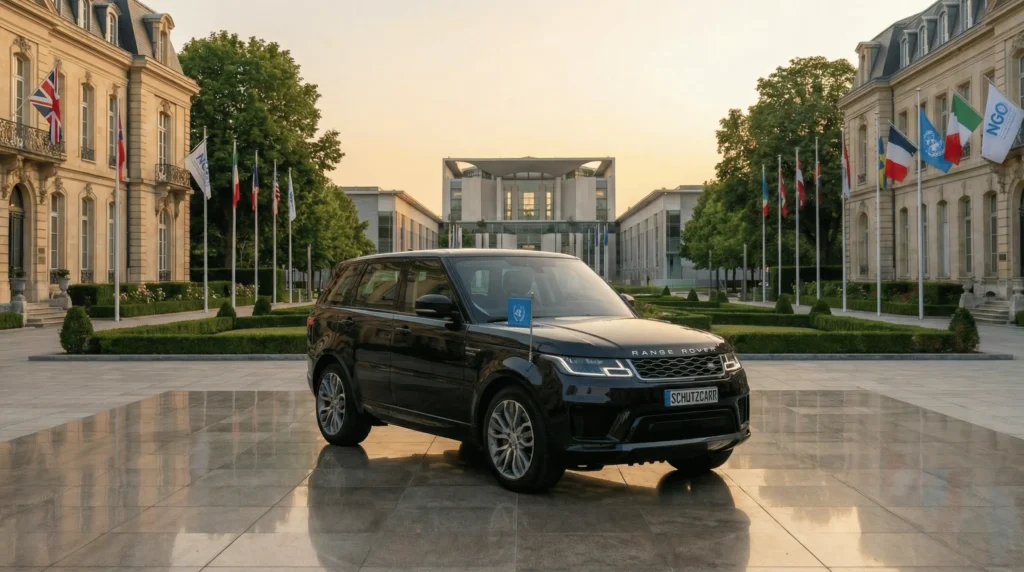
Armored sedans remain a cornerstone of diplomatic mobility for NGOs that must operate in dense city centers, meet partners at official venues, and move without attracting attention. BR6 sedans provide protection against common ballistic threats while maintaining a familiar silhouette that blends into civilian traffic.
Within our portfolio, we focus on discreet executive platforms that preserve ride quality and cabin comfort for long days of meetings. NGOs can configure seating layouts, communication systems, and privacy options to suit visiting donors, senior leadership, or subject‑matter experts.

When Sedans Make More Sense Than SUVs
NGOs often ask whether sedans are still relevant compared with SUVs. For diplomatic visits in dense urban areas, sedans offer easier parking, lower profile, and familiar appearance around official venues or hotels.
A typical executive sedan platform, such as an Audi A6 configuration, carries 3 passengers and 2 luggage items, which suits one VIP with close support staff. For larger groups, we usually recommend pairing sedans with SUVs in a small convoy so that security, translators, and program leads all have space without overcrowding a single vehicle.

4. Armored SUVs for NGO VIP Convoys and Field Travel
Why BR6 SUVs Fit Many NGO Diplomatic Use Cases
Armored SUVs combine discreet appearance with increased ground clearance and cargo volume, which suits NGOs that move between airports, cities, and rural project sites. BR6 protection helps manage risks along known routes while still allowing reasonable performance and serviceability.
Our SUV lineup includes extended platforms that add rear cabin space for documentation, field kits, or additional passengers. For NGOs that regularly move donor delegations alongside local staff, these SUVs provide a practical middle ground between sedans and larger carriers.

Capacity Planning for VIP Convoys
For VIP delegations, capacity planning is as important as armor level. For example, a Chevrolet Suburban‑type configuration typically offers space for 6 passengers and 6 luggage items, which is ideal for mixed groups of NGO leaders, specialists, and security advisors.
Where itineraries include back‑to‑back meetings, project visits, and site assessments, we recommend SUVs that can comfortably hold people, laptops, field equipment, and personal items. This avoids the need to split key stakeholders between vehicles and keeps communication within the same cabin.
Did You Know?
Diamond membership programs can include 24 hours per month with priority access to armored vehicles, which is especially valuable for NGOs running repeated VIP missions in higher-risk environments.

5. Rugged Platforms: Armored Toyota Land Cruiser 76 for NGO Field Missions
Why NGOs Trust the Land Cruiser 76 Platform
Many NGOs need one platform that can handle city meetings in the morning and rough, unpaved routes to project sites in the afternoon. The Armored Toyota Land Cruiser 76 responds to that requirement with a proven chassis and integrated armor.
Our LC76 builds offer BR6 or B7 protection with ballistic glass, reinforced suspension, and run‑flat systems. The armored conversion maintains drivability and service access so NGOs can keep vehicles on the road during long deployments.

Example Configurations for VIP and Field Use
A typical LC76 VIP configuration might prioritize rear‑cabin comfort with upgraded seating, climate control, and communications, while still providing space for field equipment and document bags. NGOs can add options such as intercoms, rear surveillance cameras, or upgraded lighting to suit field logistics.
Because pricing is listed as TBD for many builds, we work closely with NGO partners to define must‑have features versus optional enhancements. This approach allows each organization to tune the LC76 to its specific operating areas and delegation profiles.
6. Armored Personnel Carriers for Larger NGO Teams and Missions
APC Platforms for Secure Group Transport
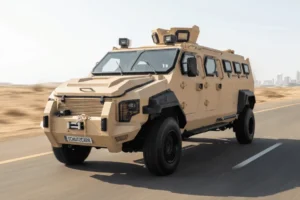
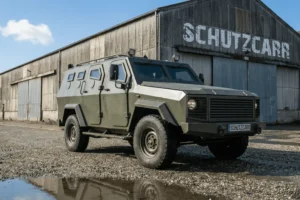
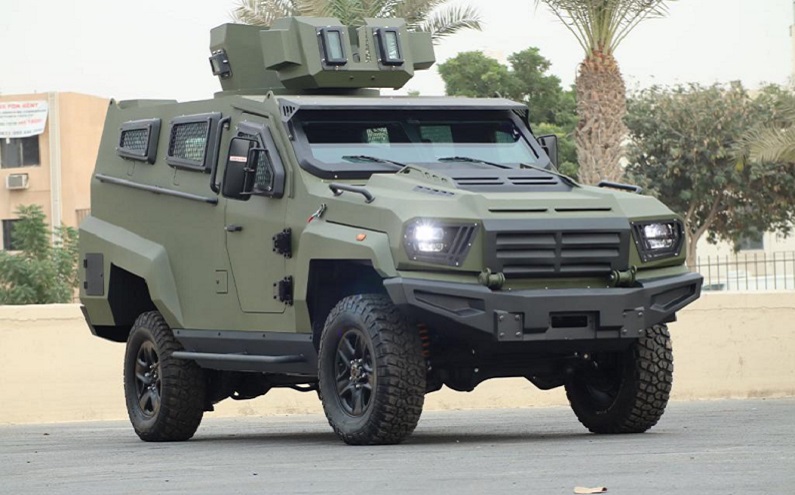
When NGOs move entire teams, observers, or multi‑agency delegations, standard SUVs reach their limits. Armored personnel carriers (APCs) such as the APC SHARK, APC MONO Q 4×4, and similar platforms offer higher seating capacity, robust protection, and flexible interior layouts.
APCs can serve as rolling coordination hubs for complex missions, with room for communications equipment, medical kits, and operational staff. They are especially relevant where NGOs maintain a visible presence along fixed corridors or need to shuttle groups between compounds and project areas.
Examples from Our APC and MRAP‑Based Range
Our APC MONO Q 4×4 emphasizes a balance of maneuverability and interior space, which works well for NGO movements in mixed terrain. Other platforms, such as MERKAVA SAGIV variants, provide higher protection and additional payload capacity for specialized missions.
For NGOs, the choice between these platforms usually comes down to route conditions, expected threat levels, and how visible they intend their presence to be. We advise partners on interior layout, seating, and access points to make sure loading and disembarkation remain safe and efficient.

7. Civilian MRAP‑Style Solutions for Humanitarian Corridors
Road‑Legal MRAP Concepts for NGOs
Some NGO operations require mine resistance, blast protection, and higher ballistic ratings along designated corridors. We support these missions with civilian, road‑legal MRAP‑style platforms that meet relevant standards while remaining registered for civilian road use.
These vehicles combine V‑shaped hull concepts, elevated seating, and reinforced structures to help mitigate risks from specific threat types. NGOs working in such environments use MRAP‑style assets as backbone vehicles for staff rotations, supply movements, and VIP monitoring visits.

Balancing Protection with Civilian Usability
NGOs cannot rely on platforms that are too specialized to be maintained locally or registered under civilian frameworks. Our MRAP‑style solutions are built with this in mind, focusing on common drivetrains, accessible components, and cabin layouts that support NGO workflows rather than tactical operations.
We also help organizations evaluate whether MRAP‑grade assets are truly necessary or if BR6/BR7 SUVs and APCs provide adequate protection. This prevents over‑specification and simplifies fleet management over the life of a program.
8. Protection Levels and Certification for Diplomatic NGO Fleets
Understanding B6, BR6, BR7 and Related Ratings
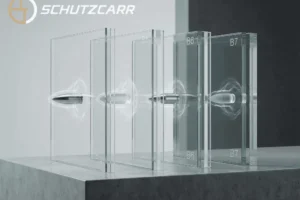
Choosing the right protection level is central to any VIP diplomatic vehicle program. Our team explains the differences between B6, BR6, BR7, and higher ratings in practical terms, relating each level to likely threats, typical routes, and mission profiles.
In our guidance, we emphasize that many NGO VIP movements can be handled with BR6 armor, which balances protection and vehicle dynamics. BR7 and above become relevant for exceptionally high‑risk locales or specific mission mandates.

Certification, Documentation, and NGO Compliance
Diplomatic NGO fleets must satisfy a range of compliance requirements that include registration, export documentation, insurance criteria, and internal risk policies. We provide documentation packs and test data that demonstrate how each platform meets international standards.
This paperwork supports NGO legal teams, risk managers, and logistics coordinators as they liaise with local authorities and host partners. It also streamlines future audits or fleet reviews, since every vehicle’s protection level and configuration are clearly recorded.
Did You Know?
Platinum membership tiers often include up to 4 airport transfers and 12 hours of transportation per month, which lets NGOs map recurring VIP visits and field trips against predictable, contracted vehicle time.
9. Membership‑Style Transport Programs for NGOs
Using Hourly Memberships to Support Recurring Missions
NGO delegations rarely travel only once. Many programs involve monthly or quarterly oversight visits, donor missions, and technical workshops that all require safe movement. Membership‑style transport programs, with fixed monthly hours and set numbers of airport transfers, help NGOs plan ahead.
For example, silver or platinum‑style tiers might allocate a baseline of executive transport hours, while higher levels prioritize access to armored SUVs and APCs for high‑threat trips. This structure gives program managers predictability around vehicle availability and helps them schedule missions without last‑minute arrangements.

Airport Meet & Greet and Courtesy Wait Times
For VIPs arriving from different time zones, missed connections and delays are unavoidable. Many of our NGO clients value structured services such as airport meet & greet and inclusive courtesy wait times at arrival.
For instance, silver‑style memberships may include at least 2 airport meet & greet services per month, while standard practice in executive transport allows up to 60 minutes of courtesy wait time for international arrivals. This buffer reduces operational stress and ensures delegations do not lose their secure vehicle if flights run late.
10. Planning a VIP Diplomatic Vehicle Mix for Your NGO
Aligning Fleet Composition with Mission Profiles
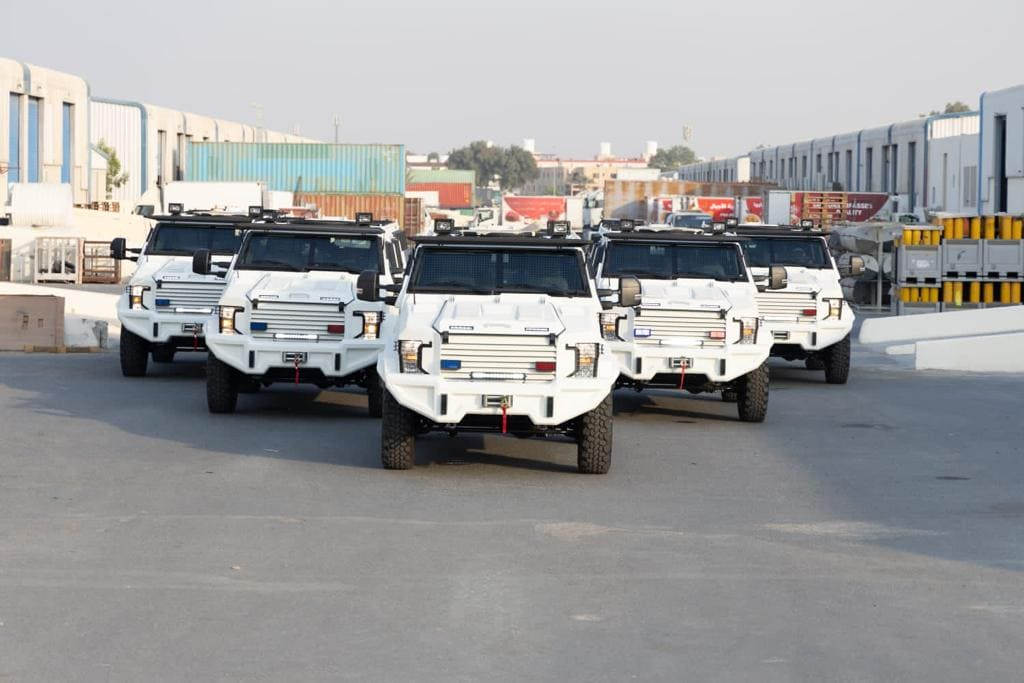
Every NGO operates differently, so we help each partner build a tailored vehicle mix. A typical configuration might include a pair of BR6 sedans for senior visitors, several BR6 SUVs for staff and escorts, and one APC for larger team movements or corridor runs.
We recommend starting with a clear map of mission types: city diplomacy, field assessments, staff rotations, and emergency response. From there, it becomes easier to assign suitable platforms and decide how many units of each are required.
Sample Comparison Table for NGO VIP Fleet Planning
| Vehicle Type | Typical Use in NGOs | Passenger Focus | Key Advantage |
|---|---|---|---|
| Discreet BR6 Sedan | City meetings, hotel transfers, donor visits | 1–3 VIPs | Low profile in dense urban traffic |
| Armored BR6 SUV | Airport to city, mixed city‑field routes | 4–6 passengers | More luggage and equipment capacity |
| Armored Toyota LC76 | Field missions, rough terrain, project sites | Team and field gear | Durability and off‑road capability |
| APC / MRAP‑Style | Larger delegations, fixed humanitarian corridors | Full team with support staff | Highest group protection and payload |
This kind of planning table helps NGO leadership visualize how each unit in the fleet contributes to overall mobility and risk management. From there, they can phase acquisitions or transport contracts according to budget cycles and program priorities.
Conclusion
VIP diplomatic vehicle solutions for NGOs sit at the intersection of security, diplomacy, and logistics. Our role is to supply armored sedans, SUVs, and personnel carriers that meet clearly defined protection levels, remain serviceable in the field, and align with how NGOs actually operate.
By combining discreet BR6 sedans, versatile SUVs, rugged LC76 platforms, and APC or MRAP‑style vehicles where needed, NGOs can protect their delegations without compromising mission access or visibility. When these hardware choices are supported by structured membership‑style transport programs, meet & greet services, and proper certification, diplomatic and humanitarian work can proceed with greater confidence on every road segment.