
Armored cars have moved from niche specialty products to a mainstream option for organizations and private buyers, supported by a global armored-vehicles market that reached about USD 15.3 billion in 2024. As expectations for safety and mobility rise, many people now look for civilian-ready armored SUVs, sedans, pickups, and APCs that fit daily use while adding certified protection. In this guide, we share how we at SchutzCarr approach armored cars, how different platforms compare, and what to look for when you are evaluating real vehicles, not marketing brochures.
Key Takeaways
| Question | Short Answer |
|---|---|
| What is an armored car in civilian use? | A civilian armored car is a production vehicle that we upgrade with ballistic steel, multi-layer glass, and other protection systems while keeping it road legal and practical for daily driving, as outlined in our Armored Car Buyer’s Guide. |
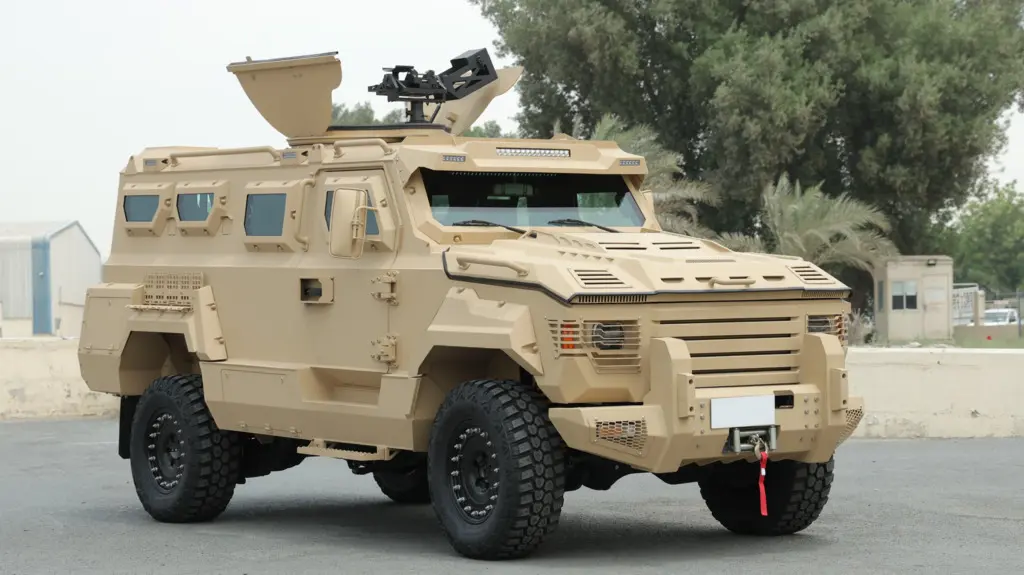
| Which body styles can be armored? | We regularly work with SUVs, sedans, pickups, trucks, and armored personnel carriers, from discreet executive sedans to high-capacity APCs such as the APC MONO Q described in our MONO Q overview. |
| What protection levels do buyers typically ask for? | Most civilian buyers focus on B4 to B6 / BR6 configurations, which we explain in detail, particularly for platforms like the Armored Toyota Land Cruiser 76. |
| Can luxury SUVs be armored without losing comfort? | Yes, provided engineering is done from chassis to glass. Our guides on the Maybach GLS 600 and Cadillac Escalade show how we integrate armor while preserving the cabin feel. |
| Are discreet armored sedans still relevant? | Very much so. Many executives choose low-profile sedans that blend into traffic, which we compare in our discreet armored sedans guide. |
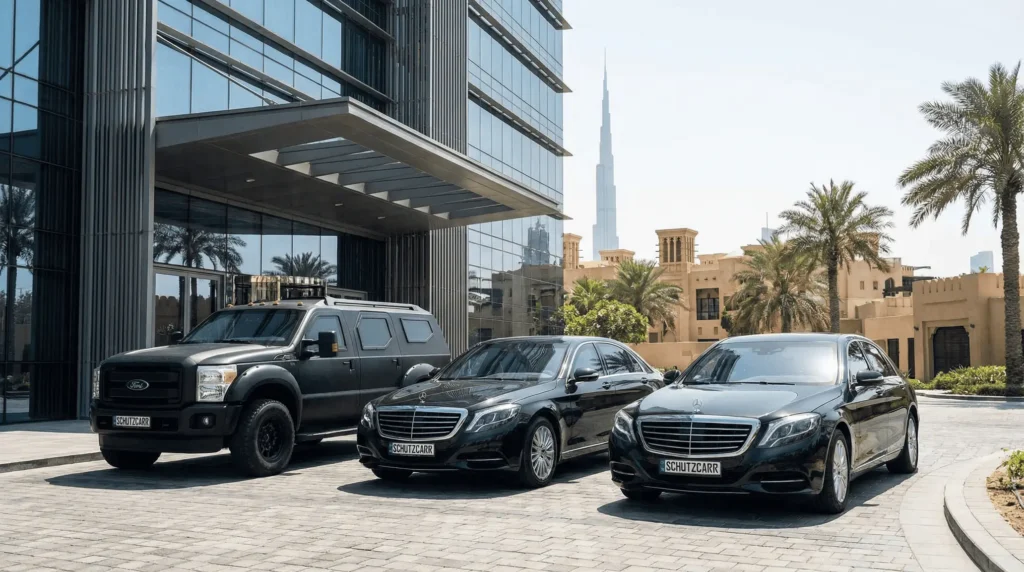
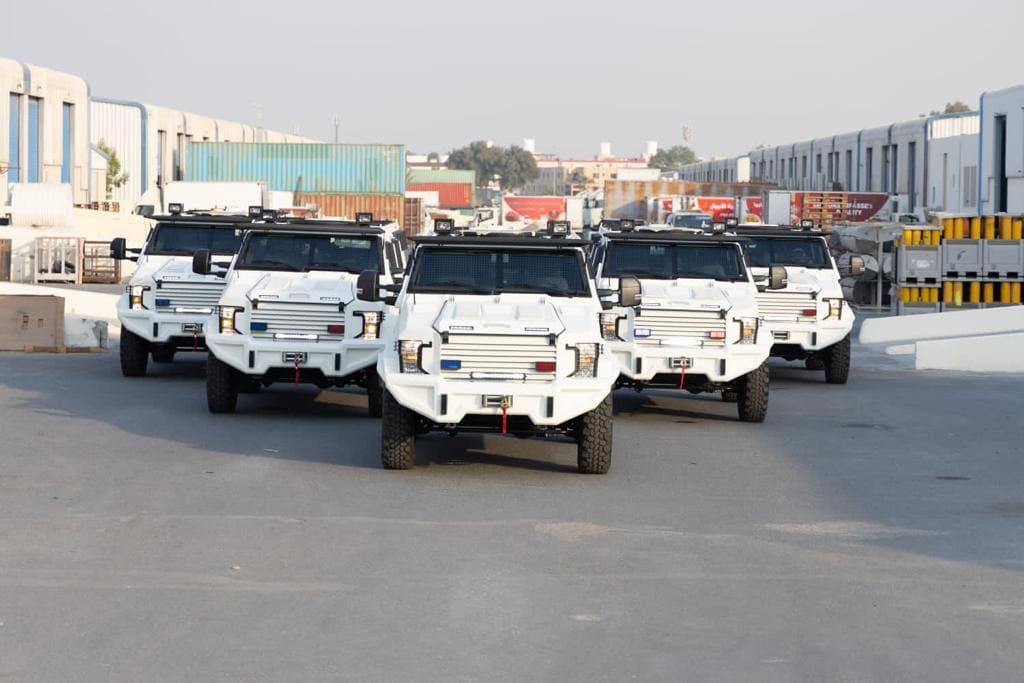
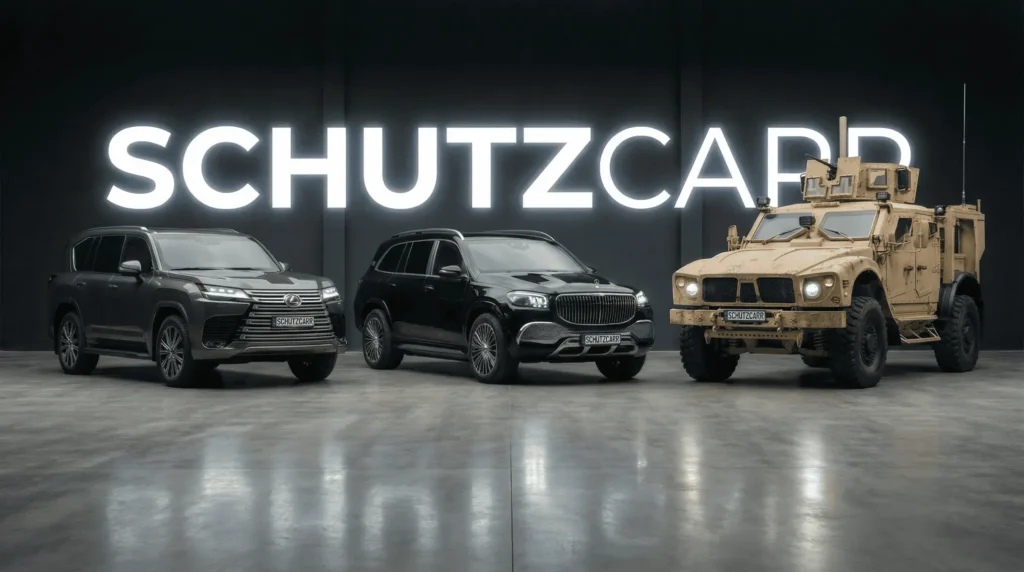
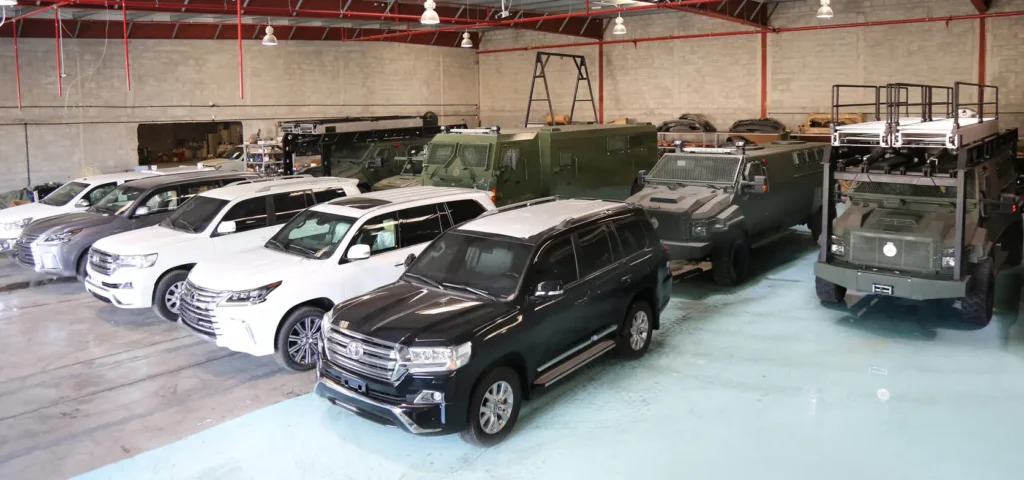
| Where can I see different armored platforms in one place? | Our main armored vehicle overview shows SUVs, pickups, APCs, and extended platforms side by side to give a clear sense of the range. |
1. What Is An Armored Car Today? Core Concepts And Protection Levels
When we talk about armored cars in civilian contexts, we mean vehicles that start life as mainstream platforms, then receive a structured package of ballistic steel, composite materials, and multi-layer glass. The goal is simple: create a protective capsule around occupants while retaining drivability, comfort, and compliance with road regulations.
In our experience, the most important concept for new buyers is the protection level. Civilian projects often focus on B4 to BR6, with some specialized builds reaching BR7. As we explain in our buyer’s guide, comprehensive armoring is not limited to doors and windows, it also includes areas such as the roof, floor sections, fuel tank, and tire systems so that the vehicle maintains mobility if damaged.
2. Key Components Of Modern Armored Cars: From Steel To Glass
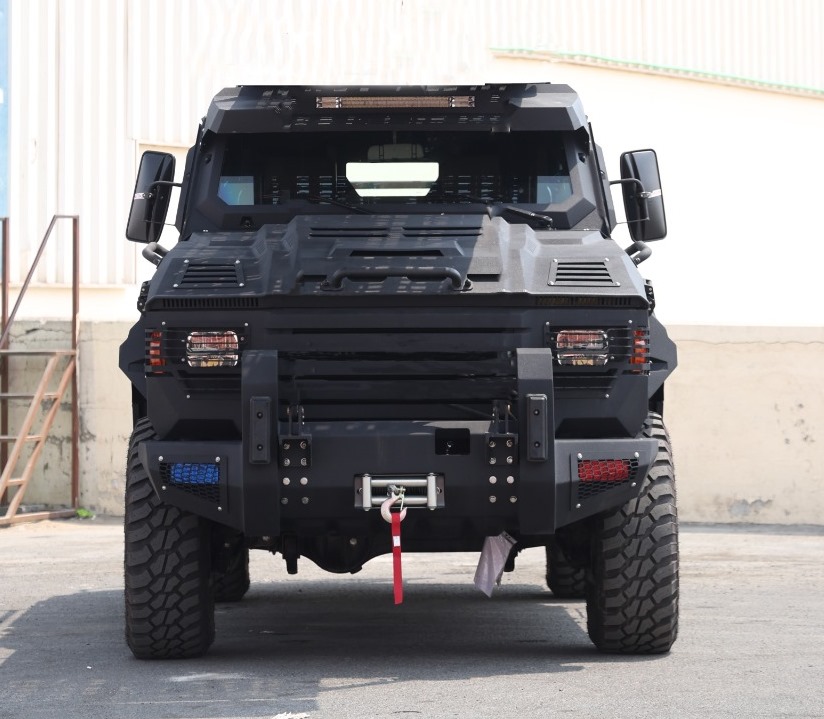
An effective armored car is a system, not just a thicker door panel. When we upfit a platform, we look at the entire structure: pillars, roof rails, firewall, cargo area, and even suspension geometry to carry the added mass of armor. The steel or composite ballistic shell is carefully integrated with the original body so that loads are properly managed.
Glazing is another critical element. Ballistic glass is made of multiple layers of glass and polycarbonate, cut and framed to fit the original openings while adding the required resistance level. We usually combine this with protected fuel tanks, run-flat inserts inside tires, and modified hinges and latches to handle higher door weights.
3. Armored SUVs For Civilian Use: Balancing Capability And Discretion
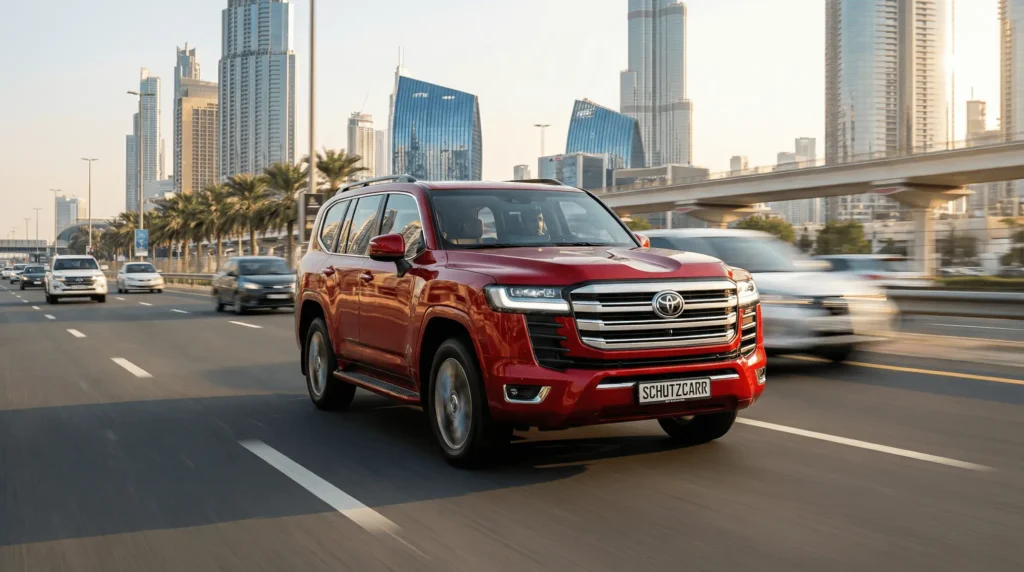
For many clients, armored SUVs are the most practical solution. They offer naturally high seating positions, generous cargo space, and flexible seating layouts while accepting armor packages up to BR6 or BR7 when engineered correctly. Platforms such as Land Cruiser 300, Infiniti QX80, Maybach GLS 600, and Lexus LX600 represent four distinct philosophies within this category.
In our overview of the best armored SUVs for civilian use, we compare factors like chassis robustness, wheelbase, interior room, and how well each platform carries the additional mass of armor. The key tradeoff is usually capability versus discretion: some buyers prefer vehicles that look very close to standard models, while others prioritize carrying capacity or off-road performance.
Did You Know?
Demand for civilian armored vehicles varies by market, with SUVs and large platforms frequently selected due to their balance of interior space, load capacity, and adaptability.
4. Toyota Land Cruiser 76: Rugged Foundation For Armored Cars
Why The Land Cruiser 76 Is A Core Armored Platform
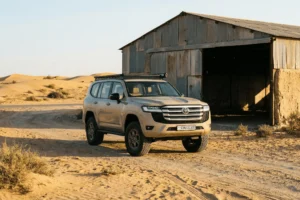
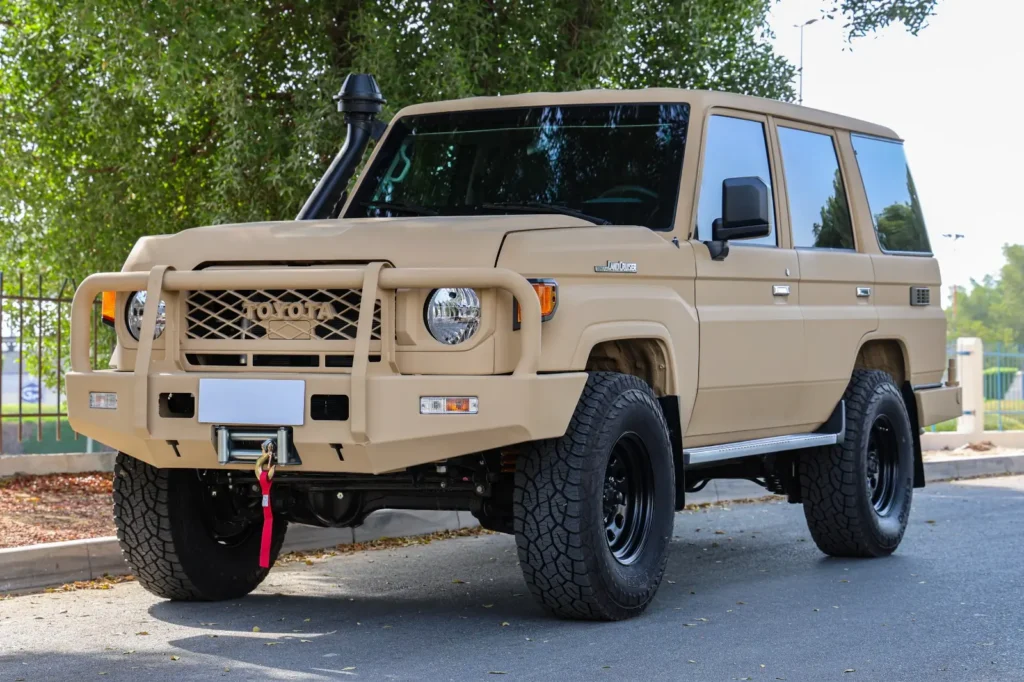
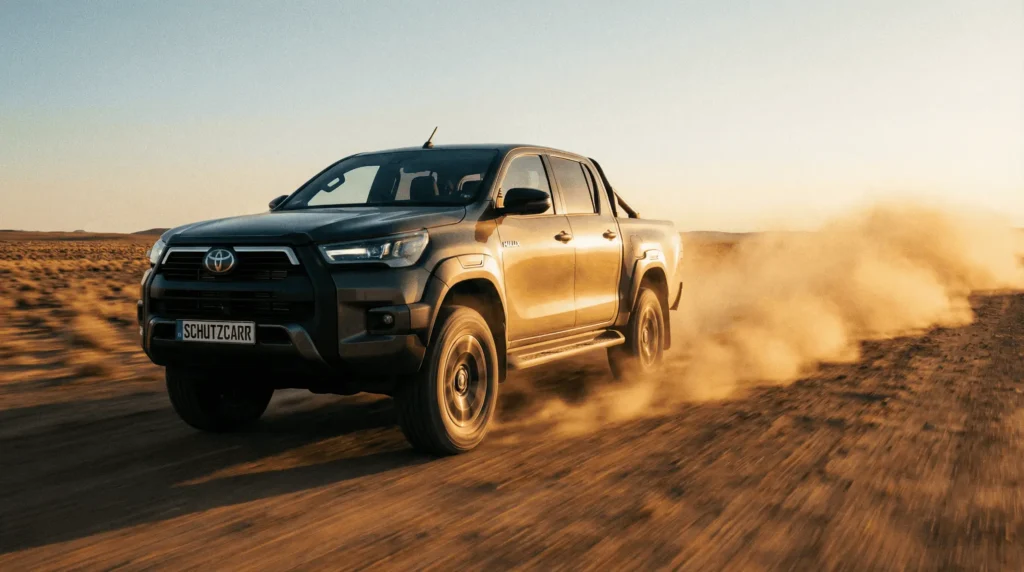
The Toyota Land Cruiser 76 is one of our signature armored platforms because of its ladder-frame construction and proven durability. That structure accepts a full BR6 or BR7 armor package while retaining the off-road capability and mechanical simplicity that many clients value.
On our dedicated page for the Armored Toyota Land Cruiser 76
BR6 Tactical Configuration For LC76
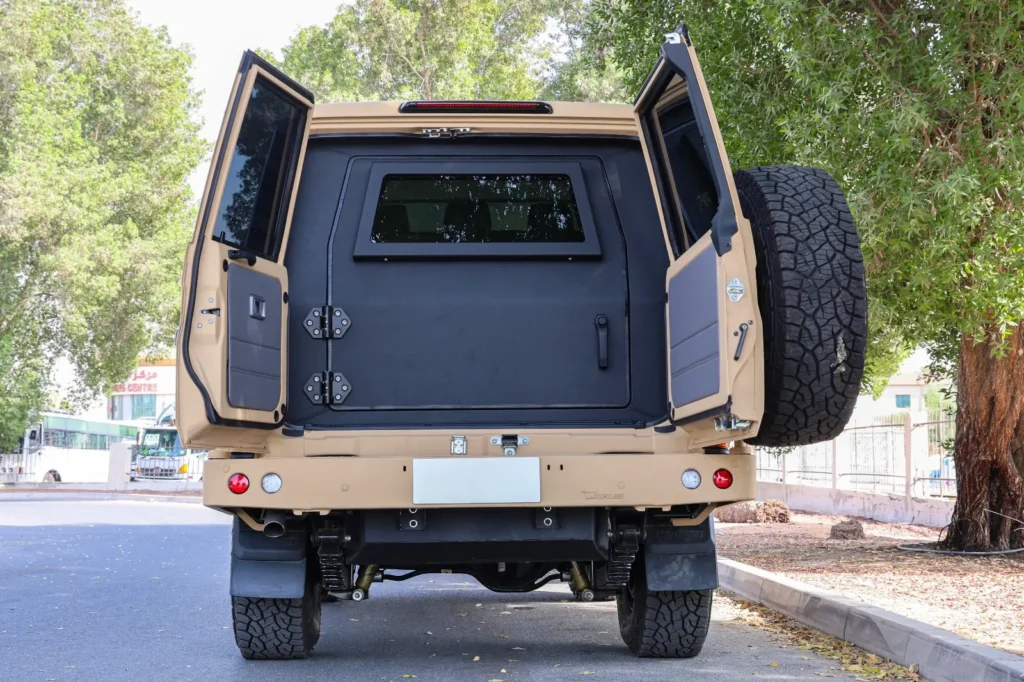
For many operators and organizations, a BR6 configuration is the practical balance on the LC76. It provides high-level ballistic protection while keeping mass in a range that the chassis can handle with appropriate suspension and brake upgrades. Doors, pillars, and roof are reinforced, and we add certified glass all around.
The Toyota Land Cruiser 76 BR6 Tactical Armored SUV builds on this approach with a focus on field reliability and global compliance. We also discuss export and registration support, since clients often move LC76-based armored cars between regions for long-term projects.
5. Luxury Armored SUVs: Maybach GLS 600, Cadillac Escalade, Infiniti QX80, Lexus LX600
Mercedes Maybach GLS 600 Armored
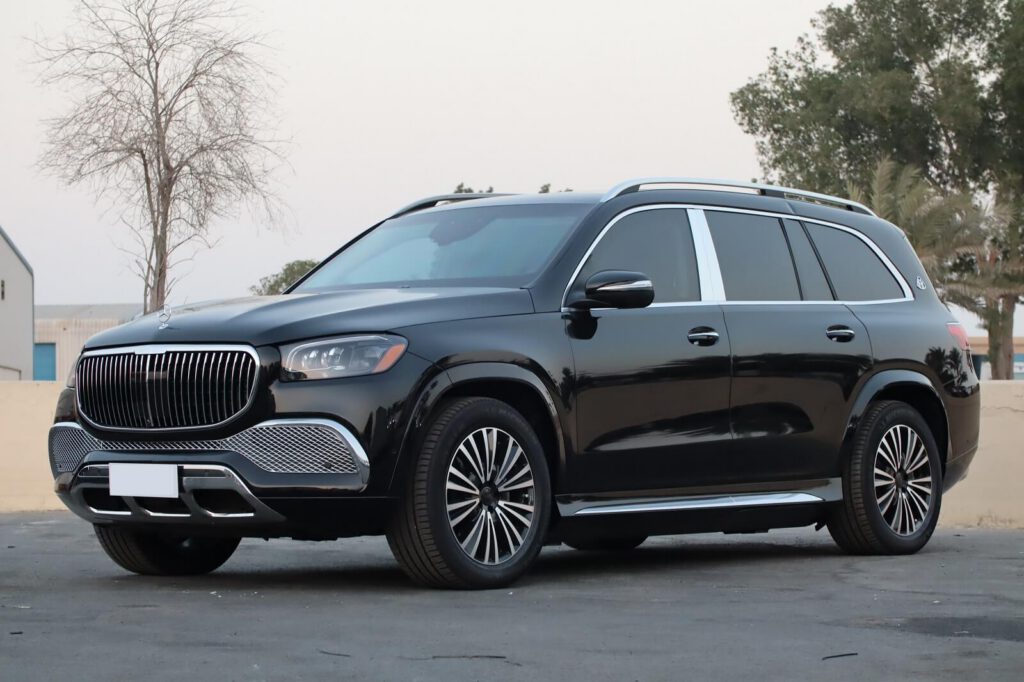
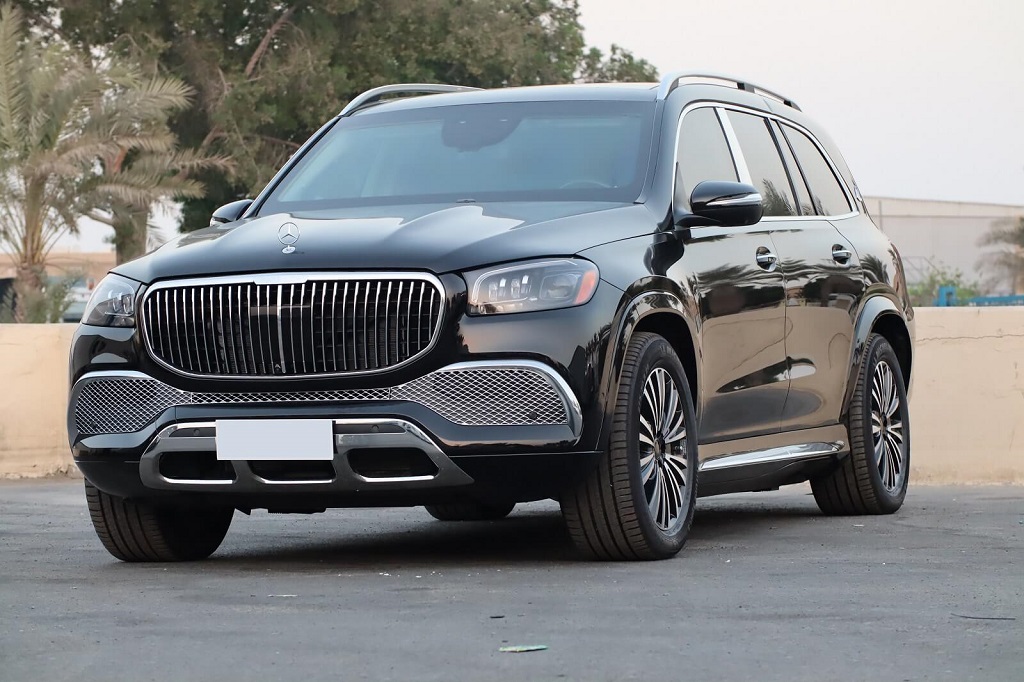
For clients who prioritize comfort and a refined cabin, the armored Mercedes Maybach GLS 600 is a key option. We integrate BR6 protection into this platform with a focus on seamless interior appearance, keeping the feel of a flagship SUV while adding a full protective capsule.
Roof, floor, and underbody sections are reinforced, and the structure is designed so that door apertures and seals remain neat and consistent. Our Maybach GLS 600 armored guide explains how the protection package interacts with the chassis and how we approach VIP-focused layouts.
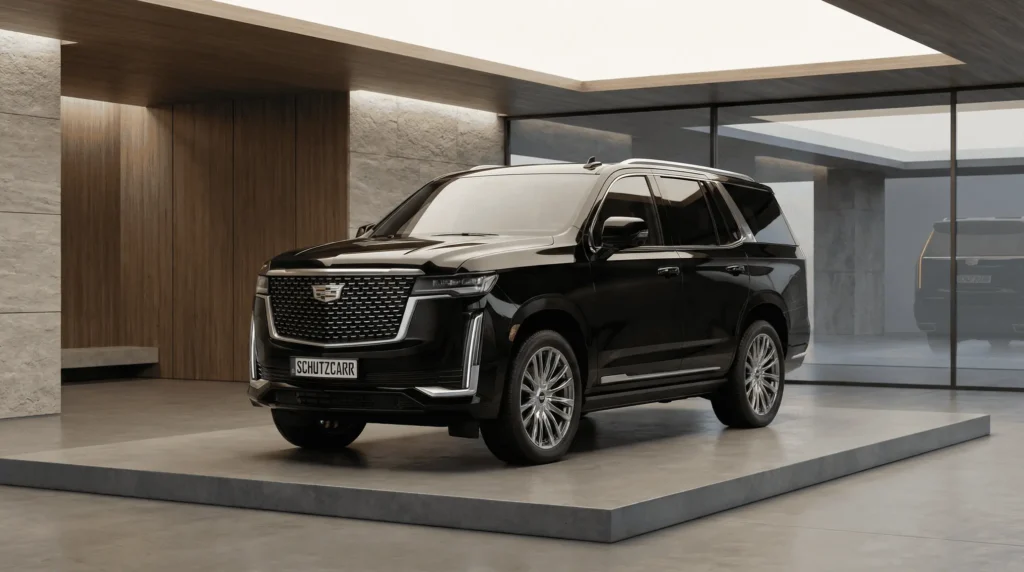
Cadillac Escalade Armored SUV
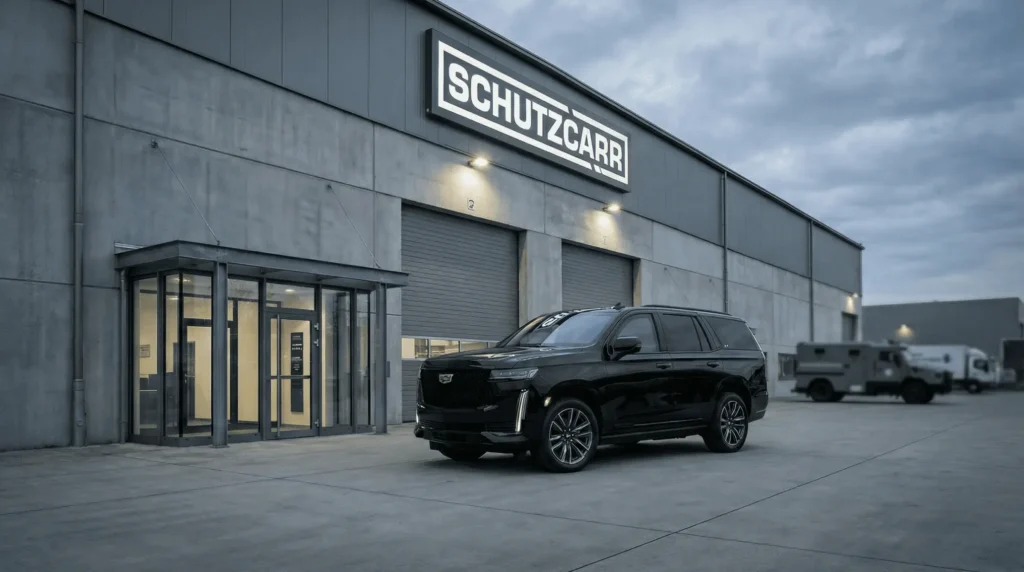
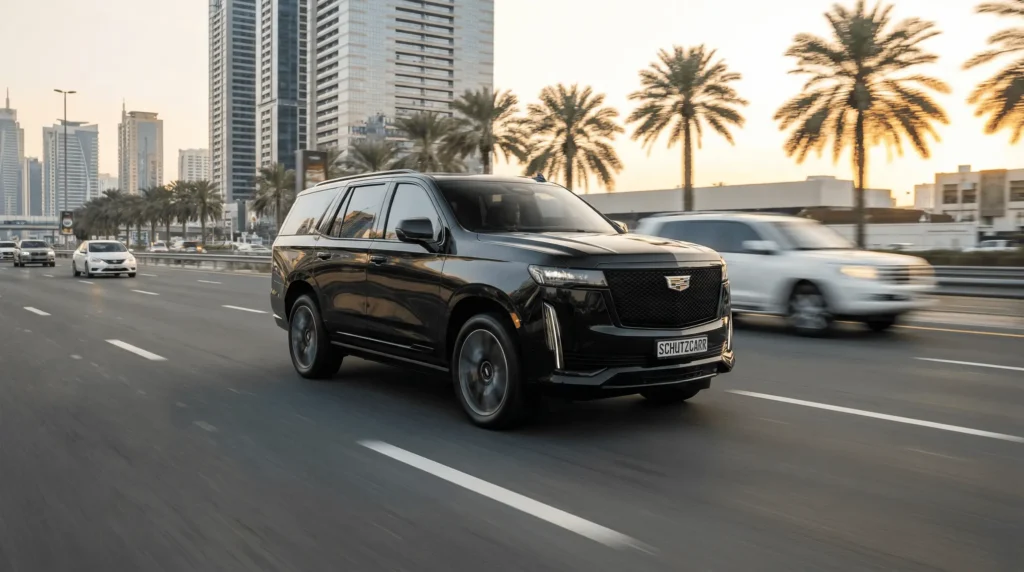
The Cadillac Escalade is another strong candidate for luxury-armored builds. It offers a familiar full-size SUV silhouette that blends well in many urban environments, with generous interior space for rear passenger comfort or workstations.
In our complete guide to the armored Cadillac Escalade, we walk through protection levels like BR6 and BR7, ballistic glass layout, and interior configuration options. Many clients appreciate that this platform combines a premium image with the practical packaging of a large SUV.
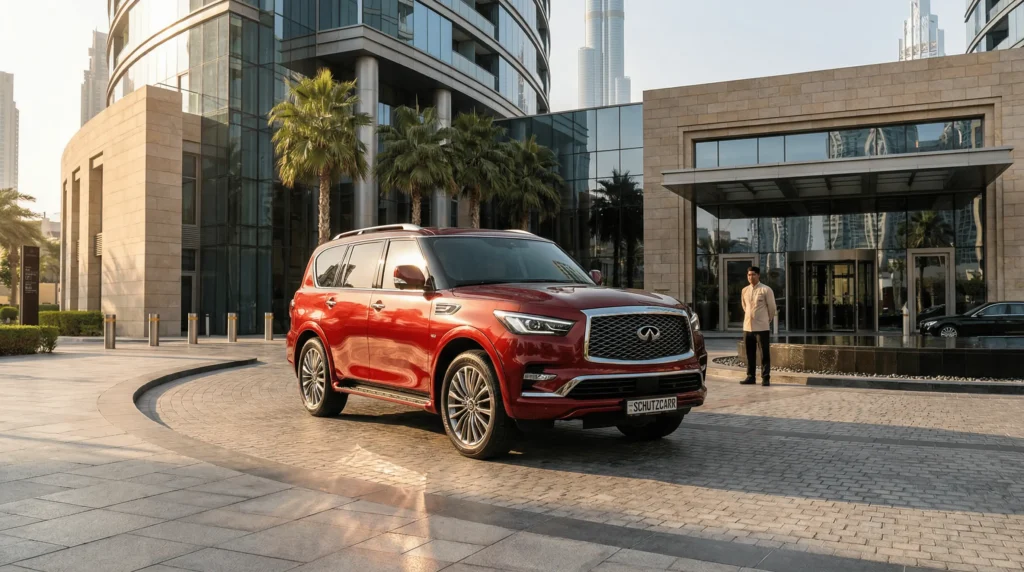
Infiniti QX80 BR6 And Lexus LX600 BR6
For buyers who want strong protection without the visual presence of the largest SUVs, the Infiniti QX80 BR6 and Lexus LX600 BR6 are attractive choices. The Infiniti QX80 BR6 Extended packages 360 degree BR6 protection, a luxury interior, and suspension upgrades tuned specifically for the armored mass.
The Lexus LX600 BR6 targets a similar space, pairing a premium interior with a discreet exterior profile. Our detailed guides for the Infiniti QX80 BR6 armored SUV and the Lexus LX600 BR6 armored SUV compare seating layouts, detailing, and how each one fits within a larger protection fleet.
Did You Know?
The armored civilian market alone is forecast to grow by roughly USD 656.7 million between 2024 and 2029, at about 6.9% CAGR, showing how quickly demand for civilian armored cars is expanding.
6. Discreet Armored Sedans For Executives
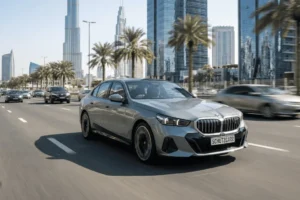
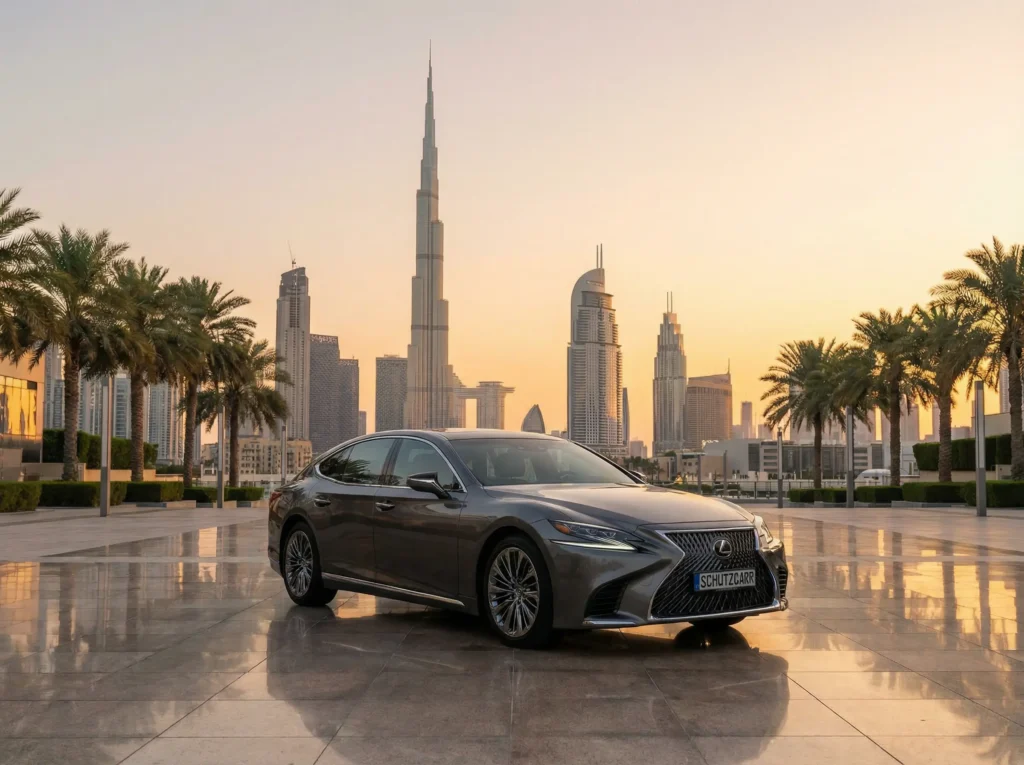
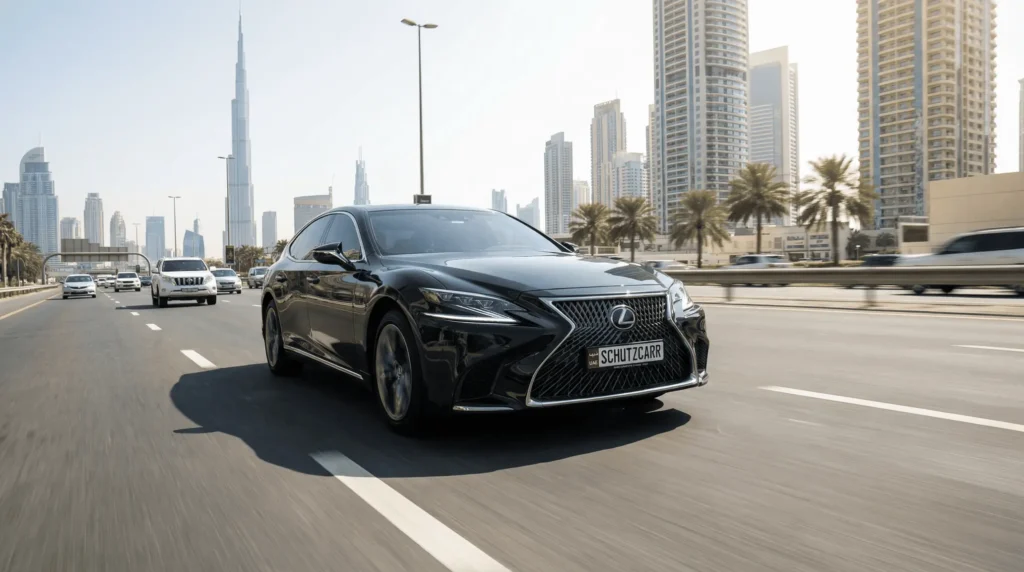
Not every buyer wants a large SUV. Many executives and teams request discreet armored sedans that blend into city traffic and corporate settings while still offering BR6 or BR7 protection. These builds focus on subtlety: from the outside, the car should look like a normal premium sedan.
Our discreet armored sedans comparison discusses how sedans differ from SUVs in terms of center of gravity, handling, and ingress. It also explores where sedans make more sense, such as congested urban routes, hotel driveways, or locations where low visibility is a priority.
7. Armored Pickups And Trucks: Practical Utility For Work And Fleet Use
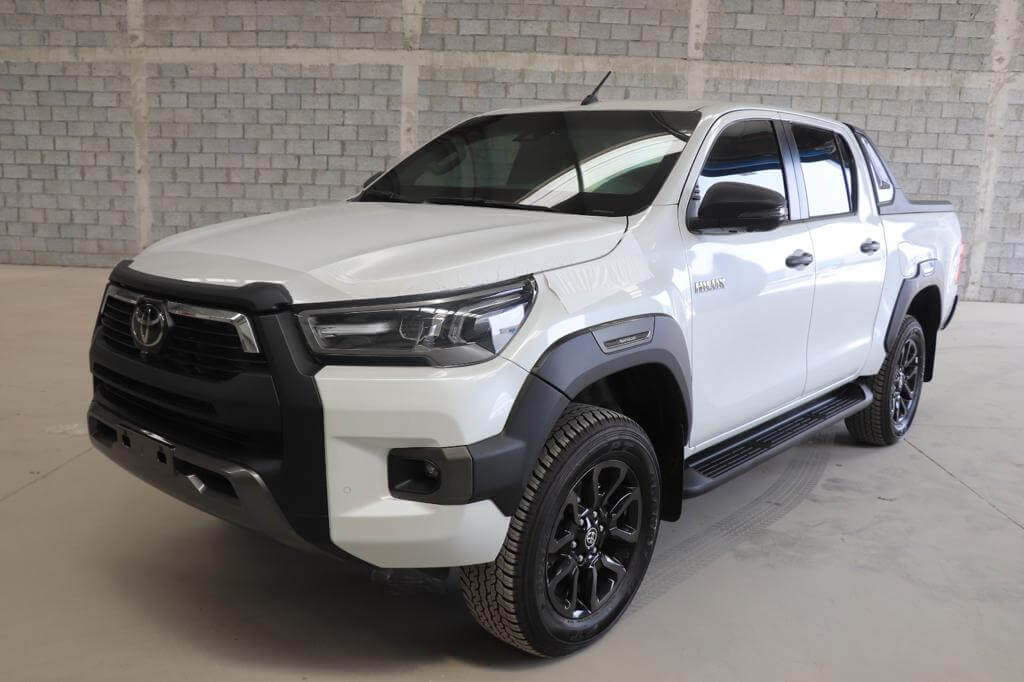
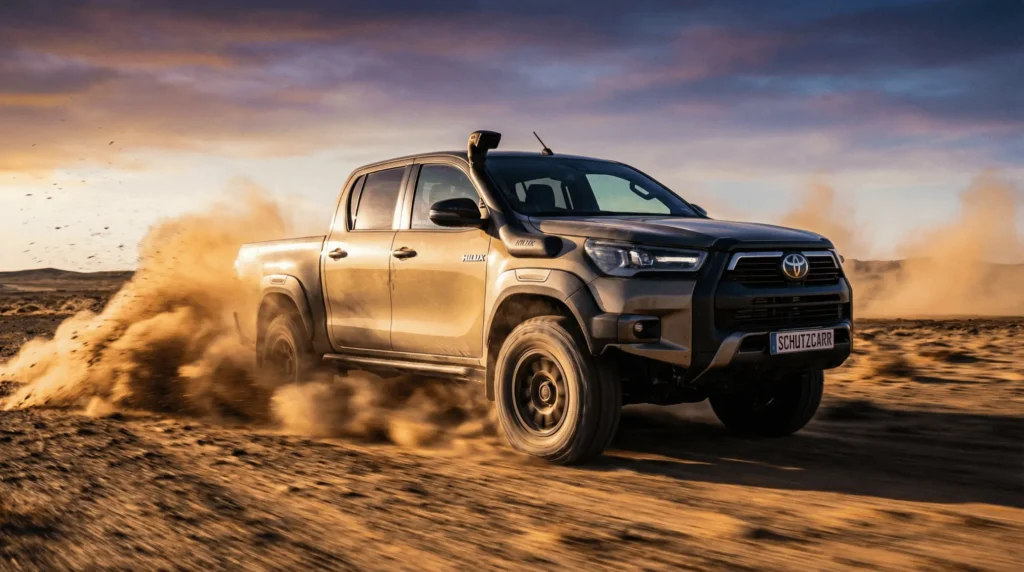
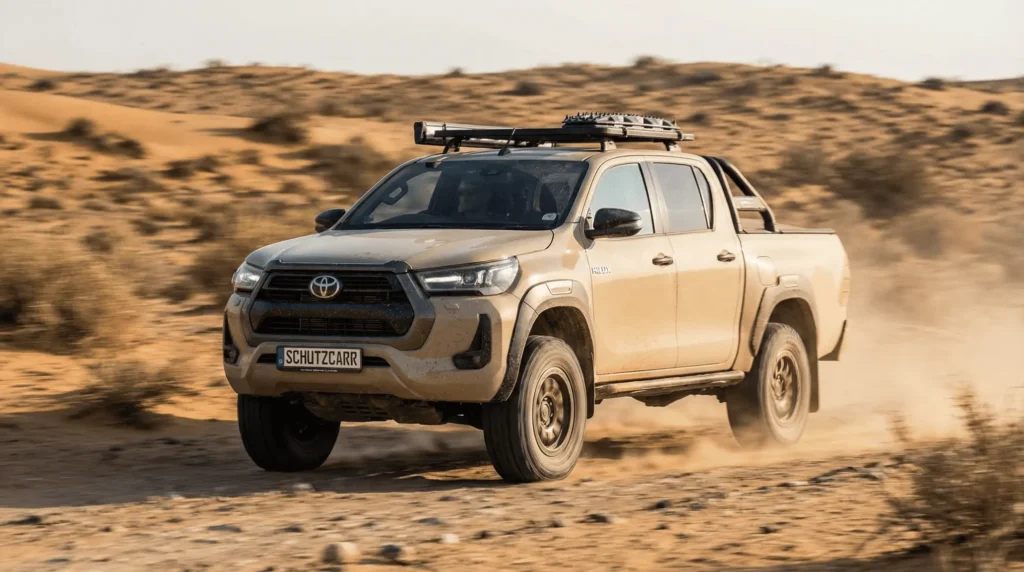
Armored pickups and trucks serve a different role than luxury SUVs. They are usually chosen for payload capacity, durability, and the ability to support specialty bodies such as tool beds, troop carriers, or value transport units. Platforms like the Toyota Hilux BR6, armored trucks, and cash-in-transit vehicles appear frequently in our fleet work.
In our guide to armored trucks versus armored pickups, we outline 11 practical comparisons that fleet planners find useful. These include wheelbase, turning circle, rear-axle capacity, maintenance access, and how different bodies affect overall protection layouts.
8. Armored Personnel Carriers (APCs) And Civilian MRAP-Style Platforms
APC MONO Q, APC SHARK, GER 1D, And JASAR
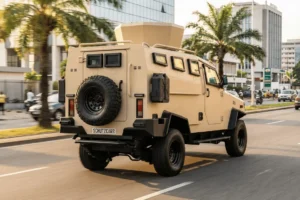
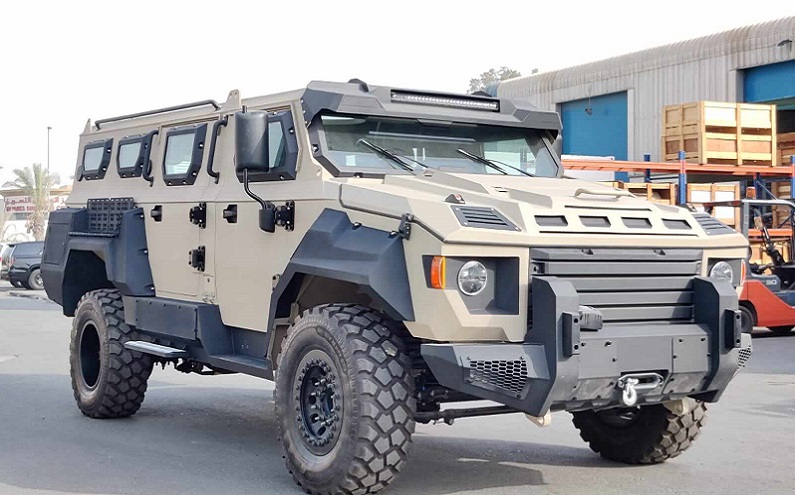
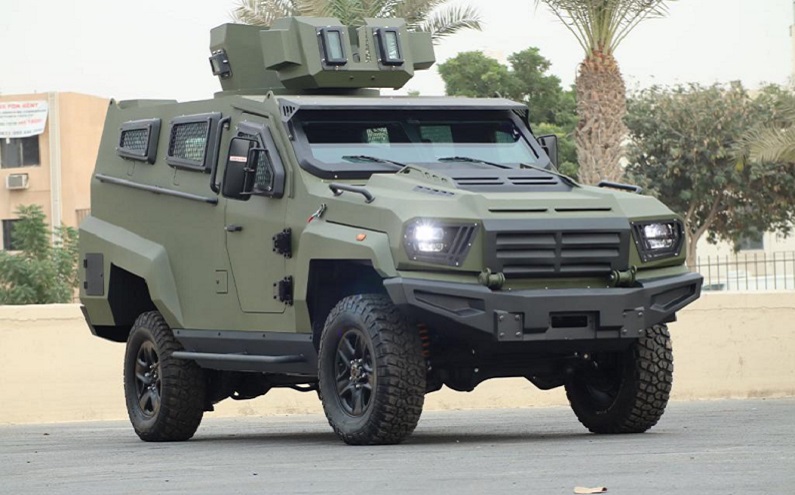
Some missions require more than a converted SUV. For these cases, we build and supply purpose-designed APCs that are engineered around protection from the ground up. The APC MONO Q, APC SHARK, GER 1D, and JASAR platforms are examples of vehicles that prioritize multi-row capacity, structured armor capsules, and reinforced underbodies.
The APC MONO Q armored transport is a 4×4 platform tailored for group movement, while the APC SHARK and GER 1D provide different layouts and capacities for organizations needing specialist armored cars in fleet form. These vehicles benefit from shared engineering principles, including modular armor, robust drivelines, and thought-out maintenance access.
Civilian Road-Legal MRAP-Style Vehicles
We also build civilian road-legal MRAP-style vehicles, designed around protection, reliability, and occupant comfort while complying with road regulations. These units often draw on V-hull thinking and robust chassis layouts, adapted to civilian requirements.
Our article on civilian MRAP platforms from SchutzCarr explains how models like APC TAV (Ford F550 based), APC MONO Q, SHARK, GER 1D, and JASAR sit together as a family. They help bridge the gap between conventional armored SUVs and heavy multi-row transporters.
9. How To Choose The Right Armored Car Type For Your Needs
Selecting an armored car starts with clarifying how it will actually be used. We typically begin by mapping routes, expected passenger counts, terrain mix (city, highway, off-road), and parking or storage constraints. This allows us to quickly narrow down whether a sedan, SUV, pickup, truck, or APC is the logical starting point.
Once the body type is clear, we focus on protection level, interior layout, and any specific equipment integration the client may need. Our ultimate buyer’s guide for armored cars sets out structured questions that help buyers compare options on a like-for-like basis, including certification requirements and documentation.
10. Certification, Compliance, And Lifecycle Considerations
Any serious armored car project should be backed by documentation. We advise clients to always request certification for ballistic materials and independent test data where applicable. This documentation helps validate that the stated protection level matches the installed package.
Compliance is another key point. Armored cars need to remain road legal in their intended markets, which is why we provide export and registration support on platforms like the Land Cruiser 76, LC300, and our APC lineup. Lifecycle planning includes maintenance schedules, parts availability, and training for drivers on how to handle the different dynamics of an armored vehicle.
Conclusion
Armored cars today cover a wide spectrum, from discreet BR6 sedans to luxury SUVs, rugged pickups, and fully engineered APCs. The most suitable choice depends on how many people you need to move, where you travel, and how visible or discreet you want the vehicle to be. Across all these options, consistent engineering, certification, and long-term support matter more than any single feature.
If you are considering an armored car project or reviewing options for your organization, we invite you to talk with us directly so we can walk through platforms, protection levels, and practical configurations that fit your situation. Get in touch with SchutzCarr here and our team will help you evaluate the next steps with clear, detailed information.