
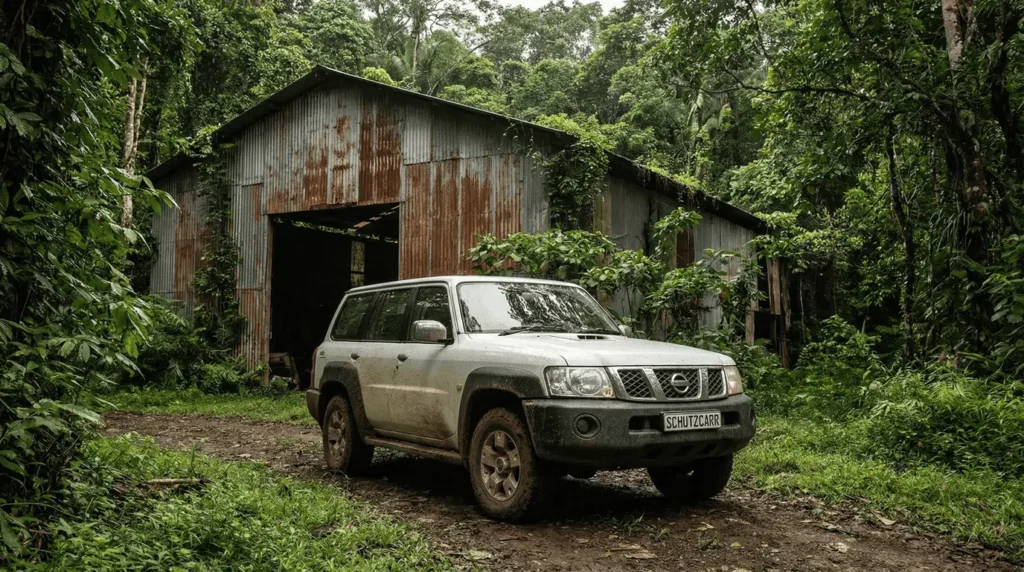
The Armored Nissan Patrol has become a reference point in civilian armored SUVs, with certified VR7 and BR6 builds that many decision makers now compare against traditional platforms. Ballistic testing on Patrol-based armoring has recorded .308 Win (7.62×51) rounds at around 3,289 J of energy at 10 meters, which shows how seriously the industry treats protection standards for this vehicle.
Key Takeaways
| Question | Concise Answer |
|---|---|
| What protection levels are common on an Armored Nissan Patrol? | Many Patrol builds target BR6 or VR7-style protection, similar to how our Armored Toyota Land Cruiser 76 is configured for BR6 and BR7. |
| How does an Armored Patrol compare to other armored SUVs for civilian use? | In layout and performance, it sits close to the full-size luxury BR6 SUVs described in our overview of the best armored SUVs for civilian use. |
| Is the Patrol a suitable platform for discrete protection? | Yes, especially when armoring is integrated to preserve exterior styling, similar in philosophy to the Infiniti QX80 BR6 approach in our Infiniti QX80 BR6 Armored SUV guide. |
| How important is certification for an Armored Nissan Patrol? | Independent certification and proper documentation are critical, as highlighted in our broader armored vehicles buyers guide. |
| What civilian use cases fit an Armored Patrol best? | Typical use cases mirror those of Land Cruiser and LX-class SUVs, like executive movement and organizational fleets, discussed in our armored car buyer’s guide. |
| What should buyers check before commissioning a Patrol build? | Clarify protection level, weight, maintenance support, and documentation, following the same logic we use in our armored platform selection guide. |
1. Why The Armored Nissan Patrol Has Become A Reference Platform
When we talk with clients about full-size armored SUVs, the Armored Nissan Patrol usually enters the conversation alongside Land Cruiser, LX, and QX80. The Patrol Y62 platform provides a large chassis, high-output engines, and suspension architecture that can accept a full protection cell while staying practical for everyday driving.
In the armored-vehicle industry, several engineering groups have chosen the Patrol as a base for VR7 and BR6 builds. This shows that the underlying vehicle geometry, frame strength, and drivetrain characteristics are suitable for 360 degree protection with ballistic glass and reinforced body panels.
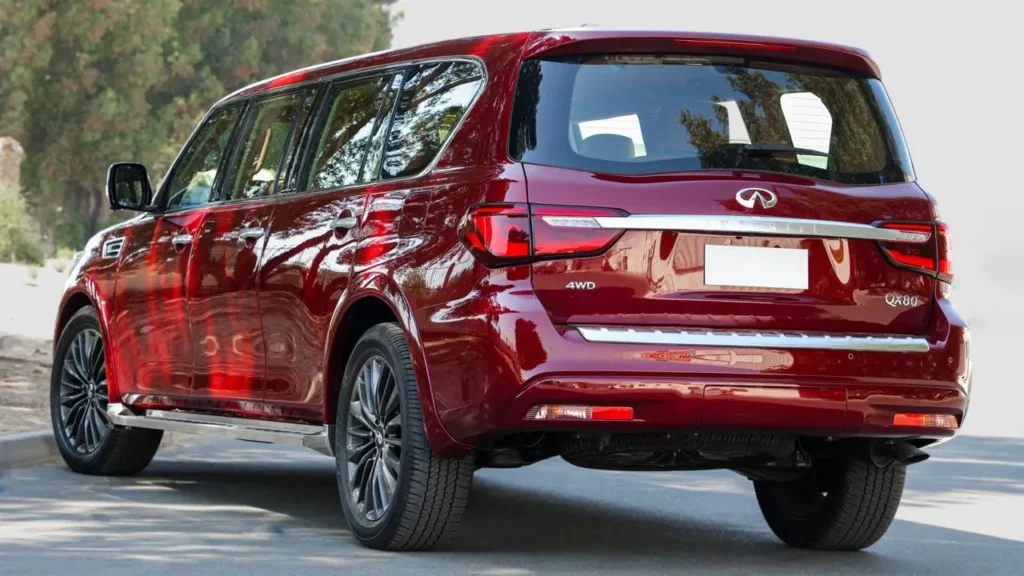
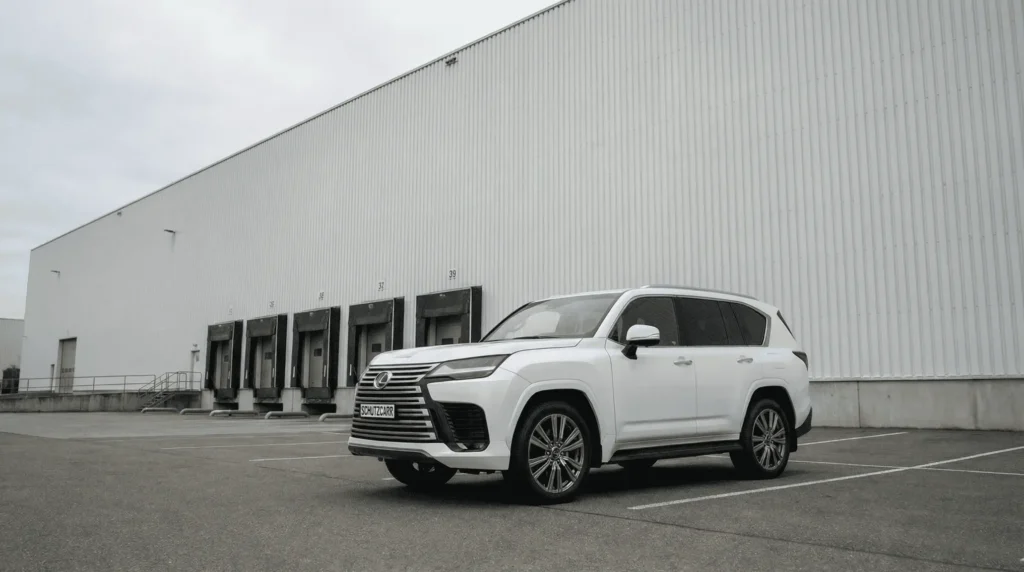
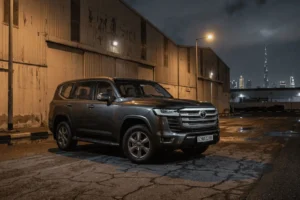
From our perspective at SchutzCarr, the Patrol sits in the same functional bracket as the Toyota Land Cruiser 300 or Infiniti QX80. All of these platforms offer high ground clearance, three-row cabins, and drivetrains that can be tuned to carry the extra weight of armor without compromising drivability.
For organizations that already operate Nissan fleets, an Armored Nissan Patrol can also bring logistical simplicity. Common service parts, familiar dealer networks, and existing driver experience with the Patrol make integration into a fleet more straightforward.
2. Core Protection Standards On Armored Nissan Patrol Builds
Most serious Armored Nissan Patrol programs reference internationally recognized ballistic and blast standards. VR7 certifications under VPAM BRV 2009 and related blast benchmarks, such as VPAM ERV2010, are often associated with Patrol armoring projects.
On the ballistic side, some Patrol tests have used .308 Win rounds of around 9.55 g at approximately 830 m/s, roughly 3,289 J of energy at 10 meters. Other trials include .223 Rem rounds of 4.0 g at about 950 m/s, around 1,805 J of energy, giving a broader picture of the performance envelope that armor designers target.
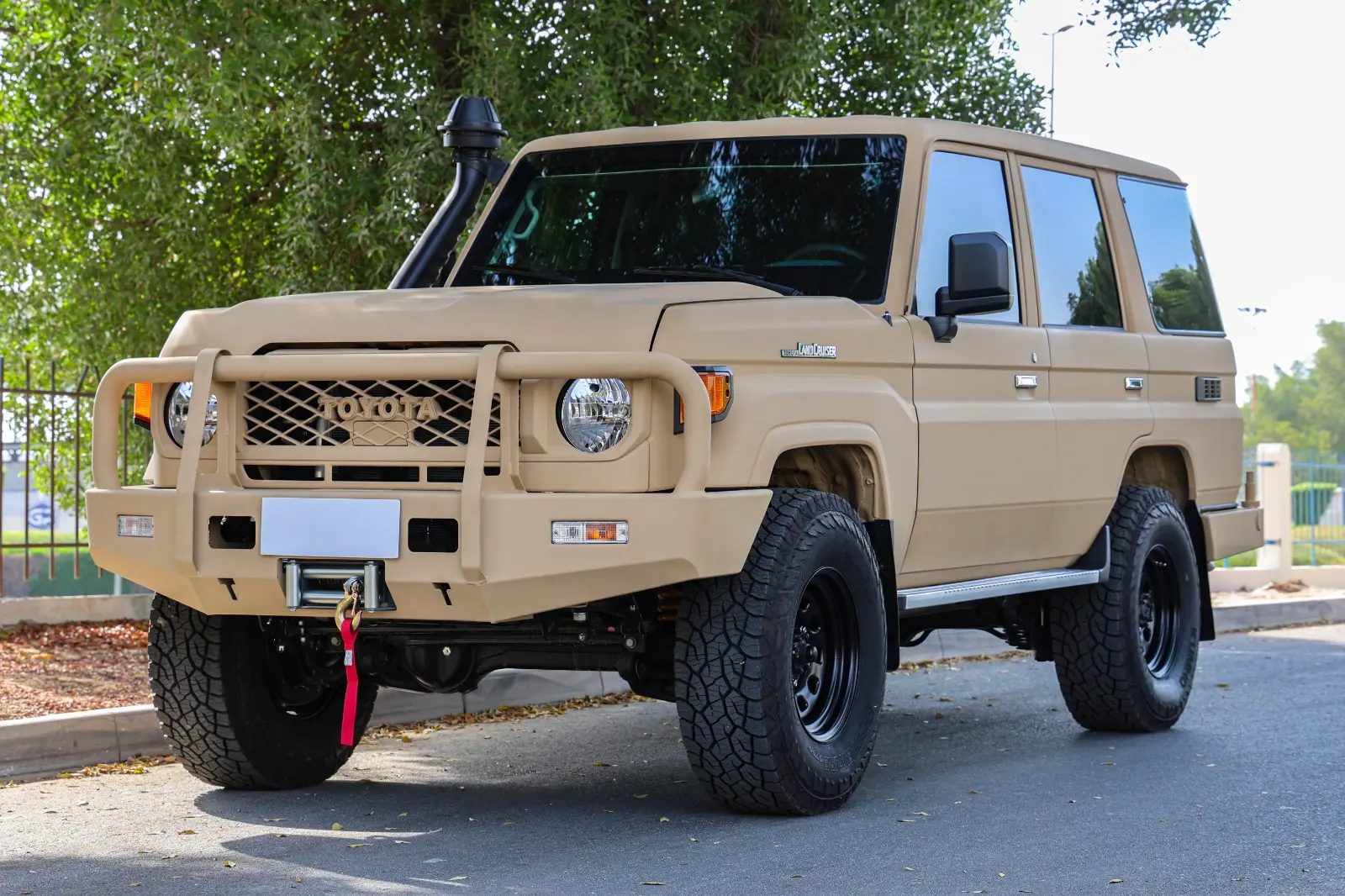
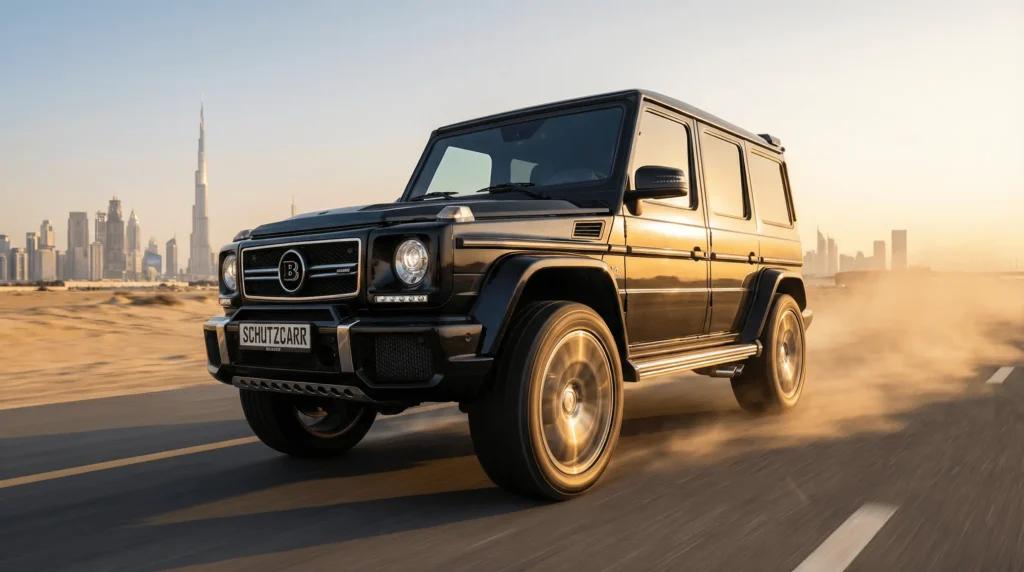
For comparison, BR6 style armoring, which we use extensively on platforms like the Land Cruiser 76 and LX600, is also focused on rifle-class threats. The Patrol, when equipped to similar levels, uses overlapping armor at door seams, ballistic glass with certified thickness, and underbody treatments where required by the specification.
Blast-related standards like ERV2010 consider shaped charges and underbody events around the cabin. Engineers then design the Patrol’s floor, wheel wells, and lower structure to mitigate these scenarios, using steel, composite, and energy-dissipating layouts where appropriate.
3. How The Armored Patrol Compares To Land Cruiser & QX80 Platforms
Clients often ask how an Armored Nissan Patrol feels compared to an armored Land Cruiser 300, LC76, or Infiniti QX80. In broad terms, all of these SUVs sit in the same category of full-size, body-on-frame or robust unibody vehicles tuned for heavy payloads and long-distance driving.
From an interior perspective, the Patrol configuration is closer to the Infiniti QX80 BR6 than to the more utilitarian LC76. Full leather cabins, multi-zone climate control, and multi-row seating make the Patrol appropriate for executive, organizational, or family-focused roles.
From an engineering point of view, the Patrol and QX80 share some conceptual similarities in how we distribute armor weight, upgrade suspension, and pair powertrains with reinforced driveline components. This makes it easier for us to apply our BR6 and VR style experience from one platform to another in a controlled way.
For buyers who prioritize rugged simplicity, the Land Cruiser 76 remains a different proposition, with its ladder-frame focus and more straightforward electronics. For those who prioritize comfort with protection, the Patrol fits closer to LX600 and QX80 in the decision tree.
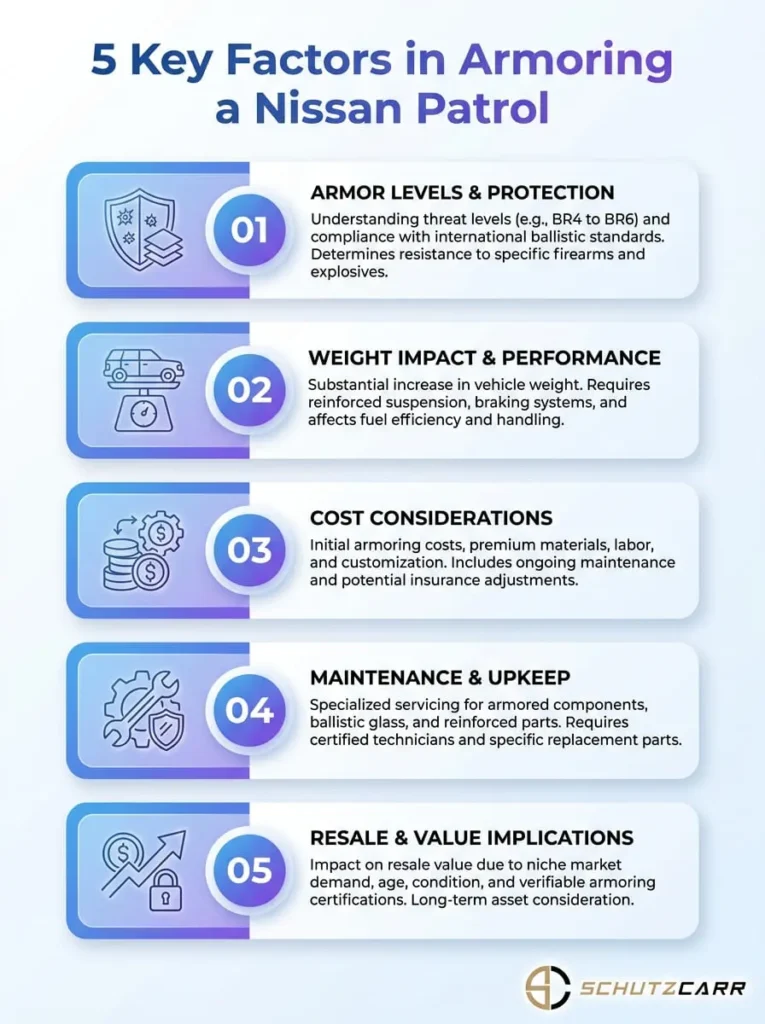
A visual guide outlining the five essential factors in armoring a Nissan Patrol. This infographic highlights safety, cost, and performance considerations.
Did You Know?
Armored Nissan Patrol Y62 builds have been certified to VPAM BRV 2009 VR7 for ballistic protection and VPAM ERV2010 for blast protection, placing them among the higher-protection civilian SUV configurations available today.
4. Typical Armoring Package On An Armored Nissan Patrol
While each project is tailored, most Armored Nissan Patrol builds use a common architecture. Engineers create a self-supporting armored capsule around the passenger cell, then tie it into the Patrol’s structure at reinforced nodes.
Opaque areas use ballistic steel or composite armor, cut and shaped to follow door skins, pillars, and roof sections. Transparent areas receive multi-layer ballistic glass, often with BR6 or VR7 style ratings that match the opaque sections.
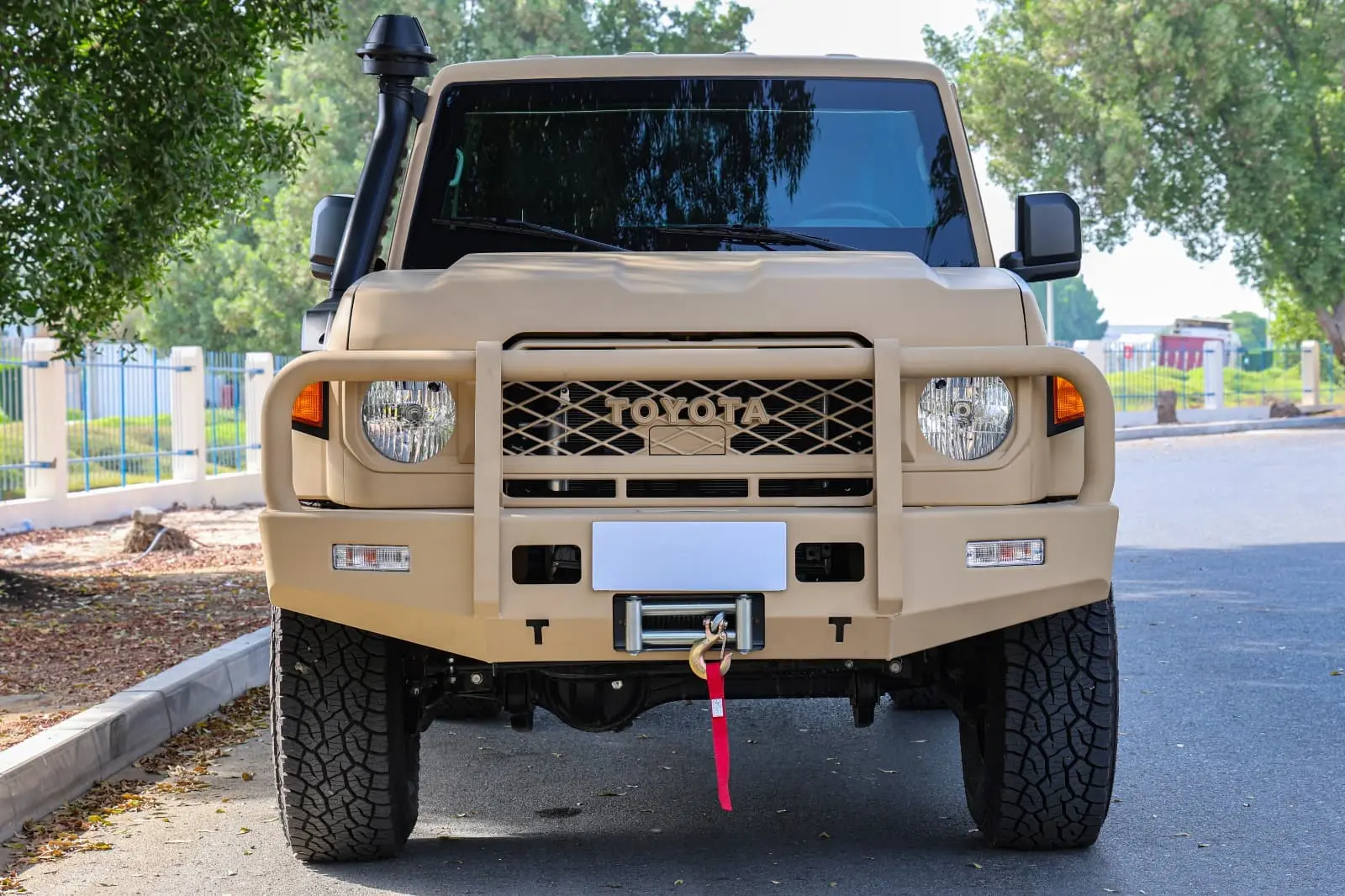
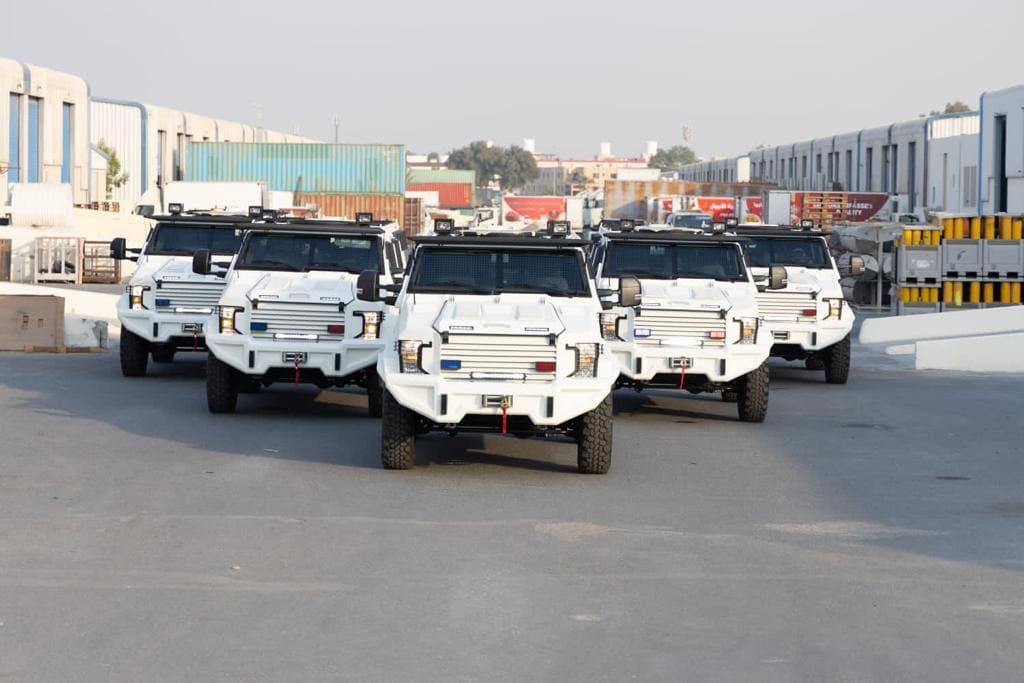
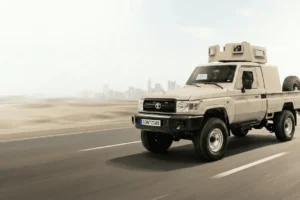
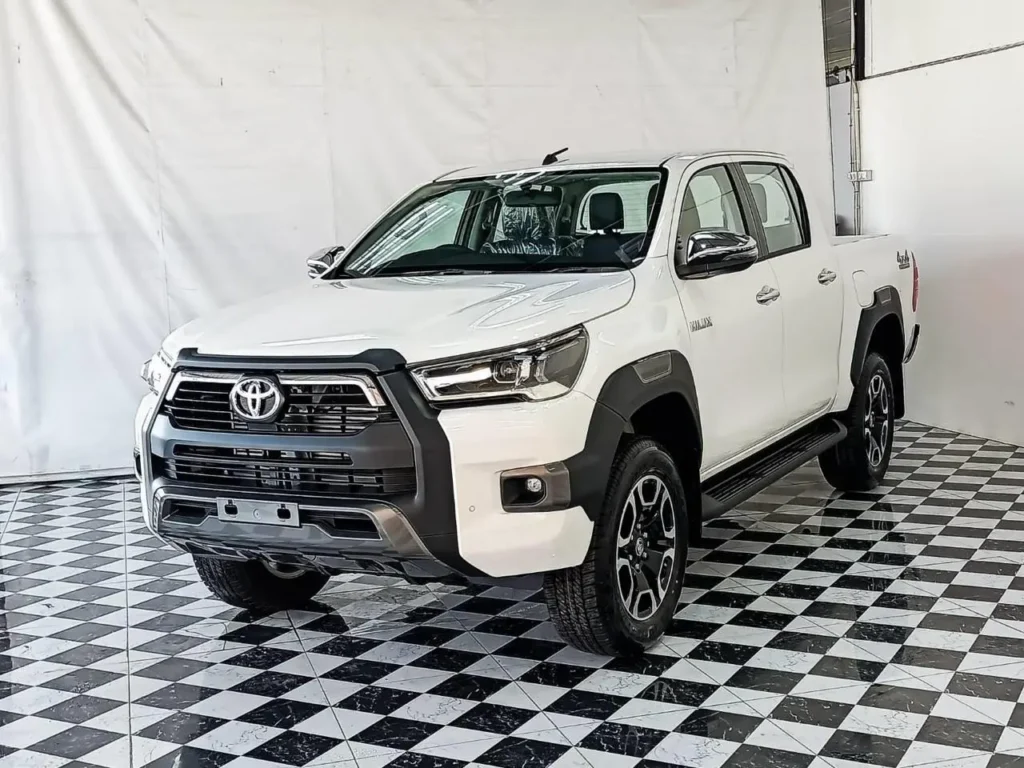
Run-flat inserts on Patrol builds follow the same logic we apply to armored Land Cruisers and Hilux pickups. The goal is to maintain mobility for a limited distance even after tire damage, while keeping rolling resistance and heat manageable for everyday use.
Additional features can include protected fuel tanks, armored battery boxes, and reinforced hinges and door frames. The hinge and latch design is especially important on the Patrol, since door openings are large and carry the weight of thick ballistic glass.
5. Civilian Use Cases: Where An Armored Nissan Patrol Fits Best
In civilian environments, we usually see the Armored Nissan Patrol specified for roles similar to QX80, LX600, and Land Cruiser 300 builds. These include executive movement, organizational field work, and family transport where a higher protection envelope is preferred.
Because the Patrol platform is full-size with three rows, it can be configured with mixed seating and cargo layouts. That flexibility is useful when groups need to balance people, equipment, and luggage within a single armored vehicle.
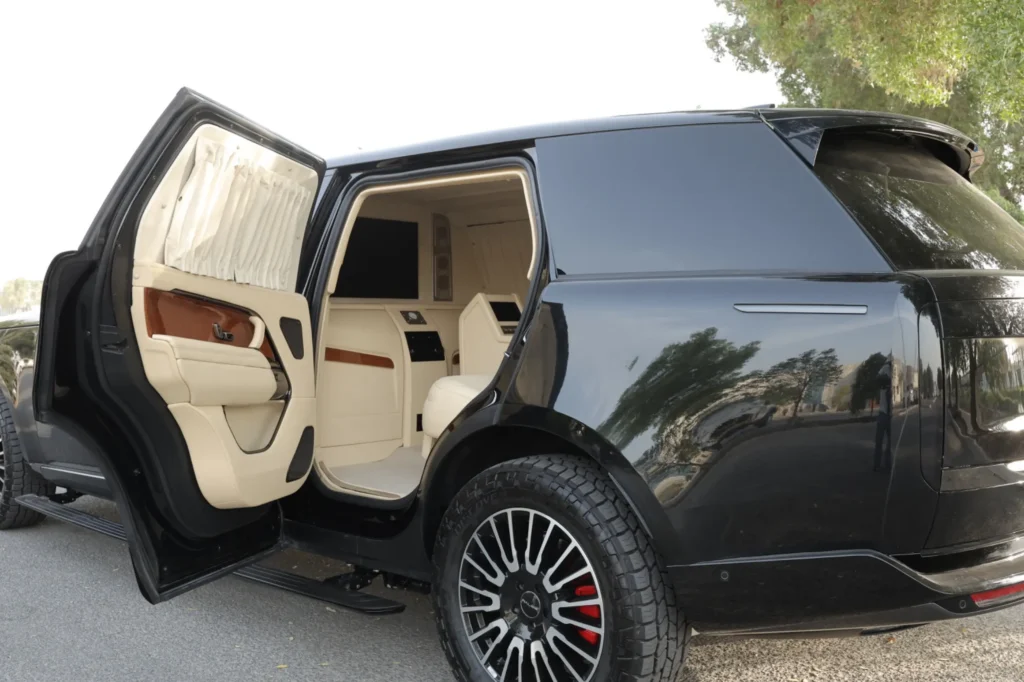
Some Patrol armoring programs prioritize a discreet exterior, keeping factory paint colors and wheel designs. This aligns with our own philosophy on discreet armored SUVs, where a low profile can be as important as the ballistic rating itself.
For organizations with mixed fleets, using Patrols alongside Land Cruisers or Hilux pickups can give a consistent visual language while covering different seating and cargo needs. This can simplify driver training and operational planning around the vehicles.
6. Armored Nissan Patrol Vs BR6 Toyota Land Cruiser 76
The Nissan Patrol and the Toyota Land Cruiser 76 sit at different ends of the full-size SUV spectrum. The LC76 emphasizes simplicity and ruggedness, while the Patrol focuses more on comfort and refinement.
From an armor-integration standpoint, the LC76’s ladder-frame chassis is very forgiving with additional weight. Our LC76 BR6 guidance explains how this platform accepts a complete capsule and still remains manageable on rough roads.
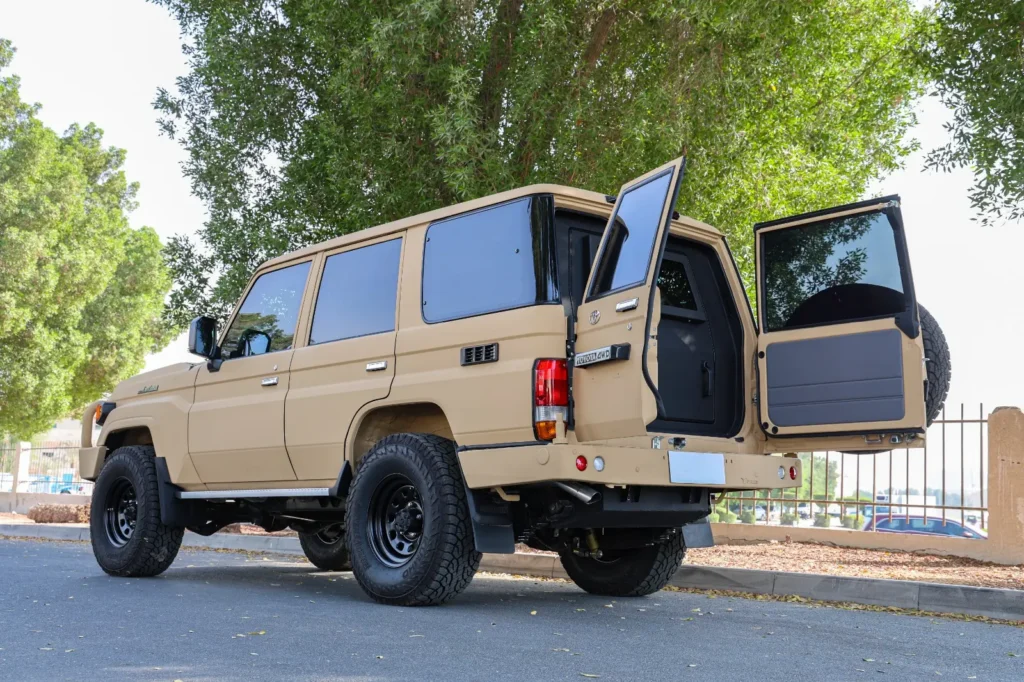
The Patrol, in contrast, tends to deliver a more insulated cabin experience with additional sound deadening and comfort features. That can matter for long journeys, especially on paved routes, where fatigue and noise become important factors in vehicle selection.
When we help clients choose between a Patrol-style build and an LC76, we usually start with a simple question. Do you value mechanical simplicity first, or do you value comfort and space, with protection integrated around that requirement.
7. Armored Nissan Patrol Vs LX600 & Maybach-Level Comfort
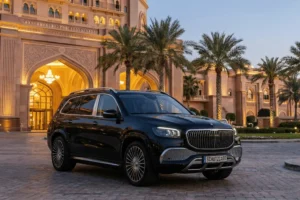
At the higher end of the comfort spectrum, Patrol-based builds compete with vehicles like the Lexus LX600 BR6 and even ultra-luxury SUVs such as the Maybach GLS. Each of these platforms aims to deliver a quiet, comfortable ride with a secure passenger cell.
Our work on the Lexus LX600 BR6 and Maybach GLS 600 armored guide shows how much attention goes into sound insulation, climate control, and seating layout in this category.
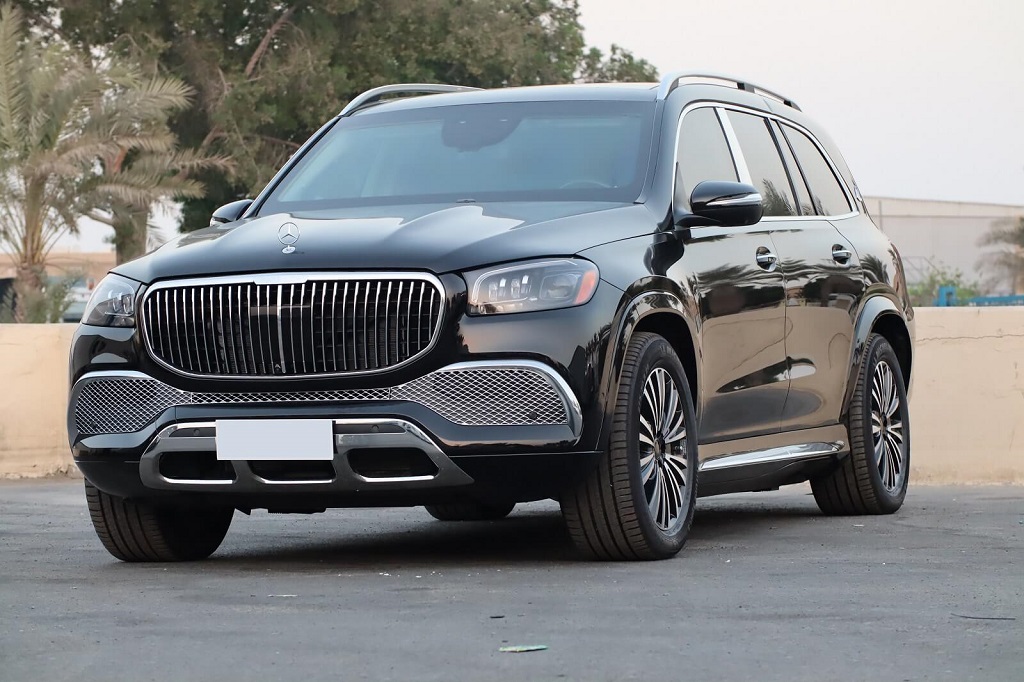
The Patrol does not try to match Maybach-level opulence, but it offers a strong balance between practicality and comfort. For many buyers, this middle ground is ideal, since it delivers a familiar SUV layout without complex, bespoke interiors.
If you prioritize a factory-like cabin with upgraded materials and perhaps modest VIP touches, the Patrol platform can be configured that way. If you want a limousine-style interior, platforms like LX600 or Maybach GLS usually offer more headroom for customization.
Did You Know?
Independent testing on Armored Nissan Patrol builds has included .223 Rem rounds of about 4.0 g at roughly 950 m/s, delivering around 1,805 J of energy, to confirm the robustness of glass and body armor systems alongside heavier rifle-caliber tests.
8. Weight, Performance & Drivability Of An Armored Nissan Patrol
Adding full 360 degree armor and blast mitigation equipment inevitably increases vehicle weight. Patrol-based builds commonly work within a total weight envelope that approaches several tons, similar to other BR6 and VR7 SUVs.
Engine outputs in the 322 to 402 horsepower range, which are mentioned for some Patrol programs, help keep acceleration and cruising performance sensible even under armored payload. Suspension tuning, upgraded springs, and shock absorbers are essential to manage braking distances and body control.
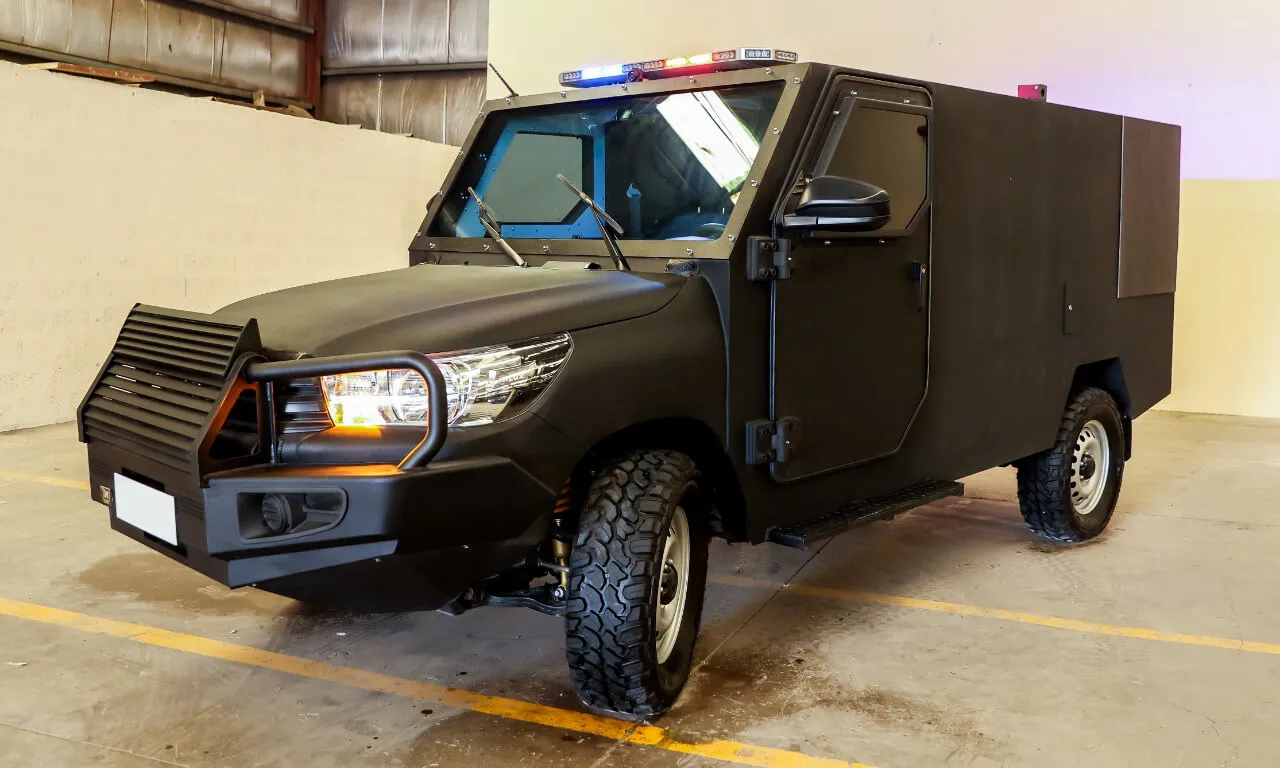
We always advise clients to think in terms of payload capacity, not just curb weight. If an armored Patrol has a ceiling of around 5,300 kg with a payload of roughly 1,000 kg in some configurations, you need to calculate people, luggage, and any additional equipment within that figure.
From behind the wheel, a well engineered Armored Nissan Patrol should still feel predictable and stable. Steering weight, brake feel, and transmission response can be recalibrated to suit the heavier body, which is similar to how we tune armored Land Cruisers and LX platforms.
9. Maintenance, Service & Long-Term Ownership Considerations
Armored vehicles require more deliberate maintenance planning than their unarmored equivalents. Additional weight, specialized components, and ballistic glass introduce new variables into the service schedule.
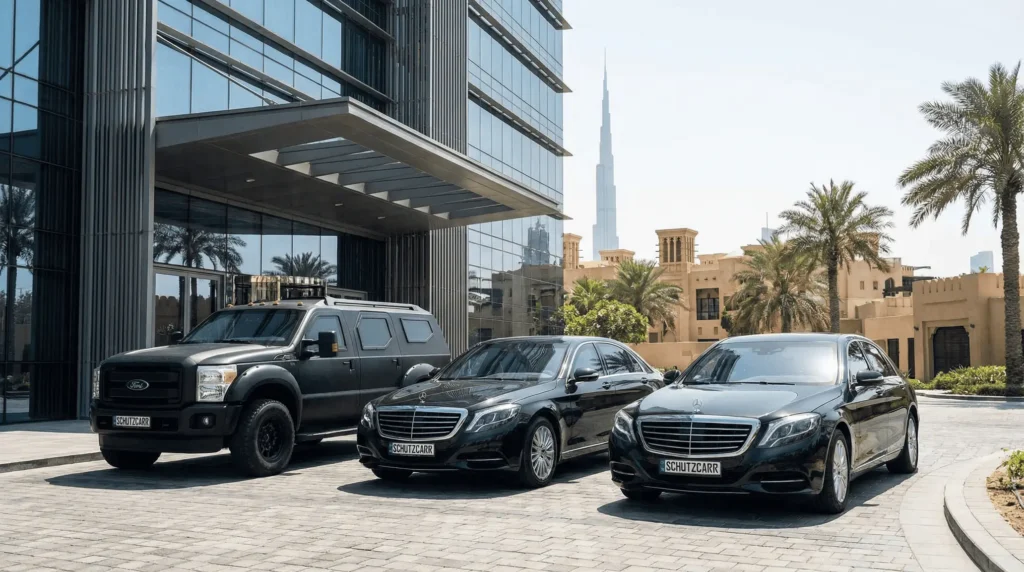
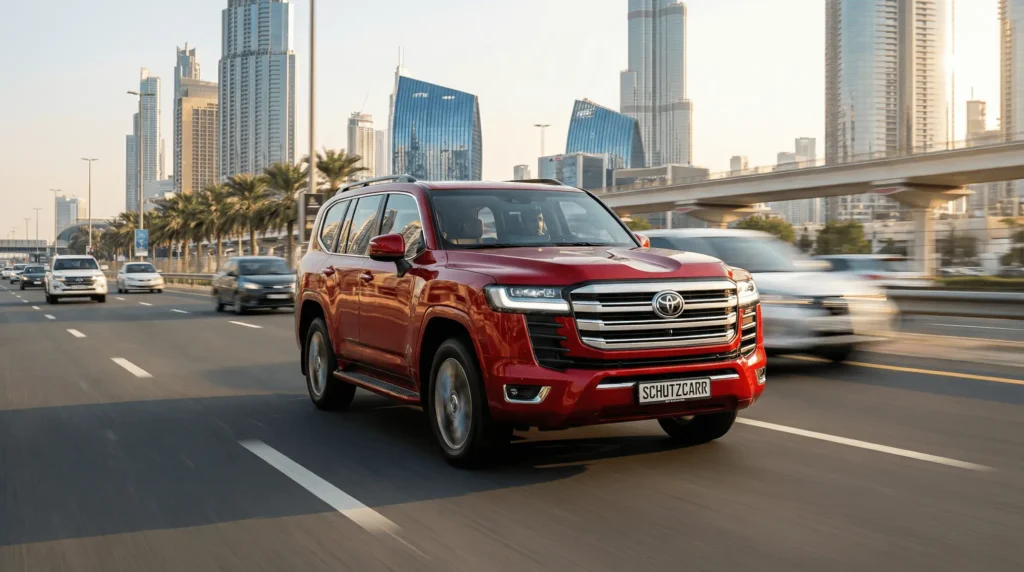
For an Armored Nissan Patrol, we recommend approaching maintenance the way we approach Land Cruiser and Hilux fleets. That means shorter intervals for some consumables, regular inspections of suspension and braking components, and careful attention to door hinges, window regulators, and seals.
Trusted workshops should also be briefed on what is unique about the Patrol’s armored specification. For instance, jacking points may change, underbody protection plates may need removal for access, and tire changes must be completed with run-flat inserts in mind.
We help clients set up maintenance schedules that reflect their environment and usage pattern, whether they are running Patrols, Land Cruisers, or mixed platforms. The objective is consistent reliability, not just passing periodic inspections.
10. How To Decide If An Armored Nissan Patrol Is Right For You
Choosing an Armored Nissan Patrol should start with a clear statement of your requirements. Protection level, passenger count, route types, and desired comfort all influence whether the Patrol or another SUV suits you better.
You can think about this in three broad questions.
- Protection & certification: Do you need BR6, VR7 style certification, or a different standard, and how will documentation be used internationally.
- Platform fit: Does the Patrol’s size, drivetrain, and fuel type align with your current fleet and infrastructure.
- Usage profile: Are you mostly on paved roads, mixed terrain, or remote areas that might favor simpler platforms like LC76.
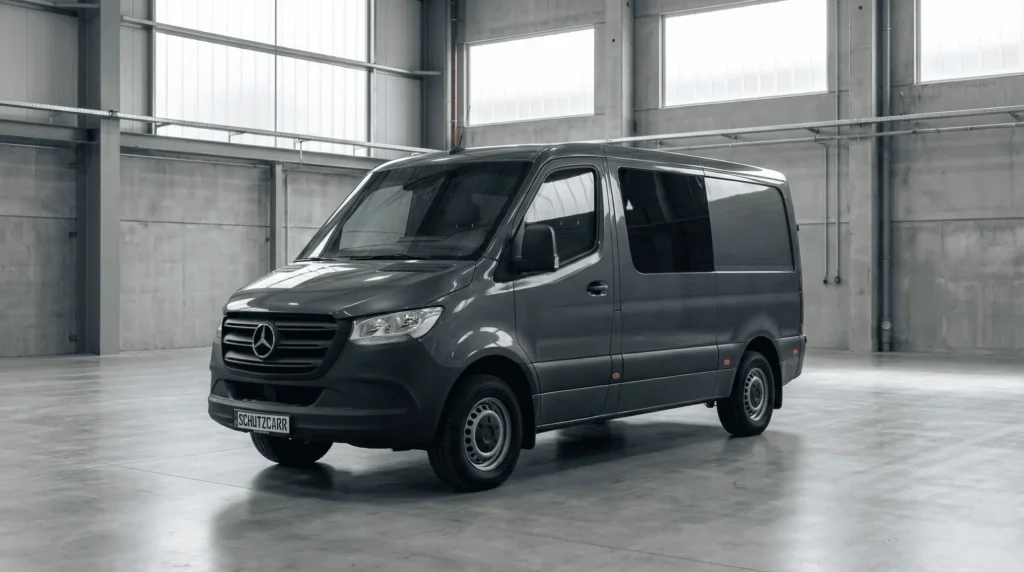
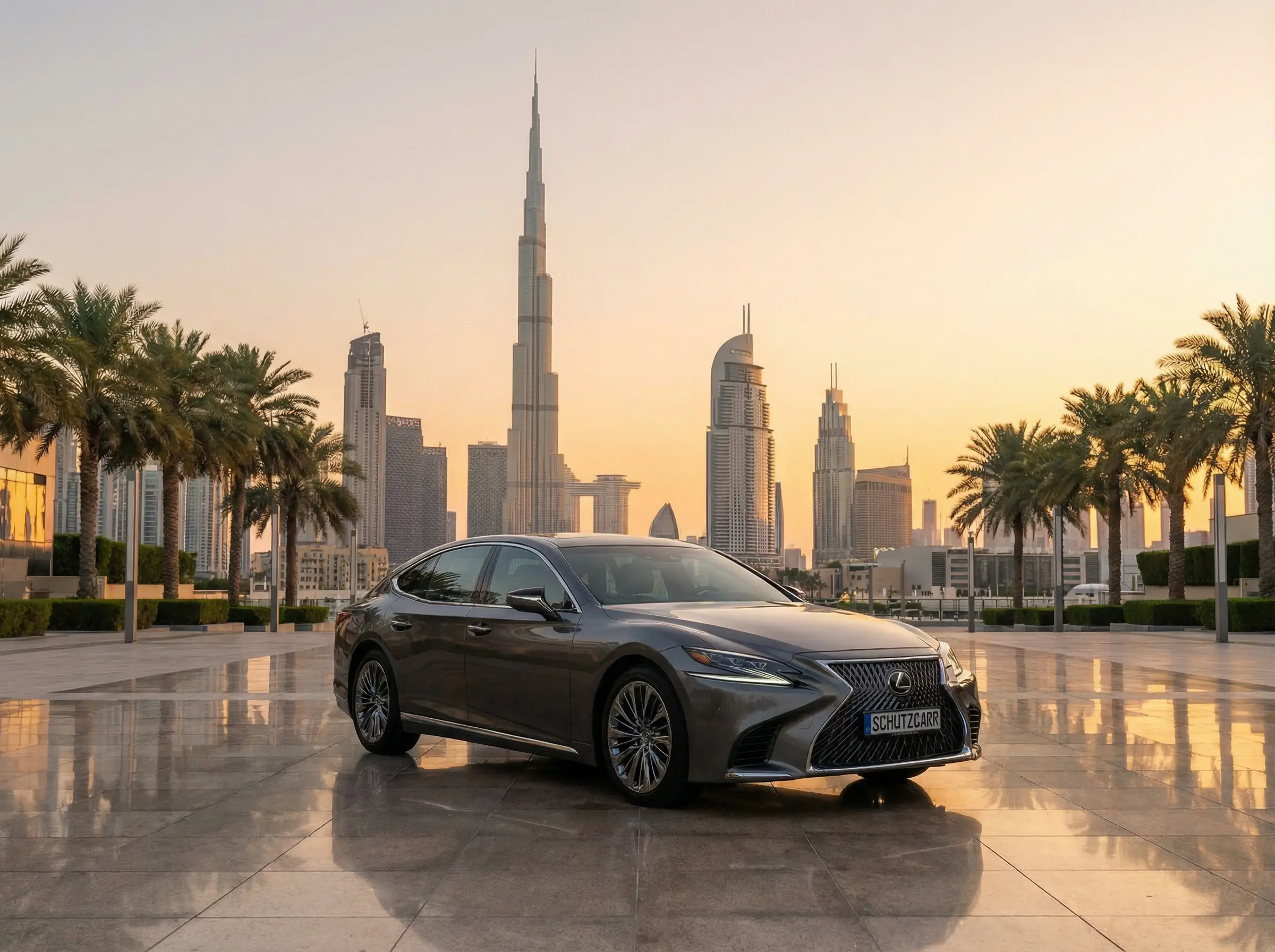
For some clients, the answer is a Patrol-based configuration, especially when they want a full-size SUV with a proven record in VR7 and BR6 style builds. For others, the answer may be a Land Cruiser 76, Lexus LX600, or a different layout altogether, such as a passenger carrier or van.
We recommend speaking directly with an armoring specialist who can walk you through example builds, certification options, and long-term support. That conversation will usually clarify whether the Patrol or another platform is the better fit.
Conclusion
The Armored Nissan Patrol occupies an important space in the world of protected SUVs, sitting between rugged platforms like the LC76 and luxury-focused options such as the LX600 or Maybach GLS. Its combination of cabin space, comfort, and compatibility with VR7 and BR6 style packages makes it a realistic choice for many civilian protection requirements.
If you are evaluating whether an Armored Nissan Patrol is the right platform for your organization or personal use, we can help you compare it against other options, discuss suitable protection levels, and plan for long-term ownership and maintenance. To start a detailed conversation about your needs, you can reach our team directly via the SchutzCarr contact page at https://schutzcarr.shop/contact/.