
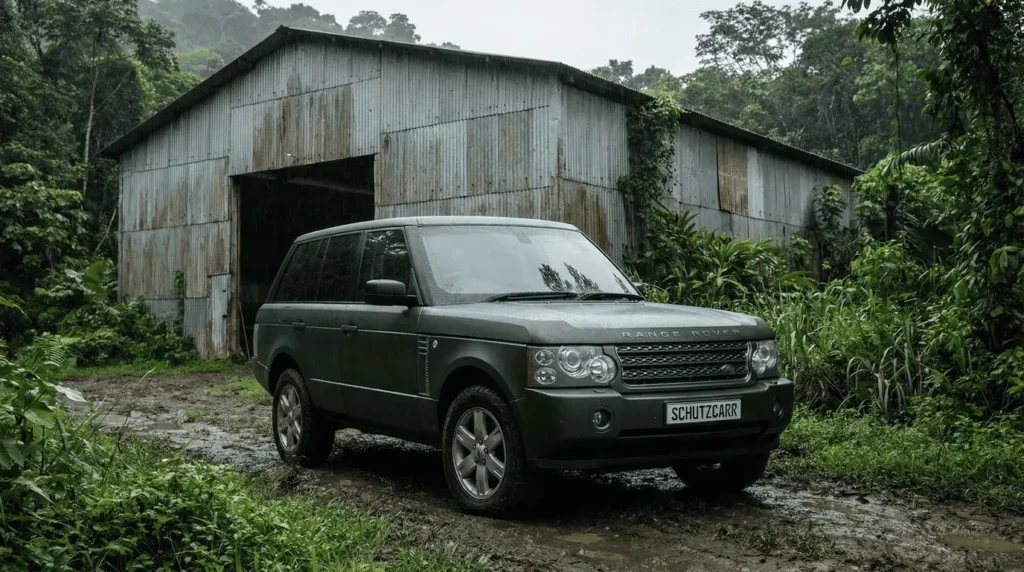
Armored Range Rovers combine luxury with engineered protection, and some certified builds are designed to withstand 7.62 mm armor‑piercing rounds along with significant blast loads from explosives. In this guide we explain what that really means in practice, how BR6 armoring works on a Range Rover platform, and how our team at SchutzCarr approaches these vehicles for executive and civilian use.
Key Takeaways
| Question | Answer |
|---|---|
| What is an Armored Range Rover? | It is a Range Rover that has been engineered with an integrated armor capsule, ballistic glass, and protective components while maintaining luxury and drivability, such as the Range Rover P530 Extended BR6 Armored SUV. |
| Which protection level is typical? | Most civilian executive builds focus on BR6 configurations, which offer a high level of ballistic resistance suitable for private and corporate users. |
| How does an armored SUV compare to other armored platforms? | Armored SUVs like Range Rover sit alongside options such as Land Cruiser and Infiniti QX80, which we discuss in our overview of best armored SUVs for civilian use. |
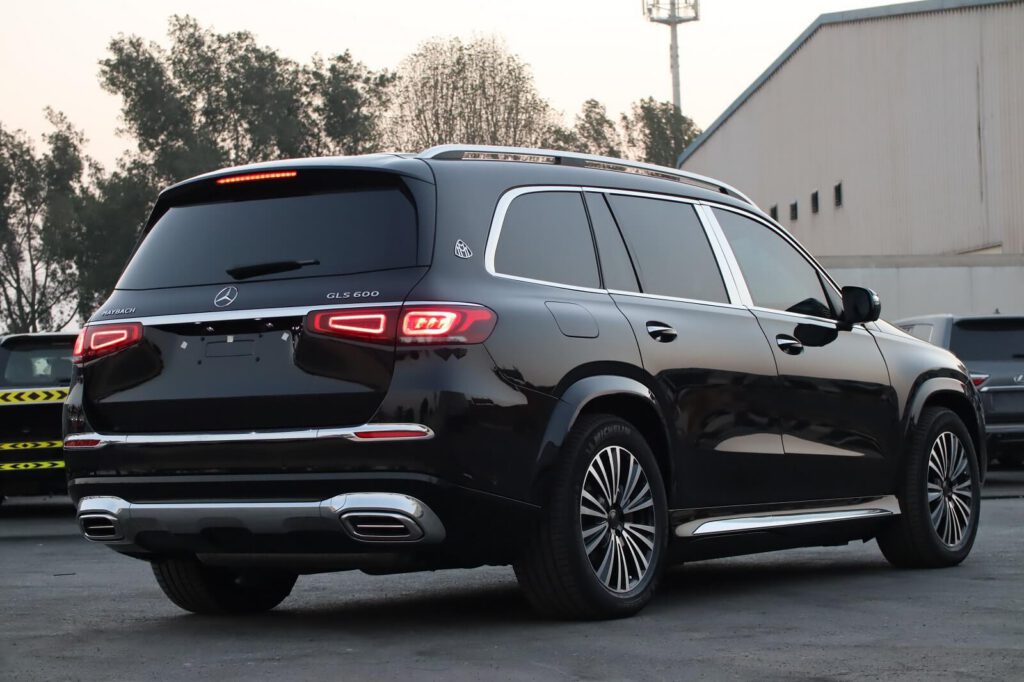
| Is there a more detailed guide for luxury protection SUVs? | Yes, our Maybach GLS 600 guide shows how we think about ultra‑luxury armoring, similar in philosophy to high‑spec Armored Range Rovers, in the Mercedes Maybach GLS 600 armored overview. |
| Are sedans still relevant compared to armored Range Rovers? | For some executives, discreet armored sedans remain preferable in specific contexts, which we explain in our discreet armored sedans guide. |
| Do organizations other than individuals use armored SUVs? | Yes, many private companies have integrated armored vehicles into their fleets, as outlined in our explainer for private sector decision‑makers. |
What Makes an Armored Range Rover Different From a Standard Model?
An Armored Range Rover starts life as a familiar luxury SUV, then gains an integrated protective capsule that reinforces the passenger cell. We focus on maintaining the original silhouette while adding structural protection to the roof, floor, pillars, and doors.
In practice that means layering high‑strength steel, composite armor, and certified ballistic glass while recalibrating suspension and braking for the added weight. We also look carefully at ingress and egress, seating layout, and how the cabin feels during everyday use.
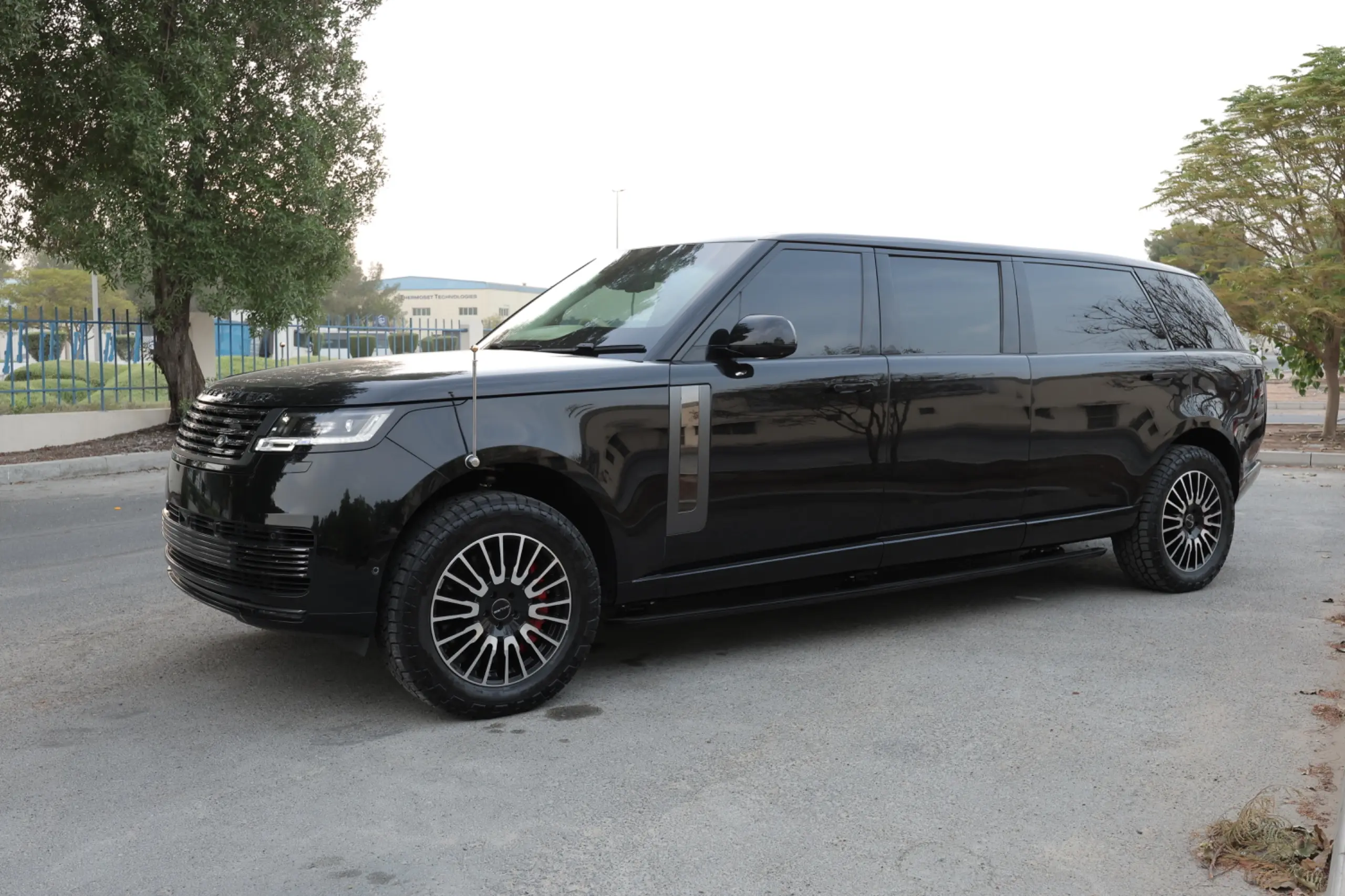
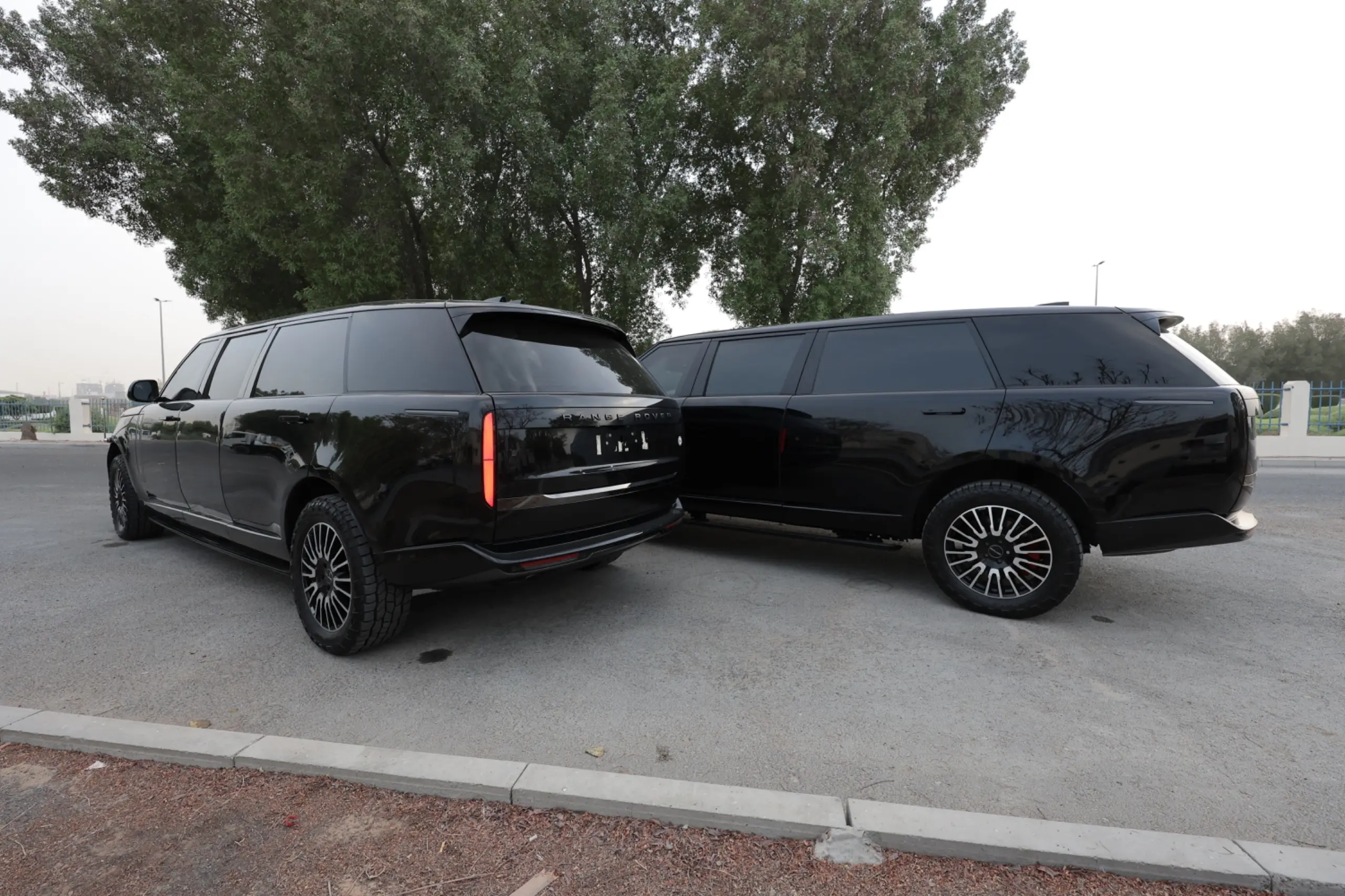
Range Rover P530 Extended BR6 Armored SUV Overview
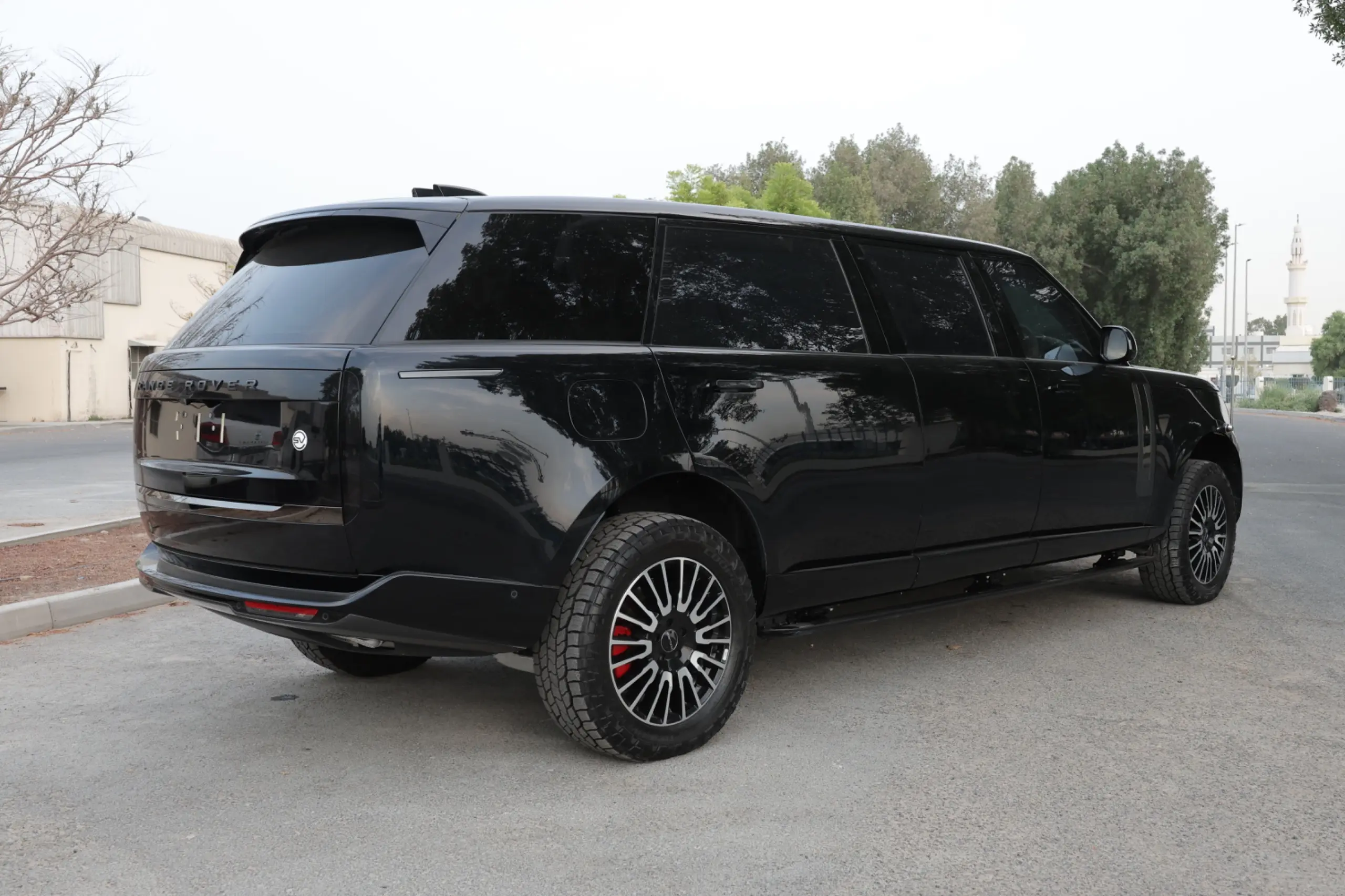
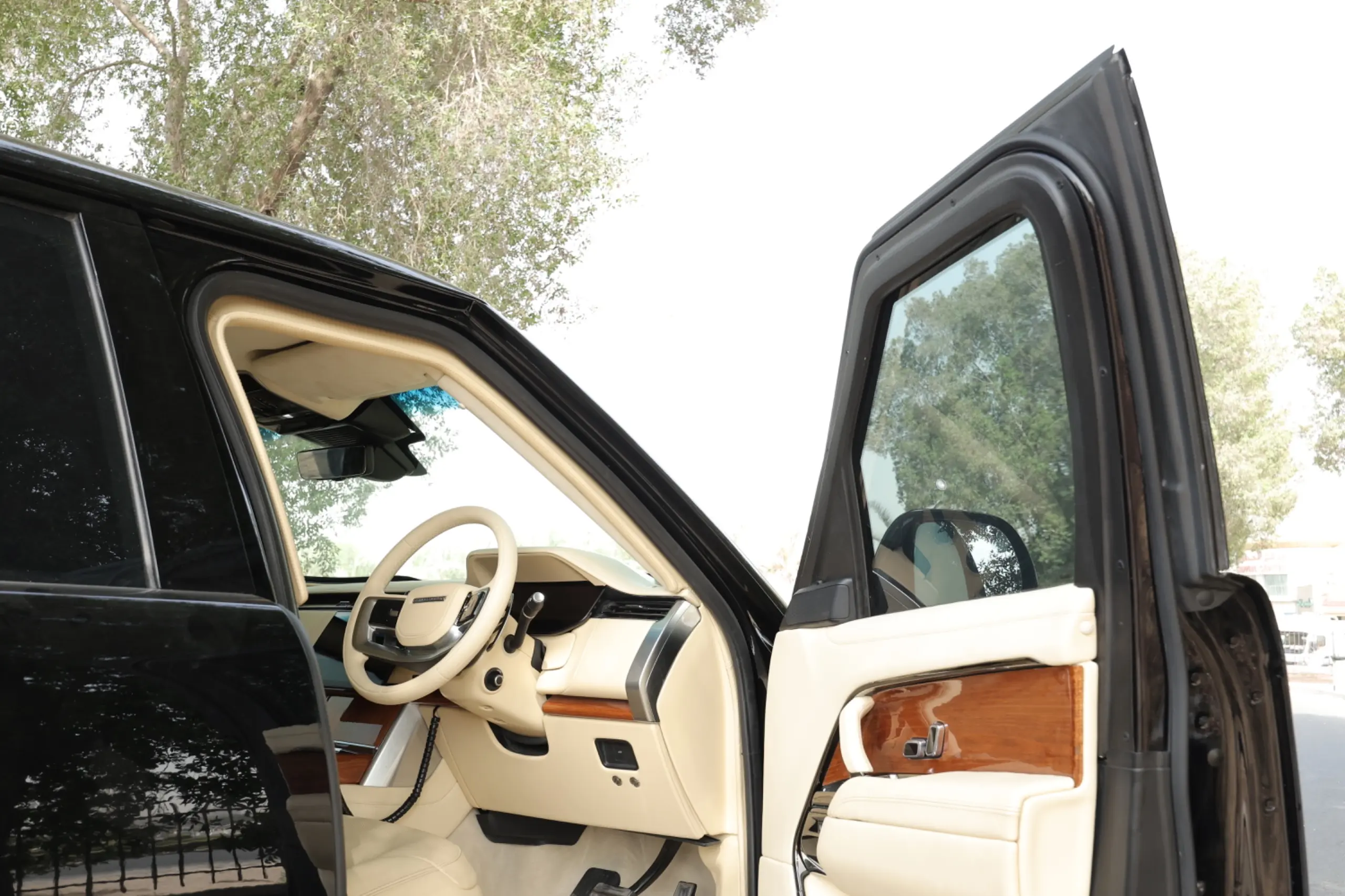
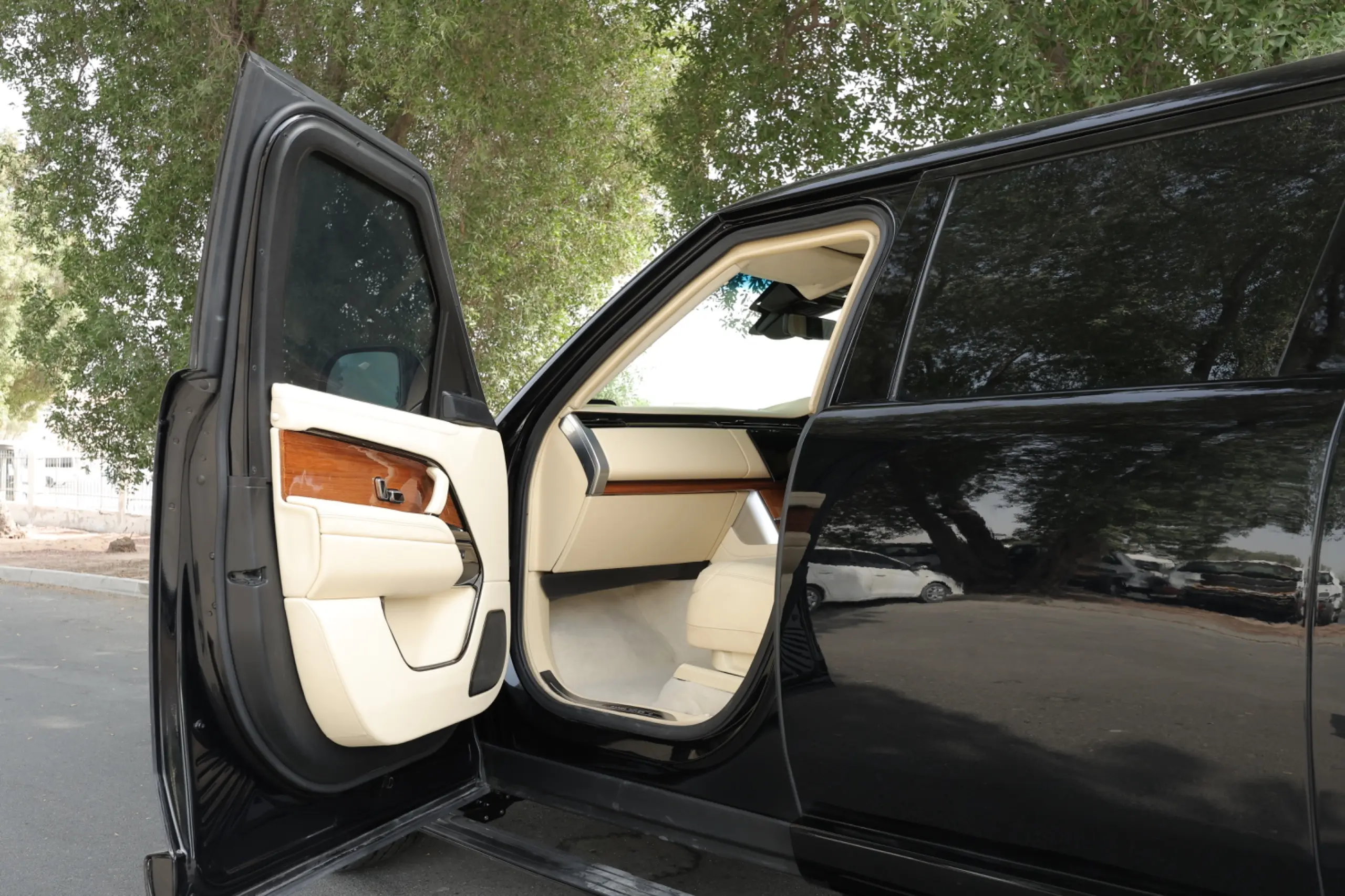
Our reference point in this article is the Range Rover P530 Extended BR6 armored SUV, a long‑wheelbase platform geared to executive travel. It features 360° BR6 protection, including armored doors and pillars with attention to fit and finish so the vehicle remains discreet in urban environments.
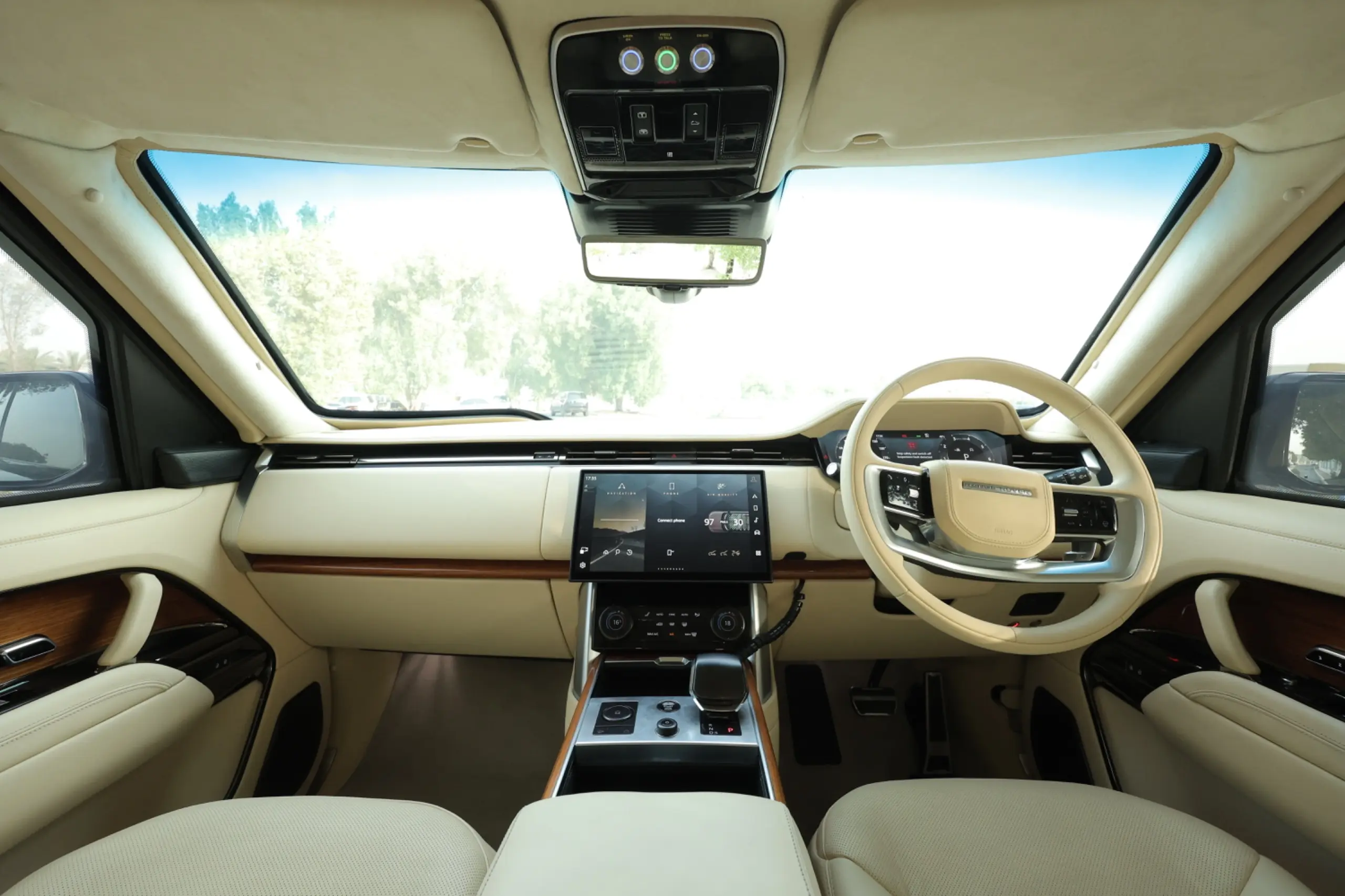
The interior retains a modern cockpit, premium seating, and comfort features, while the armoring package includes protected glass, run‑flat tires, and reinforcement around critical components. We treat this as a complete system, not a set of bolt‑on panels.
BR6 Protection On Range Rover: What It Actually Covers
BR6 is a widely used ballistic protection class for armored SUVs, including many Range Rover conversions. It is designed for high‑powered rifle threats with a focus on 360° coverage around occupants.
On an Armored Range Rover, BR6 typically applies to opaque armor panels and transparent components, including windscreens, side windows, and rear glass. Our builds also look at overlap zones, door frames, and hinges, where gaps could otherwise appear.
Armor Capsule And Ballistic Glass Design
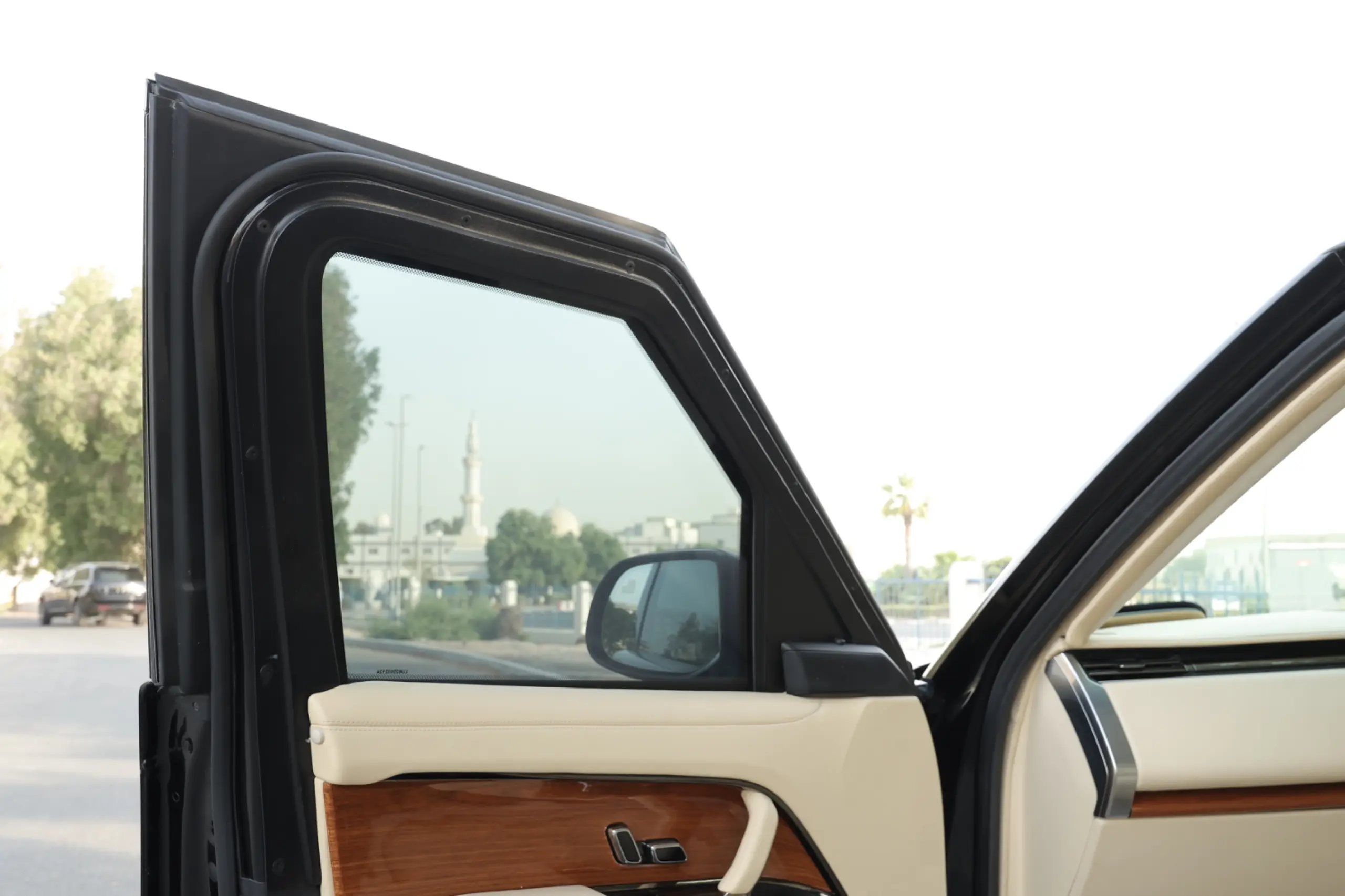
The BR6 capsule in a Range Rover P530 Extended integrates with the vehicle’s body architecture rather than sitting as a loose shell. We reinforce A, B, and C pillars and add armored bulkheads where needed.
Ballistic glass is usually much thicker than OEM glazing, using layered glass and polycarbonate. It is mounted into specialized frames to ensure the perimeter is as robust as the central pane.
Driving Dynamics: How Armor Affects Performance And Handling
Armor adds substantial mass to a Range Rover, which is why we always consider powertrain, payload, and braking as part of the engineering package. A factory‑engineered armored Range Rover example uses an uprated chassis and brakes to cope with the increased weight.
That same factory example pairs armor with a calibrated automatic transmission and a powerful V6 engine to help manage the added load and preserve a familiar driving feel. In our own work, we follow the same mindset and apply it to V8 platforms such as the P530 Extended.
Suspension, Brakes, And Payload On Armored Range Rovers
We typically reinforce or re‑spring the suspension to handle armor and occupants without excessive sag or instability. Braking systems are also upgraded, often with larger ventilated discs and high‑density pads, to maintain stopping performance.
Payload is a key figure for real‑world usability, since it determines how many people and how much luggage the vehicle can carry after armoring. We aim for a usable payload envelope that suits executive, family, or corporate travel with luggage and equipment.
Did You Know?
A well‑known armored Range Rover reference platform is engineered with a payload capacity of up to 650 kg specifically to offset the additional armor weight while still carrying occupants and gear.
BR6 vs BR7 On SUVs: Where The Armored Range Rover Fits
When clients ask about Armored Range Rovers, the most common question is how BR6 compares to heavier classes like BR7. BR6 offers a level of protection that many private and corporate users consider appropriate for daily use.
BR7 configurations add more material and weight, which can affect ride comfort, acceleration, and fuel consumption more noticeably. On SUV platforms, we often see BR6 as the balance between protection and usability.
Cross‑Comparing Range Rover With Other BR6 Platforms
We regularly build and analyze BR6 packages on multiple SUVs, including Range Rover, Land Cruiser 300, Infiniti QX80, and Maybach GLS 600. Each has its own character, but they share the same underlying logic about protection classes and vehicle dynamics.
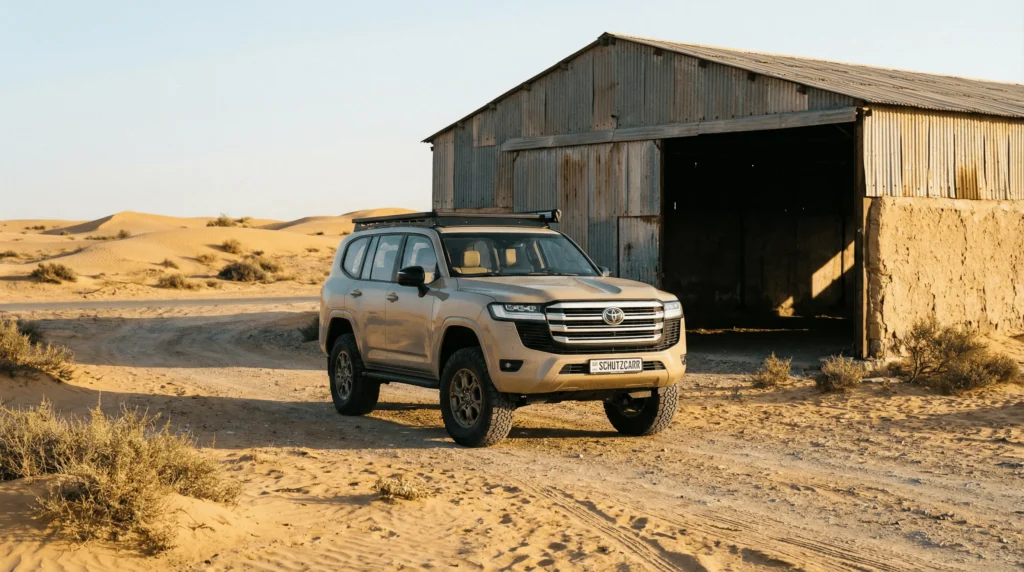
For clients who prefer a more rugged profile, BR6 Land Cruisers offer a different use case compared to a discreet Armored Range Rover. Luxury‑first buyers often gravitate to Range Rover, Maybach GLS 600, or Infiniti QX80 depending on interior preferences and brand familiarity.
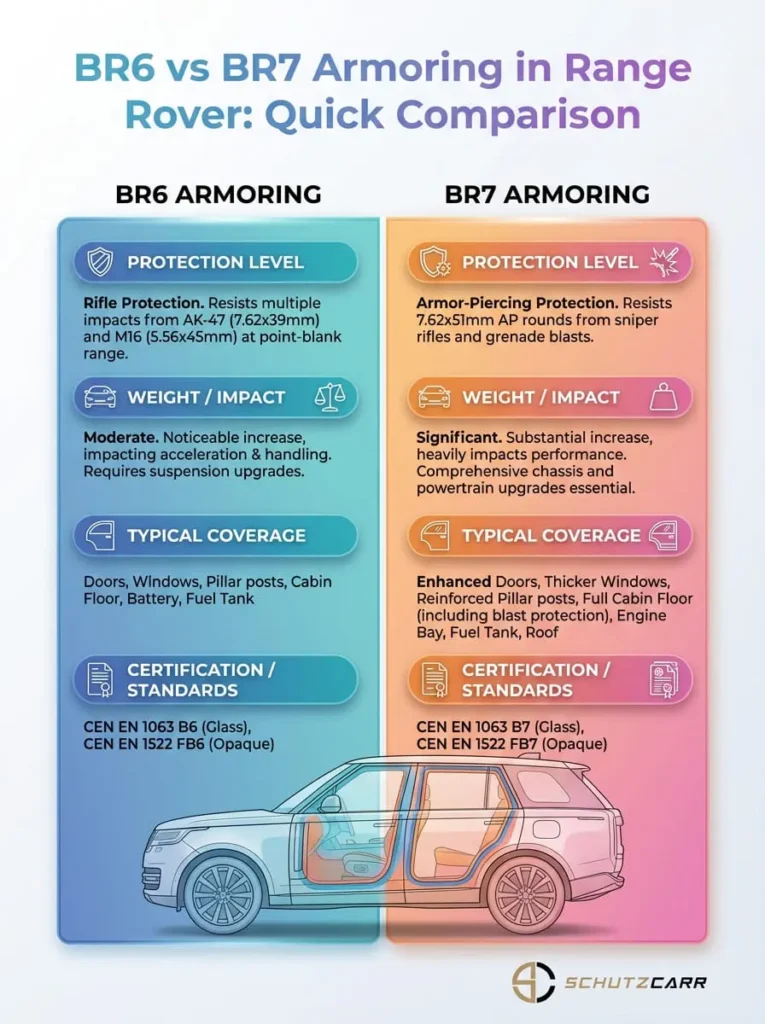
A quick side-by-side comparison of BR6 and BR7 armor for Range Rover. Highlights include protection levels, weight impact, and practical trade-offs.
Interior Comfort: Living With An Armored Range Rover Day To Day
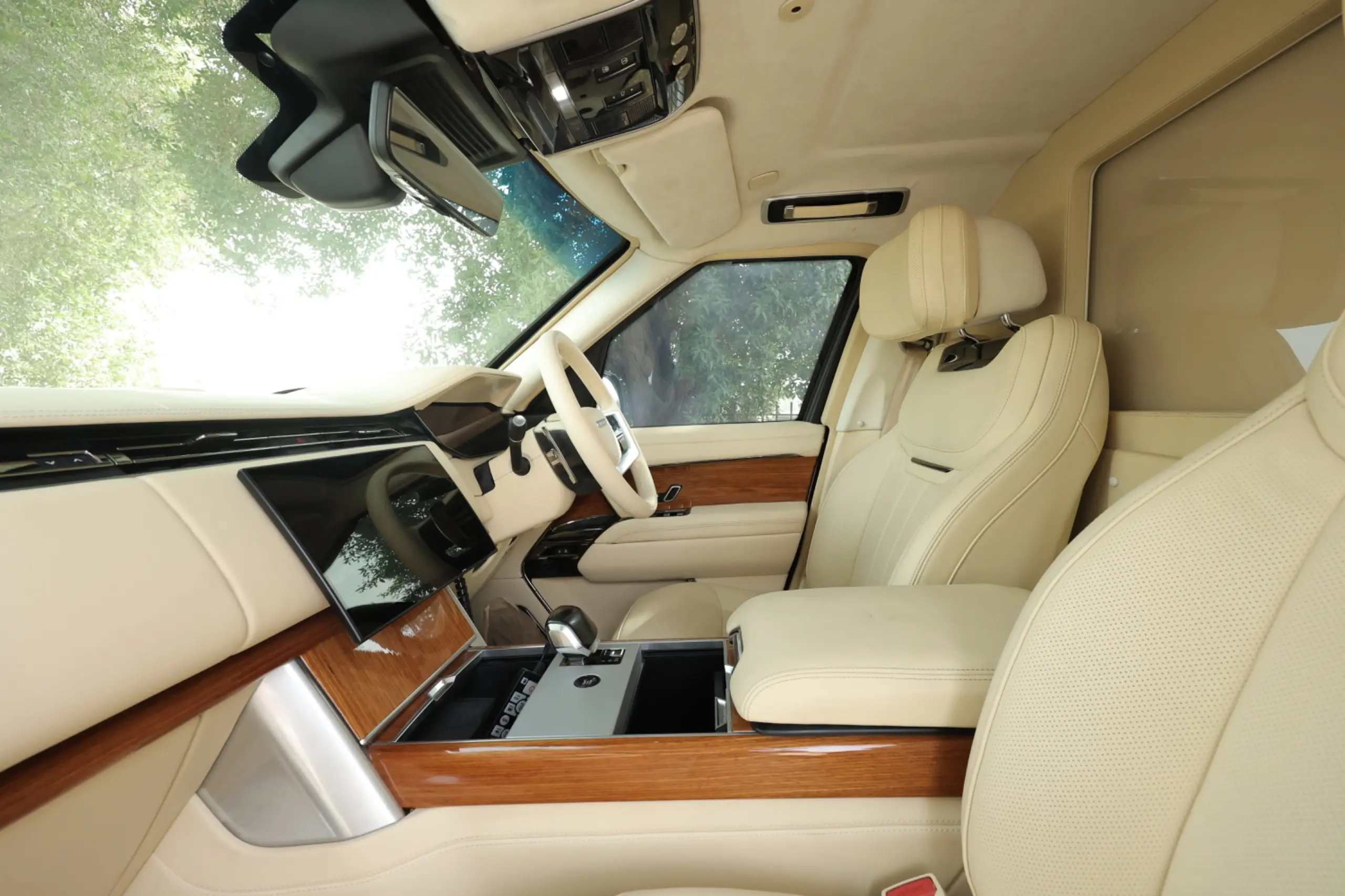
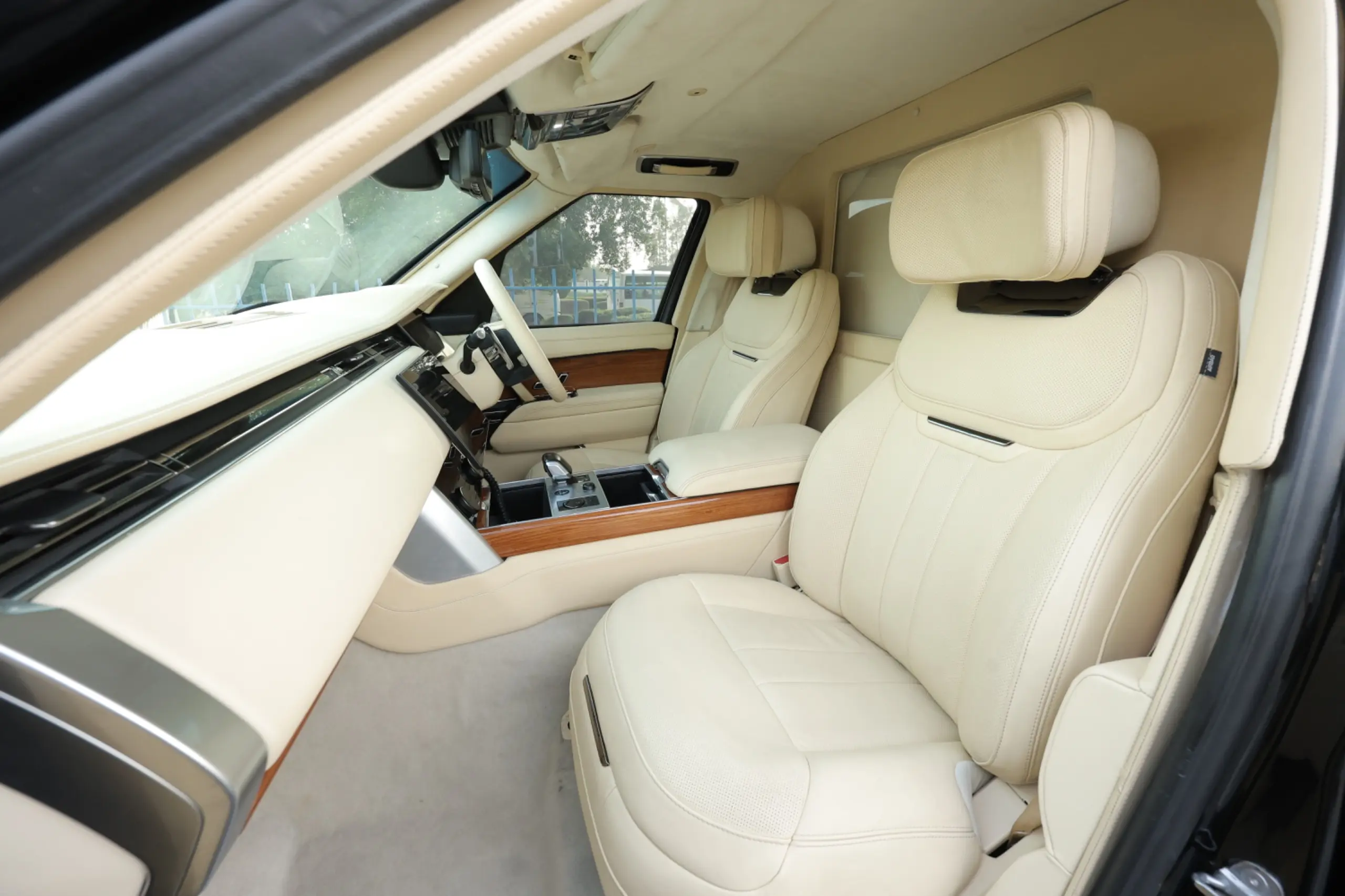
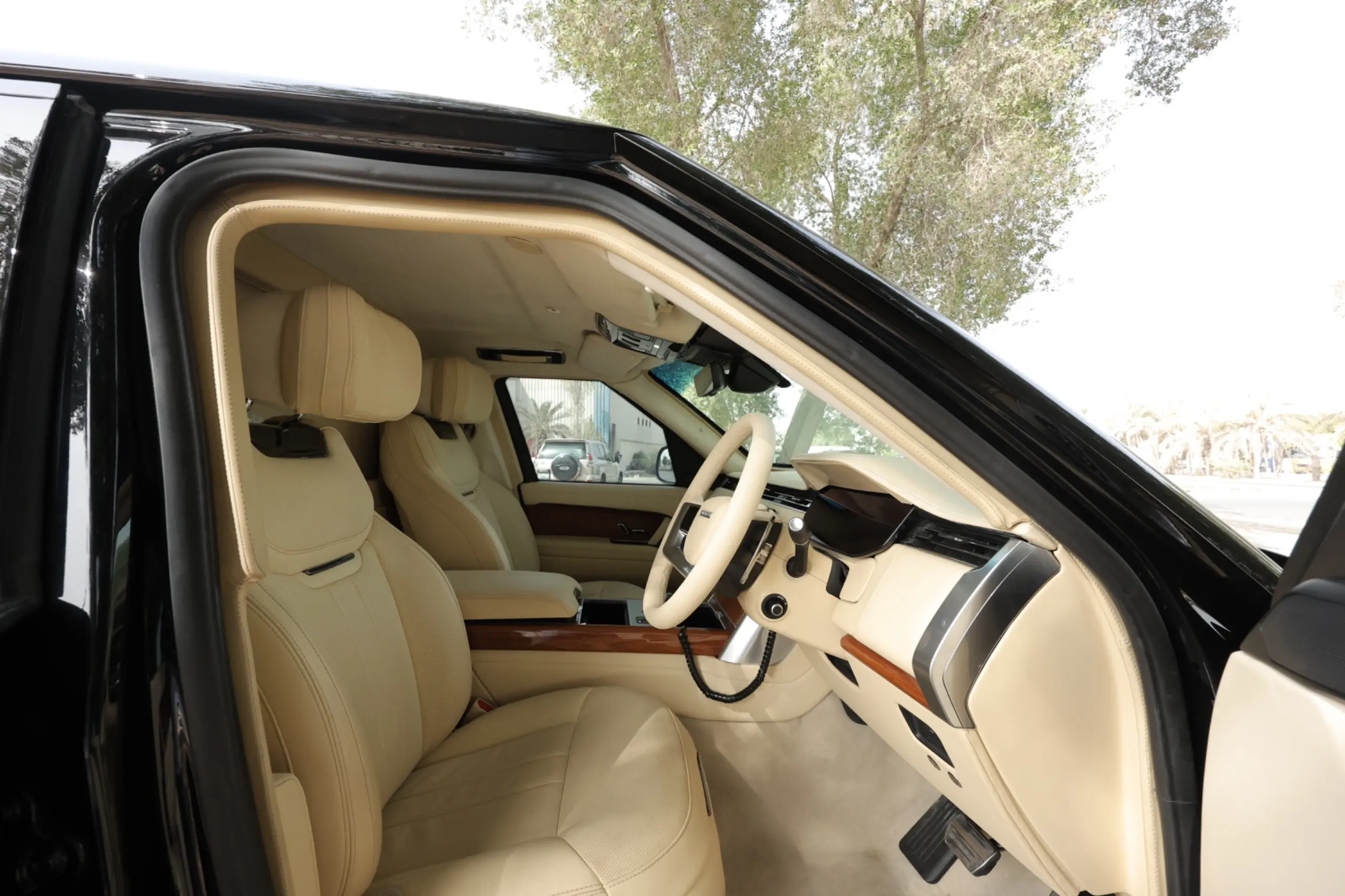
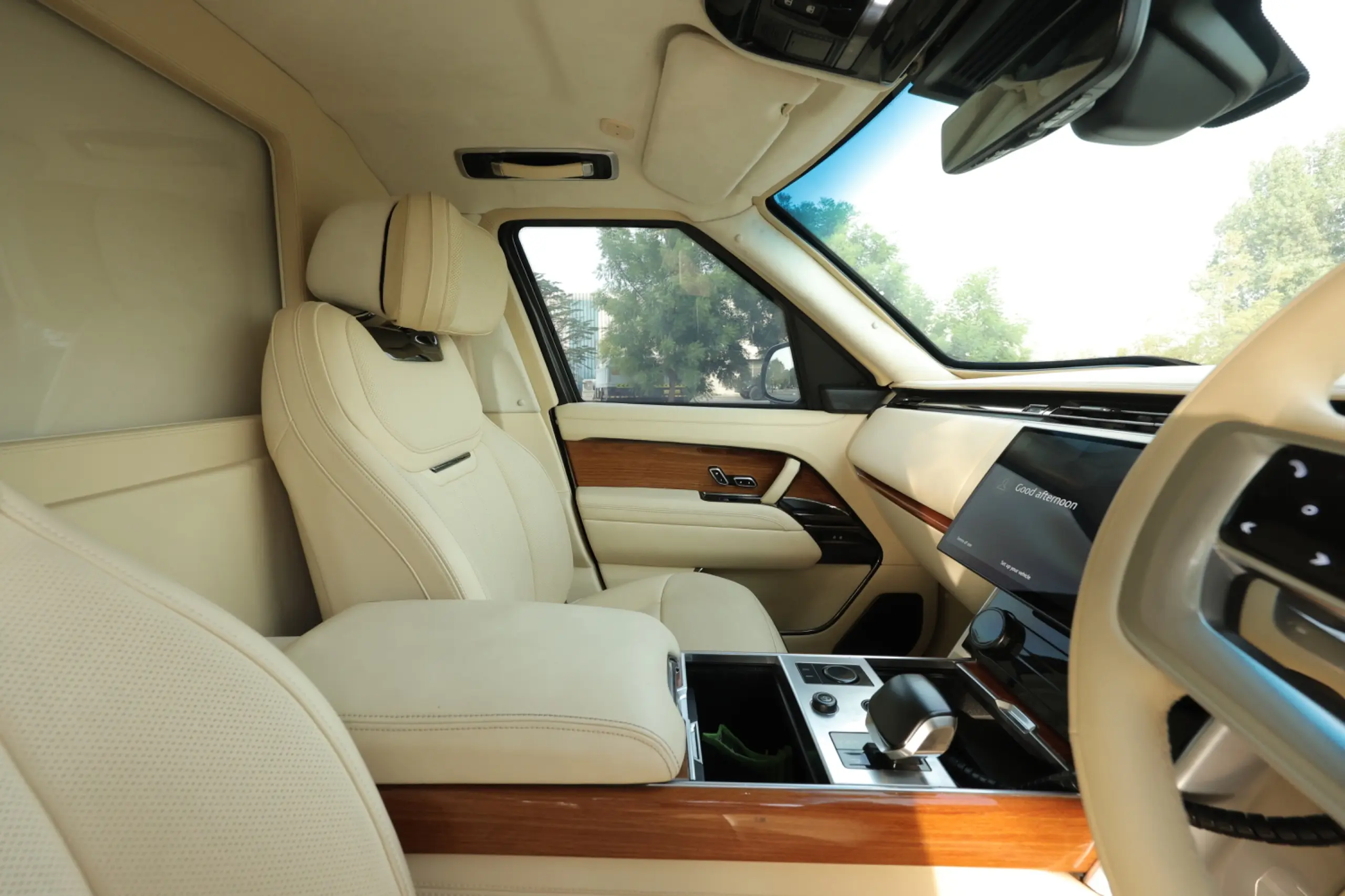
From the inside, a well‑executed Armored Range Rover should feel like a high‑spec luxury SUV first, with protection features integrated as discreetly as possible. We pay attention to seat ergonomics, noise levels, and climate control.
Thicker glass and additional steel panels can actually improve acoustic insulation, which often results in a quieter cabin. We also manage door weight, hinge design, and step height so that access remains manageable for daily users.
Cockpit And Rear Cabin Experience
The P530 Extended layout provides generous rear legroom and a refined cockpit environment. Our armoring process retains the OEM design language while reinforcing doors, floor, and roof.
Controls, infotainment, and driver assistance features function in the familiar way, which reduces training time for chauffeurs and drivers. Lighting, trim options, and seating configurations can be tailored to the client brief while respecting the constraints of the armor capsule.
Armored Range Rover vs Other Luxury Armored SUVs
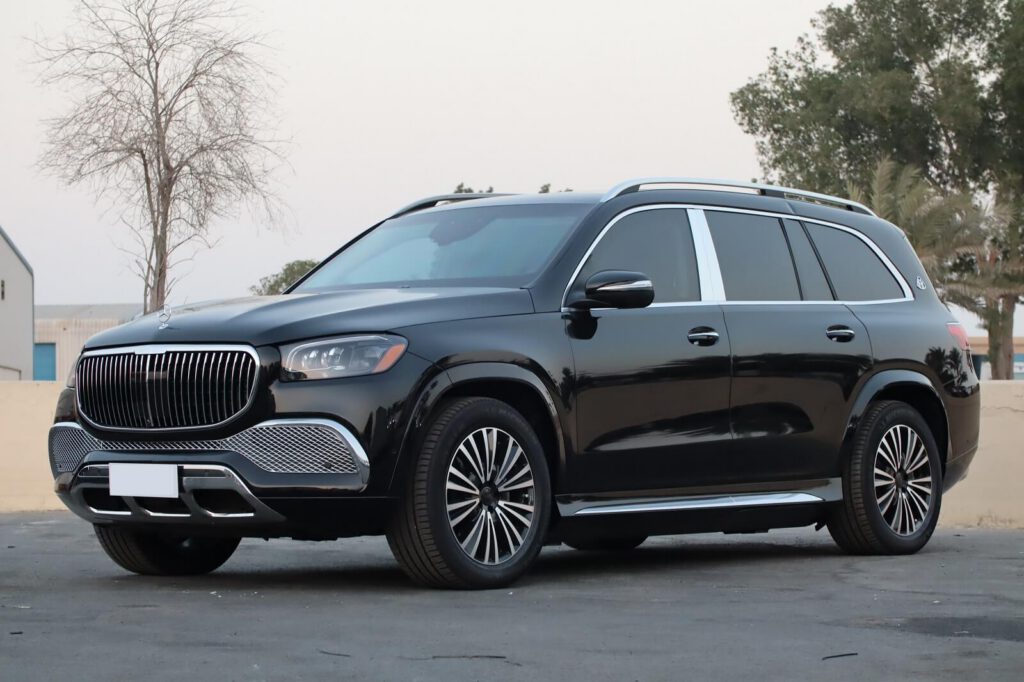
Many clients evaluating an Armored Range Rover also want to understand how it compares to other luxury SUVs with similar protection. In our portfolio, the closest analogues are the Mercedes Maybach GLS 600 armored SUV and the Infiniti QX80 BR6 armored SUV.
All three aim to deliver premium interiors with comprehensive BR6 protection. The differences mainly relate to brand identity, interior design philosophy, and how the chassis responds once armored.
Maybach GLS 600 And Infiniti QX80 As Reference Points
The Mercedes Maybach GLS 600 armored SUV emphasizes ultra‑luxury with a highly polished interior and refined ride quality. Its BR6/FB6 package shows that it is possible to pair complex electronics and comfort features with integrated armor.
The Infiniti QX80 BR6 armored SUV, by contrast, provides a robust platform with a more understated interior, but still focuses on comfort and space for executive use. Both illustrate how luxury platforms can adapt to BR6 requirements in different ways.
How Executive Users Actually Deploy Armored Range Rovers
Most Armored Range Rovers we discuss with clients are intended for executive or family use rather than any specialized tactical role. Typical requests involve secure airport transfers, city commuting, and regional road travel within a civilian context.
In those scenarios, discretion matters as much as the protection level. The silhouette of an Armored Range Rover fits well into business districts, hotels, and residential neighborhoods without attracting unnecessary attention.
Choosing Between SUVs And Sedans For Executives
Some executive teams split their fleets between discreet sedans and armored SUVs, using each platform where it fits best. Sedans can be preferable in dense urban centers or for events with formal arrivals.
Armored Range Rovers and similar SUVs provide higher seating positions, more luggage space, and easier access for passengers, especially on longer journeys. We work with clients to map daily patterns before recommending a final configuration.
Did You Know?
Some factory‑engineered armored Range Rover examples integrate details like a 100 mm driver’s window opening for controlled document exchange, showing how small design elements can support real‑world executive use.
Comparing Armored Range Rover To Rugged Platforms Like Land Cruiser 76
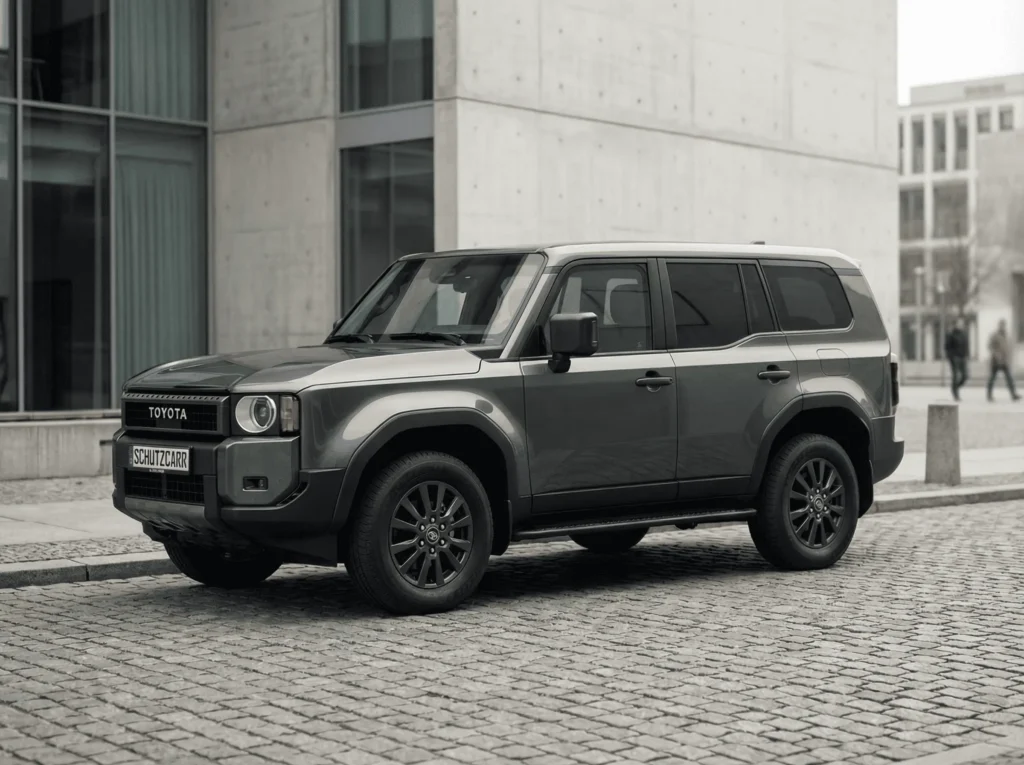
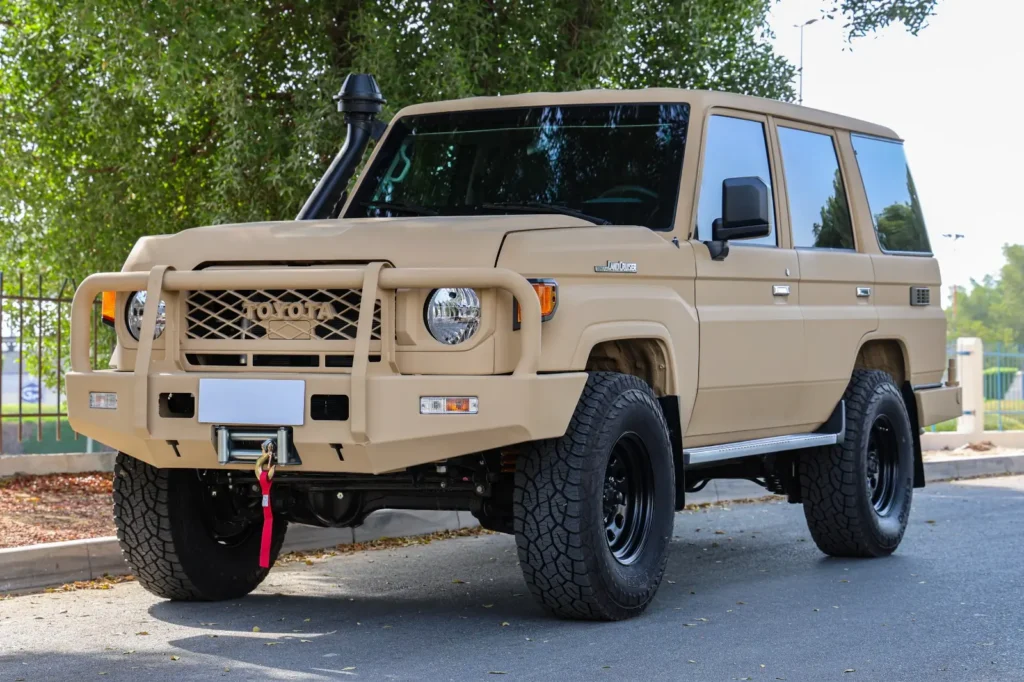
For some readers, it is helpful to place an Armored Range Rover alongside more rugged platforms like the Toyota Land Cruiser 76. Both can be built to BR6 or higher, but they address different priorities.
Range Rover leans toward luxury and discreet executive travel, while the Land Cruiser 76 emphasizes durability, mechanical simplicity, and off‑road capability. We build both, so we see how clients choose between them.
Key Differences In Design Philosophy
The Land Cruiser 76 BR6 armored SUV integrates armor into a ladder‑frame chassis with a focus on reliability and serviceability. It is well suited to environments where maintenance infrastructure is limited.
An Armored Range Rover is more at home in urban and peri‑urban contexts where its comfort and refinement are fully utilized. The decision often comes down to typical roads, maintenance reality, and how important a luxury interior is to the users.
Core Engineering Elements Of An Armored Range Rover Build
When we talk about an Armored Range Rover, we are really talking about a coordinated engineering project. The protection package includes opaque armor, ballistic glass, reinforced hinges, upgraded locks, and underbody protection.
We also consider ancillary systems like fire suppression, communication equipment, and run‑flat tire solutions where appropriate. Not every client needs every option, so we specify these on a case‑by‑case basis.
Typical Feature Set On A BR6 Armored Range Rover
- 360° armored passenger cell covering roof, floor, and all sides
- BR6 rated ballistic glass with reinforced window frames
- Reinforced door structures, hinges, and locking mechanisms
- Run‑flat tire inserts at all four corners
- Suspension and brake upgrades compatible with the added mass
All of these elements are designed to work together as a single package. Partial upgrades without the supporting systems can create imbalances in handling or perceived safety, which is why we treat Armored Range Rovers as complete builds.
How To Decide If An Armored Range Rover Is Right For You
Deciding whether an Armored Range Rover fits your needs starts with clarifying how and where the vehicle will be used. We usually begin by mapping daily routes, passenger profiles, and parking or garaging arrangements.
From there, we look at alternatives in our lineup such as Land Cruiser 300, Land Cruiser 76, Infiniti QX80, and Maybach GLS 600. The aim is to match protection level and vehicle character to the realities of daily life rather than theoretical scenarios.
Key Questions To Ask During The Decision Process
- Do you prioritize discreet luxury, rugged capability, or a mix of both?
- How many passengers will regularly travel in the vehicle and with how much luggage?
- What types of roads are most common on your routes?
- How important are specific technologies or interior layouts to your use case?
For clients who value comfort, brand recognition, and an understated profile in corporate or city settings, an Armored Range Rover often emerges as a strong candidate. Where terrain or service conditions are more challenging, other platforms may be more suitable.
Conclusion
An Armored Range Rover brings together integrated BR6 protection, modern luxury, and a discreet profile that fits naturally into executive and civilian environments. When engineered correctly, it preserves drivability and cabin comfort while adding a carefully designed protective envelope around occupants.
If you are considering an Armored Range Rover for personal, family, or corporate use, our team at SchutzCarr can walk you through the options, trade‑offs, and technical details in a structured way. To discuss your requirements and explore configurations in more detail, we invite you to get in touch with us directly via our contact page at https://schutzcarr.shop/contact/.