

Cash in transit and cargo fleets face evolving risks, which is why many organizations review whether an armored truck fits into their wider security and logistics strategy. As risk profiles change, many organizations are looking at how an armored truck fits into their wider security and logistics strategy. In this guide, we explain how armored trucks work, how they compare to armored pickups and SUVs, and how our SchutzCarr platforms support secure, predictable transport. Everything here is based on what we see daily across armored trucks, heavy SUVs, and specialized carriers in our portfolio.
Key Takeaways
| Q: What is an armored truck used for today? | Armored trucks typically carry people or high-value cargo in a protected shell with certified armor, often working alongside armored SUVs and pickups. For a broad overview of platforms, see our armored vehicles category. |
| Q: How do armored trucks compare to armored pickups? | Trucks usually offer higher enclosed capacity and walk-in interiors, while pickups combine protected cabins with flexible cargo beds. We explain the differences in detail in our guide on armored trucks vs armored pickups. |
| Q: Which protection levels matter most for armored trucks? | Most civilian security fleets focus on BR6 or similar ballistic ratings that balance protection with drivability. Our armored car buyer’s guide breaks down protection standards in plain language. |
| Q: Are heavy SUVs a viable alternative to an armored truck? | Yes. Many clients pair or replace classic box-body trucks with heavy BR6 SUVs or APC-style carriers. We outline what actually works in our article on the best armored trucks and heavy SUVs. |
| Q: How do MRAP-style APCs relate to armored trucks? | Civilian MRAP and APC platforms use similar principles to armored trucks, with higher ground clearance and specialized hull concepts. You can see how we adapt this in our MRAP for sale overview. |
| Q: Where can I learn about discreet passenger options instead of a truck? | Some clients prefer discreet sedans and SUVs that do not look like traditional armored trucks. We present several low‑profile builds in our page on discreet armored sedans for executives. |
1. What Counts As An Armored Truck Today?
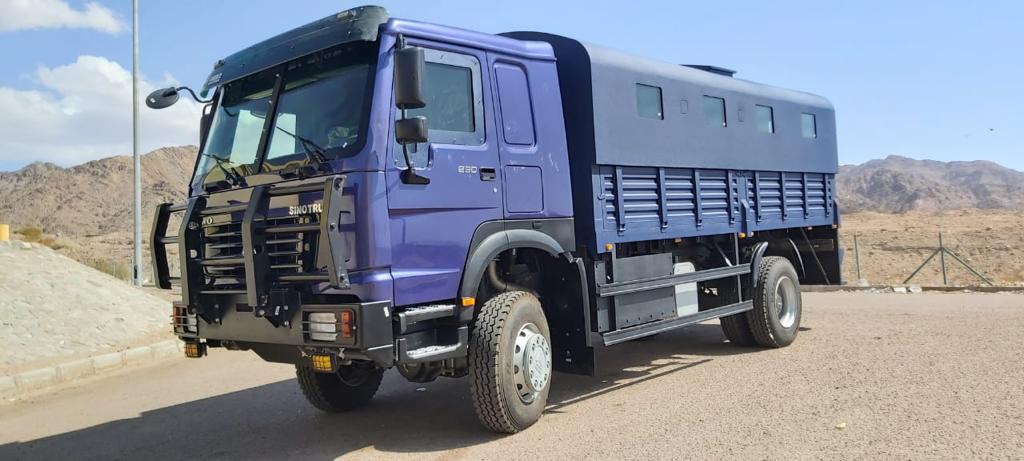
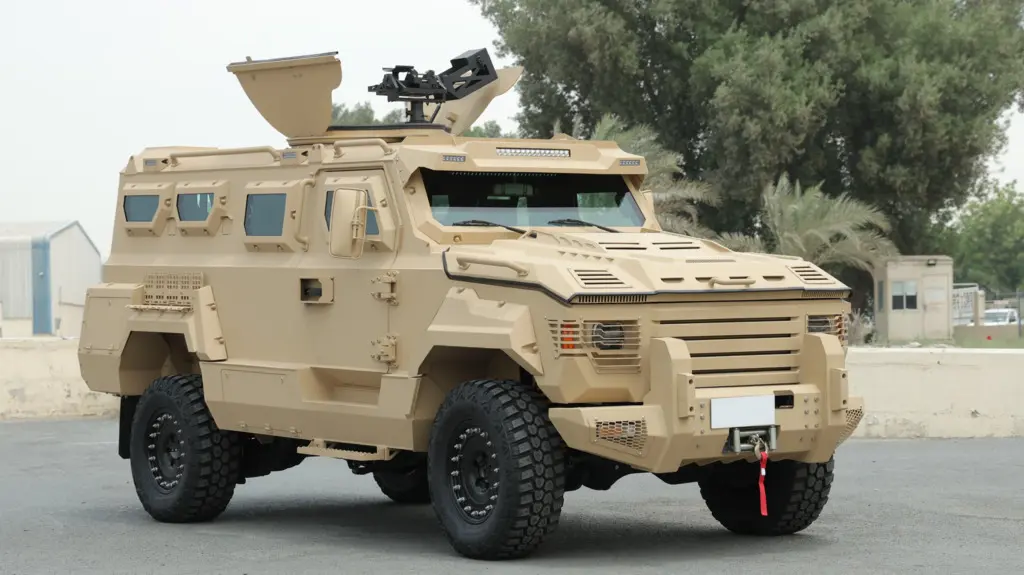
When clients talk to us about an “armored truck,” they often mean several different vehicle types. At its most traditional, an armored truck is a box-body carrier on a truck chassis with an enclosed shell, used for high‑value cargo or group passenger transport. In practice, the category now spans troop carrier trucks, cash‑in‑transit bodies, APC-style platforms, and heavy SUVs used in truck-like roles.
Across our range at SchutzCarr, we see four core groups taking on the job most people associate with an armored truck: high-capacity passenger trucks, cash‑in‑transit (CIT) bodies, armored pickups configured as carriers, and APCs with trucklike layouts. In practice, the category now spans high capacity passenger carriers, cash in transit bodies, APC style platforms, and heavy SUVs used in truck like roles.
2. Armored Trucks vs Armored Pickups: Capacity And Layout
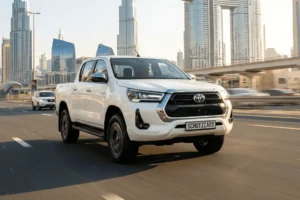
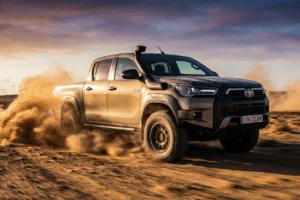
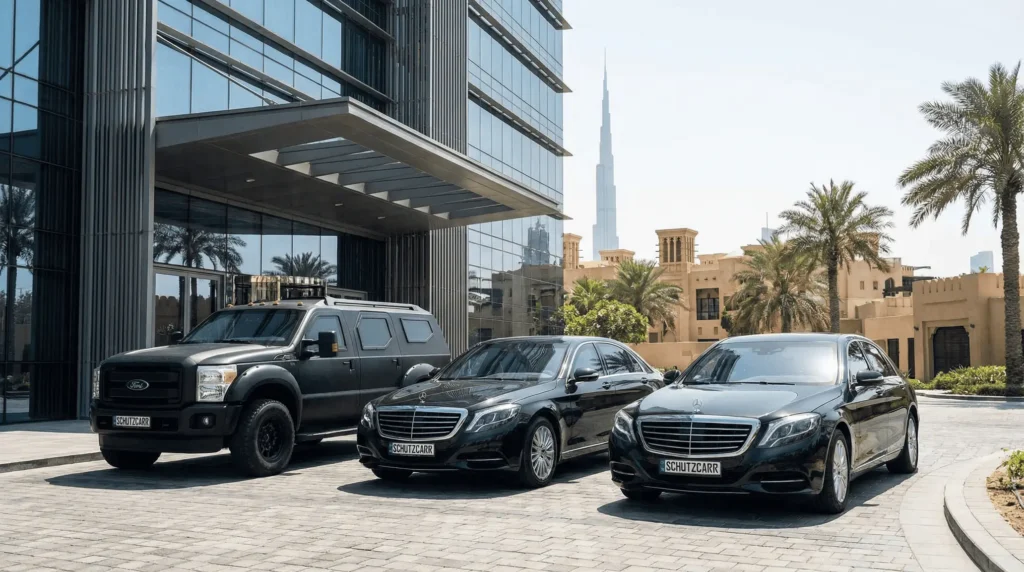
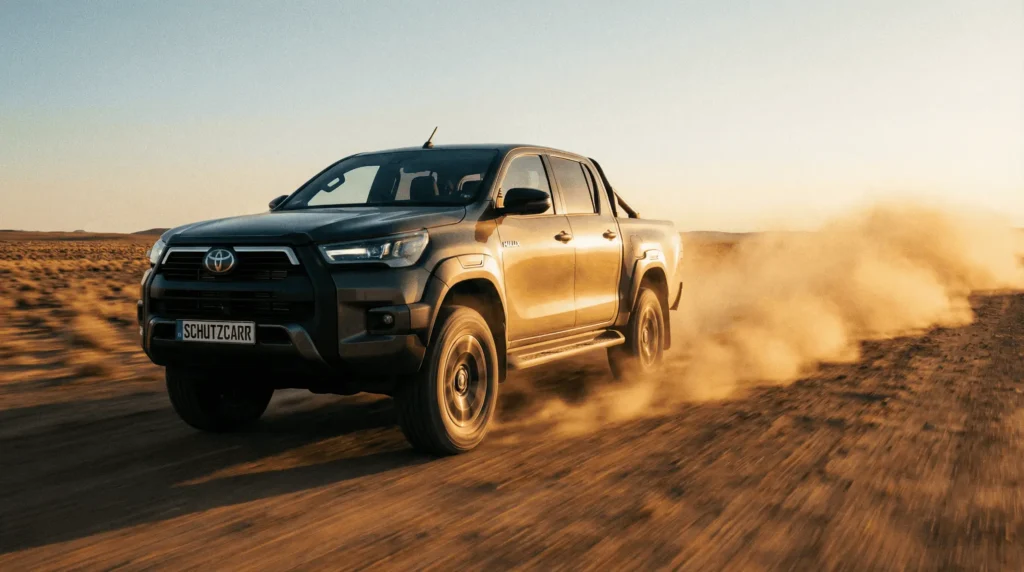
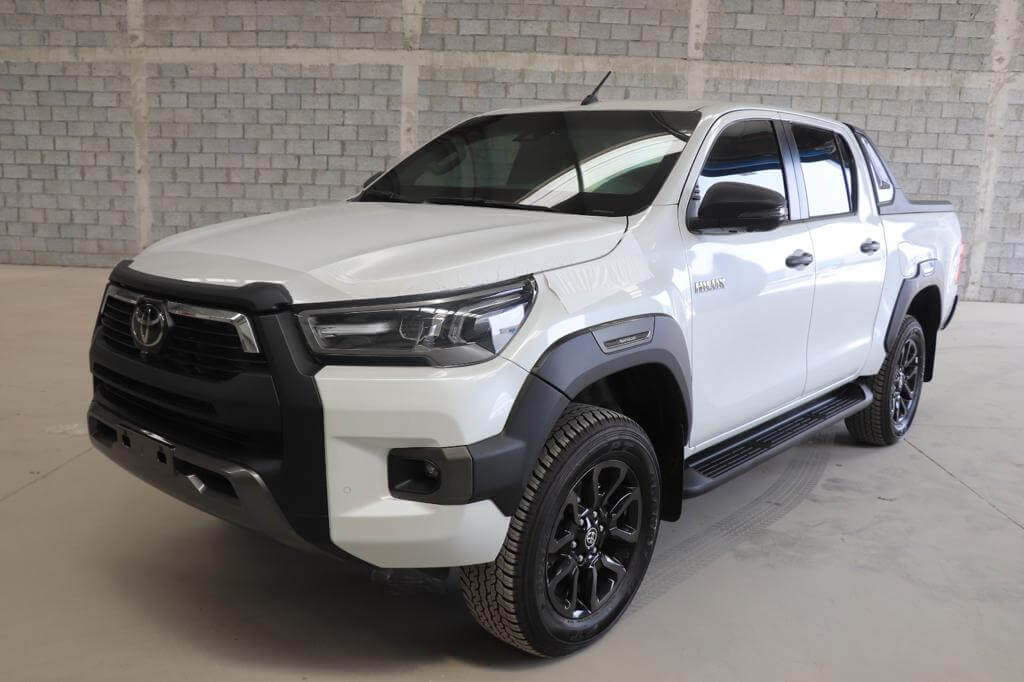
One of the most practical decisions is whether to choose a full armored truck body or an armored pickup configured for secure transport. In our comparisons, trucks usually carry more passengers inside a single protected volume, which suits teams that need to move together with a predictable entry and exit pattern. Armored pickups typically blend a protected double-cab with a rear bed that can be adapted for secure storage or light equipment.
From our field feedback, armored pickups such as the Hilux-based builds can be easier to integrate into mixed fleets because drivers are already familiar with the base platform. Armored trucks, on the other hand, offer a more defined “secure bubble” for occupants or high‑value loads. The right choice depends on whether your priority is maximum enclosed volume or fleet commonality and maneuverability.
3. Protection Levels On Armored Trucks: BR6, BR7 And Practical Choices
The most frequent question we receive about any armored truck is “What protection level should we choose?” Civilian fleets often work in the BR6 range, which covers a broad spectrum of ballistic threats while keeping the truck serviceable, maintainable, and drivable on regular roads. BR7 and similar high-end builds exist for specific profiles but come with higher weight and engineering implications.
When we design or recommend an armored truck platform, we look at the complete shell: doors, side walls, roof, floor, glass, and overlaps. It is not only about the official rating but also about how well all components work together as a system. For many clients, a BR6 or equivalent package gives a pragmatic balance, particularly when combined with disciplined routing and parking procedures.
Did You Know?
Armored truck requirements are often reviewed when organizations reassess exposure, fleet routes, and operational constraints, which makes platform selection and documentation especially important.
4. Best Armored Trucks & Heavy SUVs For Secure Transport Roles
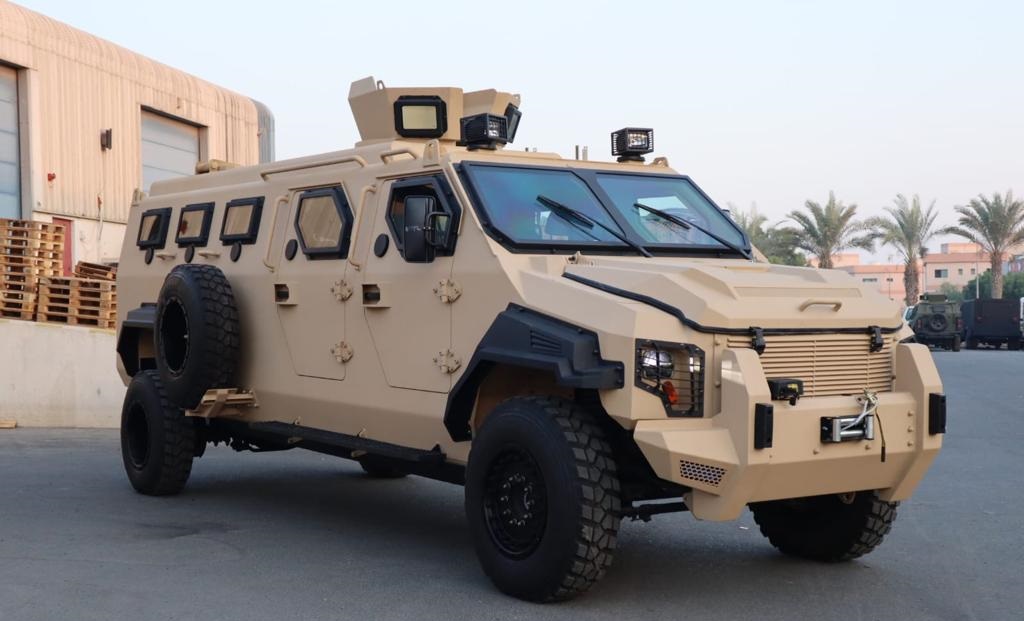
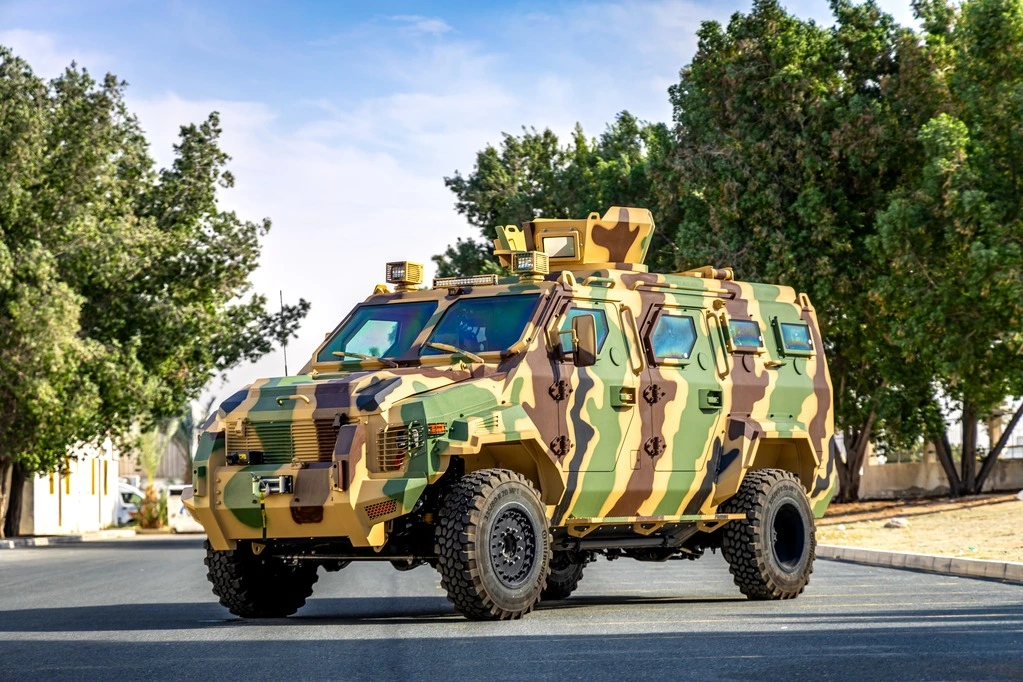
For many organizations, the “armored truck” role is no longer filled only by a box-body truck. Heavy SUVs and APC-style carriers now cover a large portion of secure passenger and cargo transport. In our guide to the best armored trucks and heavy SUVs for security operations, we show how APC SHARK, APC MONO Q, and heavy BR6 SUVs are used side by side.
Operators appreciate that SUVs can enter underground parking, blend into traffic, and still offer meaningful protection. APC platforms such as SHARK or JASAR, on the other hand, support higher seating capacity and more specialized layouts, closer to what people historically expect from an armored truck.
5. MRAP And APC Platforms As Armored Truck Alternatives
APC SHARK, MONO Q And GER 1D Concepts
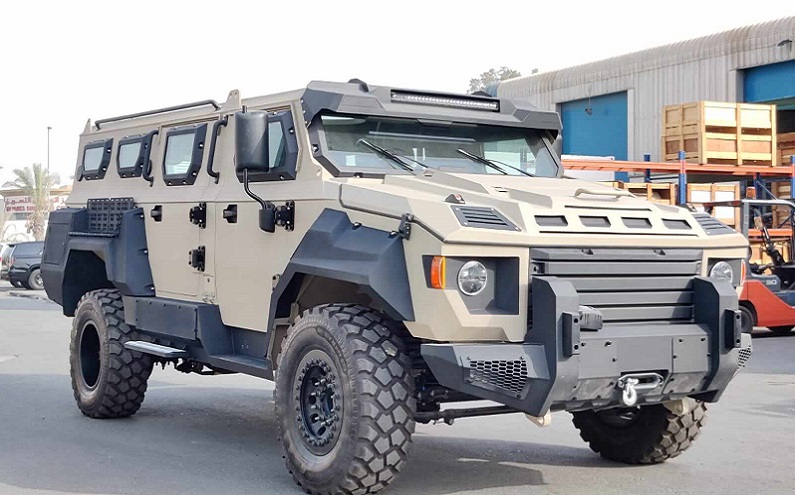
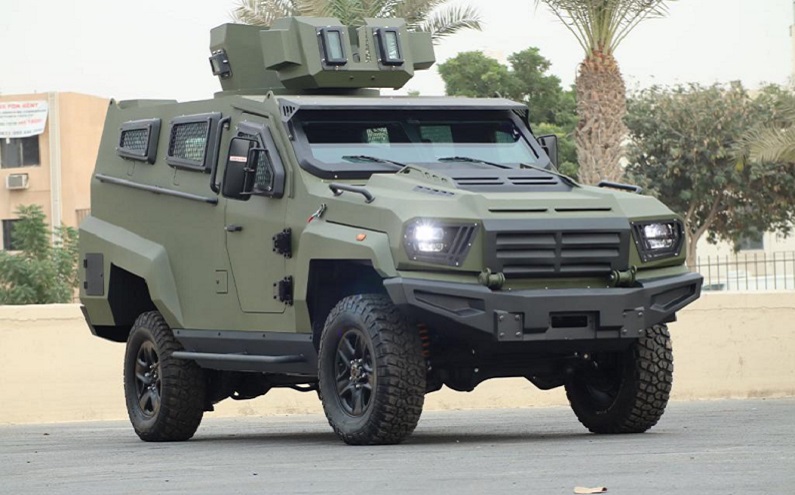
Some clients arrive looking for an armored truck and discover that a civilian MRAP or APC configuration serves their needs more effectively. Our APC SHARK, APC MONO Q, and GER 1D platforms borrow MRAP thinking and adapt it for road‑legal, civilian, and organizational use. These vehicles typically provide high ground clearance, strong underbody protection strategies, and a protected interior that feels like a walk‑in armored room.
From a functional standpoint, these APCs often act as armored trucks with better approach and departure angles and more flexible interior layouts. They can be configured for passenger transport, medical support, secure shuttle roles, or mixed‑use missions, always within clearly defined legal and regulatory boundaries for civilian operation.
6. Cash-In-Transit Armored Trucks And Secure Value Transport
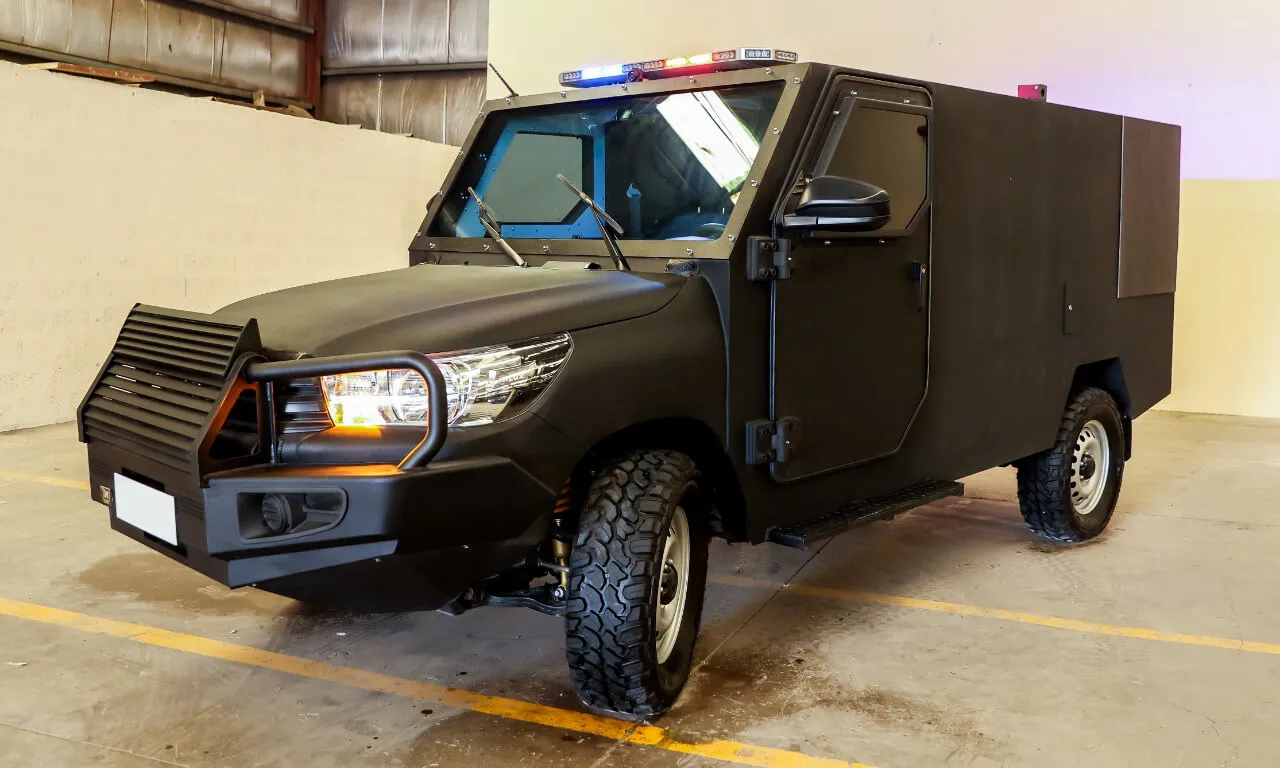
Cash‑in‑transit operations are the classic environment where people imagine an armored truck. Modern CIT trucks combine a protected driver cabin, secure vault area, and controlled entry doors. The design focus is on predictable routing, controlled handovers, and a stable environment for staff and cargo.
At SchutzCarr we also build smaller CIT-style carriers on pickup or van bases, which can suit organizations that move value in lower volumes. These vehicles follow the same principles as larger armored trucks: certified armor envelopes, protected glass, run‑flat solutions, and vault or lockbox zones inside the vehicle body.
Did You Know?
Cash in transit fleets periodically reassess vehicle specifications, documentation standards, and integration quality to ensure platforms remain suitable for long term operation.
7. Toyota Land Cruiser Platforms Filling The Armored Truck Role
Armored Toyota Land Cruiser 76 As A Workhorse
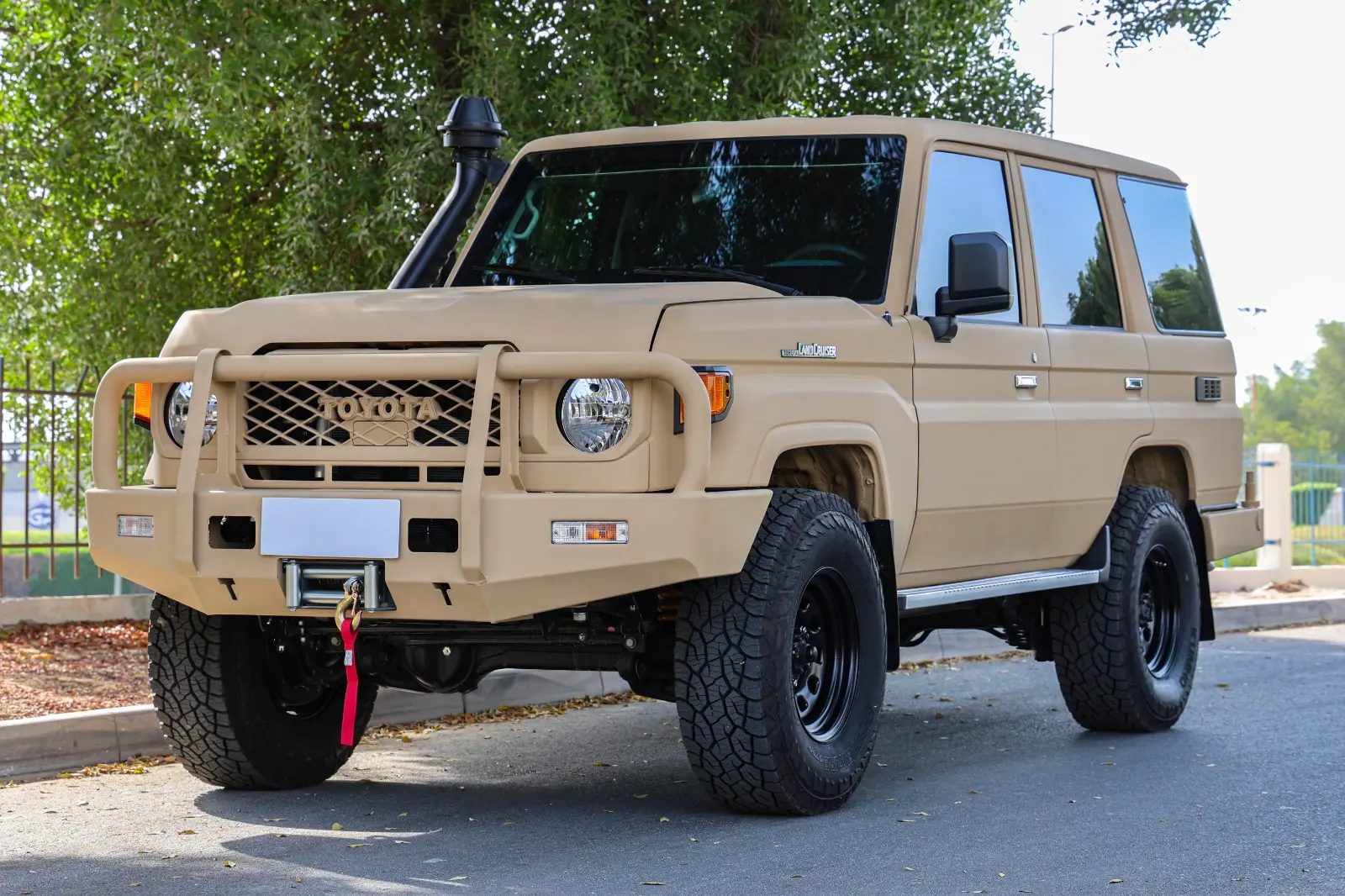
For clients who need the practicality of an armored truck without the size of a full box-body, the armored Toyota Land Cruiser 76 is one of our signature platforms. With its ladder-frame chassis and simple, robust engineering, it adapts well to BR6 armoring while retaining predictable road manners. In many fleets, LC76 units act as compact armored trucks, carrying teams and equipment along routes that might challenge larger vehicles.
We pay close attention to chassis reinforcement, suspension tuning, and brake upgrades so that the armored LC76 remains manageable in everyday use. The result is a vehicle capable of supporting roles ranging from site runs and logistics oversight to people movement in areas where a classic armored truck might stand out too much or face access limits.
8. Luxury-armored SUVs As Discreet Armored Truck Alternatives
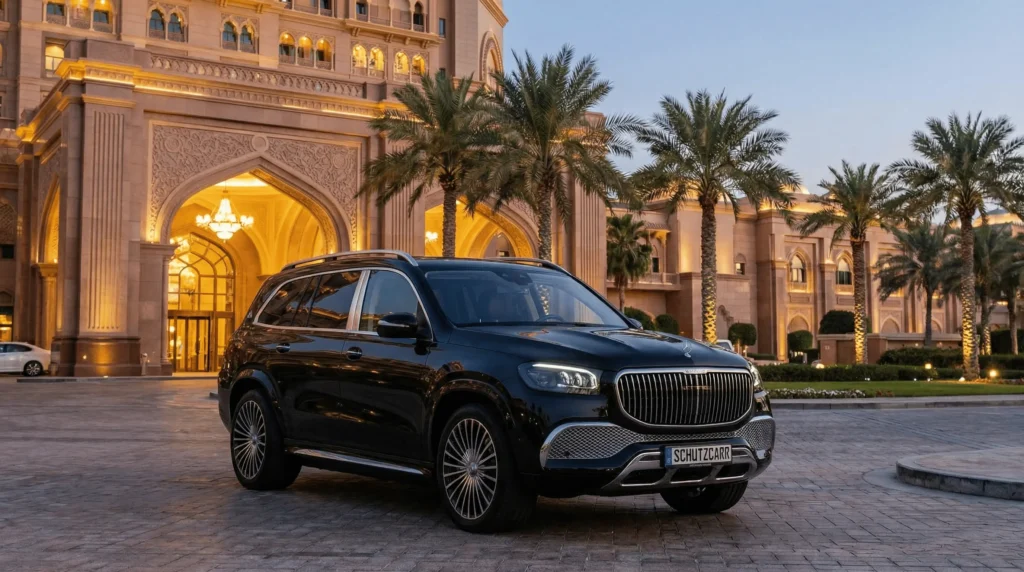
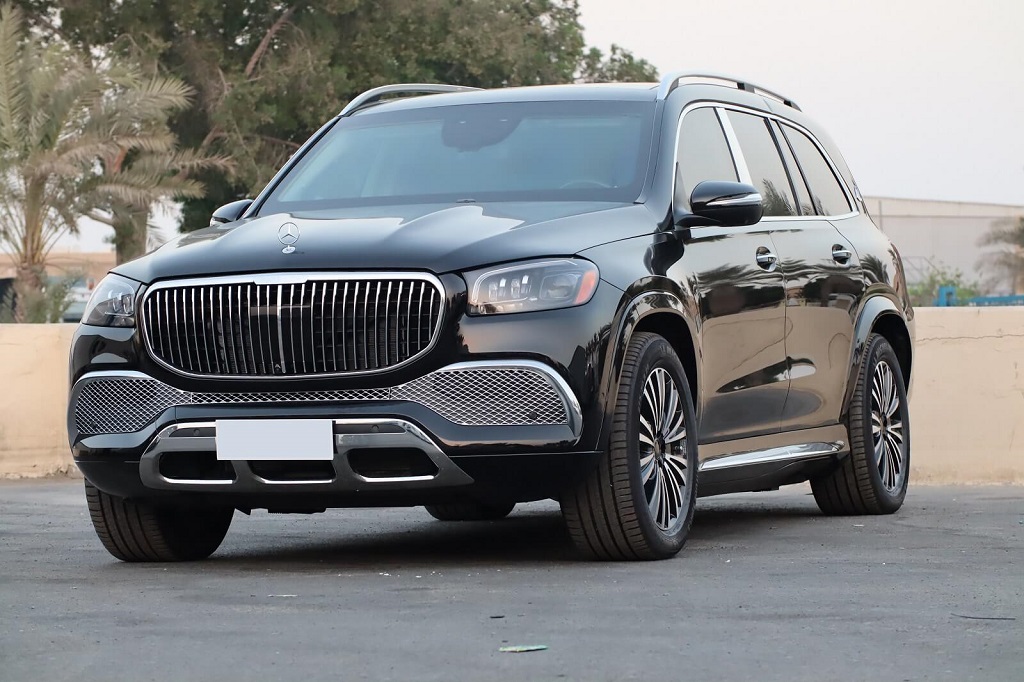
Mercedes Maybach GLS 600 Armored
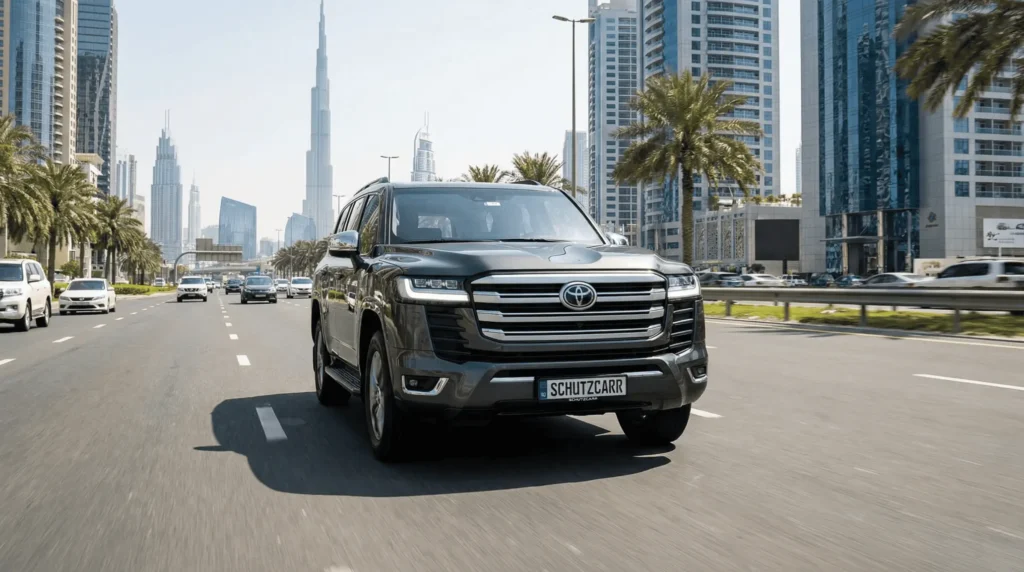
Some organizations need the protective envelope of an armored truck but in a low‑profile, high-comfort package suitable for executives or guests. The armored Mercedes Maybach GLS 600 is an example of a luxury SUV that provides full perimeter BR6 protection, with attention to ride quality, acoustic comfort, and interior finish.
From a functional point of view, builds like the Maybach GLS 600 can move key decision‑makers along the same routes used by armored trucks, but with different visibility and expectations from bystanders. This makes them useful complements to visible armored trucks, particularly in multi‑vehicle convoys or staggered movement plans.
9. Discreet Sedans And SUVs Supporting Armored Truck Operations
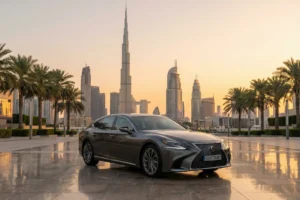
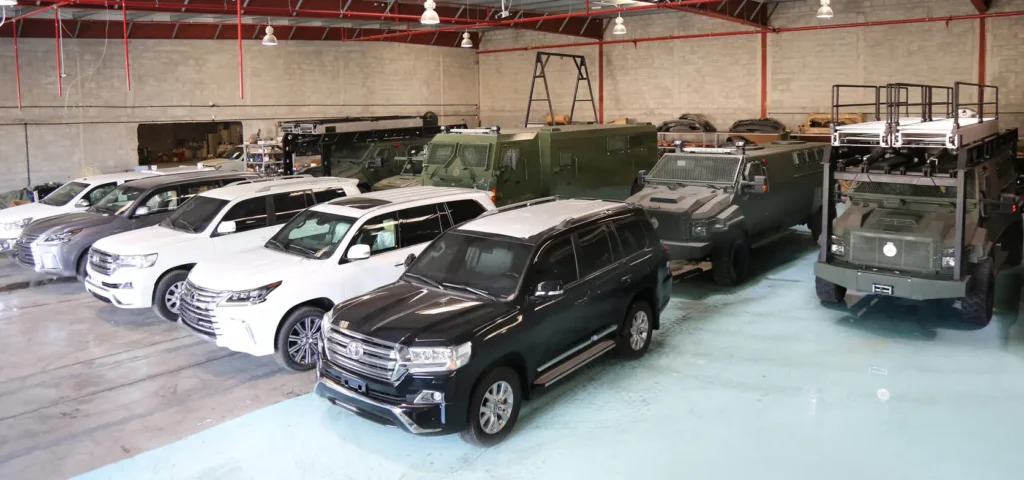
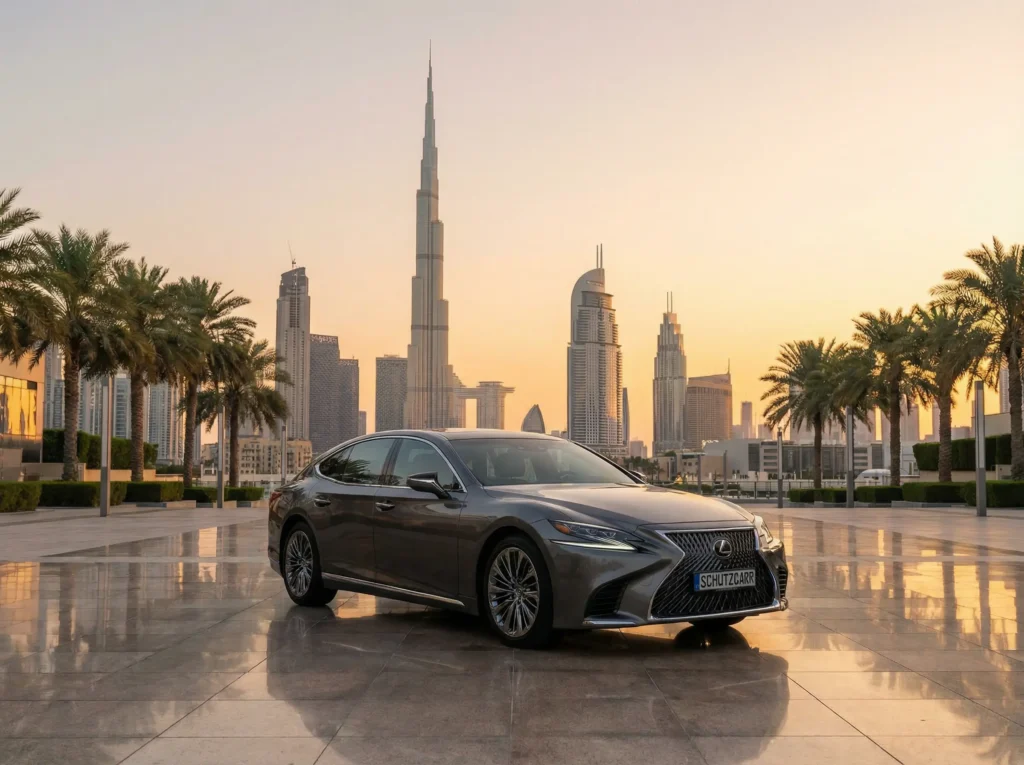
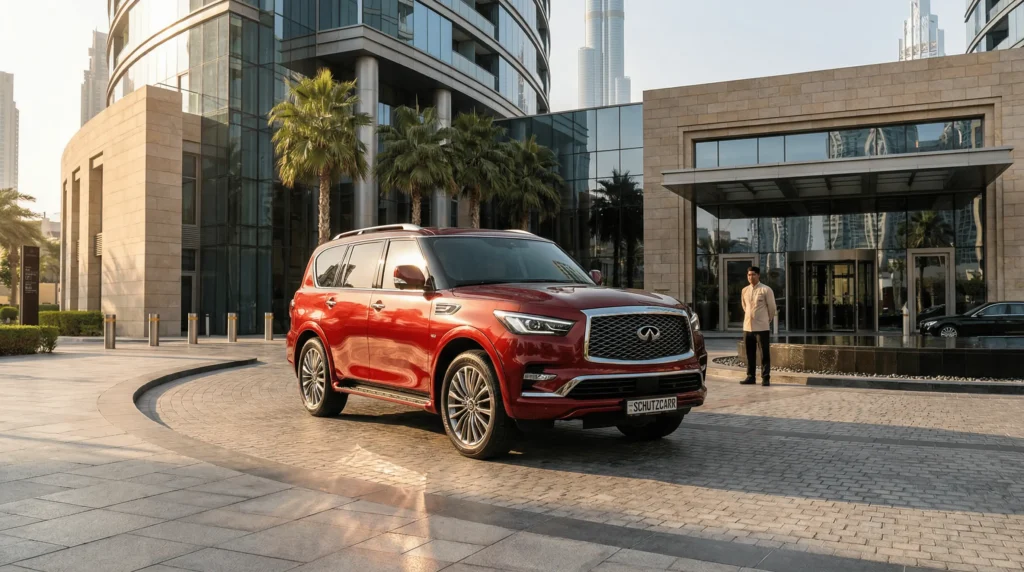
Not every movement requires a full armored truck presence. Many of our clients combine trucks, APCs, and discreet sedans or SUVs to handle different risk levels and visibility requirements. Our discreet armored sedans and SUV builds are designed to look close to standard passenger vehicles while incorporating certified armor.
These vehicles often run parallel to armored trucks, providing flexible transport for staff, auditors, or technical teams. In some operations, a discreet SUV or sedan arrives first to check access and parking, with an armored truck following once conditions look appropriate.
10. Planning An Armored Truck Fleet: Practical Checklist
Choosing an armored truck is easier when you apply a simple, structured checklist. We suggest starting with: route profiles, passenger or payload volumes, required protection level, legal and compliance context, and service and support considerations. Each factor influences whether you should prioritize a box-body truck, APC, pickup-based carrier, or SUV solution.
We also advise clients to think about future scaling. Even if the initial requirement is a single armored truck, planning for possible additions helps you align platforms, parts, and training from the beginning. Our team frequently walks clients through this process so that each vehicle slot in the fleet has a clearly defined role and clear performance expectations.
11. How SchutzCarr Approaches Armored Truck Engineering
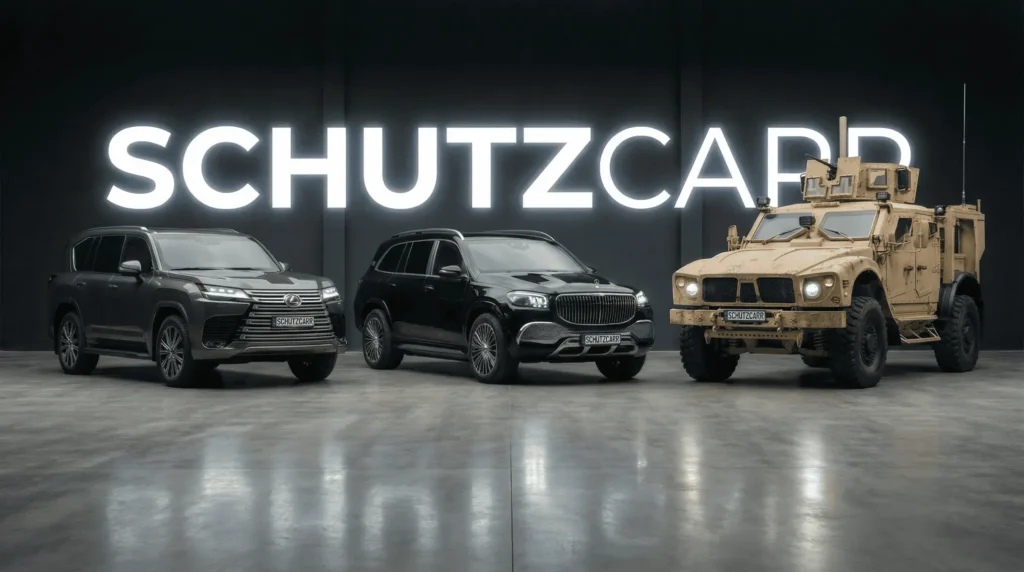
Every armored truck or truck-equivalent platform we supply, whether it is an APC SHARK, a MONO Q, a Land Cruiser 76, or a cash‑in‑transit build, follows a common engineering philosophy. We start by respecting the base chassis, then integrate armor in a way that keeps structural loads manageable and preserves key safety systems. We also focus strongly on glass quality, door overlap geometry, and underbody strategies.
From there, we tailor interiors to the work the truck will perform. That might mean bench-style seating in an APC, a layout of jump seats for short shuttle runs, or secure storage integrated into sidewalls. In all cases, documentation, testing, and export compliance are integral parts of the project, not afterthoughts.
Conclusion
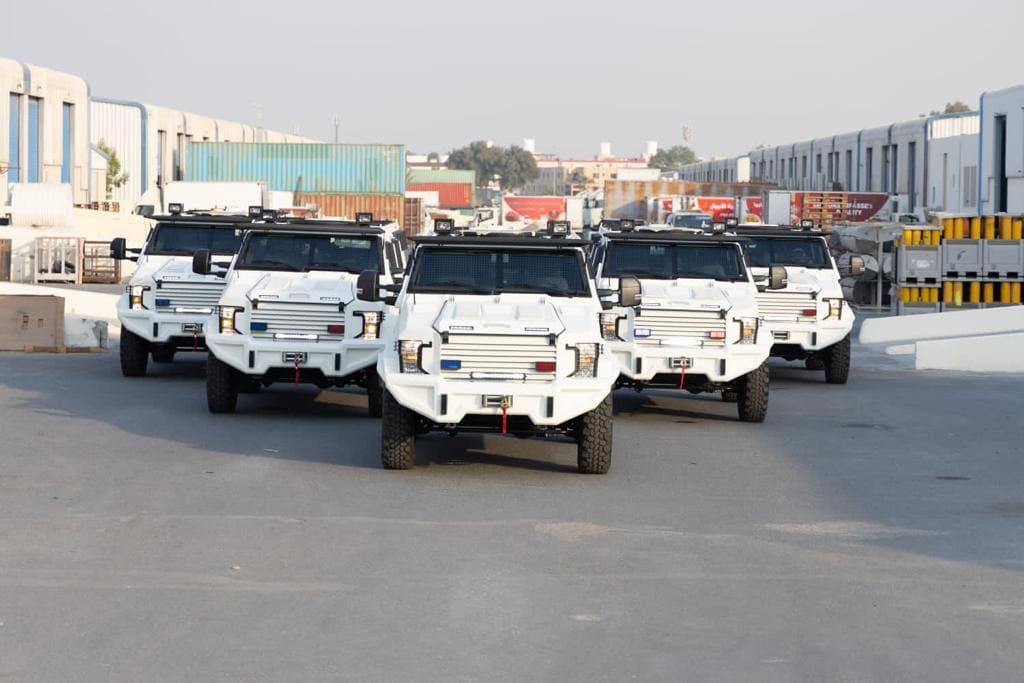
Armored trucks today cover a broader range of vehicles than ever before: from classic box-body carriers and CIT trucks to APCs, heavy SUVs, and pickup-based platforms that fill the same operational role. The right choice depends on how you move people and value, which protection level you need, and how visible or discreet your presence should be.
If you are assessing armored truck options for your organization, we can walk you through use‑case analysis, platform selection, and build configuration in detail. To discuss your requirements or request guidance on specific armored truck or APC platforms, contact us directly at https://schutzcarr.shop/contact/.