
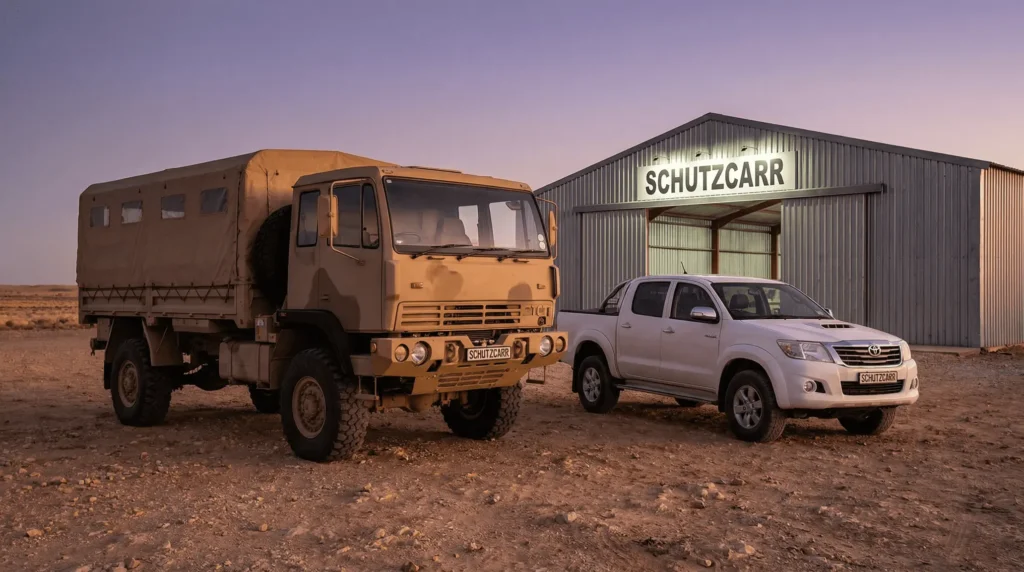
When organizations and private buyers evaluate protected vehicles, the decision often narrows to two options: armored trucks and armored pickups. Both vehicle types use proven platforms and professionally engineered armoring solutions in daily use. In this guide, we compare them side by side using real-world examples from armored truck and armored pickup builds to help buyers decide which configuration best fits their requirements.
Key Takeaways
| Question buyers ask | Concise answer |
|---|---|
| What is the core difference between an armored truck and an armored pickup? | Armored trucks, such as our armored trucks lineup, prioritize enclosed passenger capacity and large protected volume, while armored pickups focus on mixed passenger and open or semi-enclosed cargo use. |
| Which is better for mixed urban and off-road use? | Armored pickups like the Toyota Tundra armored pickup and Nissan Navara armored pickup typically offer versatile maneuverability and familiar driving dynamics. |
| How do protection levels compare between the two types? | Both can be built to comparable ballistic protection levels, such as BR6 / B6, depending on platform suitability and configuration. Similar to our Toyota Land Cruiser 76 BR6, with differences driven more by platform choice than vehicle category. |
| Which platform usually carries more passengers? | Specialized armored trucks like the TCT BR6 troop carrier provide high-seat-count layouts, while pickups normally seat 5 to 7 passengers depending on configuration. |
| Can pickups serve as practical alternatives to armored SUVs? | Yes, platforms such as our armored Toyota Land Cruiser and armored Hilux bridge the gap between utility vehicles and SUVs. |
| Where can buyers see available stock across both types? | Current inventory of armored platforms, including trucks and pickups, is listed on our stock vehicles page for faster deployment planning. |
| How do armored trucks and pickups compare to larger APC or MRAP platforms? | Armored trucks and pickups sit below heavier APC and MRAP vehicles such as the APC SHARK MRAP, which prioritize specialized high-protection configurations over everyday drivability. |
1. Armored Trucks vs Armored Pickups: Core Role and Use-Case
When we help clients choose between armored trucks and armored pickups, we start with the basic question: What is the primary role of the vehicle? Armored trucks typically serve as high-capacity people movers or utility platforms with a fully enclosed protected cabin for all occupants, while armored pickups combine a protected crew cabin with an open or partly protected rear bed.
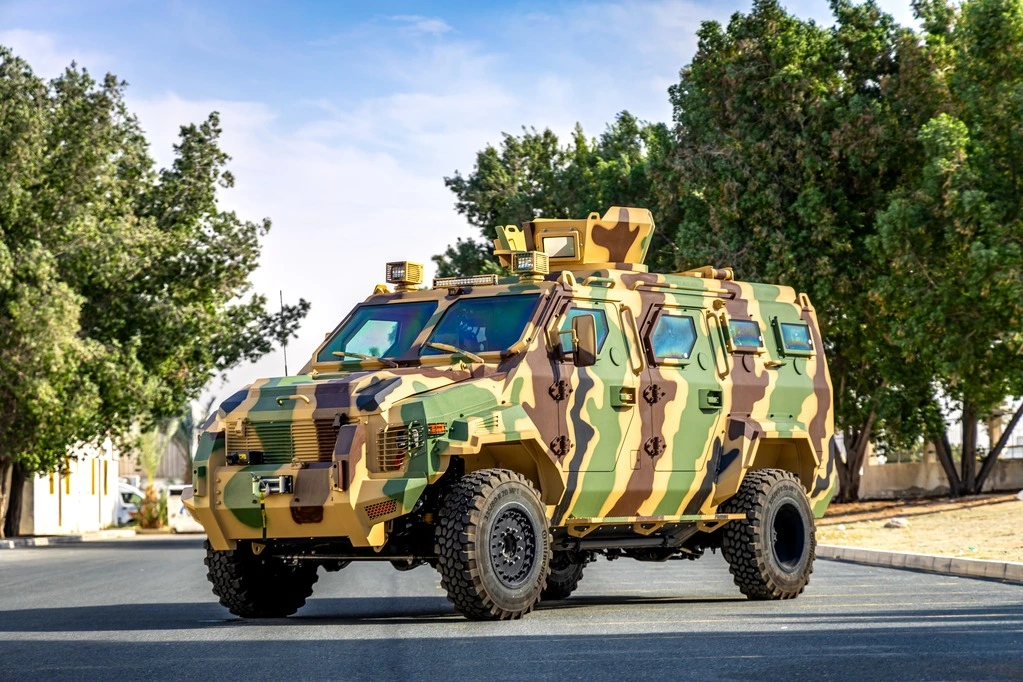
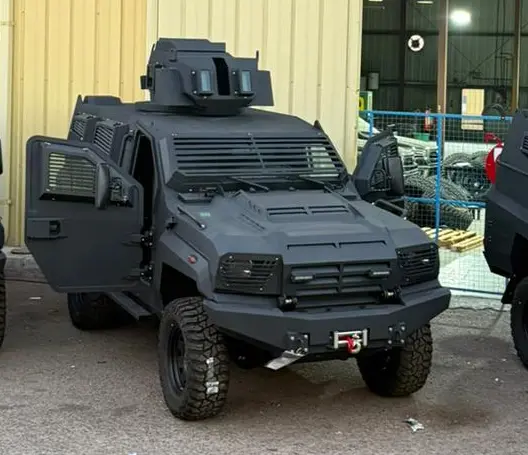
Our Troop Carrier Truck TCT BR6 is an example of a dedicated armored truck. It is built for transporting larger groups within a single protected shell, with armoring around the passenger module and a defined separation between the protected cabin and the engine bay.
Armored pickups, on the other hand, often start from mass-market pickup platforms where parts availability, service familiarity, and everyday usability are key. These vehicles are well suited for mixed tasks: moving people inside the armored cabin, while the rear can transport equipment, tools, or cargo that does not require the same level of ballistic protection.

2. Passenger Capacity & Layout: When a Truck Makes More Sense
If the main requirement is to move more people in one vehicle while keeping everyone within an armored cell, an armored truck layout usually leads the comparison. Vehicles like the TCT BR6 can be configured with multiple rows of inward or forward-facing seats, providing significantly more protected seating than a typical double-cab pickup.
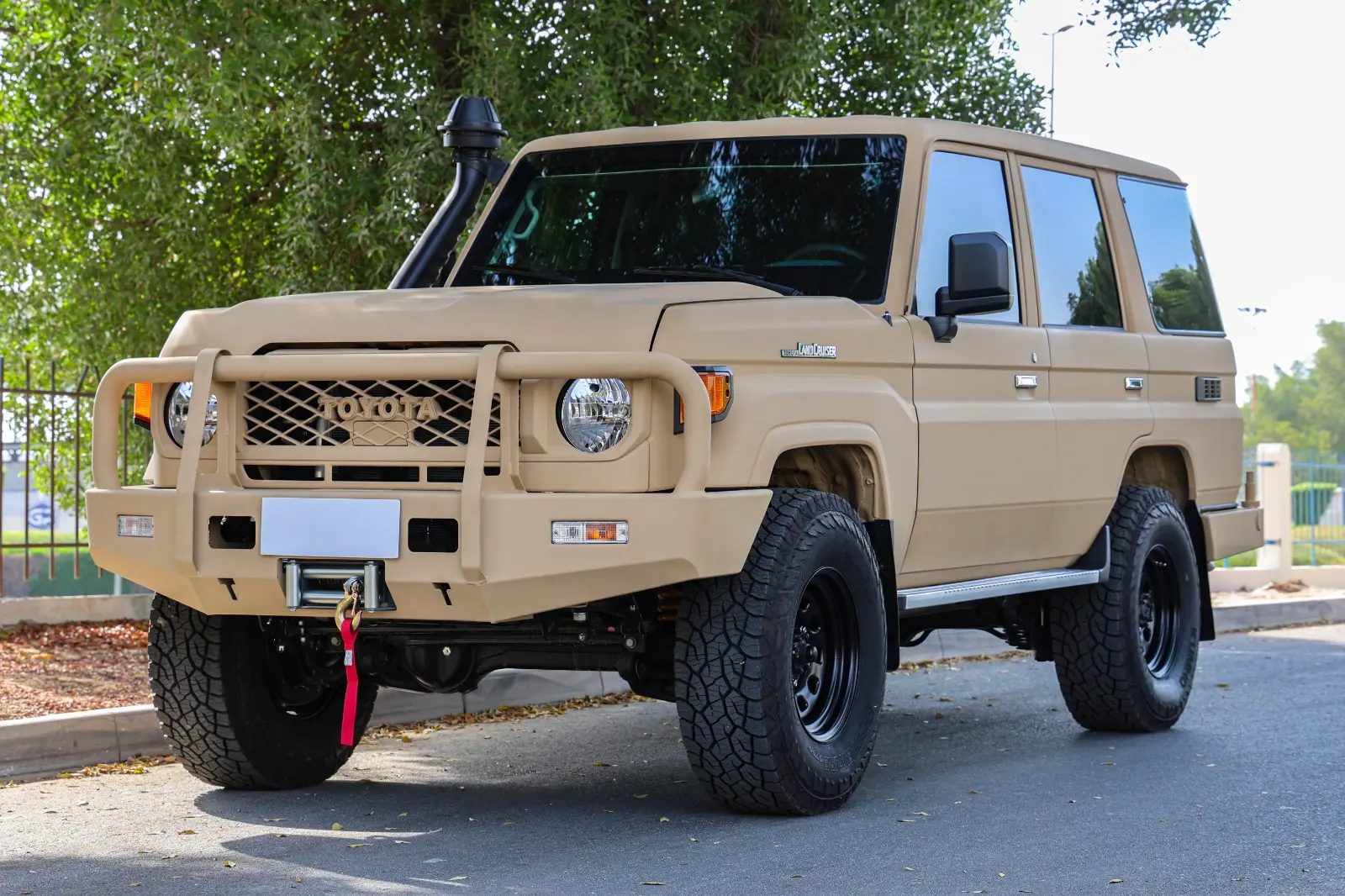
By contrast, armored pickups often seat between five and seven people in the cabin, depending on the base model and seating configuration. For example, our Toyota-based platforms such as the Land Cruiser 76 and related configurations focus more on a balanced mix of passenger seating and load capacity than sheer seat count.
For fleet planners, this difference matters. A single armored truck can often consolidate passengers who might otherwise require multiple pickups, depending on seating layout and mission profile. On the other hand, multiple armored pickups can provide redundancy and flexibility if different teams or tasks need to move independently.
3. Cargo, Bed Space & Utility: Strength of Armored Pickups
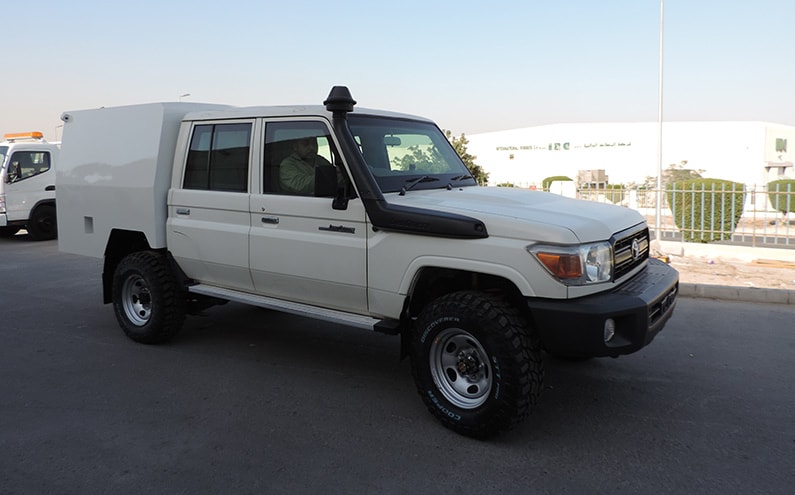
Armored pickups stand out when clients need both protected seating and practical external cargo solutions. The open or canopy-covered bed of an armored pickup makes it easier to transport bulky or irregular loads that either do not need armor or can be carried in lockable, modular storage units.
Our armored pickup range includes several platforms that illustrate different approaches to cargo and utility, from heavy-duty full-size pickups to more compact double cabs built for tight urban streets and regional roads.
Armored trucks can of course carry cargo as well, but they usually do so inside the protected shell. This benefits sensitive equipment that should remain within the armored envelope at all times, but it can be less flexible for large or dirty loads that are easier to manage in an open bed.

4. Popular Armored Pickup Platforms: Toyota Tundra, Hilux & Navara
In the armored pickups vs armored trucks comparison, specific base vehicles strongly influence the decision. Many buyers prefer platforms that local technicians already know, with broad parts availability and a long record of reliability under harsh use. That is why our armored pickup line is anchored around proven nameplates.
Toyota Tundra Armored Pickup
Our Toyota Tundra armored pickup brings full-size capability to the armored pickup category. It combines a spacious crew cabin that accepts BR6 protection with a robust bed for tools, equipment, or modular storage solutions.

Toyota Hilux Armored Pickup
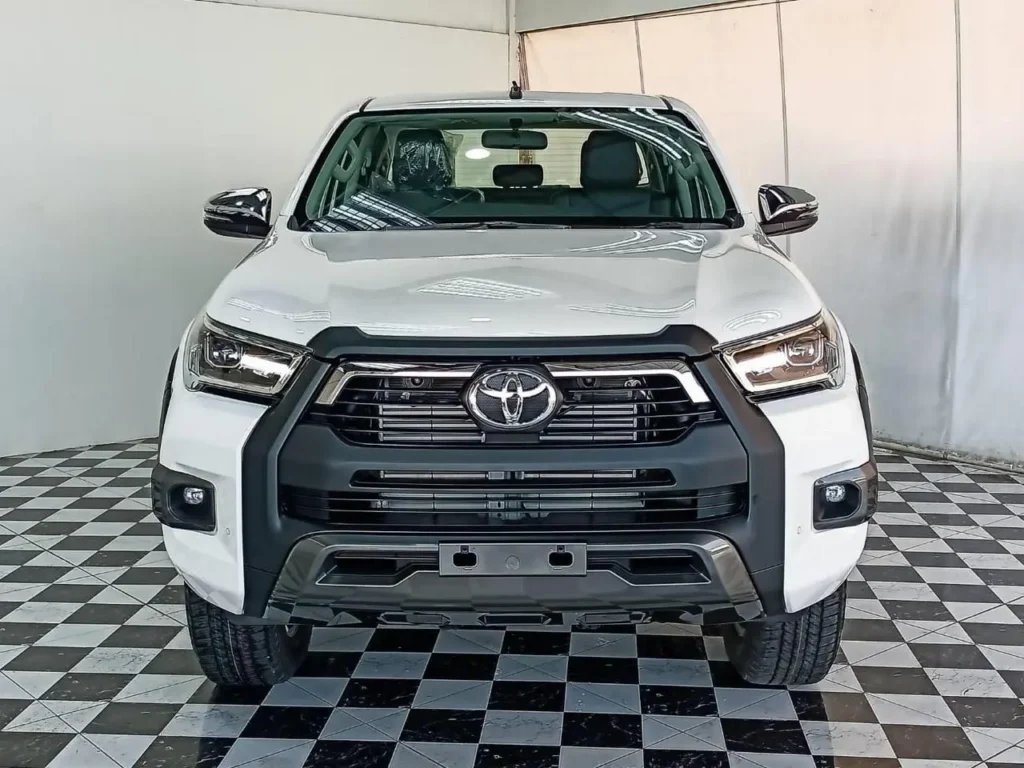
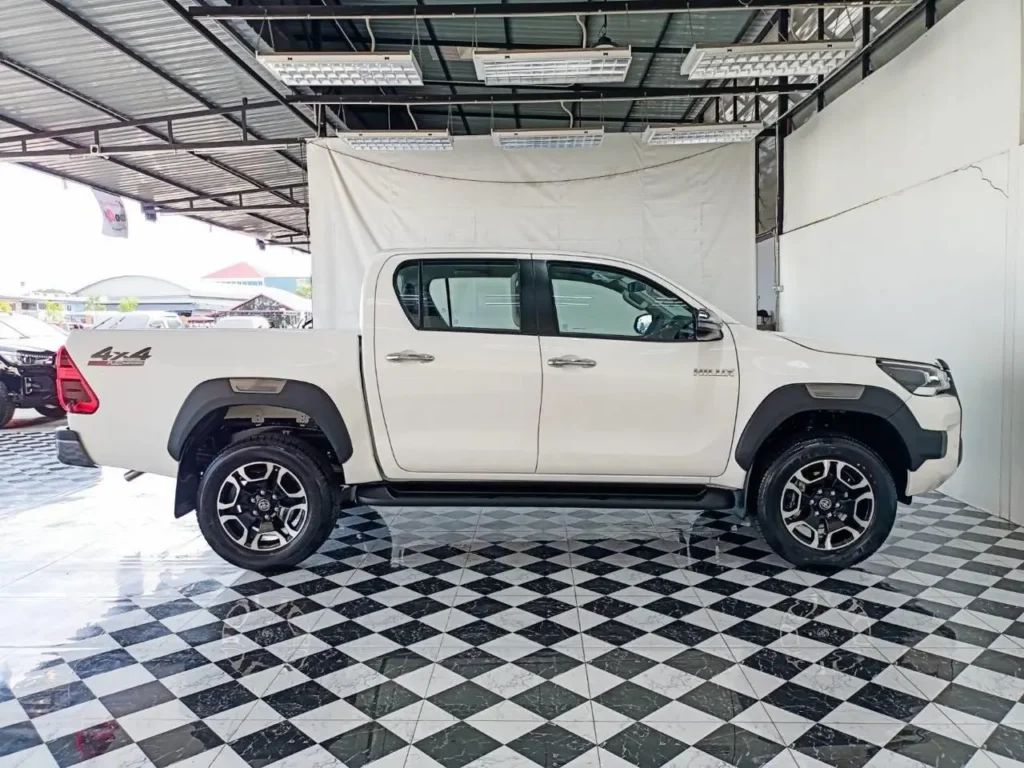
For users prioritizing a more compact footprint, our Toyota Hilux armored pickup offers a balance of durability and maneuverability. The Hilux platform is known for its robust ladder frame and wide availability of service parts, which helps keep fleet support straightforward in many regions.

Nissan Navara Armored Pickup
The Nissan Navara armored pickup rounds out our core pickup offerings. It is often chosen for roles where comfort, cabin refinement, and a composed ride share importance with durability and payload.
All three platforms can be armored to comparable protection levels, so the truck vs pickup decision here is really about cabin size, wheelbase, rear-bed versatility, and local service familiarity.
5. Protection Levels & Armoring Design: Trucks and Pickups Compared
From a protection standpoint, armored trucks and armored pickups can both meet similar ballistic standards. The difference is how we integrate armor into each body style while preserving structural integrity and handling. Whether we are working with a pickup cab or a truck shell, the concepts stay consistent: a hardened steel cell with ballistic glass, protected critical components, and carefully engineered weight distribution.
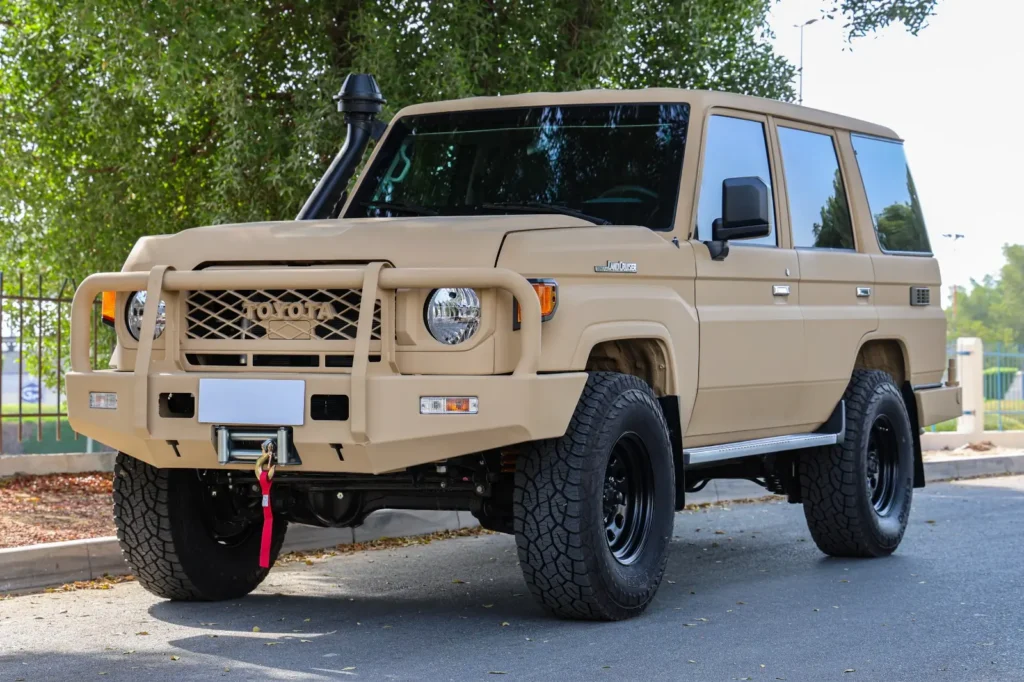
Our Land Cruiser 76 platform overview explains how we approach B6 and B7 builds, including continuous ballistic protection concepts and standardized testing approaches. The same engineering principles guide both armored trucks and armored pickups.
An armored truck may incorporate a larger monocoque passenger cell with more flat panel surfaces, while pickups use a cab that we reinforce and connect to the chassis using hidden brackets and strategic reinforcements. In both cases, attention to detail in overlap joints, door frames, and glass mounting is what helps create a coherent protective structure rather than a collection of separate components.
6. Maneuverability, Size & Driving Experience
On narrow streets, tight compounds, or congested urban routes, smaller overall dimensions and tighter turning circles become important. Here, armored pickups built on compact platforms like the Hilux or Navara compare differently to larger troop carrier trucks that take up more space and require wider turning radii.
The driving position and center of gravity also shape the experience. Many drivers feel immediately at home in armored pickups because they are based on familiar consumer or light-commercial platforms. Armored trucks and larger APC-style vehicles sit higher and feel more substantial, which some users prefer for visibility and road presence.
From our perspective, the ideal choice often depends on where the vehicle spends most of its time. A city-focused security detail may lean toward armored pickups or SUV-based builds, while rural or site-based operations may accept the larger footprint of an armored truck in exchange for higher passenger capacity or cargo volume.
7. Integration With SUV Platforms: Land Cruiser 76, QX80 & Maybach GLS
The truck vs pickup discussion intersects with armored SUVs in important ways. Many clients compare pickups to SUVs because both categories blend civilian appearance with practical protection, and in some cases share similar chassis components. Understanding this overlap helps clarify whether a truck-style body or a pickup body suits the operational profile better.
Land Cruiser 76 as a Reference Platform
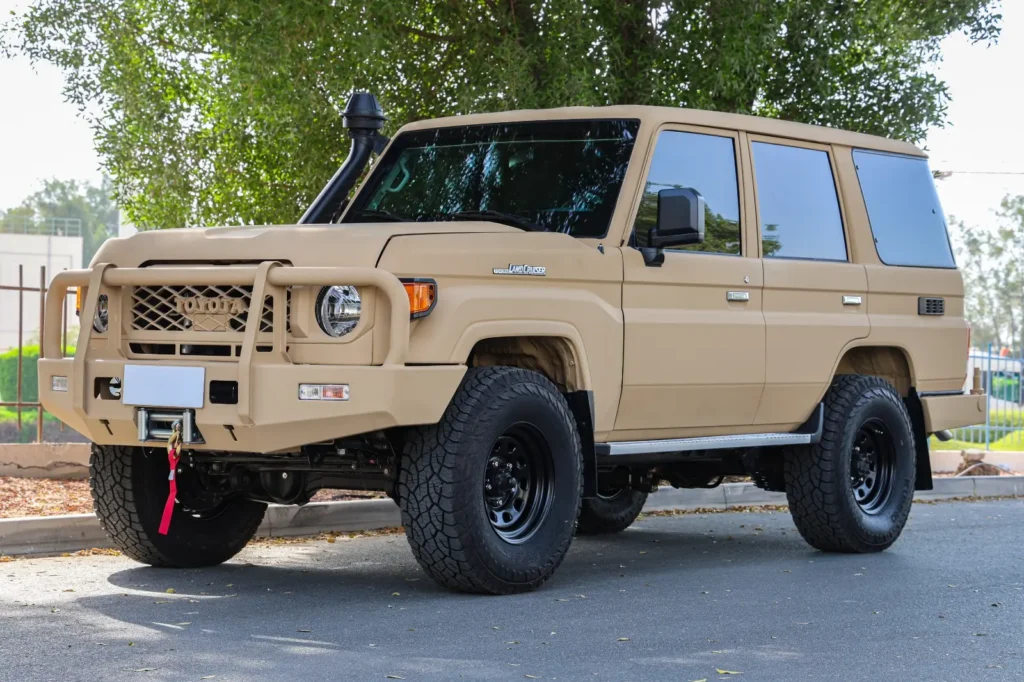
Our Land Cruiser-based stock options and dedicated Land Cruiser 76 BR6 builds show how a wagon-style body can occupy the middle ground between a pure truck and a pickup. These vehicles protect both passengers and cargo in a single armored volume, similar in concept to an armored truck but on an SUV footprint.
Luxury SUV Platforms
Premium SUV platforms such as the Infiniti QX80 BR6 and Mercedes-Maybach GLS 600 armored prioritize discreet protection and comfort over utilitarian cargo flexibility. Clients often compare them with pickups when trying to decide between a purely civilian appearance and a more utilitarian silhouette.
In practice, trucks and pickups can coexist in the same fleet alongside SUVs. We often supply a mix: trucks for high-capacity transport, pickups for support and logistics, and SUVs for executive or discreet movement of smaller groups.
8. Where Armored Trucks Overlap With APC & MRAP Platforms
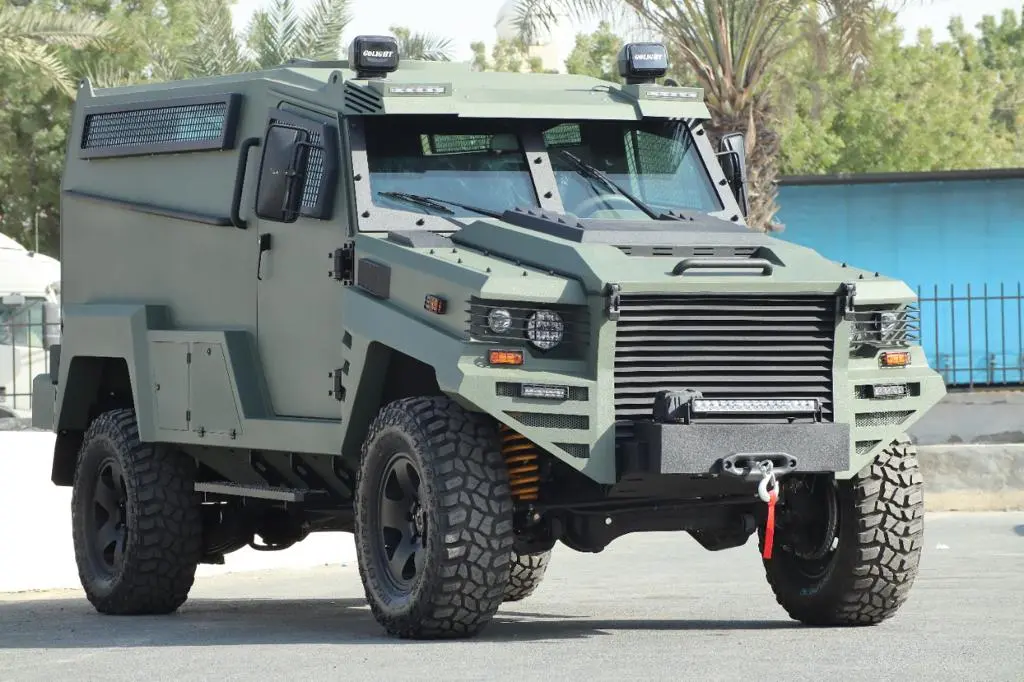
The largest armored trucks sit close to light APC or MRAP-style vehicles. That is why some clients evaluating an armored truck also look at dedicated armored personnel carriers for comparison. These vehicles share characteristics such as a high driving position, large protected volume, and chassis designed to accommodate higher armored weight and reinforced structures.
Our civilian MRAP overview and APC SHARK page show how specialized 4×4 platforms stand apart from lighter armored pickups. They focus on applications requiring heavier structural protection, where a dedicated armored shell takes priority.
On our APC showcase, you can see examples such as the APC MONO Q 4×4, GER 1D, JASAR AV 786, and other armored vehicles that visually resemble trucks but sit in a different category. These platforms are most relevant when the task profile emphasizes high-threat environments and less frequent use on dense city streets.
9. Operational Reality: Fleet Planning, Maintenance & Stock Availability
Whether you choose armored trucks or armored pickups, the long-term viability of the solution depends on maintenance, parts, and driver training. Pickups based on popular platforms like Hilux, Navara, Tundra, and Land Cruiser benefit from widespread service knowledge. Many workshops already understand these vehicles, and parts distribution networks are established.
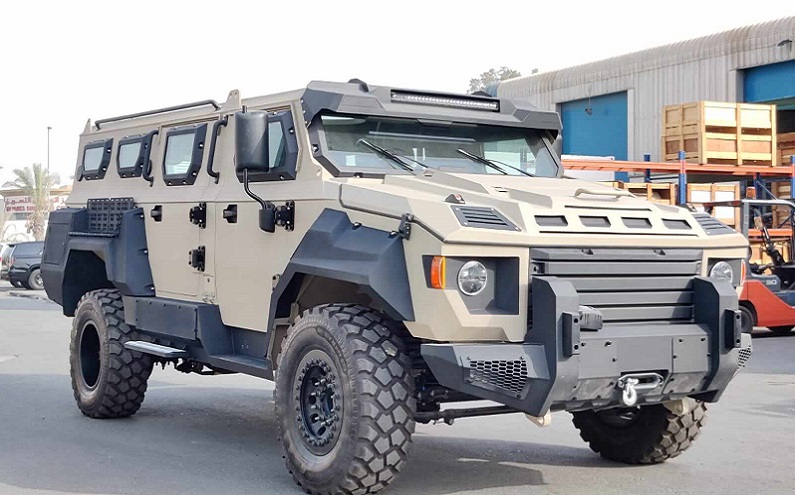
For armored trucks, the chassis may still be based on widely used commercial platforms, but the upper body and passenger cell are more specialized. Maintenance therefore can involve collaboration between local workshops and our technical team to ensure both the truck base and armored shell remain in optimal condition.
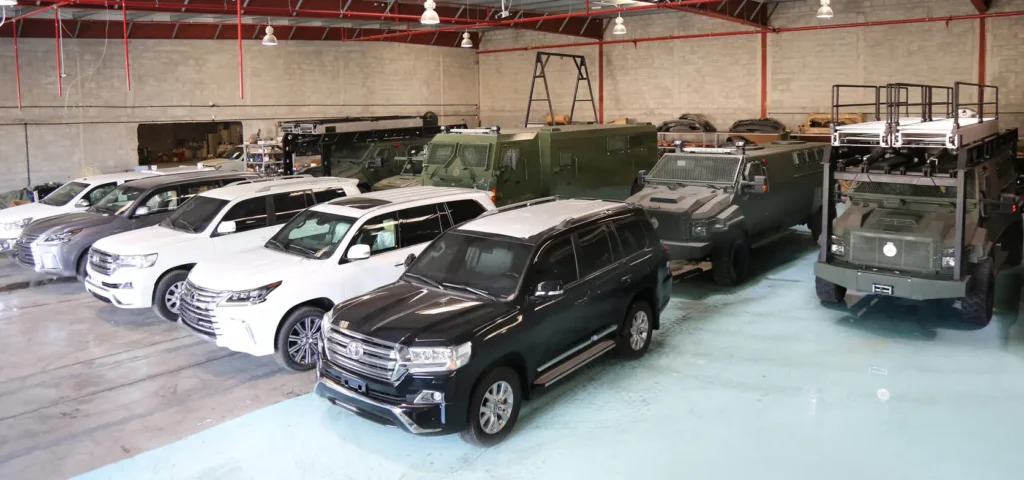
We maintain a rotating selection of ready vehicles for clients who prefer short lead times. This stock can include both SUV-based builds and pickup platforms, making it easier for fleets to add specific vehicle types without waiting for a full build cycle.
10. Discretion vs Presence: How Trucks and Pickups Are Perceived
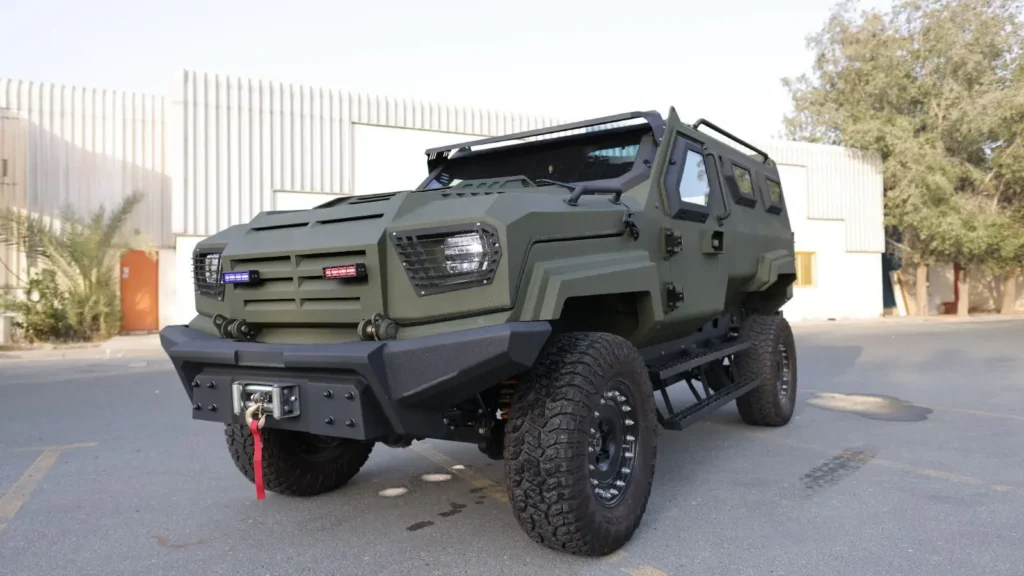
Beyond technical specifications, the visual impression of a vehicle matters. Armored trucks and APC-style platforms project a more obvious security-focused presence. That can be helpful where visibility is part of the brief, but it is less suitable for clients whose priority is discretion and blending into normal traffic.
Armored pickups, especially when based on common models and finished in standard colors, often appear close to unarmored pickups in traffic. They can provide a lower-profile presence, especially when paired with more discreet SUV platforms such as those discussed in our discreet armored sedans guide.
The decision between an armored truck and an armored pickup therefore can include a purely visual component. Some organizations want vehicles that clearly indicate a security function, while others prefer platforms that avoid drawing additional attention.
11. Example Comparison Table: Armored Truck vs Armored Pickup
To close the comparison loop, it is helpful to visualize the differences between a typical armored truck configuration and a typical armored pickup configuration. The table below summarizes key points we review with clients when scoping new projects.
| Aspect | Armored Truck (e.g., TCT BR6) | Armored Pickup (e.g., Hilux / Navara / Tundra) |
|---|---|---|
| Primary role | High-capacity protected transport, group movement | Mixed passenger transport and cargo / utility tasks |
| Passenger capacity | High, multiple bench or individual seats in armored cell | Typically 5–7 in the cabin |
| Cargo handling | Inside armored shell, optimal for sensitive equipment | Open or canopy bed, flexible for bulk and tools |
| Maneuverability | Larger footprint, higher turning radius | Generally more compact and agile |
| Discretion | High-visibility security presence | Closer to standard commercial vehicles in appearance |
| Platform familiarity | Often commercial truck base, specialist body | Commonly based on widely known consumer pickups |
| Potential protection level | Comparable ballistic ratings possible | Comparable ballistic ratings possible |
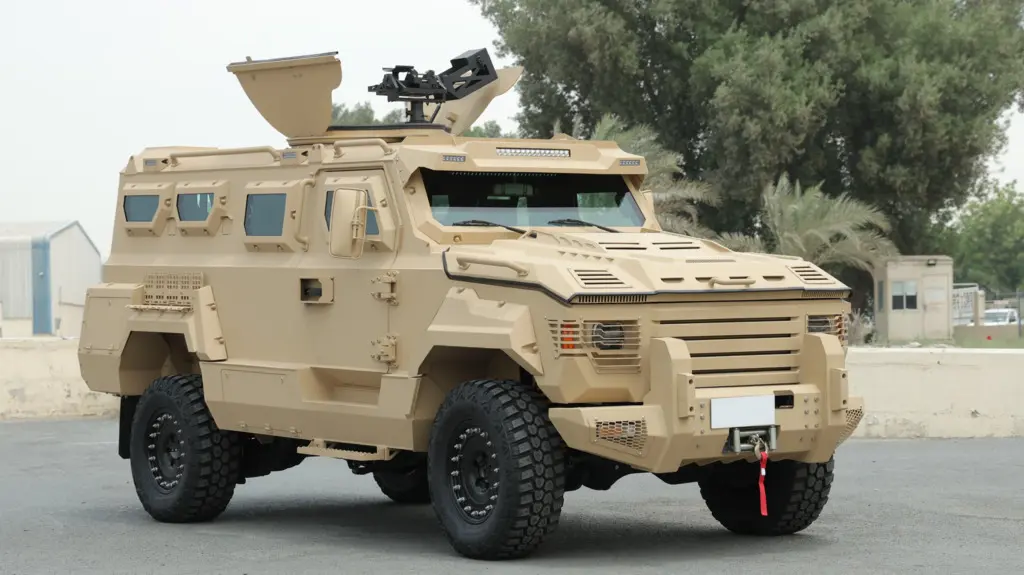
2025-APC-MERKAVA-SAGIV-79-4X4-AT-BR6-front-view-featuring-tactical-bumper-with-winch-reinforced-hood-and-bulletproof-windshield
This matrix does not prescribe a single right answer but highlights how each configuration aligns with different operational realities. In practice, many buyers choose a combination, using trucks where group movement dominates and pickups where flexibility and discretion are more important.
Conclusion
Armored trucks and armored pickups occupy different yet complementary roles in protected mobility. Armored trucks such as our TCT BR6 excel when a high number of passengers need to travel together within a single armored cell, while armored pickups built on platforms like the Toyota Tundra, Hilux, and Nissan Navara provide versatile blends of protected seating and open cargo capability.
When we advise clients, we focus on how many people they move, what they carry, where they operate, and how discreet they need to be. By weighing those factors against the comparative strengths outlined in this guide, you can match the right mix of armored trucks, pickups, and SUV-based platforms to your specific risk profile and day-to-day requirements.