
Mali has seen repeated deliveries of heavy hardware, including one convoy in January 2025 that reportedly carried around 100 armored vehicles, which makes the question of choosing and operating armored vehicles in Mali more important than ever for civilian and institutional users.
Key Takeaways
| Question | Answer |
|---|---|
| What types of armored vehicles are most practical for Mali? | In our experience, BR6 SUVs such as the Toyota Land Cruiser 76 and 300 GXR, as well as discreet luxury SUVs, align well with Mali’s mix of urban centers and remote regions, similar to our guidance for armored vehicles in Rwanda. |
| Which protection levels matter most for Mali? | Most civilian and institutional users focus on B4 to BR6, as outlined in our ballistic level explainer and regional guides such as armored vehicles in Senegal. |
| Are SUVs or MRAP-style platforms better for Mali’s roads? | SUVs provide day‑to‑day usability and lower profile, while MRAP / APC platforms discussed in our MRAP for sale guide are suited to highly specialized roles with specific infrastructure and training behind them. |
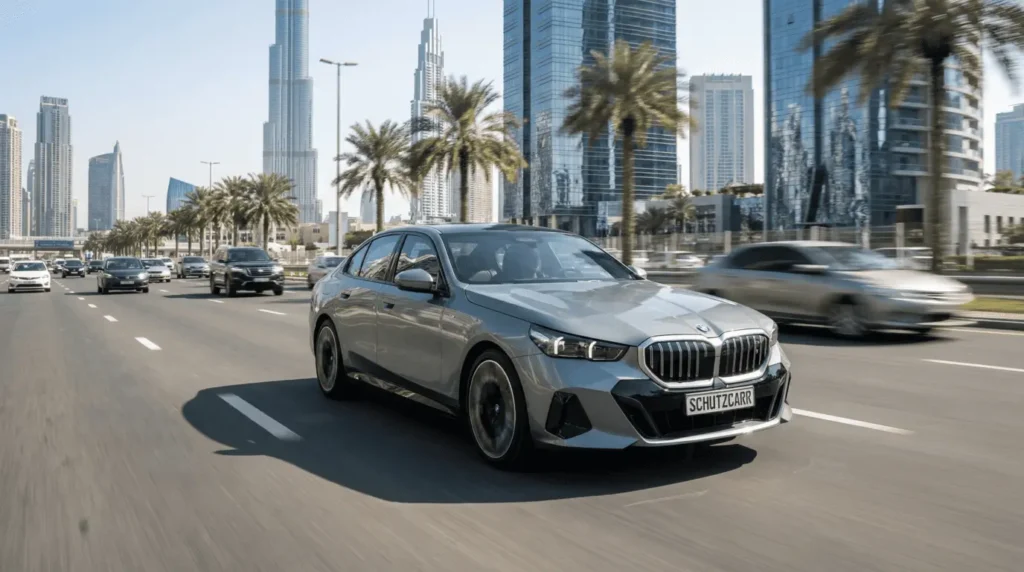
| How important is discreet styling for armored vehicles in Mali? | Discreet styling helps vehicles blend into traffic patterns, a topic we explain in detail in our discreet styling guide for armored SUVs. |
| Where can Mali-based buyers learn about different armored SUV options? | We maintain a broad lineup of armored vehicles and guides, accessible from our armored vehicles collection, which we adapt to Mali and wider Africa needs. |
| Does SchutzCarr support armored vehicle deliveries into Africa from abroad? | Yes, we work with clients throughout the continent via our dedicated Africa shipping region hub, which is the same framework we would use for Mali-bound projects. |
Understanding the Armored Vehicle Landscape in Mali
When people talk about armored vehicles in Mali, they often focus on large, highly visible convoys and parades, but the day‑to‑day picture is more nuanced and includes many different platform types and protection concepts. For institutions, companies, and individuals, the core questions are about suitability, reliability, and long‑term support rather than fleet size alone.
Public sources describe Mali’s inventory in terms of tracked vehicles, reconnaissance platforms, armored personnel carriers, and wheeled armored vehicles. For civilian and institutional users, the most relevant categories are usually wheeled SUVs, pickup‑based platforms, discreet sedans, and selected MRAP or APC vehicles with civilian‑oriented configurations.
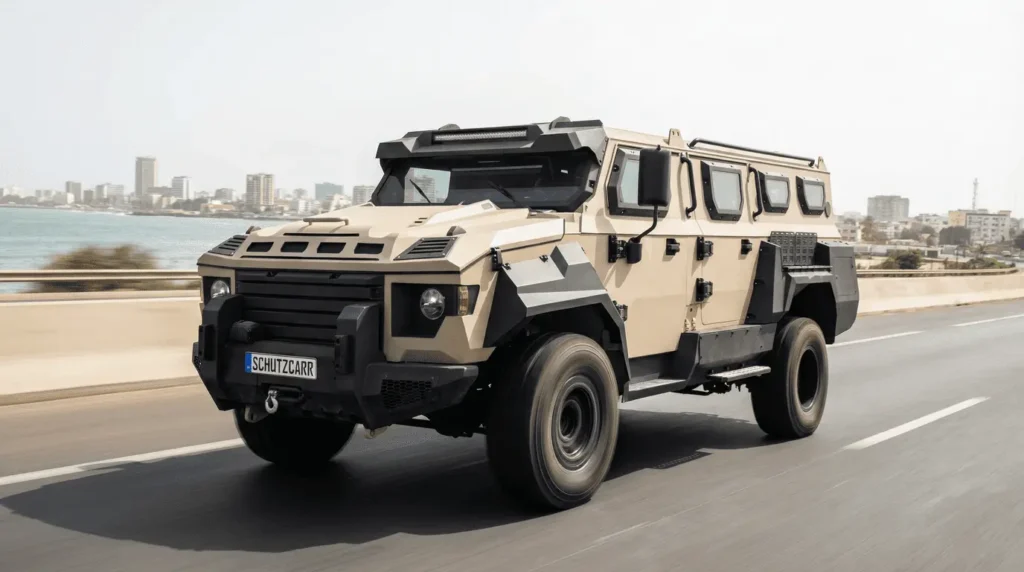
We see Mali within a wider West and Central African context where terrain can shift quickly from paved city streets to unpaved tracks. That is why our portfolio for Africa focuses on platforms that combine ground clearance and durability with practical support and parts availability.
Our work in regions with similar climates and infrastructure gives us a reference point when advising on armored vehicles for Mali. We help clients align their platform choices with routes, passenger profiles, and maintenance capabilities.
Key Protection Levels for Armored Vehicles in Mali
Protection levels such as B4, B6, and BR6 come up frequently in discussions about armored vehicles in Mali, yet many buyers are not sure what these categories really mean for daily use. We always start with clear explanations of ballistic standards and how they apply to cabins, glazing, and structural components.
For most civilian and institutional mobility in Mali, BR6 is a common reference point, particularly for SUVs and pickups. BR6 typically implies a fully enclosed ballistic capsule around the passenger compartment, combined with multi‑layer ballistic glass and reinforced door structures.
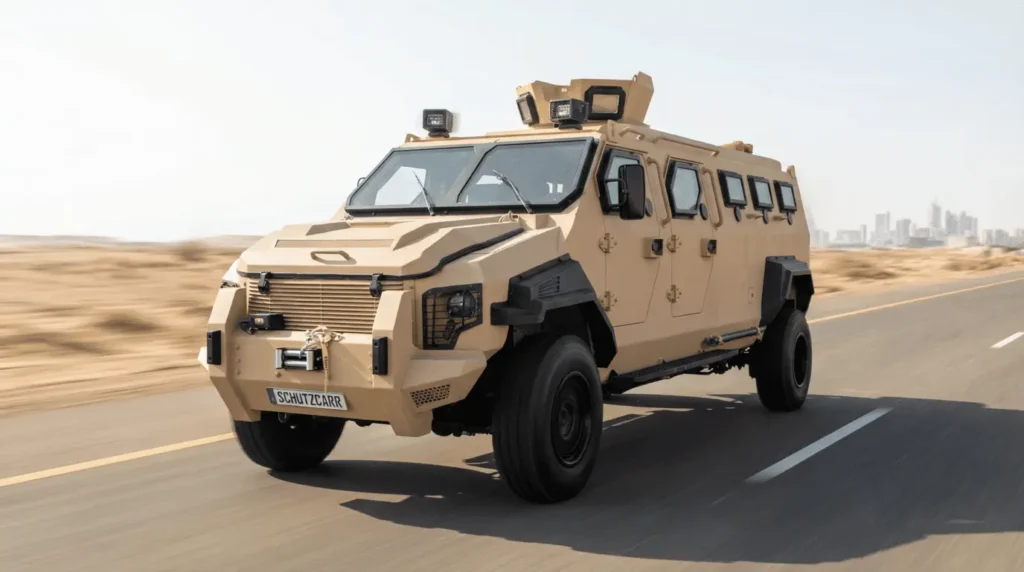
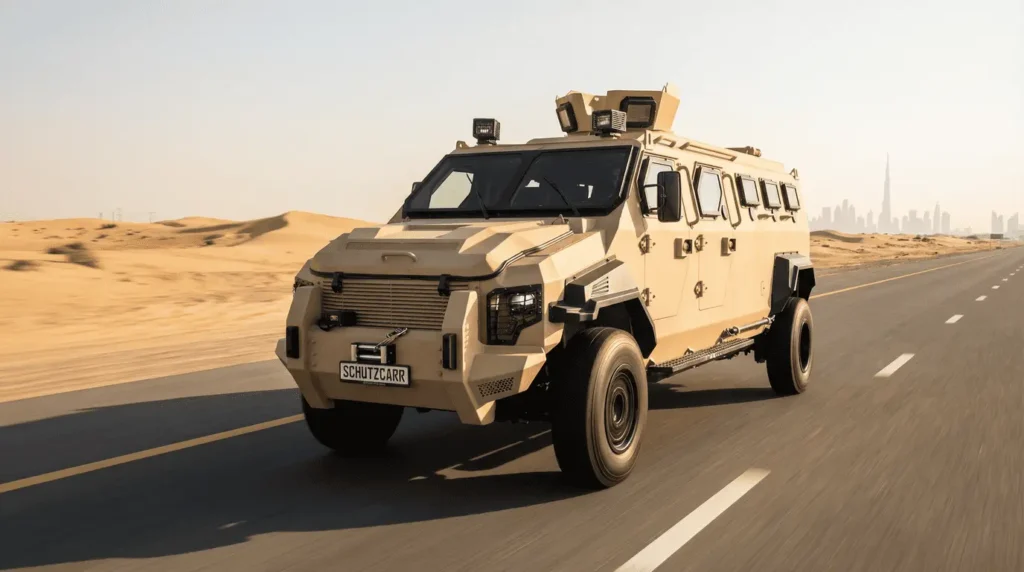
We also consider how weight from the chosen protection level affects suspension, braking, and long‑term wear, especially on Mali’s mixed road network. Our engineering teams design reinforcement, upgraded brakes, and run‑flat systems to keep vehicles practical for both urban and rural driving.
In every Africa project, including Mali-focused consultations, we help clients think in terms of risk profiles, route patterns, and regulatory context before deciding on B4, B6, BR6, or higher configurations. That structured approach usually delivers a more suitable vehicle than choosing a level by name alone.
Why SUVs Dominate Civilian Armored Fleets in Mali
Across Africa, including Mali, armored SUVs make up a large portion of civilian and institutional fleets because they balance space, ground clearance, and drivability. Unlike very large tracked platforms, SUVs can navigate dense city streets, narrow compounds, and remote roads with much less logistical complexity.
We see three consistent reasons why SUVs are often preferred in Mali: cabin comfort, flexible seating layouts, and a driving experience that is familiar to local staff. This combination supports long hours on the road without overwhelming drivers or passengers.
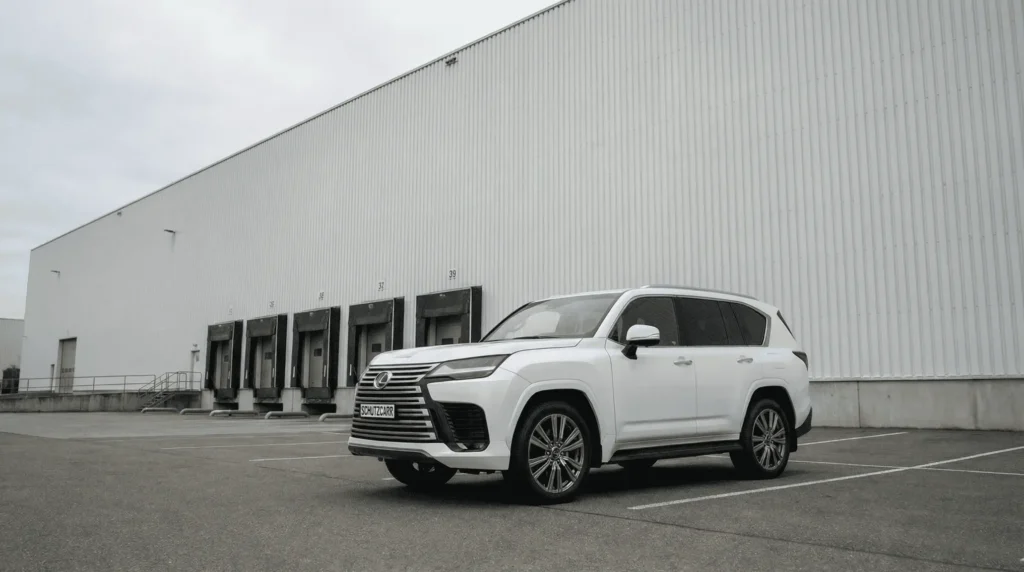
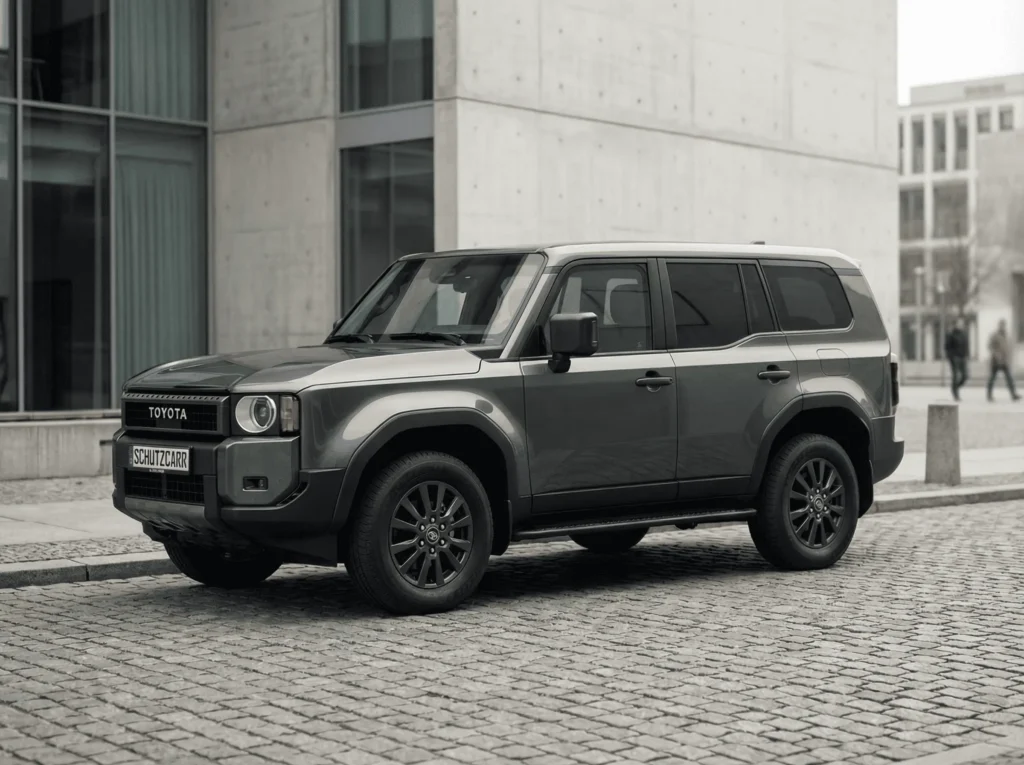
In the Mali context, where vehicles may operate between administrative centers, industrial sites, and isolated communities, load capacity and fuel range matter as much as protection levels. Platforms like the Toyota Land Cruiser family and full‑size luxury SUVs have a strong track record here.
We also pay attention to how easily local workshops can handle basic service tasks such as oil changes, brake jobs, and tire replacement. Even with armored upgrades, an SUV that shares components with widely available models usually simplifies support in Mali.
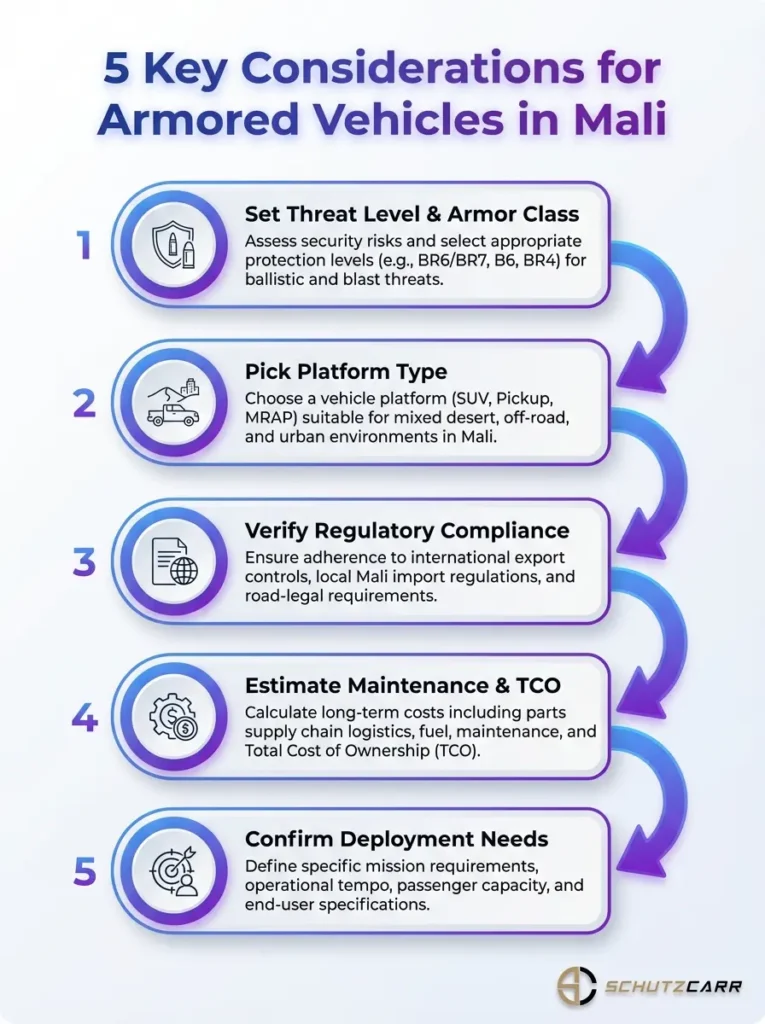
This visual guide highlights five essential considerations for armored vehicles in Mali. Use it to inform safety, deployment, and maintenance decisions.
Toyota Land Cruiser 76: Proven BR6 Workhorse for Mali Conditions
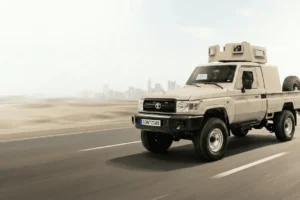
The Toyota Land Cruiser 76 is one of the most requested platforms in our Africa portfolio, and its characteristics align closely with the demands we associate with Mali’s geography. Solid axles, ladder frame construction, and straightforward mechanics make it a durable base for BR6 armoring.
In our Toyota Land Cruiser 76 BR6 armored SUV overview, we describe how we integrate a full protection package while keeping the vehicle serviceable for long routes on mixed terrain. This includes structural reinforcement, upgraded suspension, and carefully balanced glass thickness.
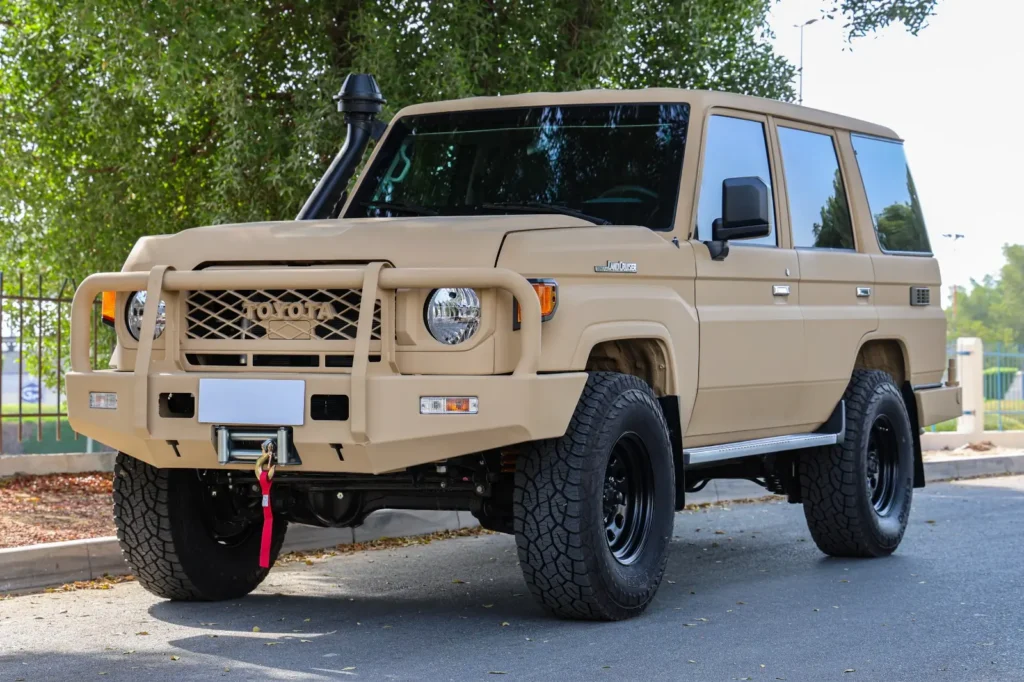
Many Mali‑relevant use cases involve repeated travel over corrugated or unpaved roads where suspension tuning and tire choice matter as much as armor plates. Our LC76 BR6 builds are engineered with that type of environment in mind, using reinforced components and run‑flat tires.
The LC76 is also suitable for configurations beyond standard five‑door layouts, including cargo‑oriented or utility‑focused builds. That flexibility is valuable when organizations in Mali need mixed passenger and equipment transport within a single armored platform.
Did You Know?
The Military Balance 2024 figures cited by Defense Express indicate Mali previously operated 2 PT‑76 tanks, 5 BRDM‑2, 63 armored personnel carriers, and 274 wheeled armored vehicles, showing how large wheeled fleets already were before recent deliveries.
Toyota Land Cruiser 300 GXR: Modern BR6 Platform for Mali’s Mixed Routes
While the Land Cruiser 76 offers a classic, utilitarian base, the Toyota Land Cruiser 300 GXR represents a more modern platform that many clients prefer for mixed city and highway use in Mali. Its independent suspension and updated chassis design deliver a smoother ride and improved interior comfort.
Our armored Toyota Land Cruiser 300 GXR guide explains how we structure BR6 builds on this chassis, including cabin capsules, multi‑layer ballistic glass, and carefully engineered weight distribution. These details are important to preserve drivability on long Mali routes.
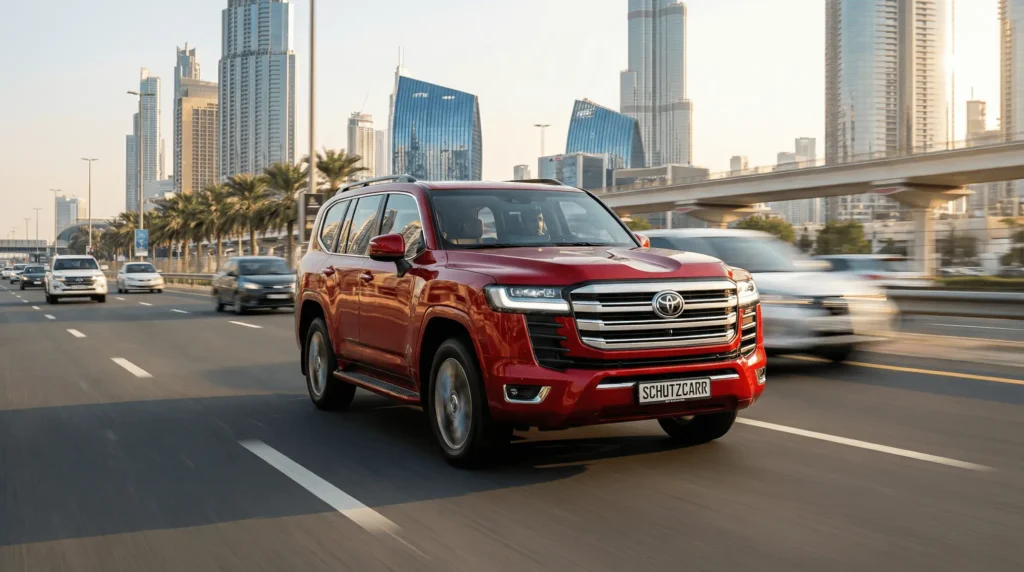
In Mali, where journeys often combine urban segments with long highway stretches, clients sometimes pair LC300 GXR vehicles with more rugged LC76 units to create complementary fleets. The LC300 takes on longer‑range or executive movements, while the LC76 handles routes with poorer road conditions.
We also pay particular attention to heat management, air conditioning capacity, and electronics when armoring the LC300. Mali’s climate and dust levels require careful selection of seals, wiring routes, and ventilation designs to maintain reliability.
Luxury Armored SUVs in Mali: Range Rover, Infiniti QX80, and Cadillac Escalade
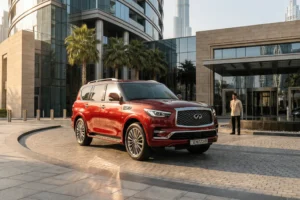
For senior executives, visiting delegations, and high‑profile passengers in Mali, luxury armored SUVs offer a different balance of comfort and protection. Platforms such as the Range Rover, Infiniti QX80, and Cadillac Escalade provide refined cabins and advanced driver assistance systems in addition to BR6 or BR7 protection options.
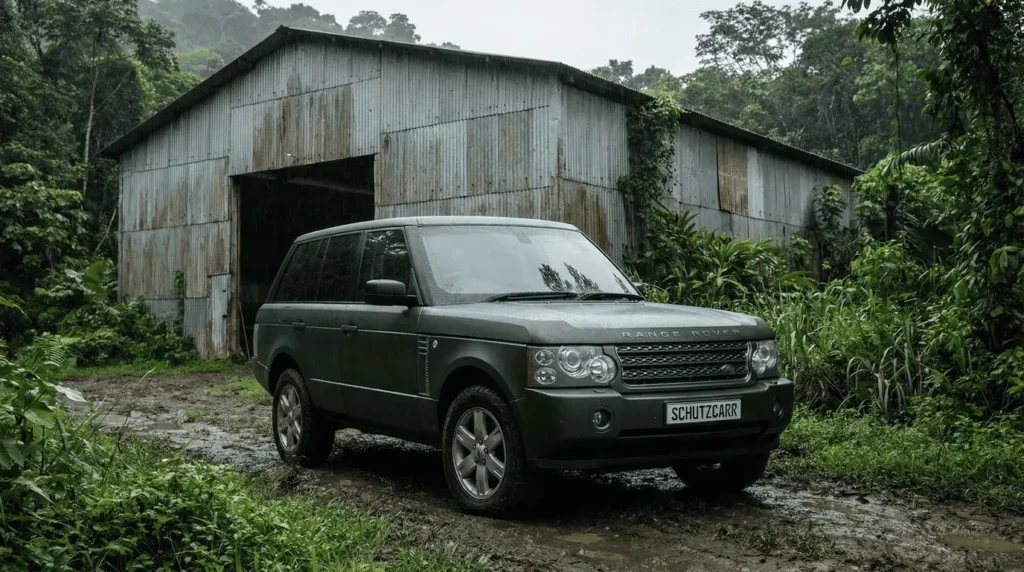
Our armored Range Rover guide covers how we approach BR6 builds on this chassis, focusing on maintaining ride quality while integrating a complete armor capsule. Many Mali‑relevant itineraries, such as airport transfers and city meetings, align well with this type of platform.
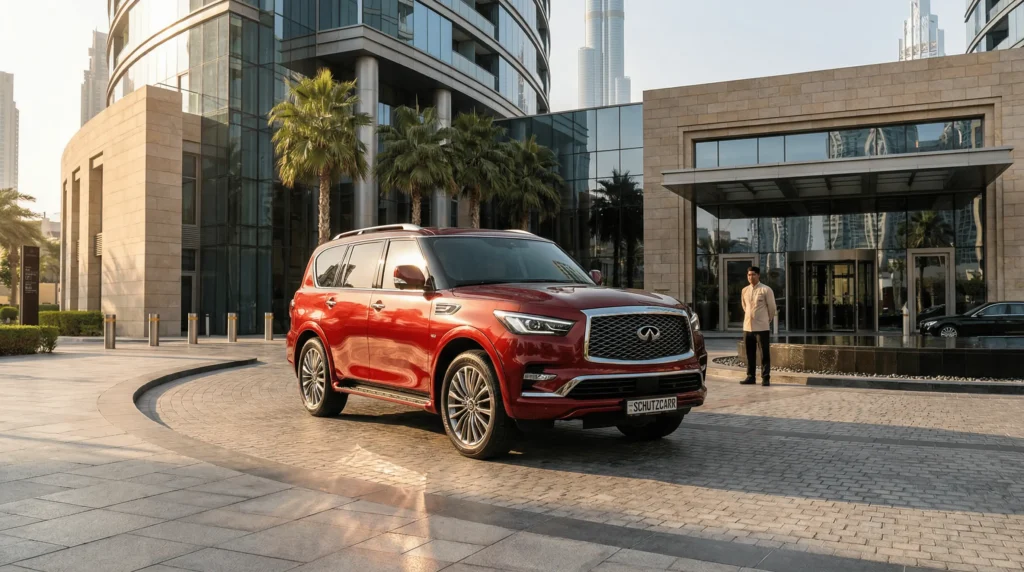
The Infiniti QX80 BR6 armored SUV is another option we often recommend for Africa travel patterns. It combines a full‑size footprint, strong V8 drivetrain, and 360° protection with a cabin that stays comfortable on long journeys typical in Mali.
For clients who prefer North American luxury platforms, our armored Cadillac Escalade guide explains how we deliver BR6 or BR7 protection on this chassis. In a Mali setting, the Escalade can serve as a primary executive vehicle in a mixed fleet that also includes Land Cruiser and pickup‑based platforms.
MRAPs and APCs: When Heavy Platforms Make Sense in Mali
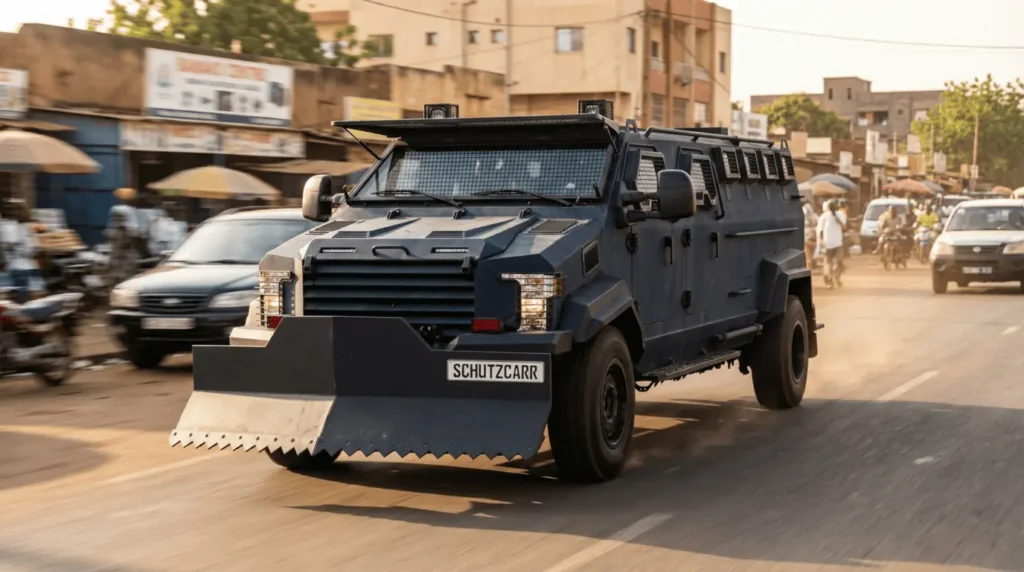
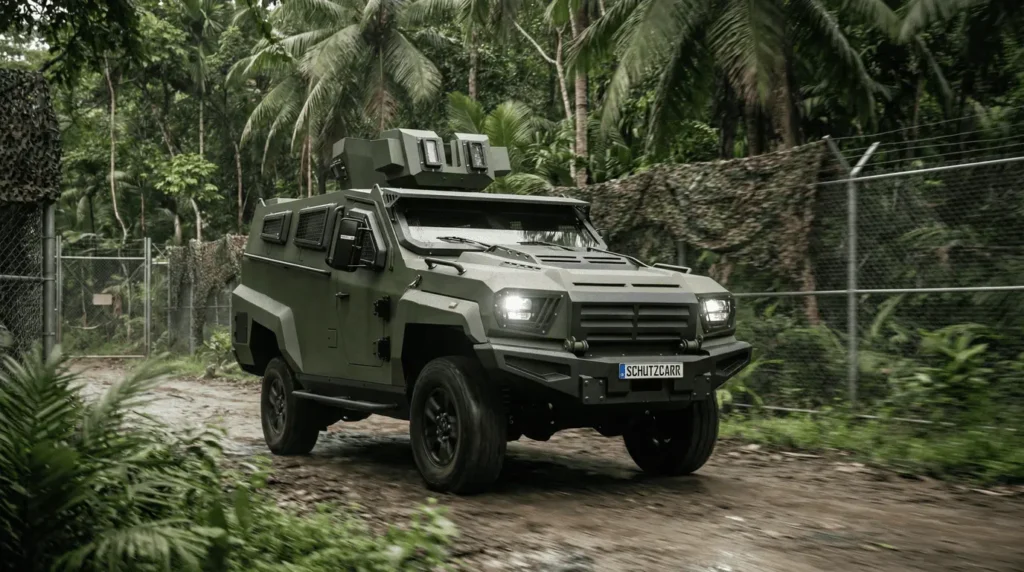
Public reporting highlights the presence of MRAPs and heavier APCs in Mali, including wheeled mine‑resistant designs and multi‑axle troop carriers. These platforms offer substantial blast and ballistic protection, yet they come with very specific infrastructure and operational requirements.
Our MRAP for sale guide clarifies what civilian‑ready mine‑resistant vehicles look like, how they differ from standard armored SUVs, and when they make practical sense. In Mali, the decision to use MRAPs or APCs usually depends on route characteristics, organizational structure, and support capacity.
We support clients in evaluating whether a lighter SUV fleet with careful route planning may cover their needs more efficiently than heavy MRAPs. Heavier vehicles can introduce constraints on bridges, fuel consumption, and maneuverability around Mali’s cities and towns.
When clients do select MRAP or APC platforms, we focus on clear training, maintenance planning, and documentation. Our goal is always to ensure that the chosen vehicles remain safe and manageable over years of service, not just during their first months in the field.
Did You Know?
Defense Express notes that a January 2025 convoy to Mali included seven T‑72B3 tanks, five BMP‑3 infantry fighting vehicles, and more than 50 other armored vehicles, underlining how diverse Mali’s armored fleet mix has become.
Discreet Styling and Low‑Profile Mobility in Mali
Not every armored vehicle in Mali needs to stand out. For many clients, especially in business and development sectors, discreet styling that blends into traffic is as important as the underlying protection level.
In our discreet styling considerations for armored SUVs, we outline how we keep vehicles visually close to their factory appearance. This includes retaining OEM paint schemes, avoiding overt protuberances, and carefully integrating thicker glass and armor panels.
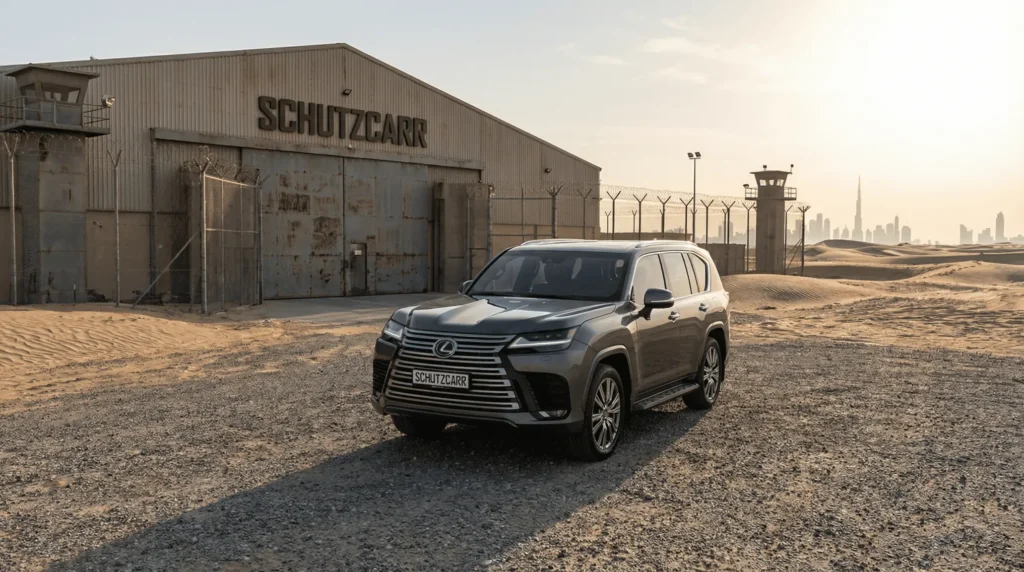
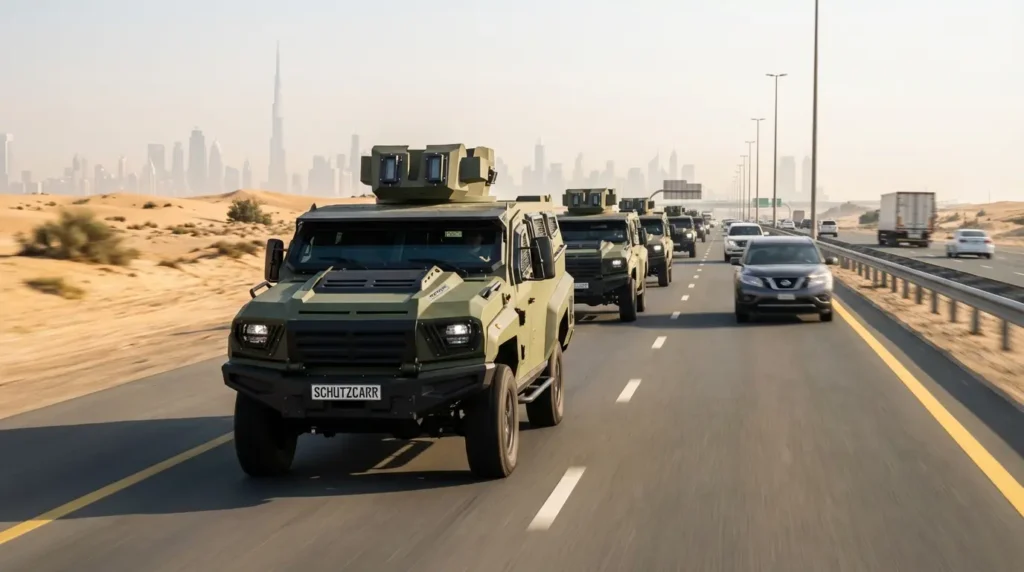
In Mali’s cities, where traffic often includes a mix of older vehicles and newer SUVs, we find that low‑profile armored builds reduce attention. This can enhance passenger comfort and simplify parking, drop‑offs, and movements at public venues.
We also apply discreet design principles to sedans and vans, not only SUVs. That allows Mali‑based organizations to run mixed fleets where only a trained eye would distinguish armored units from regular vehicles.
Daily Usability: How Armored Vehicles Fit Mali’s Road Reality
Choosing armored vehicles for Mali is not only a matter of armor level and platform name. Daily usability, fuel availability, service network coverage, and driver fatigue all play a significant role.
Our daily usability guide for armored SUVs breaks down factors like turning radius, cargo space, ride comfort, and visibility. These elements make the difference between a vehicle that looks suitable on paper and one that actually works on Mali’s roads every day.
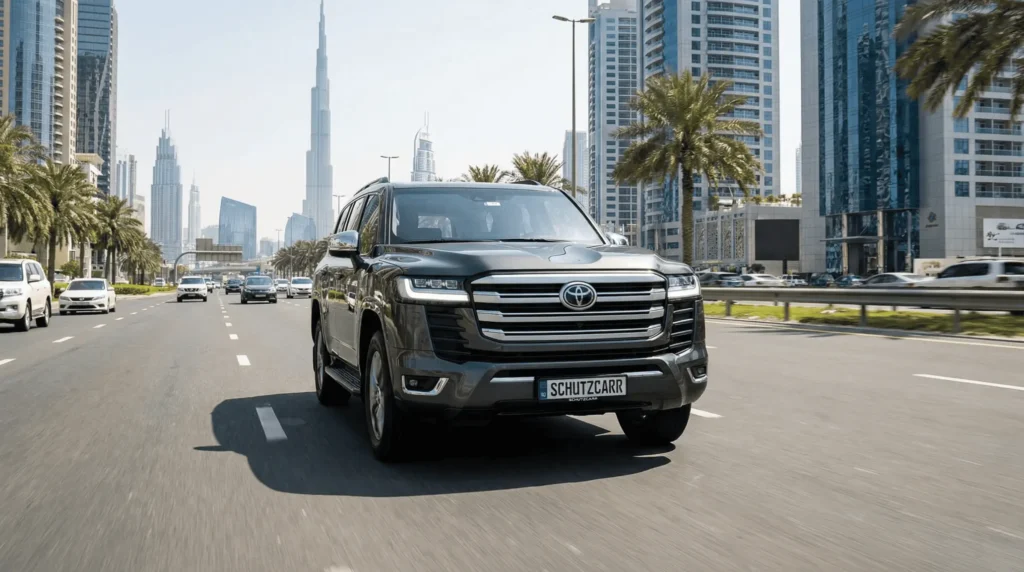
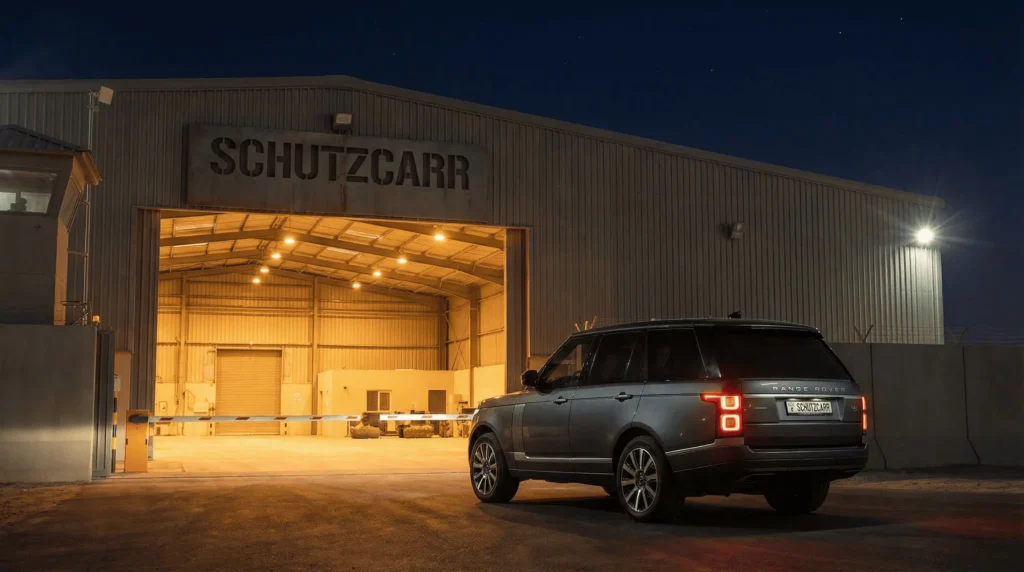
Mali’s combination of urban congestion, long inter‑city stretches, and rural routes means vehicles must cope with varied speeds and surfaces. We tune suspensions, select tire specifications, and design cooling systems with this variety in mind.
From our perspective, the most successful Mali fleets are those where drivers feel confident and comfortable operating the vehicles for full working days. We support that with training, clear documentation, and ongoing technical assistance.
Planning an Armored Fleet for Mali: Mix, Redundancy, and Support
Organizations in Mali rarely rely on a single armored vehicle. Instead, they build small fleets with a mix of SUVs, utility vehicles, and sometimes heavier platforms to cover different routes and passenger profiles.
When we assist with fleet planning, we typically recommend combining at least two compatible platforms, for example LC76 and LC300 or LC300 and a luxury SUV. This creates redundancy, simplifies parts storage, and ensures that one vehicle can step in if another is offline for maintenance.
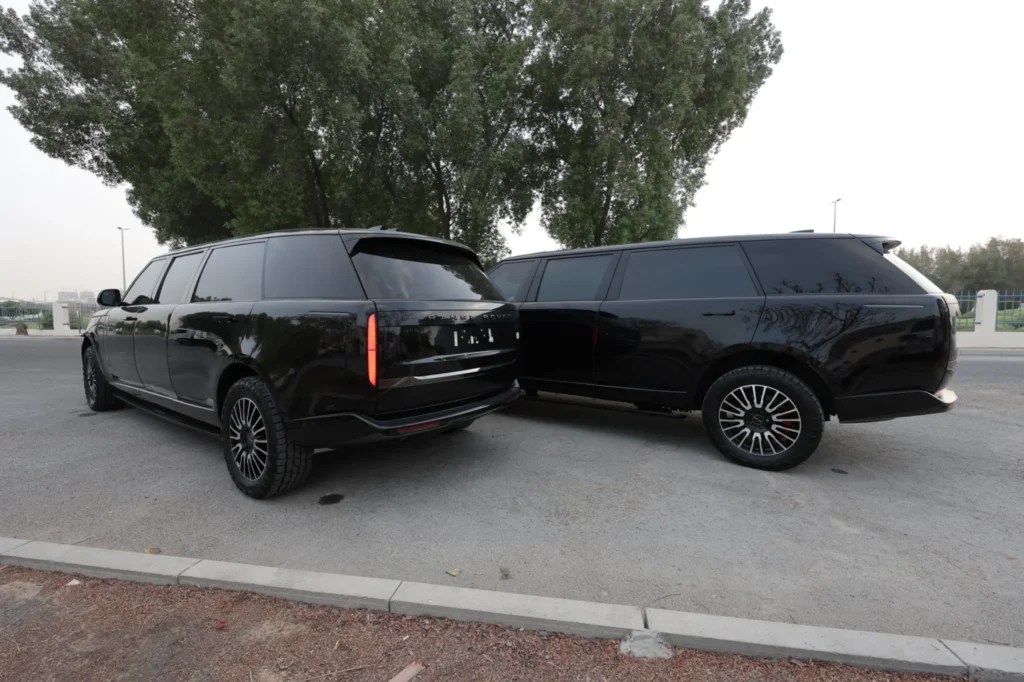
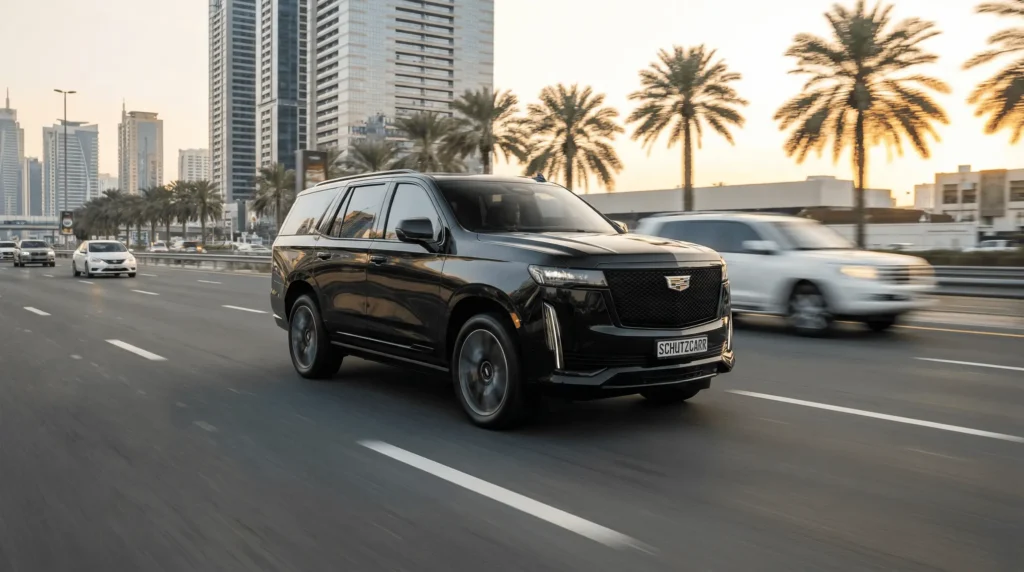
We also encourage Mali clients to think about spare parts stock, tire inventories, and local workshop partnerships from the outset. A modest initial investment in consumables and tools can significantly reduce vehicle downtime later.
Finally, we tailor after‑sales support to each client, including remote diagnostics where possible and clear escalation paths for technical questions. The goal is to keep armored vehicles operational and predictable across their service life in Mali.
Conclusion
Armored vehicles in Mali sit within a complex landscape that includes heavy tracked platforms, wheeled APCs, MRAPs, and a growing number of civilian and institutional SUVs. For the clients we work with, the most important decisions involve matching the right platform and protection level to routes, passenger needs, and long‑term support capacity.
Whether you are evaluating a single BR6 SUV or planning a diversified Mali fleet that includes Land Cruiser, luxury SUVs, and specialized vehicles, our team can help you structure the decision process and specify practical builds. To discuss your requirements and explore suitable options for armored vehicles in Mali, we invite you to contact us directly through the SchutzCarr contact page at https://schutzcarr.shop/contact/.