
Ballistic ratings like B4, B6, and B7 decide whether an armored vehicle will stop a handgun, a battle rifle, or even armor‑piercing rounds. B6 protection, for example, can add about 38 mm of ballistic glass and roughly 360 kg of weight to a vehicle, which radically changes performance, handling, and cost. Understanding these levels is essential if you’re comparing armored SUVs, APCs, or luxury vehicles and want the right balance between protection, mobility, and budget.
Key Takeaways
| Question | Short Answer |
|---|---|
| What is the difference between B4 and B7 ballistic protection? | B4 is designed mainly for handgun threats, while B6–B7 protect against high‑velocity rifle and armor‑piercing rounds, as seen in BR6/BR7 APCs at SchutzCarr’s armored vehicle collection. |
| Which ballistic level is best for city VIP protection? | B4–B6 are common for urban VIP and diplomatic transport; services such as VIP protection in Rwanda leverage BR6 SUVs and APCs for higher‑risk environments. |
| When do I need BR6 instead of BR4? | Choose BR6 if you face potential rifle threats (7.62×51, 5.56×45). Vehicles like the Toyota Land Cruiser 76 BR6 Tactical SUV are built specifically for this threat band. |
| What kind of vehicles typically use BR7 armor? | BR7 is usually reserved for specialized APCs and high‑risk missions, such as the Black APC Tygor B7 armored personnel carrier. |
| Does higher ballistic level always mean better? | Higher levels increase weight, cost, and maintenance demands. Choosing the right level—like BR6 SUVs versus BR7 APCs—is about threat profile, not “maximum” on paper. |
| Can luxury SUVs reach BR6 protection levels? | Yes. Models such as the Infiniti QX80 4WD Extended and Land Cruiser 2024 Extended are offered with BR6 armoring. |
1. What Do B4 to B7 Ballistic Protection Levels Actually Mean?
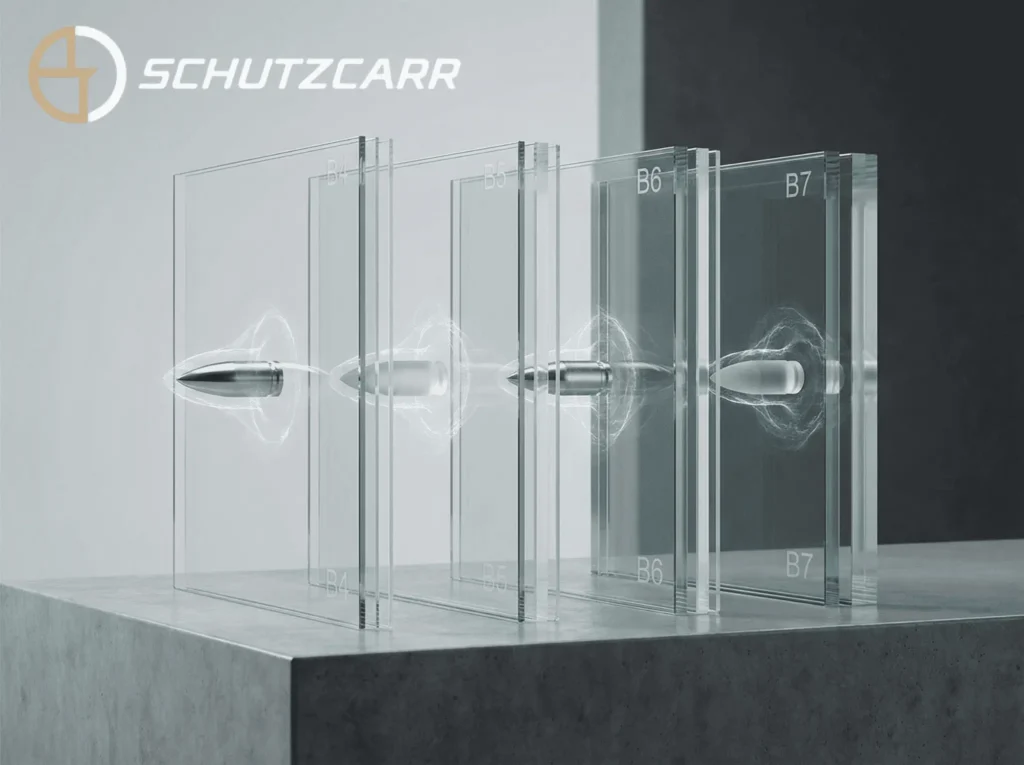
The “B” and “BR” ratings usually refer to the EN 1522 / EN 1063 European ballistic standards, which define how glass and opaque armor perform against specific calibers, bullet weights, and velocities. B4 and BR4 are oriented to handgun protection, while B6 and BR6 move into rifle territory, and B7/BR7 target high‑power, sometimes armor‑piercing rifle threats.
For practical decisions, think of these levels as “threat bands.” B4 suits low to medium risk with mostly handgun exposure, BR5–BR6 cover assault rifles and battle rifles used in many conflict zones, and BR7 is reserved for the most demanding environments with dedicated armor‑piercing threats. Every increase in level also brings more weight, thicker glass, and a stronger supporting vehicle platform.
2. Understanding B4 & BR4: Handgun‑Level Ballistic Protection
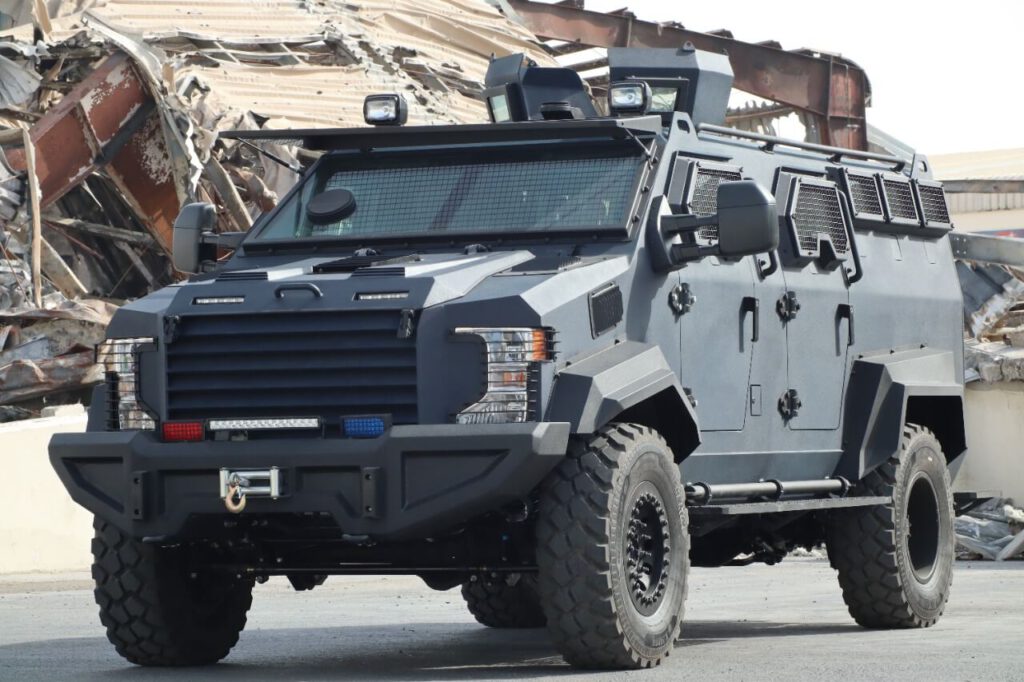
B4/BR4 protection is specified to stop common handgun rounds such as 9 mm (124 grains) at about 427 m/s and .44 Magnum (240 grains) at about 427 m/s. In real‑world terms, this is the level many urban VIP, cash‑in‑transit, and corporate transport vehicles use where the predominant threat is short‑range handgun fire.
B4 typically uses ballistic glass around 32 mm thick in many commercial products, and upgrading a light vehicle to B4 can add around 20 mm of glass and roughly 120 kg of weight. While these numbers vary by manufacturer, they highlight that even the “entry” ballistic level has a visible impact on vehicle dynamics, braking, and fuel consumption.
3. BR5 and the Mid‑Range Rifle Threat Band
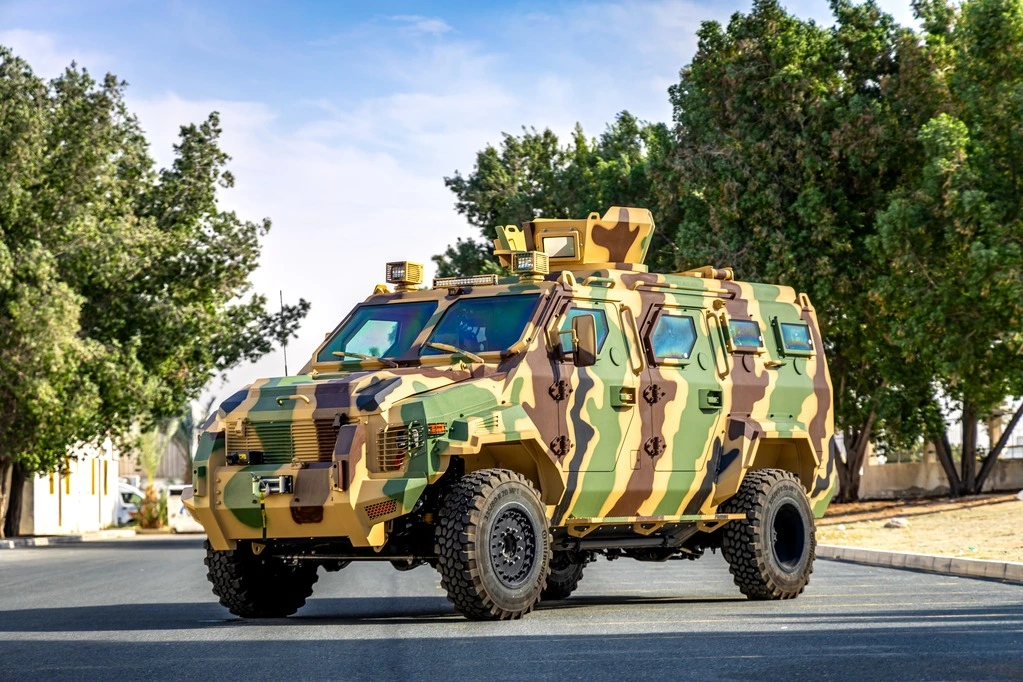
BR5 sits between handgun‑centric BR4 and the more aggressive BR6 rifle level. Typical BR5 glazing is commonly around 36–39 mm thick, targeting intermediate rifle threats and certain high‑power handgun or shotgun rounds, depending on configuration. For many private security teams, BR5 offers a compromise when full BR6 is not required but some rifle risk exists.
This mid‑range is important when your environment includes potential long‑gun presence but not sustained or military‑grade rifle fire. In practice, many buyers either move directly from BR4 to BR6 or choose BR5 for rear and side glass while keeping BR6 on the front, balancing weight and cost against realistic attack angles.
Did You Know?
BR6 protection covers rifle rounds: 7.62×51 mm (M80) 149 grains at ~838 m/s; .308 Winchester FMJ 150 grains at ~838 m/s; and 5.56×45 mm (M193) at ~919 m/s.
4. BR6 Protection: The Standard for High‑Risk SUVs and APCs
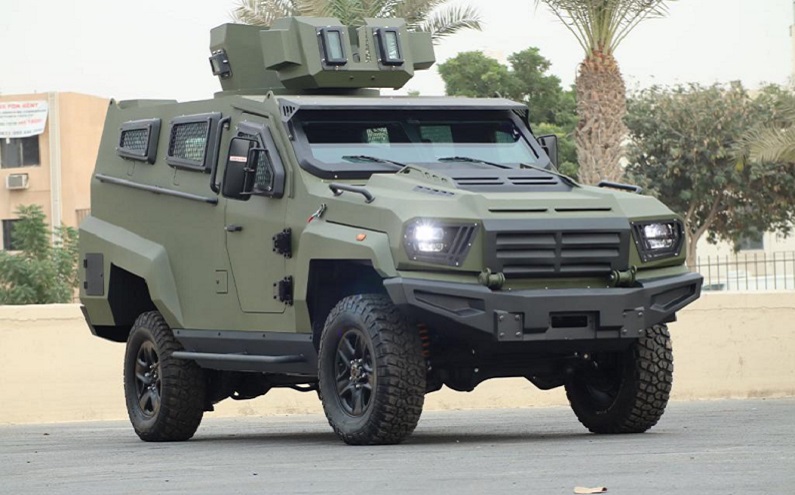
BR6 (B6) is often considered the “serious” rifle standard for civilian and government armored vehicles. It is specifically rated against full‑power rifle rounds like 7.62×51 NATO, .308 Winchester, and 5.56×45, making it the default choice for operations in conflict zones, high‑crime areas, or regions with a known threat of long‑gun ambushes.
BR6 glass thickness is typically around 41 mm in many EN 1063‑compliant products and can reach about 52 mm or more in some configurations. The extra thickness and associated armor steel or composite panels significantly raise the vehicle’s curb weight, demanding reinforced suspension, uprated brakes, and careful chassis engineering.
5. BR7 and B7+: Armor‑Piercing Rifle and Extreme Threat Environments
BR7 is designed to resist advanced rifle threats, including some armor‑piercing rounds. As one example of an upper‑tier configuration, a B7+ solution can resist 7.62×54R API (armor‑piercing) Dragunov rounds at about 854 m/s, representing a level of attack used in military and insurgent contexts rather than typical crime.
To provide that protection, BR7 glazing in some EN 1063 configurations can reach around 77 mm thick, with corresponding heavy opaque armor. That level of mass is why BR7 is more common in specialized armored personnel carriers than in typical civilian SUVs—it requires a very robust chassis and usually sacrifices some comfort and discretion for survivability.
6. Glass Thickness, No‑Spall Options, and Weight Trade‑Offs
Across BR4–BR7, thickness and weight increase rapidly. Typical commercial figures include BR4 glass around 32 mm, BR5 around 36–39 mm, BR6 near 41–52 mm, and BR7 up to ~77 mm in some EN 1063 configurations. No‑spall (NS) variants, which prevent glass fragments from entering the cabin, can push thickness further, for example BR4‑NS around 47 mm and BR6‑NS around 63 mm.
On the vehicle side, moving from baseline to B4 might add about 120 kg, while a jump to B6 can mean roughly 360 kg of additional mass or more, depending on the platform and armoring design. That extra weight requires stronger suspension, upgraded brakes, and modified driveline components to keep the vehicle safe and reliable under emergency maneuvers.
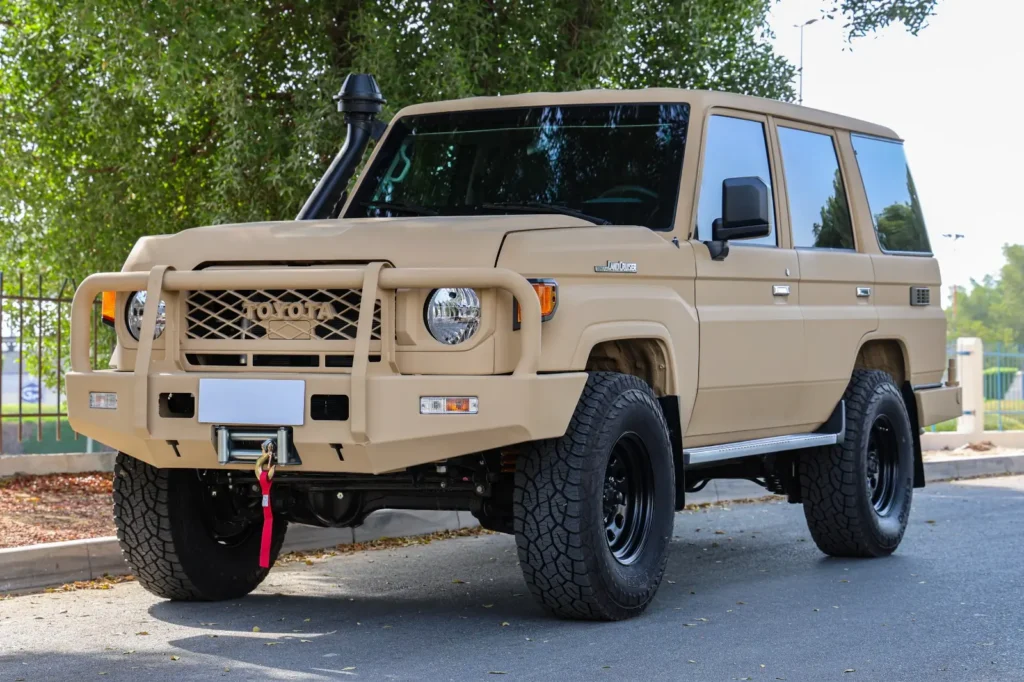
7. BR6 Tactical SUVs: Toyota Land Cruiser 76 as a Case Study
Why BR6 on the Land Cruiser 76?
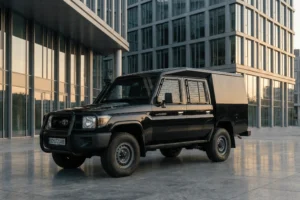
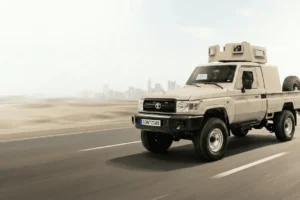
The Toyota Land Cruiser 76 BR6 Tactical Armored SUV is a typical example of how BR6 levels are applied to a high‑mobility platform. It pairs proven off‑road capability with rifle‑grade protection, making it suitable for security teams, NGOs, and government users operating in remote or unstable regions where ambushes are a real risk.
On this platform, BR6 armoring includes ballistic steel, composite armor in critical areas, and multi‑layer ballistic glass to match the BR6 rating. The production lead time of around 14 days (as stated for this Land Cruiser 76 configuration) reflects a highly standardized build process for repeatable, verifiable ballistic performance.
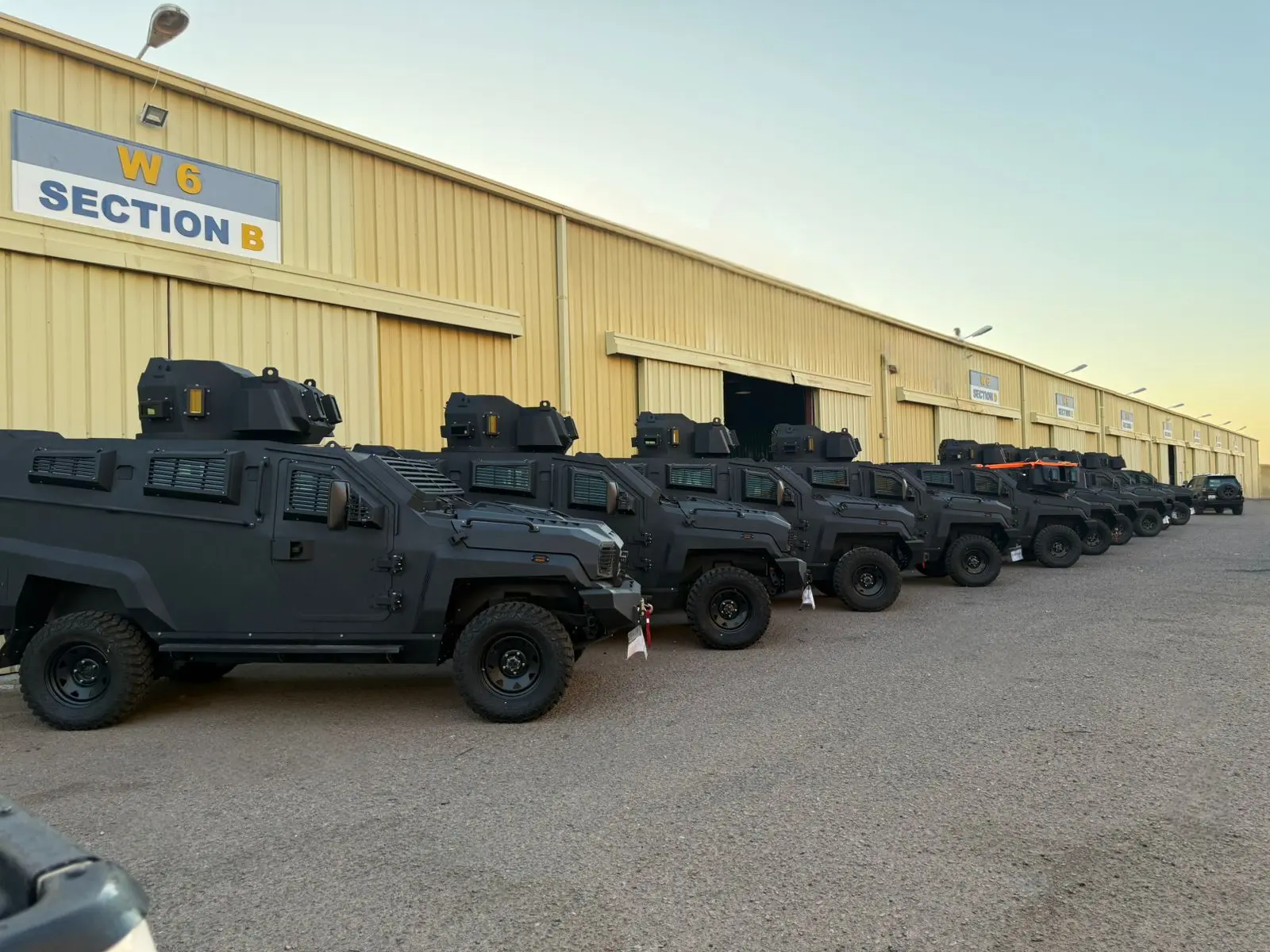
8. BR7 APCs: Black APC Tygor B7 and Other Heavy Platforms
Black APC Tygor B7: BR7 on a Land Cruiser 79 Chassis
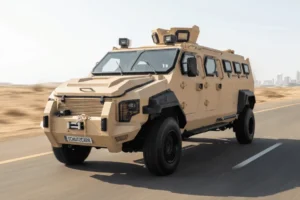
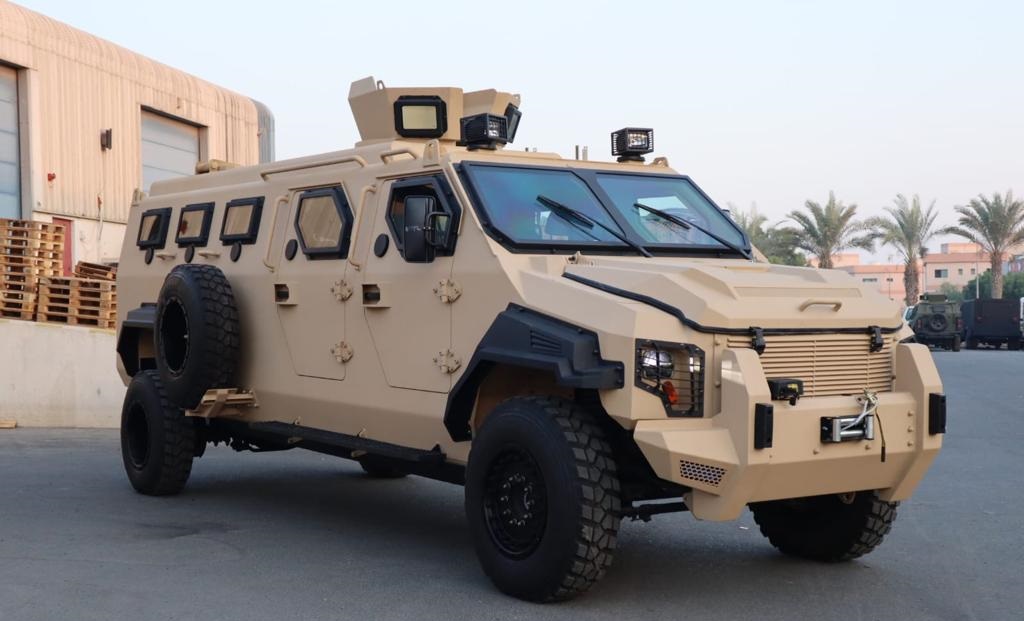
The Black APC Tygor B7 demonstrates how BR7 protection is implemented on a robust ladder‑frame platform, in this case a Toyota Land Cruiser 79 chassis. This armored personnel carrier is built for immediate deployment in hostile environments where rifle and armor‑piercing threats are likely, and soft‑skin vehicles would be inadequate.
With its BR7 rating, the Tygor B7 emphasizes crew survivability over low profile appearance. Global shipping and worldwide availability mean organizations can field the same protection standard across multiple regions, aligning training, maintenance, and spare parts while keeping a consistent ballistic envelope for their teams.
Did You Know?
BR6 (EN 1063) typical glass thickness is around 41 mm, while BR7 glass commonly reaches about 45 mm or more, and some EN 1063 BR7 configurations can be as thick as 77 mm.
9. Luxury BR6 SUVs: Infiniti QX80 and Land Cruiser 2024 Extended
Infiniti QX80 4WD Extended – BR6 Luxury Protection
The Infiniti QX80 4WD Extended in BR6 configuration targets clients who need rifle‑level protection without giving up a premium, executive‑class cabin. As a BR6 armored SUV, it combines 4×4 capability with discreet external styling, making it suitable for high‑net‑worth individuals, executives, and diplomats.
Land Cruiser 2024 Extended – BR6 with Extra Cabin Space
The Land Cruiser 2024 Extended offers another BR6 option, this time on Toyota’s latest SUV platform with an extended body for more passenger or equipment space. BR6 armor on this platform is aimed at users who need long‑range, multi‑day mobility with dependable rifle protection, from oil and gas operations to government convoys.
10. Matching B4–B7 Levels to Real‑World Threats and Missions
Choosing between B4, B6, and B7 should always start with a clear threat assessment. For low‑risk city use where handguns are the primary concern, B4/BR4 may be sufficient and keeps vehicles lighter and easier to maintain. In contrast, operations in conflict zones, high‑level political roles, or critical infrastructure protection often justify BR6 or BR7.
Mission profile matters as much as the rating: high‑speed escort convoys may favor BR6 SUVs for agility, while static site defense and troop transport can lean toward BR7 APCs with heavier armor but lower on‑road comfort. Work with experienced armor manufacturers who can explain exactly which threats each configuration is tested against, and verify that the certification (EN 1063, VPAM, NIJ, etc.) matches your risk environment.
Conclusion
Understanding B4 to B7 ballistic protection levels is less about memorizing numbers and more about mapping those ratings to real threats, vehicle types, and mission priorities. B4 focuses on handgun protection with modest weight increases, while BR6/BR7 move into full rifle and armor‑piercing territory with much thicker glass and heavier armor.
Whether you look at BR6 tactical SUVs like the Toyota Land Cruiser 76, BR7 APCs such as the Black APC Tygor B7, or BR6 luxury platforms like the Infiniti QX80 and Land Cruiser 2024 Extended, the key is to specify a protection level that fits your operating environment and risk exposure. With a clear grasp of what each ballistic class stops—and what it demands from the vehicle—you can choose armored solutions that genuinely support your safety objectives rather than just looking strong on paper.