
Armored SUVs have shifted from niche government tools to mainstream options for executives, families, NGOs, and business owners. Technavio forecasts the armored civilian-vehicle market to grow at about 6.9% annually from 2024 to 2029, which means more models, more competition, and more confusion when you try to choose the right armored SUV for civilian use. This guide cuts through the noise by explaining what actually matters—protection levels, chassis choice, reliability, and cost—and highlighting specific armored SUVs and pickups that fit real civilian needs, using current examples from SchutzCarr’s 2026 lineup.
Key Takeaways
| Question | Short Answer |
| 1. What’s the best way to start choosing an armored SUV? | Define your threat level (handguns vs. rifles), passenger count, and where you’ll drive, then compare BR6/BR7 SUV platforms in a structured way. A good overview is the Armored Car for Sale: Ultimate Buyer’s Guide in 2025. |
| 2. Are SUVs really the best platform for civilian armoring? | Yes. Multiple market studies show SUVs dominate the armored civilian-vehicle segment thanks to their mix of space, off-road ability, and discreet appearance. |
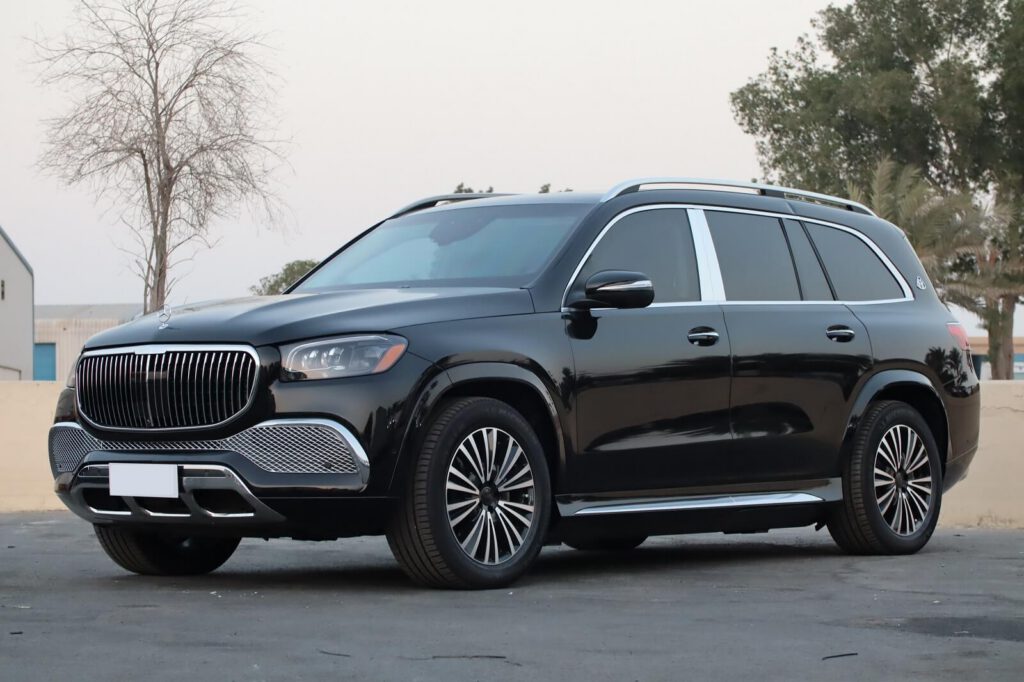
| 3. Which armored SUV is best for luxury-focused executive protection? | High-end platforms like the Range Rover P530 Extended BR6 and armored Maybach-based builds offer discreet, high-protection luxury cabins. |
| 4. What if I need rugged, field-proven protection over luxury? | Consider the Toyota Land Cruiser 76 BR6/B7 or the extended Toyota Land Cruiser 300 BR6 for durability and global serviceability. |
| 5. Are armored pickups a good civilian choice? | Yes. For mixed cargo/passenger roles and lower profile, pickups like the Toyota RHD Hilux 2.8L BR6 give practical, cost-effective protection. |
| 6. Do civilian buyers ever need MRAP-level vehicles? | Only in high-risk regions. Platforms discussed in the MRAP for Sale civilian guide are suited for NGOs, security teams, or operations in conflict-adjacent areas. |
| 7. Where can I browse a broad mix of armored SUVs, pickups, and APCs? | The curated gallery at SchutzCarr Armored Vehicles shows SUVs, pickups, APCs, and luxury platforms in one place. |
1. How to Choose the Best Armored SUV for Civilian Use in 2026
Choosing the best armored SUV starts with understanding your actual risk, not just your budget. For most civilian users, that means planning around threats from handguns up to standard rifles, while staying road-legal and comfortable for daily driving or long trips.
You’ll typically decide between BR6 and BR7 protection levels. BR6 covers rifle rounds like 7.62×51 NATO, which is enough for most civilian and corporate use cases; BR7 adds protection against armor-piercing rifle ammunition and is usually reserved for high-risk or government-level users. The more armor you add, the heavier the vehicle becomes, and that changes braking, handling, and fuel use.
- BR6 SUVs – Best for executives, families, NGOs, and business convoys.
- BR7 / APC platforms – Best for high-threat zones and specialist security teams.
From there, think in three layers: platform (Toyota vs. Range Rover vs. Infiniti), armoring quality (certification and coverage), and long-term serviceability in your region. The models below cover those angles with concrete examples.
2. Understanding Protection Levels: BR6 vs. BR7 for Civilian Armored SUVs
Ballistic standards can look intimidating, but most civilian buyers only need to compare BR6 and BR7. BR6 is the core standard for modern armored SUVs, designed to withstand common military rifle ammunition (e.g., 7.62×51) across the doors, pillars, roof, and floor, plus armored glass and protected fuel tank.
BR7 adds protection against armor-piercing variants of those rounds. That level of armoring increases thickness and weight, which means heavier doors, more strain on suspension and brakes, and often a higher price tag. For a private family or corporate user moving between urban and peri-urban areas, BR6 is usually the balanced choice.
Tip: When you compare armored SUVs, ask explicitly about 360° coverage (roof and floor), ballistic-glass certification (such as CEN1063), and whether critical components like battery, ECU, and fuel lines are protected.
SUVs like the Range Rover P530 Extended BR6 and Land Cruiser 300 BR6 use this level to deliver high protection without turning into impractical tanks. For extreme risk zones or escort roles, pairing BR6 SUVs with BR7 APCs or MRAPs is a common strategy.
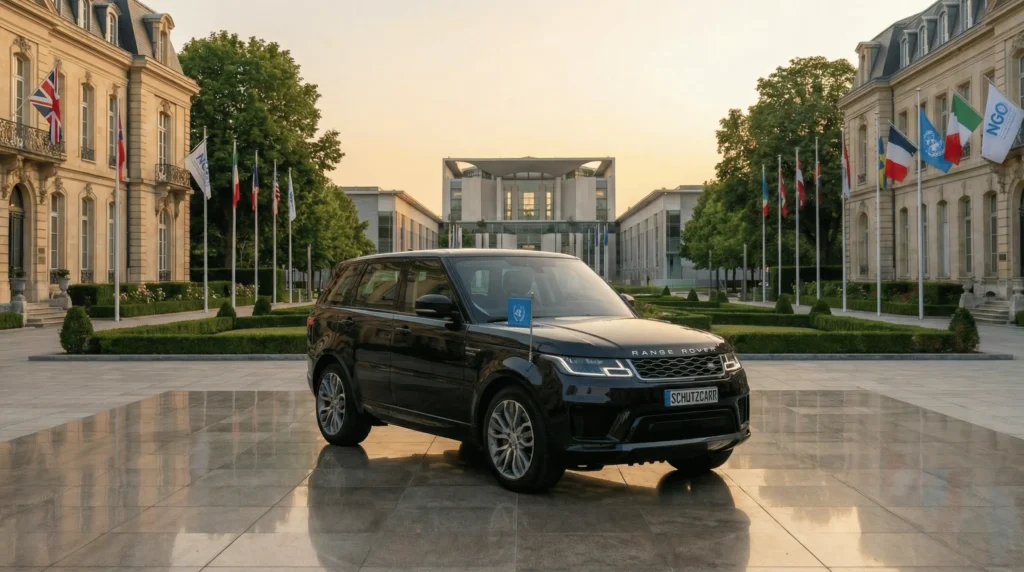
3. Range Rover P530 Extended BR6 — Best for Discreet Executive Luxury
Why the Range Rover P530 Extended Works for Civilian Protection
For executives and high-net-worth individuals who want maximum comfort with serious protection, the Range Rover P530 Extended BR6 armored SUV is a standout. It marries Range Rover’s top-tier interior with a full BR6 armored “capsule” built into the structure rather than bolted on.
Key civilian-use advantages include:
- BR6 protection with 360° coverage (doors, pillars, roof, and floor).
- Run-flat tires rated for about 50 km at 80 km/h after puncture, giving you time to escape.
- CEN1522 / CEN1063 certification, and ISO 9001:2008 manufacturing standards for documented reliability.
Inside, the long wheelbase and extended body give you a genuine executive rear cabin: more legroom, better seat recline, and space for communication or medical gear if needed. For many civilian buyers who host clients or travel in convoys, this is one of the most comfortable ways to have real ballistic protection on the road.
Did You Know?
Armoring a full-size SUV typically adds about 2,500–3,000 pounds of weight, which is why serious builds re-engineer suspension, brakes, and tires rather than just “adding armor plates.”
4. Toyota Land Cruiser 300 BR6 Extended — Best All-Rounder for Families and Convoys
Why the Land Cruiser 300 Is a Top Civilian Choice
The Toyota Land Cruiser 300 BR6 Extended is built on one of the most trusted SUV platforms in the world. In its armored form, it combines that base reliability with 360° BR6 protection, including armored floor and roof, engine-bay protection, and ballistic glass.
For civilian users, three things stand out:
- Global service network — Toyota dealers and parts availability in remote regions.
- Balanced interior — enough room for a family, security team, or NGO staff with luggage.
- Export and registration support — SchutzCarr provides documentation to keep the vehicle road-legal in civilian markets.
While specific pricing is listed as $TBD for this model, it typically sits below ultra-luxury platforms like armored Maybachs, making it an excellent “workhorse” for long-term protection.
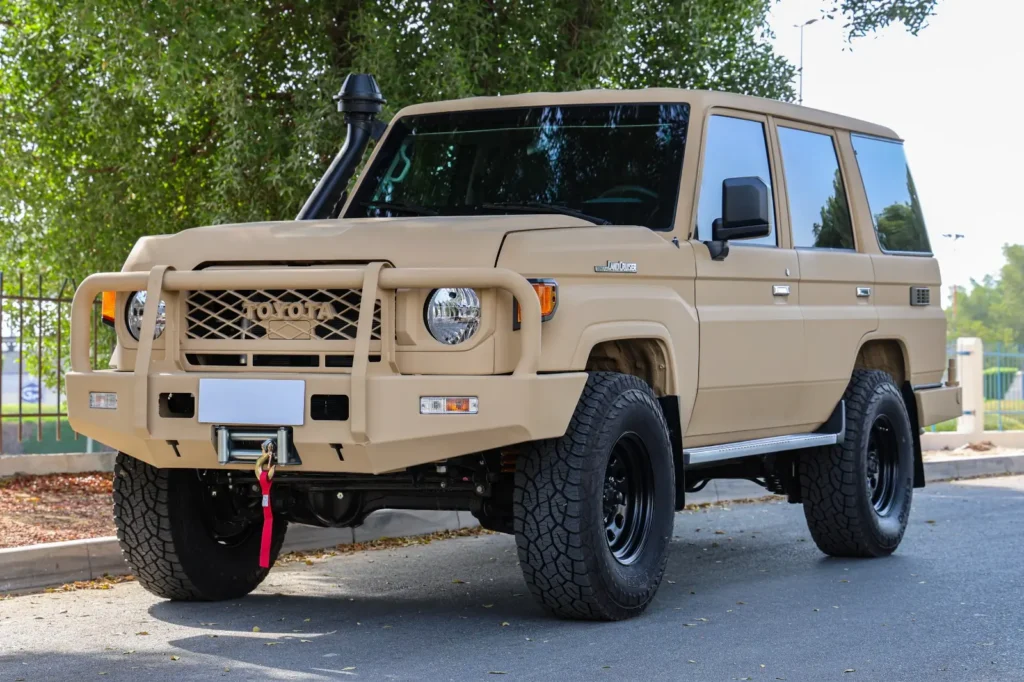
5. Toyota Land Cruiser 76 BR6/B7 — Best for Harsh Terrain and Simplicity
SchutzCarr’s Signature Land Cruiser 76 Platform
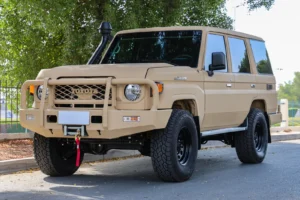
If you operate in regions where road quality is poor and maintenance resources are limited, the Toyota Land Cruiser 76 armored SUV stands out. SchutzCarr calls it a signature platform because the LC76’s simple, proven drivetrain pairs well with heavy armoring without overwhelming electronics or complex air suspension.
The armored LC76 is available in BR6 and BR7 configurations, with:
- Reinforced chassis and upgraded suspension.
- Certified ballistic glass and integrated steel capsule.
- Run-flat tires and options like mesh or grille protection for lights and glass.
This makes it ideal for security companies, mining operations, NGOs, and rural-government fleets that need civilian-registered but extremely tough vehicles.
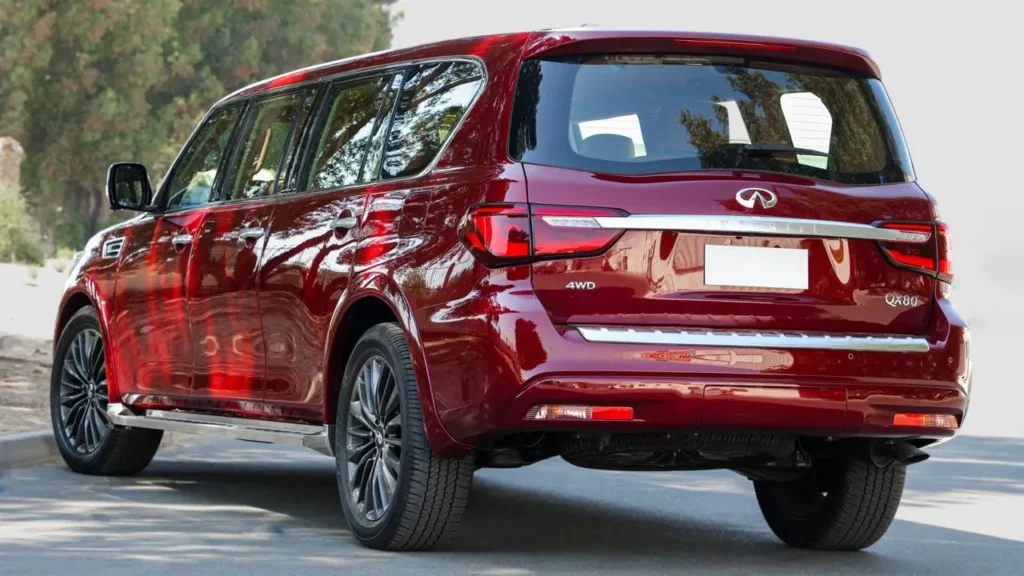
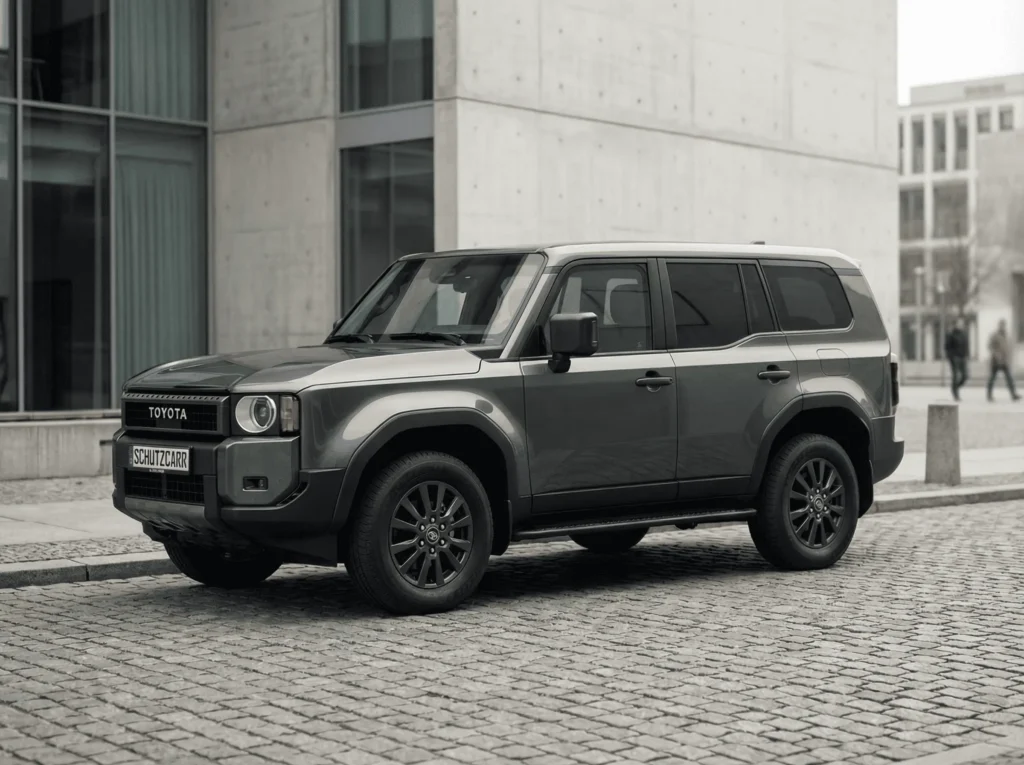
6. Infiniti QX80 4WD Extended BR6 — Best Under-the-Radar Luxury SUV
Quiet Luxury with Serious Protection
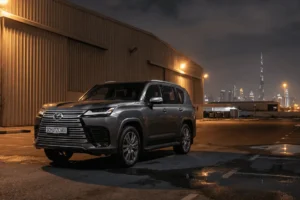
Not everyone wants to arrive in a Range Rover or a Land Cruiser—some buyers prefer a platform that blends into traffic. The Infiniti QX80 4WD Extended BR6 armored SUV fills that niche with a full-size luxury SUV that doesn’t scream “state convoy.”
Key points for civilian users:
- 360° BR6 ballistic protection including roof and floor.
- Spacious three-row interior, even after armoring adjustments.
- Discreet premium styling common in high-end family and corporate fleets.
Because the QX80 is less common as a visibly armored platform, it can be a smart choice for those who prioritize anonymity alongside protection—particularly in cities where Land Cruisers and Range Rovers stand out.
7. Toyota RHD Hilux 2.8L BR6 — Best Armored Pickup for Civilian Use
Why Pickups Belong on Your Shortlist
Armored pickups are often overlooked, but for many civilian and corporate use cases, they are the most practical choice. The Toyota RHD Hilux 2.8L BR6 combines a proven chassis, efficient diesel engine, and double-cab configuration with full BR6 protection.
For civilian applications, this suits:
- Security teams needing to carry gear in the bed while keeping personnel in a protected cabin.
- Mining, energy, and construction firms in higher-risk regions.
- Government field units that require civilian-registered tactical presence.
The Hilux build includes BR6 glazing, reinforced chassis, and run-flat tires. While pricing is not specified here, comparable armored pickups often undercut full-size luxury SUVs significantly, making them a strong value option.
Did You Know?
Armored SUVs typically see a fuel-efficiency reduction of about 8–15%, so factoring fuel and maintenance into your long-term budget is just as important as the initial purchase price.
8. When Civilian Buyers Should Consider MRAPs and APCs
MRAPs and APCs in Civilian Hands
For most private buyers, an armored SUV or pickup is enough. But certain civilian roles—humanitarian work near conflict zones, high-risk logistics, or critical-infrastructure protection—may call for MRAPs or APC-level protection. SchutzCarr builds civilian-legal MRAPs with mine resistance, V-hull thinking, and STANAG-level discipline, as outlined in their dedicated MRAP guide.
These vehicles focus on:
- Blast protection from mines and IEDs using V-shaped hulls.
- High seating positions and heavy-duty suspensions.
- Capacity for teams, equipment, and sometimes remote weapon stations (in government use).
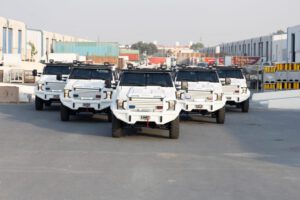
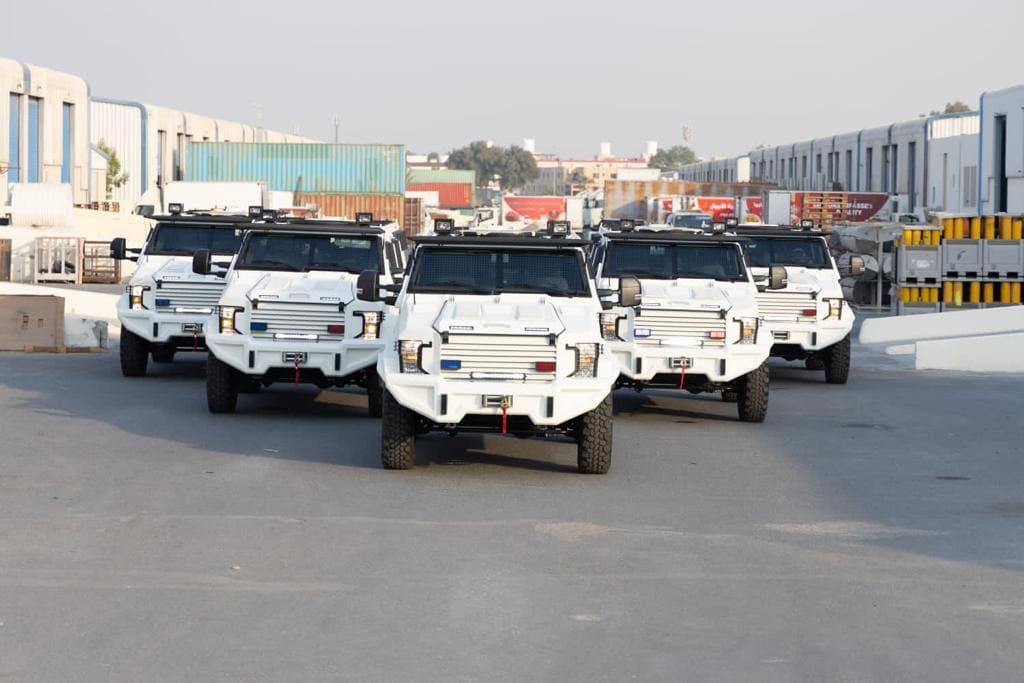
For mixed fleets, many organizations pair APCs such as APC MONO Q 4×4 or GER 1D with BR6 SUVs and pickups. The SUVs move staff discreetly, while APCs handle higher-threat segments of routes.
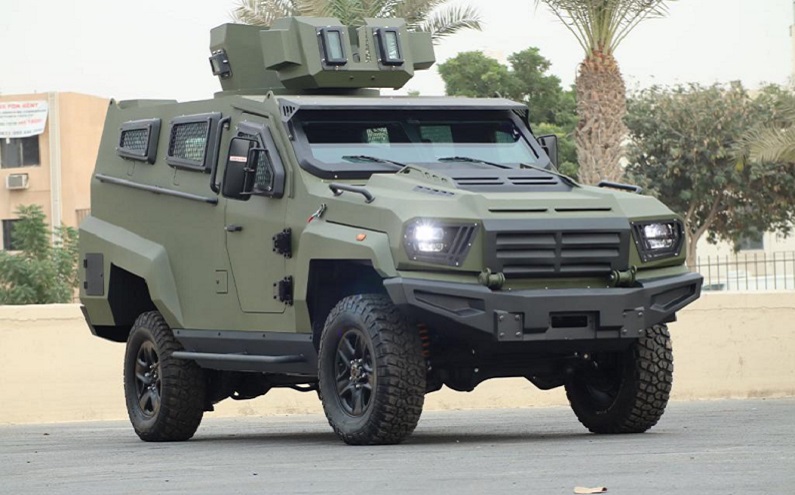
9. Black APC Tygor B7 and Other Tactical Platforms for High-Risk Civilian Roles
When BR7 APCs Make Sense
In very high-risk environments—such as protection of diplomats or critical assets in unstable regions—civilian operators sometimes deploy BR7 APCs alongside their armored SUVs. The Black APC Tygor B7 is one example, built with B7 protection and a tactical body optimized for off-road and rough terrain.
Although pricing on the Tygor B7 is listed as $TBD, you should expect APCs and MRAPs to cost more than typical armored SUVs, and to require dedicated drivers and maintenance routines. For many organizations, these vehicles act as “overwatch” or escort units while VIPs ride in more discreet BR6 SUVs.
10. Budgeting and Total Cost of Ownership for Armored SUVs
What Civilian Buyers Should Expect to Spend
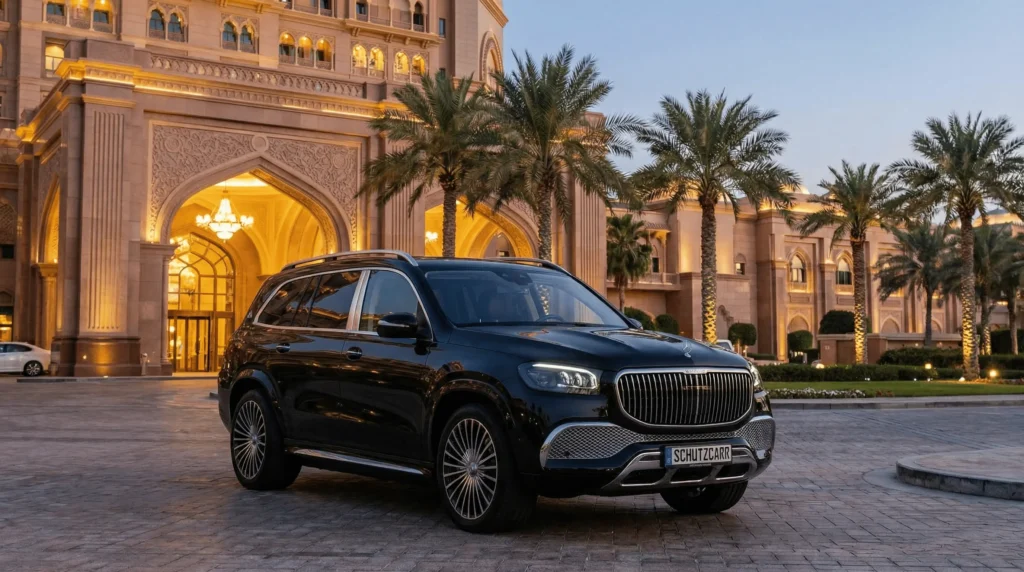
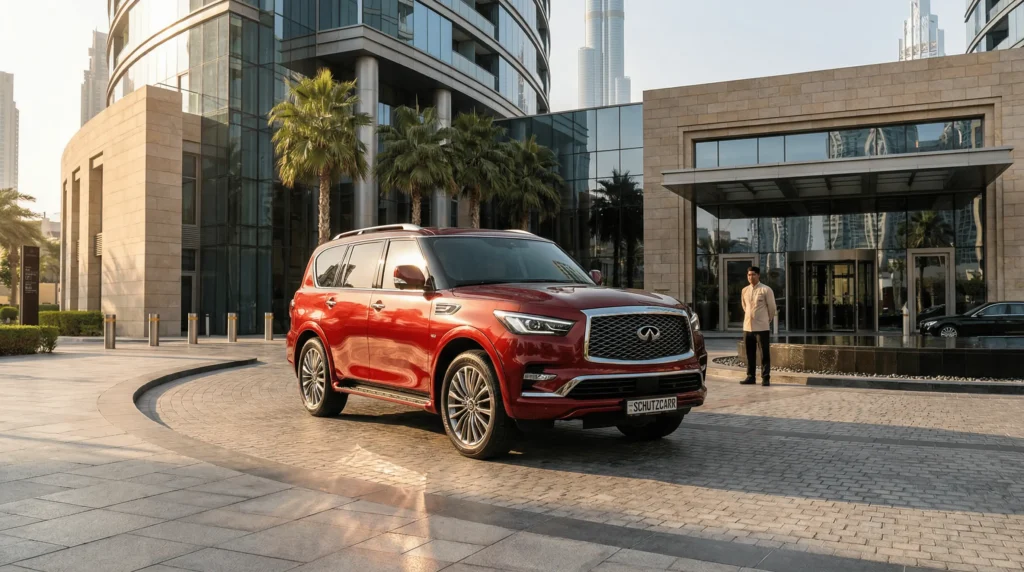
Armoring is a major investment. While the SchutzCarr models listed here often show $TBD pricing, broader market data helps set expectations. For example, armored full-size SUVs like Chevrolet Suburbans are commonly listed around $180,000–$350,000, while high-end armored Cadillac Escalade ESV builds can reach $298,000–$650,000 depending on level and options. Ultra-luxury armored sedans and SUVs based on Mercedes-Maybach can run even higher.
Beyond the purchase price, factor in:
- Increased fuel consumption (often 8–15% higher).
- More frequent brake and suspension servicing due to added weight.
- Specialty tire costs for run-flat systems.
For corporate fleets and NGOs, the right way to “choose the best armored SUV” is often to model five years of usage: fuel, drivers, maintenance, and resale—not just the base invoice number.
11. How to Shortlist and Compare Armored SUVs for Your Situation
A practical way to narrow down your options is to build a short comparison table for 3–5 candidates. For example, here’s how a civilian buyer might compare some of the platforms discussed above:
| Model | Protection Level | Role / Best Use | Luxury vs. Utility |
| Range Rover P530 Extended BR6 | BR6 | Executive travel, VIP convoys, city & highway | High luxury, high comfort |
| Toyota Land Cruiser 300 BR6 Extended | BR6 | Family + security, NGOs, mixed city/off‑road | Balanced luxury & utility |
| Toyota Land Cruiser 76 BR6/B7 | BR6 or BR7 | Harsh terrain, rural routes, security fleets | Utility-first, very rugged |
| Infiniti QX80 4WD Extended BR6 | BR6 | Discreet executive & family use | Luxury with lower profile |
| Toyota RHD Hilux 2.8L BR6 | BR6 | Security teams, industry operations, cargo + crew | Utility, cost-effective |
From there, ask each builder for:
- Certification documents (CEN, STANAG, or local lab reports).
- Detailed armoring map (what’s protected and to what level).
- Warranty terms on both the base vehicle and armoring work.
- Lead time and after-sales support in your country.
This structured approach keeps you focused on real safety and usability instead of cosmetic options.
Conclusion
Choosing the best armored SUV for civilian use is less about chasing the most aggressive-looking vehicle and more about matching a certified protection package to your real-world risks, routes, and budget. For many buyers, models like the Range Rover P530 Extended BR6, Toyota Land Cruiser 300 BR6 Extended, Toyota Land Cruiser 76, Infiniti QX80 Extended BR6, and Toyota RHD Hilux BR6 cover nearly every scenario—from discreet city commuting to rugged off-road security.
Start by defining your threat level and usage pattern, then shortlist a few platforms that fit those needs. Ask for certification, armoring maps, and clear warranty terms, and remember that total cost of ownership—fuel, maintenance, and training—matters just as much as the sticker price. With a structured approach and the right questions, you can select an armored SUV or pickup that quietly does its job every day: keeping people safe while still functioning as a practical civilian vehicle.