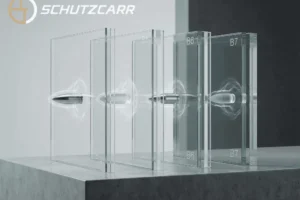

Armored trucks and heavy SUVs sit at the core of many security operations, from cash and asset movements to NGO logistics and high-risk overland travel. Civilian armored vehicles typically use ballistic protection levels from BR4 through BR7, with BR6 designed to withstand common rifle threats encountered in civilian security contexts, so choosing the right platform has direct implications for day-to-day safety and mobility. In this guide, we walk through the best armored trucks, SUVs, and MRAP-style platforms available today and how we see security teams using them in real-world programs.
Key Takeaways
| Question | Answer |
|---|---|
| What are the best armored trucks for mixed civilian and security operations today? | For many clients we support, a combination of BR6 SUVs (such as LC300, LC76, Infiniti QX80, and Maybach GLS 600) with heavier APC/MRAP platforms like APC MONO Q and SHARK works well. Our overview of options in the Armored Car Buyer’s Guide shows how these pieces fit together. |
| How do we choose between an armored SUV and a full APC or MRAP? | Armored SUVs prioritize road comfort, low profile, and everyday usability, while APCs and MRAPs focus on higher-capacity transport and enhanced protection features for higher-risk routes, including greater attention to underbody design. Our explanation of MRAP options in the civilian MRAP overview helps frame that decision. |
| Which armored trucks work best for gravel, rural, or off-road security routes? | We typically recommend the Toyota Land Cruiser 76 BR6/BR7 and APC platforms like MONO Q 4×4 for unpaved or deteriorated roads. The engineering focus on ladder-frame chassis, simple drivetrains, and reinforced suspension is detailed in our LC76 technical breakdown. |
| Are luxury armored platforms suitable for serious security work? | Yes, provided the armoring is comprehensive and tested. Vehicles like the Mercedes Maybach GLS 600 BR6 offer comprehensive all-around ballistic protection while maintaining a discreet, civilian appearance, as we outline in our Maybach GLS 600 armored guide. |
| What BR level is typically chosen for today’s security operations? | Most security operations we support standardize on BR6 for primary fleet vehicles, sometimes adding BR7 units for specific higher-risk roles. This is explained in context in our armored SUV comparison. |
| How do APCs fit into a protection fleet built mostly around SUVs? | APCs like APC SHARK or MONO Q usually handle higher-capacity transport, escort roles, or specialist team movements, with SUVs handling liaison, advance, and support tasks. We expand on this concept in our overview of APC SHARK and related APCs. |
| Where can we learn more about certification, testing, and documentation? | Understanding third-party ballistic testing, documentation, and export compliance is essential for any security fleet. Our detailed LC76 briefing in “Thinking About a Toyota Land Cruiser 76 BR6?” walks through how we approach documentation and verification. |
1. How We Define The “Best” Armored Trucks For Security Operations
When we talk about the best armored trucks and heavy SUVs for security operations, we focus on how consistently they support structured, repeatable work. That includes asset escort, secure personnel movement, NGO logistics, or routine high-risk commuting on public roads.
From our perspective, the ideal platform balances protection, reliability, occupant capacity, and lifecycle support. A BR6 SUV might be optimal for discreet urban work, while an APC MONO Q 4×4 or SHARK-class MRAP is more appropriate where capacity and blast mitigation are priorities.
Core evaluation criteria for armored trucks
- Protection envelope: Continuous BR6 or BR7 capsule, including ballistic glass, doors, roof, and floor reinforcement.
- Chassis and suspension: Ability to handle armor weight without compromising handling or braking.
- Operational profile: Urban, highway, mixed terrain, or primarily off-road routes.
- Maintenance and logistics: Availability of parts and technicians for extended use.
- Interior configuration: Seating, equipment stowage, and ingress / egress layout.
2. BR6 & BR7 Protection Levels: What Security Operators Actually Use
Choosing between BR6 and BR7 is effectively a question of risk profile and vehicle role. BR6 is widely used in civilian security operations because it is designed to withstand rifle threats while still allowing practical drivability and vehicle weight management.
BR7 armoring introduces additional weight and engineering complexity but is used on some platforms such as specific Land Cruiser 76 builds where a higher protection margin is required. In both cases, we focus on complete capsules with matching glass, body panels, and critical underbody reinforcement.
Key elements of a modern armored protection package
- Multi-layer ballistic glass with appropriate BR rating and overlap designs.
- Armored doors, pillars, and roof with carefully managed weight distribution.
- Floor and fuel-tank shielding intended to reduce secondary effects and debris exposure in higher-risk environments
- Run-flat systems to keep vehicles mobile after tire damage.
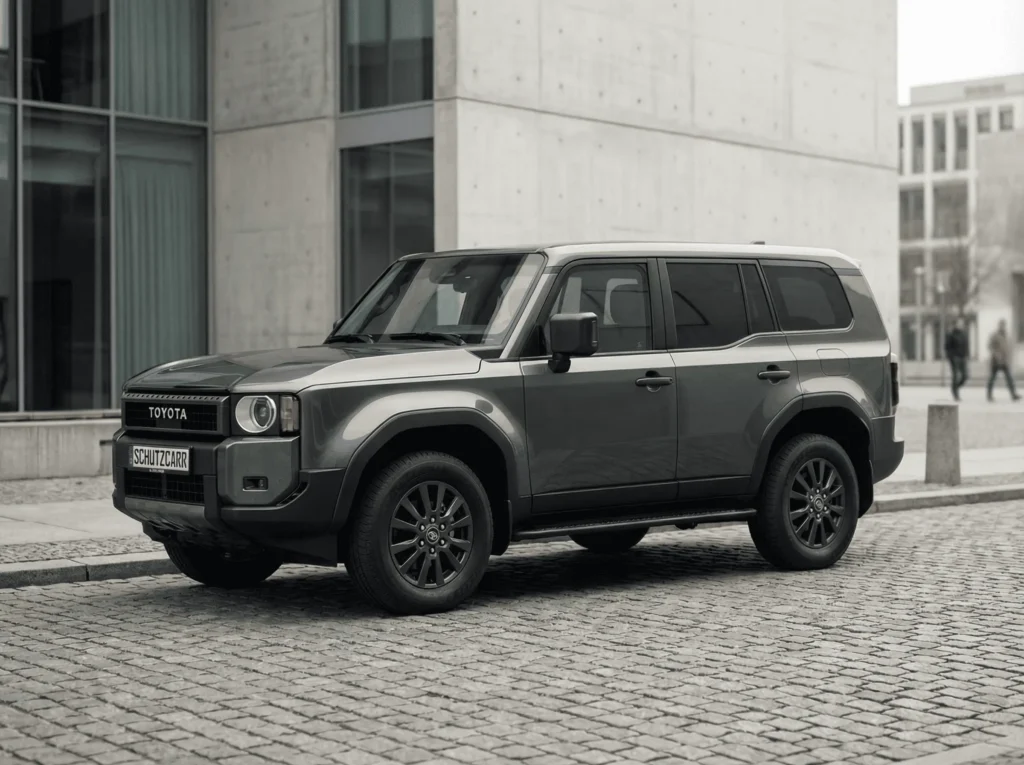
3. Toyota Land Cruiser 76 BR6 / BR7: The Classic Security Workhorse
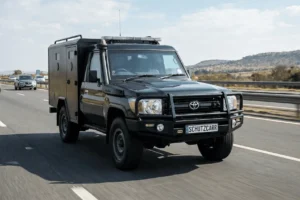
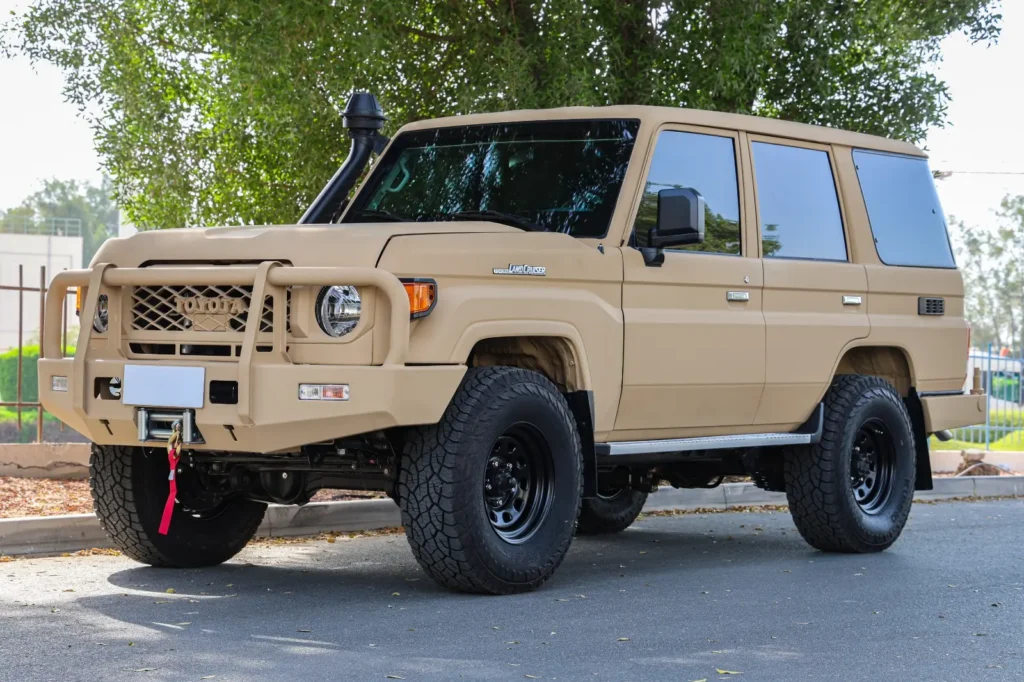
The armored Toyota Land Cruiser 76 sits at the center of many security fleets we support. Built on a ladder-frame chassis with a simple, proven drivetrain, it accepts BR6 and BR7 armor packages while preserving practical and familiar handling characteristics for trained drivers.
Our LC76 builds create a continuous armored capsule, including ballistic glass, reinforced doors and pillars, and upgraded suspension and braking to account for added weight. The result is a platform that security teams use for both urban work and remote routes where recovery support is limited.
Why security operations choose the LC76
- Configurable protection: BR6 or BR7 packages depending on risk profile.
- Rugged platform: High ground clearance and straightforward mechanical systems.
- Documented builds: Third-party ballistic testing and export documentation on our flagship configurations.
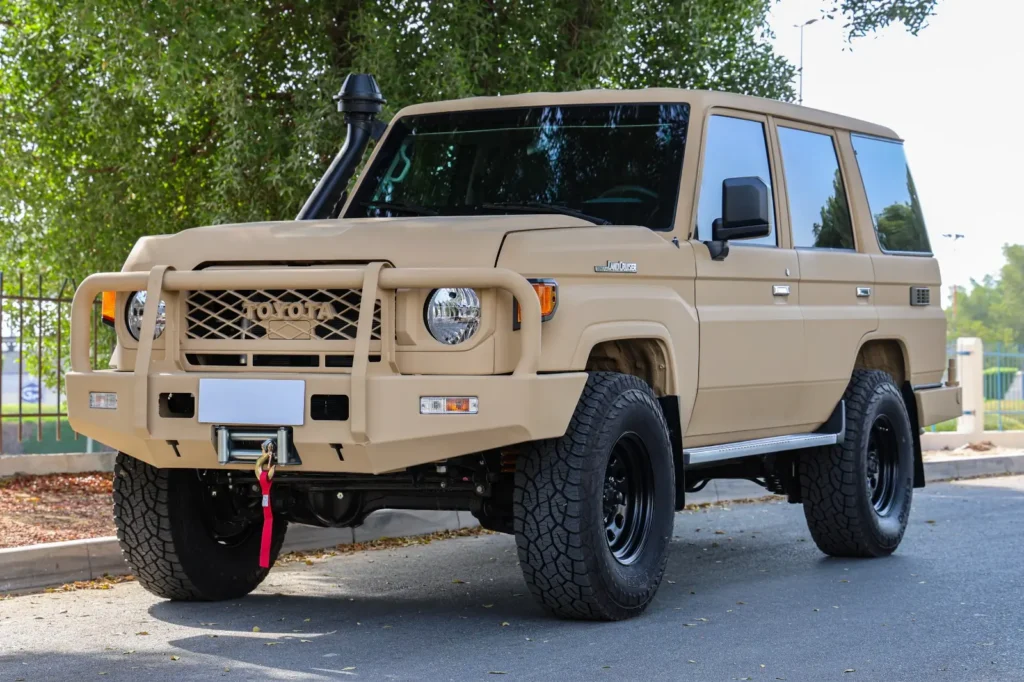
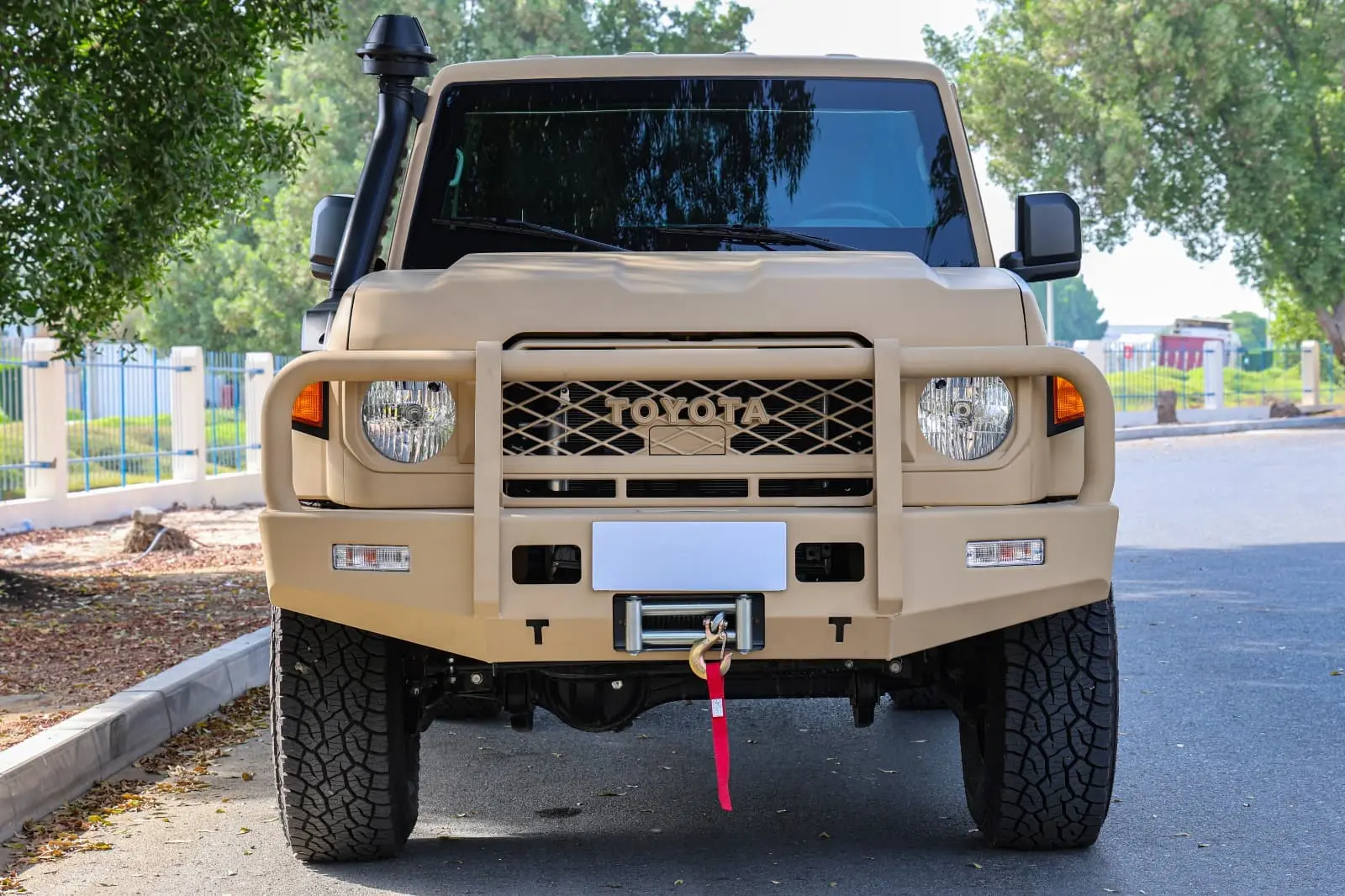
For teams that use the LC76 as a primary truck in their fleets, the details matter: door overlap design, hinge reinforcement, glass thickness, and how the weight is distributed across the axles. We standardize many of these elements across our LC76 builds so that training, maintenance, and spare-part planning stay consistent over time.
Did You Know?
Civilian armored vehicles commonly use ballistic protection levels BR4 through BR7, with BR6 designed to withstand rifle threats such as 7.62×51 mm NATO. Understanding this scale is central to specifying the right truck or SUV for any security fleet.
4. Toyota Land Cruiser 300 BR6 Extended: Modern All‑Rounder For Convoys
While the LC76 focuses on simplicity and ruggedness, the Toyota Land Cruiser 300 BR6 Extended emphasizes comfort and modern features without stepping away from serious protection. Security operations that move families, executives, or mixed groups often standardize on LC300-based trucks for primary convoy vehicles.
Our LC300 BR6 Extended builds use a continuous armored capsule covering the passenger cell with upgraded suspension to handle the additional mass. Extended configurations provide more room for occupants and gear, which matters in long-distance movements or when equipment like medical bags, communications cases, or document containers must travel inside the vehicle.
LC300 BR6 Extended in security operations
- Primary convoy SUV: Frequently used as lead and follow vehicles in mixed fleets.
- Balanced comfort and durability: Suitable for urban work and longer regional routes.
- Documented armoring: BR6 capsule with attention to roof and floor reinforcement.
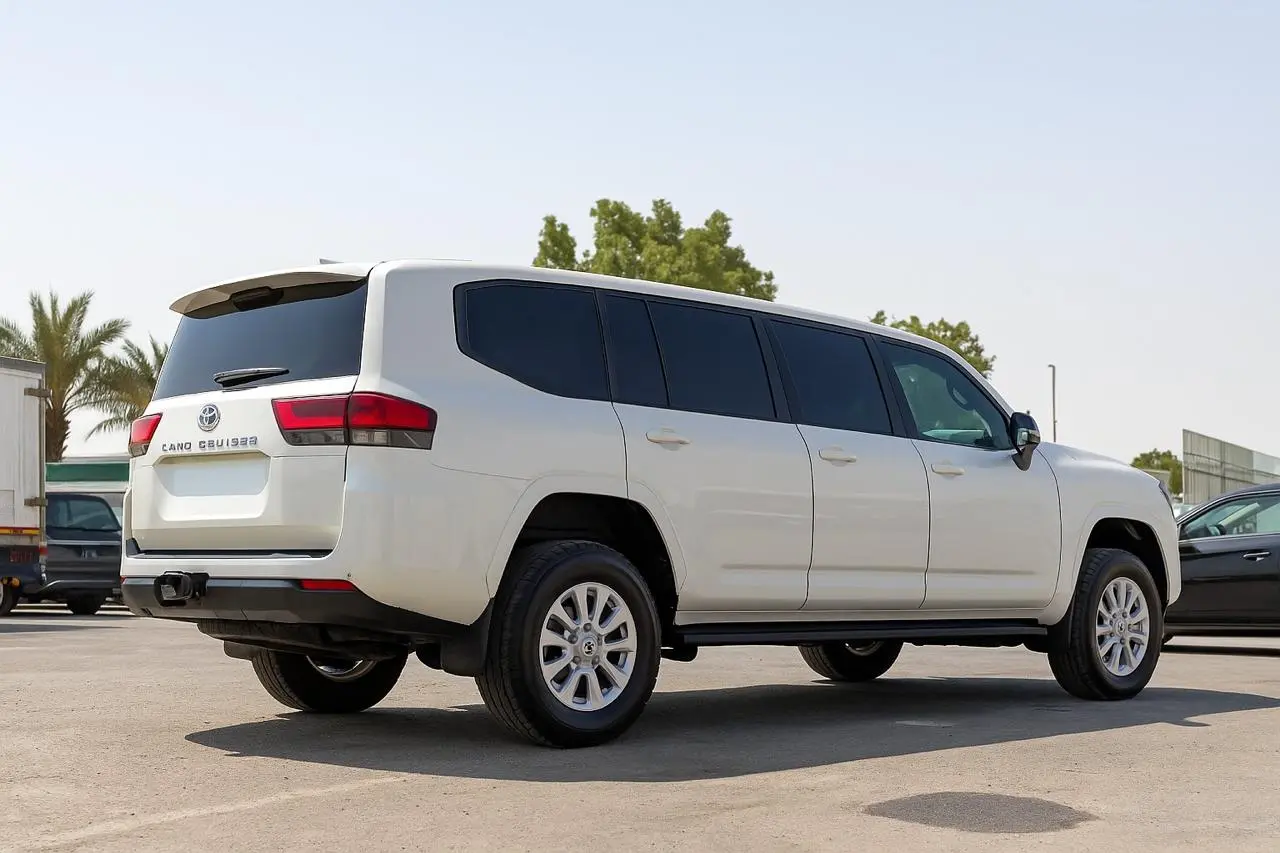
Many teams pair LC300 BR6 Extended units with at least one heavier APC or MRAP for specialist roles, creating a layered fleet where each vehicle has a clearly defined purpose. We design our LC300 builds with that context in mind, ensuring interoperability with other platforms in terms of communications equipment, lighting, and cargo layout.
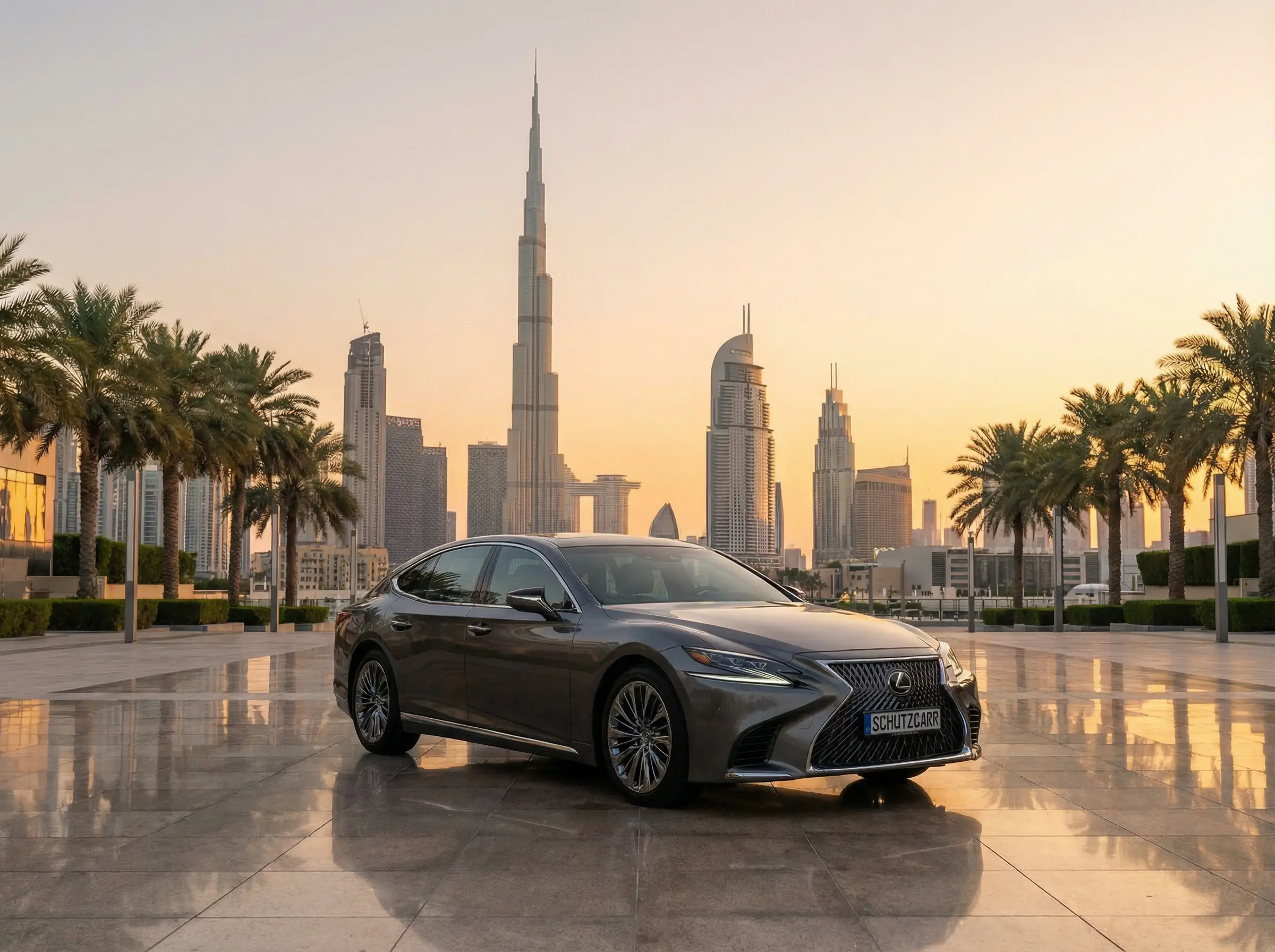
5. Infiniti QX80 BR6 Extended: Full‑Size Luxury Truck For Long Routes
For operations where comfort on long routes is a priority, the Infiniti QX80 BR6 Extended offers a full-size SUV platform with a spacious, high-end interior. Underneath the luxury finishes, the QX80 is a body-on-frame truck, which makes it a suitable base for a 360° BR6 armored capsule.
Our QX80 BR6 Extended configuration focuses on combining rifle-level protection with quiet road manners and a refined cabin. This combination suits use cases such as executive shuttles, long intercity transfers, or support vehicles in NGO and corporate fleets where occupants may spend many hours on the road each week.
Where QX80 BR6 fits best
- Primary or secondary convoy vehicle for longer distances.
- Use cases where a high-comfort interior is requested alongside robust armor.
- Mixed terrain operations that are mostly on-road but occasionally involve poor surfaces.
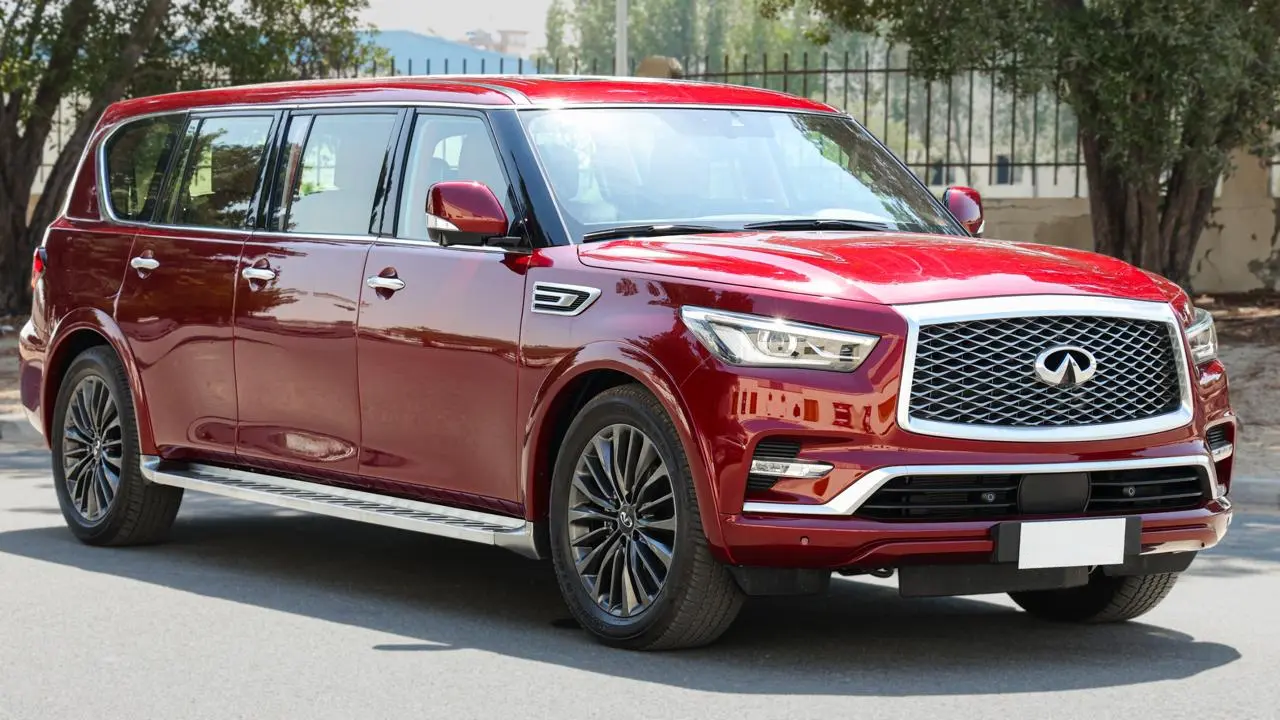
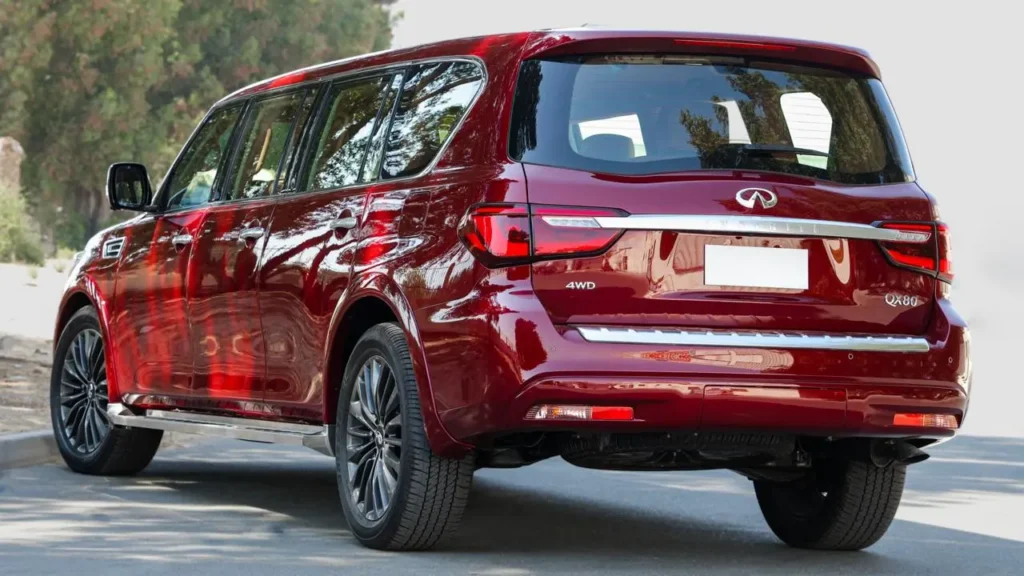
From a fleet-planning perspective, QX80 BR6 Extended units often complement Land Cruisers and APCs. The shared BR6 standard across different platforms simplifies training around vehicle behavior, stopping distances, and the effects of armor weight on handling.
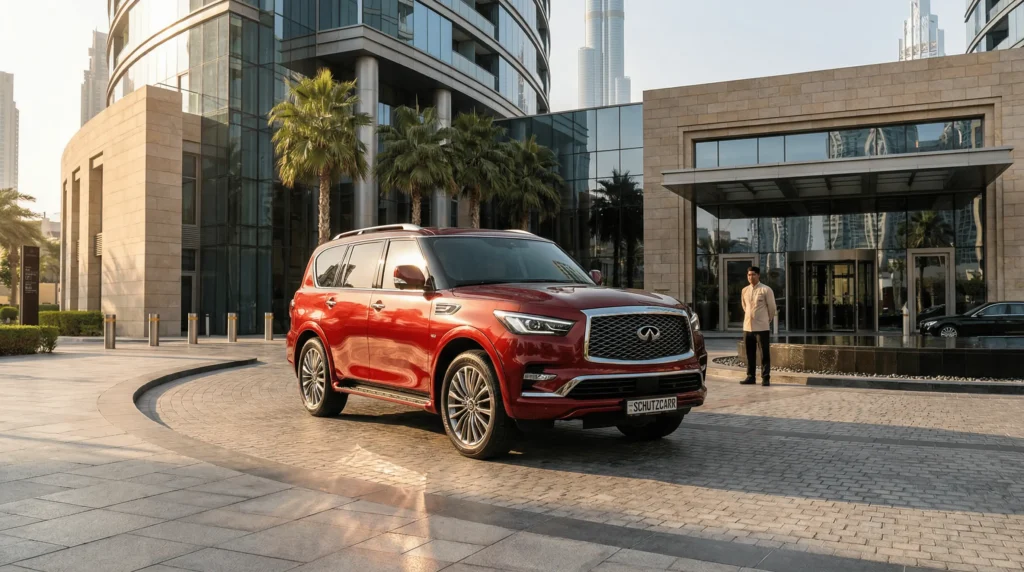
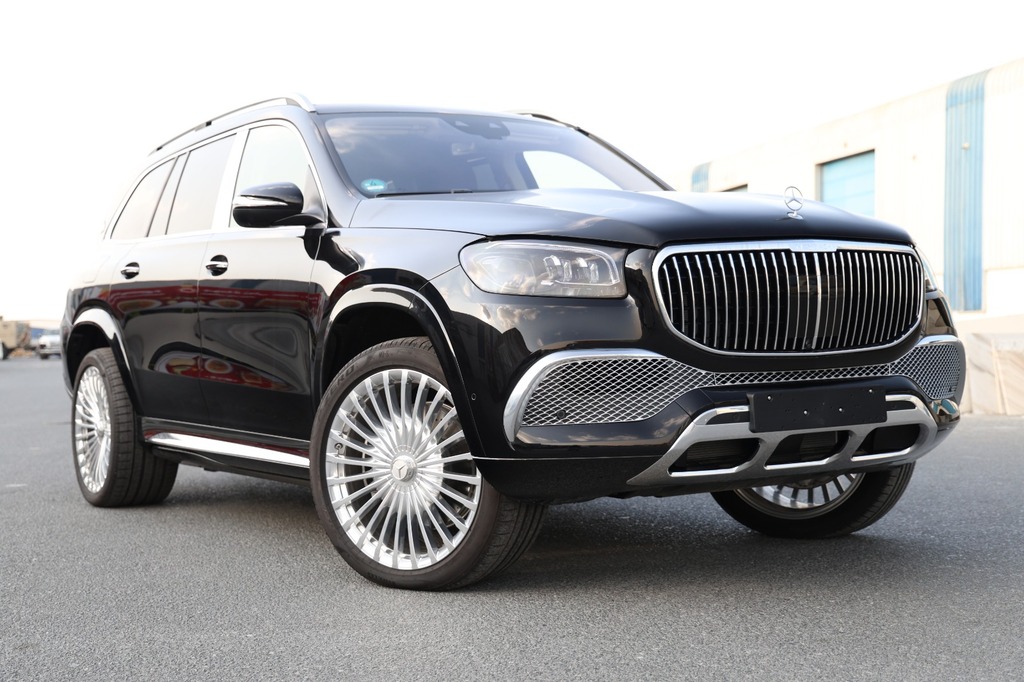
6. Mercedes Maybach GLS 600 BR6: Discreet Luxury In Armored Form
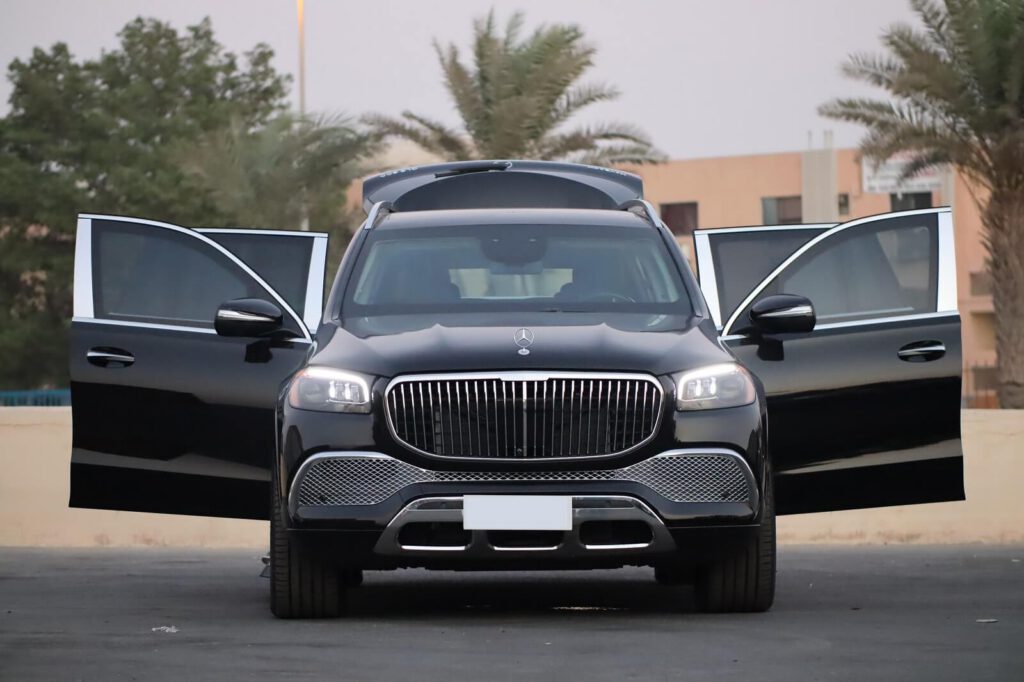
Not every security operation involves visibly rugged trucks. In scenarios where discretion, protocol, or brand image matter alongside protection, the Mercedes Maybach GLS 600 BR6 serves as a luxury armored platform with 360° coverage. Under the surface-level luxury, it is a serious BR6 build with roof and floor reinforcement.
We engineer Maybach GLS 600 armored builds to preserve the original cabin experience as much as possible while integrating BR6 / FB6 armoring, run-flat systems, and upgraded suspension. This is a common choice when senior decision-makers must be moved regularly but still require a civilian, low-profile exterior.
Typical roles for Maybach GLS 600 BR6
- Primary transport for senior stakeholders when protocol and comfort are priorities.
- Discreet city operations where rugged APCs would draw unnecessary attention.
- Fleet flagship in mixed lineups that also include LC76, LC300, and APC platforms.
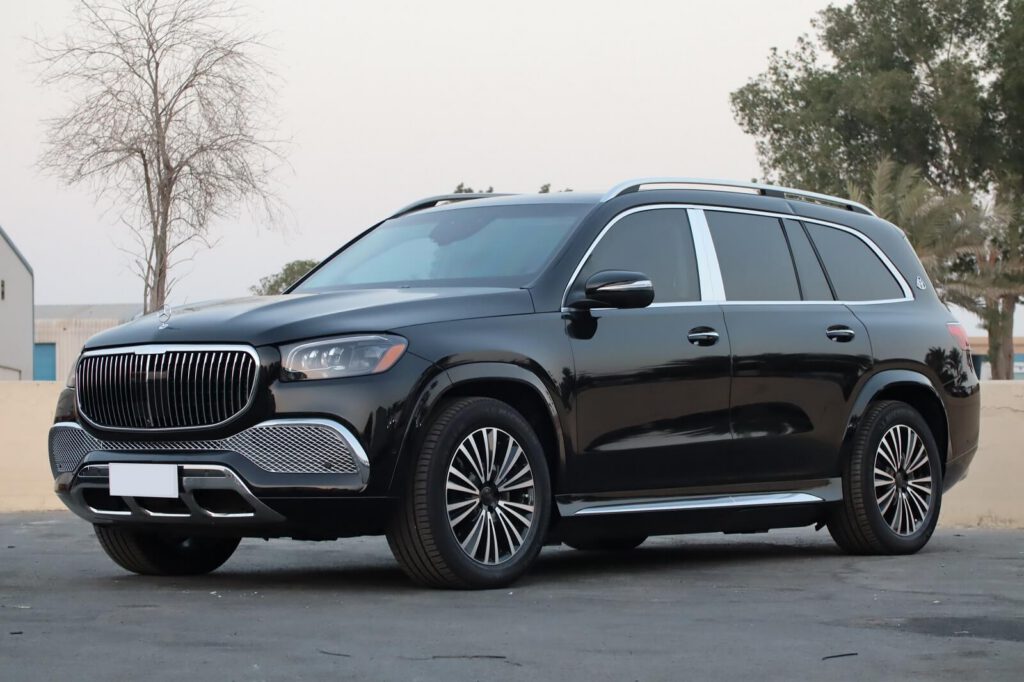
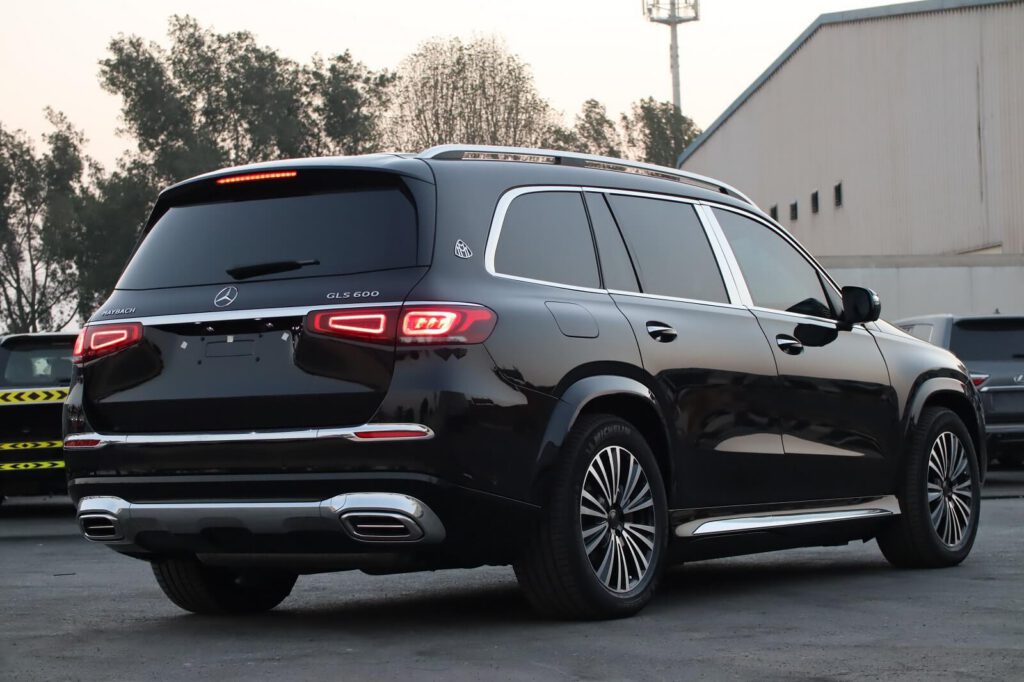
Because luxury SUVs often serve in executive and protocol roles, interior configuration, ride quality, and noise levels become part of the selection criteria. By starting with the Maybach GLS 600 platform and then applying a BR6 capsule, we give security teams a way to meet those expectations without stepping away from serious protection.
Did You Know?
Bulletproof glass on civilian armored vehicles typically falls between BR4 and BR7, and many BR6–BR7 builds incorporate run-flat tires as standard. This combination gives security fleets both ballistic resistance and the ability to keep moving after tire damage.
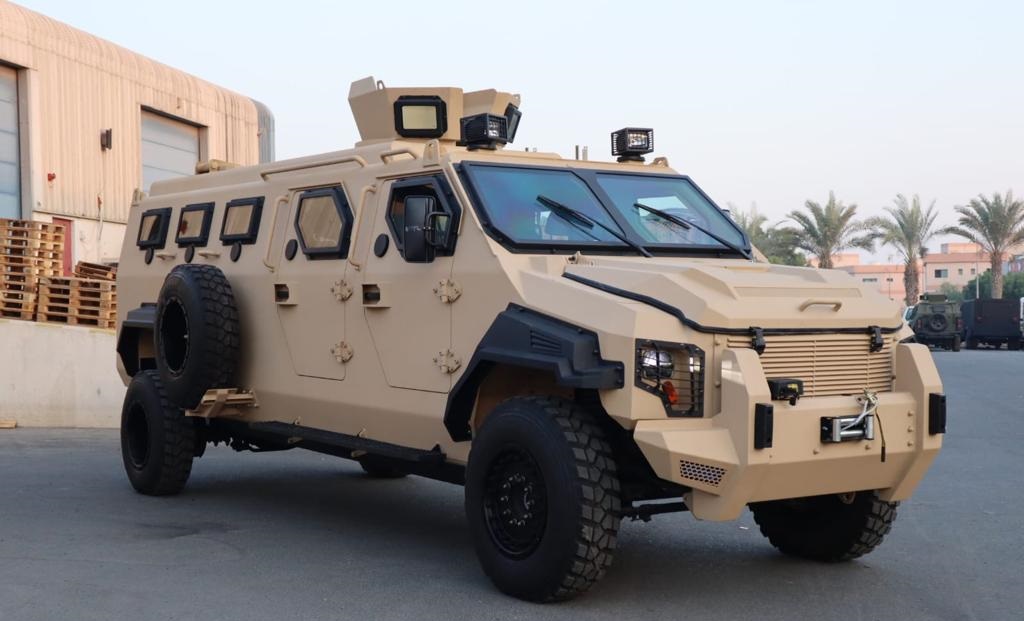
7. APC MONO Q 4×4: High‑Capacity Armored Truck For Security Transport
At some point, a security operation outgrows purely SUV-based fleets. When that happens, we usually introduce an armored personnel carrier such as the APC MONO Q 4×4. This platform focuses on secure group transport with 360° armor and a design that prioritizes ingress, egress, and interior flexibility.
APC MONO Q 4×4 sits on a robust truck base, with armor integrated as a full capsule around the cabin and crew compartment. In our buyer’s guides, we describe it as a bridge between traditional armored SUVs and heavier MRAP-class vehicles like SHARK.
How APC MONO Q supports security operations
- Higher capacity: Suitable for moving teams, staff, or mixed personnel in a single vehicle.
- 4×4 mobility: Designed to handle poor road conditions and rural routes.
- Fleet integration: Frequently used alongside LC76 and LC300 in layered security fleets.
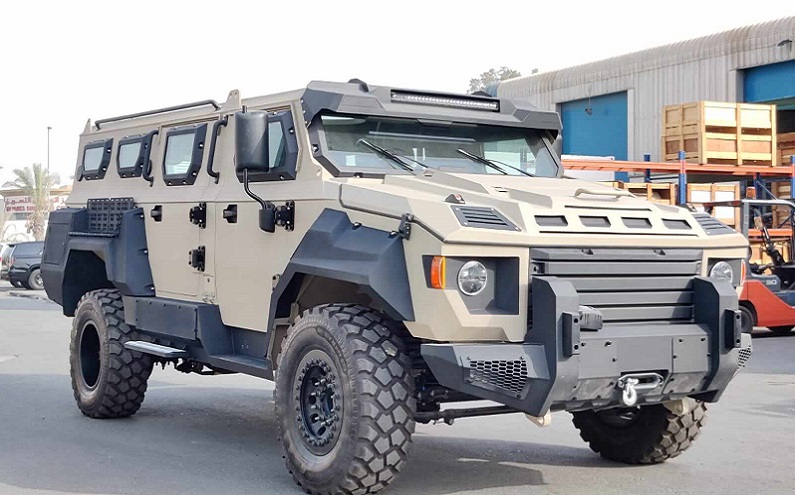
Because MONO Q is purpose-built as an APC, we can configure seating layouts, internal storage, and auxiliary systems around the client’s specific security tasks. That might include additional communications equipment, secure storage compartments, or medical support layouts, while still retaining the core BR protection envelope.
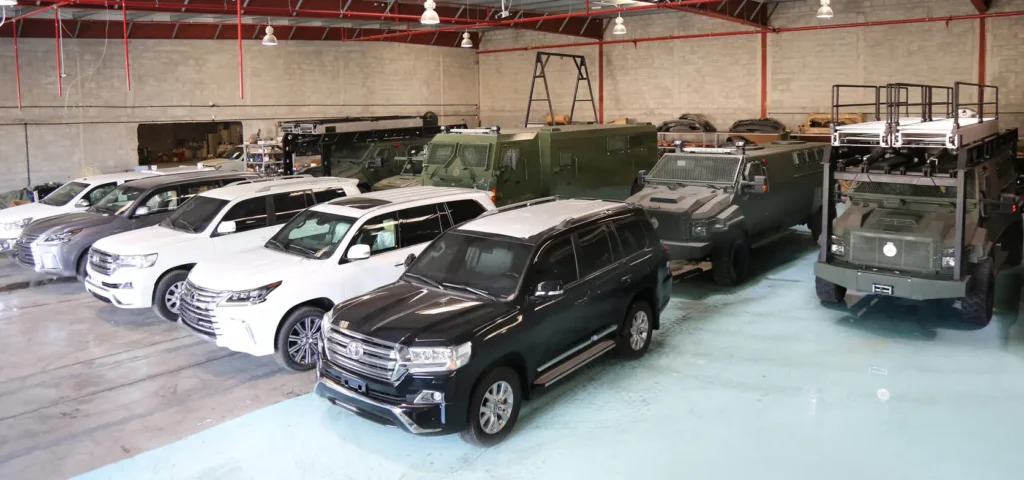
8. APC SHARK & GER‑1D: MRAP‑Style Armored Trucks For High‑Risk Routes
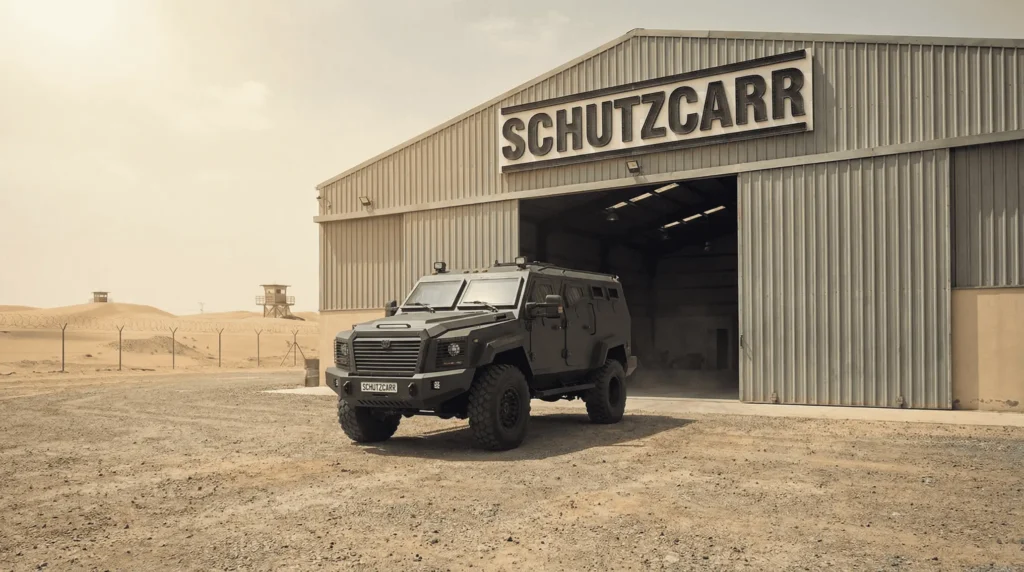
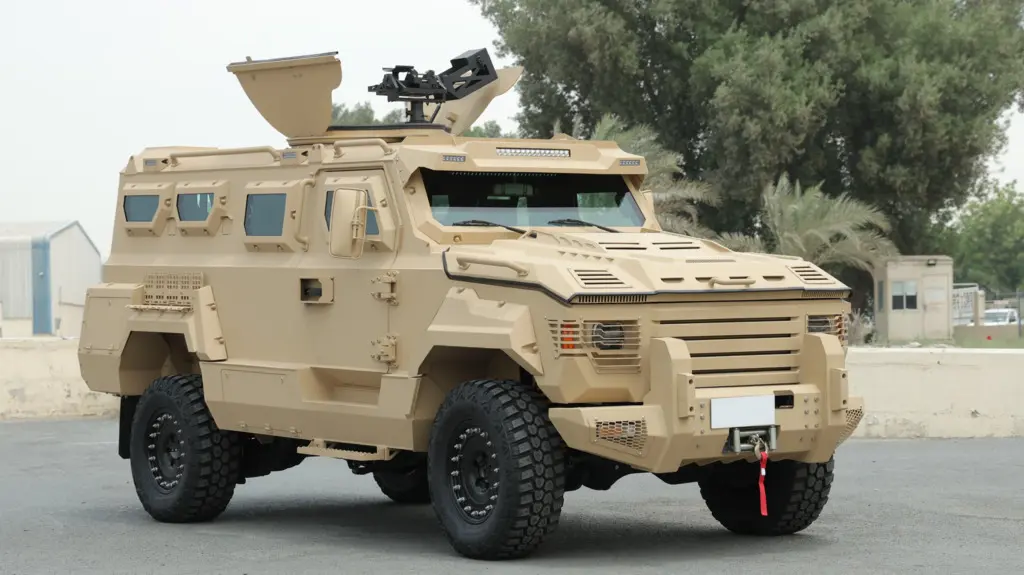
At the heaviest end of our civilian lineup are MRAP-style platforms such as the APC SHARK and GER‑1D. These are built around design principles like V-hull underbody geometry, elevated crew capsules, and blast-mitigation design features intended to improve occupant protection in higher-risk environments.
Security operations that select SHARK-class or GER‑1D platforms typically need to move larger groups or operate along routes that justify additional emphasis on underbody and structural protection. These vehicles often serve as anchor units in convoys, with armored SUVs handling support and liaison functions.
Key MRAP-inspired features
- V-shaped underbody structures to help deflect blast energy away from the cabin.
- Elevated seating positions for enhanced situational awareness.
- Flexible interiors that can be configured for personnel, equipment, or mixed roles.
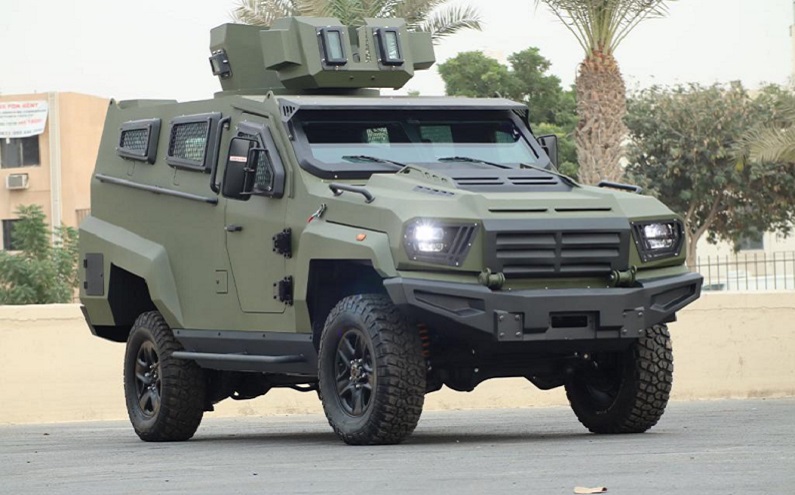
From a fleet-design standpoint, we often see SHARK and GER‑1D platforms paired with at least two or three BR6 SUVs to form a mixed convoy. This layered approach lets teams adapt vehicle tasking day by day while maintaining a consistent standard of ballistic and blast protection across the fleet.
9. Building A Mixed Security Fleet: SUVs, APCs, And MRAPs Together
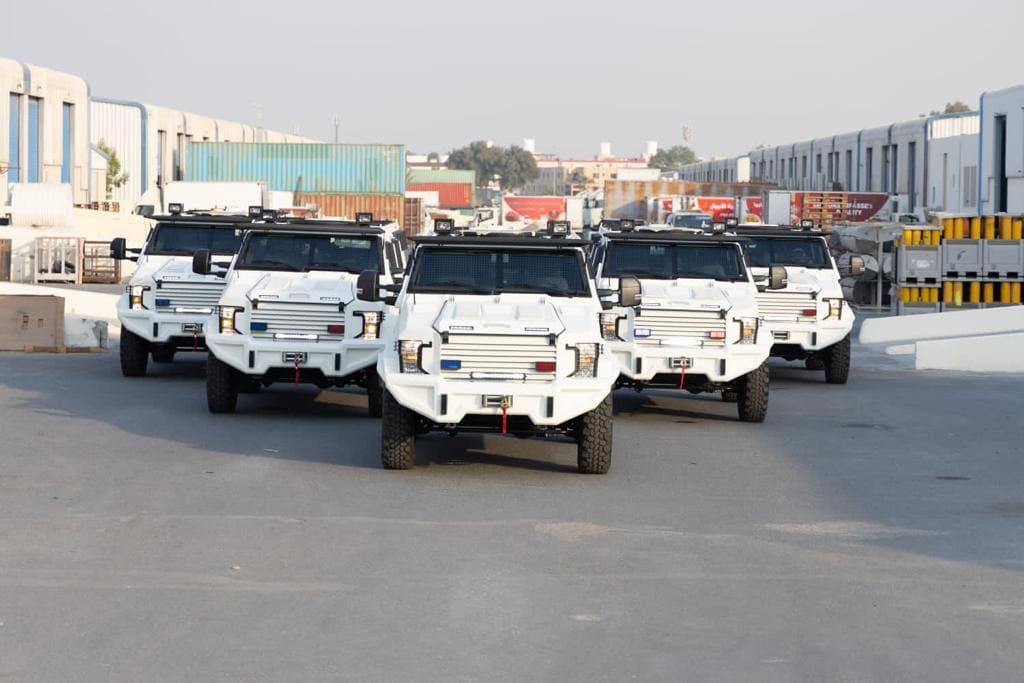
Most security operations do not rely on a single armored truck model. Instead, they combine SUVs, APCs, and MRAP-style vehicles, assigning each platform type a specific role in daily operations. This mix gives planners flexibility in routing, occupancy, and tasking while still standardizing around BR6 or BR7 armoring.
In practical terms, that might mean LC76 and LC300 units handling everyday movements, a QX80 BR6 for longer transfers, a Maybach GLS 600 for protocol work, and APC MONO Q or SHARK-class vehicles for larger groups or higher-risk routes. When advising security teams, we prioritize a common protection baseline and consistent documentation across the fleet.
Typical role breakdown in a mixed fleet
- Discreet luxury: Maybach GLS 600 and similar SUVs.
- Primary convoy trucks: LC300 BR6 Extended, QX80 BR6 Extended.
- Rugged route vehicles: LC76 BR6 / BR7, MONO Q 4×4.
- High-capacity / MRAP style: SHARK, GER‑1D, and related APCs.
For readers planning or refreshing a fleet, a useful exercise is to map current and expected tasks, then assign each to a vehicle category. From there, it becomes much clearer which platforms are essential and how many of each type are needed to provide redundancy and coverage without unnecessary complexity.
10. Operational Details That Separate Good From Great Armored Trucks
On paper, many armored trucks and SUVs may look similar. In day-to-day security operations, small engineering and design choices make a visible difference in safety, comfort, and uptime. We focus heavily on these details when we design and deliver platforms.
Examples include hinge and latch reinforcement on heavily armored doors, clear sightlines through ballistic glass, interior ergonomics that allow fast entry and exit, and thoughtful routing of electrical systems for auxiliary lighting and communications. These elements often determine whether a vehicle feels like a cohesive tool or an improvised solution.
Checklist when evaluating armored trucks for security work
- Confirm the BR rating applies to glass, body, and critical underbody zones, not just selected panels.
- Inspect door operation, hinges, and seals under full armor weight.
- Assess visibility, noise levels, and ride quality during an extended test drive.
- Review documentation for ballistic testing, quality control, and export / registration support.
We also encourage clients to involve their drivers and security staff early in the selection and configuration process. Those teams will live with the vehicles every day, and their perspective on visibility, maneuverability, and interior layout often surfaces practical considerations that might not appear in a technical spec sheet.
Conclusion
Selecting the best armored trucks for security operations today is less about a single model and more about building a coherent fleet around clearly defined roles. BR6 and BR7 SUVs like the Toyota Land Cruiser 76 and 300, Infiniti QX80, and Mercedes Maybach GLS 600 cover a wide range of daily tasks, while APCs and MRAP-style platforms such as APC MONO Q, SHARK, and GER‑1D address higher-capacity and higher-risk requirements.
When we work with clients, we focus on protection levels, chassis robustness, interior configuration, and the documentation that underpins long-term, compliant operation. By approaching armored trucks as long-term operational tools rather than isolated purchases, security teams can assemble fleets that remain reliable, adaptable, and aligned with their risk profiles over time.