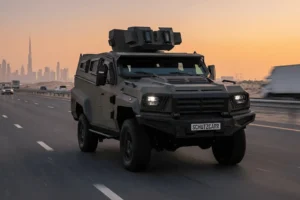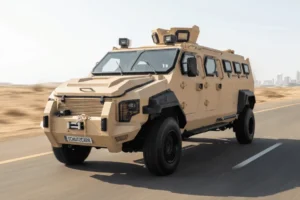

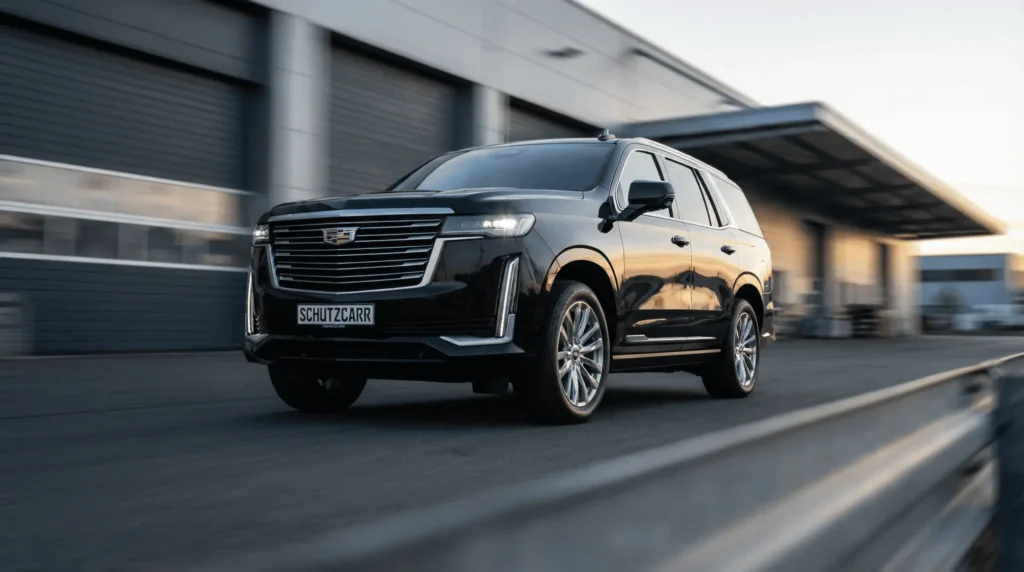
The civilian armored vehicle market reached about USD 3.66 billion in 2024, which shows how many individuals and organizations already rely on protected vehicles in daily life. Understanding how civilian and commercial armored use cases differ is the first step to choosing the right platform with SchutzCarr.
Key Takeaways
| Question | Short Answer |
|---|---|
| What is the main difference between civilian and commercial armored vehicle use cases? | Civilian use focuses on personal security, discretion, and comfort, while commercial use centers on fleet duty cycles, payload, and structured operations, as outlined in our armored cars explained guide. |
| Which armored vehicles work best for private individuals? | Luxury SUVs and discreet sedans, such as the platforms reviewed in our best armored SUVs for civilian use overview, usually suit private buyers. |
| When are MRAP-type vehicles appropriate? | They are typically chosen for structured operations, NGO field work, or high-risk routes, which we detail in our MRAP for civilian protection collection. |
| How do commercial users choose between SUVs, pickups, and APCs? | They match platform type to payload, staffing, and route risk, using frameworks similar to our armored truck platform guide. |
| What role do protection levels like BR6 or BR7 play in use cases? | Protection levels translate realistic risk into practical specification choices, explained in our bulletproof car guide. |
| How important is vehicle weight for daily use? | Very important, especially for civilian users who drive frequently, which we unpack in our armored SUV weight trade-offs article. |
| Where can I see specific SUV platforms used in both civilian and commercial roles? | Our armored Toyota Land Cruiser 300 GXR guide shows how a single platform can serve private and organizational needs. |
Civilian vs Commercial Armored Vehicles: How We Define Each Use Case
When we talk about “civilian” armored vehicles at SchutzCarr, we usually mean individually owned or small-fleet vehicles focused on personal safety, comfort, and discretion. “Commercial” use cases cover vehicles that operate as tools for a business or organization, where payload, uptime, and standardized specifications matter as much as personal comfort.
Civilian buyers typically prioritize blending in, using platforms that look close to factory-spec SUVs or sedans. Commercial operators often accept a more utilitarian look if it improves capacity, durability, or fleet management.
- Civilian use: family transport, executive travel, high-net-worth individual mobility, and close protection details.
- Commercial use: logistics of people or valuables, NGO field movement, utility work, and structured security operations.
Both categories rely on the same engineering fundamentals, such as proper chassis reinforcement, certified ballistic glass, and correct suspension upgrades. The difference lies in how those capabilities are combined and prioritized for real-world duties.
Protection Levels and Risk Profiles: Matching BR6, BR7 and Platforms to Real Life
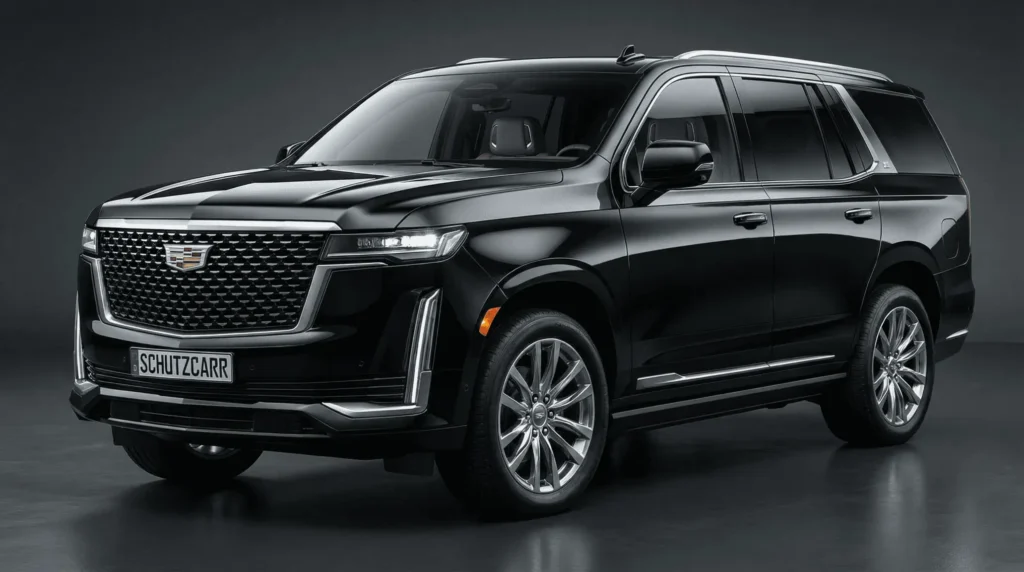
Across both civilian and commercial use cases, protection levels such as B4 to B7 and BR6 are a shared language that converts risk into specifications. Civilian buyers often select BR6-type protection, which our guides present as a balanced choice between weight, mobility, and real-world ballistic resistance.
Commercial operators sometimes standardize on a protection level for an entire fleet to simplify training, maintenance, and documentation. They might select higher levels for specific routes or roles, then use lighter armoring where mobility and fuel range matter more.
| Protection Level | Typical Civilian Use | Typical Commercial Use |
|---|---|---|
| B4/B5 | Urban sedans and SUVs where discretion and low weight matter. | Low-profile liaison or supervision vehicles. |
| BR6/B6 | Family SUVs, executive transport, daily-driver armored vehicles. | Standard security fleets, NGO field vehicles, some cash and valuables transport. |
| B7/BR7 | Less common for private buyers, typically for higher perceived risk. | Specialized fleet segments, certain APC or MRAP-based solutions. |
In practice, we guide buyers through “threat mapping” rather than starting from a specific level number. Our Armored Car for Sale: Ultimate Buyer’s Guide explains how B4 to B7 relate to real environments and driving patterns.
Daily Civilian Use: Armored SUVs as Family and Executive Vehicles
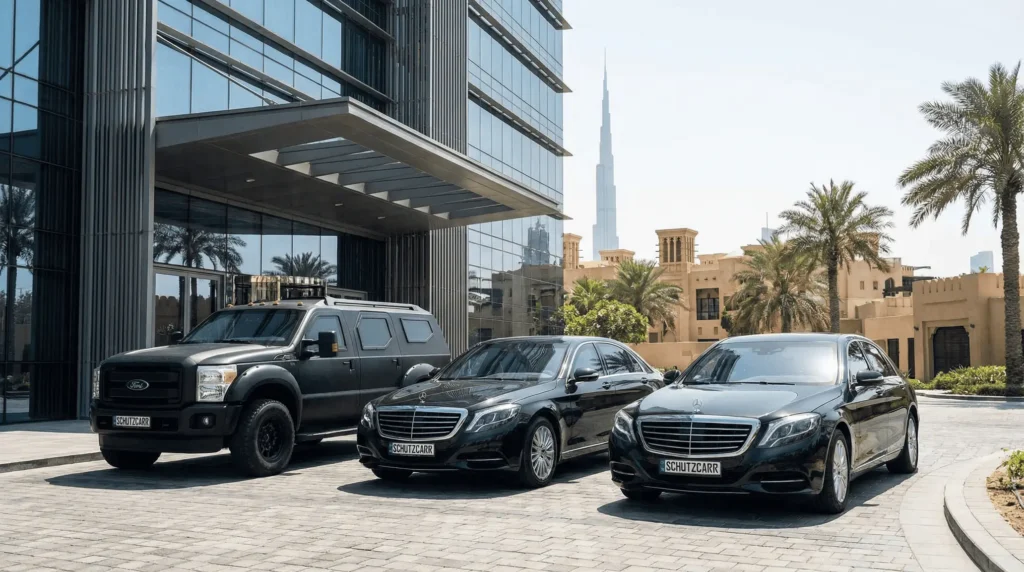
For many private buyers, an armored SUV is simply their primary family or executive vehicle that happens to include integrated protection. Our 10 Best Armored SUVs for Civilian Use article focuses on platforms that still park in hotel driveways and shopping centers without drawing unwanted attention.
Luxury Civilian SUVs for Discreet Protection
Luxury platforms like the Mercedes Maybach GLS 600 provide full perimeter armoring with high comfort, making them suitable for executive and family use alike. They often include BR6/FB6 protection with carefully tuned suspension and noise isolation so occupants experience typical high-end SUV comfort.
Rugged Civilian Platforms for Mixed City and Off-road Use
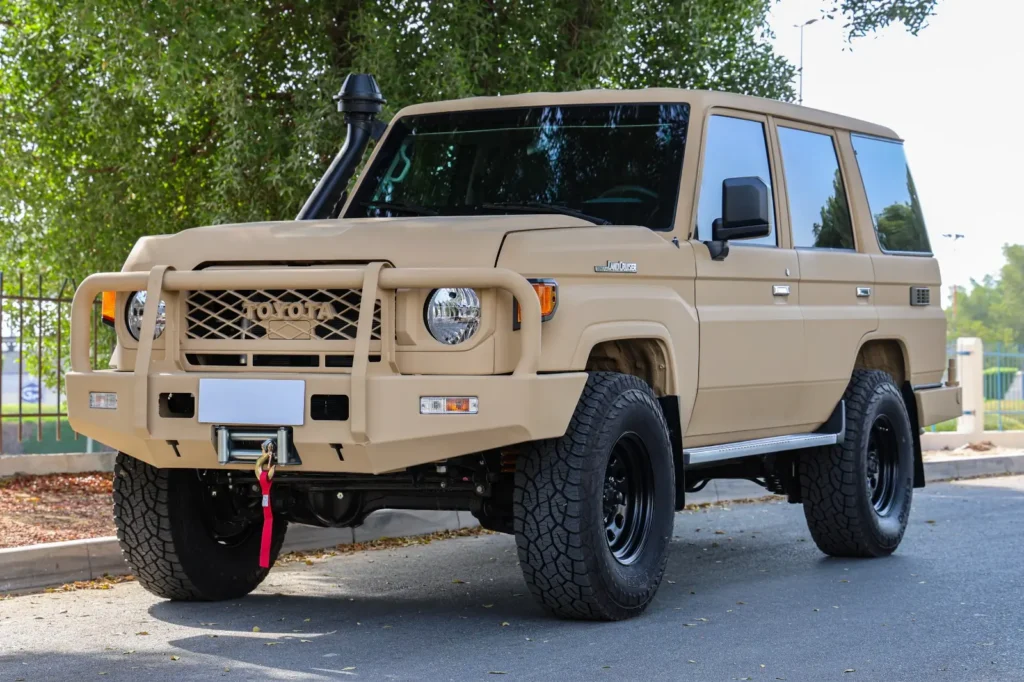
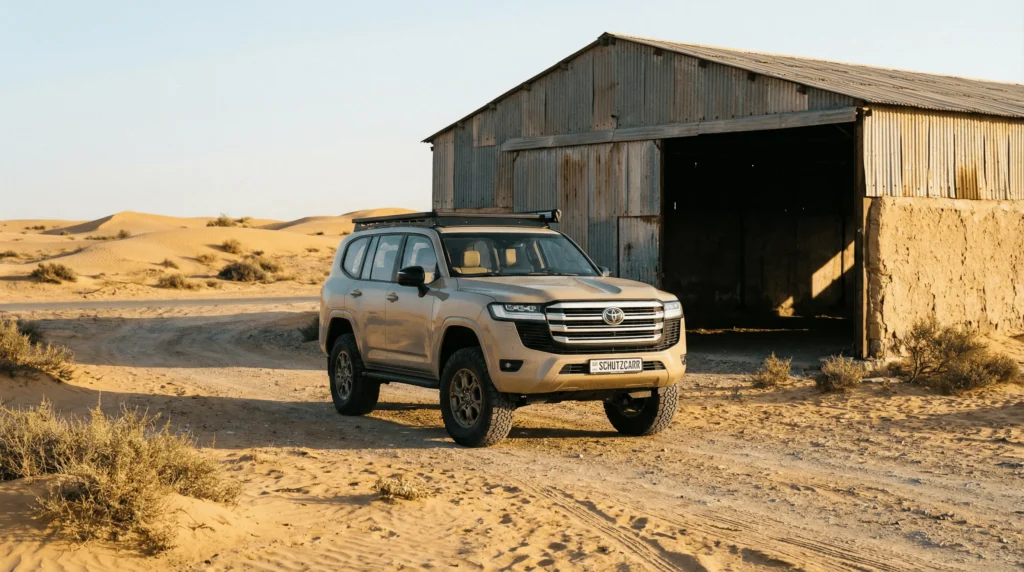
Vehicles such as the Toyota Land Cruiser 300 or Land Cruiser 76 appeal to civilians who drive both in cities and on rougher roads. These platforms carry armoring without sacrificing basic serviceability or the ability to operate in remote areas with modest support.
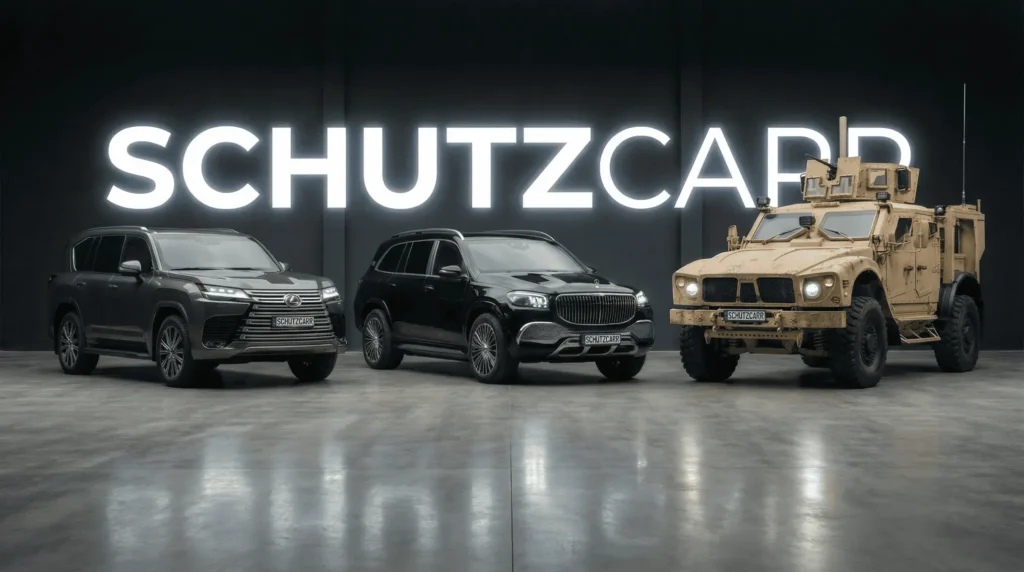
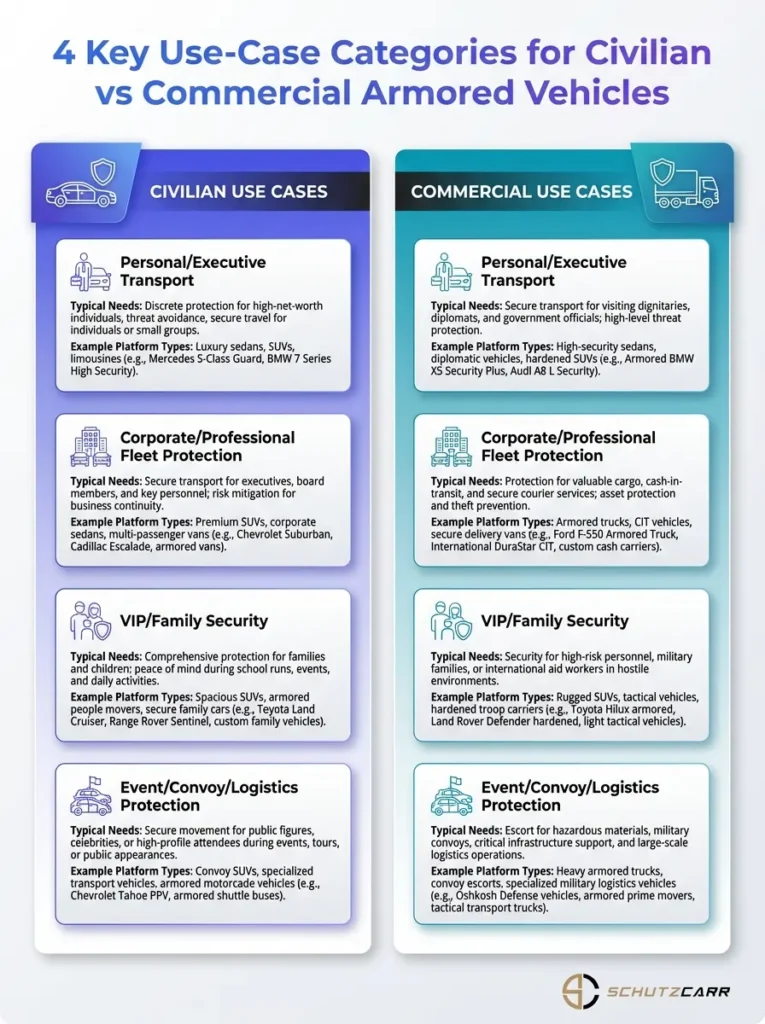
This infographic highlights four primary use-case categories for civilian and commercial armored vehicles. It helps readers compare how each category applies in real-world scenarios.
Commercial Use Case 1: Cash-in-Transit and Valuables Transport Fleets
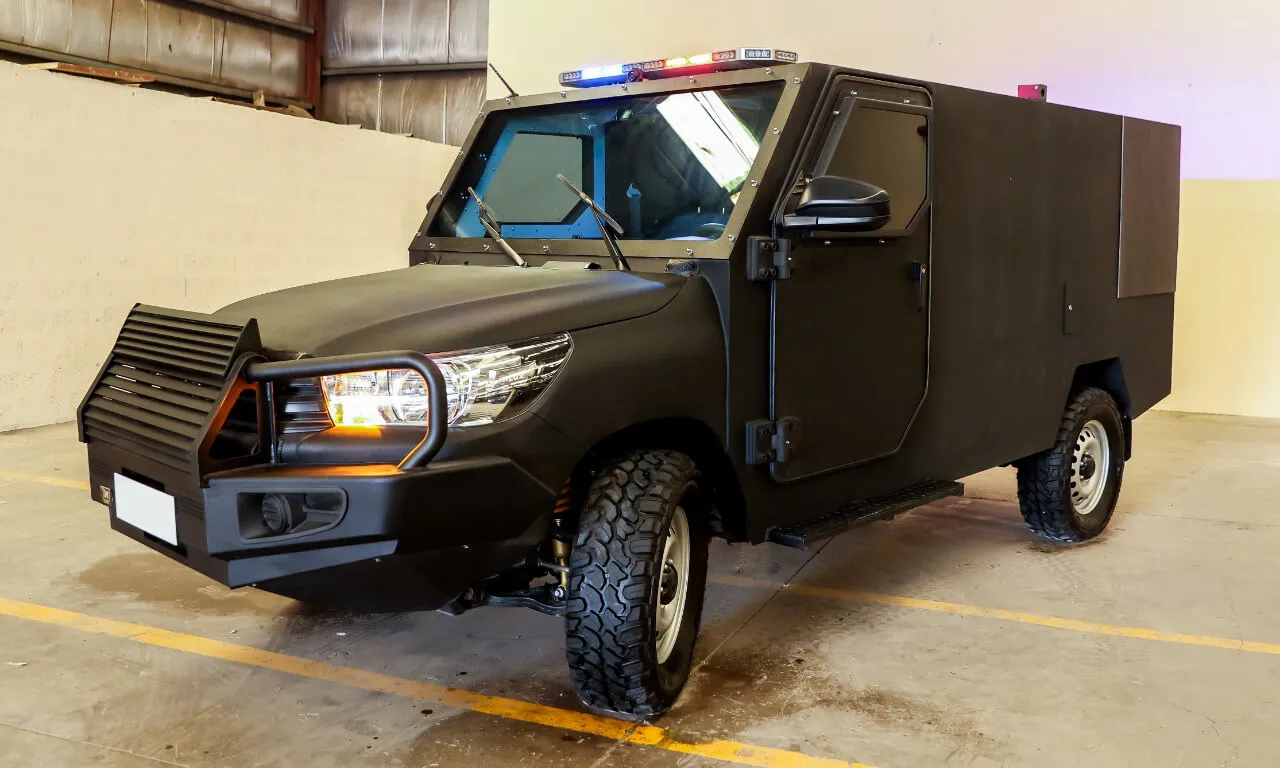
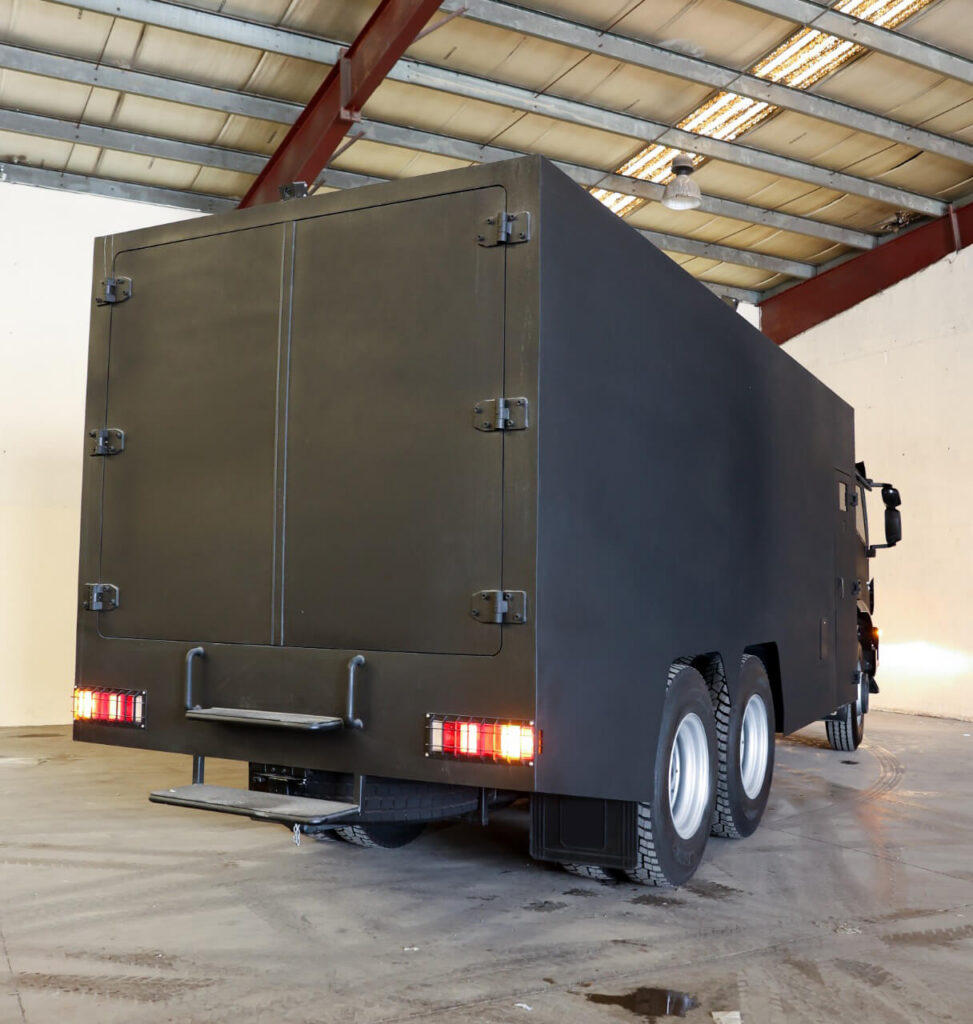
Commercial fleets that move cash or high-value goods use armored vehicles as core infrastructure for their services. In this context, vehicles typically follow set routes, operate to strict schedules, and are managed as assets with defined replacement and maintenance plans.
The global cash in transit vehicle market was about USD 3.5 billion in 2024, which shows how central armored fleets are to secure value logistics. Here, decisions focus on payload capacity, entry and exit layout, visibility constraints, and repetitive duty cycles rather than just individual comfort.
- Specialized cash-in-transit bodywork with protected cargo cells.
- Consistent protection levels across fleets for predictable performance and training.
- Chassis choices optimized for stop-start urban driving and frequent door cycles.
At SchutzCarr, we configure secure transport platforms on trucks, SUVs, and pickups, guided by our armoured van alternatives framework. This makes it easier for commercial operators to transition from lighter vans to specialized armored platforms where needed.
Did You Know?
Global Cash In Transit Vehicle Market was valued at USD 3.5 billion in 2024 and is projected to reach USD 6.2 billion by 2034, with a CAGR of 5.8%.
Civilian Use Case: Discreet Sedans vs SUVs for Executive Transport
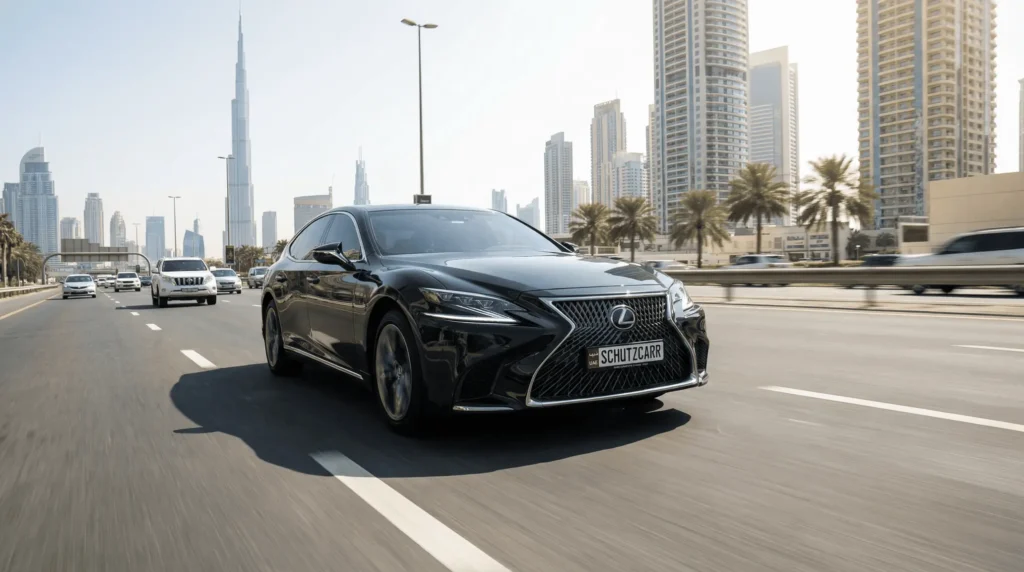
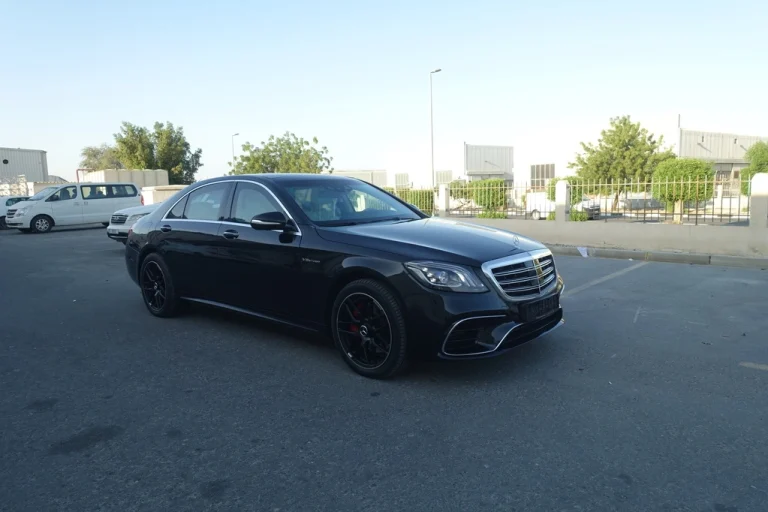
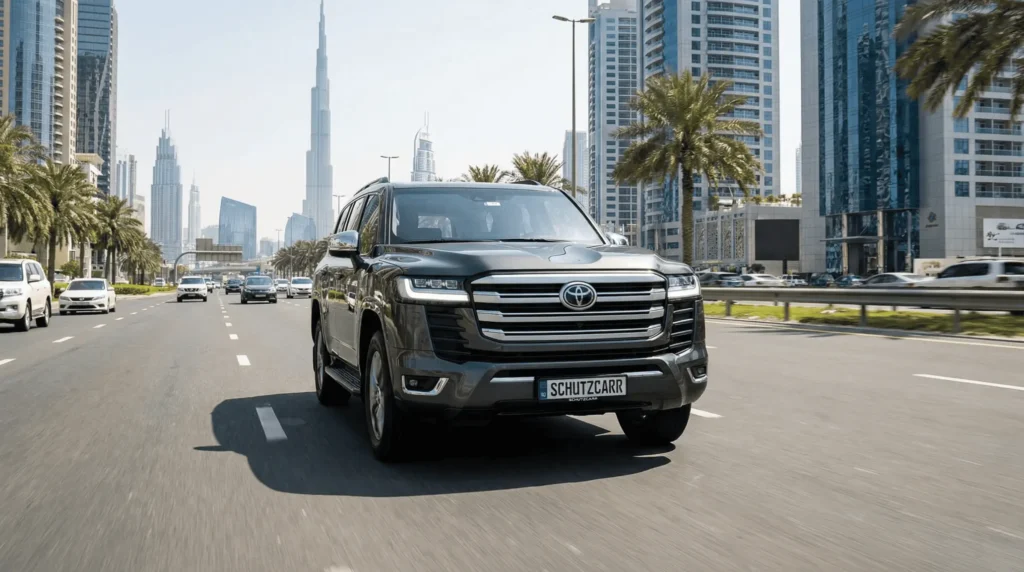
Executives often face a different problem from commercial fleets: staying protected without standing out. In many cities, a discreet sedan or a common premium SUV blends into traffic better than a visibly armored truck.
Discreet Sedans for Urban Civilian Travel
Our discreet armored sedans for executives guide explains how BR6 sedans can keep a low profile while offering meaningful protection. Sedans typically suit environments where parking garages, tight streets, and valet parking are part of daily routines.
SUVs for Executive Roles That Also Need Versatility
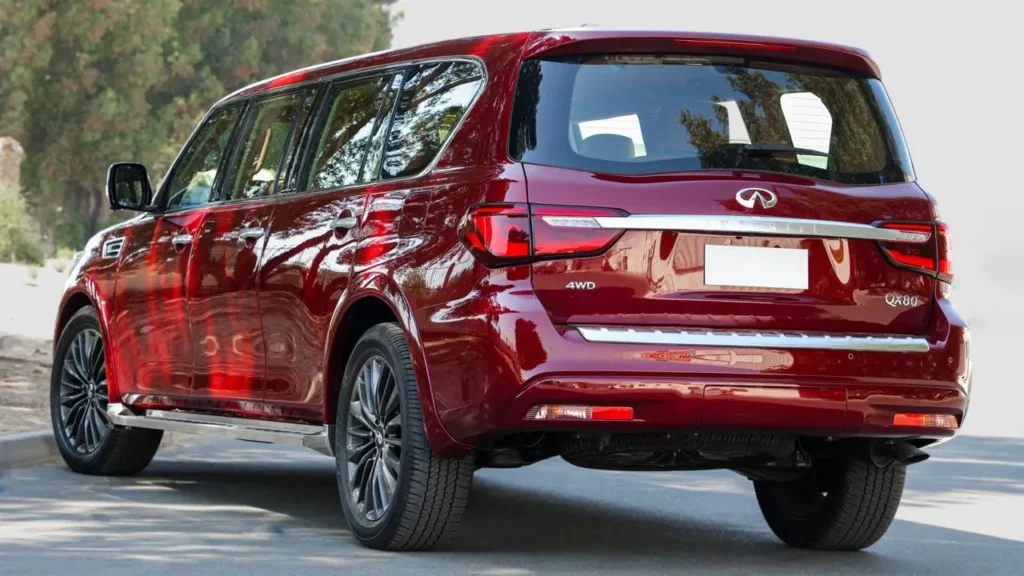
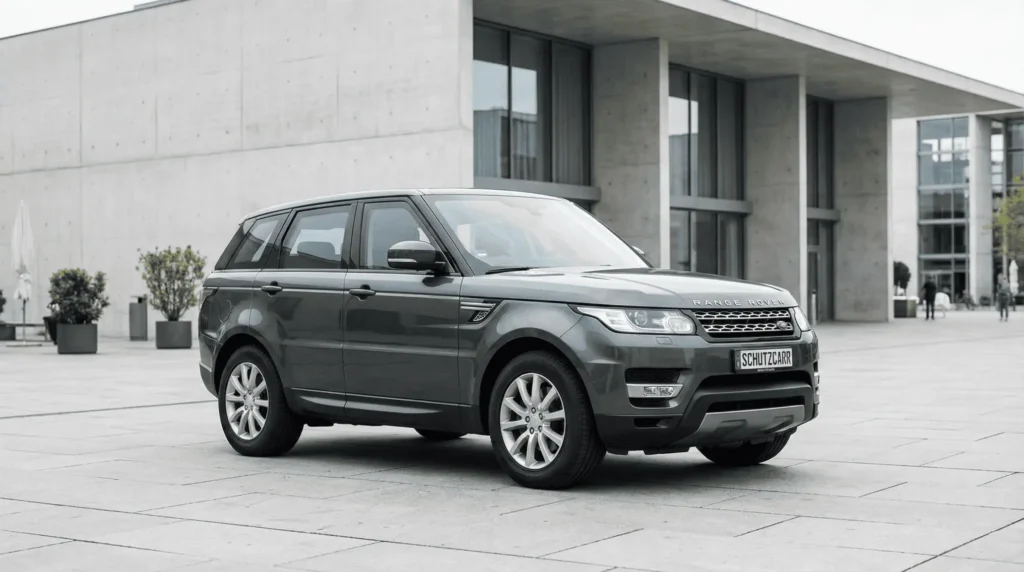
Some executives prefer SUVs that double as family vehicles, mixing rear-seat comfort with luggage room and occasional rough-road capability. Platforms like Range Rover, Land Cruiser 300, and Infiniti QX80 appear in our stock because they provide that compromise between presence, comfort, and practical interior space.
For civilian executive use, we usually start by asking how the vehicle should look in front of an office or hotel, then work backward to technical specifications.
Commercial Use Case 2: NGOs, Utilities and Field Teams Using MRAPs and APCs
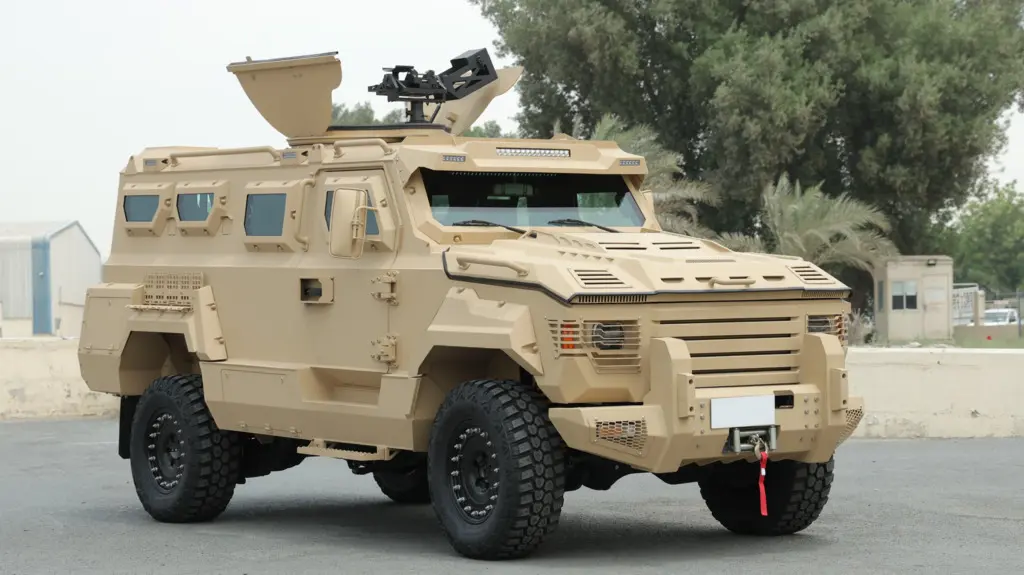
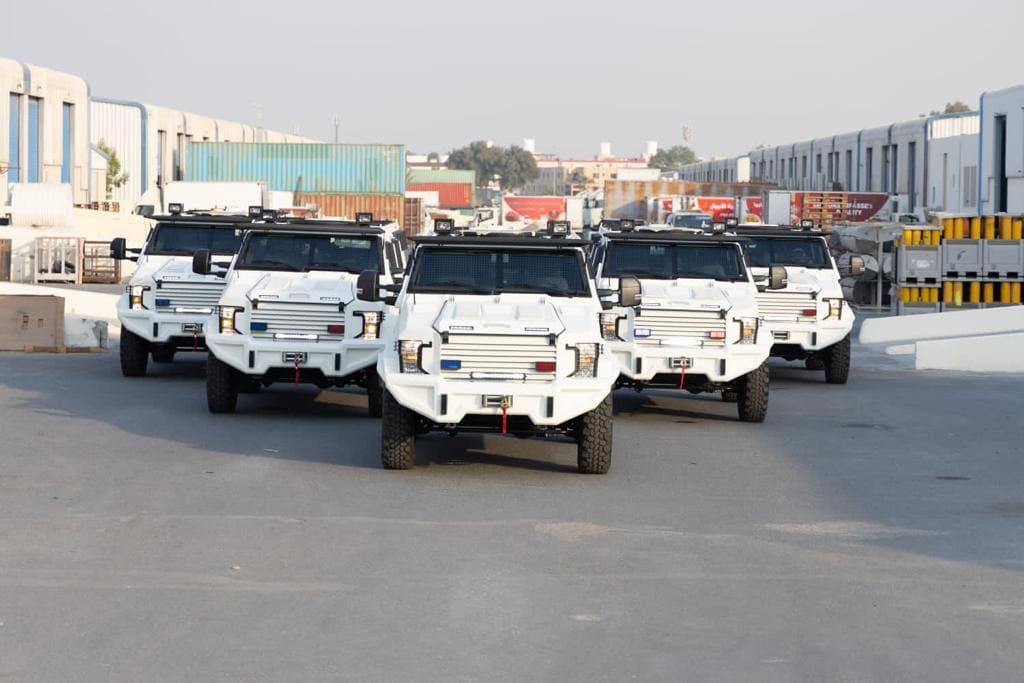
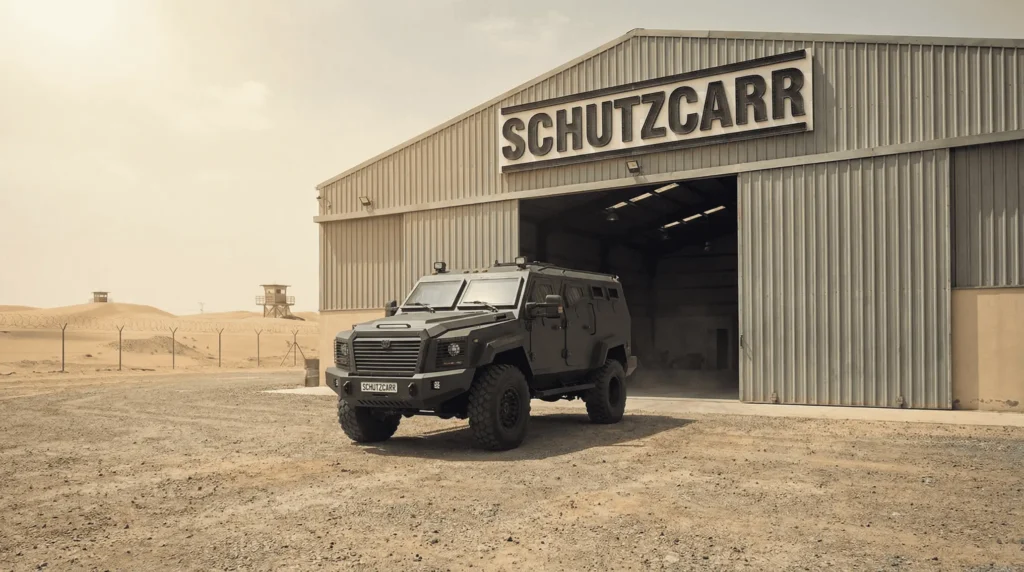
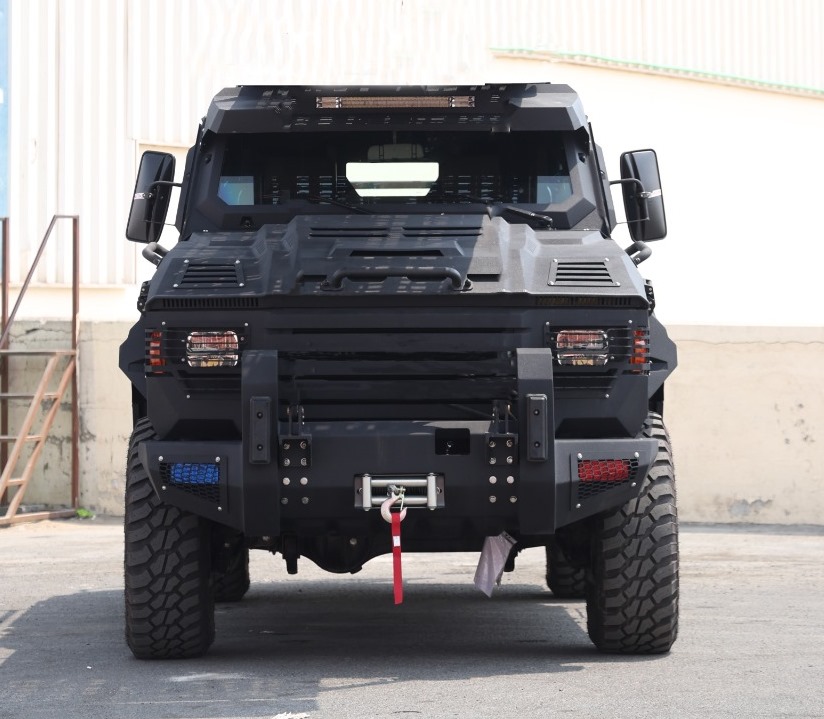
Some organizations operate in regions where passenger vehicles are not enough, which is where MRAP-style and APC platforms enter. These vehicles prioritize occupant cell integrity, underbody protection, and multi-occupant transport for structured teams.
APC SHARK and MONO Q for Organized Field Operations
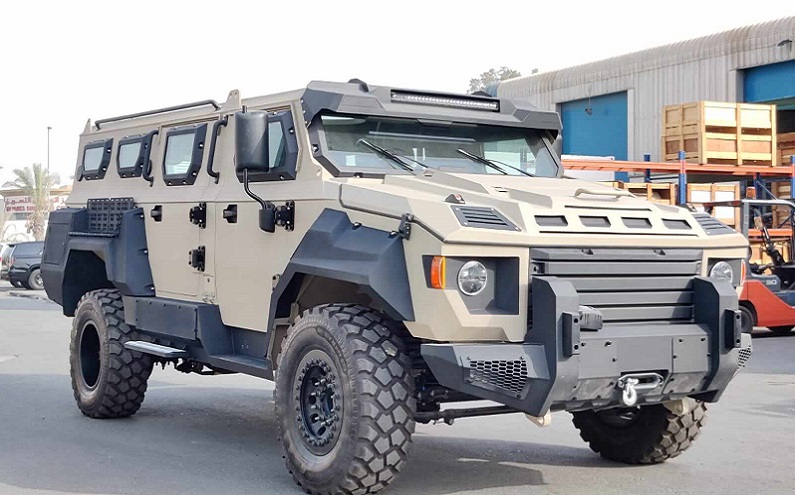
Our APC SHARK overview shows how a dedicated armored carrier suits high-risk routes and group transport. The MONO Q 4×4, highlighted in our range, provides a lighter alternative when agility and easier parking are priorities.
MRAPs for Demanding Commercial Routes
In our MRAP for Sale collection, we lay out civilian road-legal MRAP options with varying capacities and interior layouts. These platforms often support NGOs, infrastructure teams, and security providers that need to move several staff members along challenging routes.
- Seating for teams and equipment in one protected hull.
- Configurations for communications equipment, storage, and medical gear.
- Design considerations for long-duration assignments on mixed road conditions.
Civilian vs Commercial: How SUVs, Pickups, and APCs Compare in Practice
Many buyers want a simple way to compare platforms across civilian and commercial contexts. Below is a high-level look at how common categories behave in both spaces, using our experience building and supplying them.
| Platform Type | Typical Civilian Use | Typical Commercial Use |
|---|---|---|
| Luxury SUV (e.g., Maybach GLS 600) | Executive and family travel with high comfort and discretion. | Senior leadership transport within corporate or NGO fleets. |
| Rugged SUV (e.g., LC300, LC76) | Private owners with mixed city/off-road driving, often BR6. | NGO, utility, and security operators needing off-road reach. |
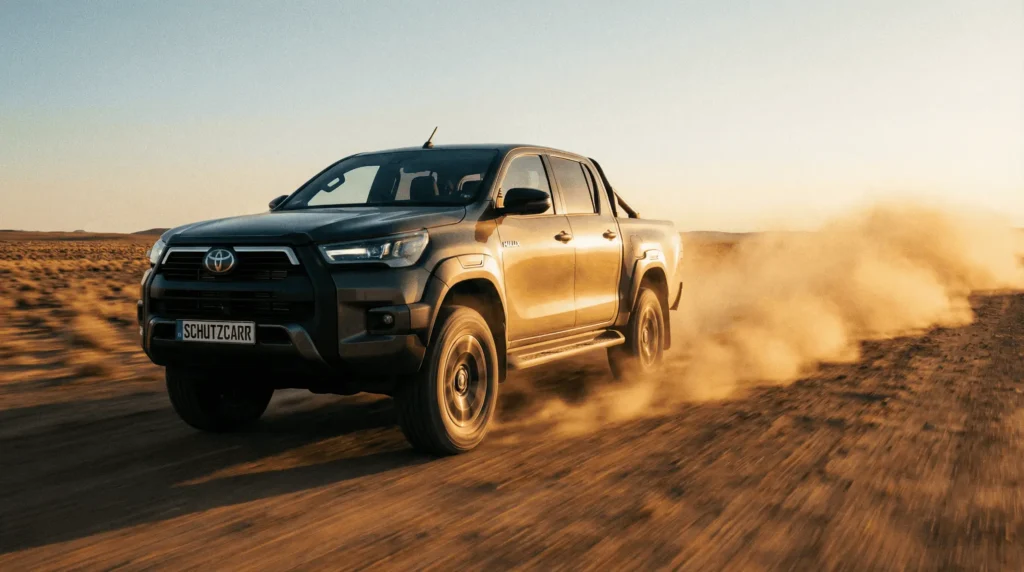
| Pickup (e.g., Hilux) | Individuals who need bed space for gear, rural or regional driving. | Commercial fleets carrying equipment plus personnel in the same platform. |
| APC / MRAP | Rarely private, usually for very specific personal requirements. | Organizational transport for teams and specialized missions. |
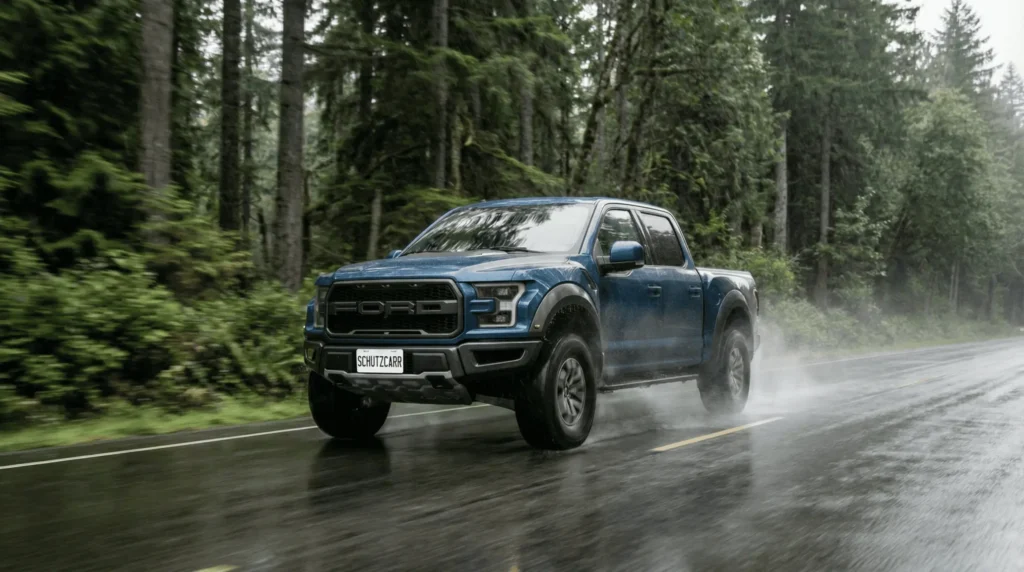
Our armored truck guide and pickup-focused content explain these trade-offs in more detail for commercial buyers. For civilians, the key is usually to stay as close as possible to a conventional SUV or sedan silhouette that feels natural in daily life.
Case Study Platform: Toyota Land Cruiser 76 Across Civilian and Commercial Roles
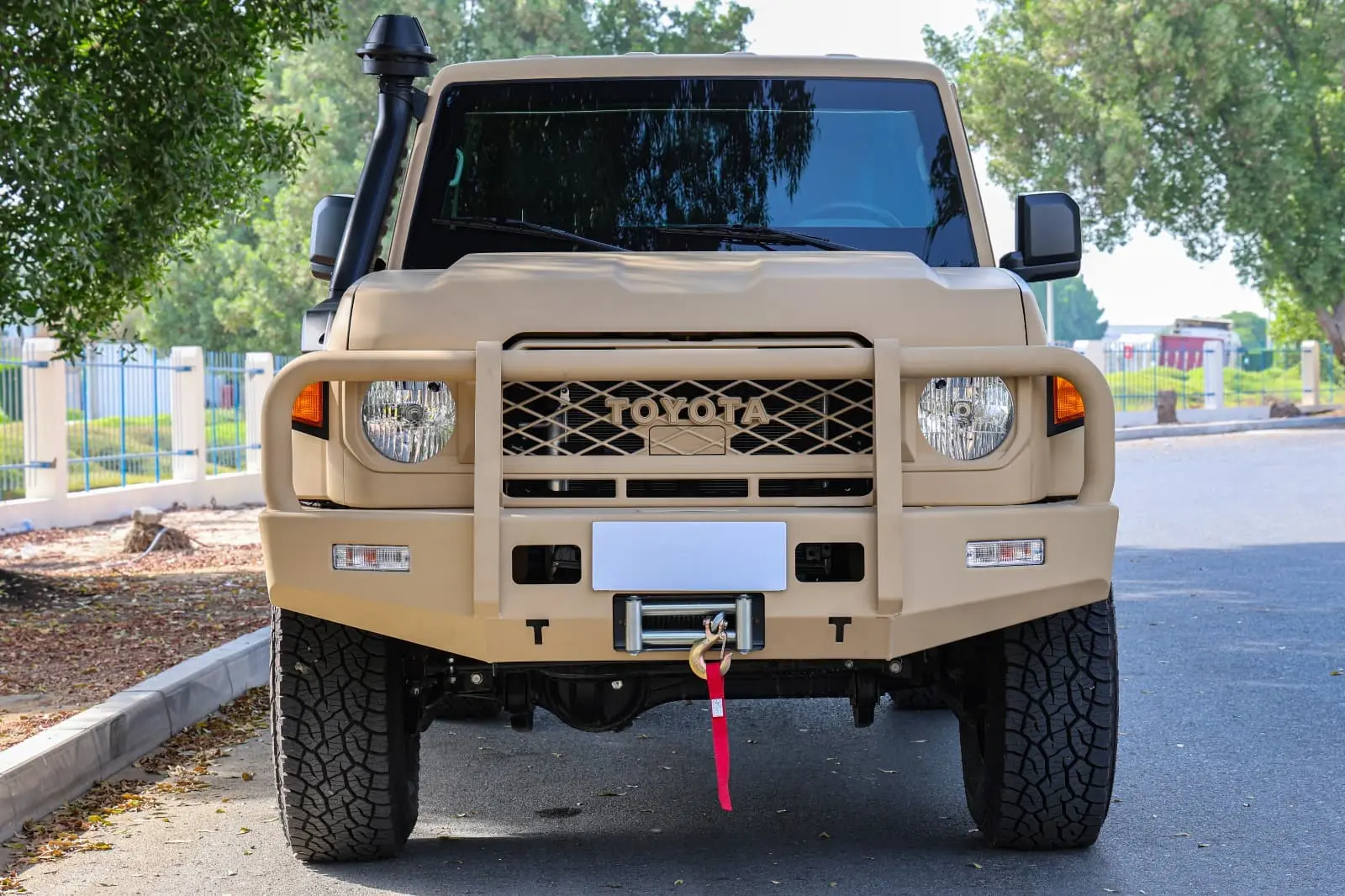
The Toyota Land Cruiser 76 is one of the clearest examples of a single platform that works in both civilian and commercial armored roles. In our LC76 platform overview, we show how integrated armoring, reinforced suspension, and BR6-level protection make it a versatile base.
Civilian LC76 Use
For civilians, LC76 appeals to owners who want a simple, rugged SUV with known mechanicals and strong off-road capability. They often use it for regional travel, outdoor activities, and as a family workhorse where paved and unpaved roads mix.
Commercial LC76 Use
Commercially, the same LC76 BR6 architecture can be deployed as a security escort, NGO field vehicle, or utility support truck. Our article Thinking About a Toyota Land Cruiser 76 BR6 Armored SUV? explains what both private and organizational buyers should check, from chassis condition to documentation.
- Civilian builds may focus more on interior comfort and infotainment.
- Commercial builds might prioritize cargo systems and communications equipment.
Did You Know?
Armoured Civilian Vehicles Market size was USD 3,658.33 million in 2024, with a projected CAGR of 6.52% from 2025–2035 to around USD 6.88 billion by 2035.
Why Private Companies Increasingly Choose Armored Vehicles
Many private companies that did not historically operate armored fleets are now introducing them for specific roles. Our article on why private companies are turning to armored vehicles highlights several recurring themes.
- Duty-of-care expectations for staff traveling to and from higher-risk sites.
- Secure movement of technical teams, equipment, or data storage devices.
- Protection of senior leadership during site visits or public appearances.
In these scenarios, companies often split their fleets into civilian-style SUVs for management and more utilitarian pickups or APCs for field teams. We help them design that fleet structure so every use case has a matching platform, from a discreet sedan to an APC SHARK.
Balancing Comfort, Payload and Durability: Civilian vs Commercial Priorities
Civilian buyers often focus on comfort and livability, then adjust within that frame to reach an appropriate level of protection. Commercial buyers tend to start from payload, duty cycle, and operational design, then refine comfort within those limits.
- Civilian priorities: cabin refinement, visibility, parking ease, and minimal change from the base vehicle’s driving feel.
- Commercial priorities: reliability over long hours, standardized parts, and configurations that support specific job tasks.
Our weight trade-offs article explains how higher protection levels add mass, which influences acceleration, braking, and component life. We use that insight to tune each build so it remains practical for its intended use case, whether that is school runs or 12-hour field assignments.
Luxury Civilian Platforms vs Heavy Commercial Platforms: Where Each Fits
At one end of the spectrum, we have ultra-luxury SUVs like the armored Mercedes Maybach GLS 600. At the other, we have heavy APCs and MRAPs that are designed around team transport and demanding routes.
Armored Mercedes Maybach GLS 600 for Civilian and Representative Roles
Our Maybach GLS 600 guide details how this platform is used by individuals who spend long hours in the rear cabin and value noise isolation, legroom, and a refined ride. Commercially, similar vehicles may be assigned to senior leadership or visiting delegations instead of daily fleet work.
APCs and MRAPs for Operational Commercial Work
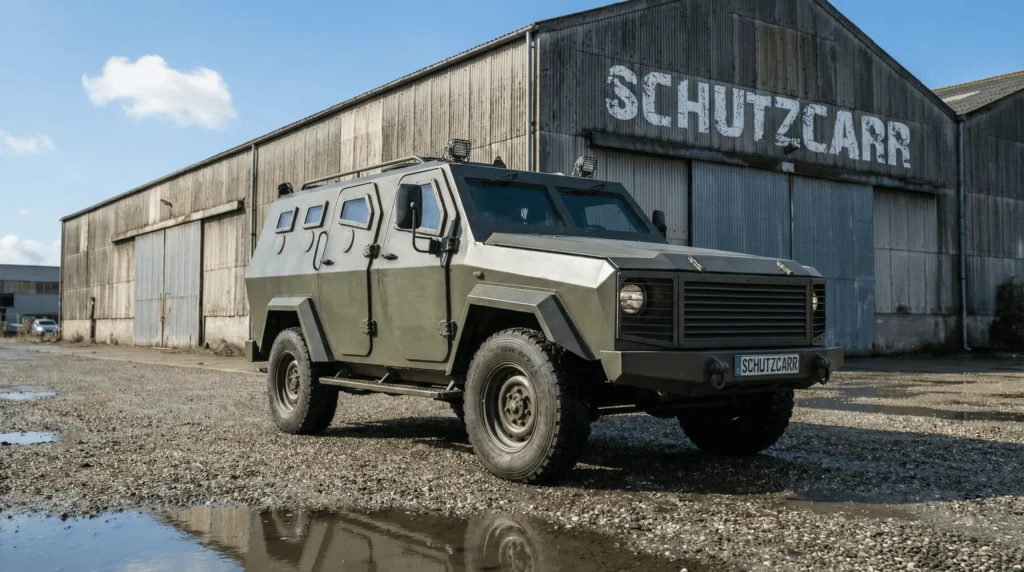
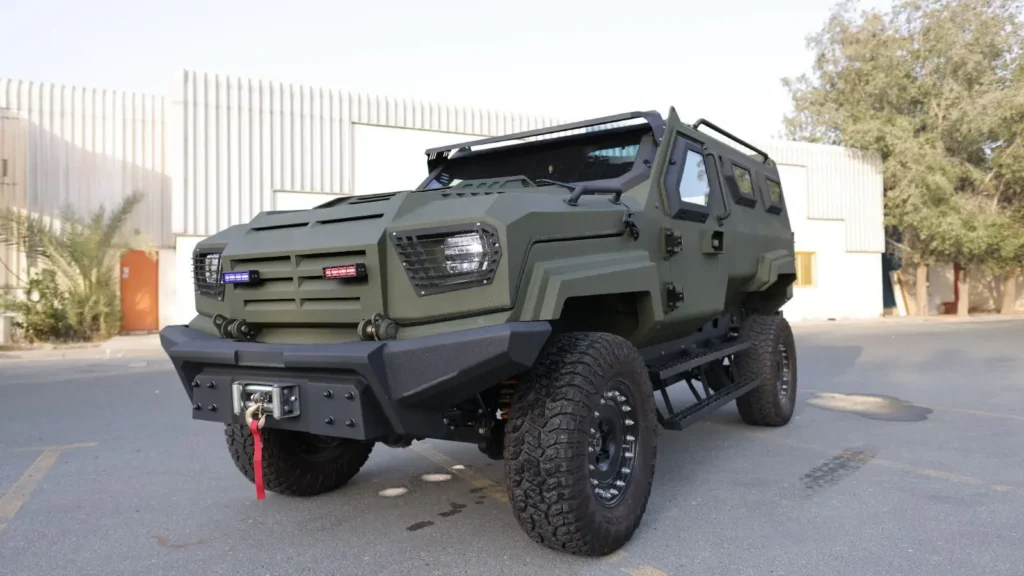
Platforms such as the GER 1D, APC MONO Q, or APC SHARK from our range provide the opposite, a more industrial feel with focus on carrying several people and equipment in a protected shell. These are rarely used by private individuals and are usually part of carefully managed fleets.
Conclusion
The same engineering principles sit beneath both civilian and commercial armored vehicles, yet the way they are used day to day looks very different. Private buyers lean toward discreet SUVs and sedans that fit into family and executive life, while organizations choose platforms that align with fleet roles, duty cycles, and operational structures.
At SchutzCarr, we start by clarifying your use case, then match it to realistic protection levels, platforms, and configurations that make sense over the long term. If you are assessing civilian vs commercial armored vehicle options and want structured, practical guidance, we invite you to contact our team directly through our SchutzCarr contact page so we can discuss your specific requirements.