

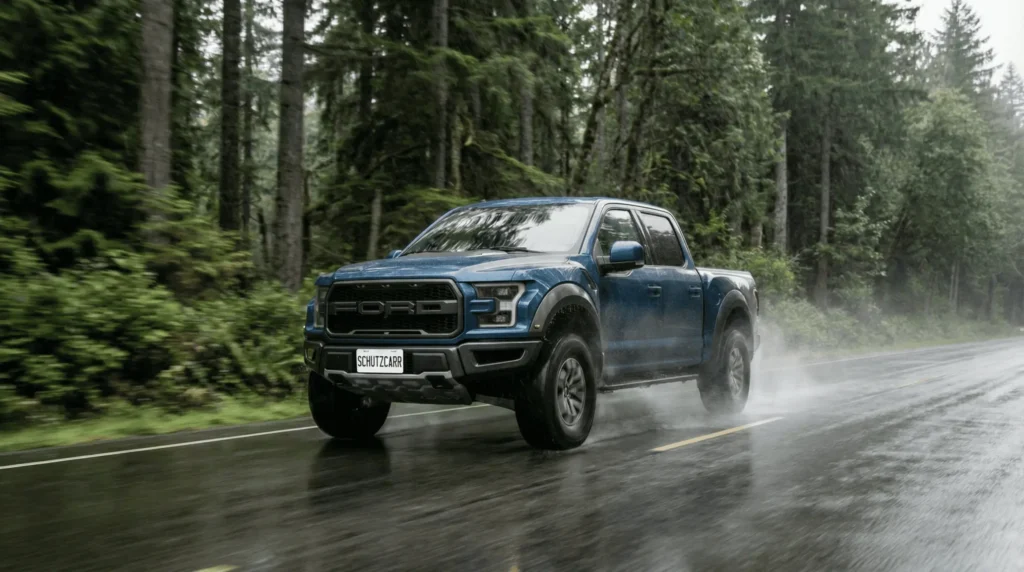
Armored vehicles are engineered for protection, yet climate can quietly shape how they accelerate, brake, cool, and age over thousands of kilometers in service, and desert testing programs have logged up to 6,500 miles on rugged courses to understand how heat and terrain affect performance over time. We see every platform at SchutzCarr through this climate lens, because temperature, humidity, and dust can influence nearly every aspect of how an armored SUV or pickup behaves on the road.
Key Takeaways
| Question | Short Answer |
|---|---|
| How does climate affect armored vehicle performance in general? | Heat, cold, humidity, and dust influence engine cooling, braking, suspension, tires, and electrical systems, so choosing the right platform from an armored vehicles lineup is a climate-aware decision. |
| Which platforms handle hot, dusty conditions better? | Body-on-frame SUVs and pickups with strong cooling and off-road heritage, such as the armored Toyota Hilux pickup, typically offer better margins for desert heat and dirt roads. |
| Are luxury armored SUVs suitable for humid or coastal climates? | Yes, but they benefit from climate-aware maintenance and configuration choices, like those discussed in SchutzCarr’s guide to the armored Cadillac Escalade. |
| What should owners consider for long-term use in harsh climates? | Plan around cooling capacity, brake and suspension wear, and interior systems, using lifecycle insights such as those in our article on long-term armored vehicle ownership. |
| How do different SUVs compare for mixed climate and global travel? | Choosing between platforms like LX600 BR6, QX80 BR6, and LC300 BR6 for varying climates is part of our guidance in the VIP global travel SUV overview. |
| Where should new buyers start when considering climate? | Begin with a climate-focused platform comparison, such as the best armored SUVs for civilian use guide, then match expected environments to specific models. |
1. Why Climate Matters For Armored Vehicle Performance
Every armored platform carries additional mass, which places more demand on engines, transmissions, brakes, and cooling systems in challenging climates. High temperatures, intense sun, dust, and extreme cold can all interact with that mass and reshaped weight distribution in ways owners feel in daily driving.
For us at SchutzCarr, climate is a design and advisory variable from day one, not an afterthought once the vehicle is delivered. We evaluate how our armoring choices interface with original cooling paths, suspension geometry, and body sealing so that platforms can operate across diverse environments.
Climate variables that matter most
- Ambient temperature affects engine power, cooling efficiency, fluids, and cabin systems.
- Humidity and rain influence corrosion, electrical reliability, and visibility.
- Dust and sand accelerate wear in seals, filtration systems, and moving components.
- Elevation and air density shape engine output and cooling margins.
Armored vehicles behave differently from their non-armored base platforms under these conditions, since armor alters airflow, heat soak, and weight distribution. Understanding these shifts helps owners choose the right chassis and configuration for their climate reality.
2. Heat, Desert Conditions, And Thermal Stress On Armored Platforms
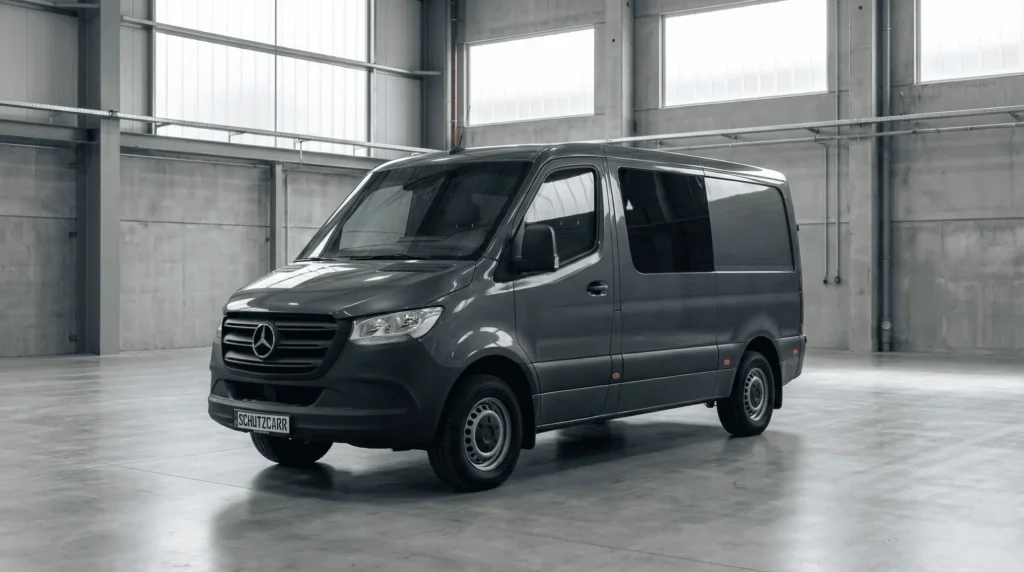
Hot climates place the most visible strain on armored vehicles, since cooling systems must manage both engine heat and the thermal load from armor materials. Dust, long highway runs, and slow traffic in high heat all compound this stress.
In desert-style conditions, continuous operation on corrugated or “washboard” surfaces and steep grades magnifies the workload on suspensions and drivetrains. For this reason, we pay close attention to how each SUV or pickup platform behaves when ambient temperatures are high and vehicle speeds vary between urban and open-road conditions.
Thermal impacts owners can notice
- Higher coolant and transmission temperatures during long climbs or low-speed congestion.
- Increased brake fade risk on steep descents when the vehicle is fully loaded.
- More frequent air filter and cabin filter servicing in dusty environments.
- Faster aging of exterior seals, plastics, and some interior materials under intense sun.
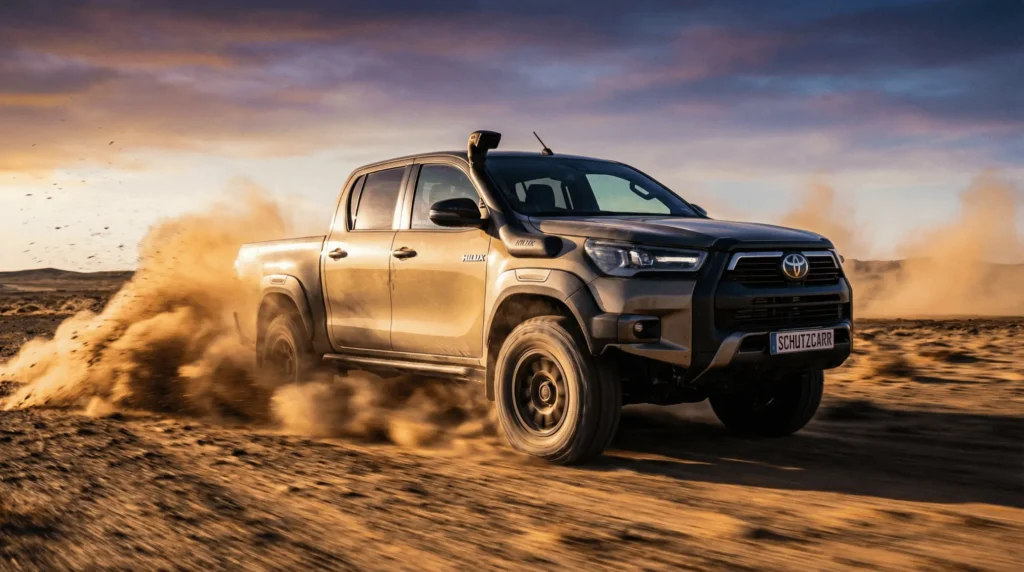
Body-on-frame vehicles with robust factory cooling systems provide a helpful foundation in hot regions, especially when armoring is integrated to respect airflow and radiator exposure. Our team evaluates grill designs, auxiliary cooling options, and airflow paths for these contexts.
3. Cold, Snow, And Arctic Conditions For Armored Vehicles
Extreme cold introduces a different set of constraints for armored vehicles, since lubricants thicken, rubber components stiffen, and battery output drops. Added armor mass means powertrains must work harder on slick surfaces, especially during low-traction hill starts and braking.
Cabin comfort also becomes a technical topic in low temperatures, because thick ballistic glass and additional body insulation can alter how quickly interiors heat and how defrost systems move warm air. Owners in cold regions often prioritize predictable behavior during freeze-thaw cycles and snow-covered roads.
Cold climate considerations
- Battery health and cranking power for engines that support additional electrical loads.
- Heater and defrost performance with armored glazing and sealed cabins.
- Suspension components and bushings that face both mass and repeated low-temperature flexing.
- Tire selection matched to both weight rating and winter traction needs.
We look at the base platform’s record in cold-weather use and how our armoring may change warmup times or condensation behavior. Owners who expect regular ice and snow can benefit from platform choices that combine stable all-wheel-drive systems with proven winter durability.
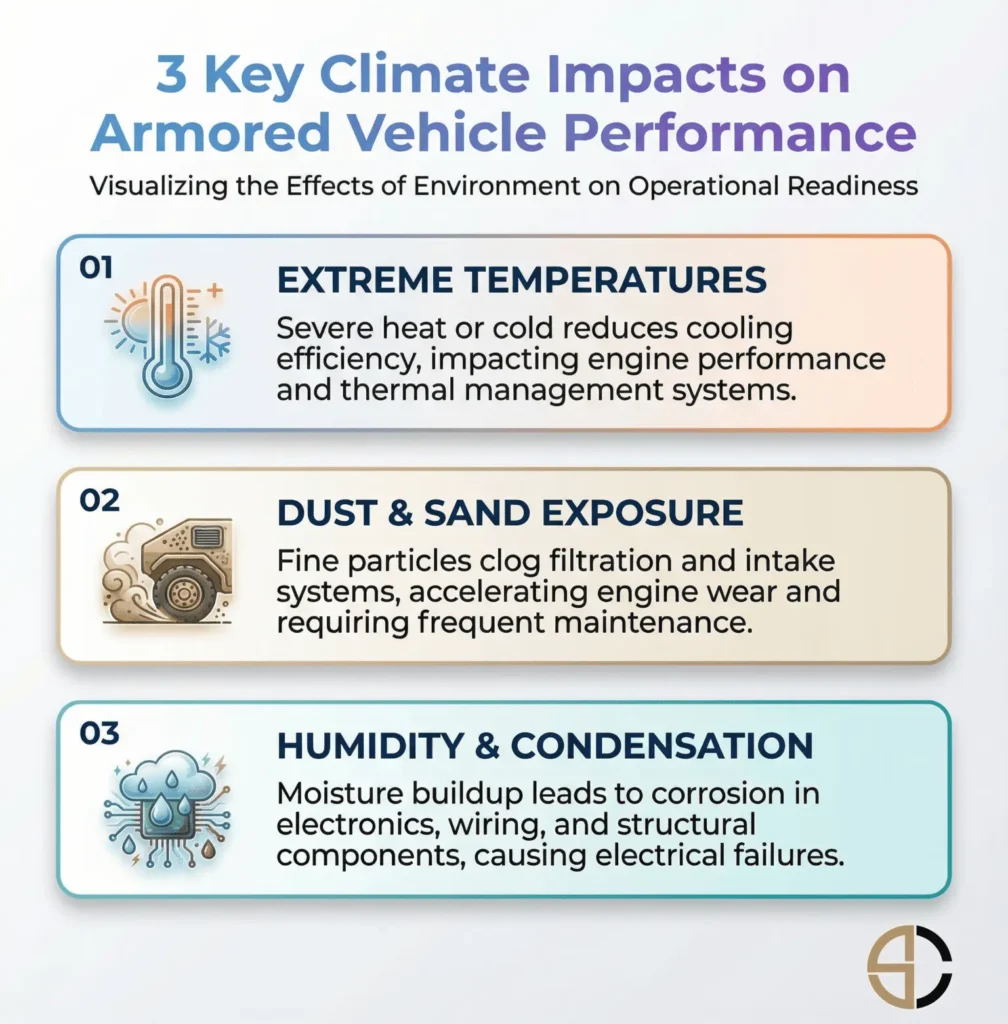
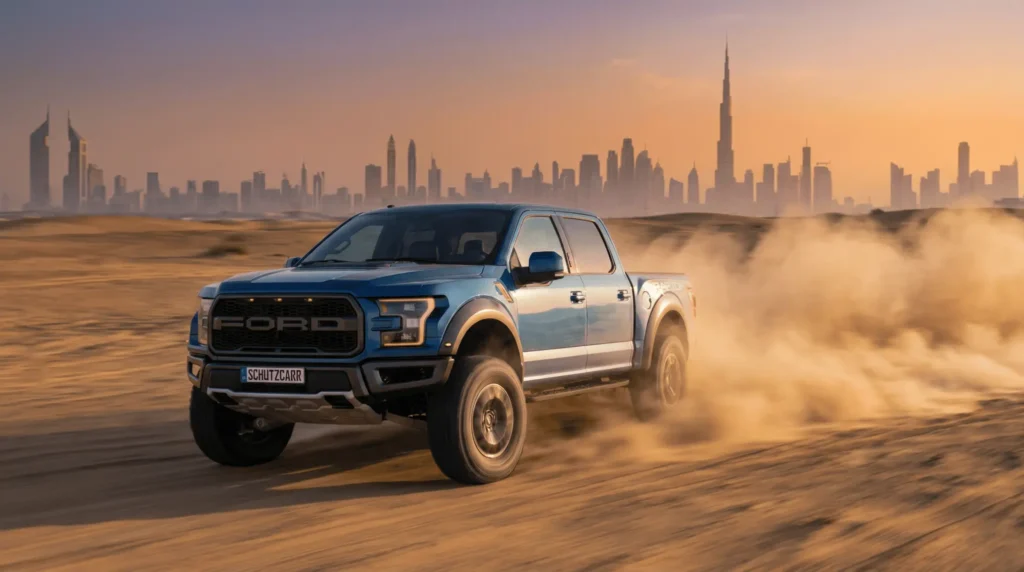
This infographic highlights three climate-related factors affecting armored vehicle performance. It explains how temperature, humidity, and dust can influence reliability and operation conditions.
Did You Know?
AMPV climate programs have used dedicated desert, Arctic, and tropical test centers to understand how armored platforms behave across radically different environments.
4. Humidity, Rain, And Corrosion Effects On Armored Vehicles
Humid and coastal climates introduce long-term moisture exposure that can affect both base vehicle structures and added armor components. Condensation inside doors, beneath floor armor, and within electrical connectors can be more frequent in these regions.
Armoring involves additional welds, fasteners, and materials, so we consider how each interface will behave in high-humidity environments. Sealing strategies, surface treatments, and drainage paths all play a role in how an armored vehicle resists corrosion over years of exposure.
Where moisture and corrosion tend to appear
- Door sills, hinge areas, and body seams modified for armor integration.
- Undercarriage armor plates, mounting points, and suspension attachment locations.
- Electrical connectors and harness paths near entries for additional wiring.
- Interior zones where temperature swings cause recurring condensation on armored glass.
Routine inspection and climate-aware maintenance schedules help manage these risks, especially where vehicles regularly encounter rain, humidity, and road salts. Owners who expect this environment often benefit from platforms with strong factory corrosion protection and thoughtful integration of armor interfaces.
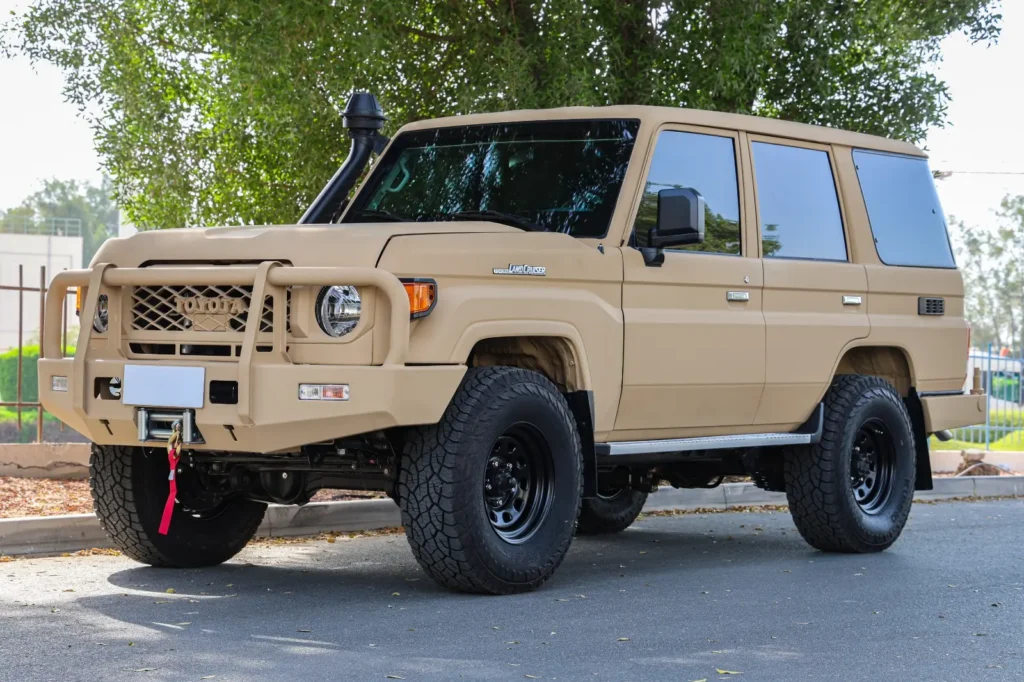

5. Dust, Sand, And Filtration Loads In Arid Regions
Dust intrusion is one of the most significant climate-related stressors for armored vehicles in arid and semi-arid regions. Fine particles challenge both mechanical systems and cabin comfort, especially at higher speeds on unpaved roads.
Armor integration can reduce some natural leakage paths yet also introduces new joints, so sealing quality directly influences dust ingress. Filtration systems for engines and cabins must work harder, which can shorten service intervals and affect perceived performance if left unattended.
Key filtration and sealing topics
- Engine air filters that face sustained loads from fine dust and sand.
- Cabin filters and HVAC intakes that balance air quality with airflow.
- Door and hatch seals that must manage both weight and repeated use.
- Window regulators that move heavier ballistic glass in dusty tracks.
We keep these factors in view when discussing platform choices for desert-focused owners, especially for those who expect regular off-pavement use. Additional attention to maintenance planning in these climates helps preserve drivability and interior comfort across the vehicle’s life.
6. How Armor Weight Interacts With Climate To Shape Driving Dynamics
Armor adds static mass and can alter center of gravity, which interacts with climate-driven variables like road surface grip and brake temperatures. Hot climates can push brake systems toward higher working temperatures, and when combined with additional weight, this influences stopping behavior.
In cold climates, the same mass loads tires and suspensions while available traction on ice or compacted snow drops. For wet or humid environments, hydroplaning thresholds and aquaplaning behavior can also feel different compared with non-armored equivalents.
Climate plus weight: what drivers may notice
- Longer stopping distances in hot conditions after repeated braking events.
- More pronounced body motion on uneven roads when shocks face continuous heat.
- Different steering response on winter tires under heavy load on ice or slush.
- Changes in acceleration feel at altitude or in very hot air where engines have less effective density.
We view weight distribution, suspension tuning, and tire choices as a combined system, and we account for the climates where vehicles are expected to operate. This helps owners set realistic expectations for handling and braking behavior in the environments they encounter most.
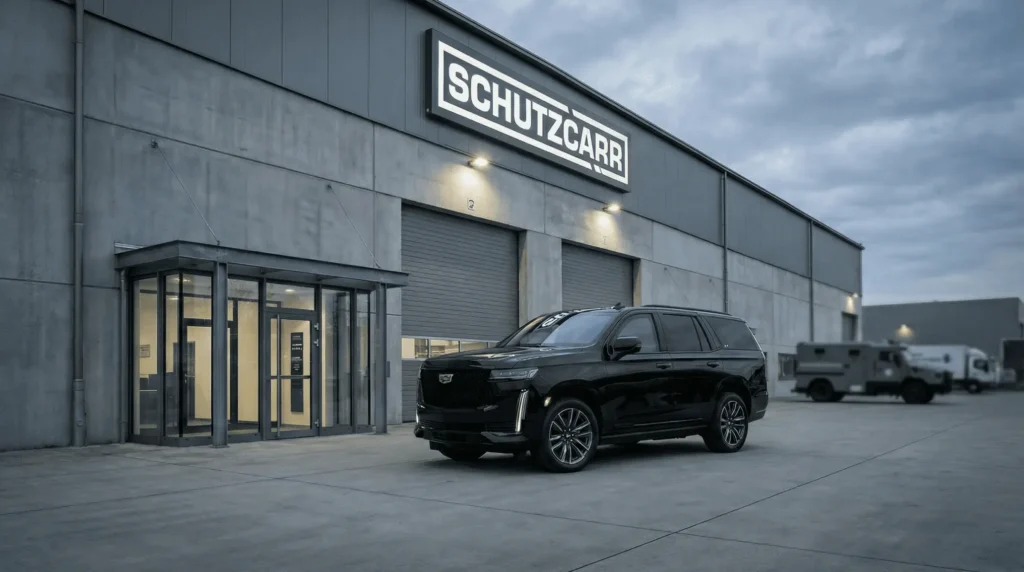
7. Platform Examples: LC76, LC300, LX600, QX80, And Escalade In Different Climates
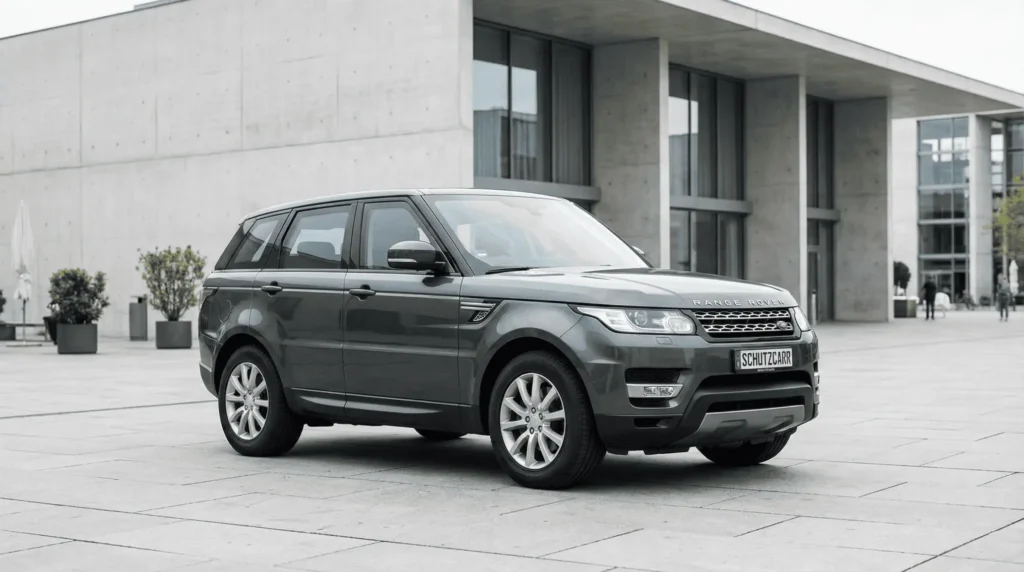
At SchutzCarr, we work with multiple base platforms that owners consider for very different climates and use cases. Each has its own balance of cooling capacity, chassis design, and electronic complexity, which can matter in hot deserts, humid coasts, or cold interiors.
While we do not assign climate “labels” to platforms, we look at their original engineering intent and real-world behavior. This helps us guide owners toward SUVs and pickups with characteristics that align with their expected environments.
Illustrative platform tendencies
| Platform | Chassis Type | Climate-Related Strengths (Conceptual) |
|---|---|---|
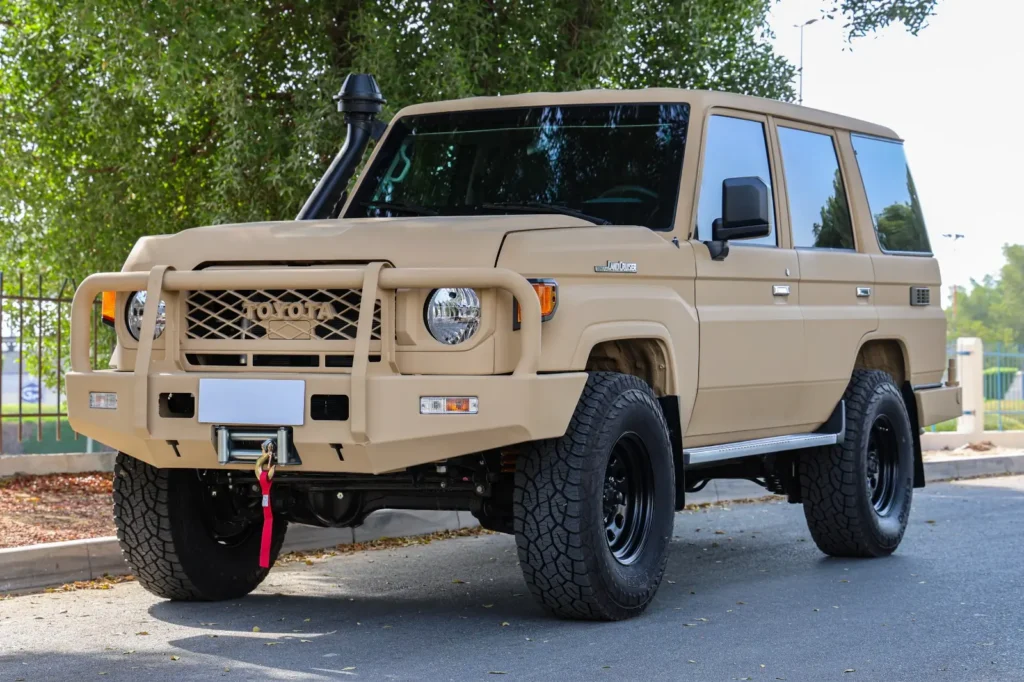
| Toyota Land Cruiser 76 | Body-on-frame | Simple, robust base suitable for regions with mixed road quality and temperature swings. |
| LC300-based builds | Body-on-frame | Modern powertrains and cooling, useful for high-heat and mixed urban/highway usage. |
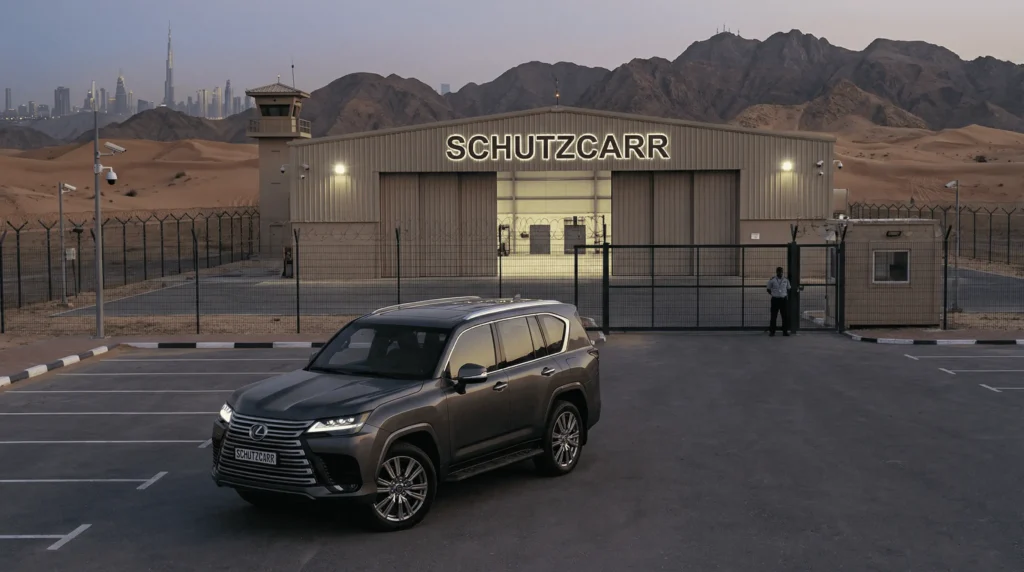
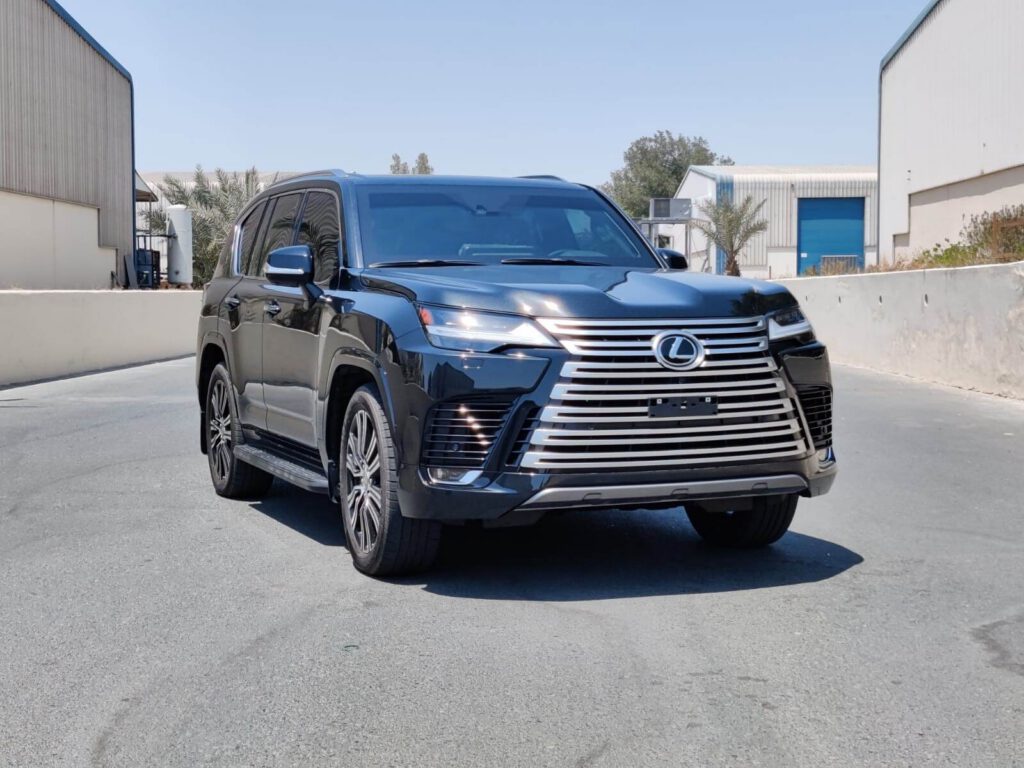
| Lexus LX600 BR6 | Body-on-frame luxury SUV | Combines comfort with a durable chassis, relevant for long distance and variable climates. |
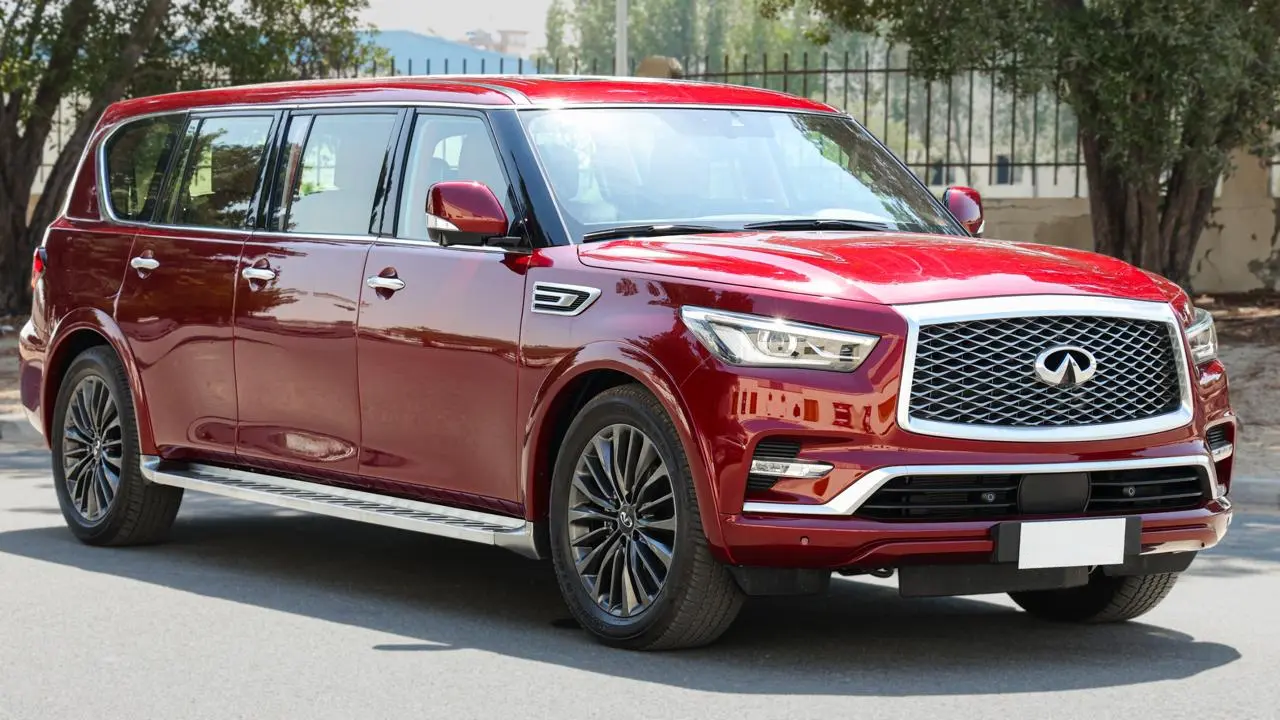
| Infiniti QX80 BR6 | Body-on-frame full-size SUV | Spacious interior and strong tow ratings, helpful for load and heat management in larger vehicles. |
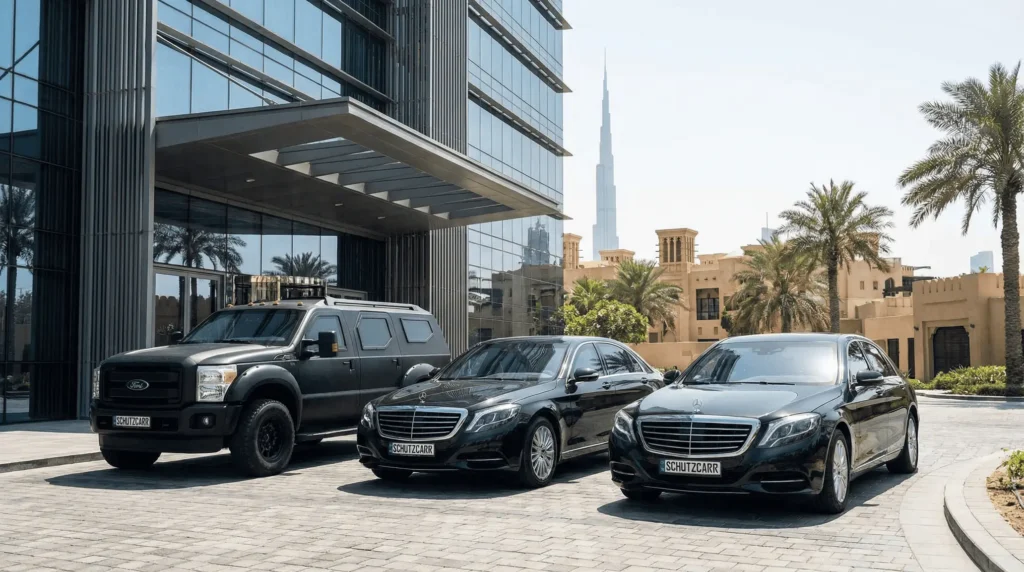
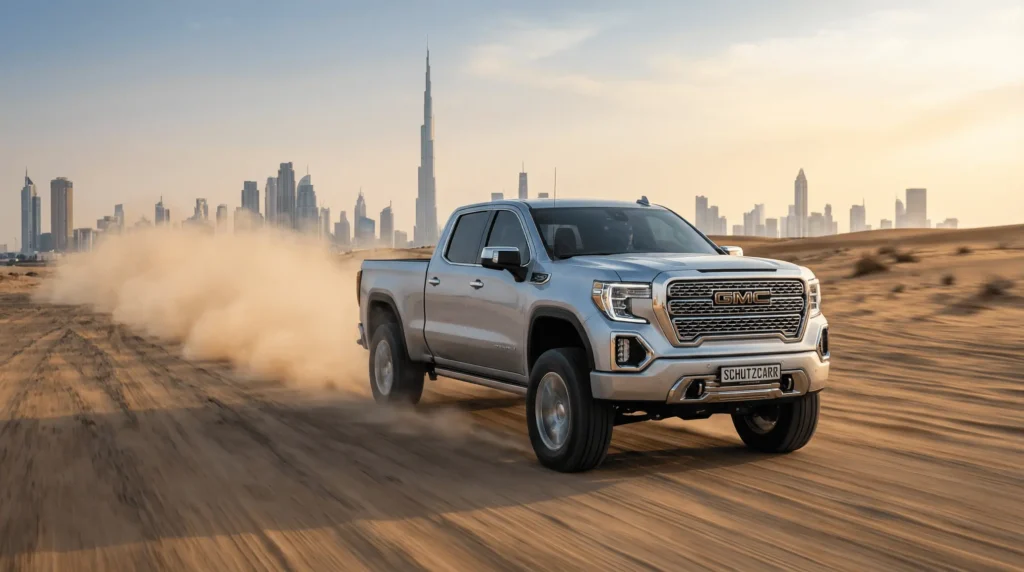
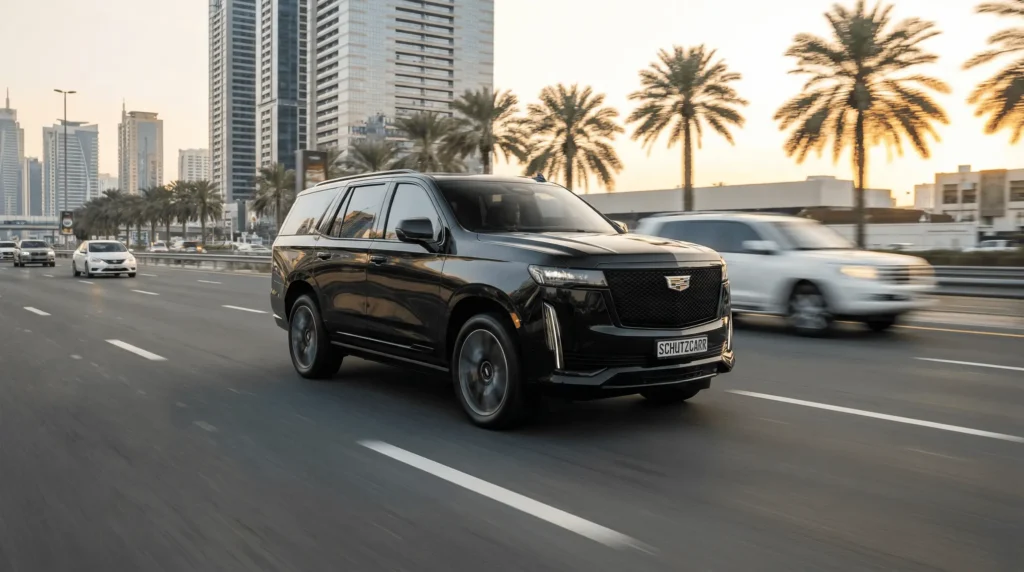
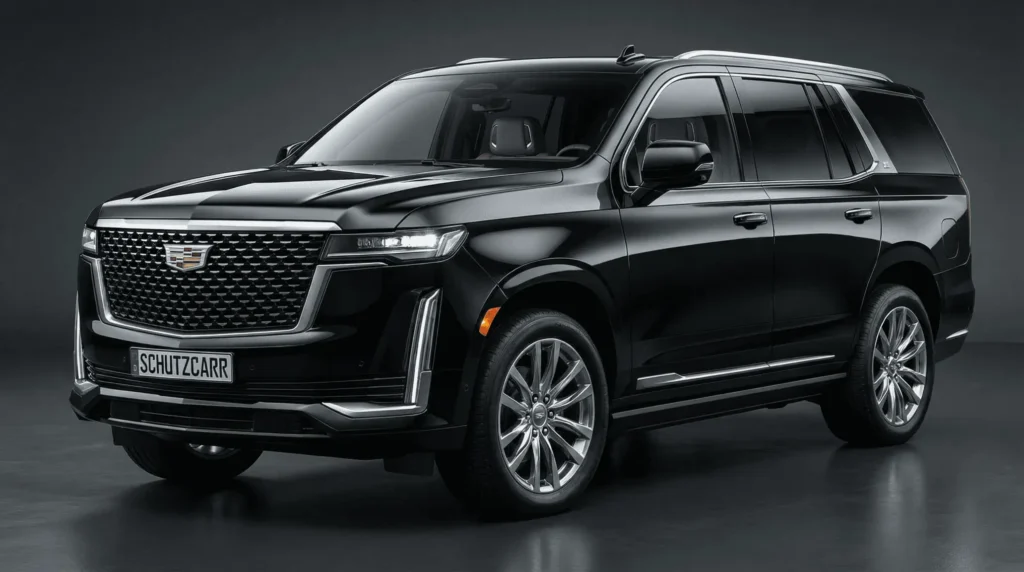
| Cadillac Escalade armored builds | Full-size SUV | Comfort-focused yet capable chassis, appropriate for paved-road climates with seasonal variability. |
Each of these platforms can be configured for different environments, and our role is to highlight tradeoffs such as cooling reserve, parts availability, and how complex electronics behave under humidity and temperature cycles. Owners benefit from aligning these considerations with where and how the vehicle will be used.
Did You Know?
During hot-desert trials, M1A2 tests have been conducted in daily triple-digit temperatures to study how extreme heat and dust stress armored vehicle systems.
8. Climate, Comfort Systems, And Interior Experience
Climate does not only affect mechanical systems, it also defines how comfortable and functional the interior of an armored vehicle feels. Large ballistic glass panels and additional insulation change how quickly cabins heat up or cool down.
In hot climates, air conditioning systems must handle both solar load and the slower thermal response of armored glass and panels. In cold regions, heating and defrost systems must clear thicker glass to maintain outward visibility and occupant comfort.
Interior climate topics for owners
- HVAC sizing and airflow patterns relative to added mass and insulation.
- Defrost efficiency for thick, multi-layer ballistic windshields and side glass.
- Noise and vibration behavior over rough surfaces in hot or cold climates.
- Material choices for seats and trim that interact with heat, sun, and humidity.
Our work includes attention to how interior options will behave in the climates owners expect. This can include discussing fabrics, tinting approaches compliant with local regulations, and service planning for HVAC components.

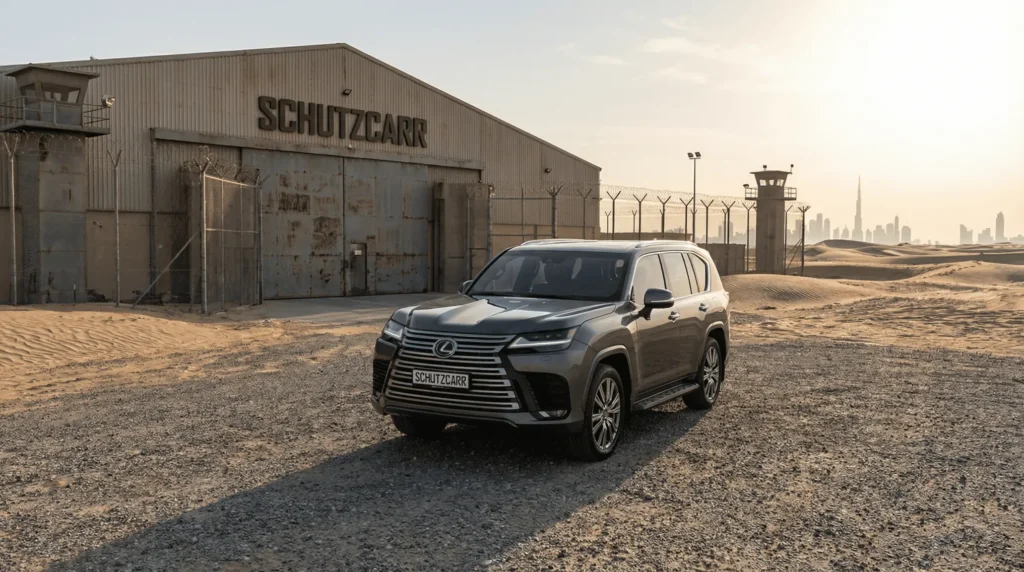
9. Long-Term Ownership: Climate And Lifecycle Planning
Climate has a cumulative effect on armored vehicle ownership, influencing maintenance intervals, component lifespans, and perceived reliability over years of use. Heat can accelerate fluid degradation and rubber aging, while moisture speeds corrosion and electrical wear.
We encourage owners to view climate as a line item in lifecycle planning rather than a background detail. Service schedules, inspection routines, and storage conditions can all be adapted to local environments to help manage long-term behavior.
Climate-aware ownership practices
- Shorter fluid and filter intervals in hot, dusty, or stop-and-go conditions.
- Regular underbody inspections for corrosion in humid or coastal regions.
- Battery testing and replacement planning in very hot or very cold climates.
- Periodic checks of seals and weatherstrips that face direct sun and temperature swings.
By framing these topics early in the purchase discussion, we help owners anticipate the real-world care their armored vehicle will need in their specific environment. This mindset supports more predictable operation and maintenance budgeting over time.

10. Matching Climate To Platform Choice With SchutzCarr
Selecting an armored vehicle is not only about interior layout or styling, it is also about how well the base platform and armor integration align with your climate reality. High-heat, dusty conditions, humid coastal regions, and cold interiors each influence which chassis and configurations deserve closer attention.
We approach each inquiry by asking where and how the vehicle will typically be used, then map those answers to specific engineering features. Cooling reserve, suspension robustness, filtration strategies, and interior comfort systems are all evaluated in light of expected environments.
How we guide climate-aware decisions
- Discuss typical temperatures, road conditions, and annual mileage for the vehicle.
- Review base platforms that have proven durable in similar environments.
- Explain how armoring influences cooling, braking, and sealing for your use case.
- Outline maintenance and inspection habits that align with your climate.
Our goal is to give owners a clear, practical view of how climate will interact with armored vehicle performance before they commit to a specific platform. With that information, clients can choose with confidence that their vehicle has been considered as a complete system in its intended environment.
Conclusion
Climate impact on armored vehicle performance is not abstract, it shows up in how engines cool, brakes behave, interiors feel, and components age in the real environments where owners drive. Heat, cold, humidity, and dust all interact with armor weight and integration choices in ways that deserve attention before a platform is selected.
At SchutzCarr, we approach every armored vehicle as a climate-aware engineering project shaped around where and how you intend to use it. If you would like to discuss how specific platforms align with your climate and usage profile, we invite you to contact us directly through our SchutzCarr contact page so our team can walk you through the options in detail.