
Protective vehicle and body armor design has shifted rapidly toward discretion and everyday usability. Research into armor fit and anthropometry shows that differences in body shape can significantly affect how protective equipment contacts the torso, which in turn influences bulk, comfort, and visible silhouette when designers ignore proper fit. In discreet armored vehicles and executive protection platforms, the focus is on preserving the original silhouette while integrating ballistic protection in a way that feels natural, balanced, and visually understated.
Key Takeaways
| Question | Answer |
|---|---|
| What is discreet armoring design to preserve silhouette? | It is the integration of ballistic materials, glass, and structural reinforcements in vehicles or personal gear so that the outside appearance remains close to a standard civilian silhouette, as seen in our discreet armored sedans guide. |
| Why does fit matter so much for a discreet silhouette? | Poorly fitted armor creates gaps, bulges, and weight imbalance, which not only reveals the presence of protection but can also influence impact behavior and overall comfort during sudden forces. Check our Toyota Land Cruiser 76 platform. |
| Can SUVs really stay low profile once armored? | Yes, by aligning armor panels and glass with the factory body lines and using materials that match OEM finishes, platforms like the Range Rover P530 Extended BR6 remain visually close to their standard counterparts. |
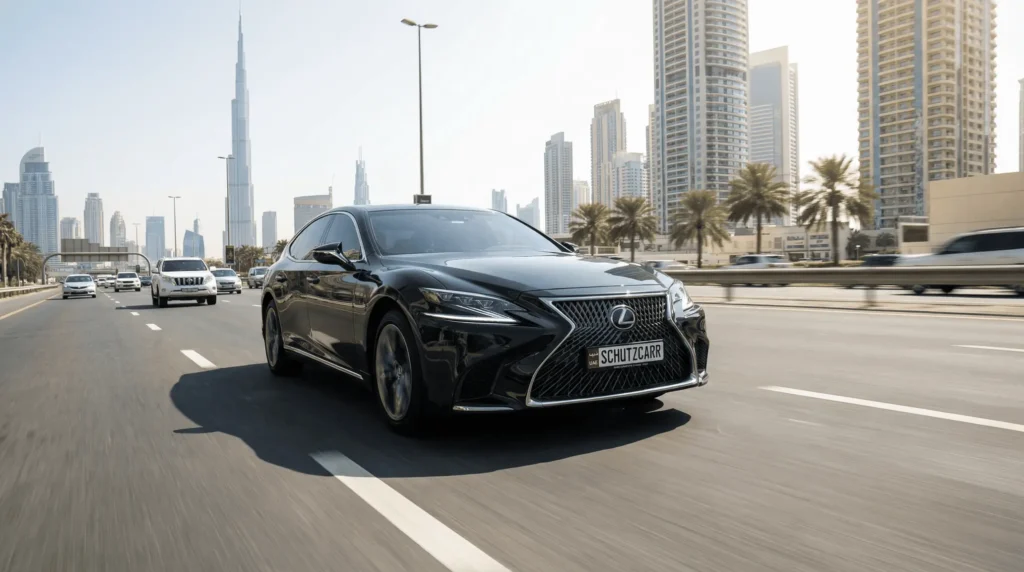
| How does discreet armoring differ between sedans and SUVs? | Sedans rely heavily on glass integration and thin-section armor, while SUVs offer greater cavity volume for hidden reinforcement, a contrast we explore through platforms like the Infiniti QX80 4WD Extended BR6. |
| Are discreet armored vehicles only custom built? | Not always. We maintain a curated armored vehicles stock where certain models already incorporate silhouette-preserving design and are ready for export documentation. |
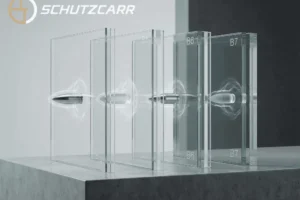
| What role do standards play in discreet armoring? | Independent ballistic certification and evolving standards guide how we integrate BR6 or BR7 materials without overbuilding and losing the original vehicle profile, as discussed in our long-form civilian MRAP overview. |
Understanding Discreet Armoring and the Importance of Silhouette
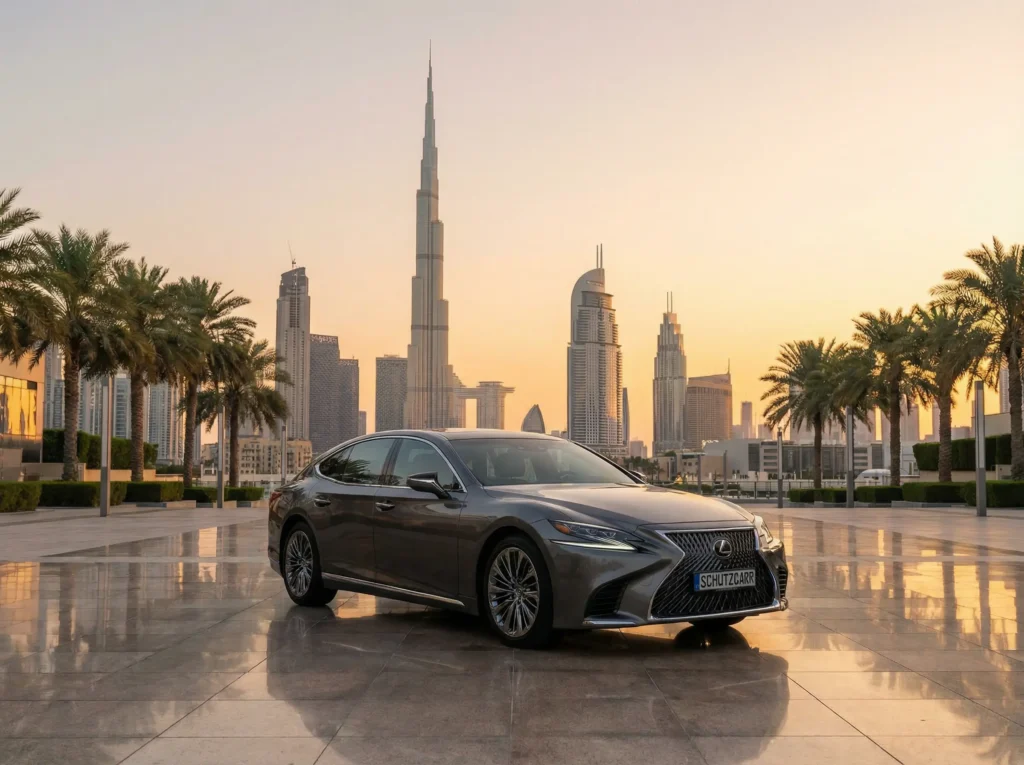
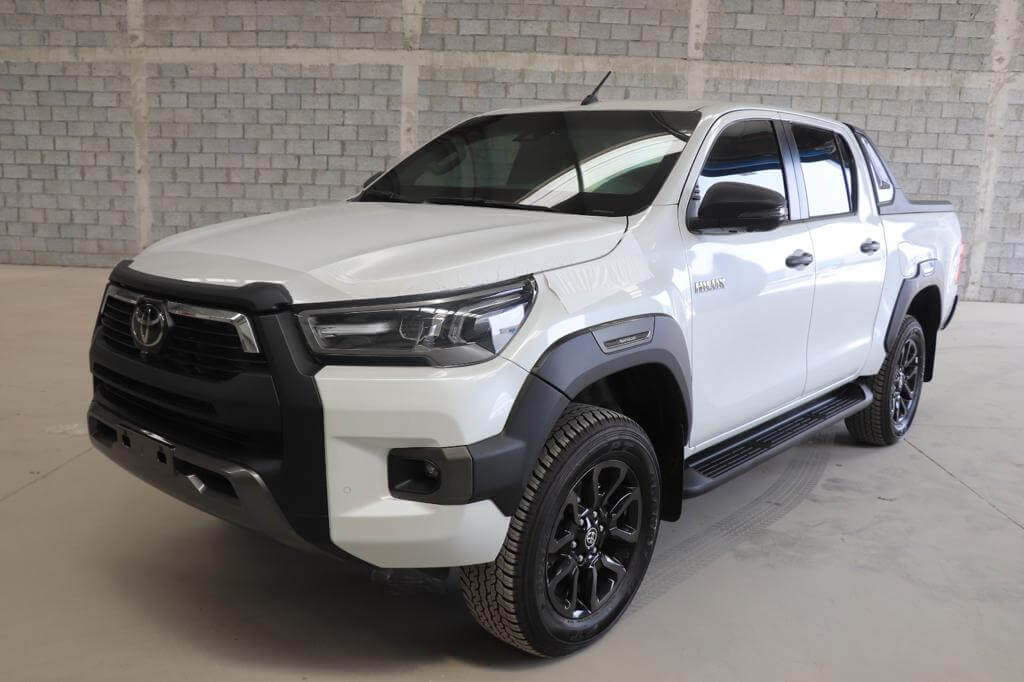
Discreet armoring design to preserve silhouette means integrating protective structures so cleanly that the casual observer sees only a familiar sedan or SUV. The goal is to maintain the original stance, glass-to-metal ratios, and body lines while quietly adding ballistic glass, armor panels, and upgraded suspension components.
For us, preserving silhouette is not an aesthetic afterthought. It is a design constraint that informs material selection, panel geometry, and even interior packaging. Whether we work on a Land Cruiser platform or a high-end luxury SUV, the OEM profile is treated as a primary design constraint that the armor integration must respect.
Human Fit, Comfort, and Silhouette in Concealable Armor
When we talk about preserving silhouette, many people think first about vehicles, but the same principles apply to wearable armor. Fit and anthropometry directly affect whether a vest or plate carrier disappears under clothing or creates obvious bulges at the chest, waist, or shoulders.
Research into plate sizing using virtual fit methods shows that chest, torso curvature, and overall body proportions differ significantly across wearers, especially between typical male and female body shapes. If armor does not follow those contours, contact volumes spike, pressure points multiply, and the garment starts to project through clothing instead of blending with it.
- Correct plate size and curvature reduce visible printing and gaps.
- Managing air gaps behind armor helps control both comfort and impact behavior.
- Weight distribution toward the hips, not the shoulders, helps keep posture and silhouette natural.
Vehicle Silhouette: How We Hide Armor in Familiar Shapes
With vehicles, discreet armoring starts from the original design intent. We map armor layouts to door frames, roof arches, and pillars so that panel thickness grows inward rather than outward. This keeps external proportions intact while still adding BR6 or BR7 coverage where needed.
We rely heavily on 3D modeling of the base structure and then nest composite or steel panels inside cavities that manufacturers leave for NVH (noise, vibration, harshness) control and crash structures. By reusing those volumes carefully, we avoid the boxy, top-heavy look often associated with older armored conversions.
Platform examples of silhouette-conscious design
- SUVs with high roofs: Natural roof height allows interior paneling without raising the exterior roofline.
- Wide door sills and pillars: These become anchor points for hidden overlaps that help form continuous protective zones around the passenger cabin.
- Factory privacy glass tints: These help conceal thicker ballistic glass without calling attention to the upgrade.
Did You Know?
Advanced sizing studies, including research originally developed for extreme-environment equipment, show that well-designed sizing frameworks can accommodate a wide range of body types, which is critical for silhouette-preserving armor.
Case Study: Toyota Land Cruiser 76 with Civilian Silhouette
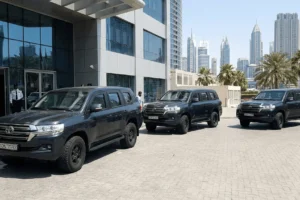
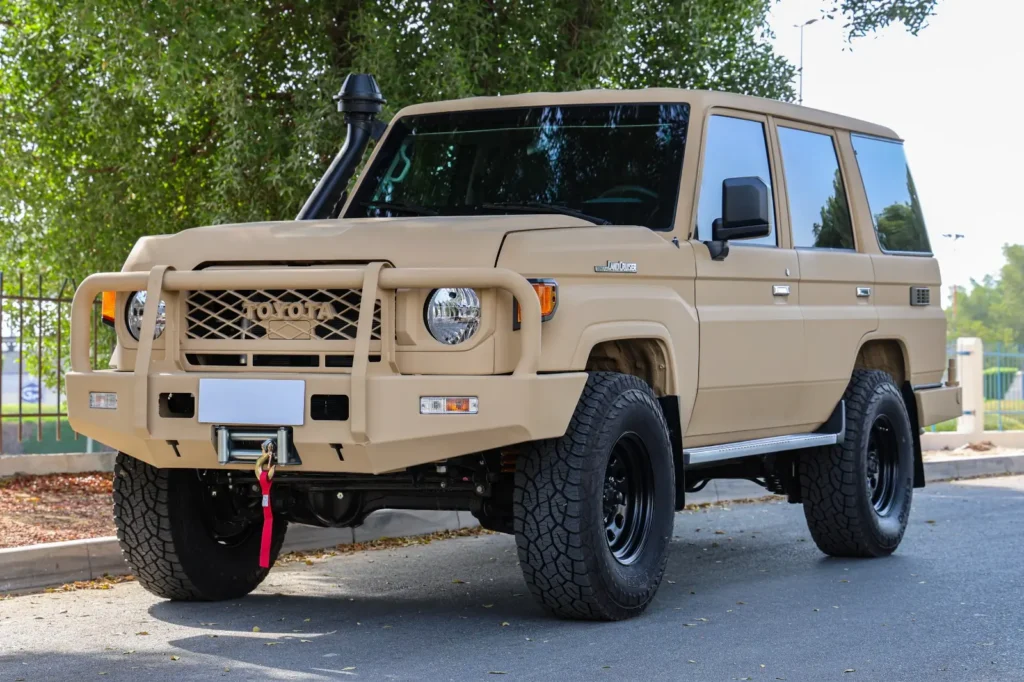
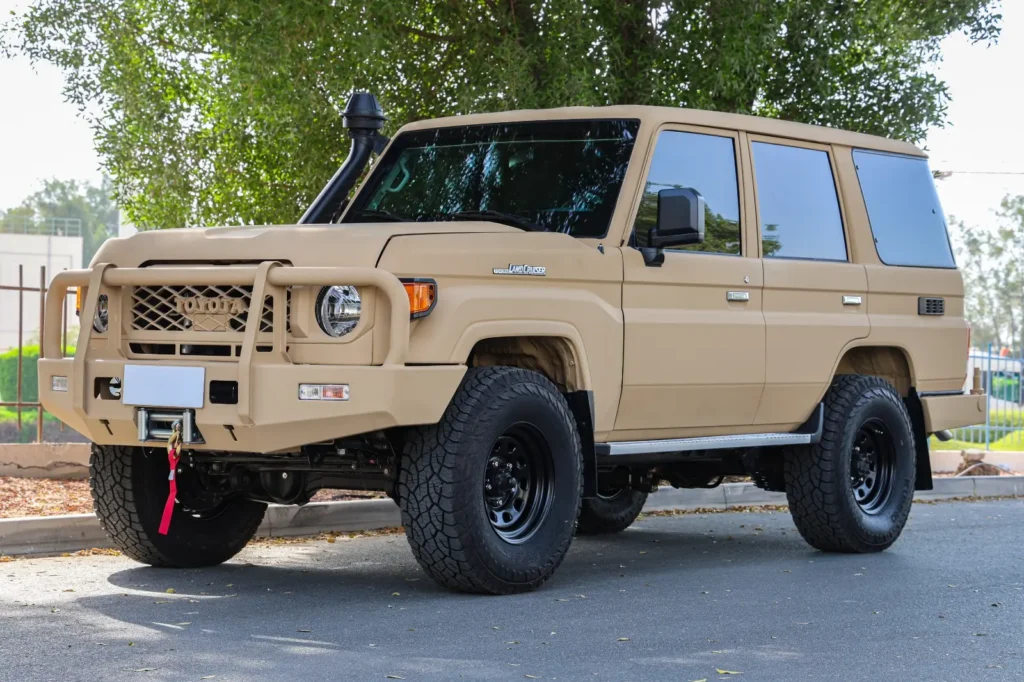
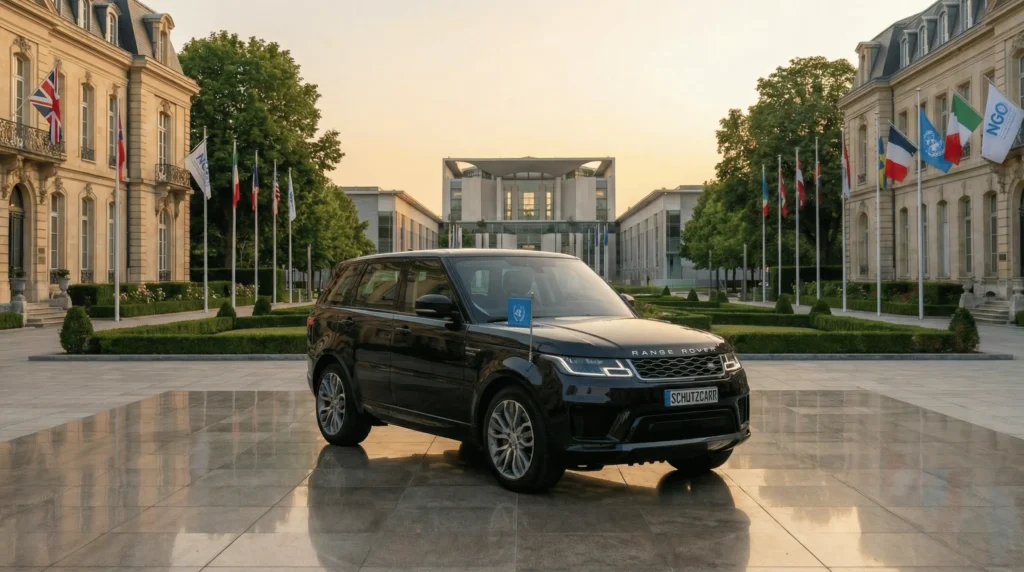
The Toyota Land Cruiser 76 is one of our signature platforms for balanced protection and low-profile appearance. The base model is a boxy, familiar SUV, which gives us clear geometry for integrating BR6 or B7 panels into doors, roof, and selected floor areas, while staying true to the original shape.
We treat each door as a complete module, reinforcing hinges and locks inside the shell rather than adding external bracing. Ballistic glass follows the OEM window outlines, so the visual ratio of metal to glass stays visually unchanged when viewed from the street.
| Aspect | Standard LC76 | Armored LC76 (SchutzCarr) |
|---|---|---|
| Roofline | Flat, high roof | Same external height, internal ballistic liner |
| Door profile | Straight panel, visible drip rails | Identical exterior, internal armor plates and overlaps |
| Glass | Tempered OEM glass | Multi-layer ballistic glass, tinted to match OEM look |
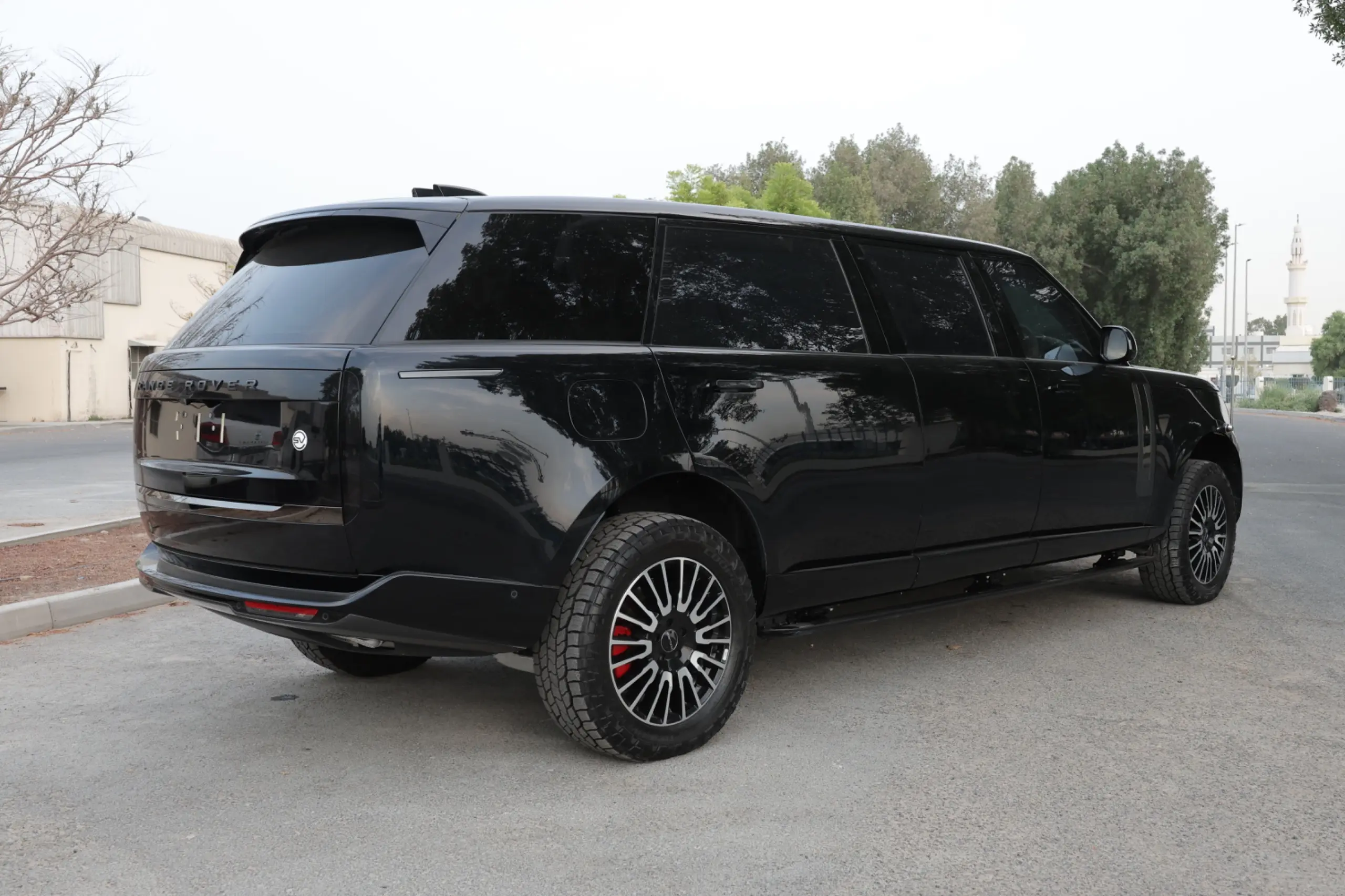
Discreet Luxury: Range Rover P530 Extended BR6
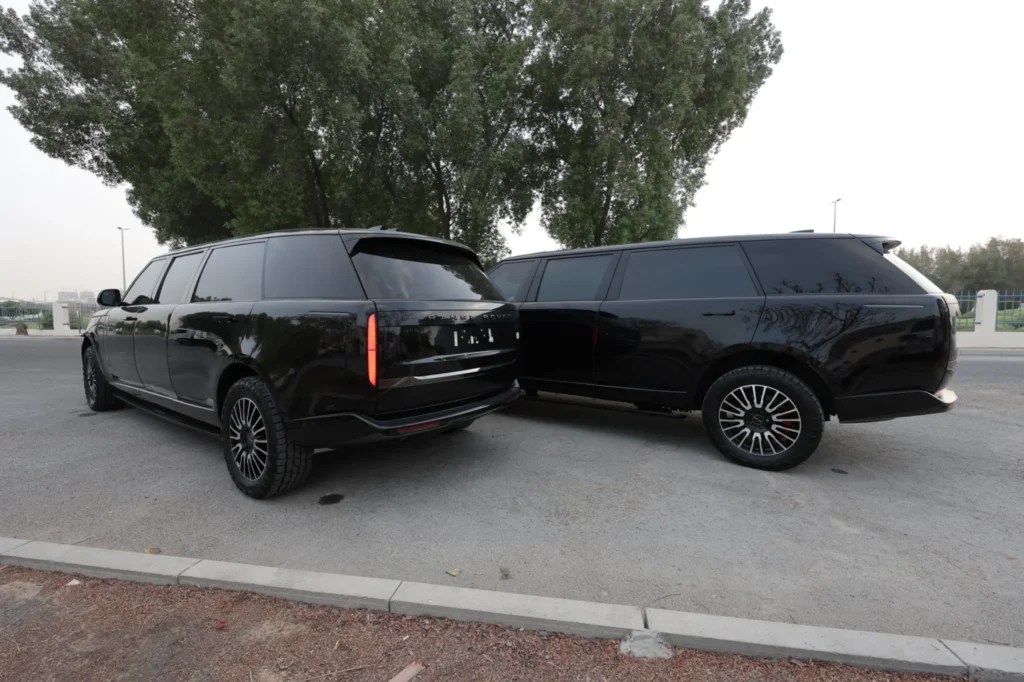
The Range Rover P530 Extended BR6 illustrates how high-end design and discreet protection can coexist. The original vehicle already carries a refined aesthetic with flush glass, soft shoulder lines, and a clean tailgate, so our responsibility is to respect these design cues throughout the armoring process.
Internally, we add BR6 or FB6 protection in a coherent armored shell around the passenger cell. Externally, all visible elements, from paint to trim to wheel selection, remain consistent with the civilian version, which helps the vehicle blend into premium hotel driveways or corporate garages without attracting attention.
Key discreet armoring characteristics on this platform
- Ballistic glass cut to OEM curvature with hidden edges behind factory seals.
- Door armor fixed within factory door envelopes to avoid swollen panel lines.
- Roof and floor shielding arranged in overlapping segments to maintain cabin space.
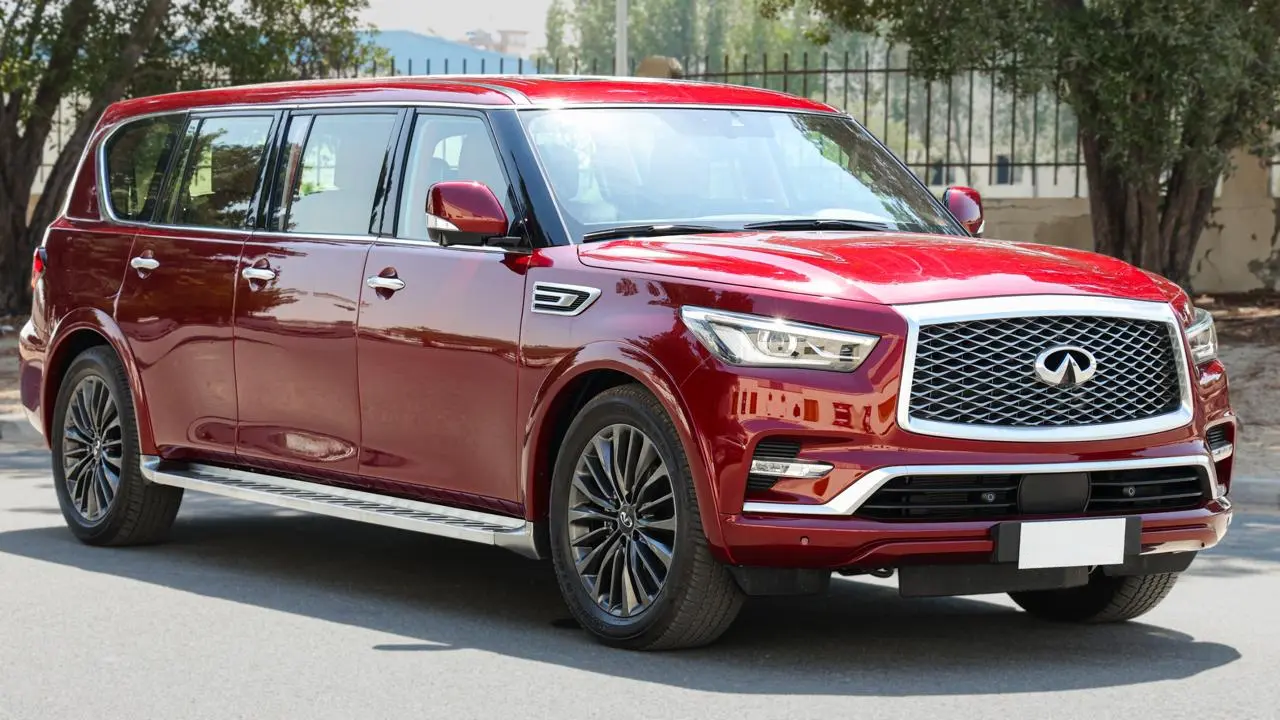
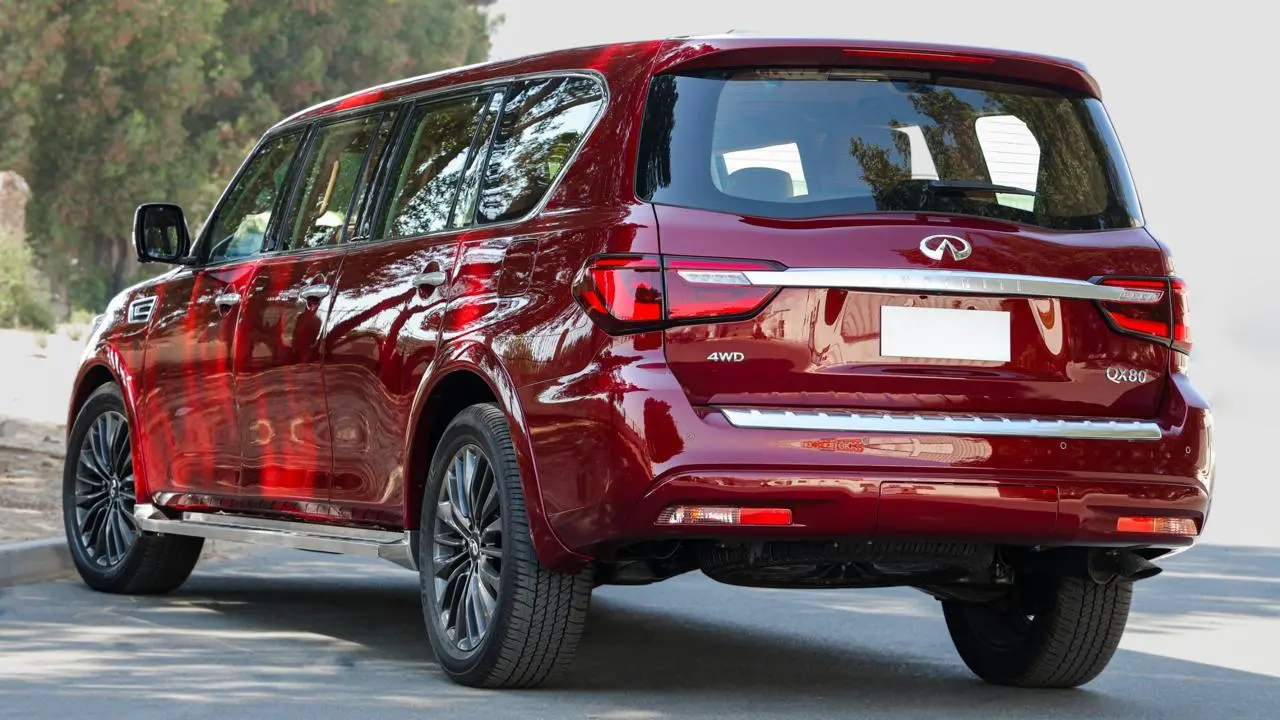
Infiniti QX80 4WD Extended BR6: Executive Silhouette in Motion
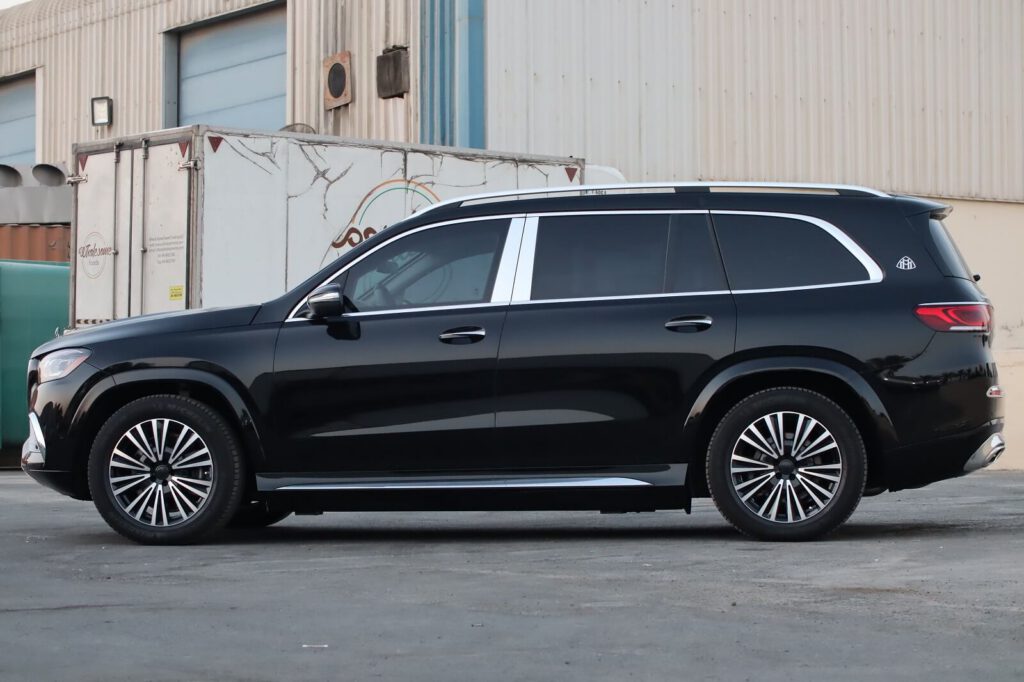
The Infiniti QX80 4WD Extended BR6 is another illustration of discreet armoring in a large luxury SUV. The platform is known for its flowing body lines and distinctive grille, and our armoring package preserves these elements while integrating a comprehensive BR6 protection package around the passenger cabin.
From the outside, the QX80 retains its showroom stance. Inside, we reconfigure the cabin to include armored overlaps, reinforced seat anchor points, and protected electronic control modules, all while maintaining the sense of space that executive passengers expect.
- Heavy-duty suspension and brake upgrades hidden behind factory-style wheels.
- Armored battery and ECM protection in factory compartments.
- High-clarity ballistic glass that maintains outward visibility and interior ambiance.
Did You Know?
Wearable weight distribution devices that significantly redistribute load from the shoulders to the hips, reducing fatigue and improving comfort, which is highly relevant for silhouette-preserving concealed armor.
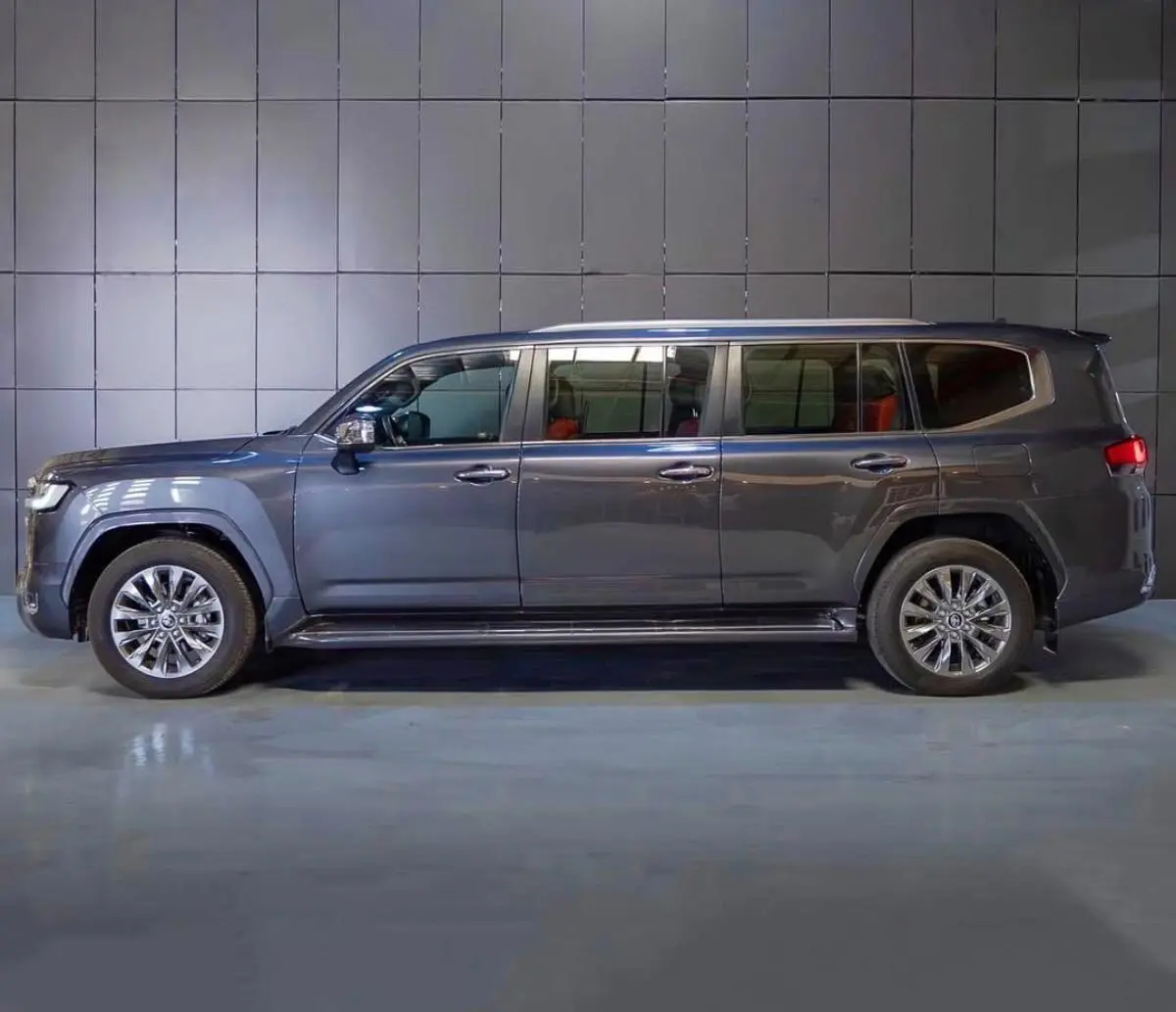
Land Cruiser 300 BR6 Extended: Modern Silhouette, Integrated Protection
For clients who prefer a more contemporary SUV profile, the Toyota Land Cruiser 300 BR6 Extended provides a strong V6 platform with a refined exterior. Our armoring solution keeps the sleek bodywork intact while offering full-cabin coverage at BR6 levels.
We package armor components to work with the vehicle’s modern chassis and electronics. This means careful routing of wiring harnesses, preserving crash sensors, and maintaining factory ride height despite the added weight of ballistic materials and reinforced substructures.
Our goal on platforms like the Land Cruiser 300 is simple: from a distance, it should look like any other late-model SUV in its segment, while internally it quietly carries its protective architecture.
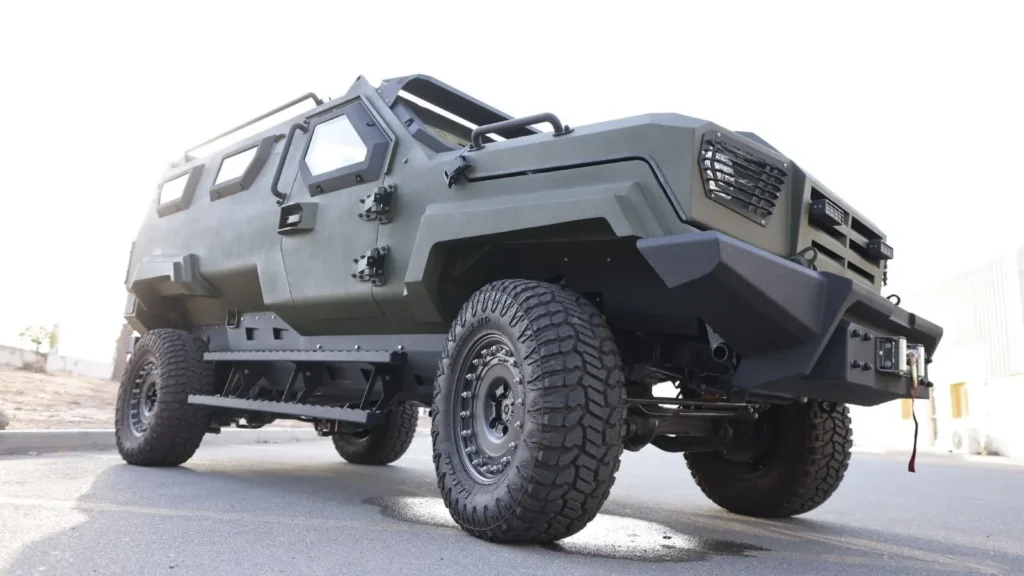
When Silhouette Is Not the Priority: APC and MRAP Geometries
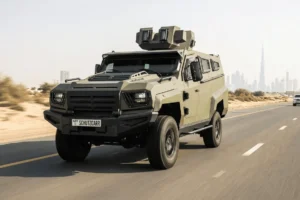
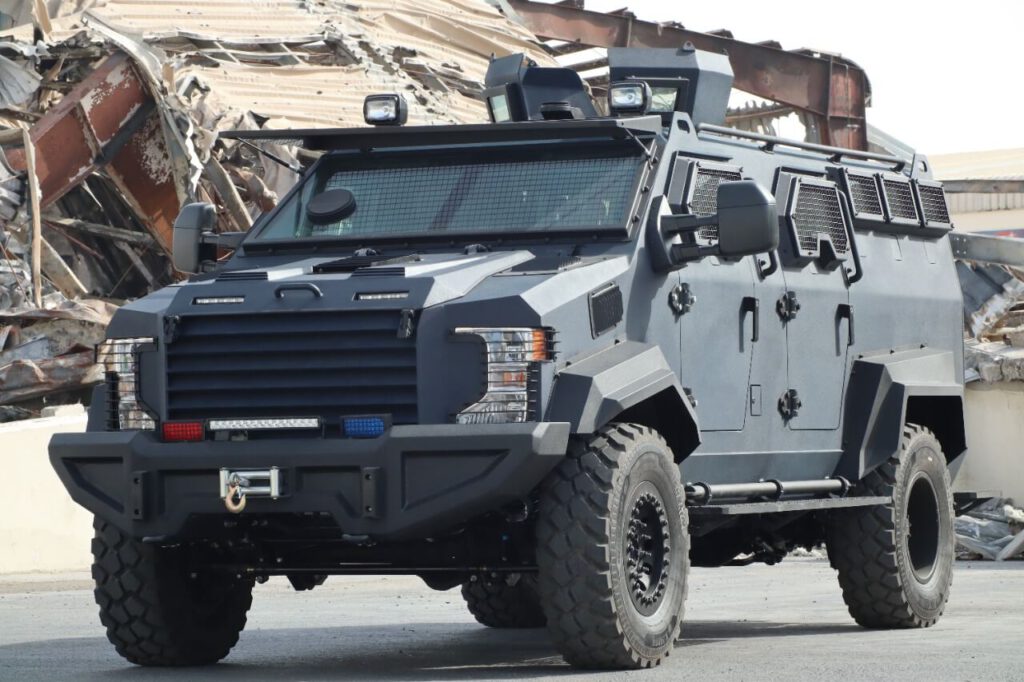
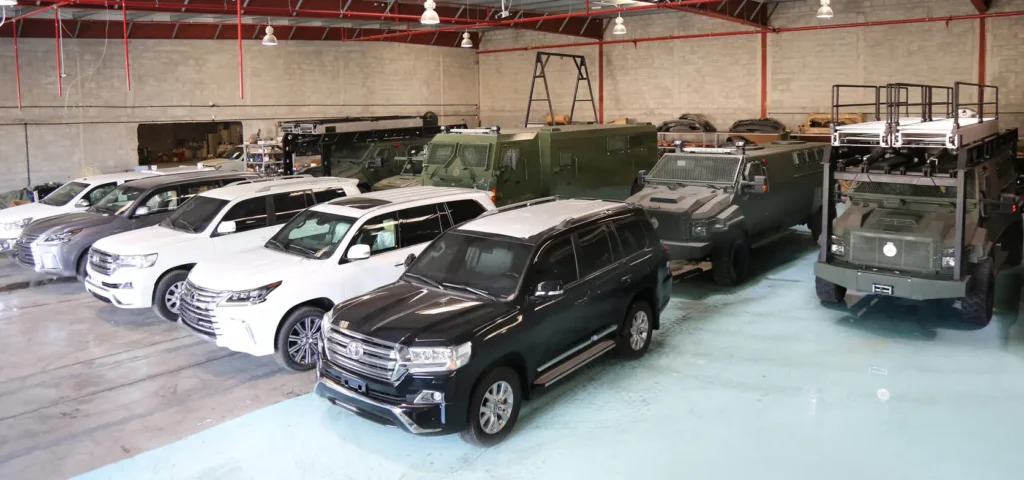
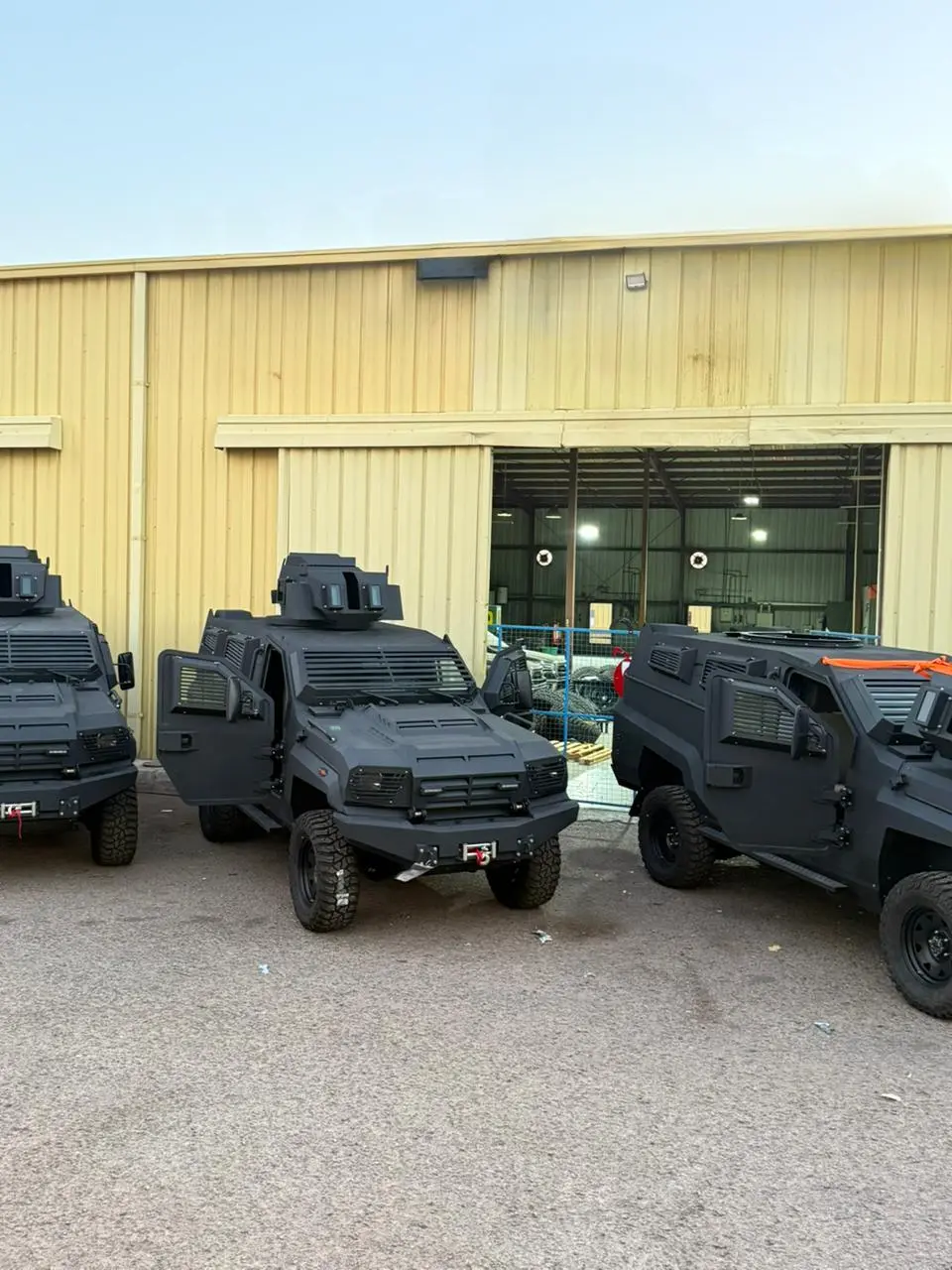
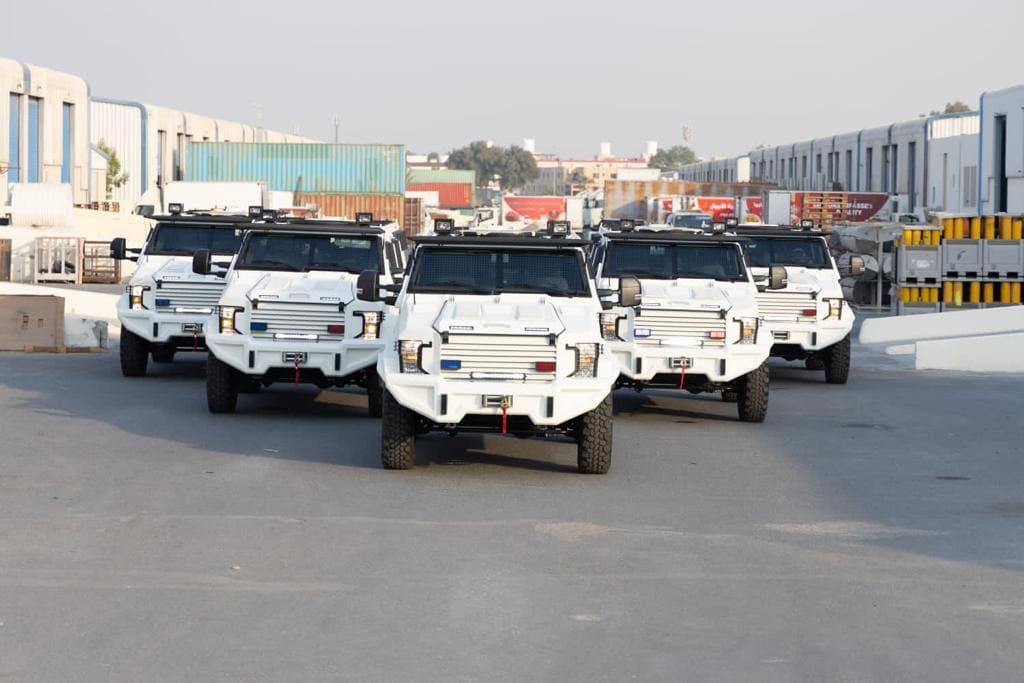
Contrast is useful for understanding discreet design. Our APC and MRAP platforms often prioritize protection volume and angle optimization over preserving a civilian silhouette. This results in more angular, upright profiles that communicate purpose at a glance.
By comparing these vehicles with our discreet SUV and sedan builds, it becomes clear how much work goes into making armor invisible. The APC geometries favor large overlapping panels, visible turret structures, and more aggressive stances, whereas discreet platforms bury similar protection within designs that appear routine in urban traffic.
Interior Design: Preserving Space and Visual Calm
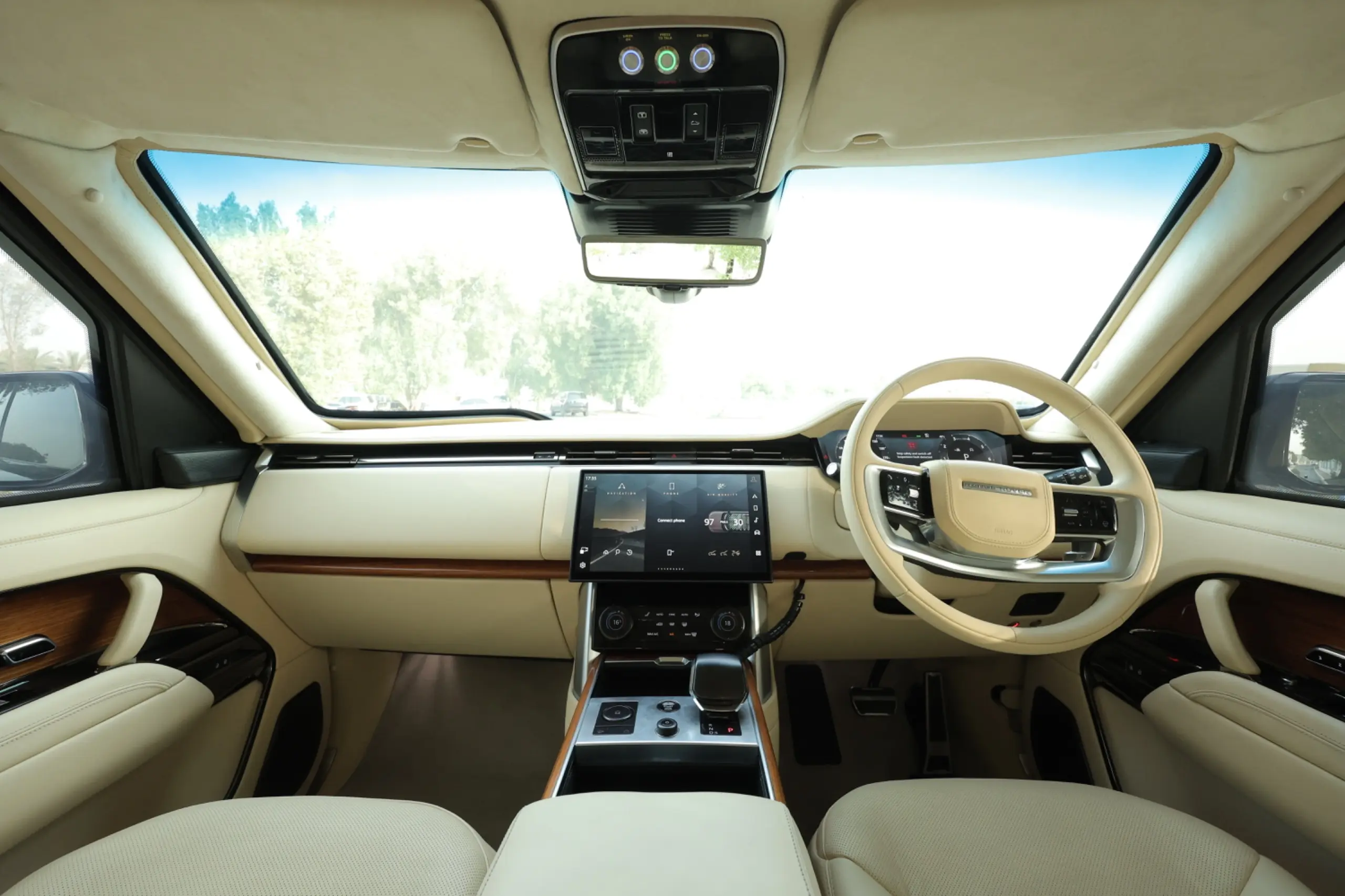
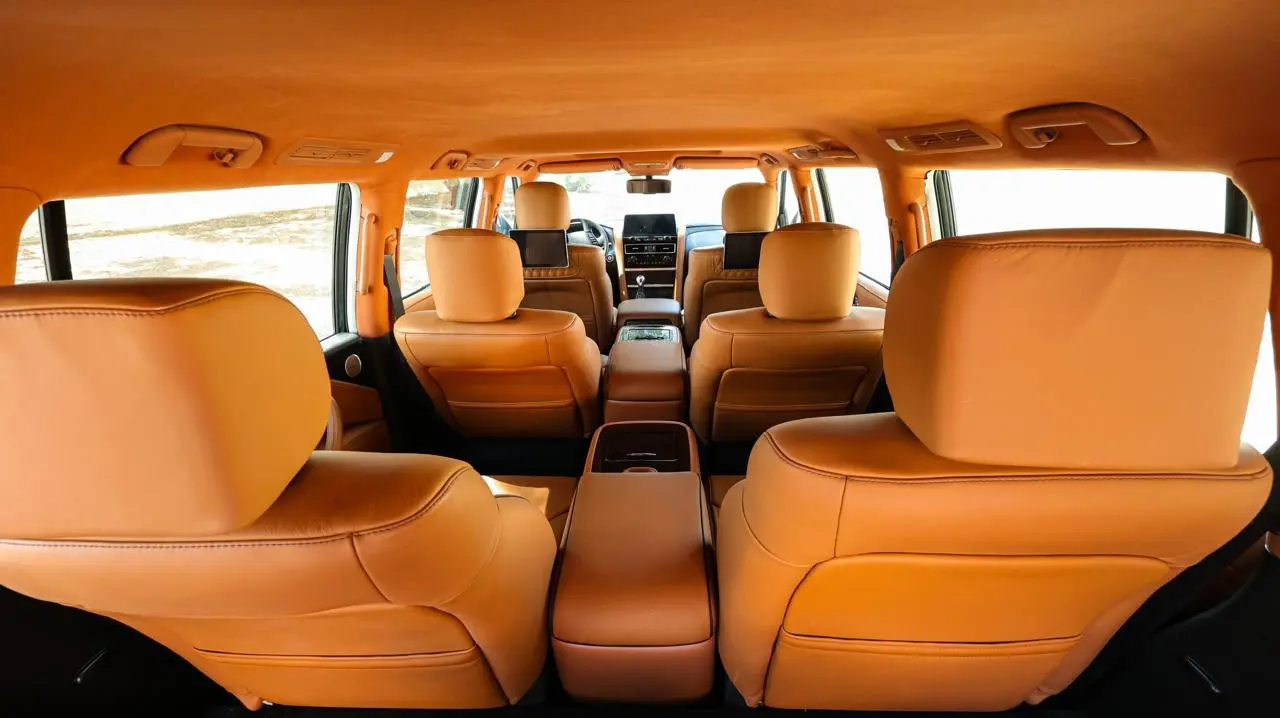
Discreet armoring is not only about how a vehicle looks from the outside. The interior must retain its visual calm and ergonomic function. We conceal overlaps behind trimmed panels, integrate thicker glass into original window frames, and maintain seat travel so posture and headroom stay natural.
Luxury platforms such as the Range Rover BR6 Extended and Infiniti QX80 BR6 invite additional challenges, because clients expect premium materials and uncluttered surfaces. Our teams route reinforcement around climate ducts, infotainment hardware, and lighting so that passengers experience the same environment they would in a standard premium SUV, only with hidden armor beneath.
Stock, Compliance, and Choosing the Right Discreet Platform
For many clients, discreet protection is as much about process as it is about product design. Export documentation, ballistic certification, and traceability matter because they show that a vehicle’s protective elements have been tested and recorded, not improvised.
Stock listings can aggregate platforms that are ready for this type of scrutiny, presenting protection levels, usage profiles, and armoring approaches transparently so decision-makers can match silhouette needs with real-world configurations. Whether it is a Land Cruiser, a luxury SUV, or an APC, we present protection levels, usage profiles, and armoring approaches transparently so that decision makers can match silhouette needs with real-world configurations.
Conclusion
Discreet armoring design to preserve silhouette requires more than adding material to an existing platform. It involves understanding human fit, vehicle geometry, materials science, and occupant expectations, then integrating all of these into a coherent, low-profile solution.
Across our armored sedans, SUVs, and selected APCs, we focus on making protection feel and look routine. From carefully fitted ballistic glass to hidden panel overlaps and balanced weight distribution, every detail is calibrated so that the outside world sees a familiar silhouette, while occupants benefit from a carefully engineered protective envelope.