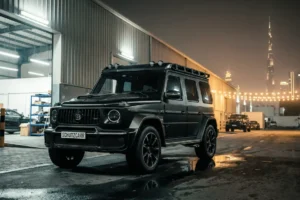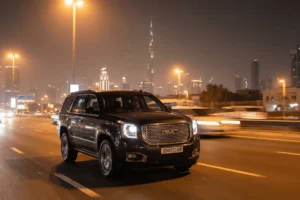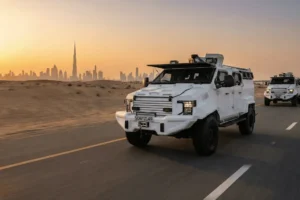

In 2024, about 4,200 armored vehicles were procured for civilian applications worldwide, and a growing share of them are SUVs where clients ask a simple question: how do we keep all this protection as discreet as possible. In this article, we share how we at SchutzCarr think about styling decisions that help an armored SUV blend into everyday traffic while still delivering serious protection.
Key Takeaways
| Question | Concise Answer |
|---|---|
| What makes an armored SUV look truly discreet? | Careful preservation of the original silhouette, correct panel alignment, and subtle use of BR6 materials so the vehicle still looks factory standard, as outlined in our guide on discreet armoring design. |
| Which platforms are best for low‑profile armored SUVs? | Popular SUV platforms with broad civilian use, such as those covered in our overview of the best armored SUVs for VIP global travel, tend to blend more naturally in urban and highway environments. |
| How important is BR6 protection for discreet styling? | BR6 is a common protection level for discreet executive SUVs, and our executive guide to BR6 armored SUVs explains how to pair that protection with low‑profile exterior choices. |
| Can an armored SUV still look like a regular family or business vehicle? | Yes, when armor integration respects the factory shape and trim, similar to what we do with our Toyota Land Cruiser 76 BR6 armored SUV, which preserves the familiar outline. |
| How do sedans compare with SUVs for discreet styling? | Both can be discreet, but SUVs offer more internal volume to hide armor, while sedans like those in our discreet armored sedans guide can appear especially inconspicuous in dense city traffic. |
| Where can I learn about subtle ballistic glass options? | Slimmer, neutral‑tinted ballistic glass is central to discreet styling, which we explore in detail in our article on subtle ballistic glass for a stealth look. |
1. Why Discreet Styling Matters For Armored SUVs Today
Discretion in an armored SUV is about reducing visual signals that suggest special protection, so the vehicle reads as a normal premium or utility SUV in its environment. For many clients, that low profile is as important as the technical specification of the armor itself.
We design around the idea that a passerby should not be able to tell, at a glance, that an SUV is armored. That impacts choices from body kit and wheels to window framing, roofline details, and even the stance of the vehicle on the road.
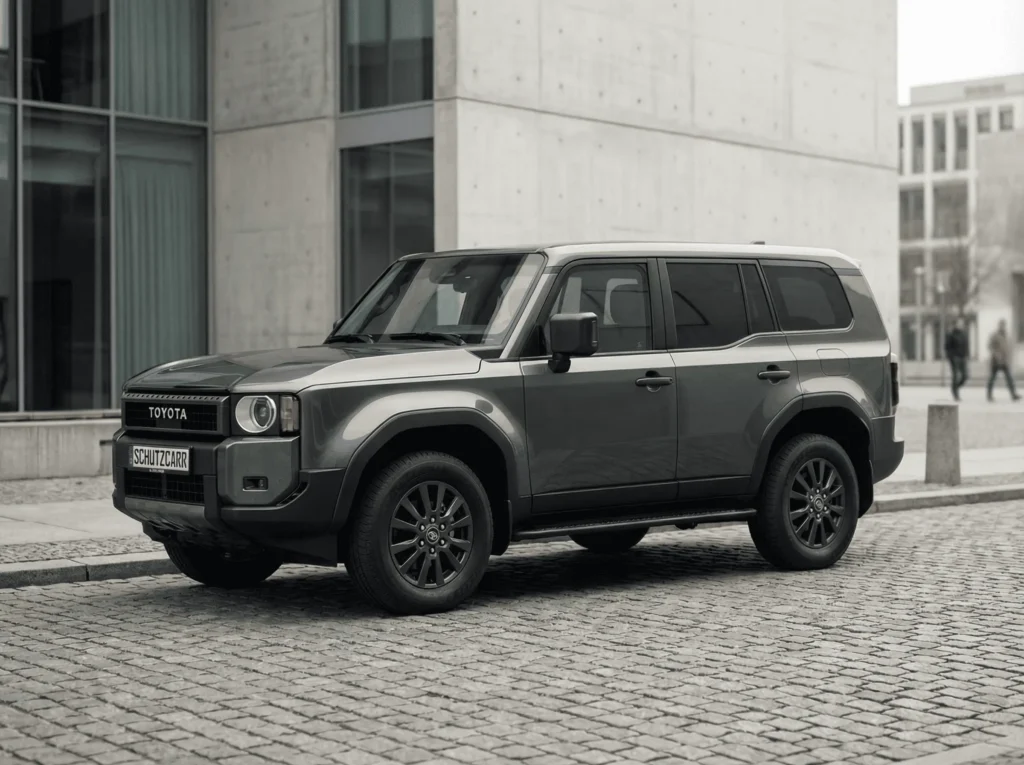
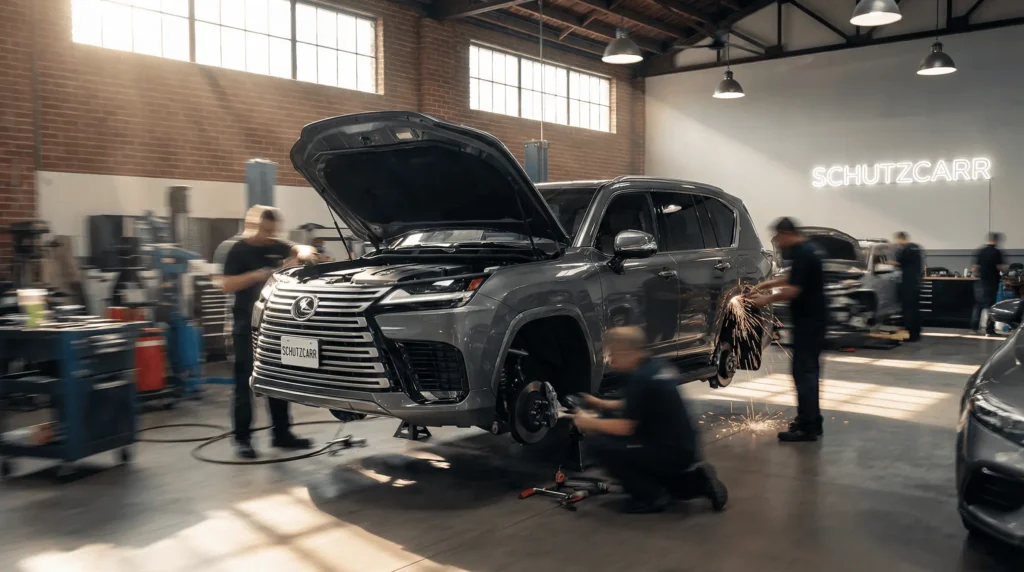
From a styling perspective, we pay attention to three main factors. The first is how common the base platform is in the target region, the second is how closely we can preserve its stock visual cues, and the third is how we package armor so that gaps and panel transitions do not betray underlying modifications.
These factors apply whether we are working on rugged platforms or ultra luxury SUVs. The goal is always the same, a consistent, civilian appearance that avoids attracting unnecessary attention.
2. Preserving the Original Silhouette: Core Principle of Discreet Armor
Silhouette preservation is the foundation of discreet styling for armored SUVs. If the outline and stance of the vehicle remain familiar, most observers will not question anything else they see.
Our work on silhouette focuses on structural integration rather than add‑on parts. We hide armor behind factory body lines, maintain original roof height profiles, and avoid roof racks or external accessories unless they are already common on the base model in local traffic.
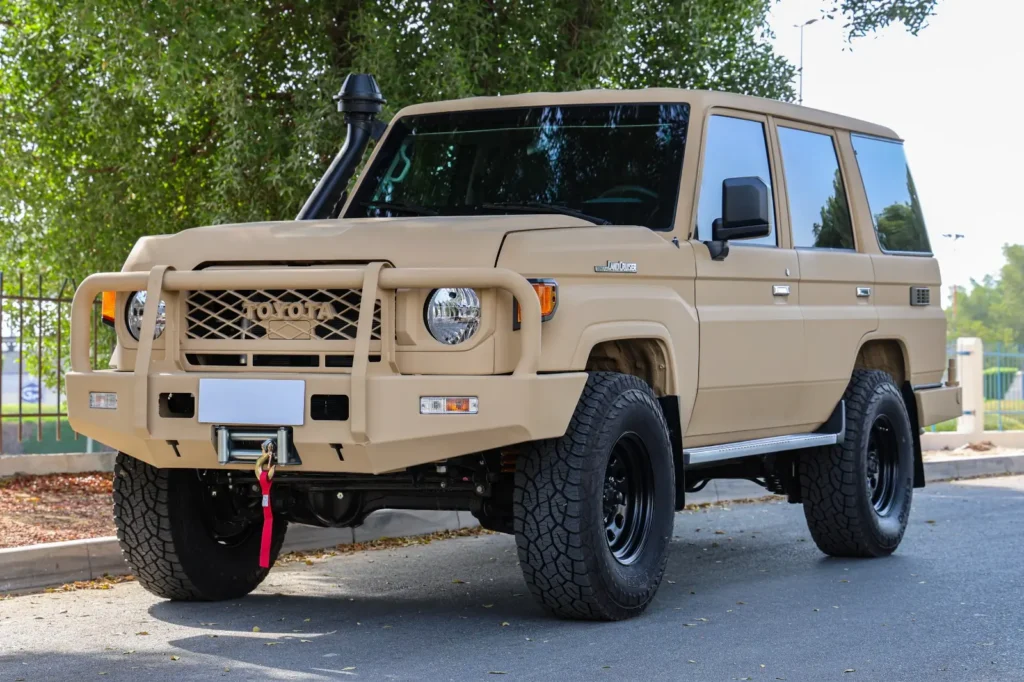
SUV platforms help because they offer more cavity space inside the structure, which we use for discreet reinforcement. Instead of visibly thicker door skins or awkward panel bulges, we focus on inner structures, pillars, and floor sections that do not change the outer look.
We also take care around wheel arches and ride height. Many armored SUVs need suspension upgrades, and we tune these so the vehicle does not sit unusually high or low compared with non‑armored examples of the same model.
3. Exterior Styling Choices That Keep an Armored SUV Low‑Profile
On the exterior, discreet styling comes down to not broadcasting that the SUV is special. We avoid contrasting plates, heavy chrome bars, and unusual aftermarket body kits unless clients request a specific visual language that still fits local norms.
Factory‑style wheels are another important part of this. Oversized off‑road wheels or very aggressive treads can call attention to the vehicle, so we balance tire specifications with the need for a normal appearance in city and highway use.
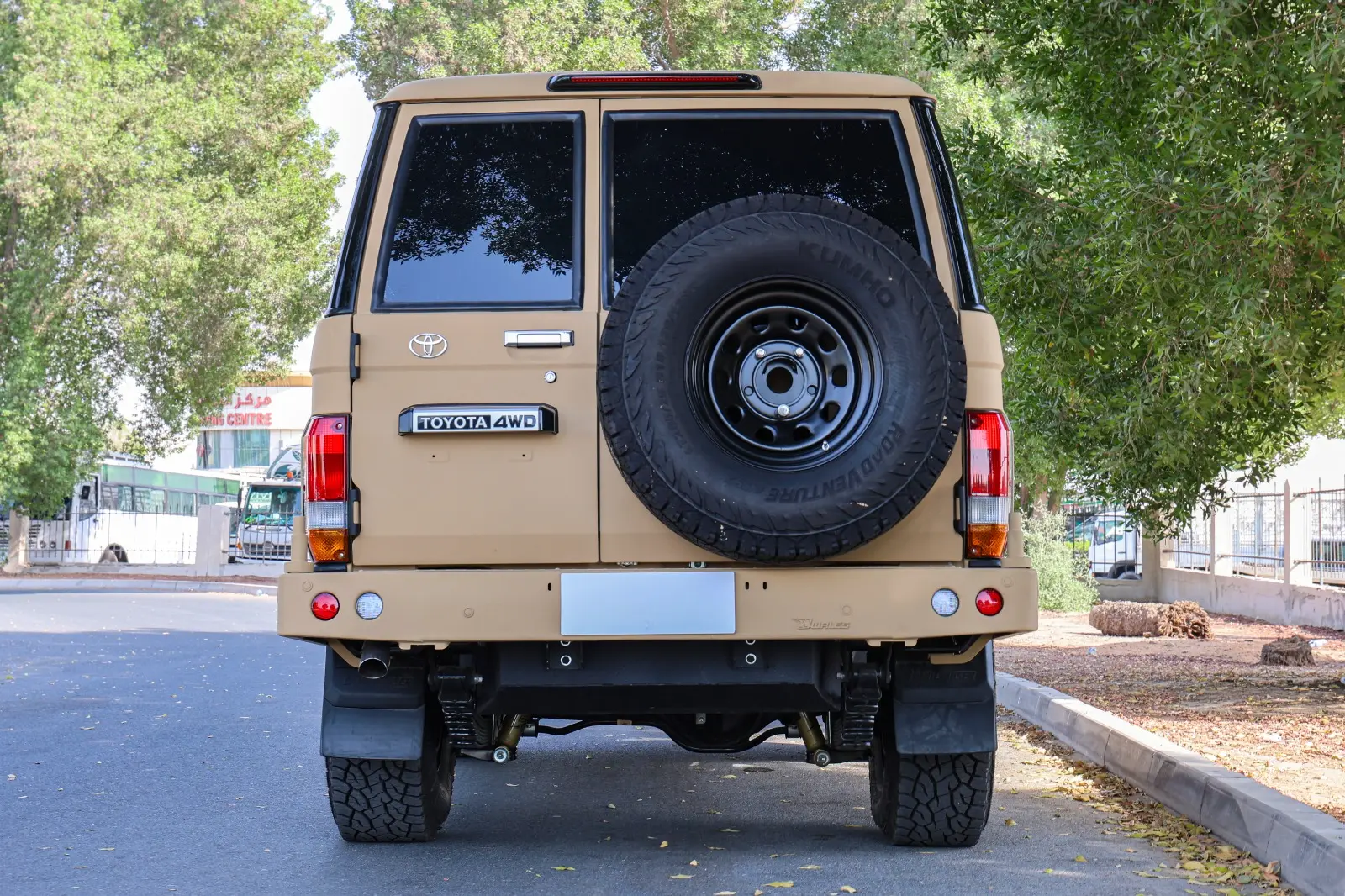
Lighting is another area where we prefer OEM or OEM‑style components. Excessive auxiliary lighting on the roof, grille, or bumper tends to signal a non‑standard vehicle.
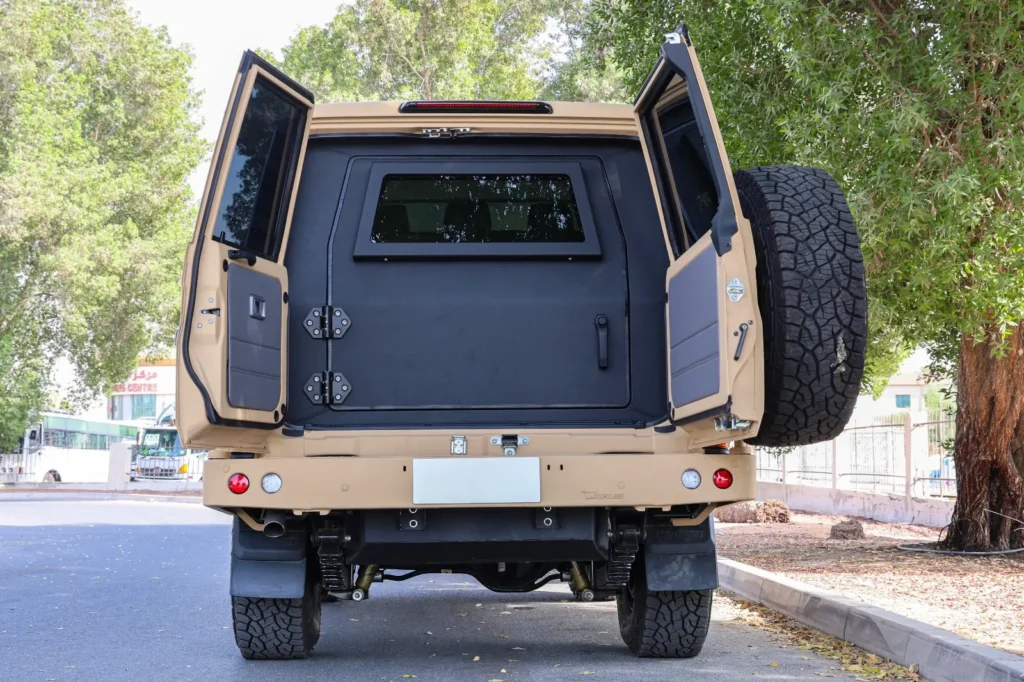
On rugged platforms like the Toyota Land Cruiser 76 BR6, the boxy profile is already familiar in many regions. We keep bumpers, step boards, and rear doors as close to stock as possible so the SUV looks like any other workhorse on the road.
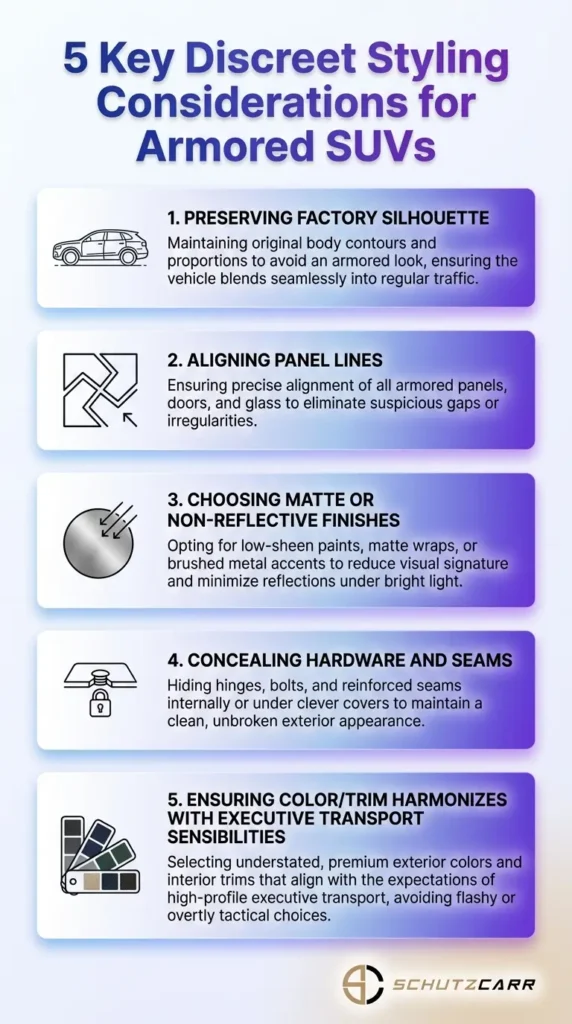
A concise visual guide to achieving a low-profile, stylish armored SUV. It highlights five discreet styling choices that preserve aesthetics without compromising protection.
4. Ballistic Glass: Subtle Visual Cues That Matter
Ballistic glass is often the first visual clue that a vehicle is armored, because of thickness, edge treatments, and tint. Our focus is to make glass look as close as possible to standard automotive glazing while still meeting the specification.
We pay attention to the way glass sits in the frame, so there are no obvious steps or protruding seals around the windows. Slim, neutral tints help keep the cabin private without the reflective mirror finishes that stand out in normal traffic.
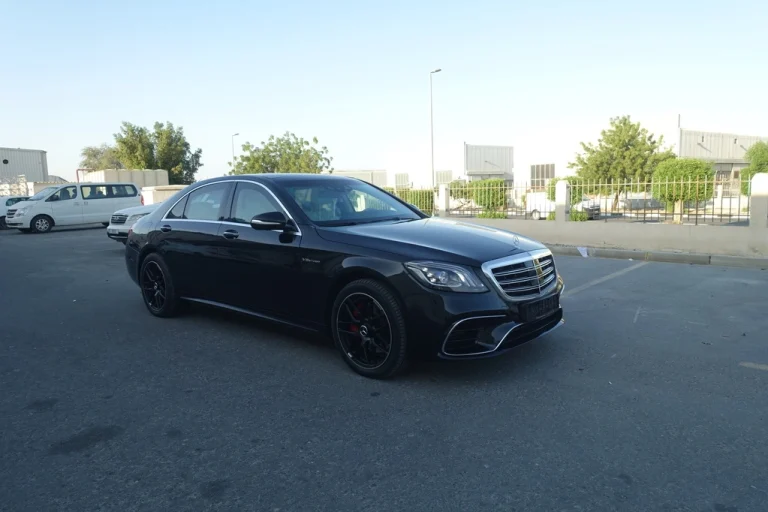
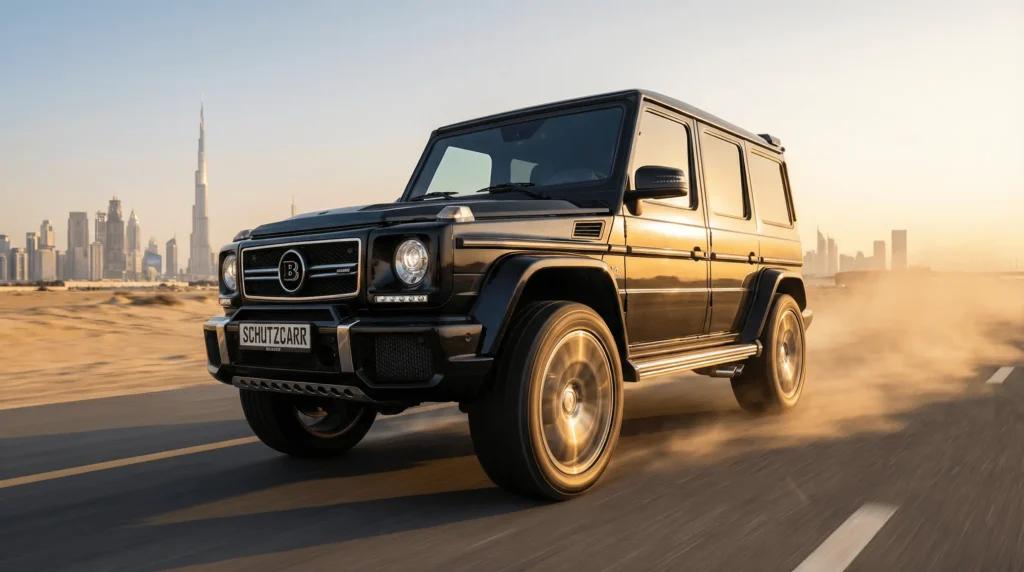
Because glass is thicker in BR6 builds, we also work to avoid deep window reveals that look unusual next to standard SUVs. Carefully profiled inner trims, correct gasket design, and precise installation help maintain a factory‑like visual result.
The same approach applies to windscreens and rear screens. From outside, they should read as regular automotive glass, without visible lamination lines or exaggerated green or blue tinting.
Did You Know?
About 60% of new armor configurations use lightweight composite materials, which helps keep window thickness and surrounding structures more visually discreet while still meeting protection goals.
5. Interior Styling: Quiet Luxury, Familiar Layouts, and Hidden Protection
On the inside, discreet styling means the cabin feels like a normal premium SUV, not a utility vehicle with armor added. We hide structural reinforcements behind trims and use upholstery choices that align with the base model’s design language.
Clients often want a familiar driving and riding experience. That means keeping original switchgear positions, integrating any additional controls cleanly, and maintaining a calm acoustic environment even with thicker glass and reinforced doors.
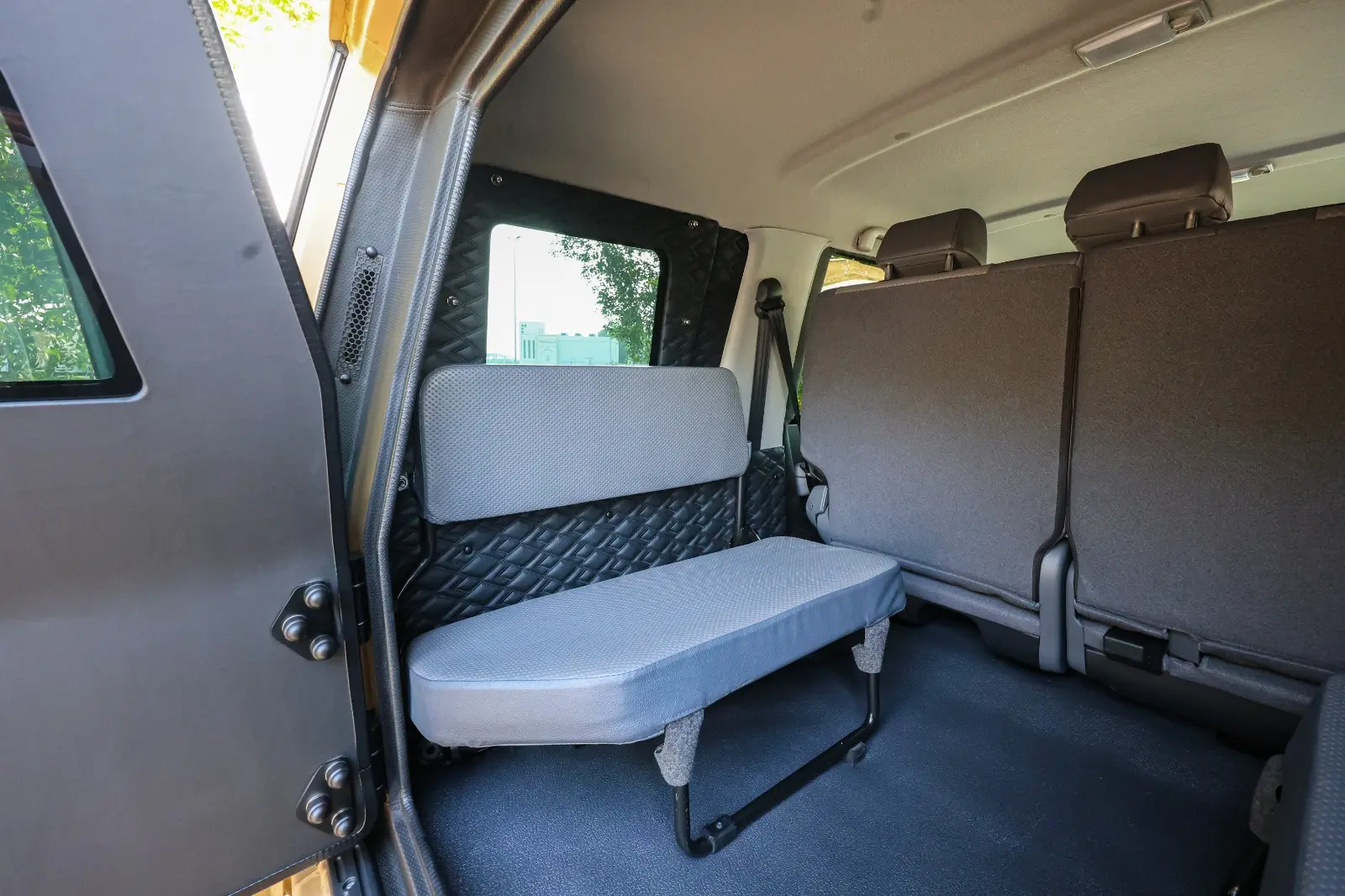
Many discreet builds prioritize soft‑touch surfaces, tasteful wood or metal accents, and high‑quality stitching patterns. These details visually offset the mass of the armor and reassure occupants that the SUV is designed for daily executive or family use.
At the same time, we avoid excessive in‑cabin technology that draws attention. Functional screens and controls are integrated so that the cabin reads as premium and modern, not as a control center.
6. BR6 Protection and Styling: Finding the Right Balance
BR6 is a frequent choice for armored SUVs because it offers a high level of protection while allowing vehicles to stay relatively agile and visually discreet. The styling challenge is to integrate that level of ballistic material without making the SUV look visibly heavier or more aggressive.
We manage this by planning the armor layout around the SUV’s structural lines. Roof, pillars, and floor all carry ballistic elements, yet from the outside the vehicle still appears as a normal BR6‑capable platform rather than a visibly modified truck.
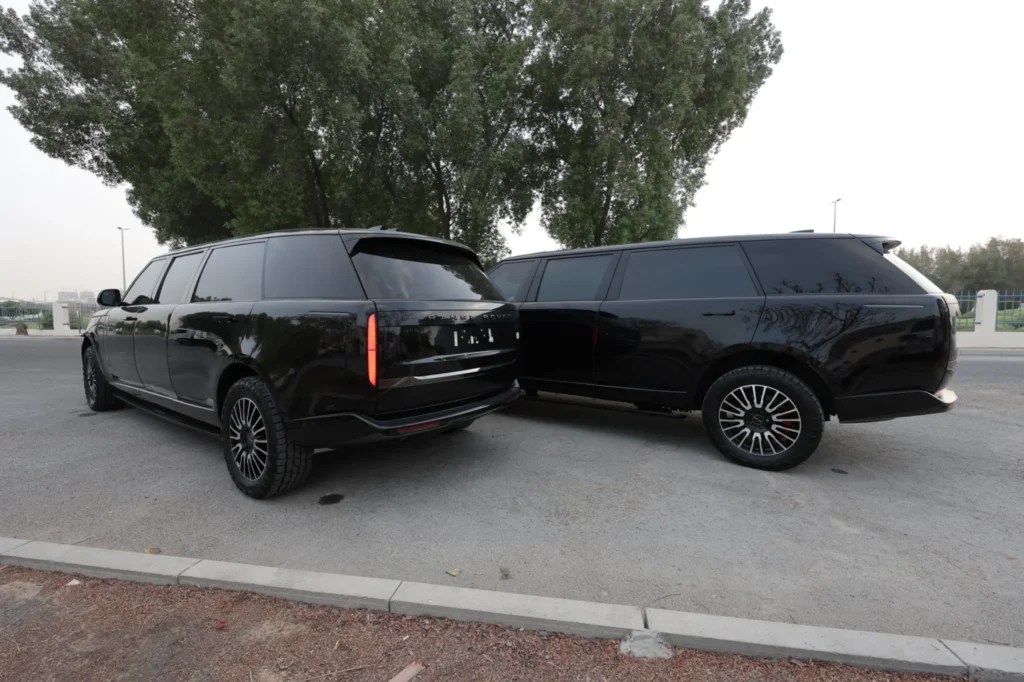
From a styling point of view, BR6 SUVs need special attention around door shuts, hinges, and latches. These components are heavier than standard, so we adjust their design to keep shut lines neat and avoid gaps that would give away the presence of armor.
Suspension and wheel selection also play into the BR6 styling equation. We choose configurations that support the additional mass but preserve a factory‑aligned ride height and avoid an overly stiff or raised stance that could make the vehicle look unusual.
7. Rugged, Classic Platforms: Toyota Land Cruiser 76 BR6
Some clients prefer rugged, classic platforms where discretion comes from blending in with utility fleets rather than with luxury crossovers. The Toyota Land Cruiser 76 BR6 is a good example, since its boxy shape and simple lines are already common in many environments.
Our task with this platform is to preserve the iconic silhouette and practical image. We keep the front fascia, grille design, and rear doors visually close to the standard vehicle while integrating BR6 or B7 protection inside the shell.
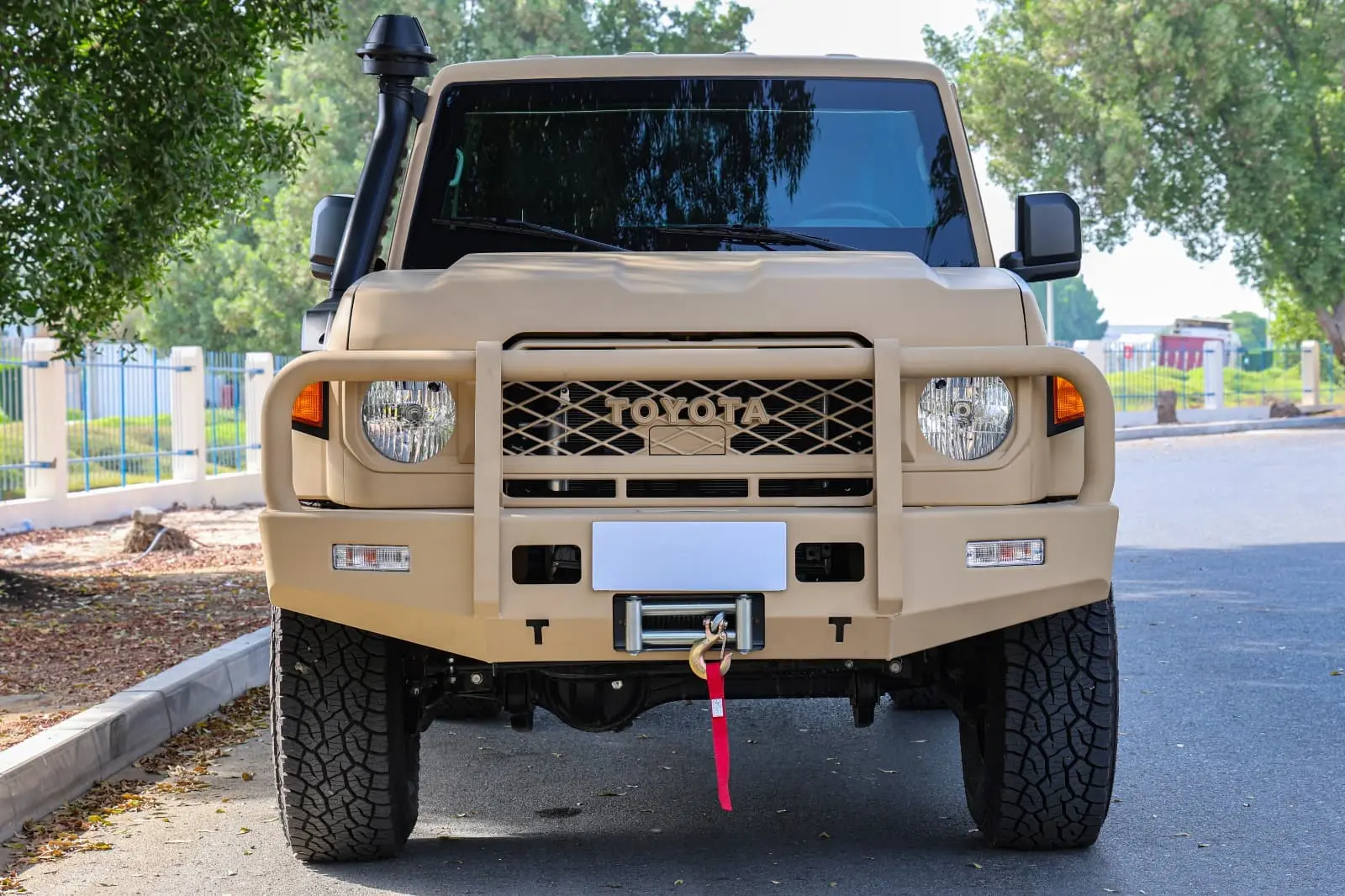
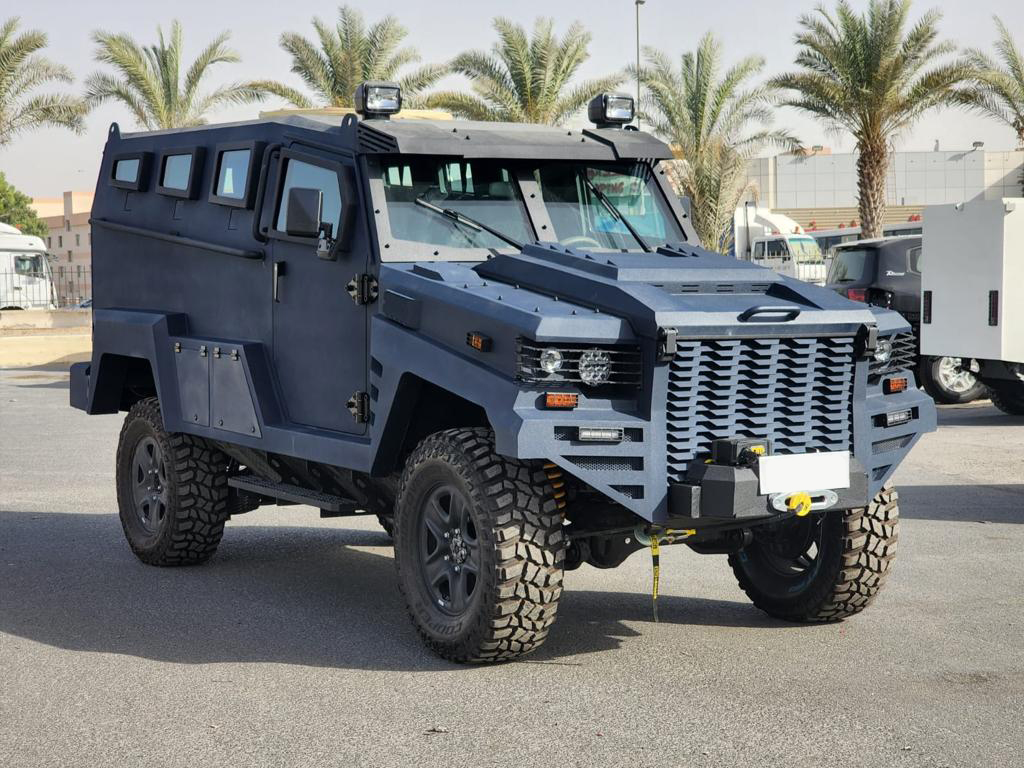
Because the Land Cruiser 76 has flat panels and upright glass, we work carefully on panel fit and glass integration. Any misalignment would be more visible on such a simple design, so precision is critical for a discreet result.
The interior of this platform can stay intentionally modest, which suits clients who prefer an understated presence. We still ensure trims and panels hide armor effectively so cabin occupants are surrounded by protection without intrusive visual changes.
Did You Know?
Around 40% of budgets in discreet-armor programs are allocated to interior customization, which shows how much focus buyers place on cabins that look and feel like standard premium SUVs even with significant protection added.
8. Luxury‑Focused Platforms: Maybach GLS 600, Range Rover, and Infiniti QX80
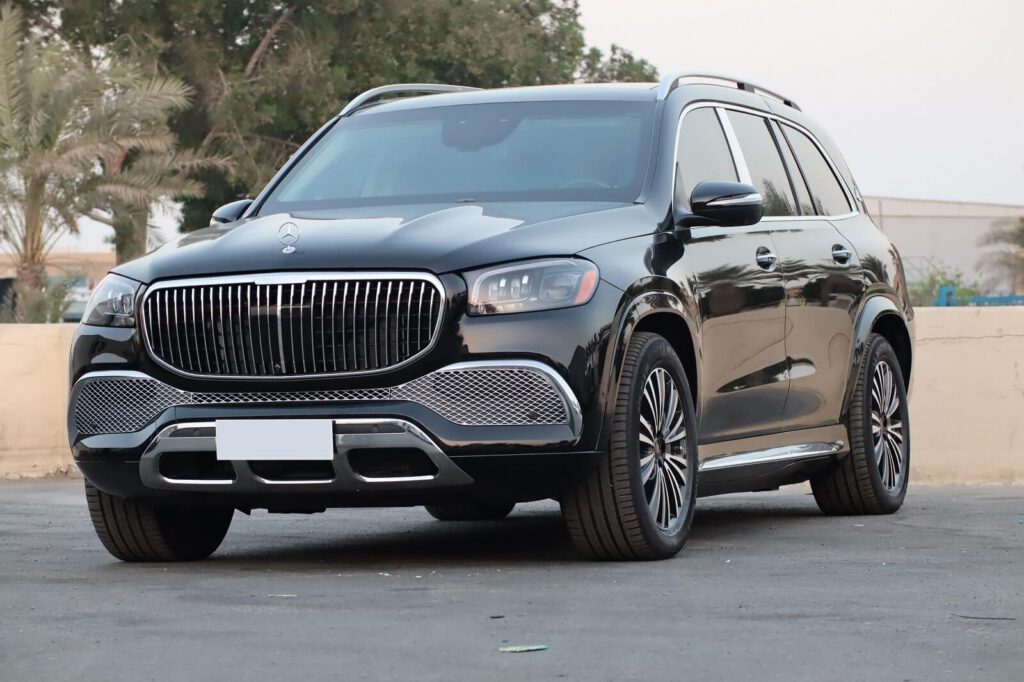
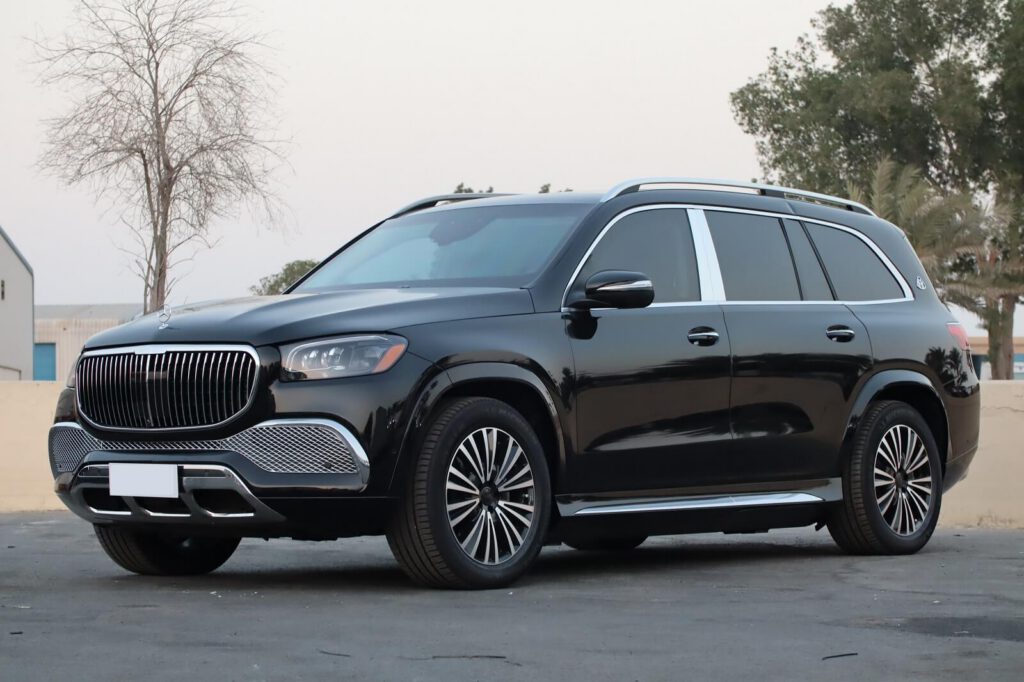
At the luxury end, discreet styling is about preserving the design language that makes these SUVs desirable in the first place. For example, the Mercedes Maybach GLS 600 BR6 armored SUV keeps its signature grille, lighting signature, and flowing side surfaces, even though the body carries 360‑degree protection.
We integrate armor so it follows existing character lines, not against them. That helps the Maybach GLS, Range Rover BR6 extended builds, and Infiniti QX80 BR6 extended configurations keep the same visual identity they have as non‑armored vehicles.
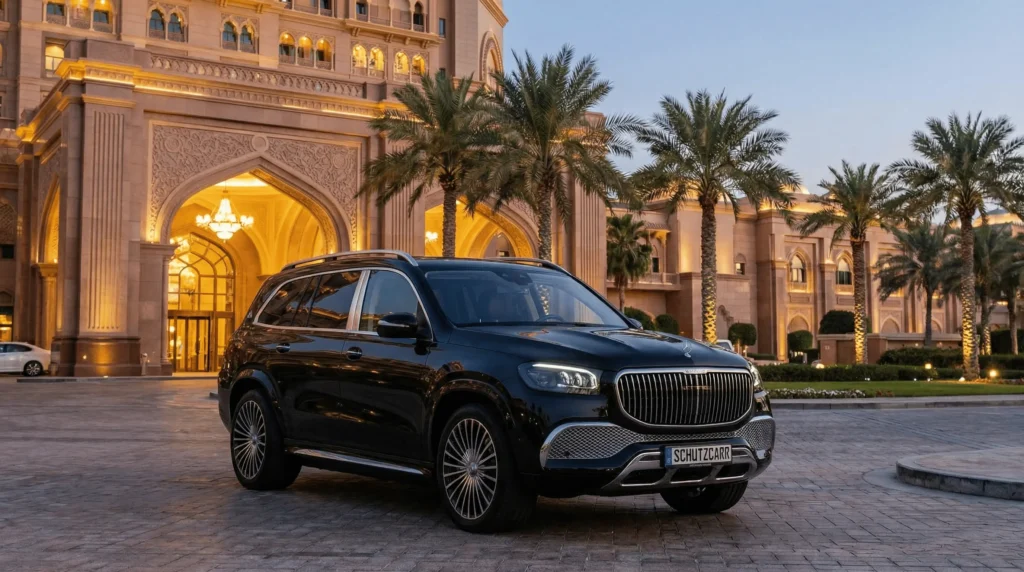
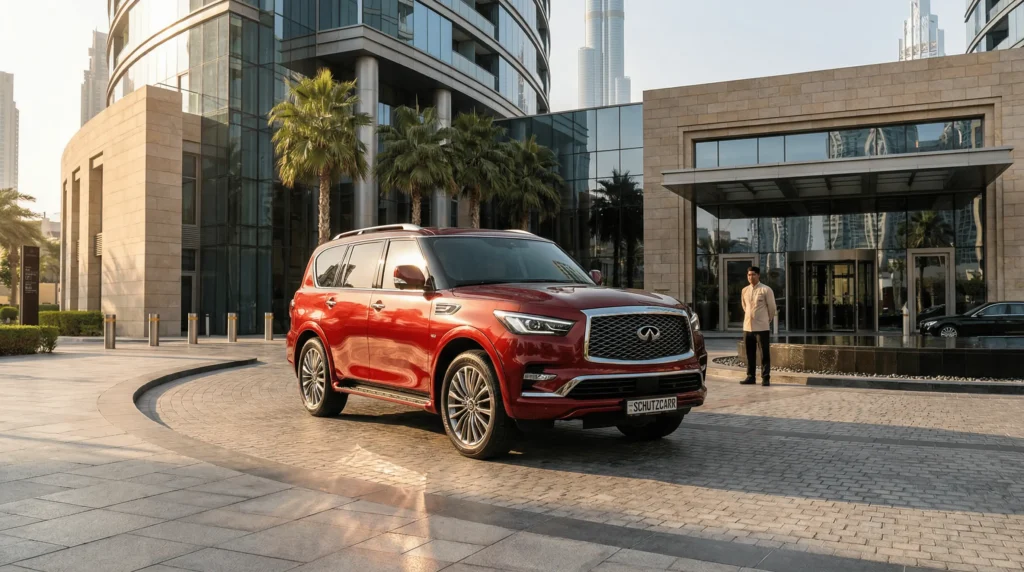
On these platforms, passengers often spend more time in the rear cabin, so rear‑door geometry and privacy features matter. We make sure door apertures remain comfortable and that blinds or tints are tasteful, not overly reflective.
Wheel choices, paint finishes, and chrome details all follow the manufacturer’s original intent. This keeps the SUVs aligned with other luxury vehicles at hotels, airports, and business districts, which is central to discreet presence.
9. Familiar Luxury With Added Protection: Lexus LX600 BR6
The Lexus LX600 BR6 armored SUV is an example of pairing discreet styling with a platform known for comfort and reliability. Many clients are already familiar with the LX600 cabin, so we focus on preserving that familiarity while adding BR6 protection around occupants.
From outside, the LX600 keeps its recognizable grille and proportion, so it looks like any other luxury SUV in traffic. Our job is to hide the extensive protective shell behind bodywork that remains visually factory‑correct.
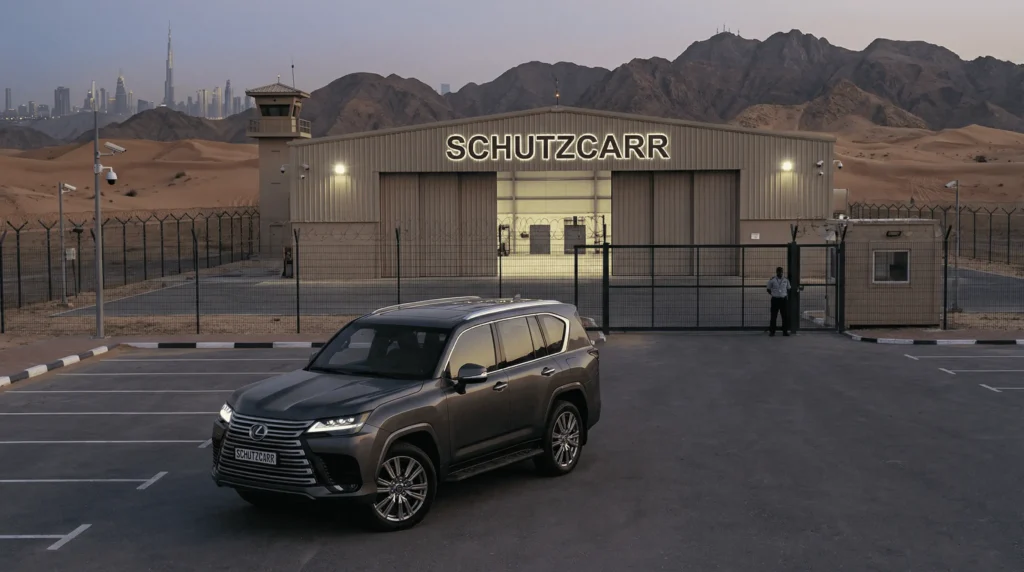
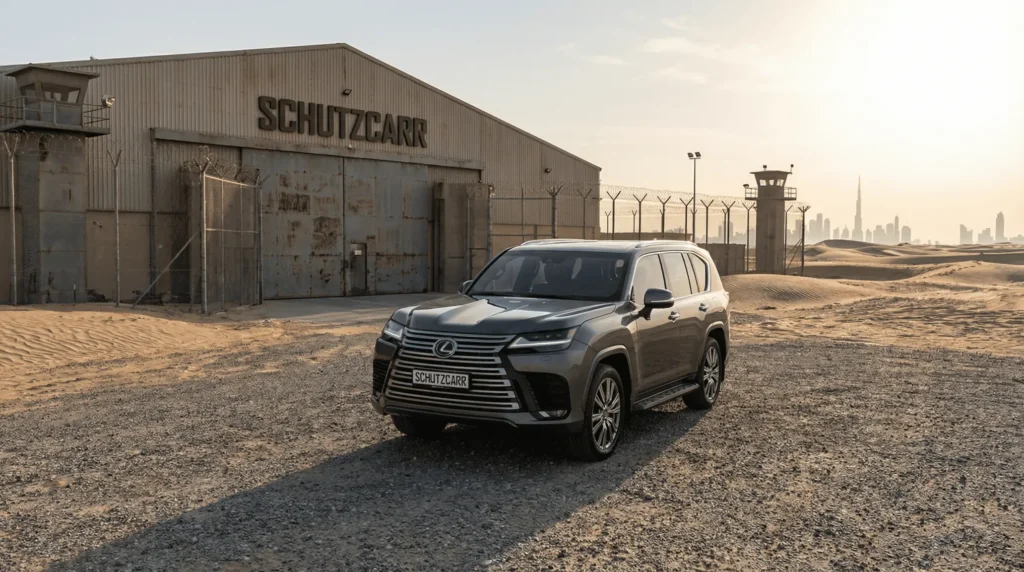
Inside, we maintain Lexus design cues, from seat shapes and stitching to dashboard materials. Additional switches and systems are integrated into existing console areas so they do not clutter the layout.
Because the LX600 sits at the intersection of off‑road capability and city comfort, we also pay attention to how it looks in different contexts. The styling needs to feel natural in urban centers and on more remote roads, which shapes our exterior accessory recommendations.
10. Extended‑Wheelbase and Global‑Use SUVs: Space Without Flash
Extended‑wheelbase SUVs, like certain BR6 extended configurations of the Land Cruiser 300 or Range Rover, add legroom and equipment space. The discreet styling challenge is to stretch the cabin without making the SUV visibly unusual next to standard versions.
We address this by following factory design references for long‑wheelbase models and echoing their proportions. Window spacing, rear‑door length, and pillar positions are chosen so the vehicle looks like an OEM extended variant rather than a visibly modified custom job.
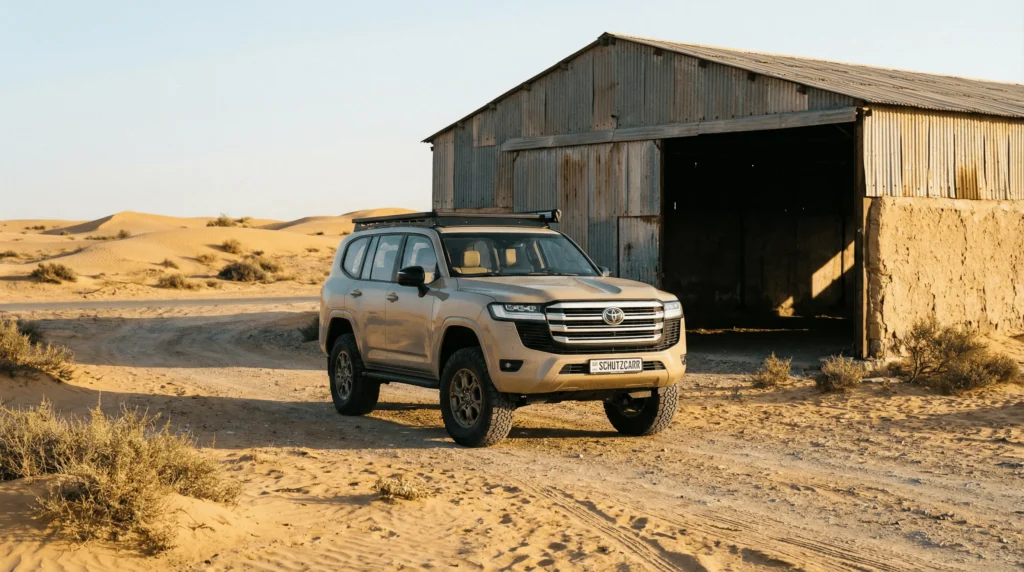
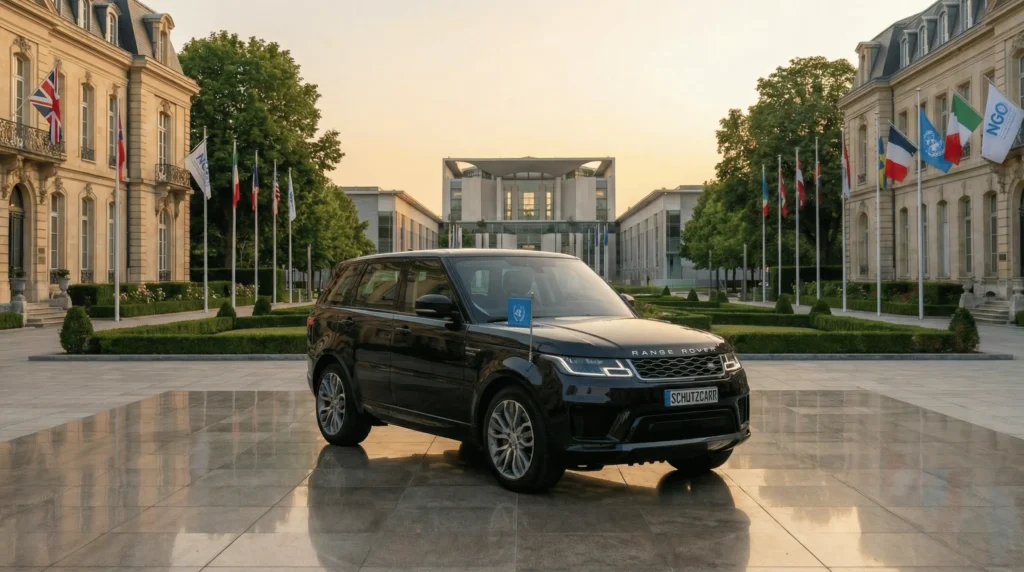
Global‑use SUVs also have to look at home in different regions. That means choosing neutral paint colors, avoiding region‑specific body kits, and keeping the vehicle visually consistent with local dealership offerings.
We also think about serviceability and spare parts. When exterior styling is close to stock, it remains easier to replace body and trim pieces while maintaining the discreet appearance over the life of the vehicle.
11. How We Plan Discreet Styling With Clients at SchutzCarr
Discreet styling is not an afterthought at SchutzCarr. We treat it as a core design track alongside engineering, starting with discussions about where the SUV will operate, who will use it, and what kinds of vehicles are common in those areas.
We then match platforms and styling packages to those requirements, whether that means a rugged Land Cruiser 76 BR6, a luxury Maybach GLS 600, or a Lexus LX600 BR6 build. Throughout, our priority is an exterior and interior that read as normal, familiar, and unremarkable to outside observers.
Our design and engineering teams coordinate closely so that armor layouts, weight distribution, and styling all support the same goal. That includes planning for subtle ballistic glass, careful door and panel integration, and interiors that look and feel natural.
Clients also receive guidance on operating the vehicle in a way that supports discretion. The most carefully styled armored SUV will still attract attention if used in a way that conflicts with its subtle visual language, so we help align expectations early in the project.
Conclusion
Discreet styling for armored SUVs is about thoughtful choices at every stage, from platform selection and BR6 integration to glass specification and interior finishes. When each of these elements supports the same goal, the result is an SUV that protects quietly and blends into daily life.
If you are considering an armored SUV and want to discuss how to keep its appearance low‑profile and unobtrusive, we invite you to contact our team at SchutzCarr. You can reach us directly through our contact page at https://schutzcarr.shop/contact/ and we will help you plan a configuration that matches your operational and stylistic needs.