
Choosing a BR6+ armored SUV for executives is no longer a niche decision. Commercial use, including VIP and executive fleets, represents a significant share of global armored-vehicle demand, reflecting how common these platforms have become in corporate risk management. In this guide, we walk through how we think about BR6+ SUV configurations for executives, using our own platforms like the Land Cruiser 76, Land Cruiser 300 BR6 Extended, Range Rover P530 BR6 Extended, Infiniti QX80 BR6 Extended and Mercedes Maybach GLS 600 to illustrate the options.
Key Takeaways
| Question | Key Answer & Resources |
|---|---|
| 1. What does BR6+ really mean for an executive SUV? | BR6 refers to a ballistic protection level designed to resist common rifle threats in civilian security contexts through a comprehensive armored capsule and multilayer ballistic glass. Our overview of the Infiniti QX80 BR6 Armored SUV shows how this level is applied on a full-size luxury platform. |
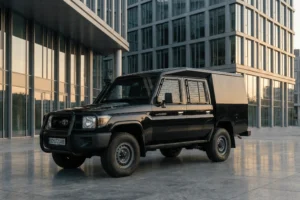
| 2. Which BR6 SUVs are best for rugged executive routes? | For challenging road conditions and discreet use, many buyers start with the Toyota LC76. We explain why in Thinking About a Toyota Land Cruiser 76 BR6 Armored SUV? |
| 3. How do we balance luxury and protection? | Platforms like the Mercedes Maybach GLS 600 armored SUV and Range Rover P530 BR6 Extended pair BR6 armor with high-comfort, rear-focused cabins for senior executives. |
| 4. When is an extended BR6 configuration worth it? | Extended-wheelbase builds such as the Land Cruiser 300 BR6 Extended are useful when you need more rear legroom, equipment space or a support staff seat behind the primary principal. |
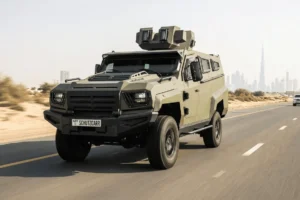
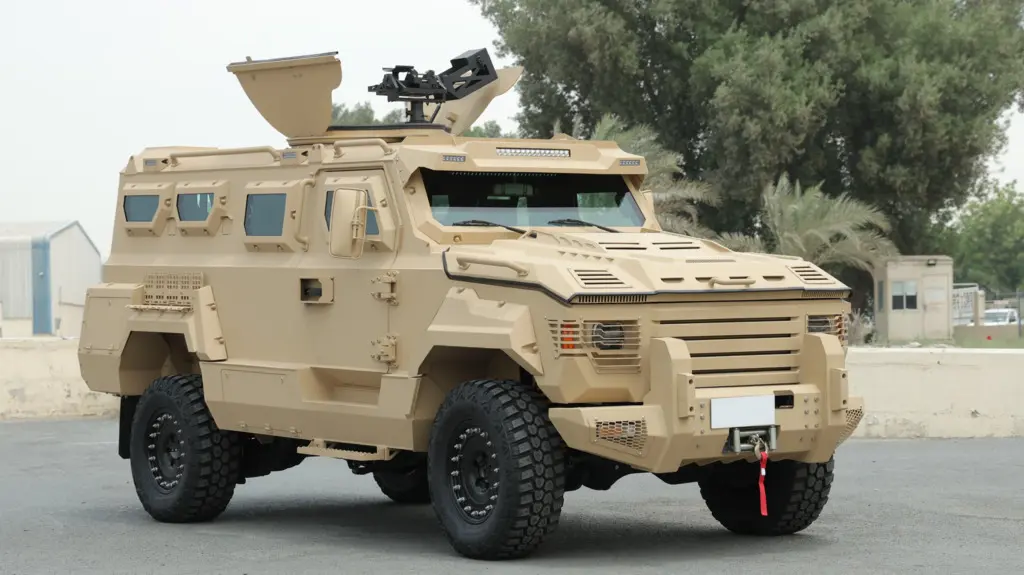
| 5. What if an SUV is not sufficient? | For scenarios that demand higher levels of structural and underbody protection or group movement, some clients move to civilian MRAP or APC platforms. Our MRAP overview explains how these fit above BR6 SUVs in a protection ladder. |
| 6. How can we compare different SUV platforms quickly? | We recommend shortlisting donor vehicles first (LC76, LC300, Range Rover, Infiniti QX80, Maybach GLS 600) then comparing protection layout, cabin configuration and certification. Our detailed product view of the Armored Toyota Land Cruiser 76 is a good benchmark. |
| 7. Where can we explore more armored-vehicle options? | If you are still mapping the wider market, our broader armored vehicles category shows how BR6 SUVs relate to pickups, sedans and heavier platforms. |
1. How BR6+ Protection Shapes Executive SUV Choices
BR6 and BR6+ configurations start from a simple goal: preserve life inside the cabin under defined ballistic conditions while keeping the vehicle driveable. For executives, that means your choice of SUV is really a choice about how you want that protection package integrated into daily movement, meeting schedules and public visibility.
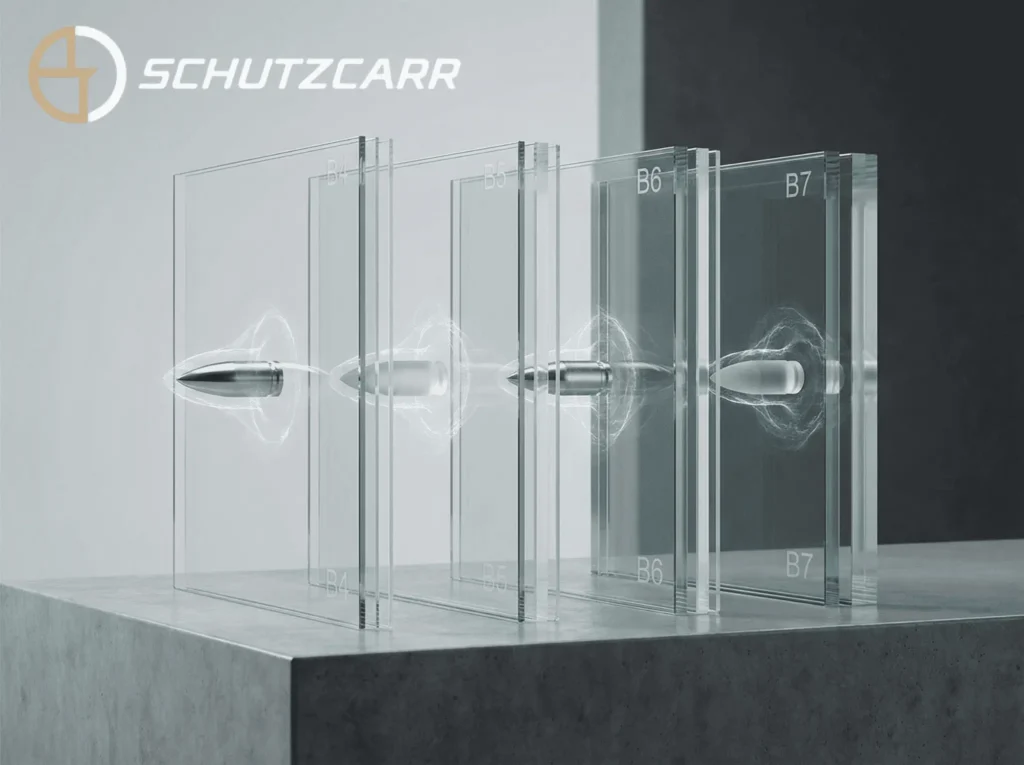
Typical BR6 layouts include opaque armor in the doors, pillars, and firewall, plus transparent armor in the glass with increased thickness compared to standard automotive glazing, depending on platform and certification requirements on some platforms, as described for the Range Rover BR6 Extended. Roof and floor reinforcement, battery and ECM protection, and run-flat systems complete the protective capsule that surrounds the cabin.
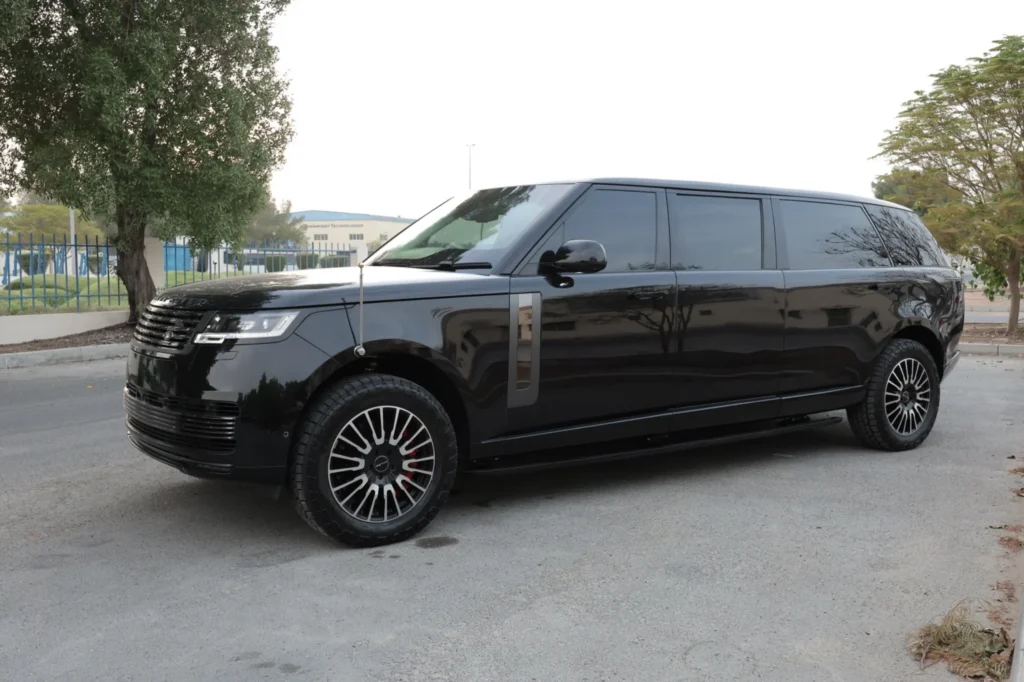
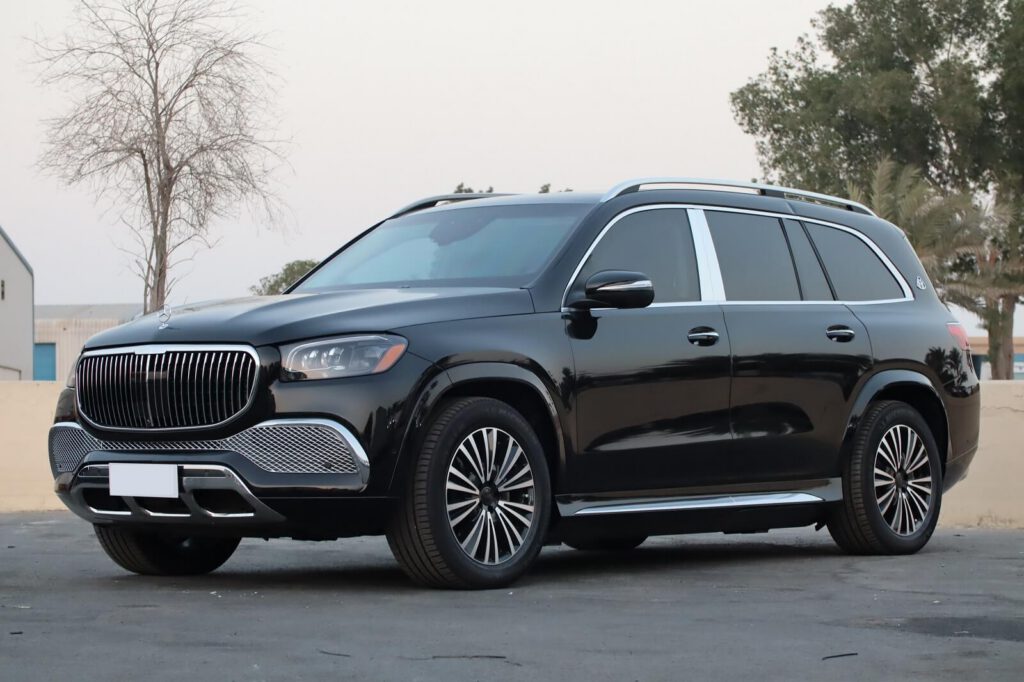
For leadership teams, the trade-off is usually between rugged, utility-first platforms and high-luxury chassis that keep meetings, calls and rest comfortable on the move. We see executives selecting BR6 SUVs along a spectrum from the pragmatic Land Cruiser 76 to the highly appointed Mercedes Maybach GLS 600, depending on priorities like ride comfort, image and how visible they are willing to be.
2. Seating Layouts & Cabin Priorities for Executive BR6 SUVs
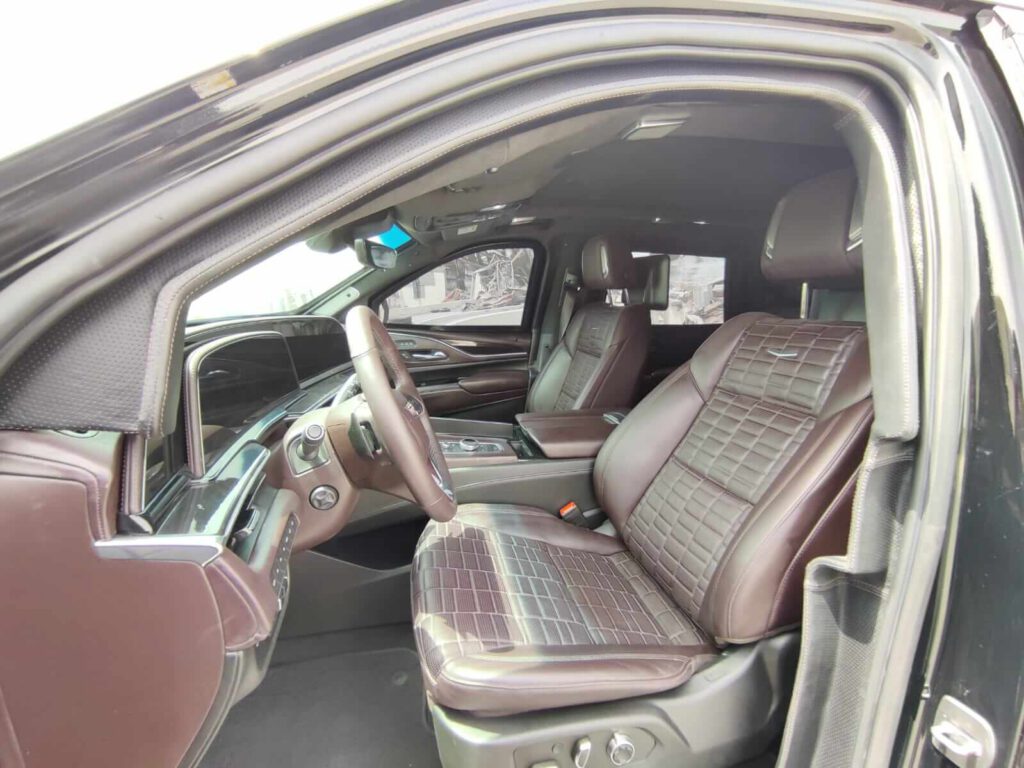
Configuration discussions often begin with the cabin. In recent years, 7-seat configurations have represented a large share of full-size luxury SUV sales, which aligns with how protection fleets move principals alongside staff or guests. At the same time, we see many executive buyers choosing 5-seat layouts so they can gain cargo space and a calmer rear environment.
For BR6+ builds, each additional seat impacts payload, door swing weight and egress. When we armor an extended platform like the Land Cruiser 300 or Range Rover P530, we work with clients to decide whether to prioritize a generous second row with executive seating, occasional-use third row, or a fully optimized four-seat rear environment with wide armrests and work surfaces.
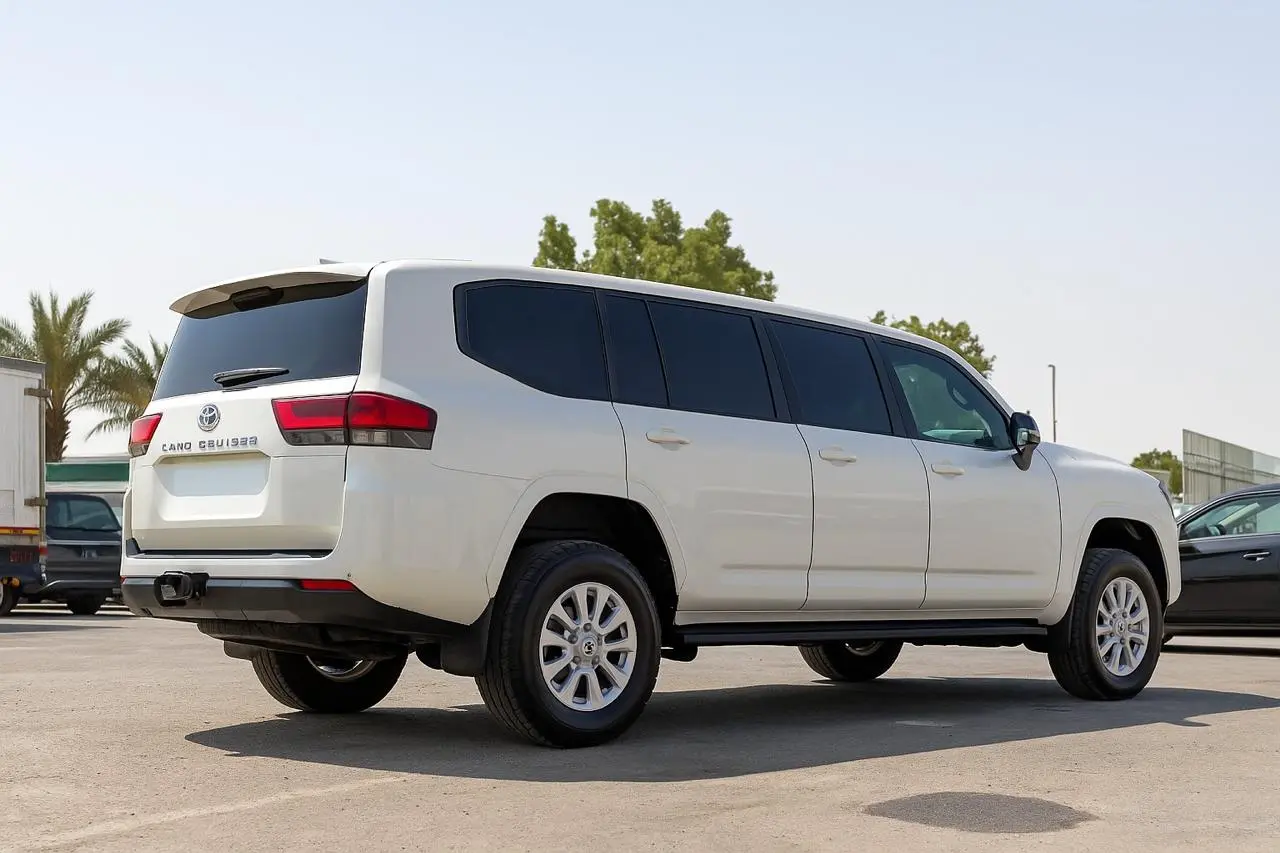
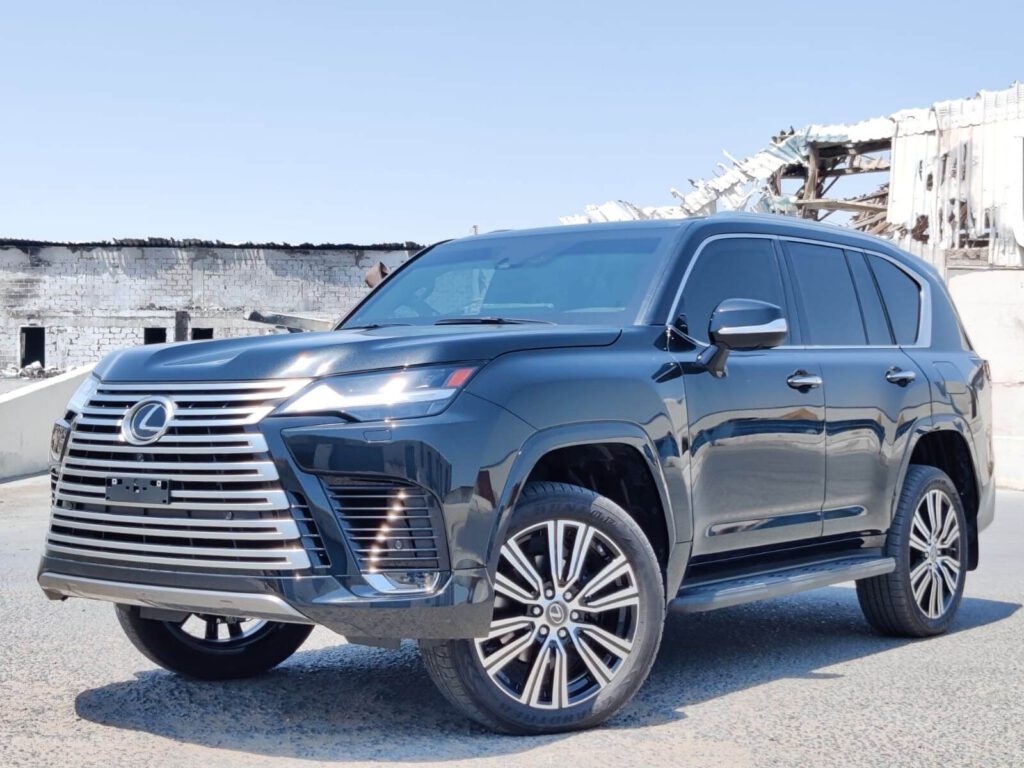
We encourage executive teams to map typical occupancy patterns before deciding on seat count. If the principal usually travels with one aide and one protection officer inside the cabin, a rear-focused four- or five-seat layout with BR6+ reinforcement may provide a more practical and comfortable configuration than filling the vehicle with extra seats that rarely see use.
3. Comparing Core Executive Platforms: LC76 vs LC300 vs Range Rover vs Infiniti QX80 vs Maybach GLS 600
Different executives need different combinations of durability, discretion and status. To help clients, we usually start with a short comparison across five core BR6-capable platforms: the Toyota Land Cruiser 76, Land Cruiser 300 BR6 Extended, Range Rover P530 BR6 Extended, Infiniti QX80 BR6 Extended and the Mercedes Maybach GLS 600 BR6.
The table below summarizes how these platforms typically position themselves for executive use when armored to BR6 or BR6+ and configured for protection teams.
| Platform | Character | Executive Use Profile | Typical BR6 Focus |
|---|---|---|---|
| Toyota Land Cruiser 76 BR6 | Rugged, simple, utility-first | Routes with poor infrastructure, discreet movement, mixed civilian / security context | Full BR6 capsule, reinforced chassis and suspension, focus on reliability |
| Land Cruiser 300 BR6 Extended | Modern SUV balance of comfort and durability | Primary executive SUV where reliability and comfort both matter | BR6/FB6 armored capsule covering the passenger cell, with protected mechanical zones and reinforced floor areas |
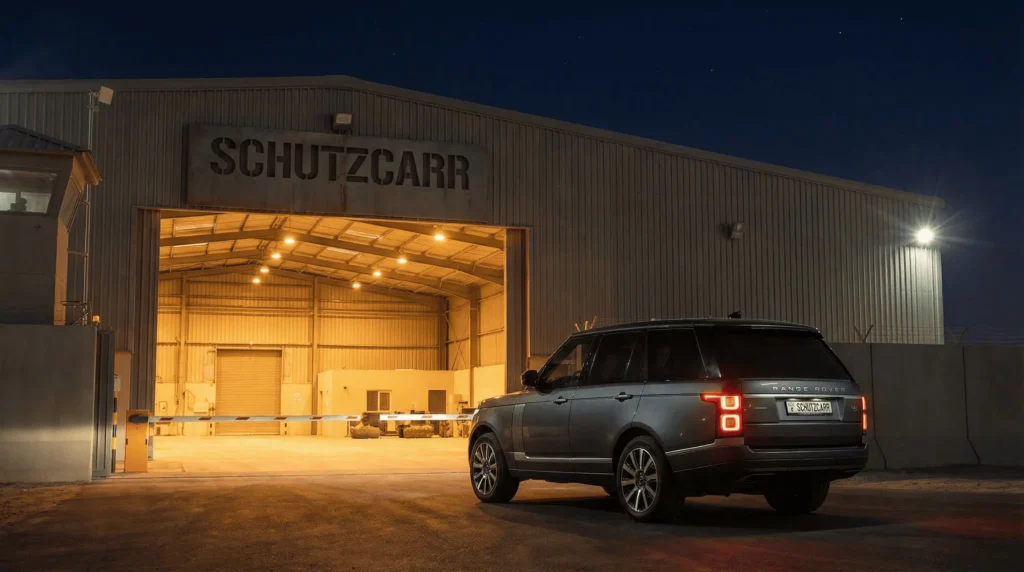
| Range Rover P530 BR6 Extended | High prestige, executive lounge feel | Chauffeur-driven senior executives, board members, visiting VIPs | BR6 with 8 mm steel, ~39 mm ballistic glass, emphasis on rear-cabin space |
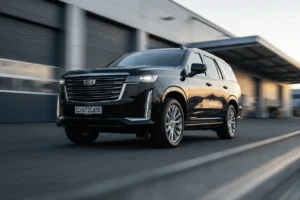
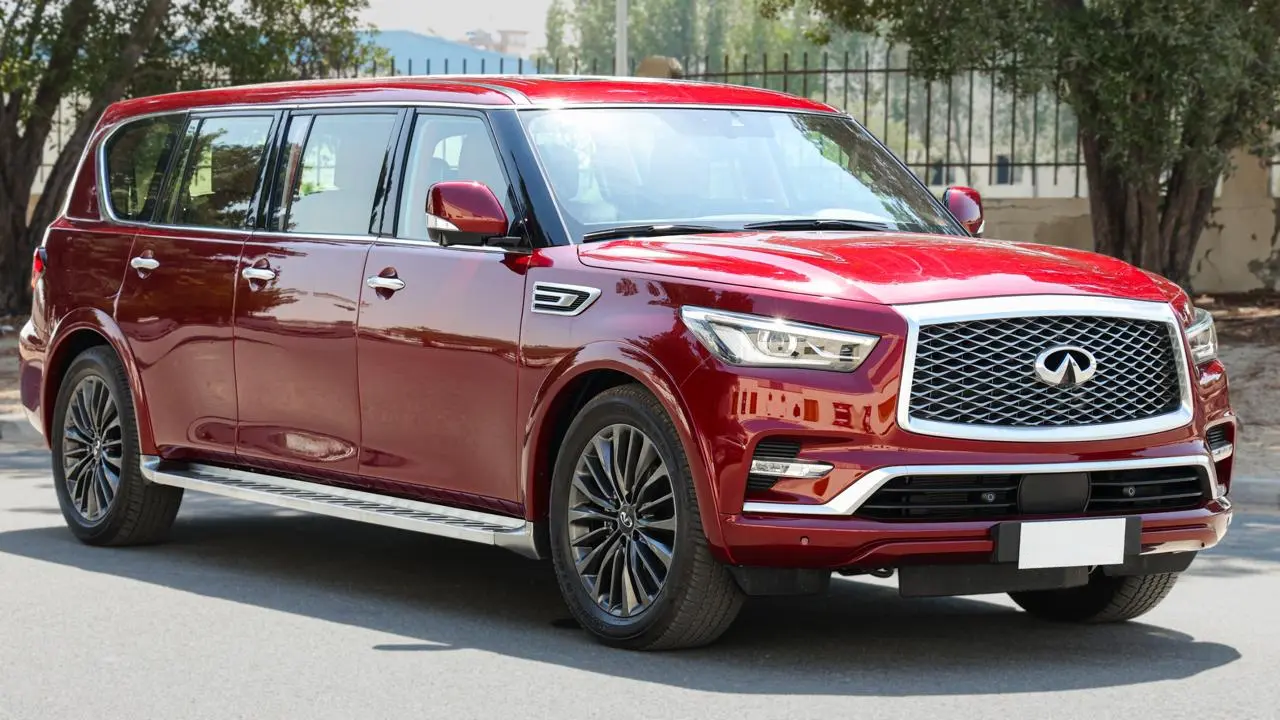
| Infiniti QX80 BR6 Extended | Full-size luxury with strong V8 and large cabin | Executives needing 360° BR6 with a generous interior and long routes | BR6 with strengthened floor and roof, protected bulkhead and vital components |
| Mercedes Maybach GLS 600 BR6 | Ultra-luxury, rear-cabin priority | Top-tier leadership where comfort, image and discretion are key | BR6 / FB6 with 360° coverage, roof and floor reinforcement, luxury preserved |
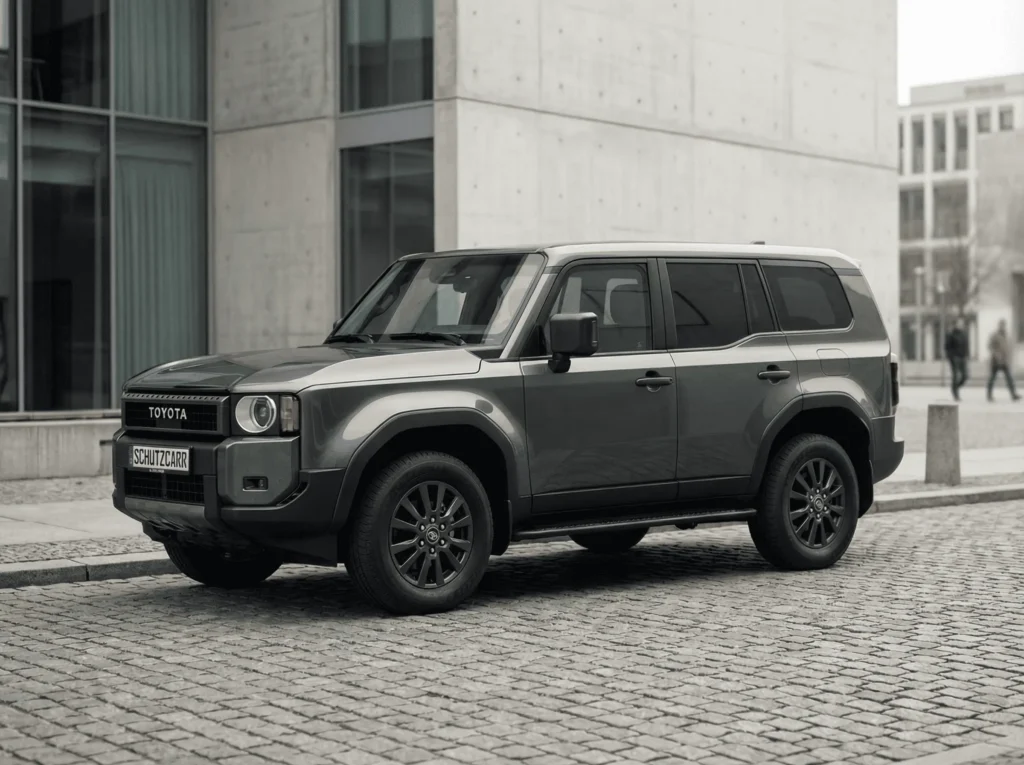
We rarely recommend a platform purely on image. Instead, we align each chassis with route conditions, average trip length, speed profile, availability of maintenance and how important a recognisable luxury badge is to the principal’s role in public life.
Did You Know?
The global armored vehicle market represents a large and steadily growing industry, with commercial and executive-protection demand playing an increasingly important role.
4. Toyota Land Cruiser 76 BR6: Workhorse Configuration for Demanding Routes
Why executives still choose the LC76 BR6
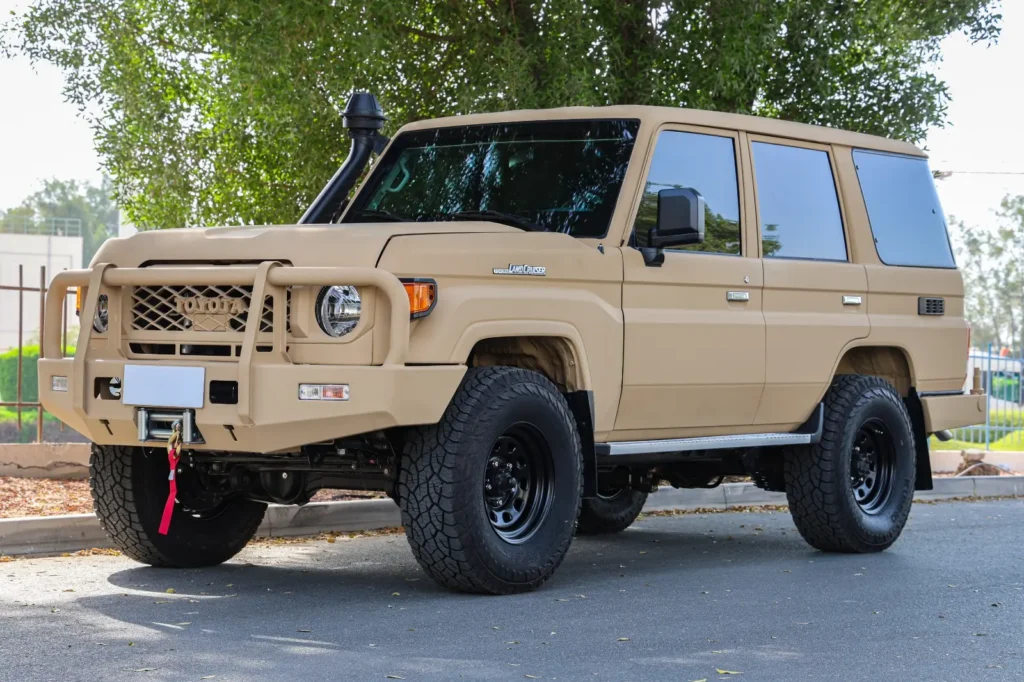
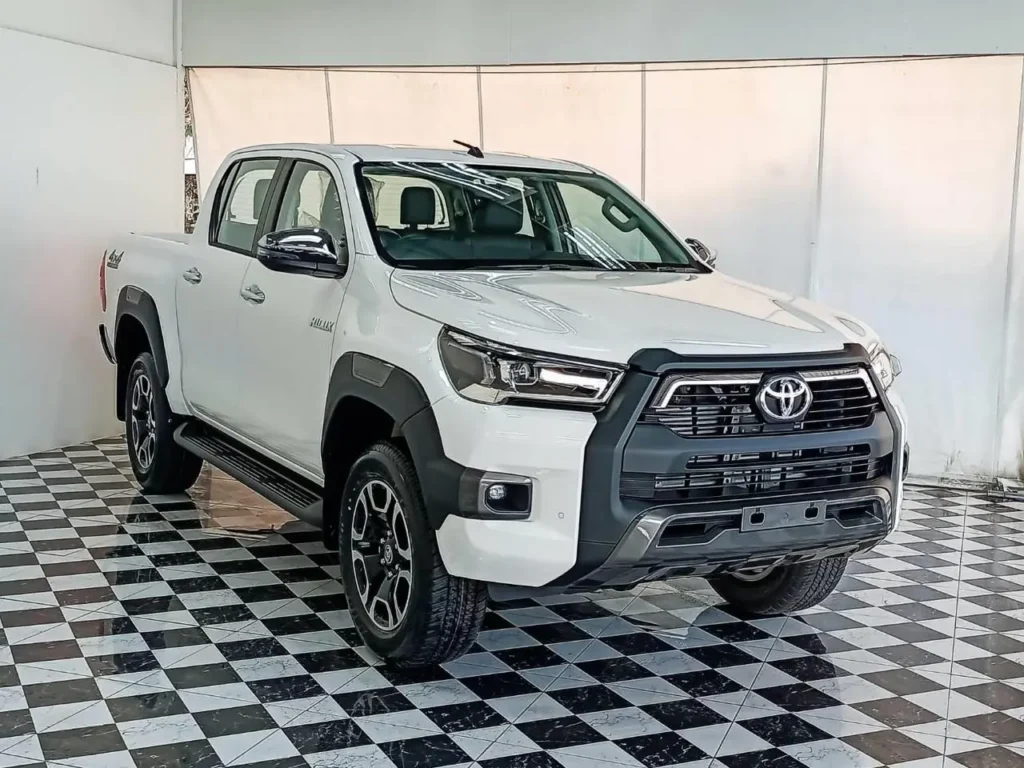
Despite its utilitarian roots, the Toyota Land Cruiser 76 BR6 remains one of our most requested executive platforms where road conditions are inconsistent and service networks for complex luxury vehicles are limited. Its ladder-frame chassis and simple mechanical layout tolerate the additional mass of a full BR6 capsule without introducing overly complex electronics.
We build our LC76 BR6 packages with opaque ballistic steel integrated into the doors, pillars and firewall, plus certified ballistic glass, reinforced suspension and run-flat systems. Executives typically select this configuration when they value reliable movement and discreet appearance above luxury finishes.
Configuring LC76 BR6 cabins for executives
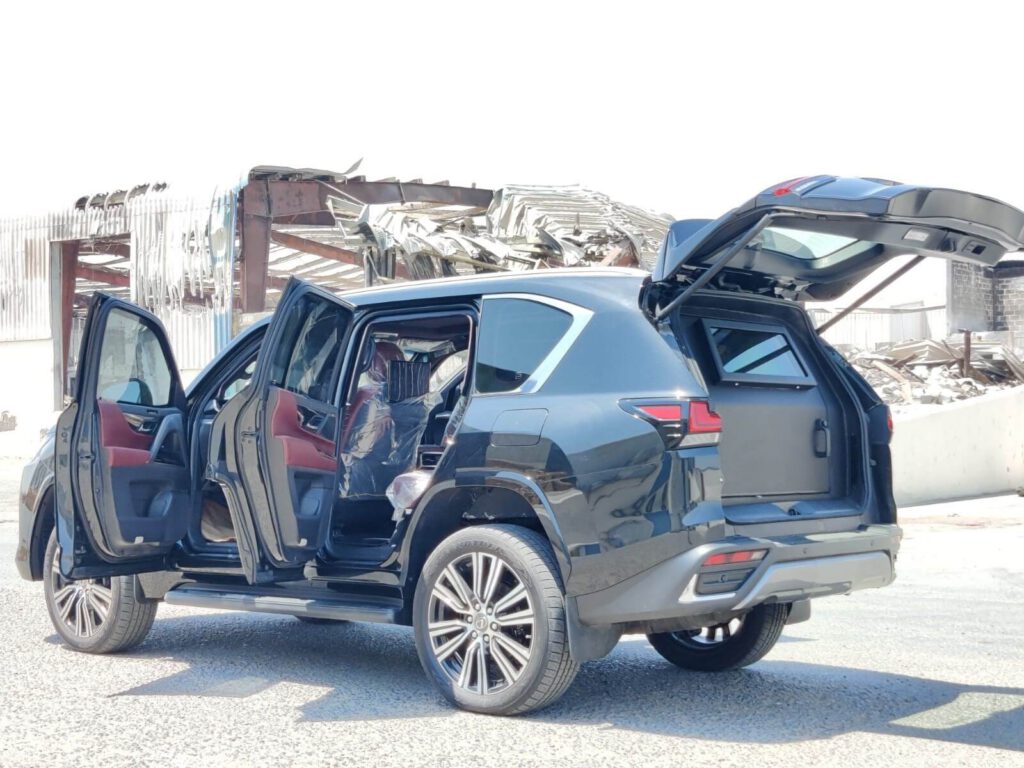
Inside the LC76, we usually configure seating for a small team that includes the principal, a close aide and at least one security professional. Given the boxy interior and rear barn doors, some fleets use the rear cargo area for equipment rather than extra passengers, especially when they carry medical kits, communication systems or document cases.
From a configuration perspective, the trade-off on LC76 is rarely about leather grades or entertainment systems. It is about keeping enough payload in reserve for BR6 armor, passengers and equipment while preserving reliable handling, braking and off-road capability.
5. Land Cruiser 300 BR6 Extended: Balancing Reliability and Executive Comfort
Extended BR6 protection on a modern LC300 platform
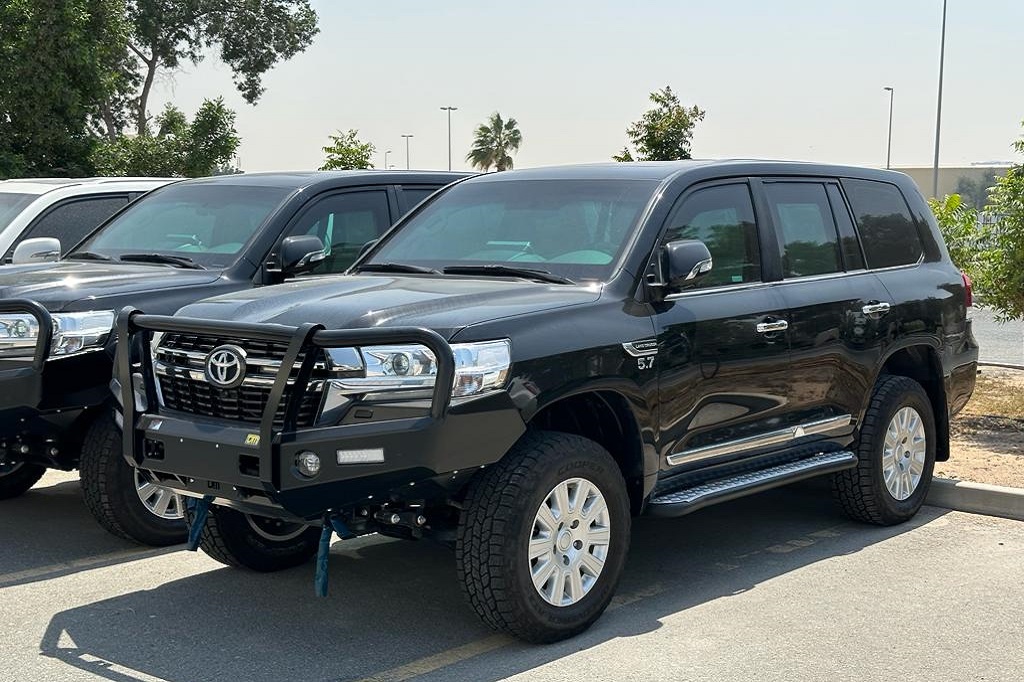
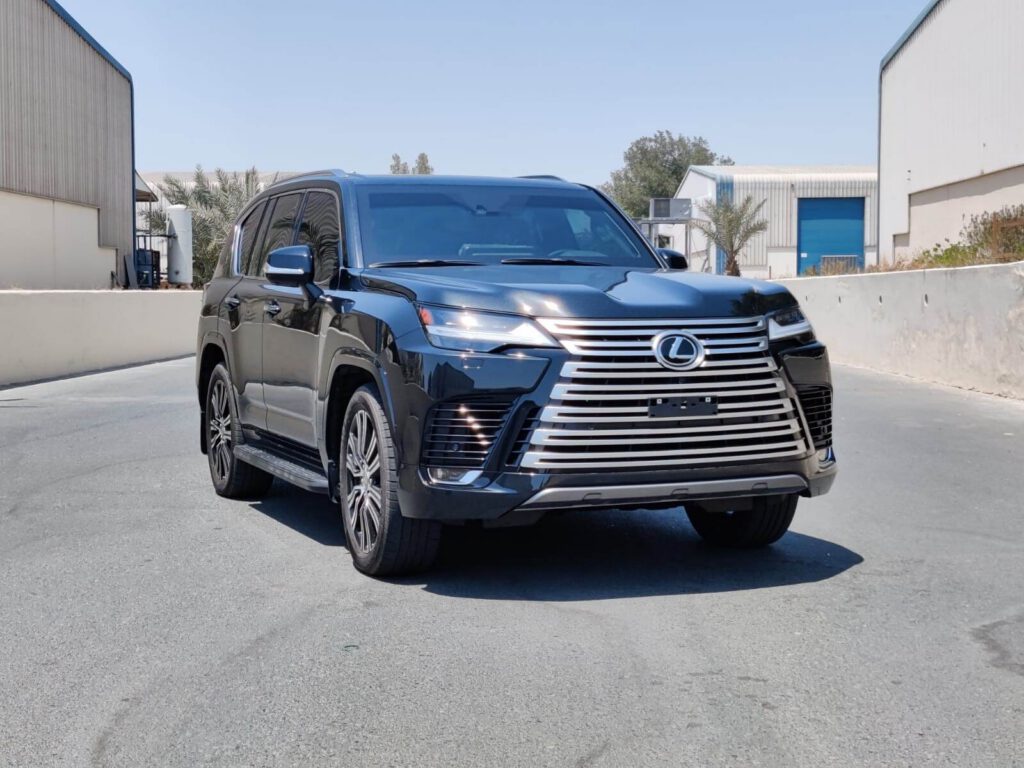
The Land Cruiser 300 BR6 Extended is our answer for executives who want the robustness of a Land Cruiser with the comfort and refinement of a current-generation SUV. This build uses a uses a BR6 / FB6 armored capsule integrated into the LC300 shell, with additional protection for critical mechanical zones.
For many corporate fleets, the LC300 BR6 Extended sits at the center of the lineup: rugged enough for challenging routes yet comfortable enough for long drives between sites or facilities. The extended configuration provides more space to recline rear seats, add work surfaces or configure a mixed passenger and equipment area behind the principal.
Who typically chooses LC300 BR6 Extended
We often see LC300 BR6 Extended units used by executives who divide their time between urban offices and outlying facilities or project sites. The vehicle presents as a modern SUV that blends into business districts while still coping with less developed infrastructure on outer routes.
Configuration choices on LC300 usually revolve around rear-seat priority, third-row usage and equipment mounting. Some clients specify a fully functional third row, while others prefer a two-row configuration with a secure cargo area for briefcases, samples or personal effects.

6. Range Rover P530 BR6 Extended: Discreet Executive Lounge on Wheels
Why executives select BR6 Range Rover configurations
Range Rover platforms occupy a specific niche in executive BR6 fleets. They provide a sedan-like rear cabin with an elevated driving position and high brand recognition among business audiences. Our BR6 Extended configuration for the Range Rover P530 adds 360° ballistic protection using certified ballistic steel and multilayer armored glass, while preserving the long-wheelbase comfort that clients expect.
We find this configuration suits executives who spend significant time working in the rear seat, making calls or hosting brief meetings on the move. The extended layout prioritizes legroom and seat adjustability, so the cabin remains usable for longer journeys without fatigue.
Cabin configuration options on BR6 Range Rovers
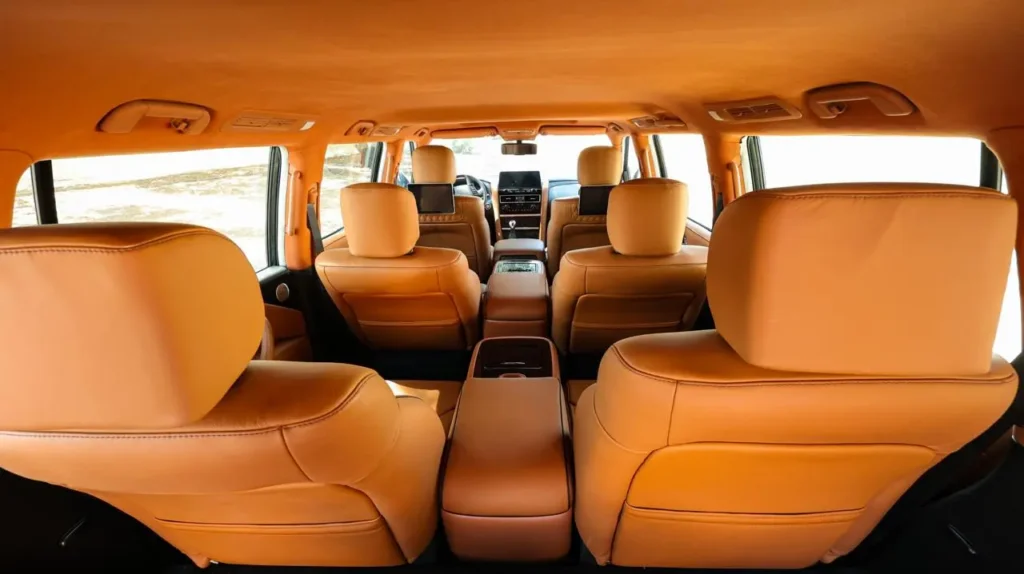
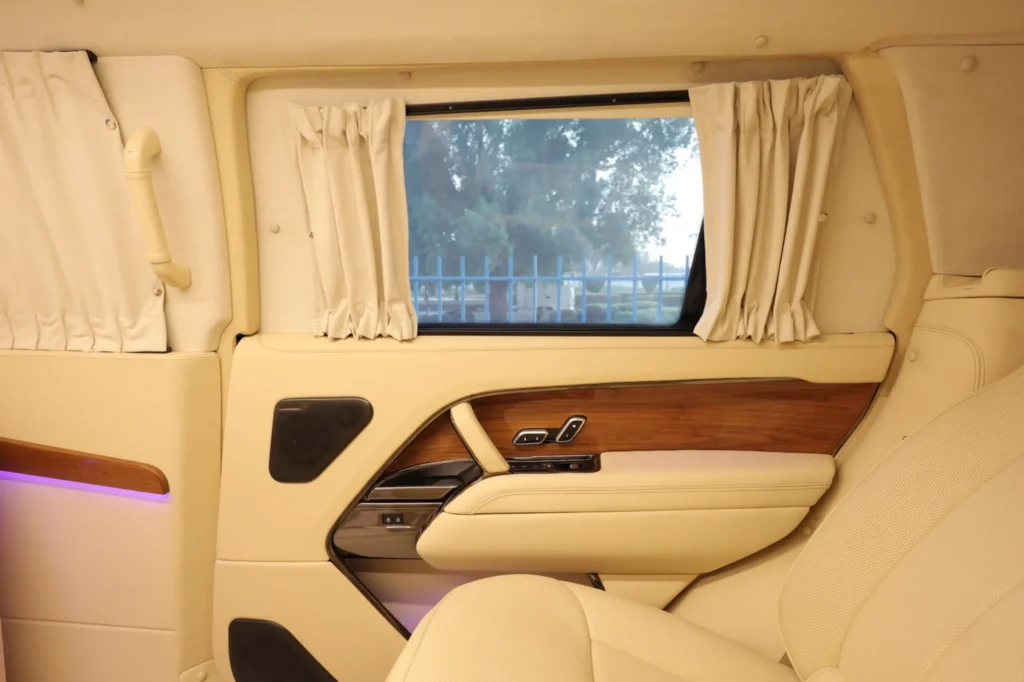
On Range Rover BR6 Extended builds, we typically configure the rear as a two- or three-seat arrangement with optional center consoles, fold-out tables and climate control zones. Some clients request more traditional three-across seating for flexibility, while others specify individual rear seats that mirror a business-class airline layout.
Because the donor vehicle already emphasizes rear comfort, we can integrate the BR6 capsule with minimal intrusion into headroom and legroom. That combination of discreet protection and familiar luxury branding is what keeps Range Rover BR6 Extended on many board-level shortlists.
Did You Know?
BR6+ armoring commonly includes 360-degree ballistic protection and multilayer armored glass, supported by structural reinforcement designed to preserve vehicle dynamics even with the added mass.
7. Infiniti QX80 BR6 Extended: Large-Cabin BR6+ for Teams and Long Routes
Protection-first engineering on a full-size luxury SUV
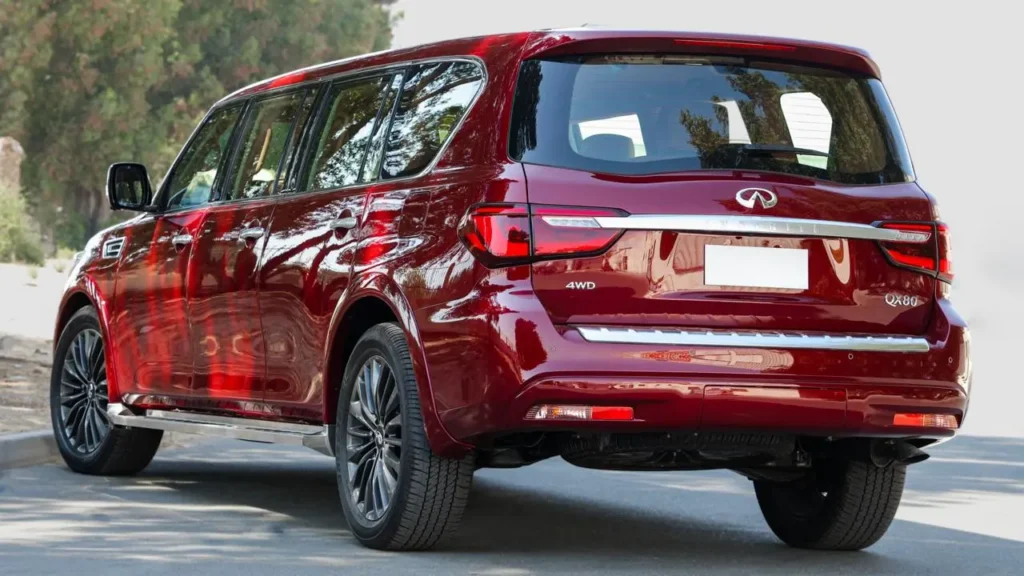
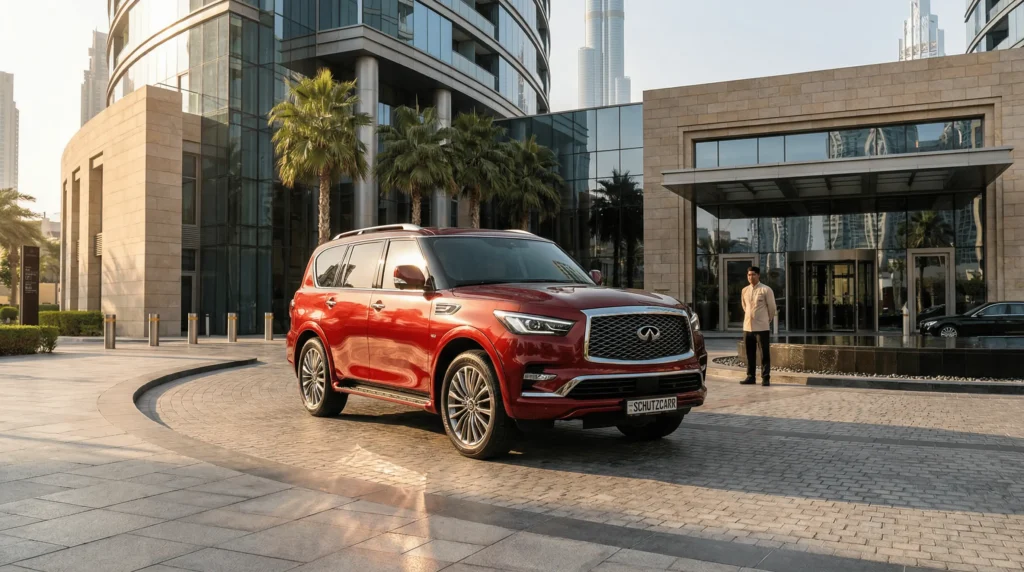
The Infiniti QX80 BR6 Extended combines a full-size luxury SUV chassis with a protection package engineered around common rifle-level threats encountered in civilian executive-protection scenarios. On this platform, we reinforce the floor and roof against blast fragments and secondary effects, while extending armor to critical mechanical zones like the bulkhead and other vital components.
From an executive perspective, the QX80 BR6 Extended suits organizations that need to move several passengers in comfort while maintaining a comprehensive BR6 protection envelope around the passenger cabin. It is often selected for long intercity routes where cabin space, ride comfort and luggage capacity all matter.
Configuring Infiniti QX80 BR6 cabins for executive fleets
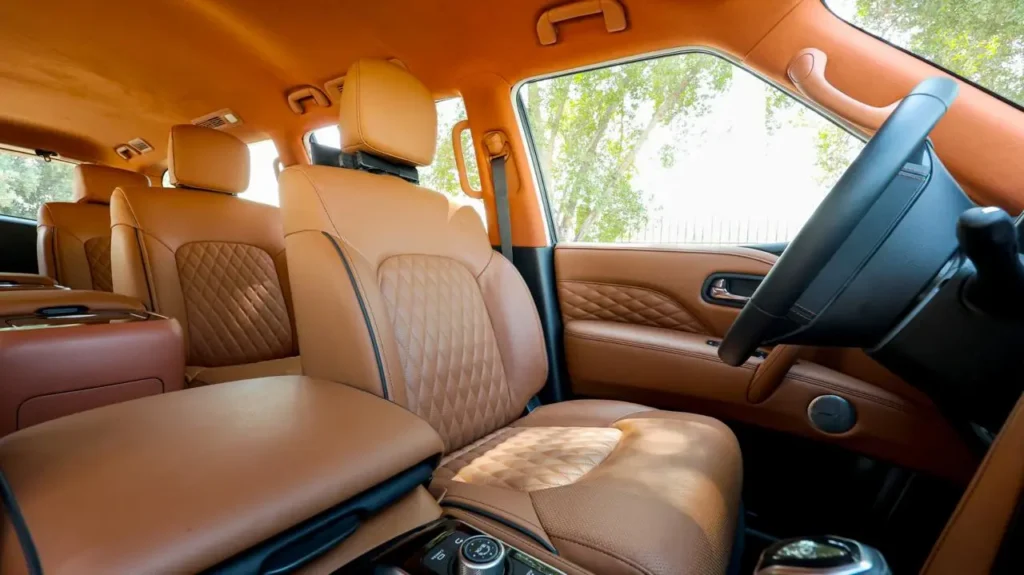
We usually configure the Infiniti QX80 BR6 Extended in 3-row layouts that remain practical after armoring. The extended structure helps preserve usable headroom and legroom in all rows despite the thicker floor and roof assemblies required for BR6 level protection.
Executives who host guests or move with a larger support team often appreciate that they can combine a principal-focused second row with a third row reserved for staff, minimizing crowding and keeping the primary decision-maker comfortable and productive.
8. Mercedes Maybach GLS 600 BR6: Rear-Seat Priority for Senior Leadership
BR6 protection integrated into an ultra-luxury platform
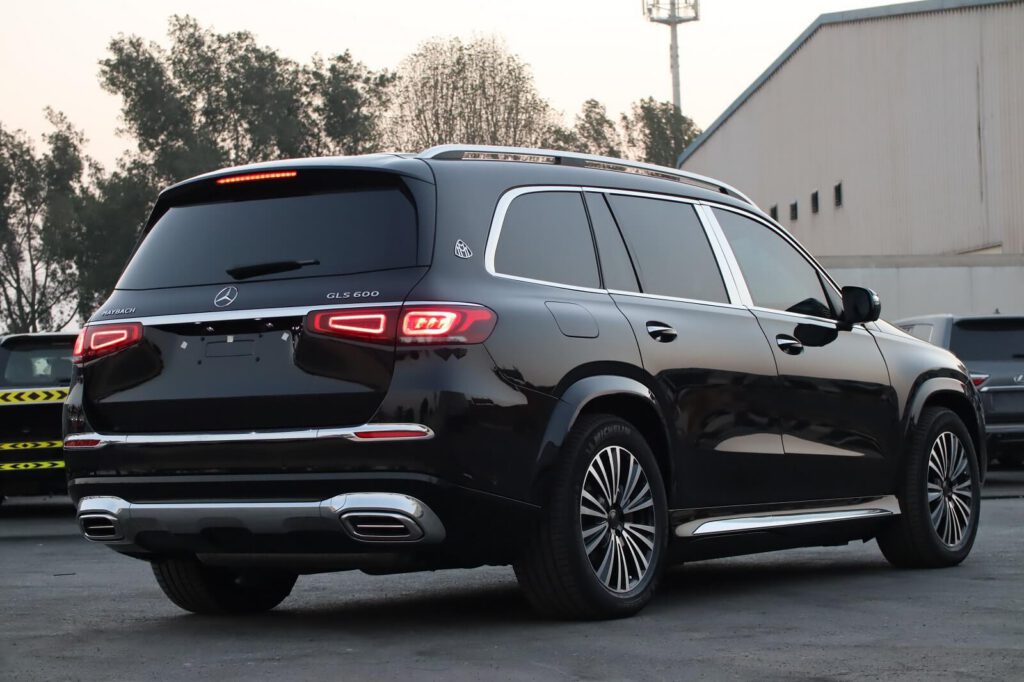
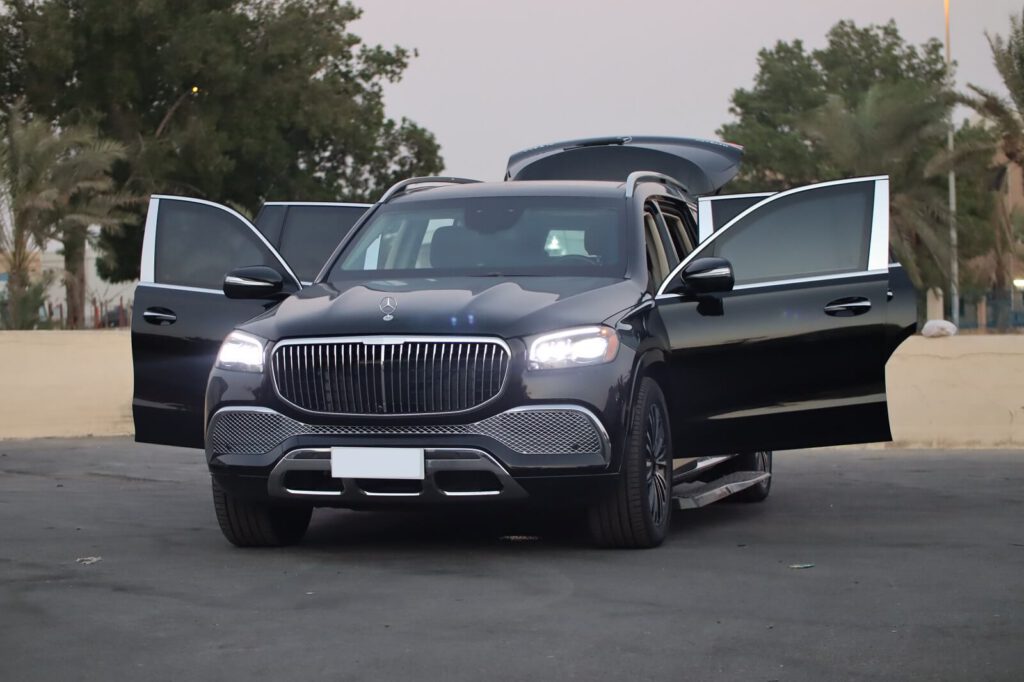
The armored Mercedes Maybach GLS 600 sits at the top of the executive BR6 spectrum. It combines full-perimeter armoring rated up to BR6 / FB6 with a flagship luxury SUV interior focused on the rear cabin. Roof, floor and door structures are reinforced to create a coherent protective shell while we preserve the Maybach ride quality and refinement as much as the armoring allows.
Executives typically choose the GLS 600 BR6 when they want a rear environment closer to a chauffeured sedan or limousine, but still prefer the riding height and presence of an SUV. The donor vehicle already prioritizes the second row with a long wheelbase and, in some configurations, without a third row so that rear passengers gain more legroom and recline.
Choosing GLS 600 BR6 for executive fleets
In our experience, GLS 600 BR6 units usually serve as primary vehicles for top leadership, complemented by more utilitarian BR6 SUVs in the same fleet. This combination lets teams match the vehicle to the day’s itinerary: GLS 600 for high-visibility meetings or hospitality, Land Cruiser or QX80 for more demanding routes.
Configuration decisions on the GLS 600 often revolve around rear-seat features such as reclining, footrests, infotainment and privacy options. Since the primary aim is to keep the principal rested, focused and able to work, we design the armoring to integrate around those cabin features rather than the other way around.
9. When BR6 SUVs Are Not Enough: Considering MRAPs and Heavier Platforms
Understanding the protection ladder beyond BR6 SUVs
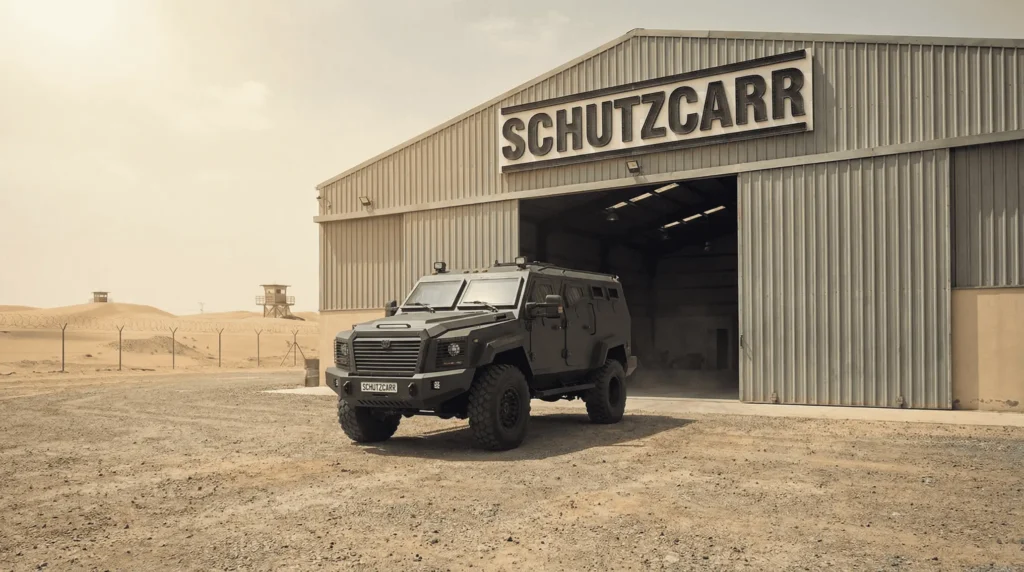
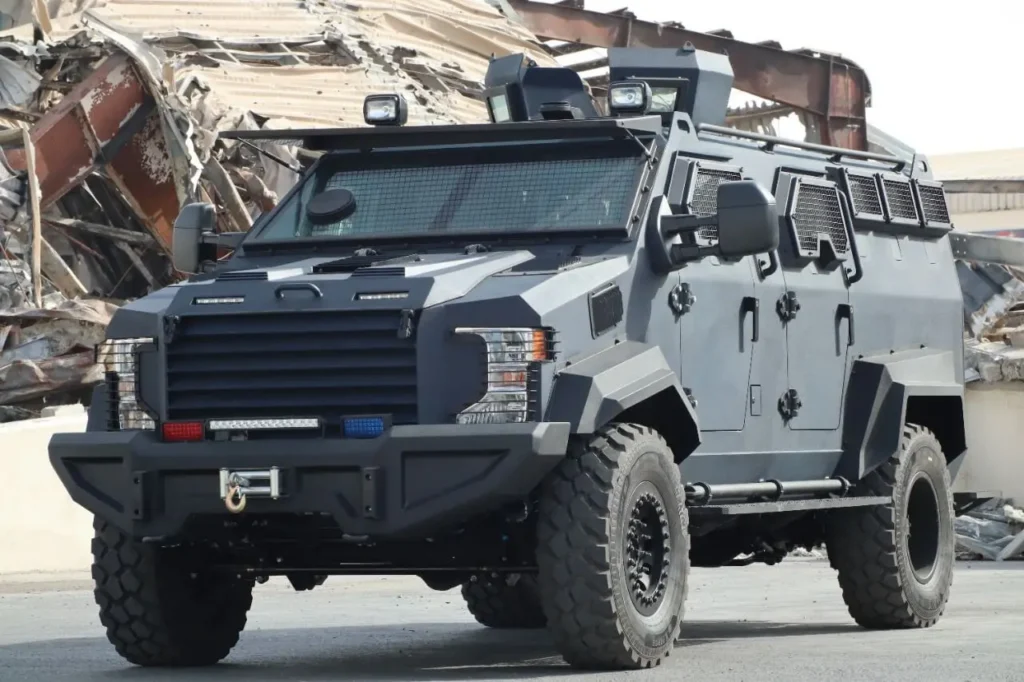
Some risk profiles push beyond what a BR6 SUV is intended to handle. For those situations, we discuss platforms such as civilian MRAPs or APCs that emphasize greater structural and underbody protection for higher-risk routes. These vehicles are typically used when routes or locations present persistent risks that exceed standard executive-transport scenarios.
In our fleet planning discussions, we present BR6 SUVs and heavier platforms as part of a ladder rather than direct substitutes. Executives may rely on BR6 SUVs for everyday movement and keep an MRAP or APC option in reserve for specific high-risk routes or site visits.
How this influences BR6 SUV configuration choices
Knowing that heavier platforms exist can make executives more comfortable specifying BR6 SUVs for what they are good at: daily movement, business travel and discreet protection. When teams understand the boundary between SUV and MRAP roles, they configure BR6 SUVs with realistic expectations rather than trying to cover every scenario with a single vehicle.
We encourage organizations to define clear criteria for when each platform is used. That may include route characteristics, event type, passenger count and support-vehicle availability, all of which influence which BR6 SUV configuration makes sense as the default choice.
10. Practical Checklist for Choosing a BR6+ SUV Configuration for Executives
Key questions to align platform and configuration
To help clients move from general research to a specific configuration, we usually work through a structured checklist. The goal is to translate executive requirements into concrete choices about platform, seating, equipment and protection layout without overcomplicating the process.
- Route profile: What share of travel time is urban vs rural, paved vs unpaved?
- Occupancy pattern: How many people usually ride with the principal inside the armored cabin?
- Visibility: Should the vehicle be low-profile like a Land Cruiser or obviously high-luxury like a Maybach GLS?
- Support vehicles: Are there escort vehicles to carry equipment and additional personnel?
- Service access: Which donor brands have strong maintenance networks in your main locations?
We then map these answers to a shortlist. For rugged routes and low-profile movement, we often propose the LC76 BR6. For a balance of comfort and reliability, LC300 BR6 Extended or Infiniti QX80 BR6 Extended. For prestige rear cabins, Range Rover P530 BR6 Extended or Mercedes Maybach GLS 600 BR6 become primary candidates.
Translating policy into a standard BR6 fleet mix
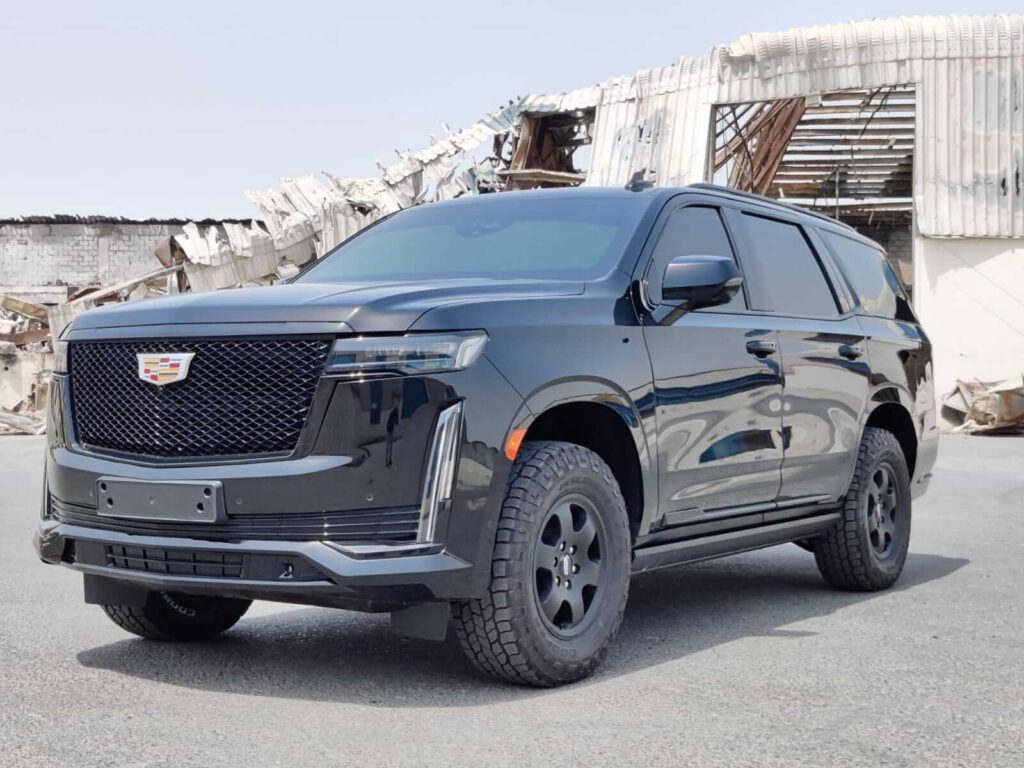
Once stakeholders agree on a configuration strategy, we help convert it into a fleet mix that might include two or three BR6 SUV types plus, if appropriate, one heavier platform. Standardizing platforms simplifies training, maintenance and spare parts, which is particularly important for fleets that operate in multiple locations.
At that point, the question is no longer “Which BR6 SUV is the best?” but “Which combination of BR6 configurations supports our executives’ movements reliably, respectfully and with an appropriate margin of safety for their roles and environments?”
Conclusion
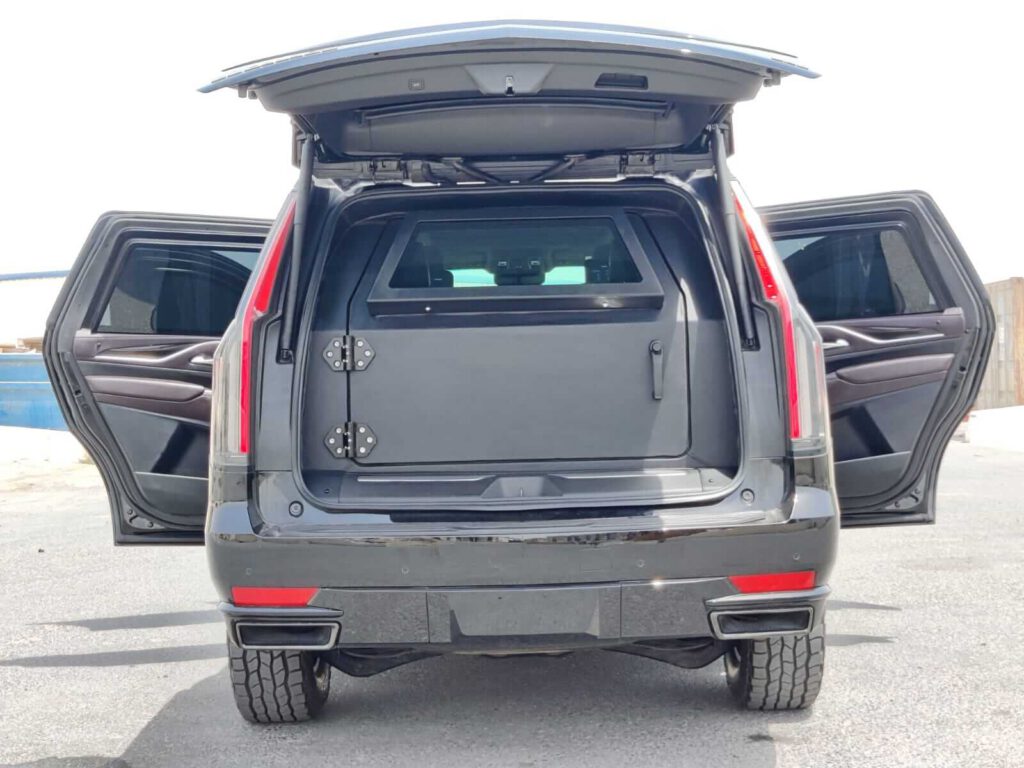
Choosing BR6+ SUV configurations for executives is a strategic exercise that blends risk management, operational needs and comfort expectations. Whether the final decision centers on a rugged Toyota Land Cruiser 76 BR6, a balanced Land Cruiser 300 or Infiniti QX80 BR6 Extended, or a prestige-focused Range Rover P530 BR6 Extended or Mercedes Maybach GLS 600 BR6, the right configuration starts with clear priorities.
From an integration and configuration perspective, the goal is to turn those priorities into coherent BR6 or BR6+ vehicles that support executives in their daily work. With a structured approach, leadership teams can build fleets that feel familiar, professional and fit for purpose while quietly embedding serious protective capability into every journey.