
Armor materials are projected to reach a market size of USD 20.90 billion by 2030, which reflects how rapidly future proof armoring technologies are evolving and diversifying. We use those developments at SchutzCarr to design armored SUVs and sedans that stay technically relevant over long service lives, instead of locking owners into short cycles of replacement.
Key Takeaways
| Question | Concise Answer |
|---|---|
| What are “future proof armoring technologies” in practice? | They are design choices that keep an armored vehicle upgrade-ready, from modular armor layouts to platform-specific engineering, as outlined in our dedicated guide on Future Proof Armoring Technologies. |
| Which protection levels matter for long-term use, BR6 or BR7? | BR6 is the core baseline for many SUVs, while BR7 and BR6+ are selected when risk and use cases justify higher protection envelopes. |
| Which platforms are most commonly future proofed? | We frequently apply future proof armoring concepts on Toyota Land Cruiser 76, Land Cruiser 300, Range Rover, Lexus LX600, Infiniti QX80, and Cadillac Escalade chassis across our portfolio of best armored SUVs for VIP global travel. |
| Can armoring stay discreet while still being modular and upgrade-ready? | Yes, discreet styling and future proof layouts can coexist when hinge reinforcements, glass profiles, and interior trims are planned together, as we explain in our discreet armored sedans for executives guide. |
| How do you choose between rugged and luxury platforms for future proofing? | We look at chassis philosophy, daily usability, and serviceability, similar to the comparison in our Land Cruiser 76 versus 300 GXR platform guide. |
| Where do discreet styling and future proof technologies overlap on SUVs? | They overlap in decisions about visible armor cues, weight distribution, and glass thickness, explored in our visual guide to discreet styling considerations for armored SUVs. |
1. What “Future Proof Armoring Technologies” Really Mean For Buyers
When we talk about future proof armoring technologies at SchutzCarr, we are not referring to one feature or a single material. We are describing a full engineering approach that allows an armored vehicle to stay structurally sound, upgradable, and serviceable across many years of intensive use.
This starts with how we route cabling, how we design overlap joints, and how we reinforce hinges and pillars before any ballistic steel or glass is installed. It continues through documentation and certification, so that inspectors and workshops can correctly understand the build long after delivery.
- Modular armor layouts that allow future section replacement instead of full rebuilds.
- Standardized BR6 / BR7 packages across common platforms, so upgrades and parts are predictable.
- Discreet styling that does not compromise access to critical armor components.
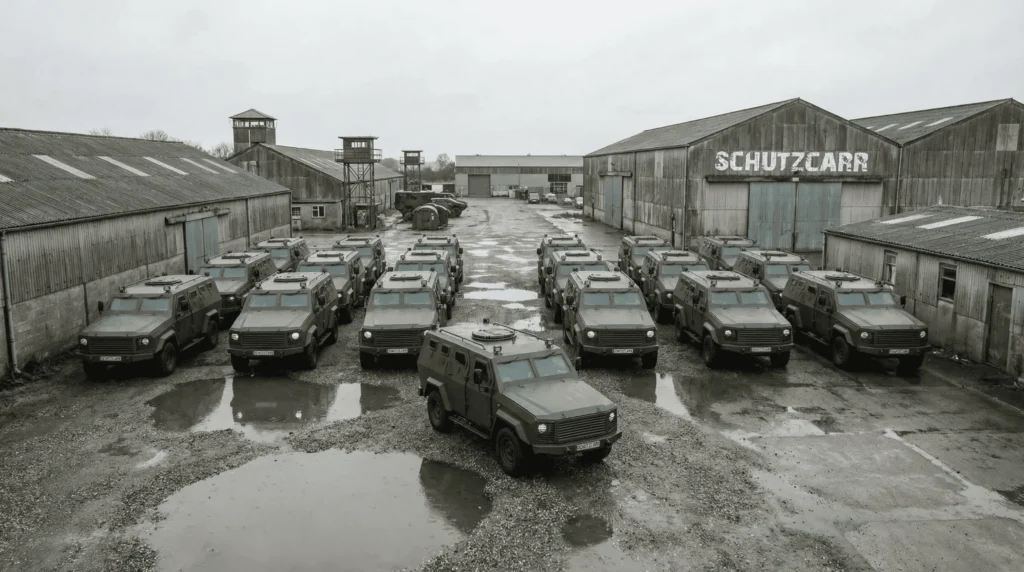
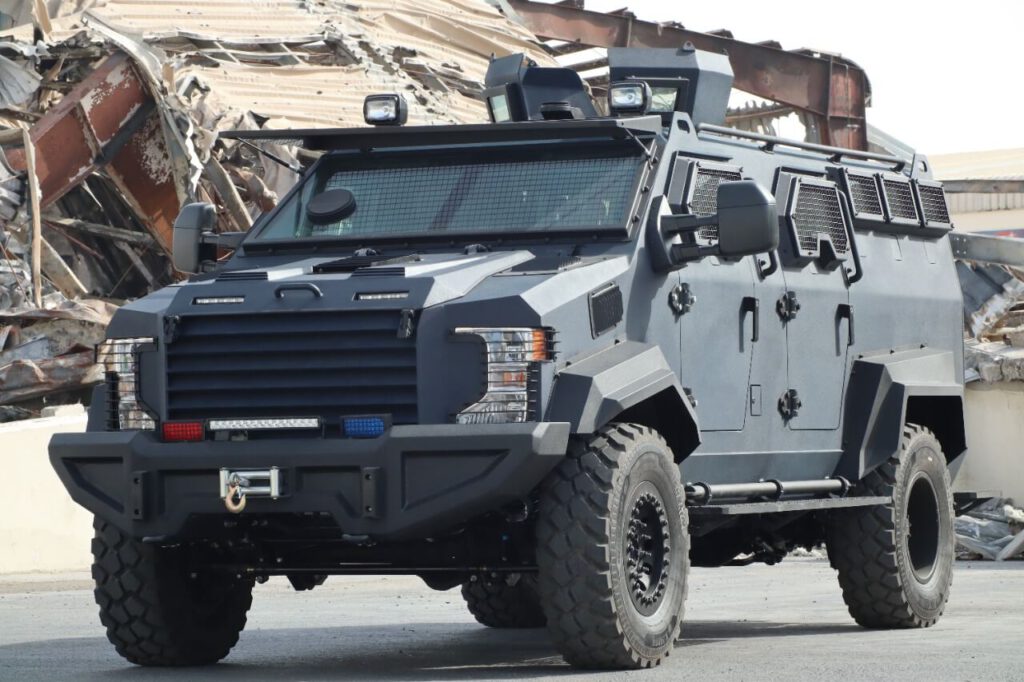
We see future proofing as an ongoing process, not a marketing claim. The same logic applies across our BR6 SUVs, discreet sedans, and specialist platforms such as cash-in-transit vehicles that run for long hours each day.
2. BR6, BR6+ and BR7: Protection Levels As Foundations For Future Proofing
The foundation of any future proof armored build is a clearly defined protection level. For most of our civilian and executive-focused projects, that means BR6 as the baseline, with BR6+ and BR7 considered where higher protection envelopes are appropriate.
Future proof armoring technologies lean on consistency. When we standardize BR6 or BR7 layouts across a platform family, it becomes easier to source replacement panels, glass, and mechanical components years after initial integration.
| Protection Level | Typical Use In Our Fleet | Future Proofing Benefit |
|---|---|---|
| BR6 | Core level for SUVs such as LC300, Range Rover, Lexus LX600, Infiniti QX80, Escalade | Balanced weight and coverage for long-term drivability and maintainability |
| BR6+ | Enhanced configurations with additional overlap or localized upgrades | Easier targeted upgrades without reengineering the full vehicle |
| BR7 | Rugged platforms such as the Toyota Land Cruiser 76 where higher mass is acceptable | Capacity for heavier armoring while preserving structural integrity |
Many clients also ask how these levels compare with other standards, such as B6 or VR classifications. Our internal engineering teams align those references with BR labels during the design process to keep documentation clear for all stakeholders.
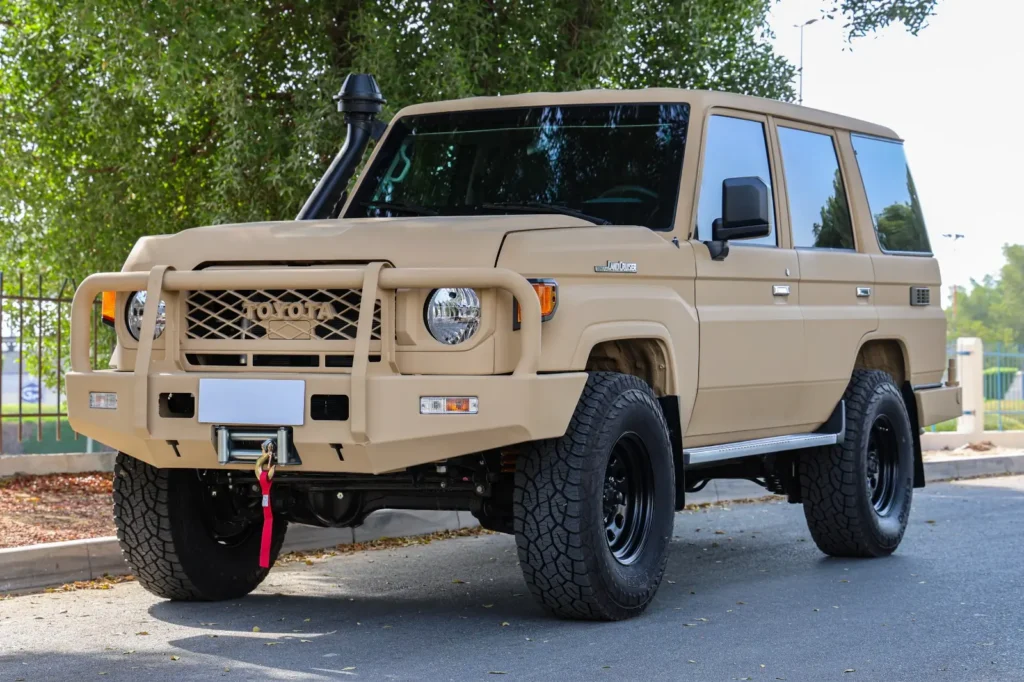
Regardless of level, future proof armoring technologies rely on repeatable ballistic materials, predictable glass thicknesses, and run-flat concepts that have strong test histories behind them. That testing heritage is crucial when vehicles move between jurisdictions and regulatory frameworks.
3. Advanced Materials: How Lightweight Armor Supports Future Proof Designs
Material science is a major reason future proof armoring technologies are possible today. Traditional all-steel shells can offer protection, but they tend to limit payload, comfort, and upgrade headroom over time.
Modern composite and hybrid systems give us more flexibility. For example, UHMWPE-based armor is typically 25–40% lighter than aramid for similar protection levels, which helps us maintain suspension geometry and braking performance even as armor packages evolve.
- Steel plus UHMWPE laminates that improve energy absorption without excessive mass.
- Ceramic-faced solutions in specific project types where weight control is critical.
- Optimized glass compositions that balance clarity, thickness, and ballistic resistance.
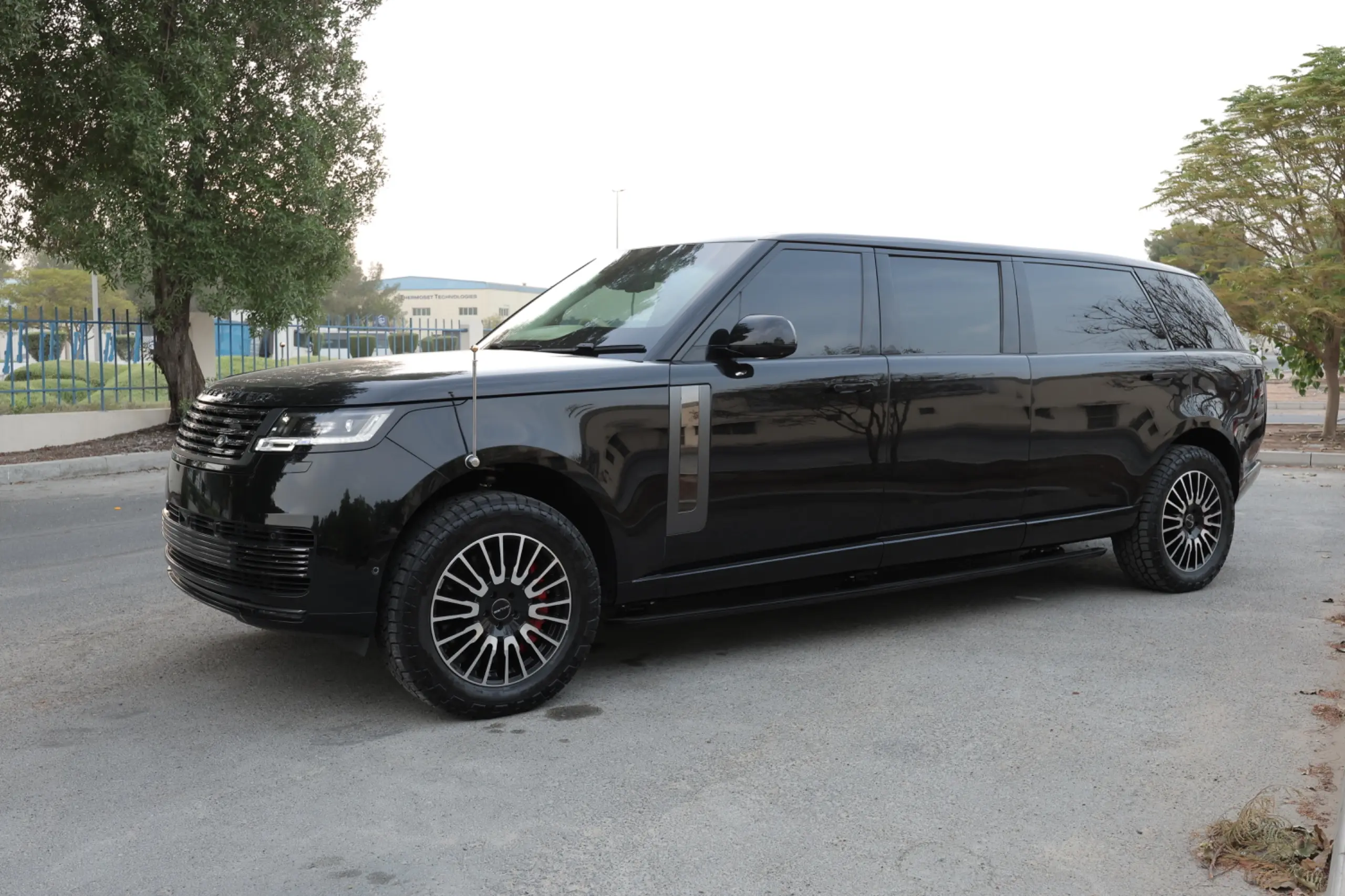
Lighter, more efficient armor materials help keep future servicing and upgrades viable. When a platform retains headroom in axle ratings and brake capacity, we can adapt protection packages more easily to match new routes or policy changes.
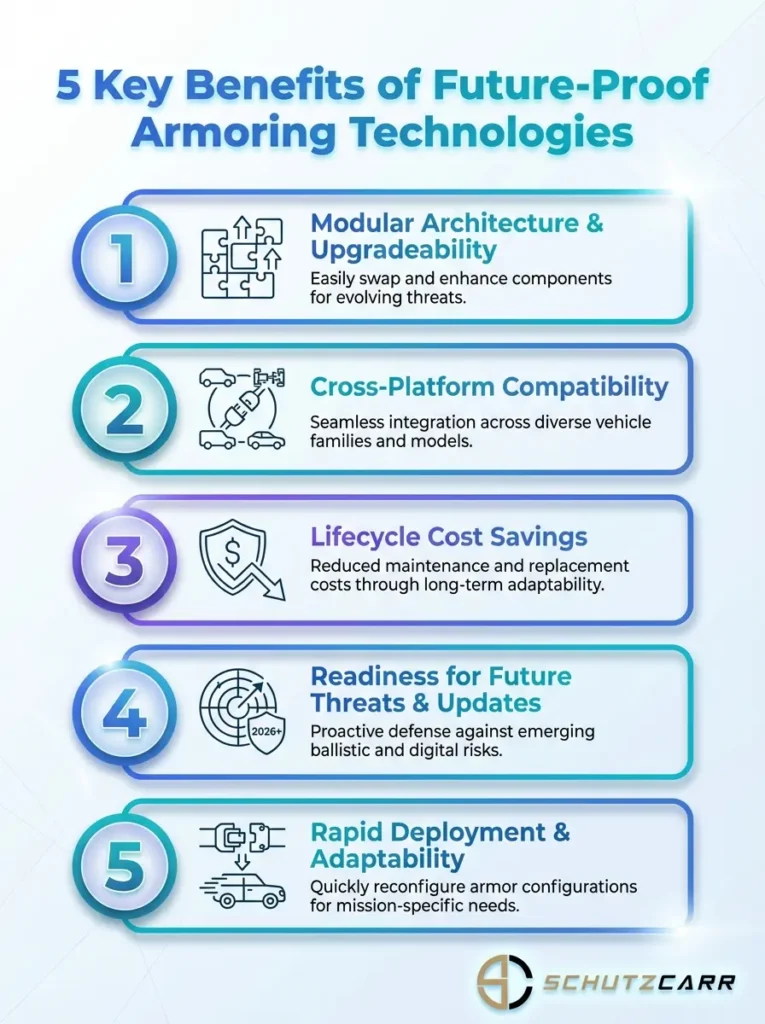
This infographic highlights five key benefits of Future Proof Armoring Technologies, showing how durability, adaptability, and scalability boost safety and long-term resilience.
4. Platform-Specific Integration: Land Cruiser 76 vs Land Cruiser 300 GXR
Future proof armoring technologies are not just about materials, they are also about choosing the right base platform. Our comparison of the Toyota Land Cruiser 76 and Land Cruiser 300 GXR illustrates how chassis philosophy affects long-term armoring strategies.
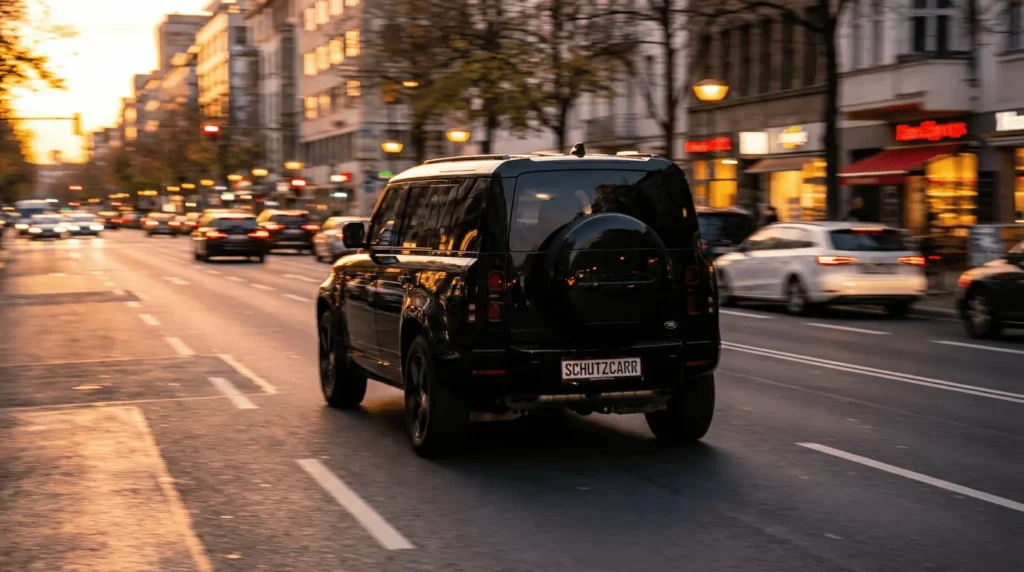
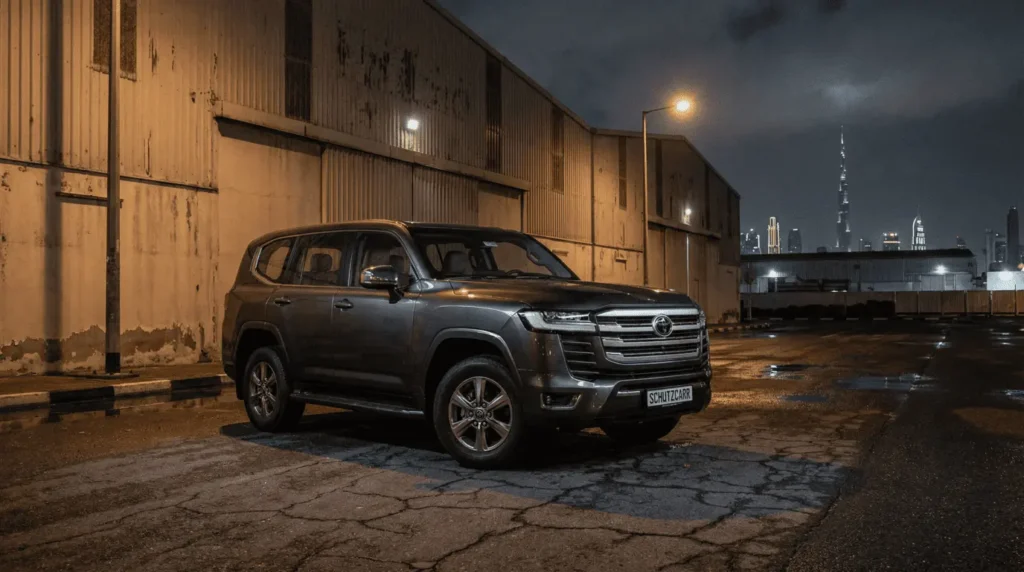
The LC76 uses a traditional ladder-frame layout and suits heavier BR6 or BR7 shells where simplicity and rugged character are priorities. The LC300 GXR uses a more modern structure that emphasizes rigidity, weight optimization, and electronic integration for refined on-road use.
Land Cruiser 76: Signature Rugged Armored Platform
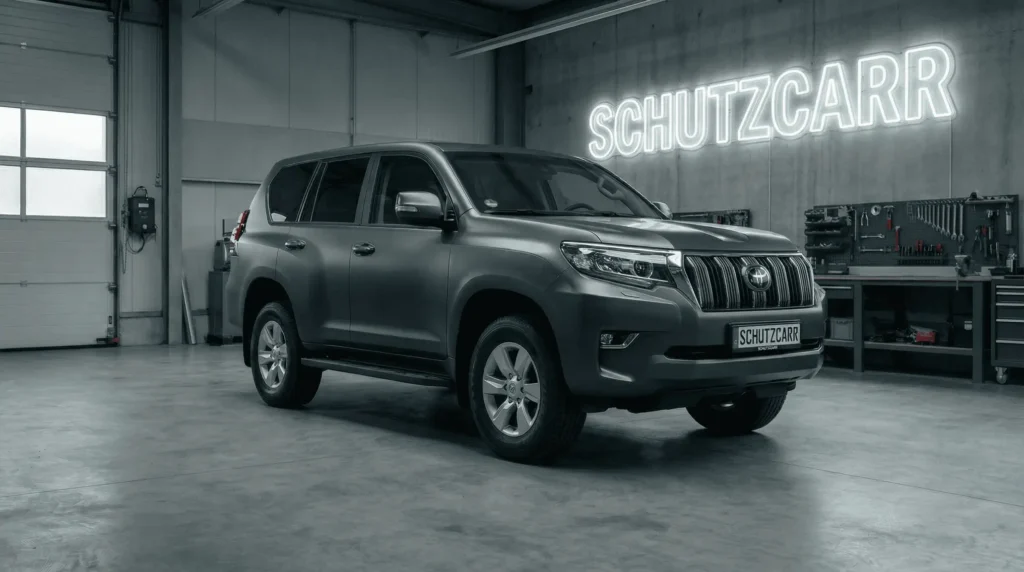
On the LC76, we integrate BR6 and BR7 armoring with reinforced pillars, ballistic glass, and carefully tuned suspension. Our focus is on durability, straightforward mechanical access, and long-term serviceability, which suits owners who expect many years of demanding operation.
Land Cruiser 300 GXR: Modern BR6 Configurations
On the LC300 GXR, we focus on BR6 armoring that complements its more advanced chassis and electronics. This means detailed work on wiring protection, sensor line routing, and software-aware upgrades, so future maintenance remains straightforward for qualified workshops.
Both platforms accept 360° BR6 builds, but they behave differently once armored. Our role is to match each client’s routes and expectations to the platform that will stay practical and compliant for the long term.
Did You Know?
Best-performing two-layer ceramic–metal armor configuration achieved a 39.39% weight reduction versus a monolithic Weldox plate while maintaining ballistic parity.
5. Future Proof Luxury Protection: Armored Range Rover, Lexus LX600 & Infiniti QX80
Future proof armoring technologies are not limited to rugged platforms. They are also central to how we build luxury SUVs such as the Range Rover P530 Extended BR6, Lexus LX600, and Infiniti QX80 BR6 Extended.
On these vehicles, our challenge is to integrate 360° BR6 protection without compromising the ride quality, interior refinement, or exterior appearance that owners expect from high-end models.
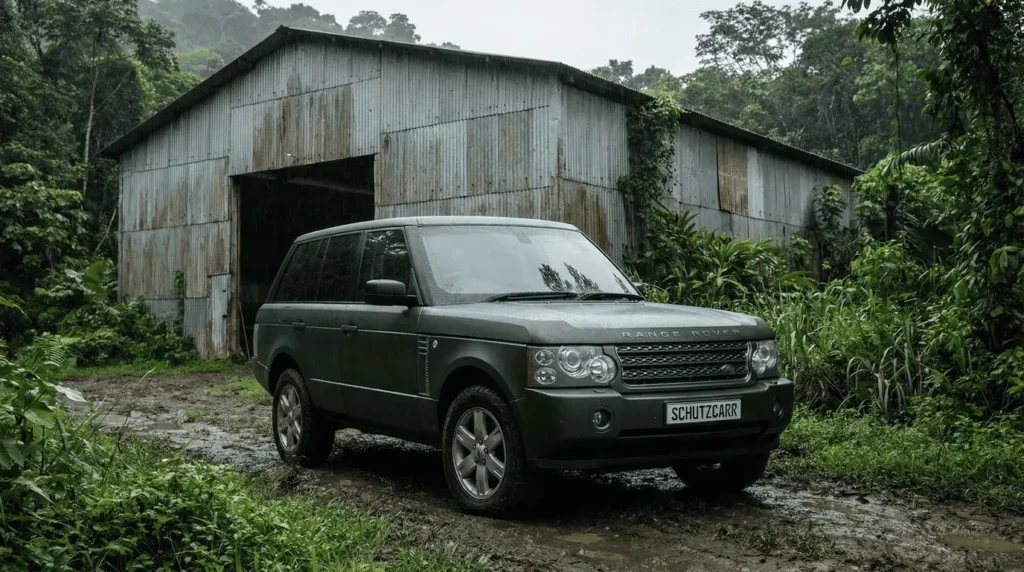
Range Rover P530 Extended BR6: Balanced Luxury and Protection
Our armored Range Rover builds use BR6 shells with 360° cabin coverage, ballistic glass, run-flat systems, and suspension tuning tailored to the added mass. Future proofing here means ensuring that service access points, electronic modules, and body panels remain reachable for regular maintenance.
Lexus LX600 & Infiniti QX80 BR6: Executive BR6 SUV Platforms
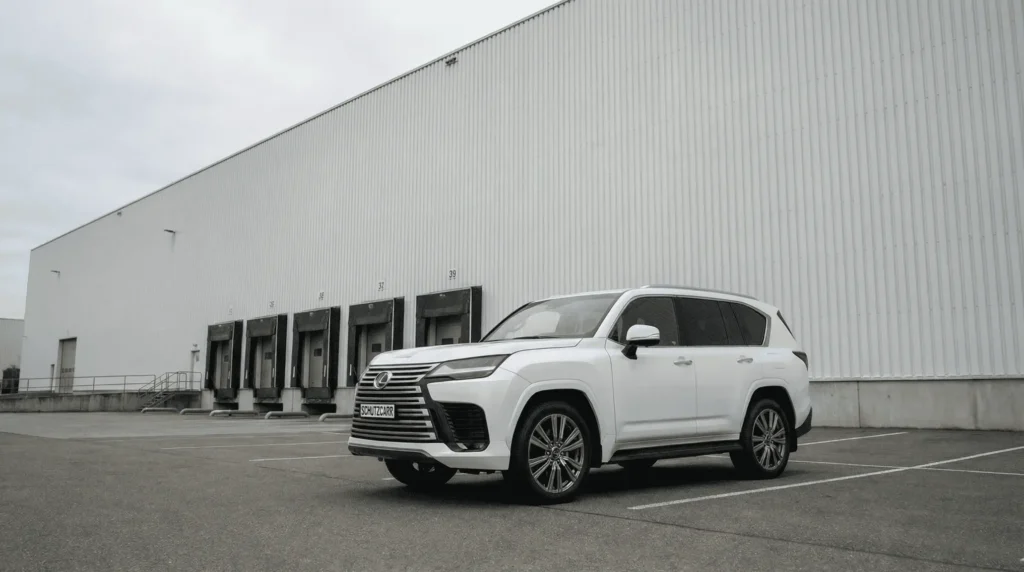
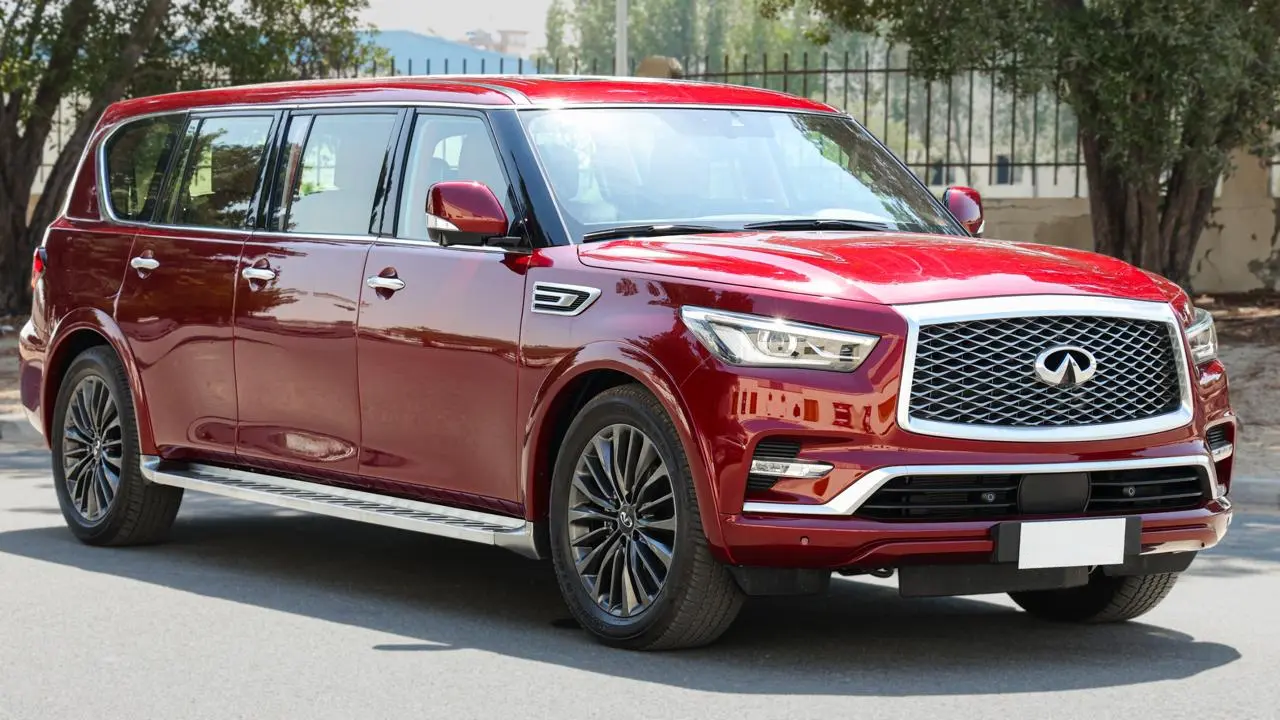
The Lexus LX600 and Infiniti QX80 BR6 Extended offer large, comfortable cabins that pair well with full 360° armor capsules. On the QX80 in particular, we emphasize weight distribution, interior space preservation, and documented BR6 configurations so that future inspections remain clear and verifiable.
Across these luxury platforms, future proofing also means keeping discreet styling intact. We balance visible armor cues with subtle integration so that vehicles blend into premium environments without drawing unnecessary attention.
6. Discreet Armoring: Styling Choices That Support Long-Term Use
Discretion and future proofing often work together. If a vehicle is obviously different from a stock model, owners may face more questions at checkpoints or during routine inspections, which can complicate long-term deployment.
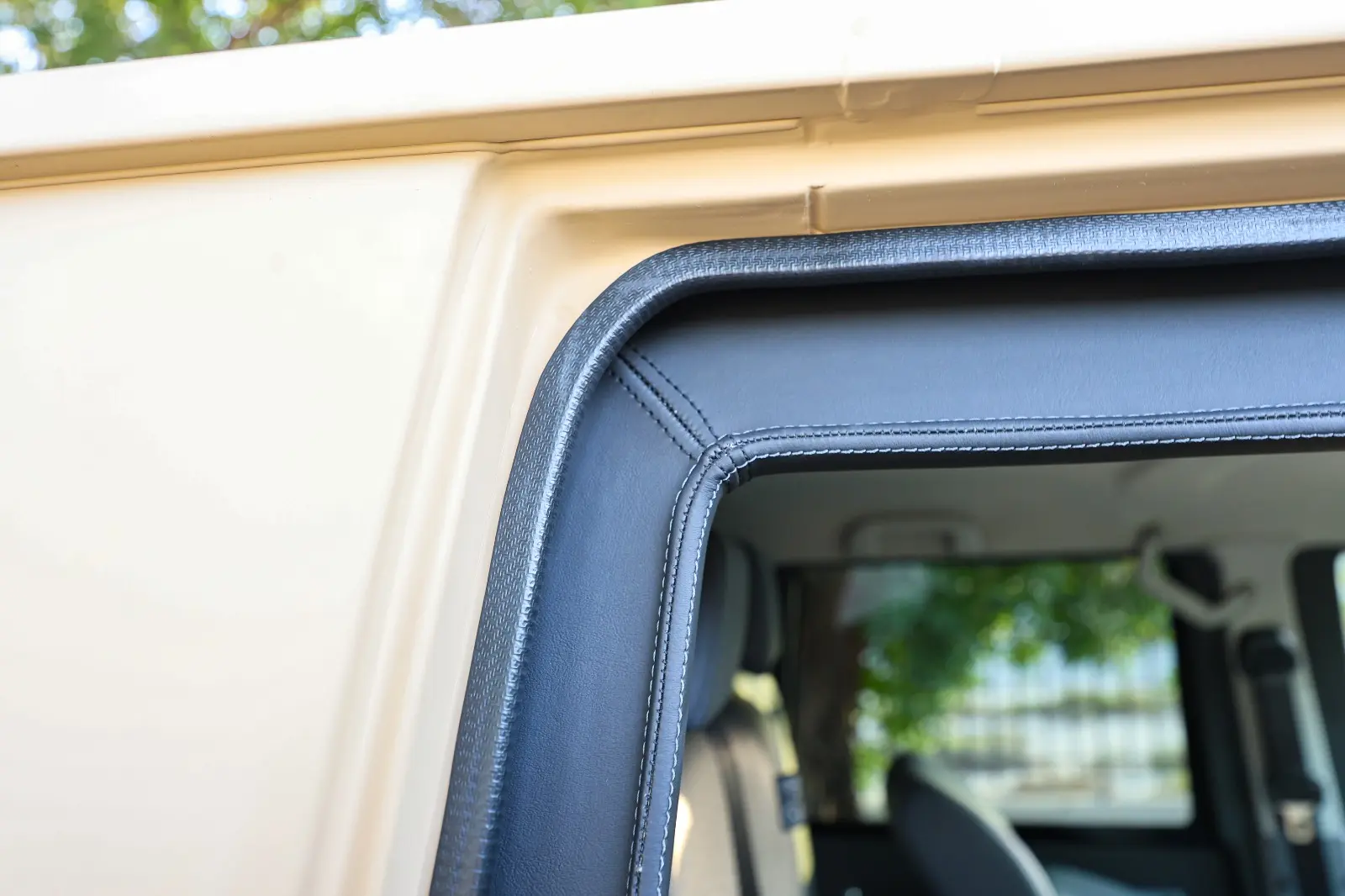
Our discreet armoring approach minimizes unnecessary external changes while preserving essential structural reinforcements. This includes careful work on door frames, glass profiles, and interior trims that hide armor joints and overlapping seams.
Discreet Sedans And SUVs For Executives
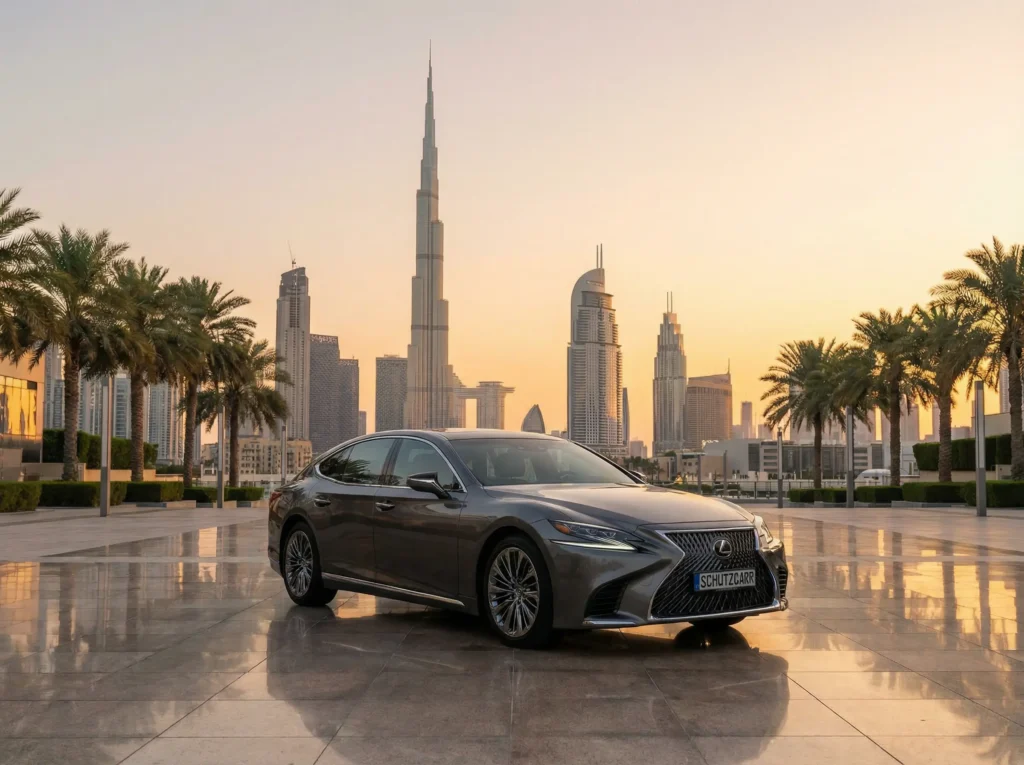
For executives, discreet armored sedans and SUVs maintain civilian styling while incorporating BR6 shells and certified glass. Our engineering teams ensure that these vehicles can undergo regular servicing without exposing or damaging the armoring envelope.
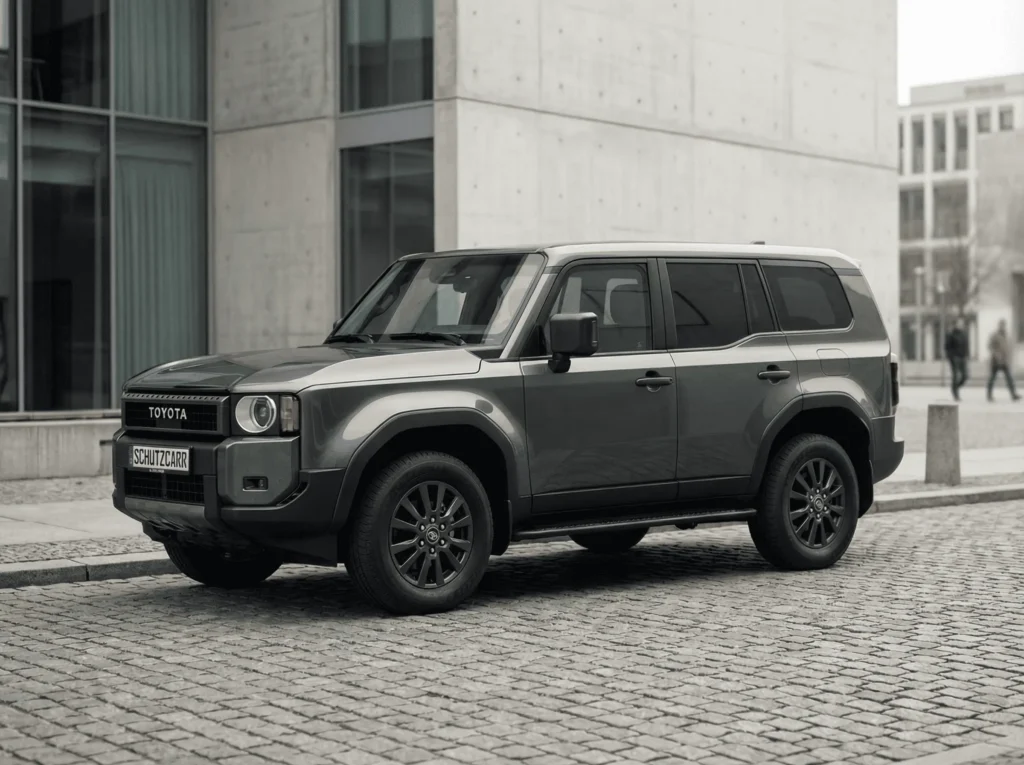
Styling Details That Affect Future Proofing
Elements such as wheel choice, ride height, and visible glass thickness influence both discretion and long-term practicality. For example, a subtle increase in ride height due to armor and suspension upgrades can be tuned so that the vehicle still looks close to a factory example.
By deciding these styling elements early in the build, we avoid situations where later upgrades require major visual changes. That planning is a core part of future proof armoring technologies at SchutzCarr.
7. Certified Safety On The Toyota Land Cruiser 76: A Case Study In Future Proofing
The armored Toyota Land Cruiser 76 is one of our clearest examples of future proof armoring technologies in action. Its straightforward mechanical layout, strong chassis, and global parts availability make it ideal for long service lives.
We integrate BR6 and BR7 protection with certified ballistic steel and glass, reinforced suspension, and documented weld maps. That documentation supports export processes, road legality, and future inspections across different jurisdictions.
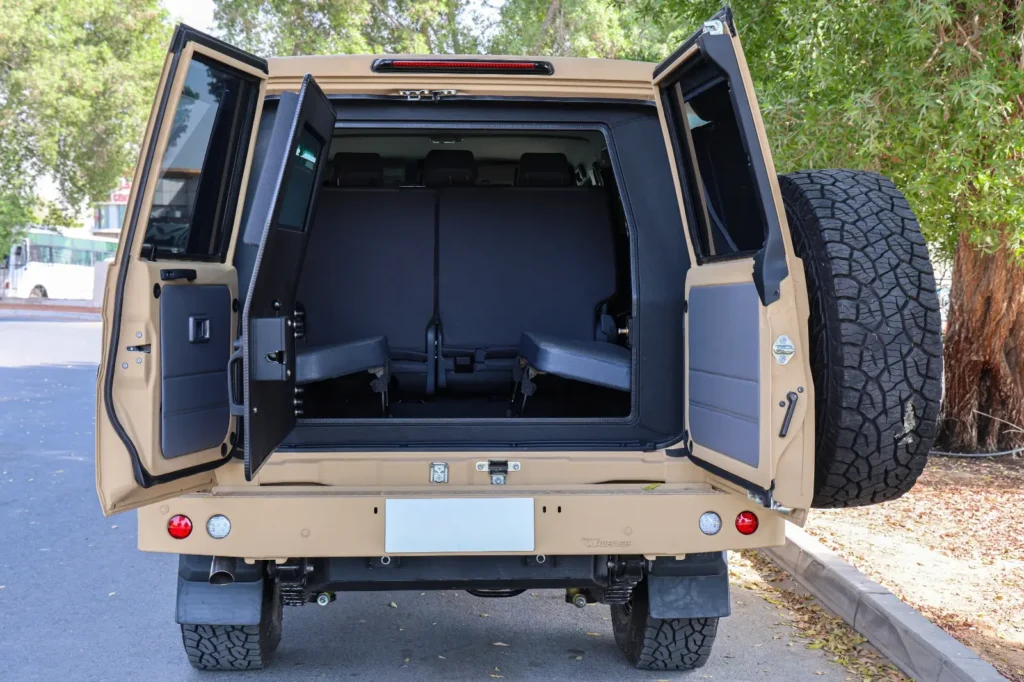
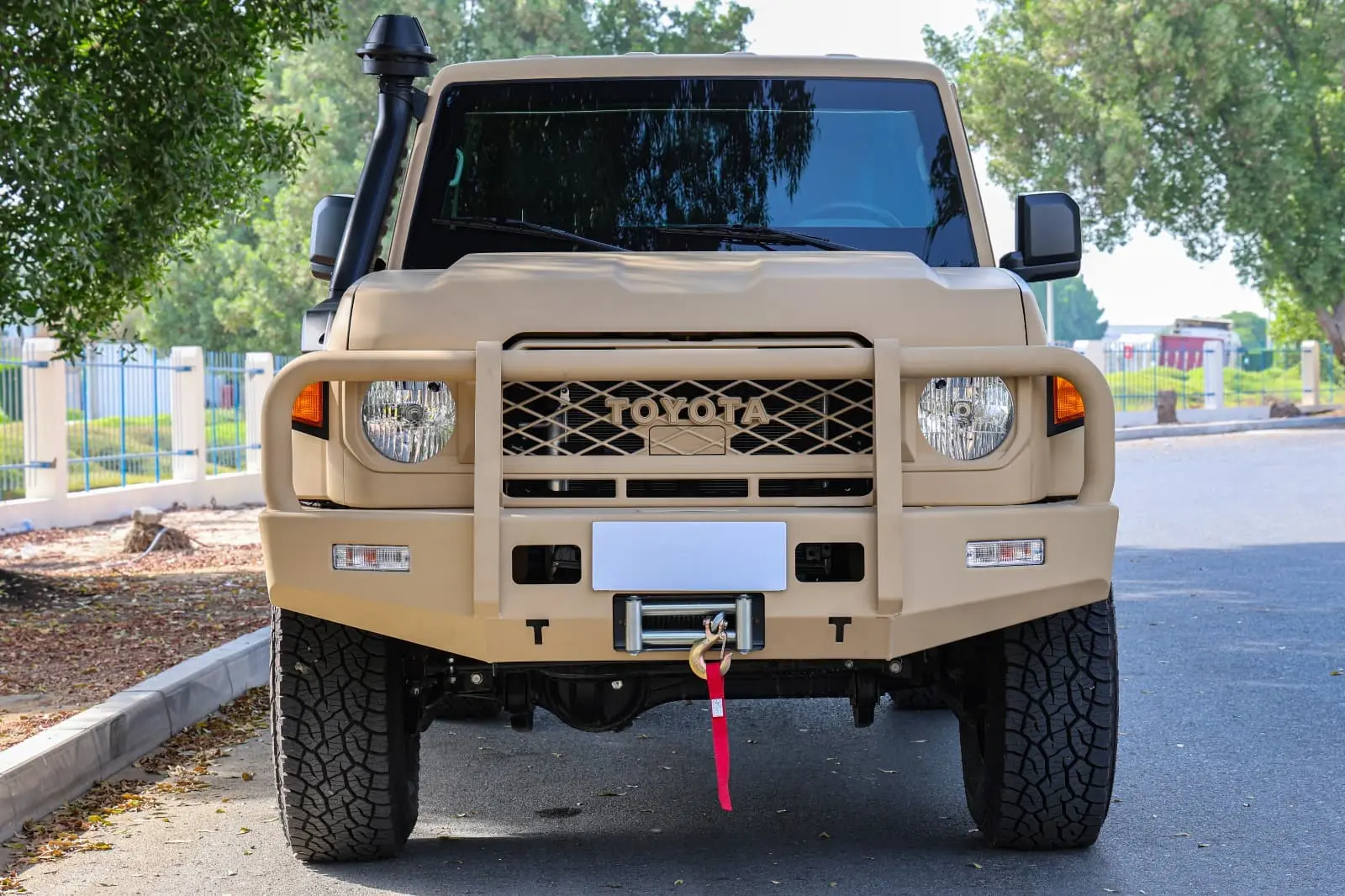
Inside, we retain practical interiors and focus on details such as door aperture finishes, rear door usability, and cargo flexibility. These choices help owners adapt the vehicle to changing roles, from personnel movement to secure logistics.
Because the LC76 uses a proven ladder frame and mechanical drivetrain, workshops can continue to service core components even as armoring standards and expectations evolve.
Did You Know?
UHMWPE-based armor is typically 25–40% lighter than aramid (Kevlar) for similar protection levels.
8. Cadillac Escalade & Maybach GLS 600: Future Proofing Large Luxury SUVs
Large luxury SUVs such as the Cadillac Escalade and Maybach GLS 600 demand careful attention to weight distribution, electronics, and interior systems. Future proof armoring technologies help us preserve these characteristics after the vehicle is armored.
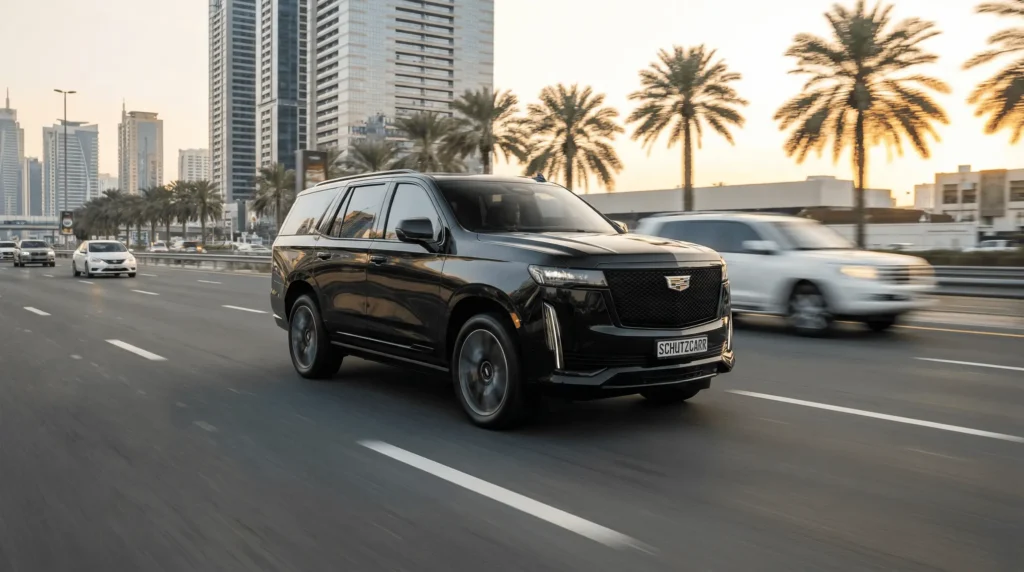
On Escalade builds, we plan BR6 or BR7 configurations around existing wiring looms, interior layouts, and HVAC paths so that later upgrades or repairs do not require stripping major armor sections. This planning supports long-term comfort and reliability.
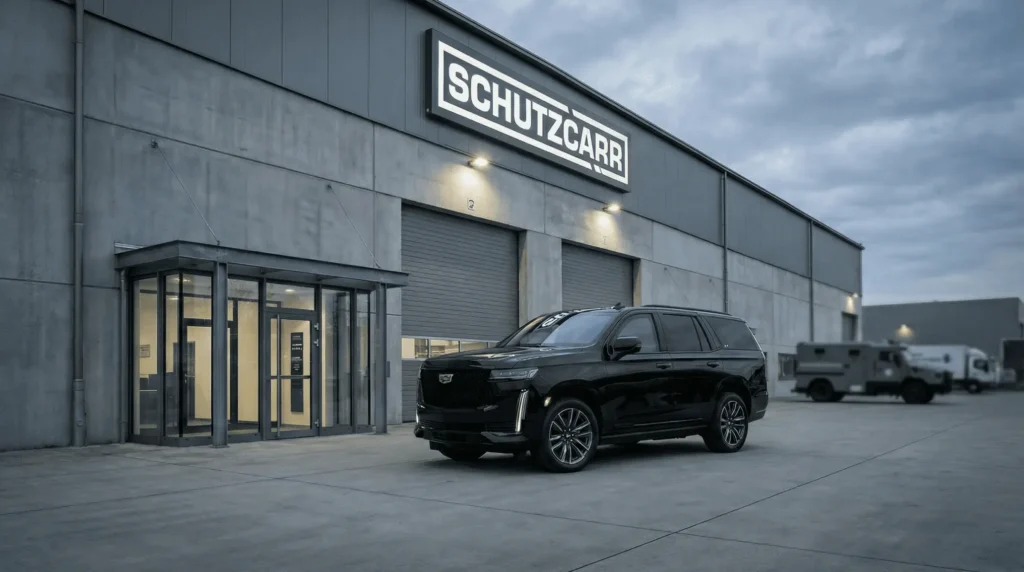
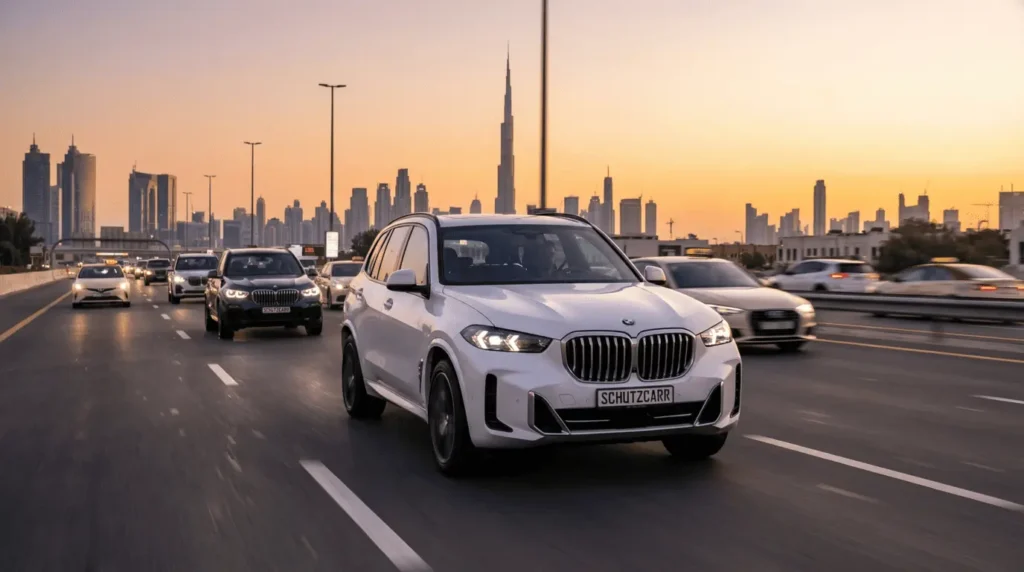
For the Maybach GLS 600, we treat it as both a luxury vehicle and a long-term platform. The goal is to keep ride softness, acoustic insulation, and cabin comfort as close to stock as practical, while preserving access to multi-zone climate systems and control modules.
Future proofing for these platforms relies on detailed drawings, labeled harnesses, and clear armoring schematics that support future technicians over the full service life of the vehicle.
9. Daily Usability: Why Future Proof Armoring Is About More Than Protection
Future proof armoring technologies directly influence whether an armored vehicle remains practical to use every day. An SUV that feels overly heavy, difficult to maneuver, or unreliable will not stay in service, regardless of its protection level.
We focus strongly on drivability, braking distances, turning radius, and parking convenience when adding armor to daily-use SUVs. This is especially important for platforms used in dense urban environments, hotel zones, and corporate districts.
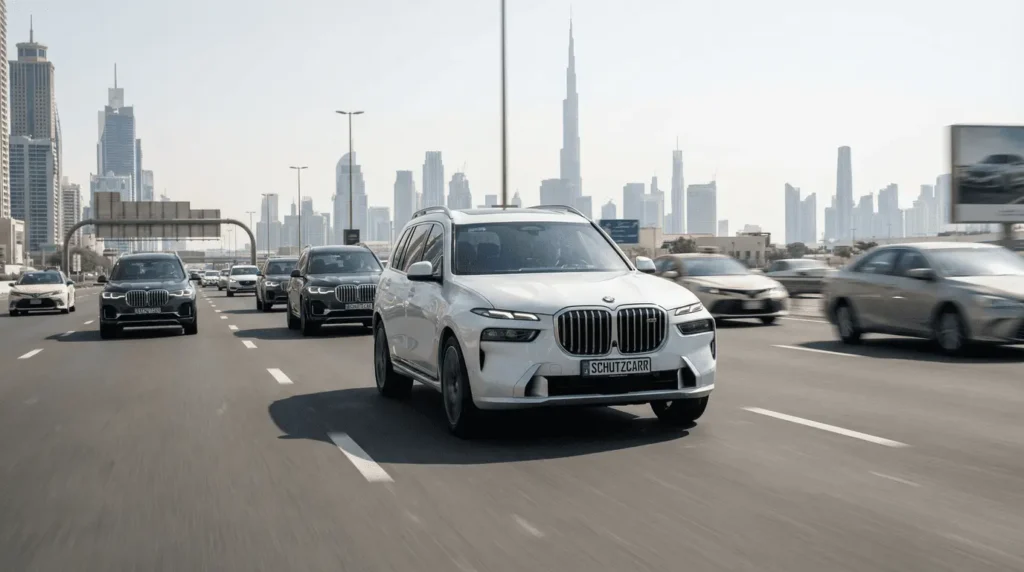
Interior ergonomics also matter. We maintain comfortable seating positions, door opening angles, and cargo access so that crews and passengers can use the vehicle naturally, even with thicker doors and glass.
Daily usability is a core metric we consider when assessing whether a particular armoring package is truly future proof for a client’s intended routes and schedules.
10. Documentation, Certification, And Long-Term Compliance
No future proof armoring strategy is complete without solid documentation and certification. At SchutzCarr, each build includes detailed records of materials, welds, glass specifications, and structural modifications.
This documentation supports export paperwork, registration processes, and periodic inspections. It also ensures that future workshops can identify correct replacement parts and understand how the armor interacts with the base vehicle.
Future proof armoring technologies also take into account evolving standards and testing approaches. As certification regimes change, having clear baseline data and build records helps owners and regulators align on vehicle status.
For clients planning multi-year mobility programs, these paperwork and traceability aspects are often as important as the hardware itself.
Conclusion
Future proof armoring technologies are not a single product, they are a complete philosophy that spans platform choice, materials, integration, documentation, and daily usability. At SchutzCarr, we apply that philosophy across rugged platforms like the Toyota Land Cruiser 76, modern SUVs such as the LC300 GXR, and luxury vehicles including Range Rover, Lexus LX600, Infiniti QX80, Escalade, and Maybach GLS 600.
If you are planning an armored vehicle program and want to understand how future proofing could apply to your routes and requirements, we are ready to help you assess options in detail. Get in touch with SchutzCarr here to discuss platforms, protection levels, and practical armoring strategies tailored to your needs.