
Armor materials are projected to reach a market size of USD 20.90 billion by 2030, which shows how quickly future proof armoring technologies are evolving and diversifying. In this guide we explain how we apply those trends to real vehicles, from BR6 SUVs to discreet sedans and specialized platforms at SchutzCarr.
Key Takeaways
| Question | Short Answer |
|---|---|
| What makes an armored vehicle “future proof” today? | Balanced BR6 or BR7 protection, weight-managed chassis, modular armor layouts, and certified components such as ballistic glass and run-flat systems, as illustrated on our Toyota Land Cruiser 76 BR6 platform. |
| Are BR6 and BR7 still relevant benchmarks for future proof armoring technologies? | Yes, BR6 and BR7 remain key reference points for civilian security vehicles, as discussed in our overview of latest armored vehicle market trends. |
| Which platforms are commonly used for executive-level BR6+ SUVs? | Land Cruiser 76 and 300, Lexus LX600, Range Rover, Infiniti QX80, and Mercedes Maybach GLS 600 are recurring choices, summarized in our guide on choosing BR6+ SUV configurations. |
| Can an armored vehicle remain discreet while using advanced armor? | Yes, discreet sedans and SUVs use integrated armor and factory-like finishes to maintain a low profile, as outlined in our discreet armored sedans comparison guide. |
| How does daily usability factor into future proof armoring decisions? | Weight, braking, suspension upgrades, and service accessibility are central, which we break down in our article on the daily usability of armored SUVs. |
| Which SUVs are often chosen for global itineraries? | LC300 BR6 Extended, Range Rover P530 BR6 Extended, and Mercedes Maybach GLS 600 appear frequently in global-trip planning, reviewed in our guide to the best armored SUVs for global travel. |
1. What “Future Proof Armoring Technologies” Really Mean In Practice
Future proof armoring technologies focus on vehicles that can retain relevance as materials, certification standards, and usage patterns change. We design around realistic service lives, predictable maintenance, and upgradable components rather than short term configurations.
That approach covers everything from how we select BR6 or BR7 packages to how we route wiring and reinforce hinges for long term durability. It also affects how we balance discreet appearance with visible armored design cues that support structural integrity.
Core pillars of future proof armoring
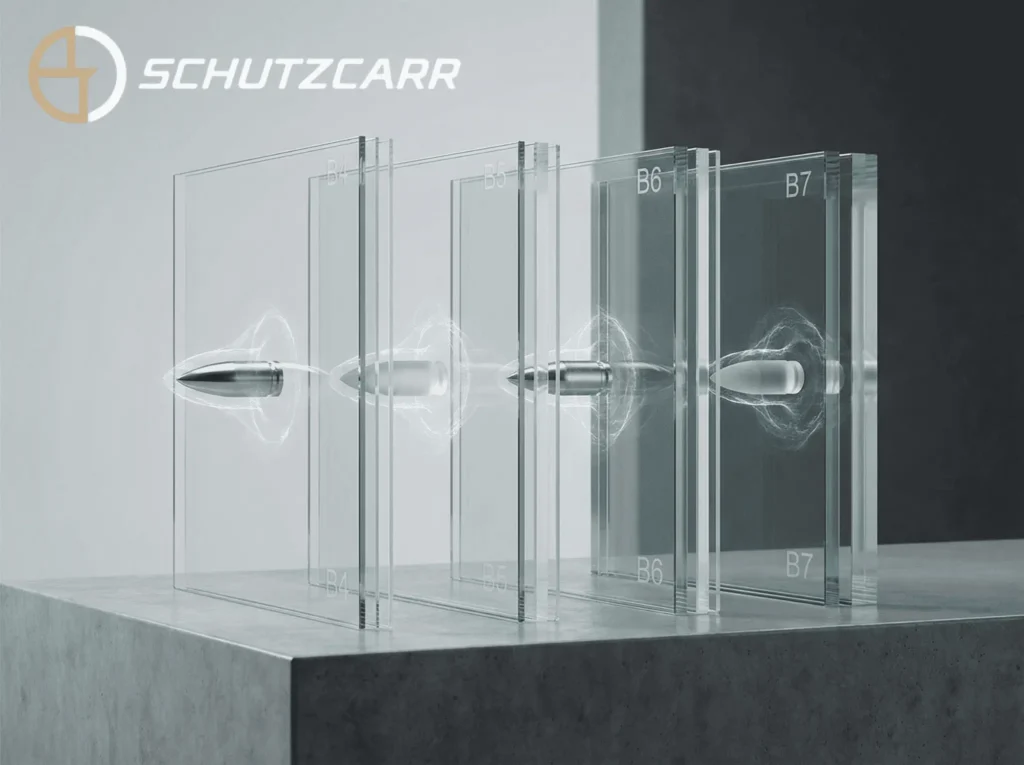
- Use of certified ballistic steel and glass that match recognized BR6 or BR7 standards.
- Chassis and suspension tuning to handle added mass without overstressing components.
- Modular armor areas where serviceability or later adjustments are realistic.
- Integration of run-flat systems and other survivability hardware with future maintenance in mind.
We see future proofing as a process, not a single feature list. The same logic applies to discreet sedans, executive SUVs, and specialist platforms such as cash-in-transit vehicles.
2. BR6, BR6+ And BR7: Protection Levels As Foundations For Future Proofing
Protection levels such as BR6, BR6+, and BR7 shape how an armored vehicle is engineered and how future upgrades can be managed. We use these levels as a design framework to balance protection with weight and drivability.
BR6 often serves as a default for executive and civilian security vehicles, while BR7 is chosen selectively for specific risk profiles. Future proof armoring technologies do not simply chase the highest rating, they match the level to realistic routes and usage.
Comparing BR6, BR6+, and BR7 at a glance
| Level | Typical Use | Future Proof Consideration |
|---|---|---|
| BR6 | Executive SUVs, discreet sedans, cash-in-transit. | Often chosen as a base level that can integrate incremental enhancements later. |
| BR6+ | Executive fleets with elevated risk routes. | Adds selected reinforcement while keeping weight within manageable envelopes. |
| BR7 | Specialized SUVs and APCs. | Requires heavier chassis and dedicated engineering for long term reliability. |
Our guides on BR6 and BR7 emphasize that the protection level is only one part of a future proof decision. Weight distribution, service access, and verified certification are equally important.
3. Toyota Land Cruiser 76 BR6: A Case Study In Future Proof Armoring
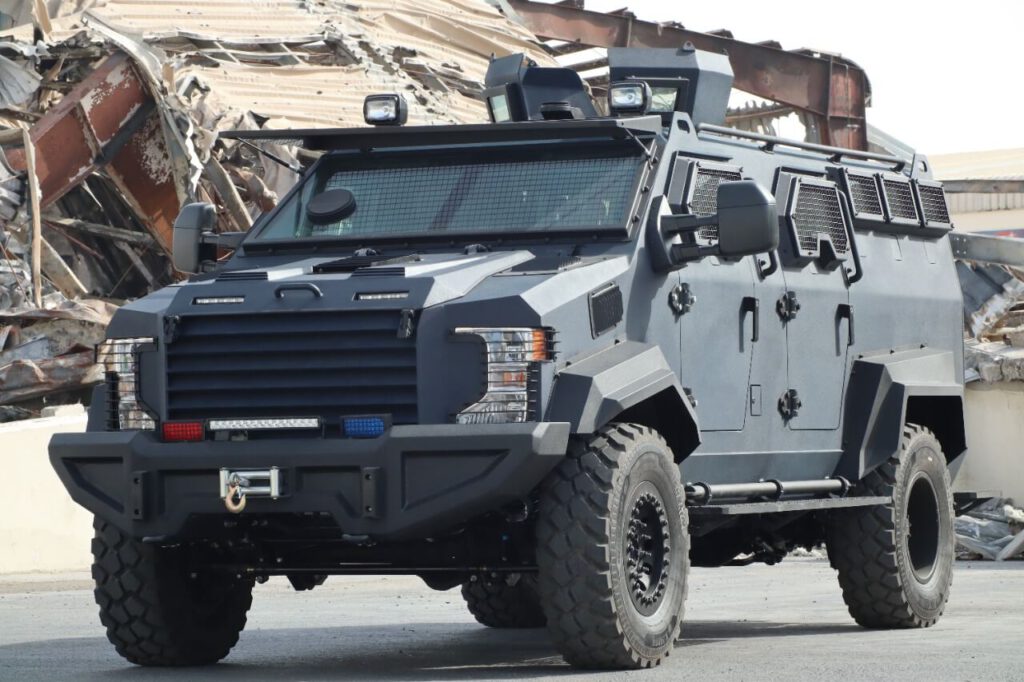
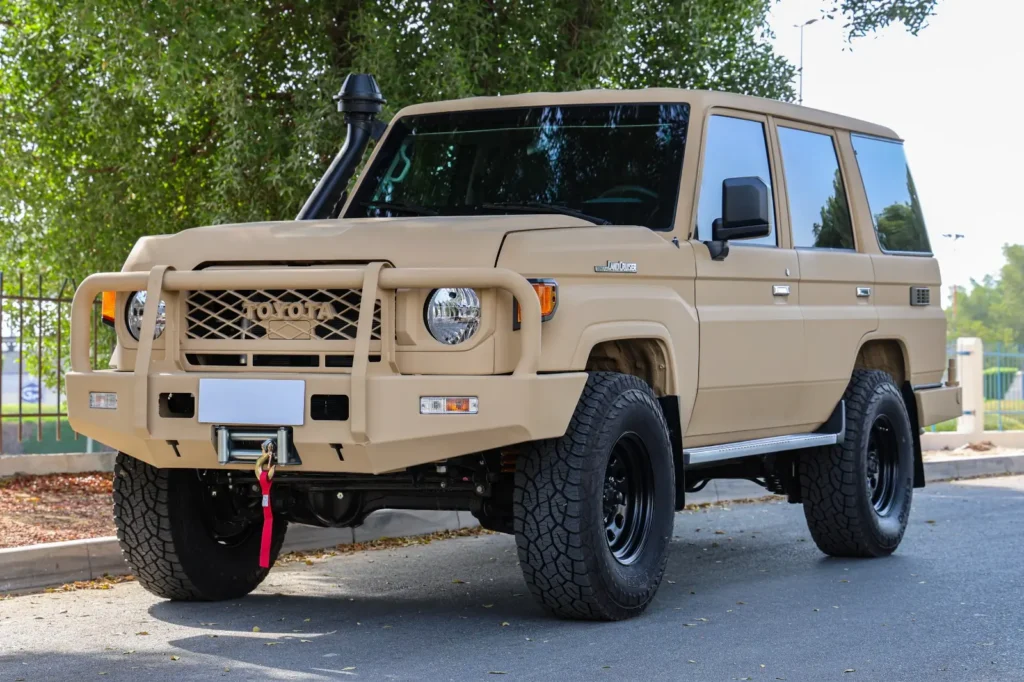
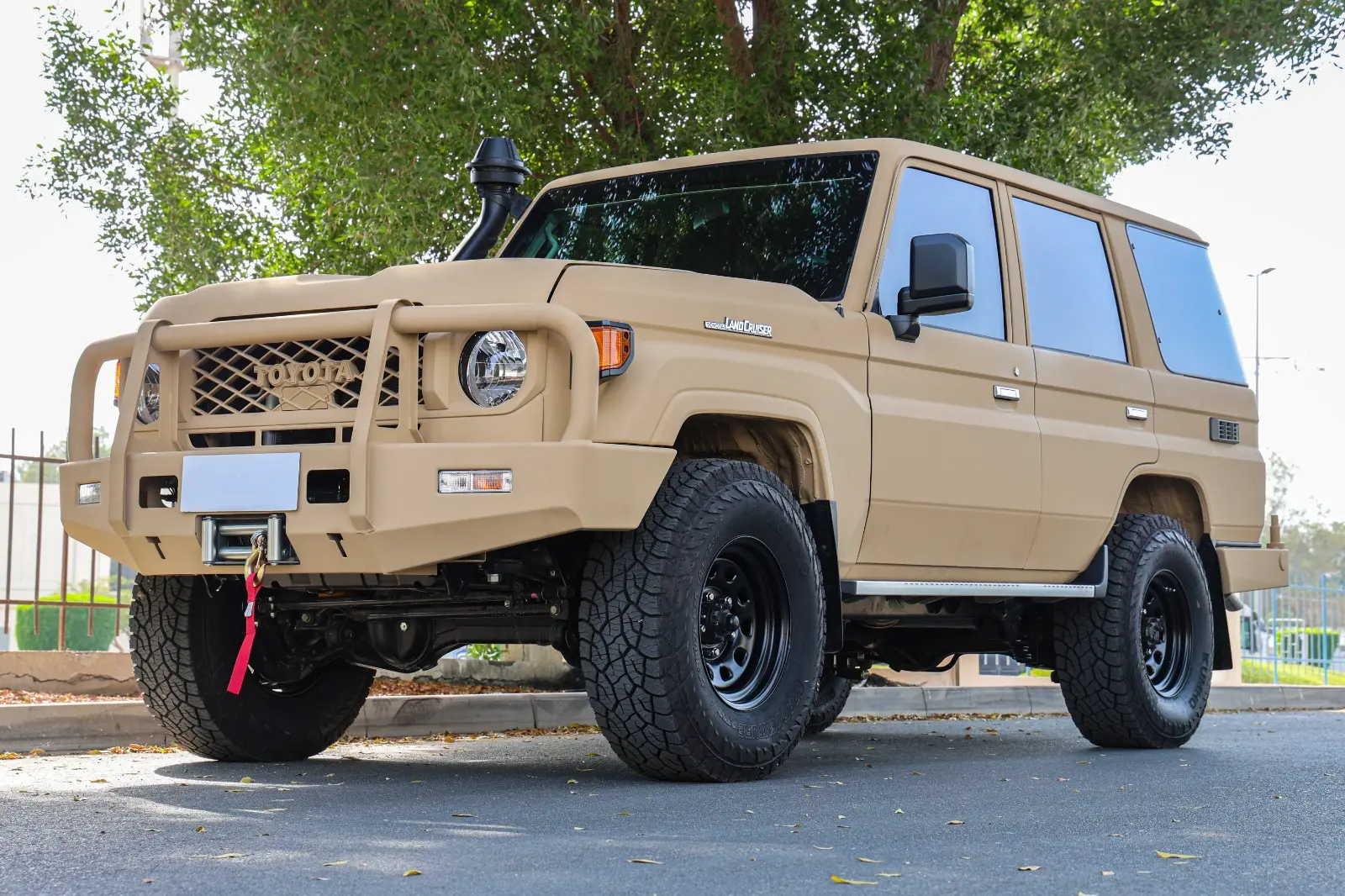
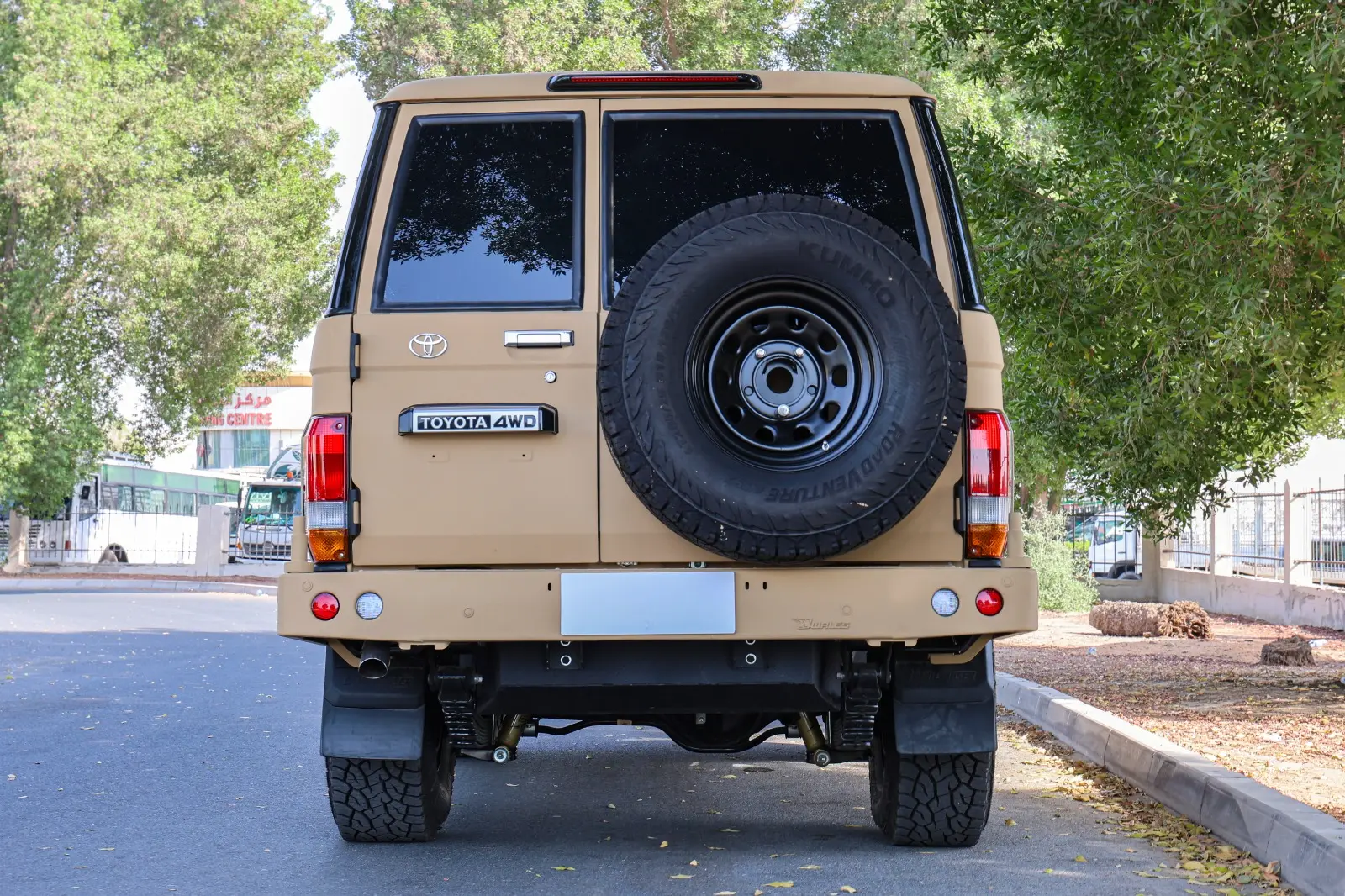
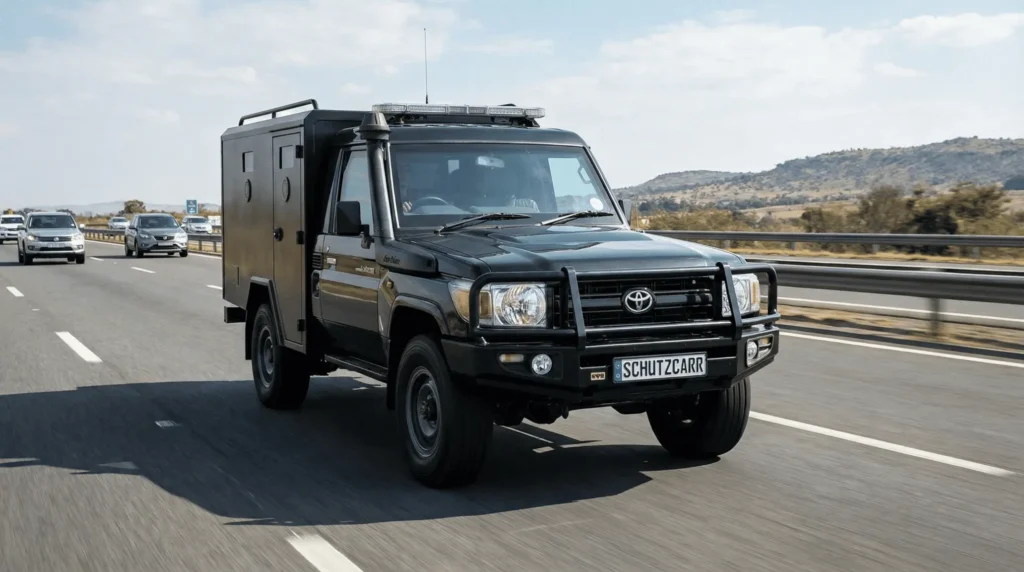
The Toyota Land Cruiser 76 BR6 platform is one of our clearest examples of future proof armoring technologies applied to a body-on-frame SUV. We use a self-supporting steel structure around the cabin, combined with ballistic glass, run-flat systems, and chassis adaptations.
The hardtop 10-seat configuration (Toyota Land Cruiser Hardtop 10STR LX10 – HZJ 76 Series) provides interior volume for different mission layouts while keeping a proven ladder-frame base. That combination is attractive for organizations planning long term fleets.
Key future proof features of the LC76 BR6 platform
- Armored cabin with interlocking steel panels in doors, firewall, roof, and critical overlaps.
- Ballistic glass and windshield matched to the BR6 package for consistent performance.
- Run-flat tires (Hutchinson USA) to retain mobility after tire damage.
- Structural reinforcements on hinges, pillars, and suspension to manage armor mass.
Because the Land Cruiser 76 family is widely supported in many regions, future maintenance and parts sourcing also align with a long-view ownership approach. That practicality is a core part of what makes this type of platform future oriented.
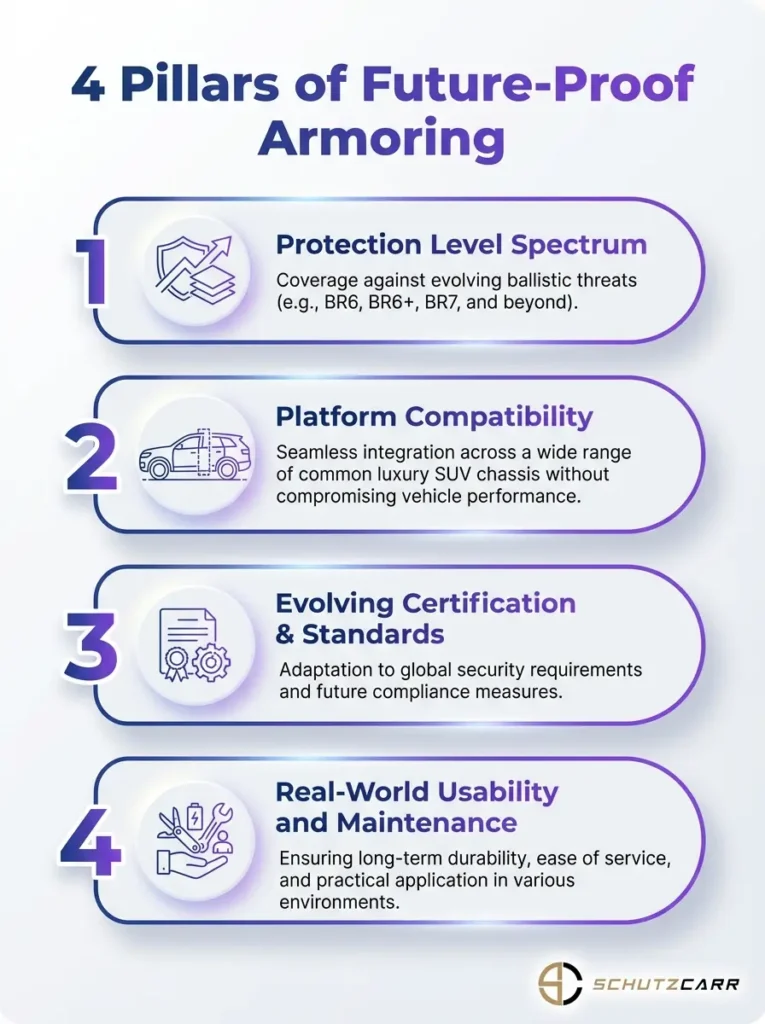
A concise visual guide to the four pillars shaping future-proof armoring technologies.
Did You Know?
Vehicle Armor Materials Market worth USD 9.3 billion by 2029, CAGR 6.7% (2024–2029).
4. Engineering Integrity: Chassis, Cabin, And Ballistic Glass Integration
Future proof armoring technologies depend heavily on how armor is integrated into the chassis rather than simply added on. We focus on engineering integrity from the frame to the roofline to minimize long term stress and unexpected wear.
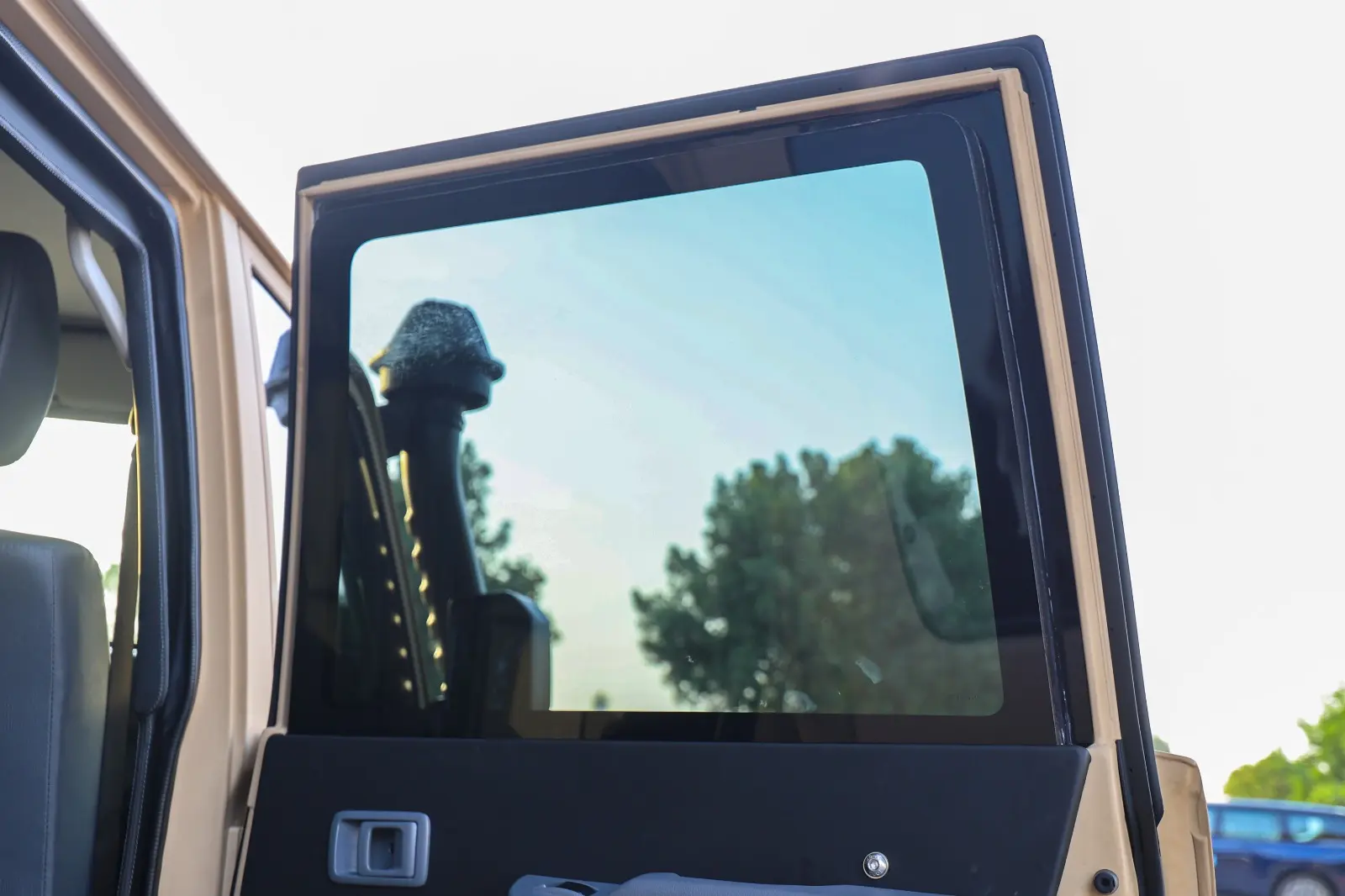
Ballistic glass is especially critical because it affects visibility, cabin comfort, and certification. Matching glass thickness, framing, and overlap geometry to the steel package preserves structural and safety performance.
How we think about long term structural health
- Reinforcing suspension and braking systems to account for armor mass.
- Using interlocking armor designs around pillars and door frames to reduce weak points.
- Ensuring doors and hinges are upgraded to carry additional weight without sagging over time.
- Balancing glass thickness with window frame rigidity to prevent premature seal or alignment issues.
The armored Land Cruiser 76 overview describes how we take this full-vehicle approach, not only focusing on the passenger cell but also on the engine bay and structural transitions.
5. Daily Usability Of Armored SUVs As A Future Proof Metric
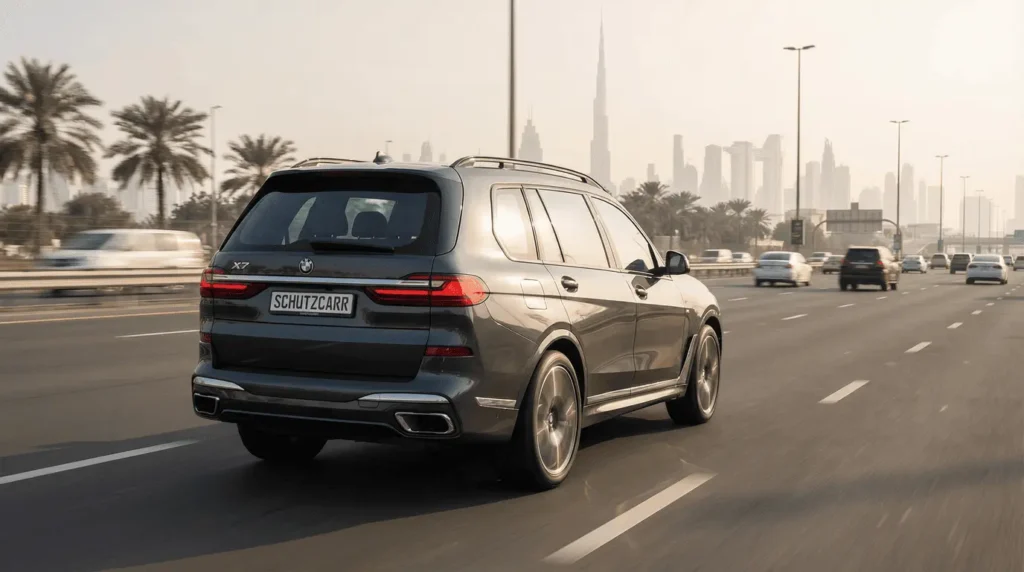
Future proof armoring technologies must respect daily usability, because a vehicle that is difficult to drive, park, or service will not stay in fleet rotation. We treat weight, handling, and braking as central design factors, not afterthoughts.
Adjusting springs, dampers, and sometimes axle components helps maintain predictable behavior even with BR6 or higher armor packages. That is especially important for SUVs that spend most of their life in urban or mixed-use conditions.
Usability questions we encourage buyers to ask
- How does the turning radius and parking feel compared with the non-armored base vehicle?
- What changes have been made to the braking system and are parts easily serviceable?
- How does the vehicle behave at highway speeds with a full passenger load?
- Is the suspension tuned to avoid excessive body roll or bottoming out on uneven roads?
Our detailed article on daily usability highlights typical trade-offs between discreet and visibly armored SUVs. Those considerations directly affect how future compatible a given platform will be for your routes and drivers.
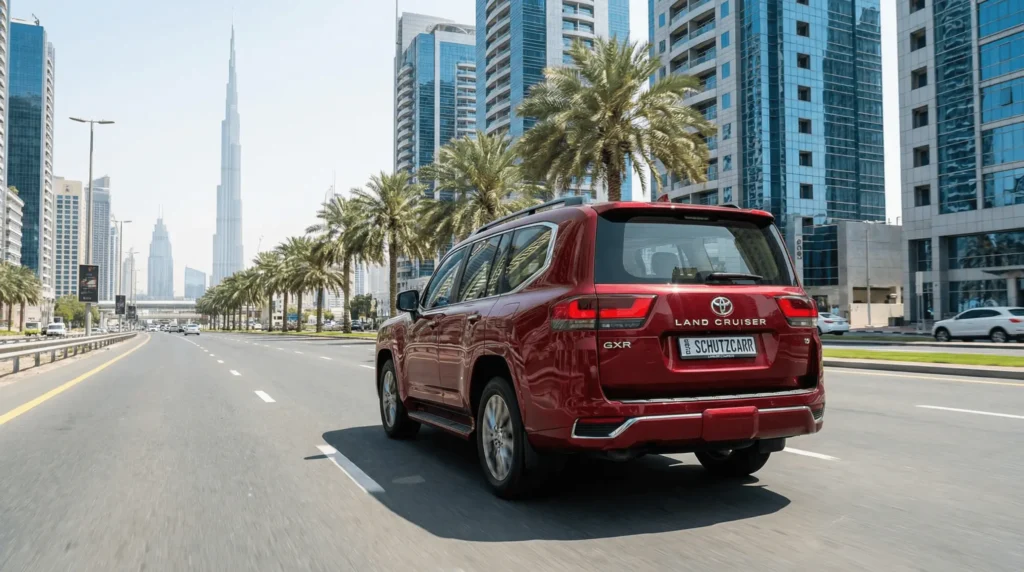
6. Discreet Armored Sedans: Future Proofing Through Low Profile Design
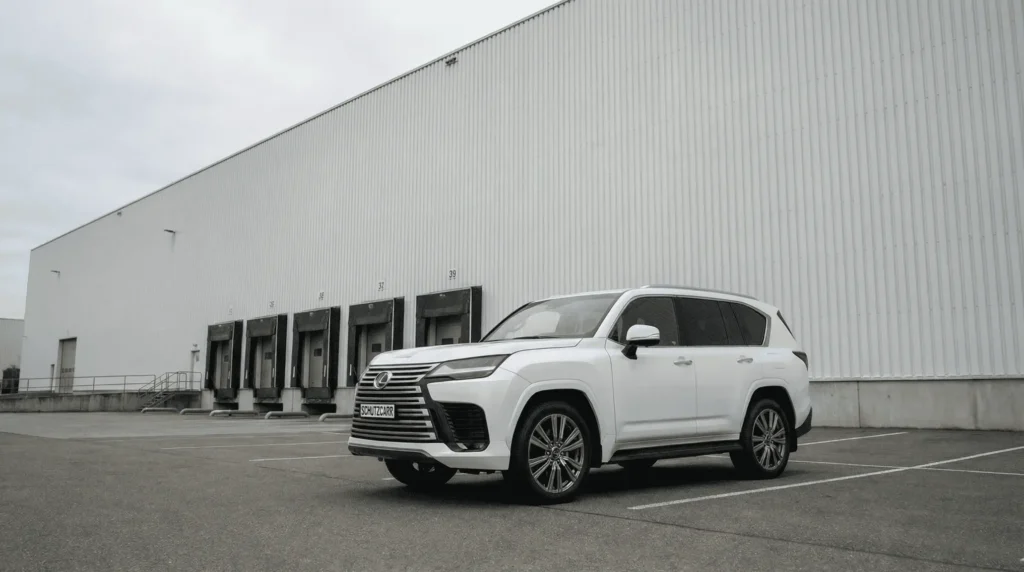
Discreet armored sedans show how future proof armoring technologies can be integrated without drawing attention. Many buyers prioritize a conventional exterior while still expecting BR6 or even VR-rated packages.
That approach requires careful coordination between armor layouts, interior trim, and factory styling. The goal is to avoid visible seams or excessive panel gaps that would limit the vehicle’s long term discreet value.
Why covert, integrated designs matter for the future
- Low profile vehicles tend to remain usable across more locations and contexts.
- Executive fleets may rotate vehicles and drivers, so standardized discreet cabins simplify training.
- Well integrated armor is less likely to interfere with factory electronics or comfort features.
- Resale and redeployment potential can improve when the vehicle does not visually signal heavy modification.
Our comparison guide for discreet armored sedans explains how we balance protection levels like BR6 and VR10 with comfort and appearance. That balance is essential for future focused executive mobility planning.
7. BR6+ Executive SUVs: Configurations Built For Long Term Use
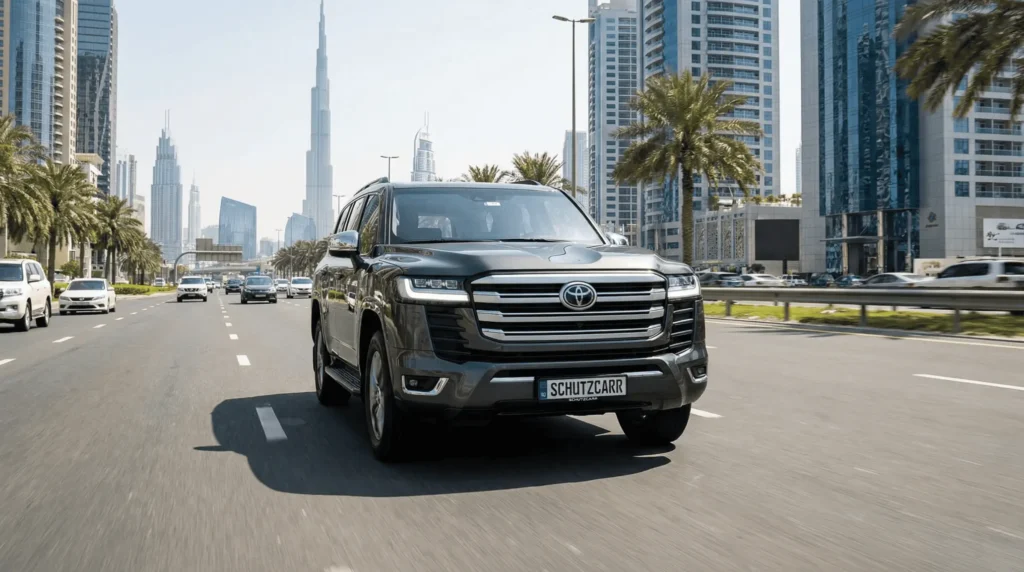
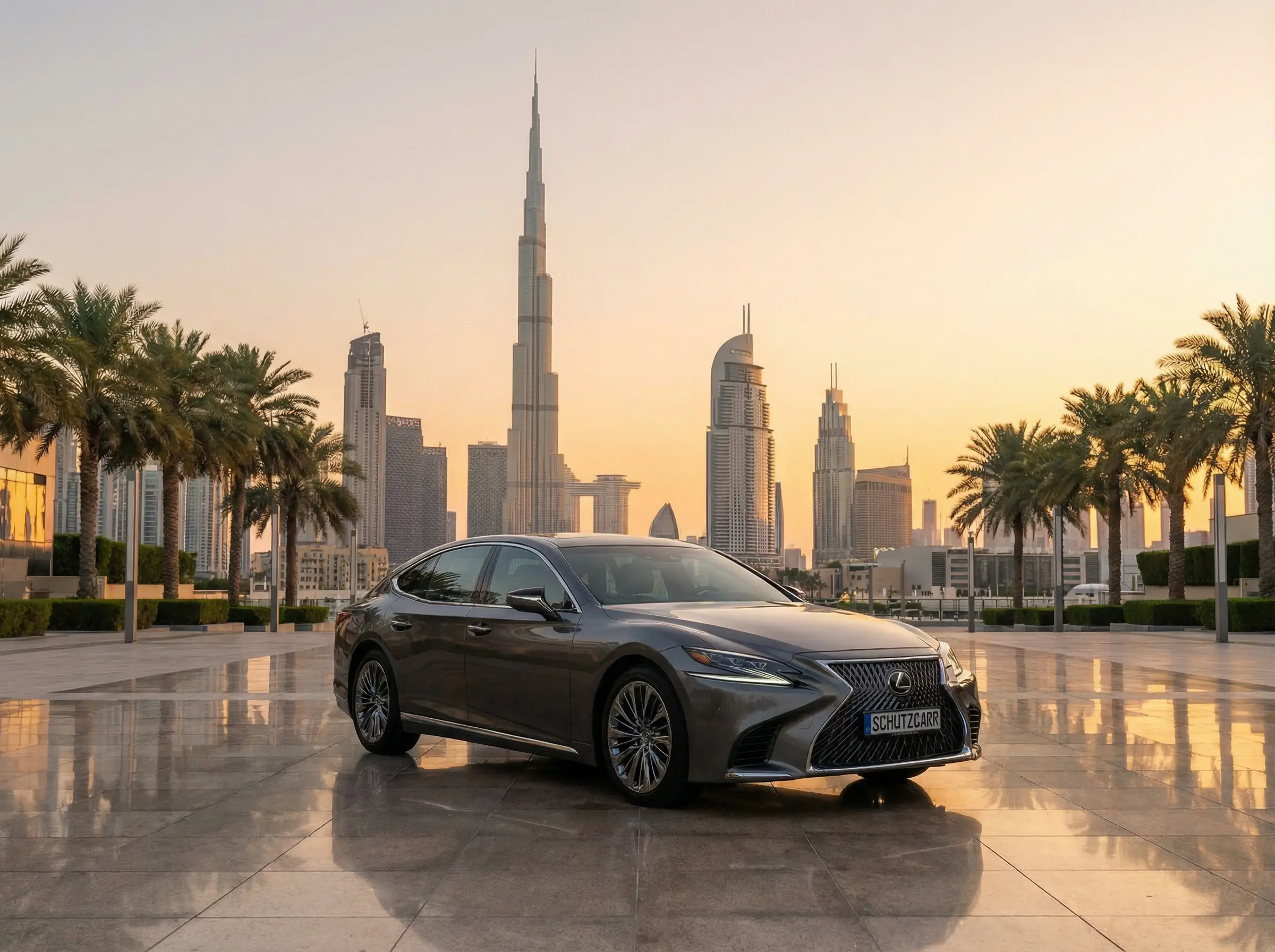
BR6+ SUV configurations often represent the middle ground between baseline protection and heavier BR7 builds. We see these as strong candidates for future proof executive fleets that expect mixed itineraries and long service periods.
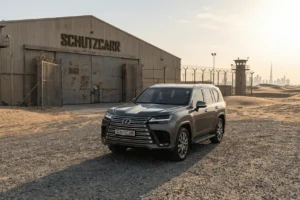
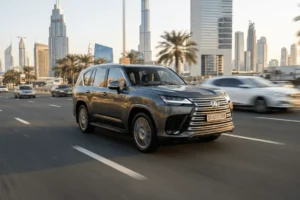
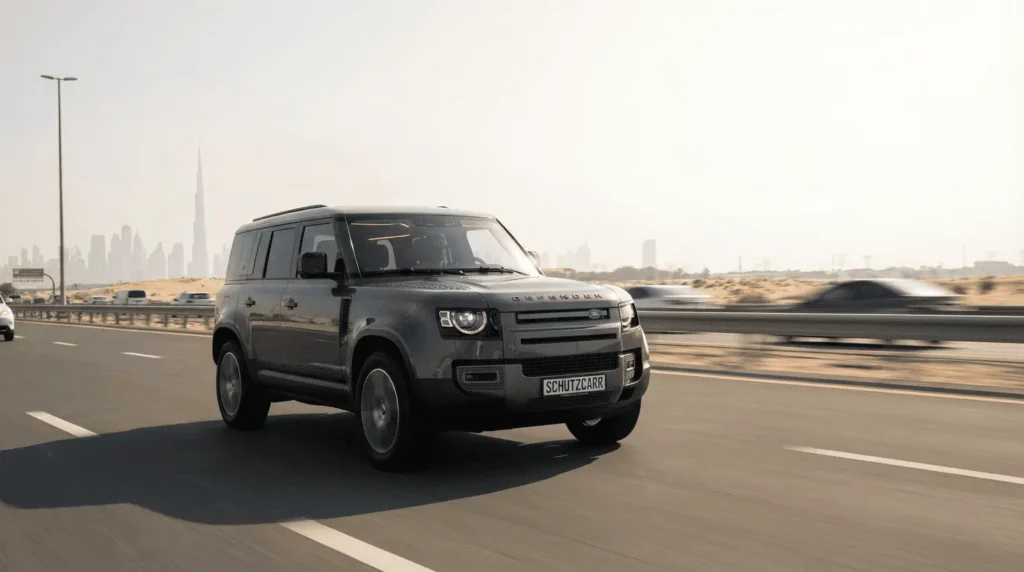
Platforms such as LC76, LC300 BR6 Extended, Lexus LX600 BR6, Infiniti QX80 BR6 Extended, and Mercedes Maybach GLS 600 BR6 offer a wide spectrum of cabin and drivetrain combinations. We help clients map those options to specific risk profiles and travel patterns.
Ten practical configuration decisions that affect future proofing
- Wheelbase length and turning circle for urban parking.
- Seat layout versus luggage capacity for longer routes.
- Type of run-flat system and wheel design.
- Door aperture size after armoring for quick ingress and egress.
- Cooling upgrades to handle high ambient temperatures plus armor weight.
- Choice of gasoline or diesel powertrains with local service support.
- Electrical load capacity for auxiliary equipment.
- Interior finishing materials and ease of cleaning.
- Visibility and glass area trade-offs with privacy films if used.
- Expected mileage and replacement cycle for the fleet.
Our BR6+ SUV configuration guide turns these points into a structured checklist. Using that framework early helps avoid compromises later in the vehicle’s life.
Did You Know?
Body Armor Plates Market size projected to reach USD 2.1 billion in 2025 and USD 3.4 billion by 2035; CAGR 5.0%.
8. Armored SUVs For Global Travel: Choosing Platforms With Future Support
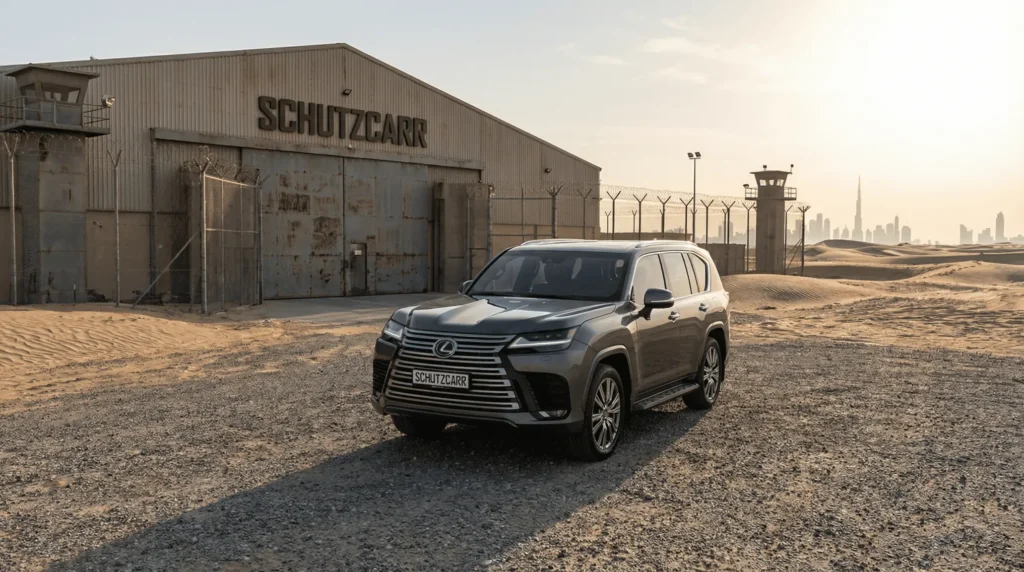
When armored SUVs are used for global itineraries, future proof armoring technologies must also account for cross-border service, parts availability, and cabin comfort on long days. We consider the LC300 BR6 Extended, Range Rover P530 BR6 Extended, and Mercedes Maybach GLS 600 armored as key case studies.
Each of these platforms approaches future readiness in its own way, through chassis sophistication, interior refinement, and electronic safety systems. Our role is to integrate BR6 packages without undermining those base strengths.
Global travel oriented considerations
- Seat ergonomics and noise insulation with armored glass installed.
- Fuel range with added armor mass and typical passenger loads.
- Compatibility with local diagnostic tools and service processes.
- Storage for luggage and equipment without compromising passenger comfort.
In our guide to the best armored SUVs for global travel, we compare these platforms using real-world usability metrics. Future proof choices usually favor platforms with strong underlying support networks and stable model lifecycles.
9. Specialist Platforms: APCs And Cash-In-Transit Vehicles In A Future Proof Context
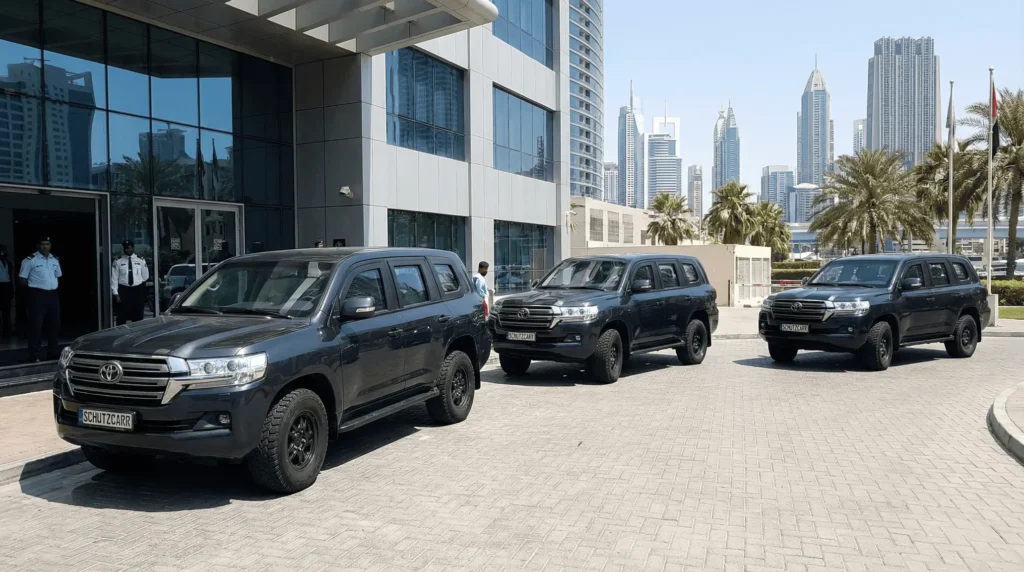
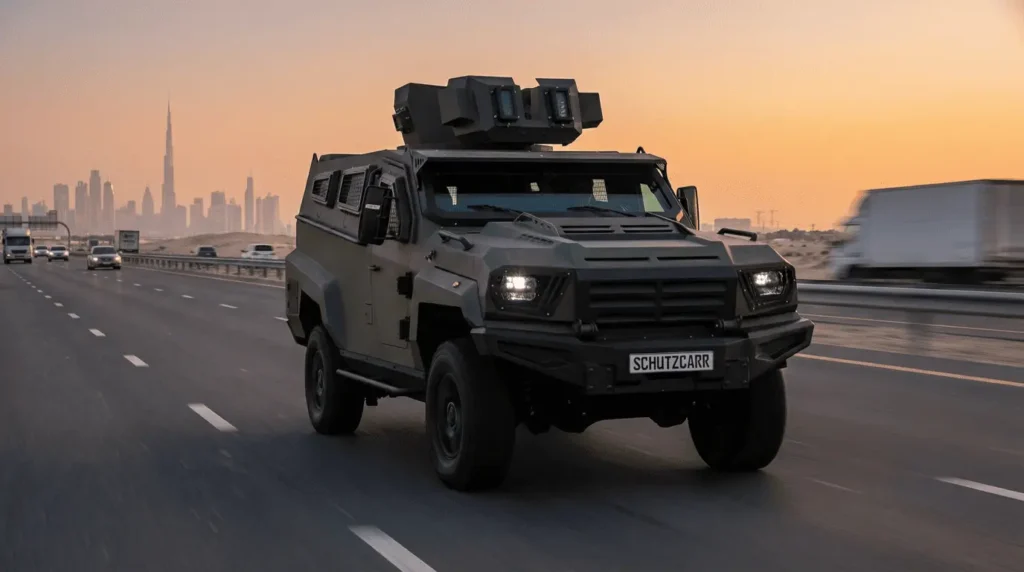
Future proof armoring technologies do not apply only to SUVs and sedans. Specialist platforms such as APCs and cash-in-transit vehicles rely on similar principles of certified steel, modular layouts, and maintainability.
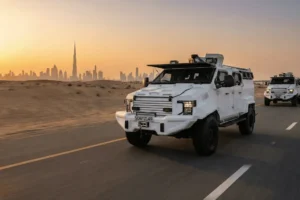
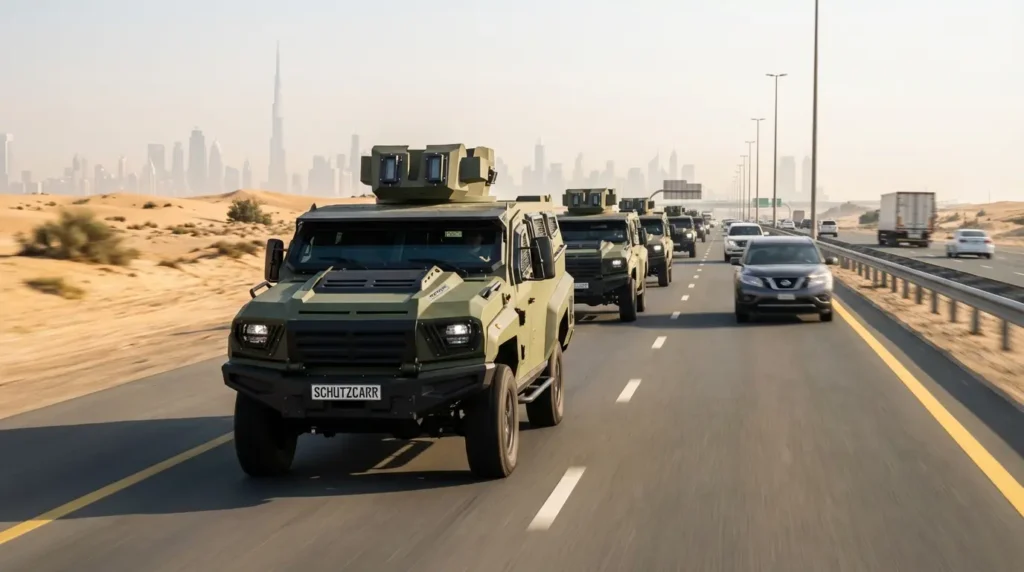
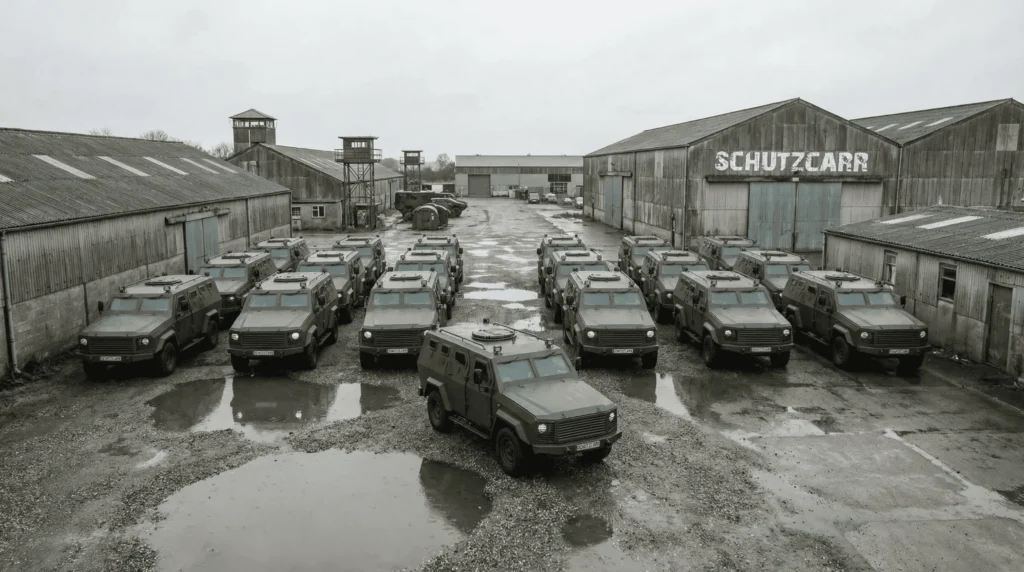
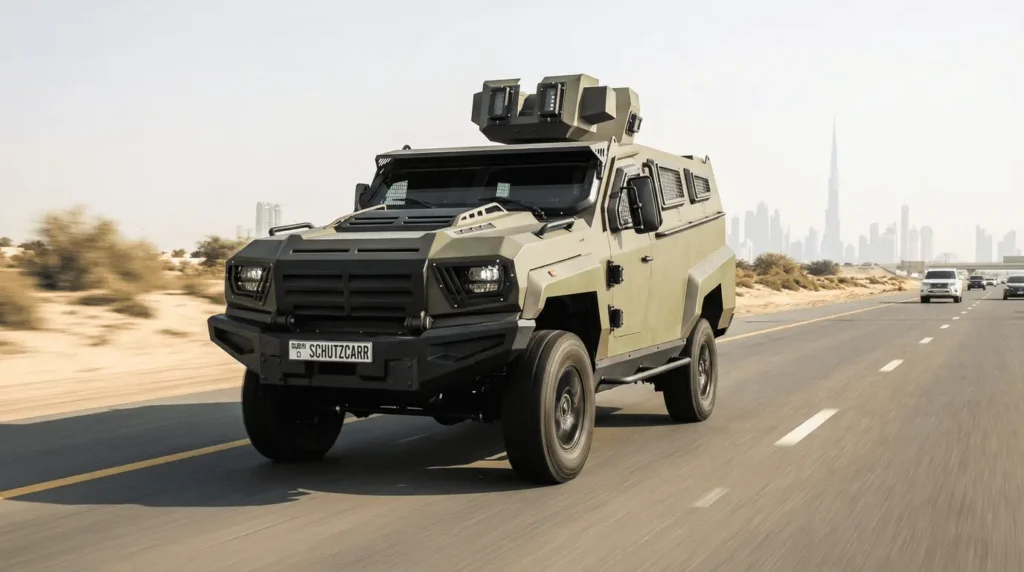
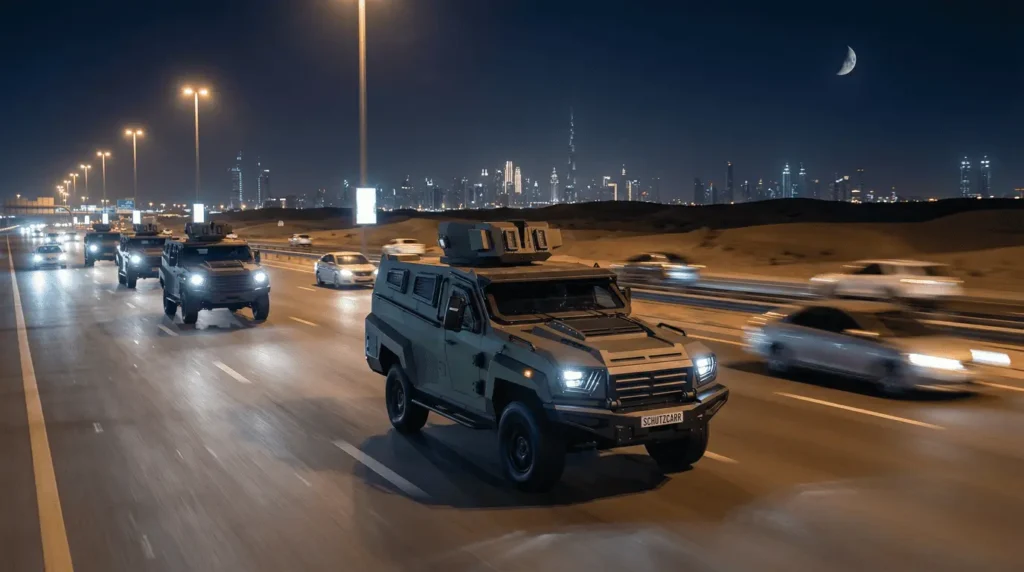
On our armored vehicle stock page, you can see examples such as APC SHARK, APC MERKAVA SAGIV, APC JASAR, and Toyota Land Cruiser 79 cash-in-transit variants. These platforms often operate in demanding duty cycles that stress test every design choice.
Design factors for long term specialist use
- Payload management with BR6 or BR7 armor and equipment loads.
- Ease of access for mechanical service and inspections.
- Cabin layouts that support crew movement and visibility.
- Cooling and ventilation tailored for extended low-speed operation.
By aligning APC and CIT builds with the same future proof design principles we use on SUVs, we help organizations standardize their mixed fleets. That makes training, maintenance, and documentation more consistent over time.
10. Interior Layouts, Access, And Human Factors In Future Proof Designs
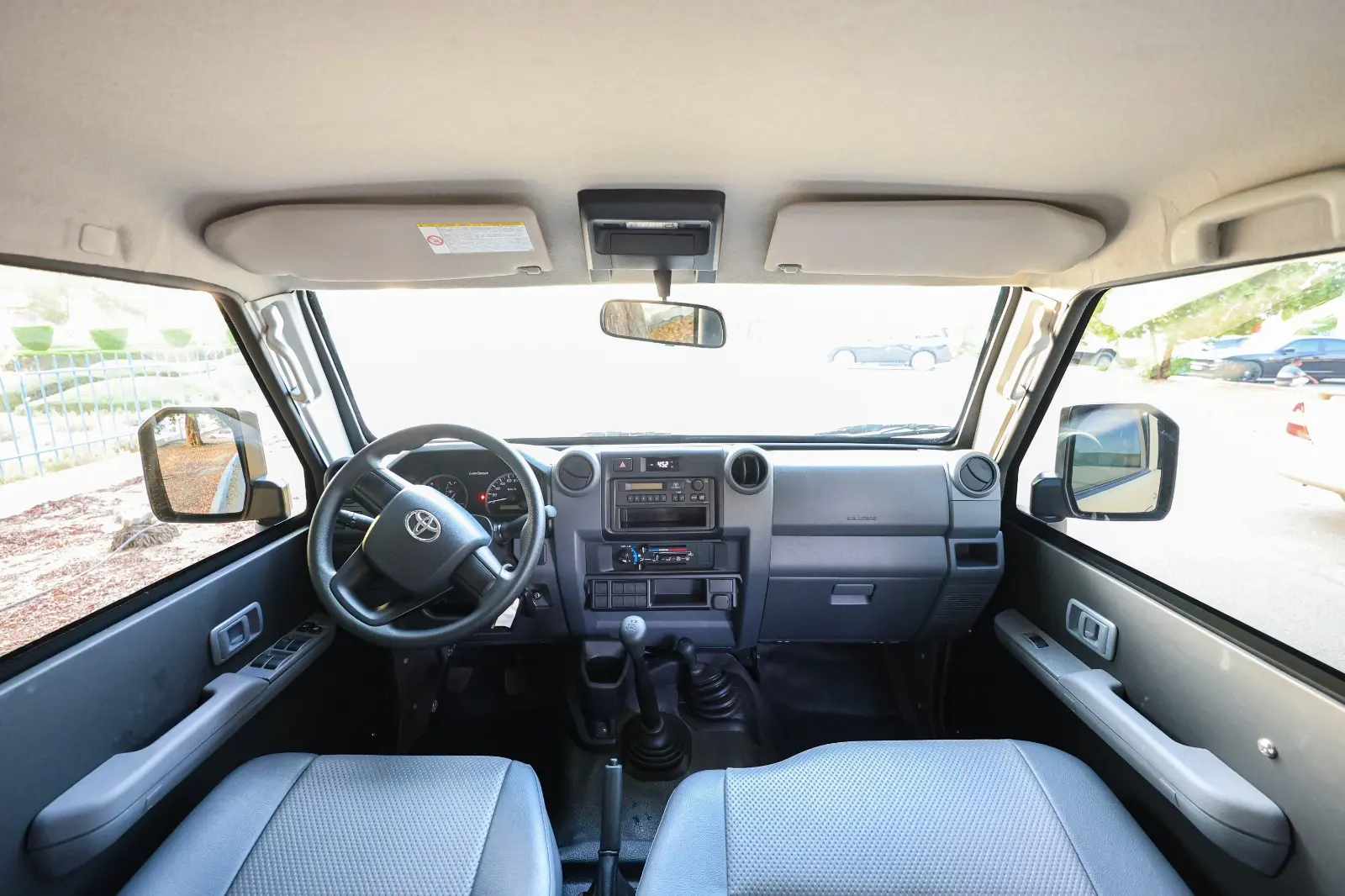
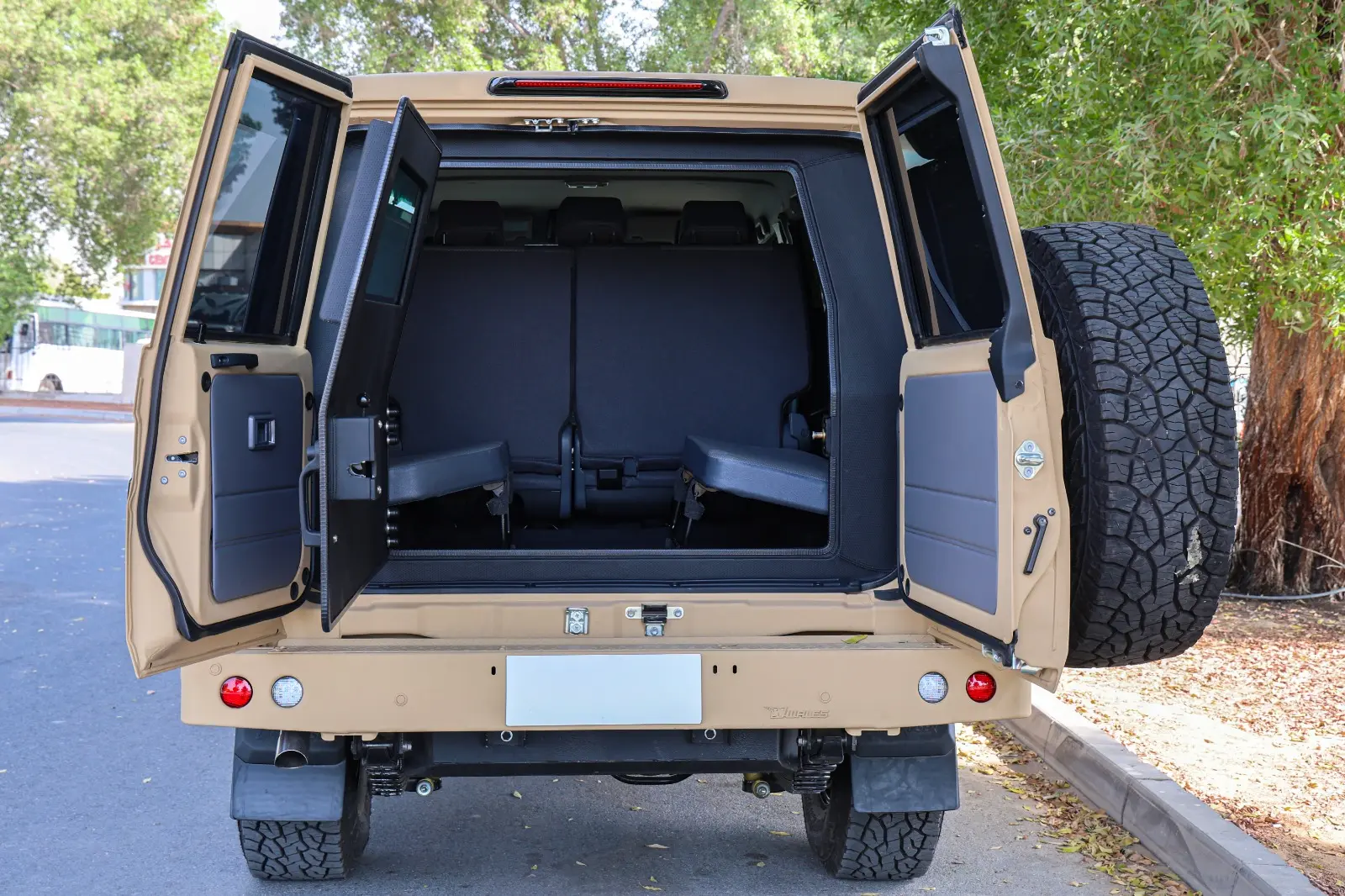
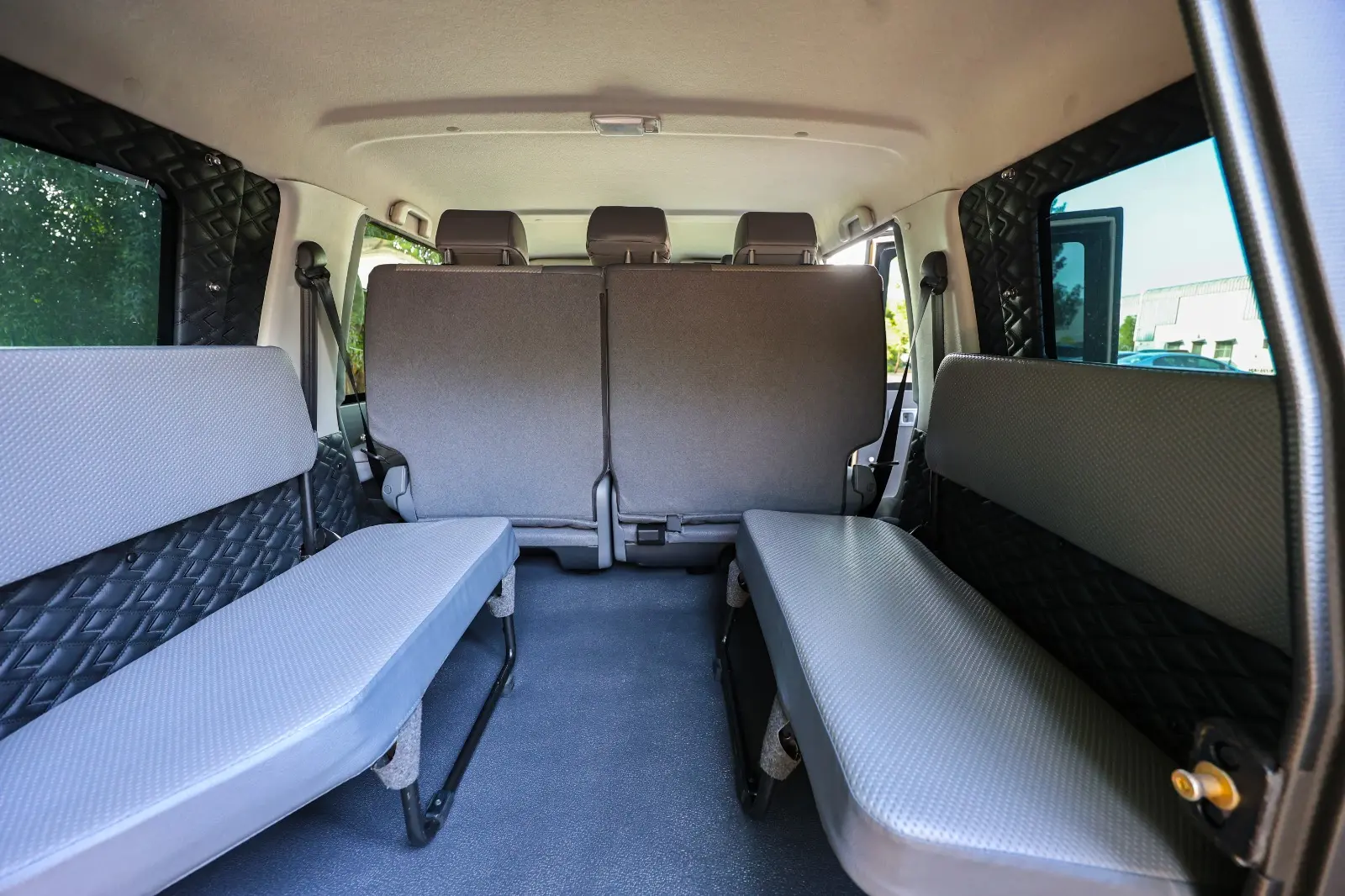
Human factors are a critical but sometimes overlooked part of future proof armoring technologies. We look closely at how passengers enter, move, sit, and exit, especially in platforms like the Land Cruiser 76 hardtop.
Wide opening doors, thoughtfully positioned grab handles, and well planned seat layouts all help maintain usability despite thicker armor structures. Interior materials must withstand higher usage levels and additional weight in doors and panels.
Examples from the LC76 BR6 interior
- Reinforced rear doors that still open widely for passenger access.
- Bench seating or individual seats depending on operational needs.
- Ballistic glass that preserves sightlines for both driver and passengers.
- Attention to headroom and legroom despite armored roof and floor build-ups.
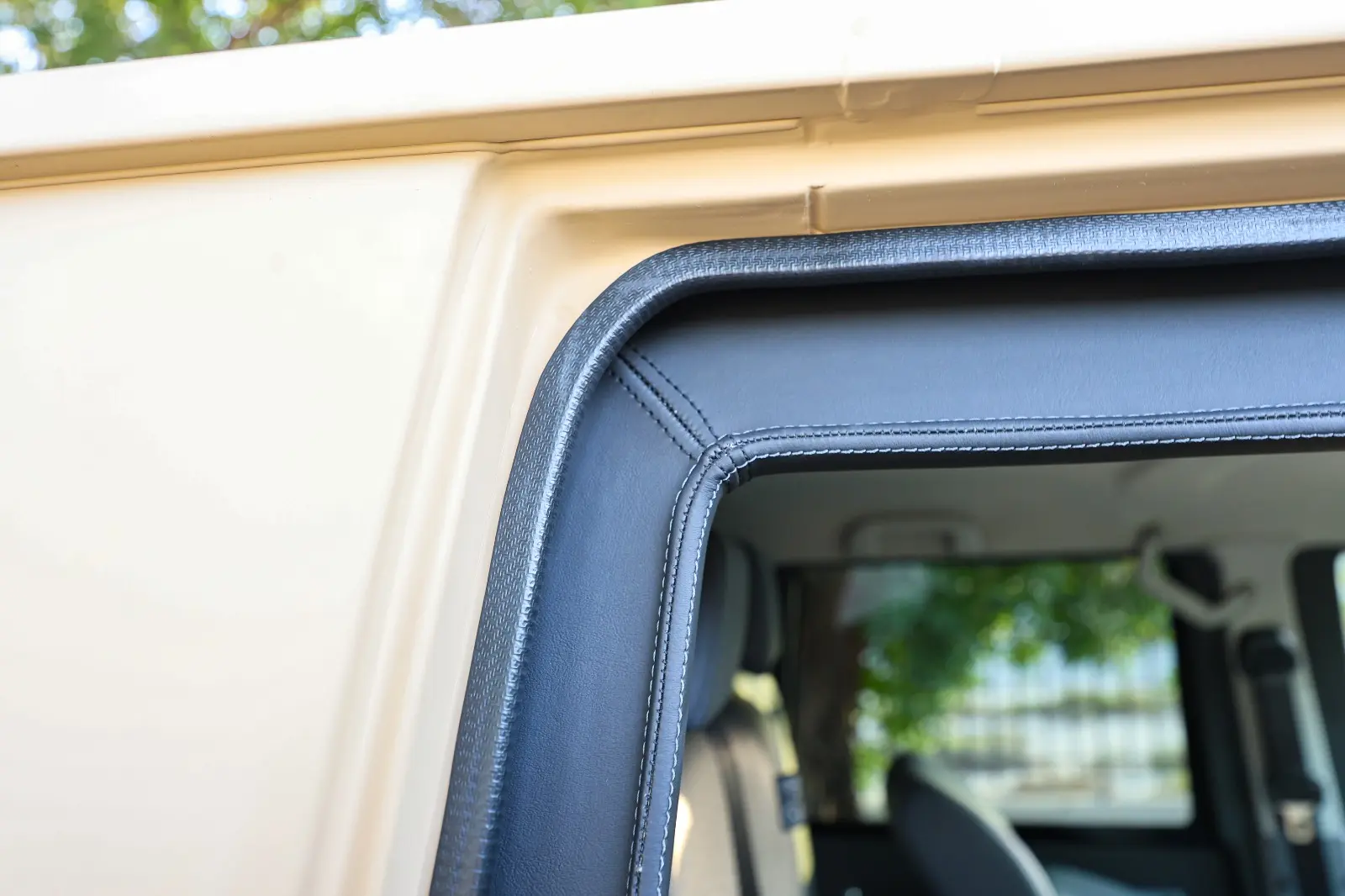
We design these aspects with long term use in mind, from door seals and latches to interior lighting. Over time, good ergonomics reduce fatigue for drivers and occupants, which adds to the overall effectiveness of the vehicle.
11. Certification, Testing, And Documentation As Long Term Safeguards
Certification and testing are central to future proof armoring technologies because they create a documented performance baseline. We rely on structured ballistic testing and detailed build records to support road legality and export processes.
Good documentation also helps owners plan upgrades, repairs, or component replacements in a consistent way. Without it, verifying changes or transitioning a vehicle between jurisdictions becomes more difficult.
How documentation supports future proof fleets
- Clear description of protection level, materials, and glass specifications.
- Records of weight distribution, axle loads, and suspension modifications.
- Service manuals that reflect the armored configuration, not only the base vehicle.
- Export and registration documents aligned with local regulations where required.
Our focus on in-house testing of armor packages and glass helps maintain a tight link between design, production, and paperwork. That alignment benefits owners throughout the vehicle’s operational life.
Conclusion
Future proof armoring technologies combine certified materials, thoughtful engineering, and realistic daily usability into armored vehicles that remain relevant over time. From BR6 Land Cruiser 76 platforms to discreet sedans and BR6+ executive SUVs, we design around the full lifecycle rather than a single specification sheet.
If you are planning an armored vehicle or fleet and want to discuss configurations that support long term use, our team at SchutzCarr is ready to help. Get in touch with us here to discuss your requirements and explore suitable future oriented armoring solutions.