
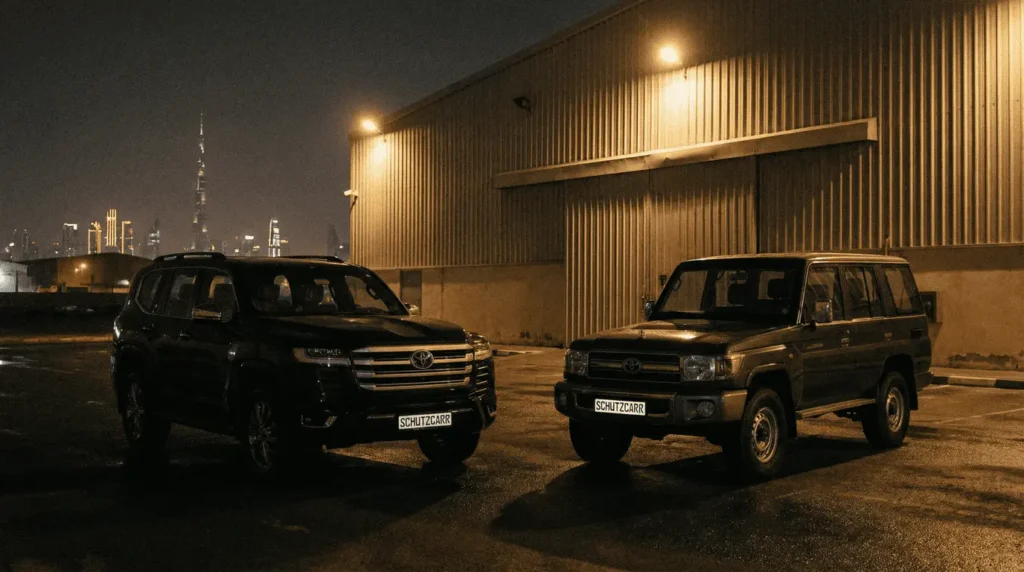
The Toyota Land Cruiser 76 and the Land Cruiser 300 GXR sit on very different platforms, and that matters once you add full BR6 or BR7 armoring. Powertrains highlight this contrast clearly, since the LC300 GXR hybrid setup delivers about 326 hp and 465 lb-ft of torque while a typical LC76 4.5L turbo diesel delivers around 202 hp and 430 Nm, so choosing between them is a strategic decision, not just a styling preference.
Key Takeaways
| Question | Short Answer |
|---|---|
| Is the Land Cruiser 76 or LC300 GXR better as a BR6 / BR7 armored platform? | LC76 favors rugged simplicity and high ground clearance, while the LC300 GXR focuses on modern comfort and integrated BR6 builds, as outlined in our Armored Toyota Land Cruiser 300 GXR guide. |
| What protection levels are typical on these platforms? | We commonly build BR6 and BR7 on the LC76 and focus on 360° BR6 protection on the LC300, detailed in our Armored Land Cruiser 76 overview. |
| Which suits everyday civilian use better? | LC300 GXR platforms usually provide a more refined drive and interior, which we cover in our LC300 armor selection guide. |
| Can both platforms support 360° BR6 coverage? | Yes, both can be engineered for full 360° BR6 coverage with ballistic glass and reinforced chassis, similar to the extended LC300 builds shown in our Land Cruiser 300 BR6 Extended Armored SUV. |
| Where can I see how LC76 compares to other armored SUVs? | We position the LC76 alongside other core armored platforms in our overview of the best armored SUVs for global travel. |
| How does either platform fit a broader protection strategy? | LC300 GXR typically plays the role of a modern fleet or family SUV, while LC76 leans toward rugged assignments, both discussed in our general armored vehicle lineup. |
1. Land Cruiser 76 Versus 300 GXR: Why The Platform Choice Matters In Armored Builds
When we compare the Land Cruiser 76 to the Land Cruiser 300 GXR platform, we are really comparing two different engineering philosophies. LC76 keeps a traditional, rugged layout, while the LC300 GXR adopts a more advanced platform that prioritizes rigidity, weight optimization, and electronic integration.
Once we add BR6 or BR7 protection, these differences become more pronounced in handling, interior comfort, and long-distance usability. Our role at SchutzCarr is to match those platform traits to your actual use case, rather than treating both as interchangeable SUVs.
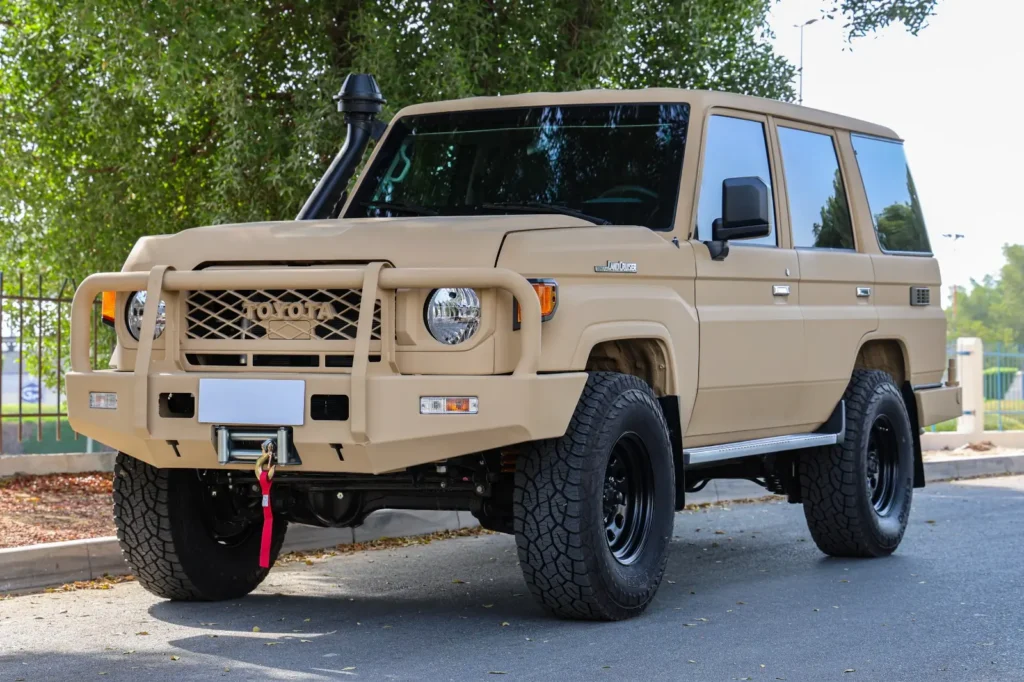
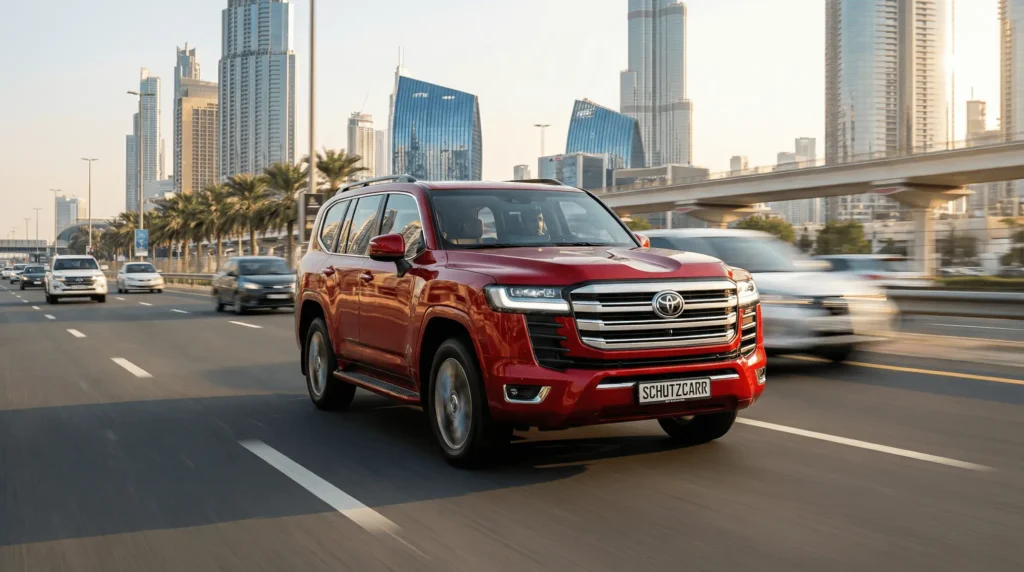
Platform philosophy: traditional ladder-frame vs modern architecture
The Land Cruiser 76 uses a classic 70-series ladder-frame chassis with a focus on simplicity and durability. The LC300 GXR platform uses a more modern architecture that aims for higher rigidity and lower weight compared with earlier generations.
In armored applications, a stiffer base can make it easier to manage added mass from ballistic steel and glass. A traditional frame, on the other hand, keeps the mechanical package straightforward for maintenance and long-term operation.
How armoring changes the conversation
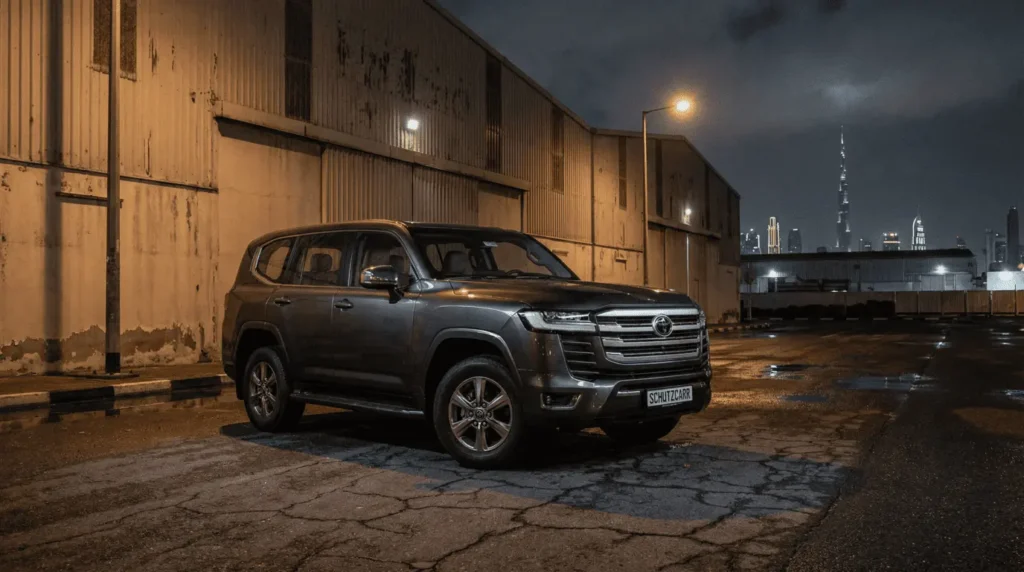
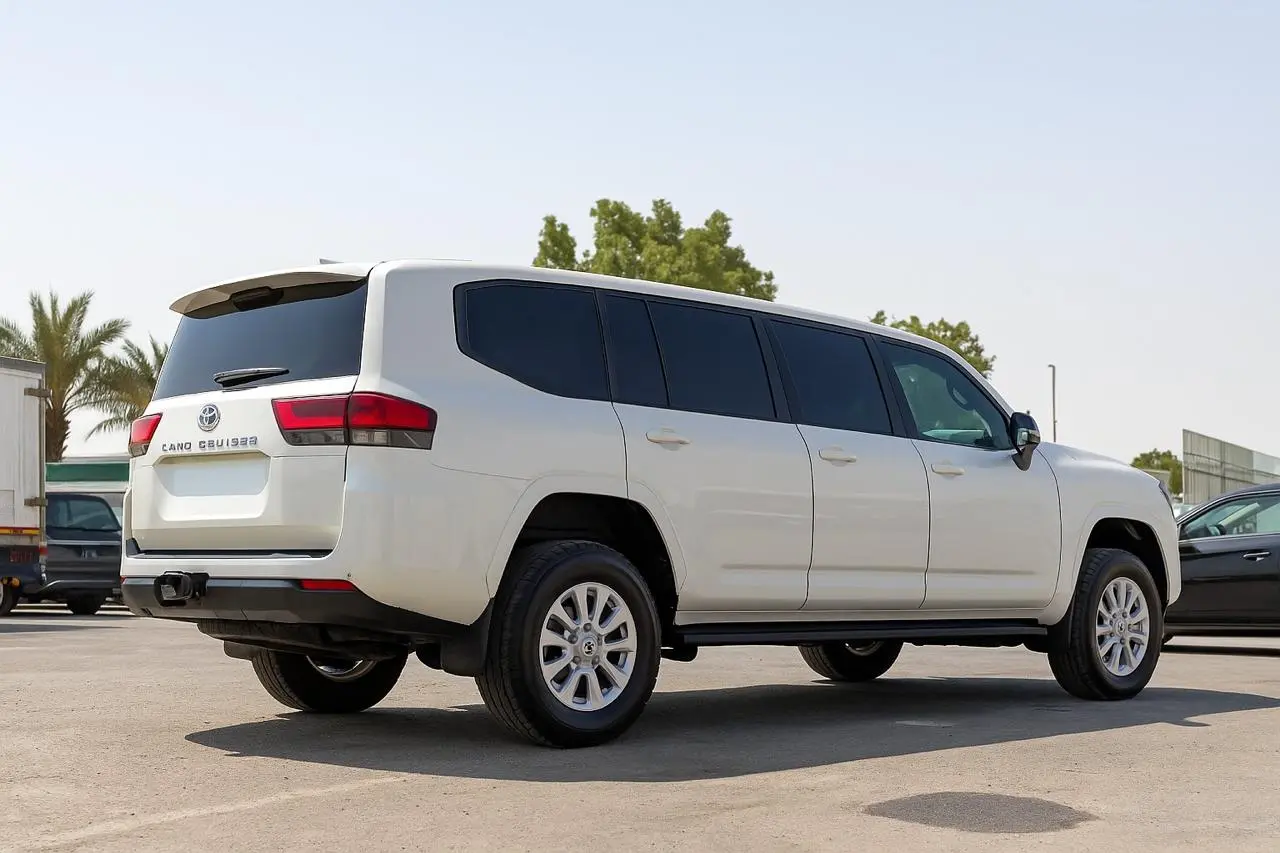
Both platforms accept BR6 builds with full 360° coverage, but the way the vehicle behaves once armored is different. The LC76 tends to feel more utilitarian and mechanical, while the LC300 GXR often feels closer to a modern premium SUV even after armoring.
We design our protective shells to work with each specific chassis, including reinforcement, suspension tuning, and glass integration. That is why we usually begin every project with a platform discussion before we talk interior trims or ancillary options.
2. Chassis & Suspension: LC76 Ruggedness Versus LC300 GXR Refinement
Chassis and suspension design control how an armored vehicle behaves on broken pavement, gravel tracks, and rough tracks. The Land Cruiser 76 keeps a traditional solid axle setup that favors durability and straightforward maintenance.
The LC300 GXR platform uses a more advanced suspension layout that targets on-road comfort and stability, especially at speed. When we add BR6 armor, that starting point significantly influences ride quality and body control.
Wheelbase, stability, and maneuverability
LC300 GXR has a wheelbase of about 112.2 inches, while the LC76 sits around 107.5 inches. That extra 4.7 inches in the LC300 supports high-speed stability and a more composed ride on long highway legs.
The shorter wheelbase of the LC76 can be useful where tight maneuvering matters. However, it also results in a different ride character over corrugations and broken surfaces once we add armor weight.
Ground clearance and underbody considerations
Unarmored LC76 variants can have ground clearance figures as high as around 12 inches in some markets. US-market LC300 examples list closer to 8.7 inches, with some global specifications around 9.25 inches.
After armoring, we pay close attention to underbody protection, approach and departure angles, and suspension geometry. LC76 starts with strong clearance, while LC300 GXR leverages platform stiffness and suspension tuning to manage armored weight without sacrificing drivability.
3. Powertrain & Transmission: Diesel Grunt Versus Hybrid Torque On The 300 GXR
Powertrain characteristics are central to how each armored platform feels once loaded with BR6 or BR7 protection. A typical LC76 4.5L turbo diesel delivers about 202 hp and 430 Nm, paired most often with a 5-speed manual gearbox.
The LC300 GXR in hybrid form produces about 326 hp and 465 lb-ft of torque from a 2.4L turbo hybrid inline-4, usually paired with an 8-speed automatic. That difference affects acceleration, cruise comfort, and low-speed control under armored weight.
Manual control in the Land Cruiser 76
The LC76’s 5-speed manual suits operators who want direct mechanical control. It can be helpful when carefully managing torque at low speeds over uneven terrain.
From our perspective, this mechanical simplicity is an advantage in settings where ease of service and driver familiarity take priority over maximum refinement. It also means fewer integrated electronics around the drivetrain that need to be considered during armoring.
Automatic refinement and hybrid torque in the LC300 GXR
The LC300 GXR’s 8-speed automatic focuses on smooth, predictable shifting. The hybrid system delivers strong low-end torque, which supports the additional mass of BR6 armor during start-off and overtakes.
For many civilian users and fleets, this automatic configuration simplifies driver training and reduces fatigue on long routes. We also see benefits where mixed urban and highway use is common and stop-and-go traffic is expected.
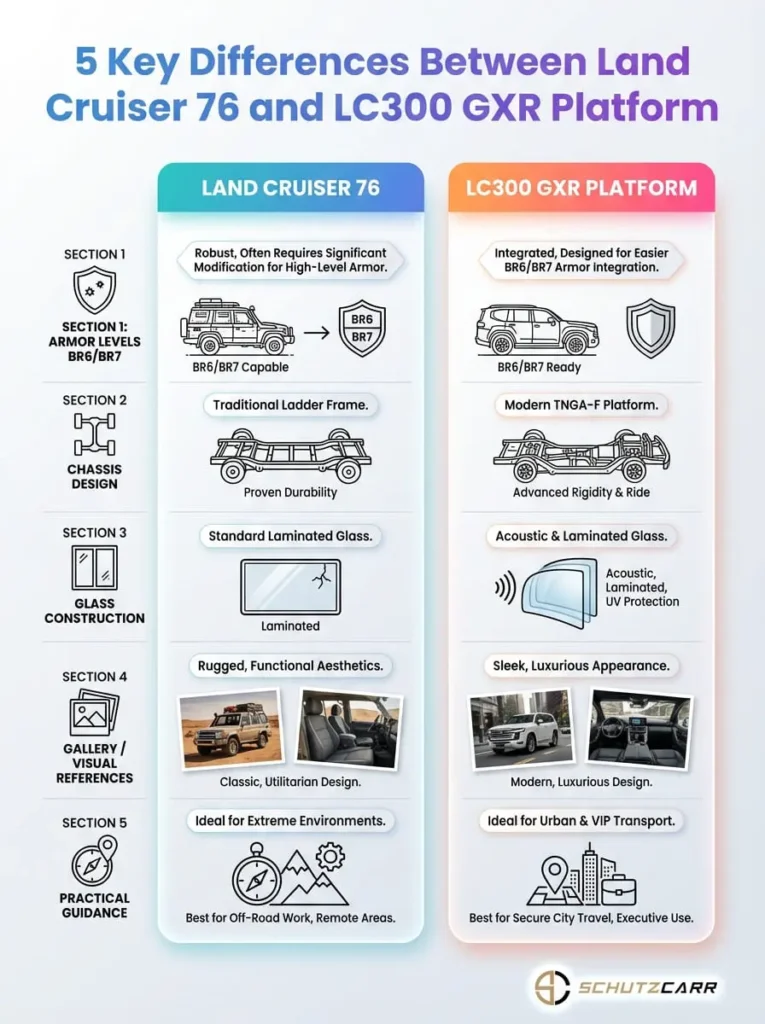
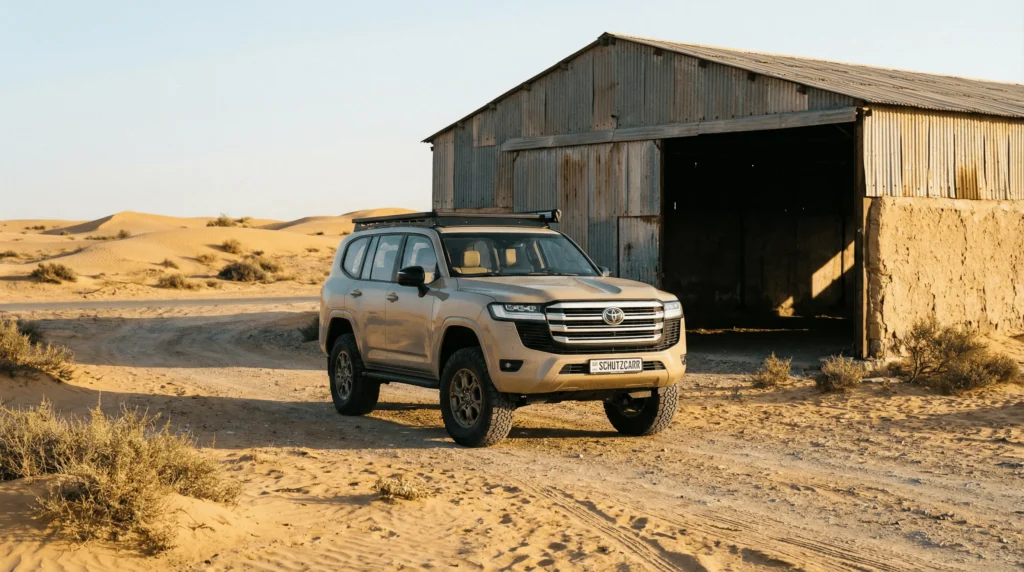
A visual breakdown of the five main differences between the Toyota Land Cruiser 76 and the LC300 GXR platform. It highlights capability, design, and drivetrain contrasts.
Did You Know?
LC300 GXR wheelbase is about 112.2 inches while the LC76 sits around 107.5 inches, so the LC300 carries roughly a 4.7 inch advantage in wheelbase that contributes to greater straight-line stability once armored.
4. Armor Levels: BR6 And BR7 On LC76 Versus BR6 Focus On LC300 GXR
Both the Land Cruiser 76 and the LC300 GXR can be configured with comprehensive ballistic protection, but typical patterns differ. Our LC76 builds support BR6 and BR7 armoring levels, with a focus on full protective shells and reinforced structures.
LC300 GXR projects usually center on 360° BR6 coverage, where we integrate ballistic glass, steel, and composite elements into the factory body with a discreet appearance. This difference reflects how each platform is usually deployed.
LC76: BR6 and BR7 protective envelope
On LC76, we reinforce the ladder frame, pillars, and roof, then integrate BR6 or BR7 ballistic materials through the cabin. This includes certified ballistic glass, run-flat systems, and protected critical zones.
Many clients choose LC76 when higher armor levels and rugged duty cycles are priorities. The straightforward chassis layout makes it easier to manage the added weight and structural loads from heavy protection packages.
LC300 GXR: BR6 with civilian appearance
On LC300 GXR, we focus on BR6 armor that maintains the vehicle’s civilian exterior profile. We integrate materials behind factory panels where possible and keep design continuity across doors, glass lines, and trim.
This approach suits clients who want a modern SUV cockpit and advanced driver aids while still benefiting from 360° ballistic protection. Our work emphasizes keeping electronics, safety systems, and comfort features functional despite the additional armor layer.
5. Interior Space, Comfort & Ergonomics: Old-School 76 Versus Modern LC300 Cabin
Inside the cabin, LC76 and LC300 GXR appeal to very different expectations. LC76 offers a straightforward, utilitarian interior that favors durability over advanced features.
The LC300 GXR platform, by contrast, starts with a more spacious cabin, advanced infotainment, and modern ergonomics. When we armor both, these underlying differences still shape daily experience.
LC76 interior: function-first approach
The Land Cruiser 76 cabin provides essential controls, simple instrumentation, and robust materials. Once we add ballistic panels and overlapping armor joints, interior packaging needs careful planning to preserve usability.
We typically work to keep visibility, seating position, and primary controls as familiar as possible, even as we add ballistic glass and heavier doors. Clients who value a purpose-built feel often find the LC76 interior fits their expectations.
LC300 GXR interior: comfort, technology, and refinement
The LC300 GXR interior supports larger infotainment screens, advanced climate control, and a more refined seating layout. When armored, passengers usually notice that it still feels like a modern SUV cabin.
For family use, executive movement, or mixed civilian travel, this interior environment can be decisive. Our builds aim to retain as much of the original look and functionality as the armor envelope allows.
6. Off-Road & On-Road Behavior Once Armored
The raw technical specs for LC76 and LC300 GXR are just one part of the story. How each platform actually behaves on and off road after we add BR6 or BR7 protection is what matters in day-to-day use.
LC76 feels like a classic off-roader with firm, direct feedback and high ground clearance. LC300 GXR behaves more like a modern SUV, with additional stability aids and tuned suspension that help manage weight and keep ride quality consistent.
Off-road focus: Land Cruiser 76 strengths
Thanks to its ladder frame, solid axles, and generous clearance, the LC76 accepts underbody armor and suspension upgrades with predictable results. It suits routes that involve rough tracks and infrequent paved roads.
We often see LC76 selected for operations in regions where service infrastructure is limited and simplicity is a core requirement. Armoring is designed to preserve that character while adding a durable protective shell.
On-road and mixed-use: LC300 GXR behavior
The LC300 GXR platform shapes its personality around stable, comfortable highway cruising, supported by electronic aids and more refined suspension geometry. When armored, it still favors a composed, less fatiguing drive.
For clients expecting to cover many kilometers on paved routes and then enter light off-road sections, this mix can be practical. Our BR6 configurations on LC300 GXR make use of that inherent stability when we tune springs, dampers, and braking systems.
7. Towing, Payload & Practicality With BR6 / BR7 Armor
Payload margins and towing capability become particularly important once an SUV carries a full armor package. Unarmored towing data provides a starting reference for how a platform copes with additional weight and loads.
LC300 figures indicate towing up to about 6,000 pounds in some references, while LC76 Gulf-spec variants can list braked towing up to around 3,500 kg. These numbers signal that each is designed with serious load-handling in mind, but they do it in different ways.
LC76: work-focused practicality
The LC76’s curb weight often sits around 2.3 to 2.5 metric tons depending on specification. That mass, combined with the ladder frame, suits roles that require payload and consistent operation over rough tracks.
When we add BR6 or BR7 packages, we carefully model axle loads and suspension capacity. The result is an SUV that remains practical for carrying people and essential gear inside a heavily protected shell.
LC300 GXR: balanced towing and cabin usability
The LC300 GXR’s platform aims to balance towing capacity with a comfortable cabin. Its geometry and powertrain options help manage both towing and full passenger loads.
Once armored, we work to keep towing within sensible bounds, taking into account gross vehicle weight and regional regulations. For many users, in-cabin space and comfort carry more weight than absolute payload figures, which favors LC300 GXR in mixed-use roles.
Did You Know?
LC300 ground clearance figures typically sit around 8.7 to 9.25 inches depending on region, while some LC76 variants reach about 12 inches, a difference that becomes important once underbody armor and BR6 protection are added.
8. Discretion, Visual Presence & Civilian Acceptance
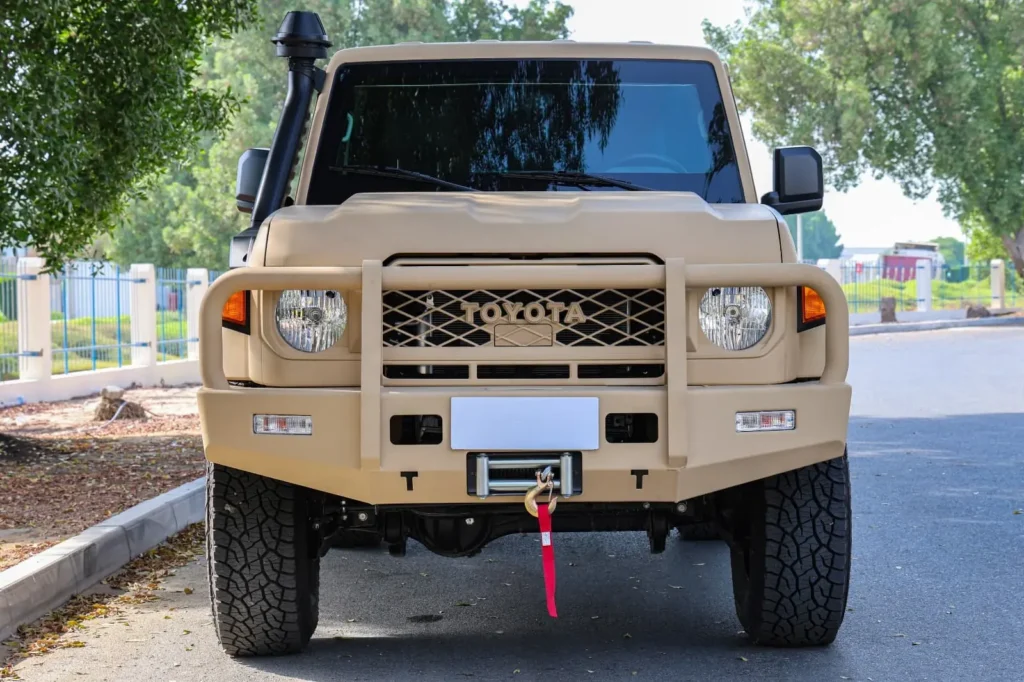
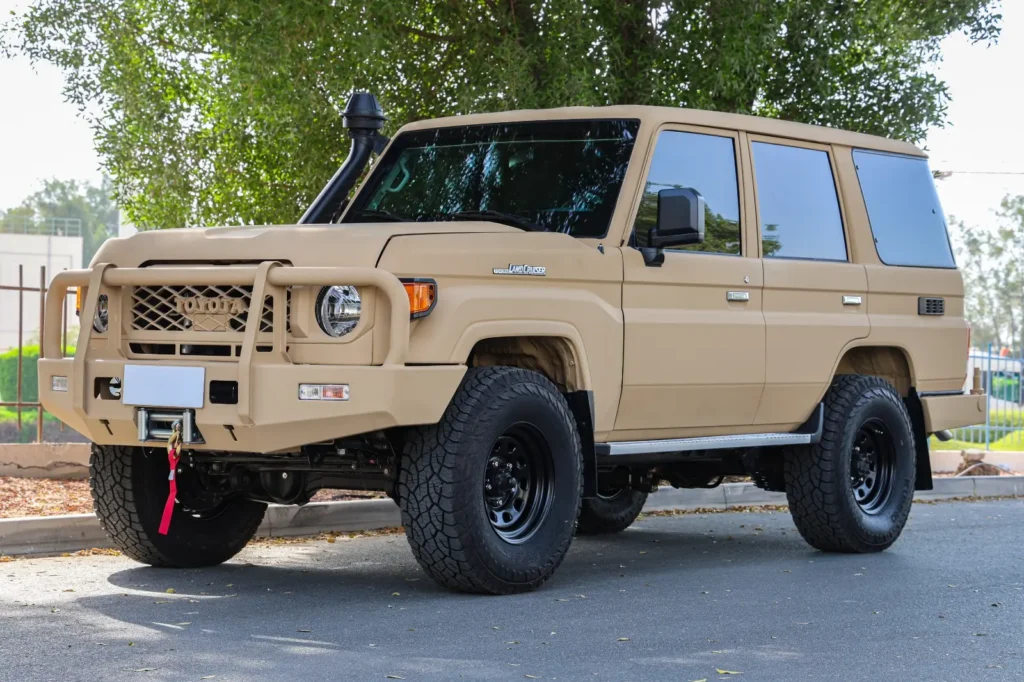
Visual presence is an important consideration when selecting between the Land Cruiser 76 and the LC300 GXR as an armored platform. LC76 carries a boxy, utilitarian profile that immediately signals a purpose-built vehicle.
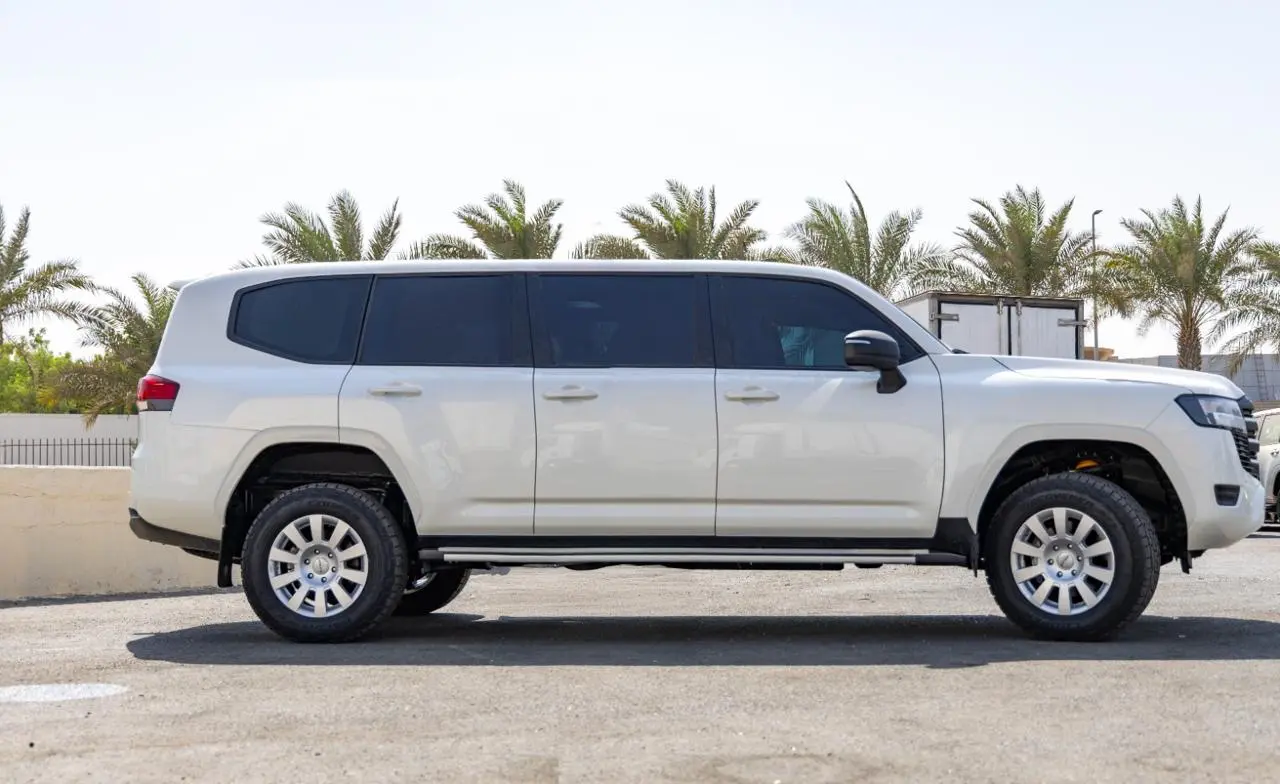
The LC300 GXR maintains the appearance of a contemporary SUV that is common in many urban environments. When we integrate BR6 armor discreetly, it can blend easily into civilian traffic.
LC76: visible rugged SUV platform
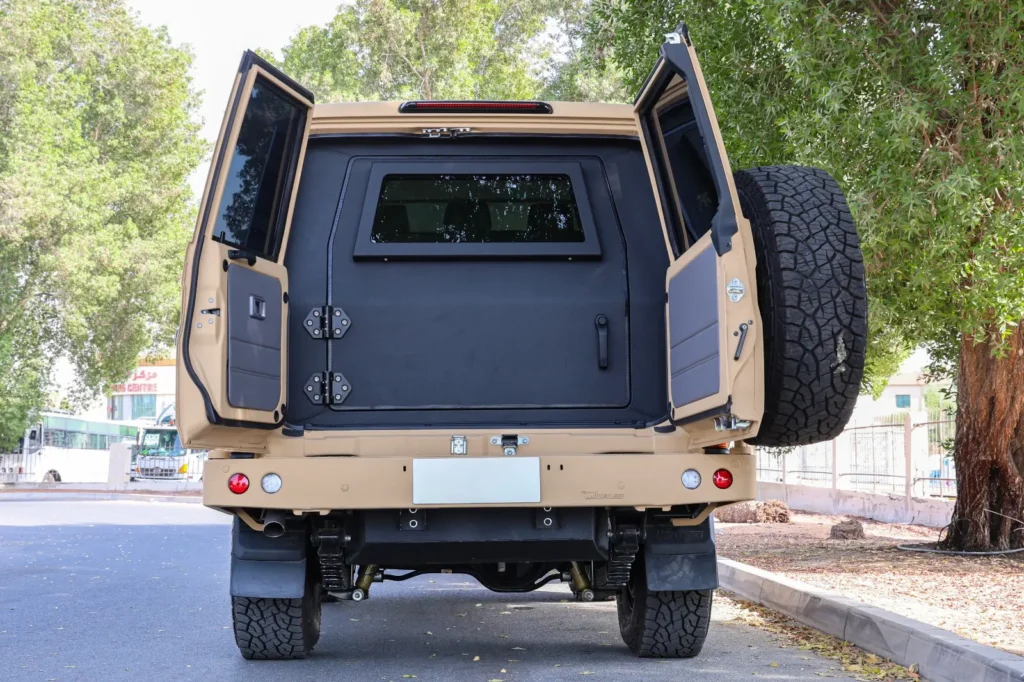
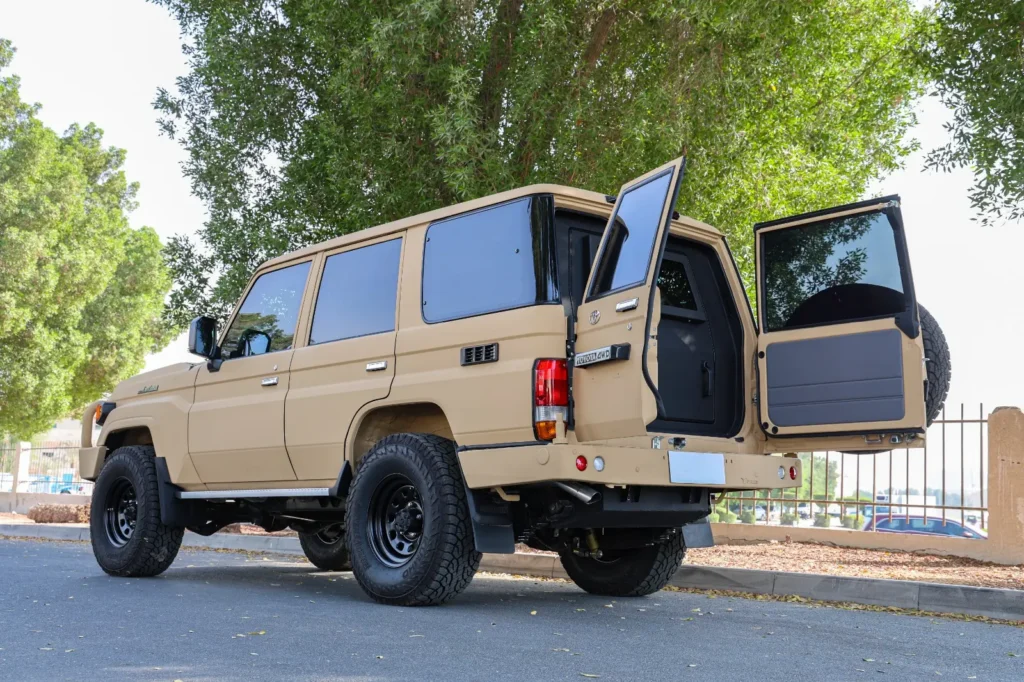
The LC76’s tall stance, angular body, and rear door layout are immediately recognizable. For some clients this is positive, since it visually communicates robustness and capability.
When armored, the thicker glass and door frames are present but still kept as subtle as possible. Our work focuses on aligning body seams and maintaining a factory-like exterior as far as the armor package allows.
LC300 GXR: discreet modern profile
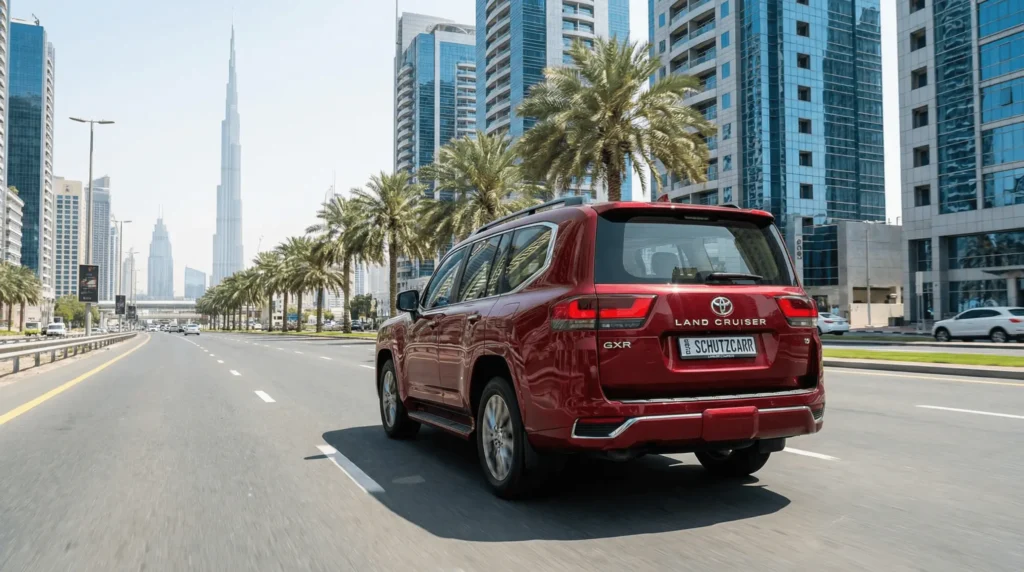
LC300 GXR platforms look like mainstream high-end SUVs, which can be useful where discretion is important. Our BR6 builds are designed to preserve factory exterior styling, including paint, trim, and lighting signatures.
In practice, many civilian observers do not recognize that a vehicle is armored at all. For clients prioritizing a low profile in urban settings, the LC300 GXR platform has a clear advantage.
9. Typical Civilian Use Cases For LC76 Versus LC300 GXR Platforms
At SchutzCarr we see distinct patterns in how clients use the Land Cruiser 76 versus the LC300 GXR platforms. LC76 is frequently selected for roles where roads are poor, maintenance infrastructure is limited, and rugged simplicity is important.
LC300 GXR is often chosen for roles that blend daily commuting, long highway sections, and occasional off-road travel. Its comfort and technology support these use profiles effectively after armoring.
When LC76 tends to be the right fit
Clients turn to LC76 when they want a long-proven platform with straightforward mechanical systems. Its boxy cargo area and rear access suit equipment-heavy missions and scenarios where interior reconfiguration is needed.
BR6 and BR7 builds on LC76 provide a protective shell around this rugged core. For many, that combination of durability and protection is the primary decision driver.
When LC300 GXR is usually preferred
LC300 GXR is frequently preferred as a primary family or fleet SUV in civilian contexts. In these scenarios, ride comfort, noise levels, and interior technology are as important as off-road capability.
We configure BR6 packages around those expectations, keeping the SUV’s original character intact while providing a full protective envelope. This often results in a vehicle that feels natural both in city centers and on intercity routes.
10. How SchutzCarr Approaches LC76 And LC300 GXR Armored Builds
Our approach at SchutzCarr is to begin with your intended use, then decide whether a Land Cruiser 76 or LC300 GXR platform aligns better. We treat both as core platforms, but we never assume one is automatically superior to the other.
From there, we design a protection package that balances ballistic performance, drivability, and long-term maintainability. Each step is tailored to the chassis, powertrain, and regional regulatory requirements.
LC76: signature armored platform
The armored Toyota Land Cruiser 76 is one of our signature platforms. We build BR6 and BR7 shells that integrate with the chassis, doors, roof, and glass to provide consistent coverage.
International road-legal compliance and export documentation are core parts of every LC76 project. We treat every build as a long-term asset that must remain supportable over its life cycle.
LC300 GXR: guided BR6 configurations
For LC300 GXR we offer guided BR6 configurations that explain trade-offs in weight, suspension tuning, and feature retention. This includes assessing which comfort and technology features you need and how they interface with the armor envelope.
Our goal is always the same, whether we build on LC76 or LC300 GXR. We want you to receive an armored vehicle that matches your real-world requirements rather than a generic specification.
Conclusion
Comparing the Land Cruiser 76 versus the 300 GXR platform is really about matching a specific armored chassis to a specific role. LC76 offers classic ruggedness, high ground clearance, and compatibility with BR6 and BR7 builds, while LC300 GXR focuses on modern comfort, refined on-road manners, and discreet BR6 integration.
At SchutzCarr we work with both platforms every day and understand the practical differences once armored. If you would like to discuss which option is better for your routes, passengers, and long-term plans, we invite you to get in touch with us directly via our contact page at https://schutzcarr.shop/contact/.