
BR6 protection is engineered to resist 7.62×51 mm NATO rifle rounds at about 830 m/s, so the real question for many buyers is how that level of security changes off-road behavior on platforms like the Land Cruiser 76, QX80, and LX600.
Key Takeaways
| Question | Answer |
|---|---|
| What does BR6 protection mean on an off-road vehicle? | BR6 refers to a ballistic standard designed to resist high-powered rifle threats using certified armor steel and multi-layer security glazing. Our overview at Bulletproof Car Guide explains how this compares to other levels. |
| How much weight does BR6 armor usually add? | Typical BR6 packages add roughly 700–1,200 kg of mass to a midsize platform, which is why chassis, suspension, and brakes need careful engineering. |
| Is BR6 suitable for serious off-road use? | Yes, provided the base vehicle and the armoring package are designed together with ground clearance, articulation, and drivetrain stress in mind, as we do on our armoured Toyota Land Cruiser 76 builds. |
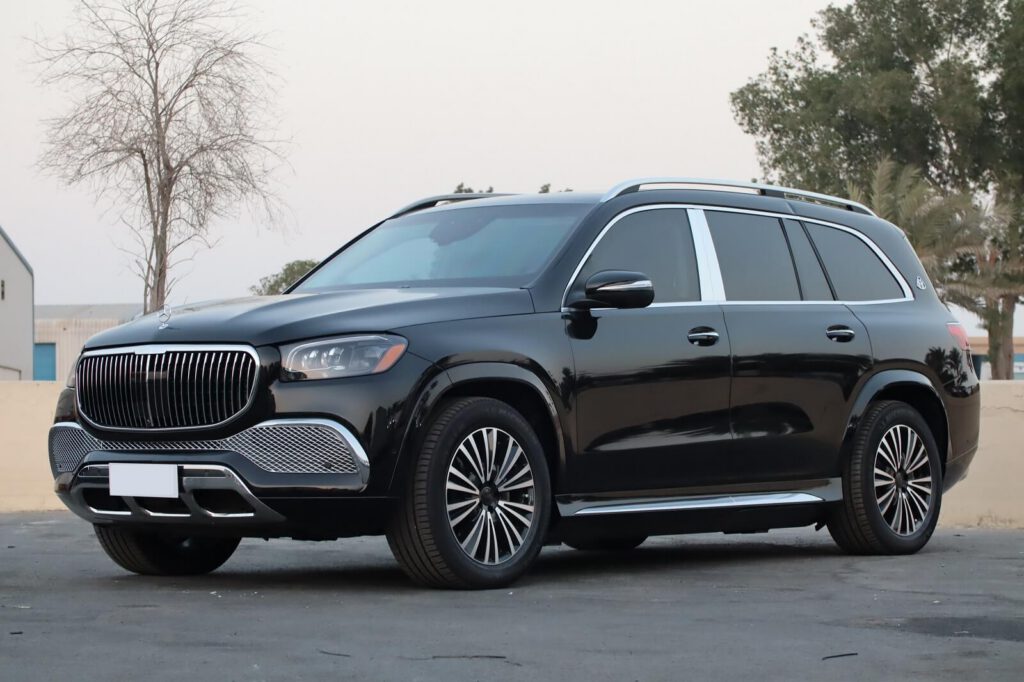
| Which BR6 SUVs balance luxury and off-road capability? | Platforms such as the Infiniti QX80 BR6 Armored SUV and Lexus LX600 BR6 Armored SUV combine full-size comfort with engineered armor integration. |
| How does BR6 affect daily drivability? | The extra mass influences acceleration, braking distances, and body roll, so we focus on upgraded suspension, tire choices, and brake components to keep handling predictable. |
| Where can I compare different armored platforms? | Our general armored vehicle overview shows how SUVs, pickups, APCs, and specialty platforms respond differently once BR6 armor is added. |
| Who can help me choose a BR6 off-road platform? | Our team at SchutzCarr works directly with clients to match threat profiles, terrain, and usage patterns to the right BR6-capable chassis. |
1. BR6 Protection Explained: What It Actually Covers Off-Road
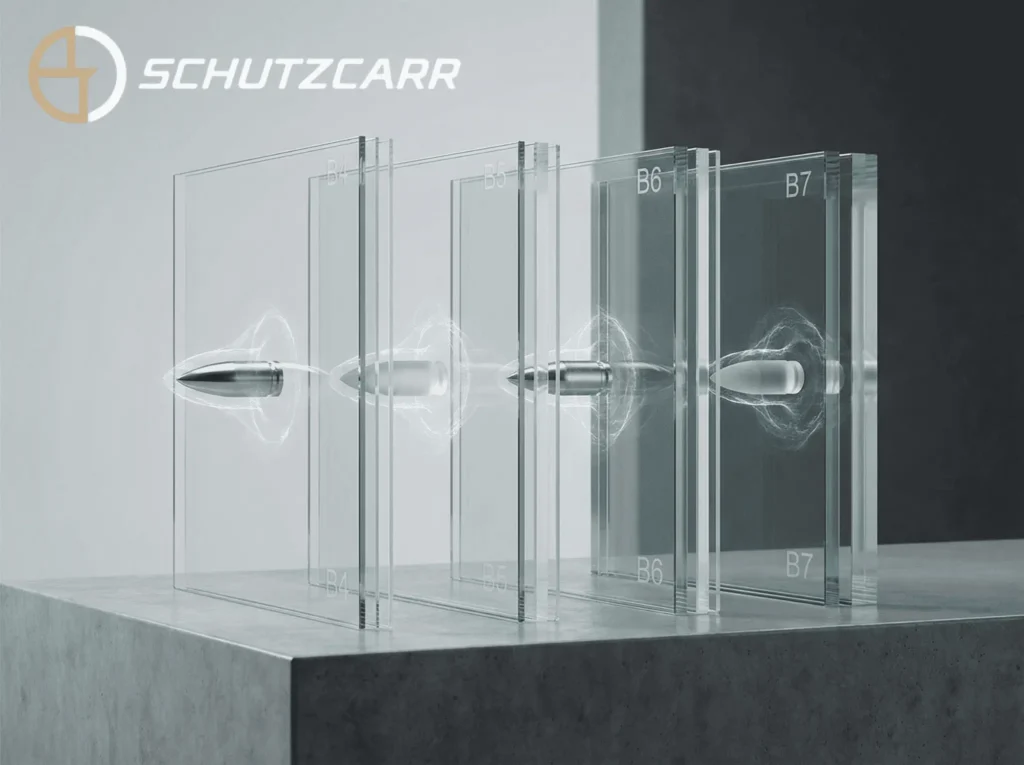
When we talk about BR6 protection off-road, we are referring to a certified system that is tested against 7.62×51 mm rifle rounds, concentrated in a tight 120 mm circle at high velocity. This requirement shapes the entire vehicle package, from the steel thickness in the doors to the structure of the pillars and roof.
On a trail or unpaved route, that protection must work from every angle without creating weak points in the floor, roof, or glass. For us, off-road BR6 builds are about a continuous defensive capsule that still allows practical visibility, ventilation, and realistic payload.
- Ballistic steel shell that follows the passenger cell and key mechanical components.
- Multi-layer BR6 glazing around 41 mm thick in typical configurations, sometimes thicker depending on the platform.
- Roof and floor reinforcement that accounts for potential blast and debris.
- Structural overlap at door frames, pillars, and seams so there are no “gaps” once doors are shut.
Off-road, this all interacts with suspension geometry, tire footprint, and wheel articulation. That is why we start every BR6 project by mapping the full protection cell before we specify lift height, shock valving, or tire size.
2. How Armor Weight Changes Off-Road Capability
BR6 armor adds substantial mass, typically in the 700–1,200 kg range for many midsize platforms, and heavy configurations can reach around 1,400 kg. On loose surfaces, this directly affects how the vehicle accelerates, how quickly it can stop, and how it carries momentum over obstacles.
We look at weight in three layers: static load on each axle, dynamic forces under braking and steering, and how that mass shifts when a vehicle leans on uneven terrain. Off-road, those factors matter as much as the ballistic rating itself.
| Aspect | Non-armored SUV | Typical BR6 SUV |
|---|---|---|
| Total vehicle mass | Baseline | +700 to +1,200 kg added |
| Braking distance | Standard | Longer, requires upgraded brakes |
| Body roll | Moderate | Higher, controlled with tuned suspension |
| Payload headroom | Factory rated | Reduced, must be recalculated |
Our engineering approach is to treat the armored chassis as a new system, not just a “heavier version” of the original SUV. For serious off-road users, that means we prioritize suspension tuning, tire selection, and cooling packages before we discuss interior trim or optional equipment.
3. Off-Road Geometry, Ground Clearance, and BR6 Packages
Ground clearance, approach angle, departure angle, and breakover angle define what an SUV can realistically manage off-road. As a reference point, capable platforms often target around 290 mm of clearance with approach angles close to 38° and departure angles near 40° in non-armored form.
When we add BR6 armor, we focus on preserving those figures as much as possible by shaping underbody plates to follow the chassis lines and by distributing weight so the suspension can sit at an optimized ride height. Poorly integrated armor can reduce clearance, angle performance, and overall confidence on uneven tracks.
- Underbody design should protect fuel tanks, transfer cases, and key driveline parts without hanging too low.
- Suspension lift or reinforced springs can recover lost clearance but must be paired with matched shocks.
- Front and rear bumpers need to balance protection with the ability to climb ledges and exit steep ramps.
For clients planning frequent trail use, we often discuss expected terrain first, then decide how aggressively we protect the underside and what ride height target makes practical sense.
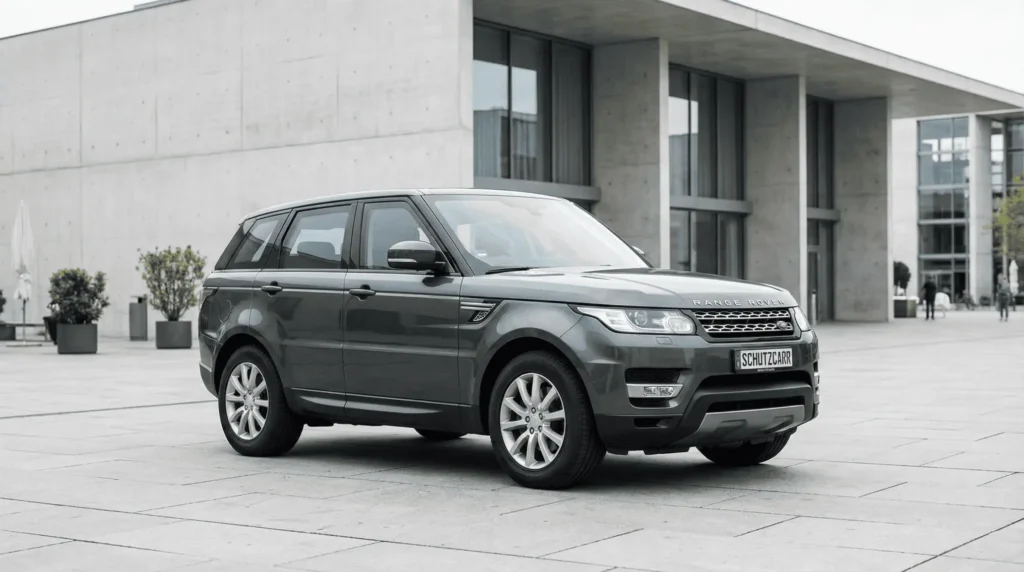
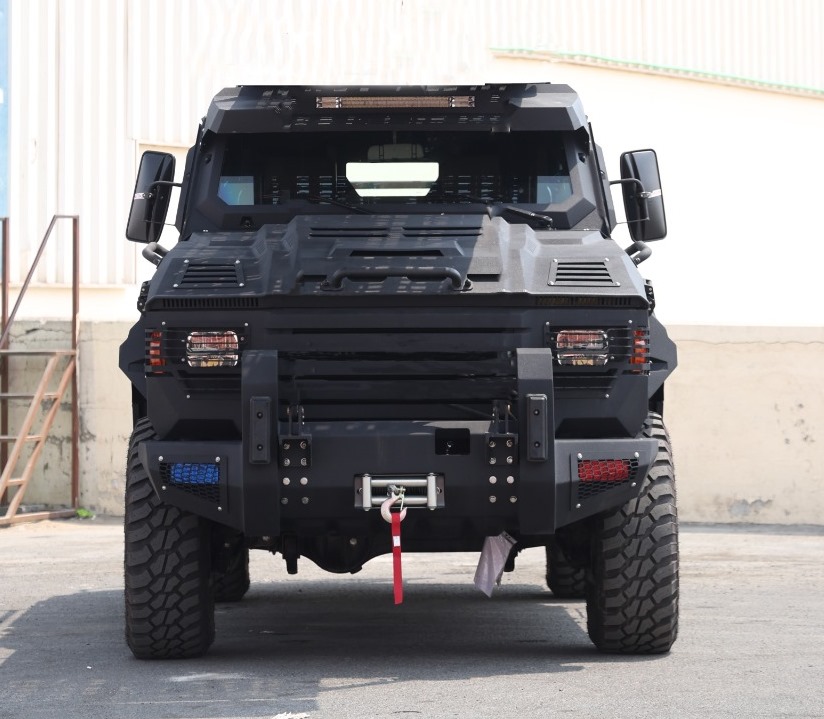
BR6 Armor Off-Road: Four Key Factors, this infographic explains how capability and protection are achieved. Learn how the four factors work together for off-road performance.
4. Toyota Land Cruiser 76 BR6: Classic Off-Road Platform With Modern Protection
Why the LC76 is a popular BR6 off-road base
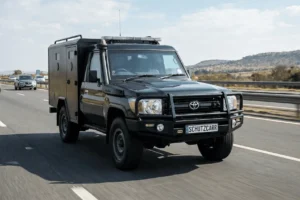
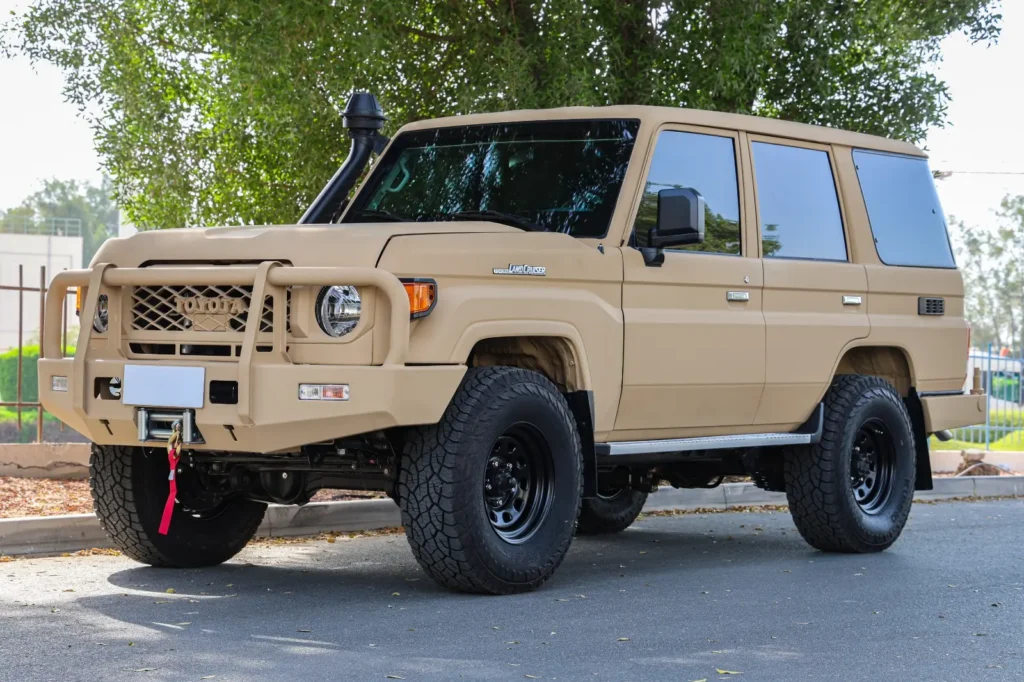
The Toyota Land Cruiser 76 has a reputation for robust axles, simple mechanicals, and proven performance on rough surfaces. When we build a Land Cruiser 76 BR6 Armored SUV, we take that foundation and integrate a certified protection cell that does not compromise its fundamental durability.
Owners often choose the LC76 for mixed use on gravel, sand, and poor road networks, where reliability is as important as ballistic performance. BR6 on this platform is about predictable behavior in remote areas, not just occasional dirt tracks.
How we engineer LC76 BR6 off-road capability
We reinforce the suspension to handle the added mass, then validate how articulation and ride height respond under load. Steering, cooling, and braking systems are also reviewed so the armored Land Cruiser can operate for long periods in hot, dusty conditions.
Our builds focus on keeping the vehicle serviceable with widely available parts where possible. That way, owners can plan travel with realistic maintenance expectations despite the added complexity of the armor package.
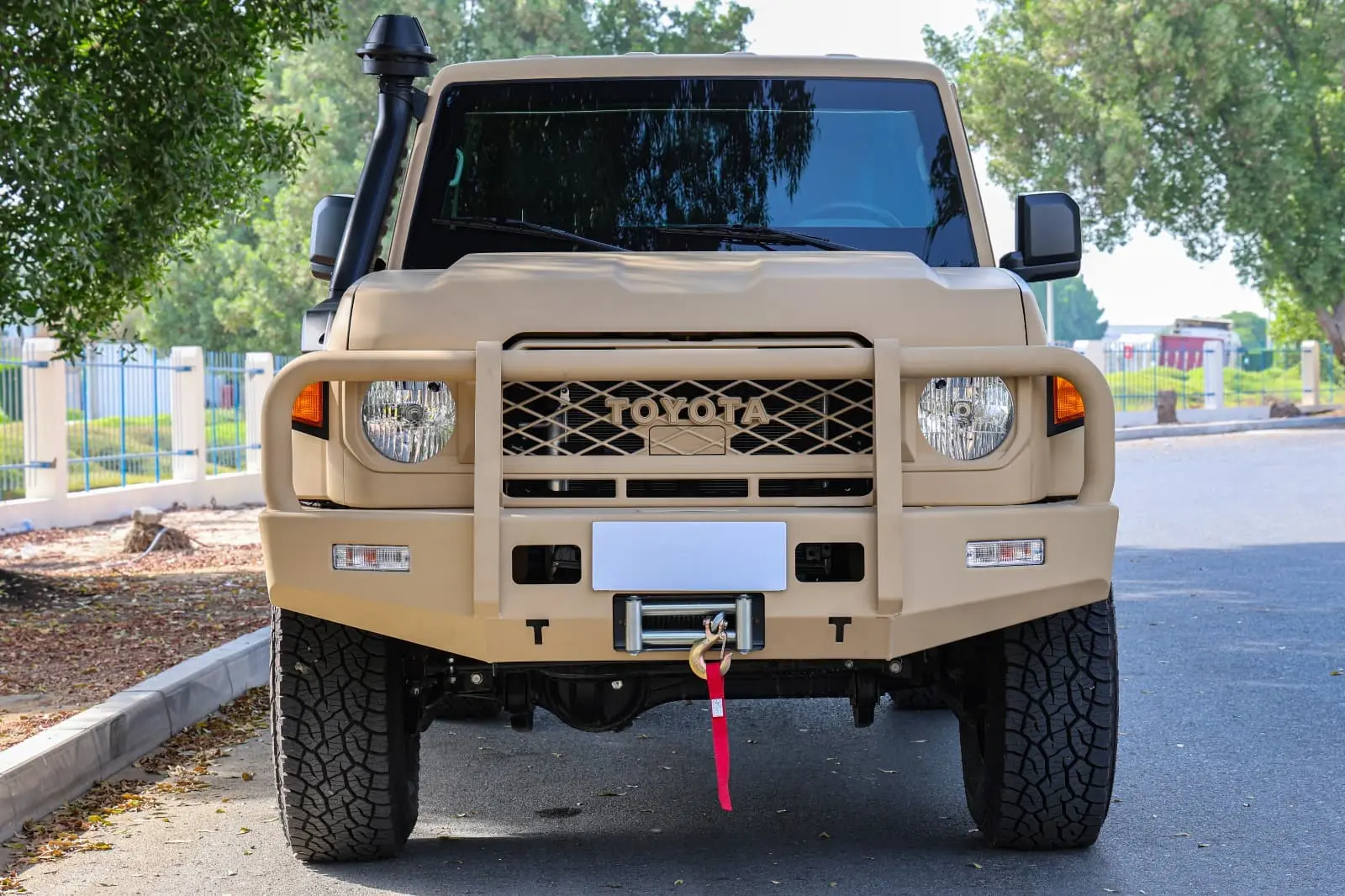
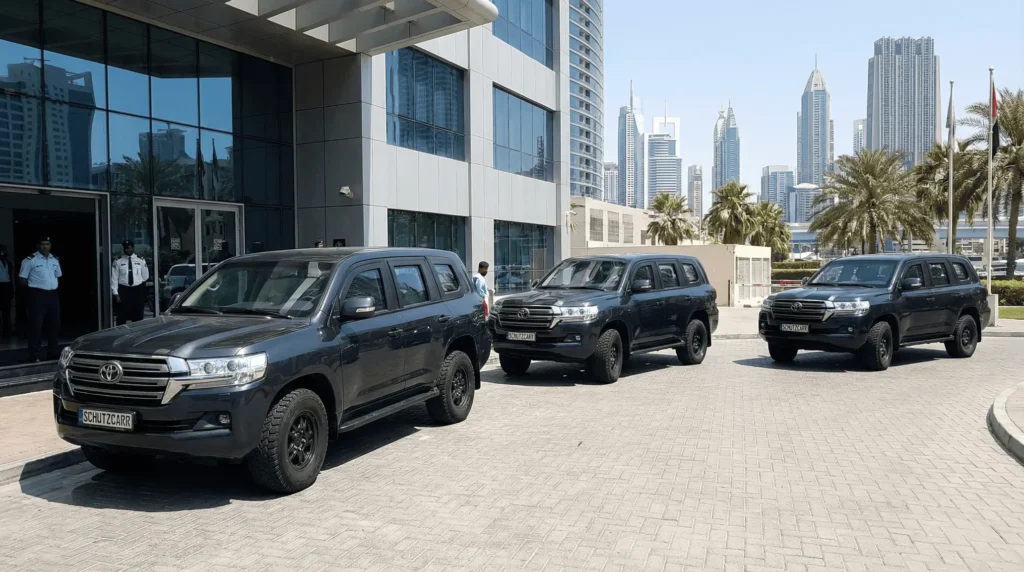
Did You Know?
BR6 armor packages typically add between 700 and 1,200 kg of mass to a midsize off-road vehicle, which is why suspension, brakes, and tire choices must be re-engineered rather than lightly upgraded.
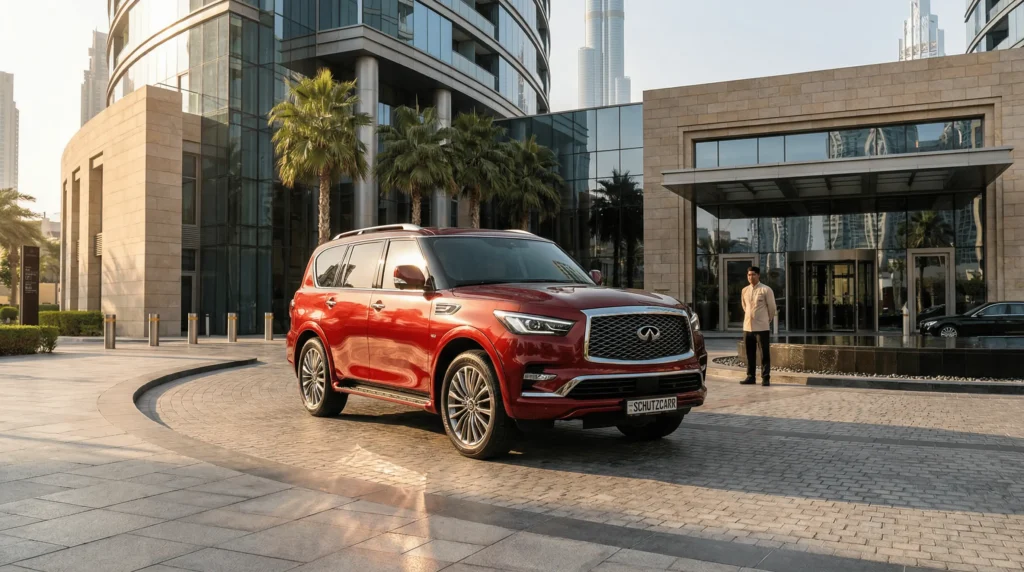
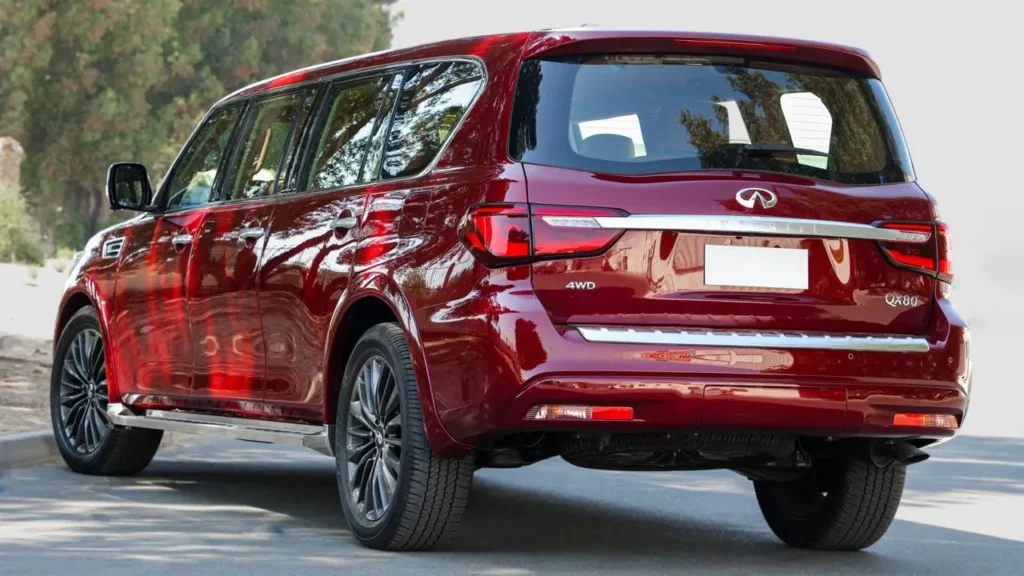
5. Infiniti QX80 BR6: Balancing Luxury, Size, and Off-Road Function
QX80 BR6 as a full-size all-terrain platform
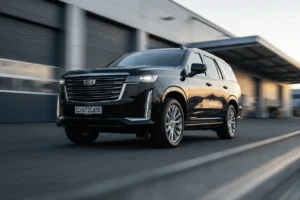
The Infiniti QX80 BR6 Armored SUV combines a full-size chassis with a 360° armored capsule, making it suitable for mixed urban and off-road use. Its wheelbase and width help stability on unpaved routes, provided the suspension and tires are matched to the extra mass.
In BR6 configuration, we reinforce the floor and roof to help mitigate secondary blast effects and fragmentation, which is particularly relevant when vehicles operate on poor surfaces with loose debris. The key is to integrate that structure without making the vehicle feel cumbersome on narrow tracks or inclines.
Off-road considerations specific to the QX80
Compared with more compact SUVs, the QX80’s size requires attention to turning radius, ramp-over angle, and spatial awareness. We prioritize visibility, camera setups, and parking sensors so drivers can place the vehicle accurately on rough ground.
Suspension tuning focuses on maintaining composure when fully loaded, including occupants and gear. That way, the QX80 BR6 can carry a practical payload across mixed surfaces while keeping handling predictable.
6. Lexus LX600 BR6: Executive Comfort With Real-World Terrain Capability
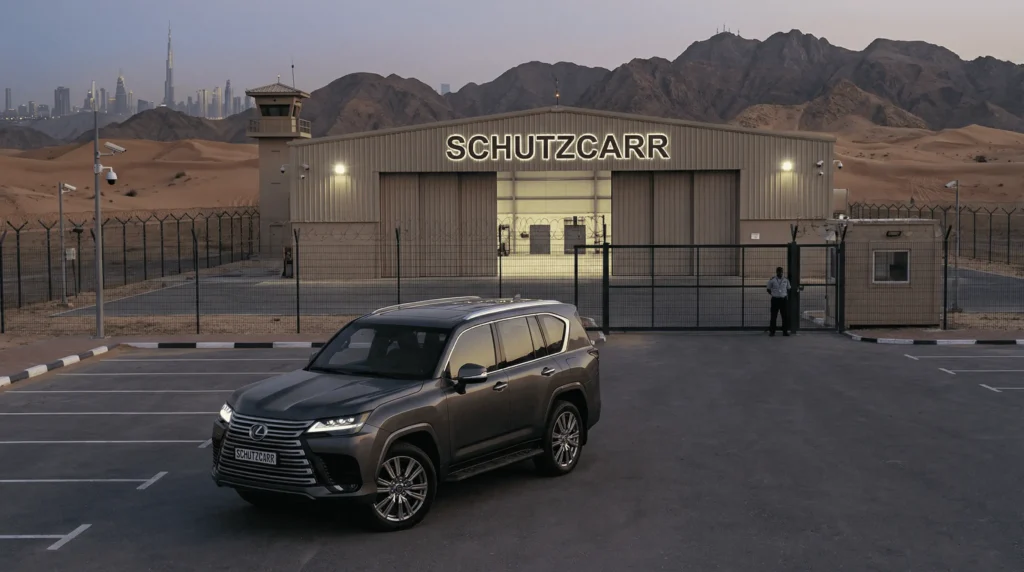
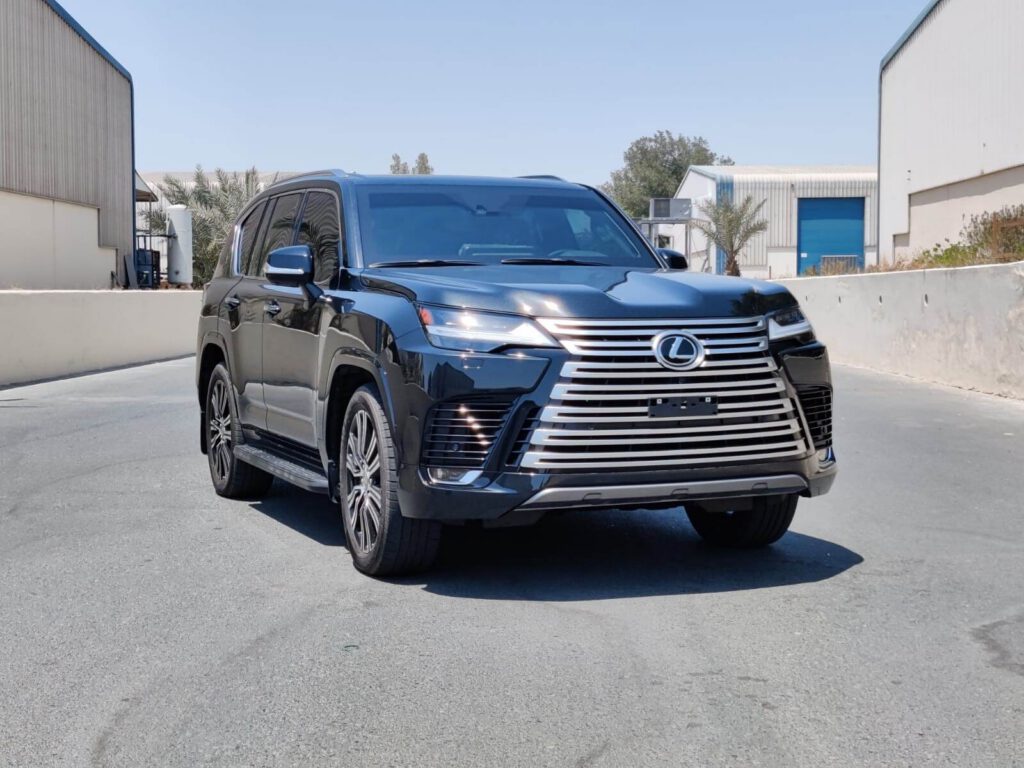
How BR6 changes the LX600 driving character
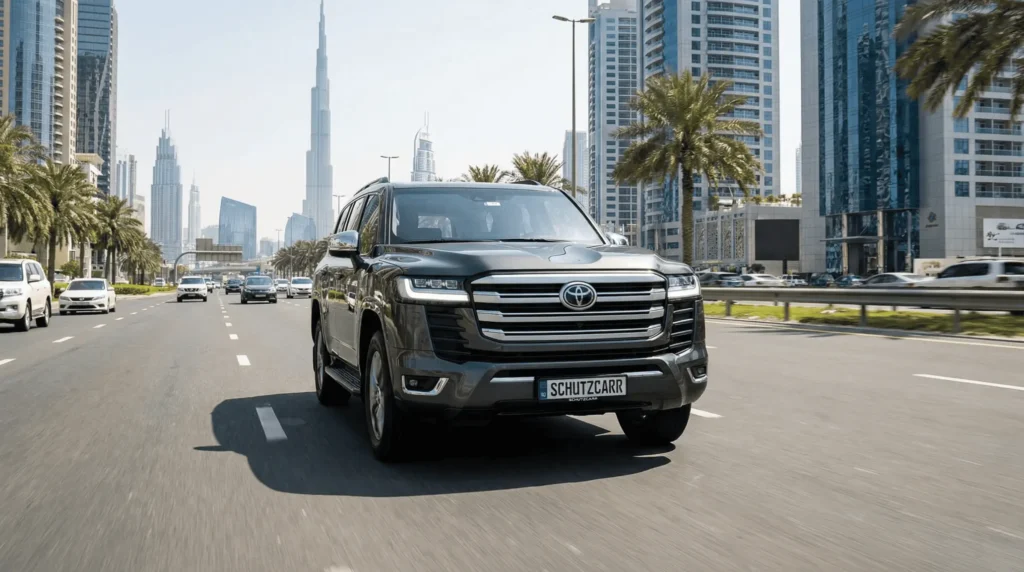
The Lexus LX600 BR6 Armored SUV serves owners who want a familiar luxury experience but still need credible off-pavement capability. Once we integrate BR6 steel and glazing, the LX600 gains significant mass, so chassis tuning becomes central to its final character.
We pay particular attention to ride quality and noise levels, since many LX600 clients expect long-distance comfort. At the same time, we verify how the armored LX responds to washboard surfaces, deep ruts, and inclines.
Off-road expectations for the LX600 BR6
The LX600’s advanced electronics and drive modes help manage power delivery on loose surfaces. With BR6 protection in place, we validate how these systems react to the new weight distribution and tire specifications.
For owners who spend meaningful time off-road, we can adjust suspension settings, wheels, and all-terrain tire choices to align with their terrain profile. The goal is a predictable, composed SUV that retains its luxury feel while remaining usable beyond paved roads.
7. BR6 Glazing, Visibility, and Driver Fatigue Off-Road
BR6-level glass is significantly thicker than standard automotive glazing, typically around 41 mm and often creeping higher in specific configurations. That thickness affects weight high on the vehicle, window movement, and how much light enters the cabin.
Off-road, driver visibility and fatigue are critical, especially on long days in changing conditions. We design glazing profiles to provide a clear field of view while balancing ballistic requirements and frame strength.
- Heavier doors and windows require reinforced hinges and carefully tuned closers so they remain practical to use.
- Cabin brightness can be supported with interior color choices and lighting to counter the slightly narrower glass apertures.
- Defogging and HVAC must cope with thicker glazing that can retain more temperature.
For drivers spending hours on unpaved routes, these human factors influence how safely and consistently they can operate a BR6 armored SUV.
8. From SUVs to APCs: BR6 Protection on Dedicated Off-Road Platforms
When an armored personnel carrier makes sense
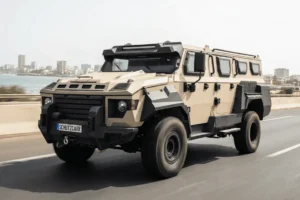
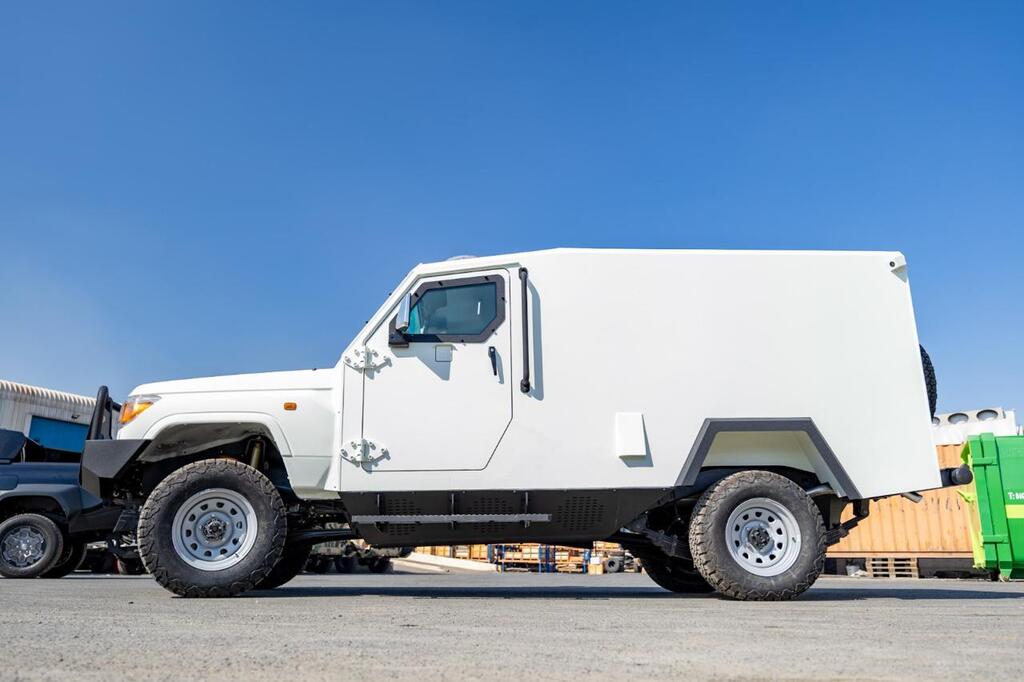
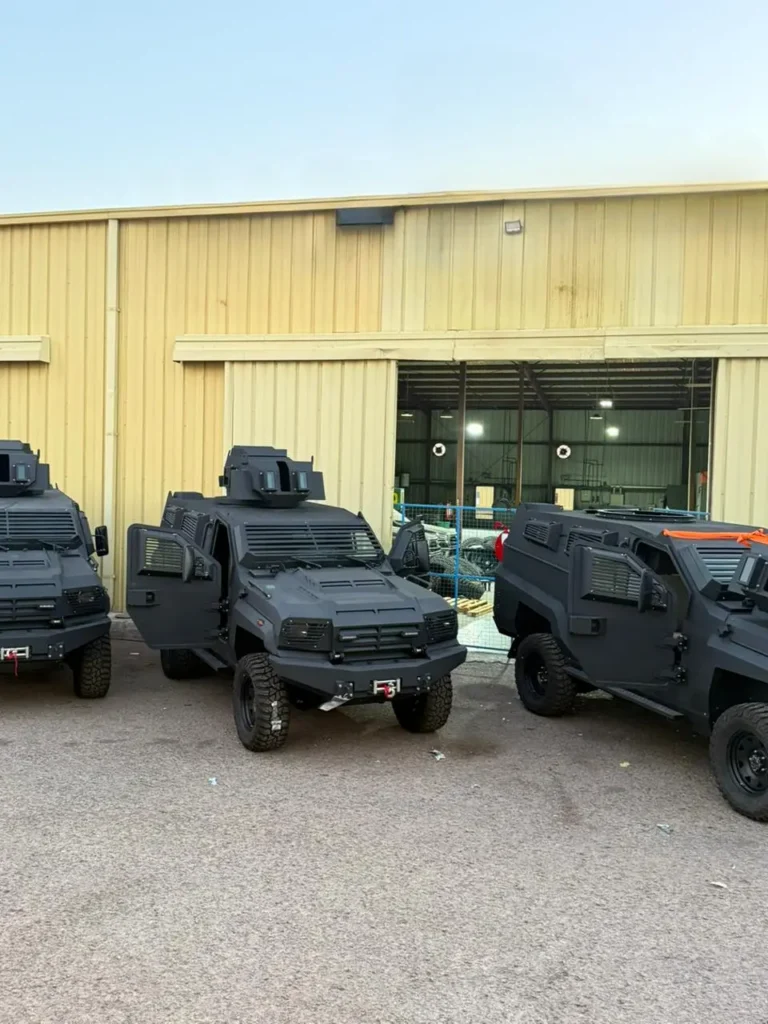
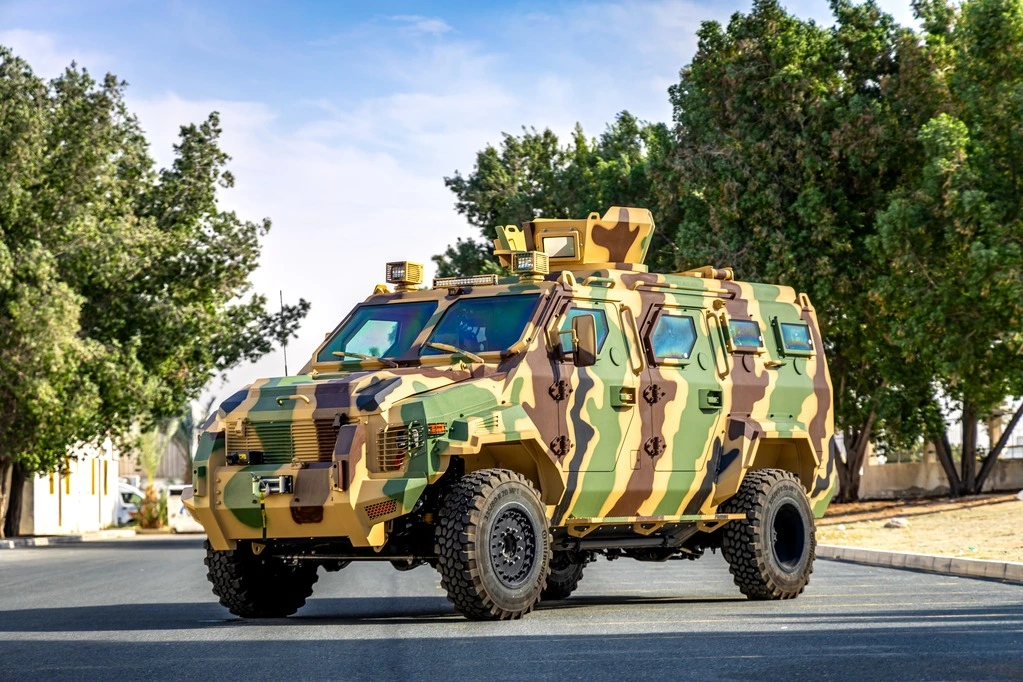
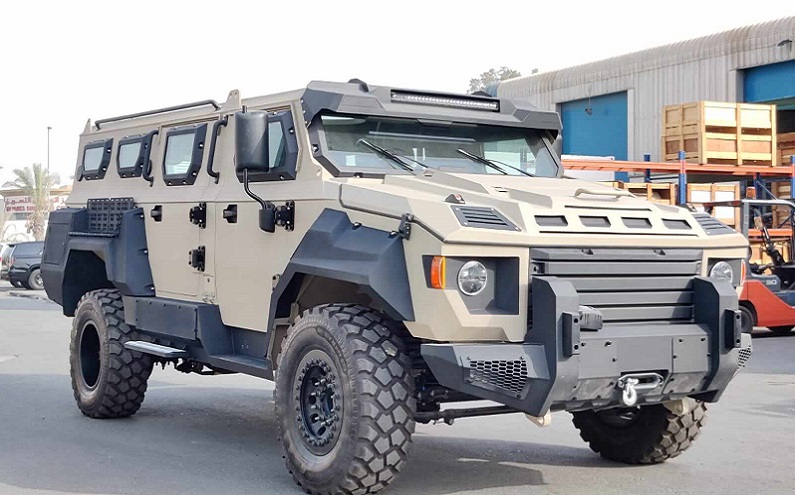
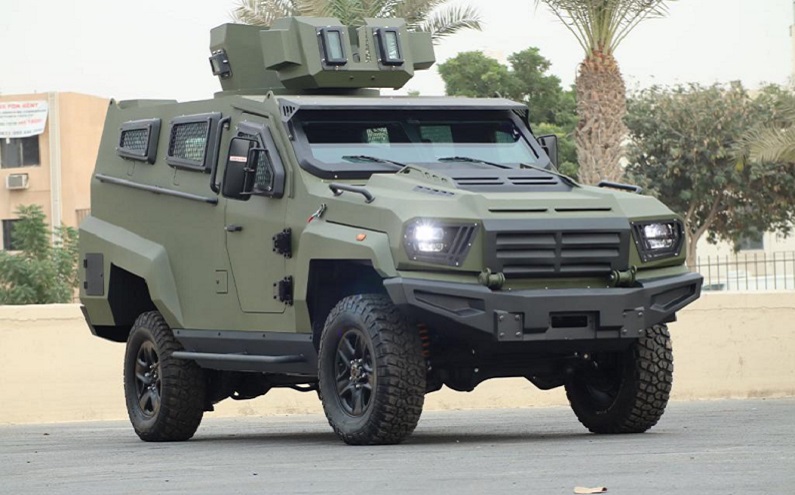
For some use cases, a dedicated armored personnel carrier (APC) is more suitable than an SUV, especially when payload, seating capacity, or specialized layouts are priorities. We build APCs with BR6 or higher protection where off-road capability and interior volume must coexist.
These platforms typically start from heavy-duty truck or bespoke off-road chassis. BR6 integration then occurs around a different architecture than a standard SUV, with more freedom to optimize suspension, axle ratings, and geometry for the intended terrain.
Off-road behavior of BR6 APCs vs BR6 SUVs
APCs can carry more weight and more equipment, but they are usually larger and less nimble in tight spaces. For long unpaved routes, they can offer a stable ride and significant cargo capacity, provided operators understand their turning radius and weight distribution.
By contrast, BR6 SUVs often fit better in mixed environments where parking, tight urban streets, and narrower tracks matter. We work with clients to decide whether an SUV, pickup-based solution, or APC is the most appropriate foundation for their BR6 protection requirements.
Did You Know?
BR6 is part of the EN 1063 ballistic-glazing scheme, with BR5 and BR6 marking rifle-threat protection levels that off-road armored designers reference when engineering full 360° protection cells.
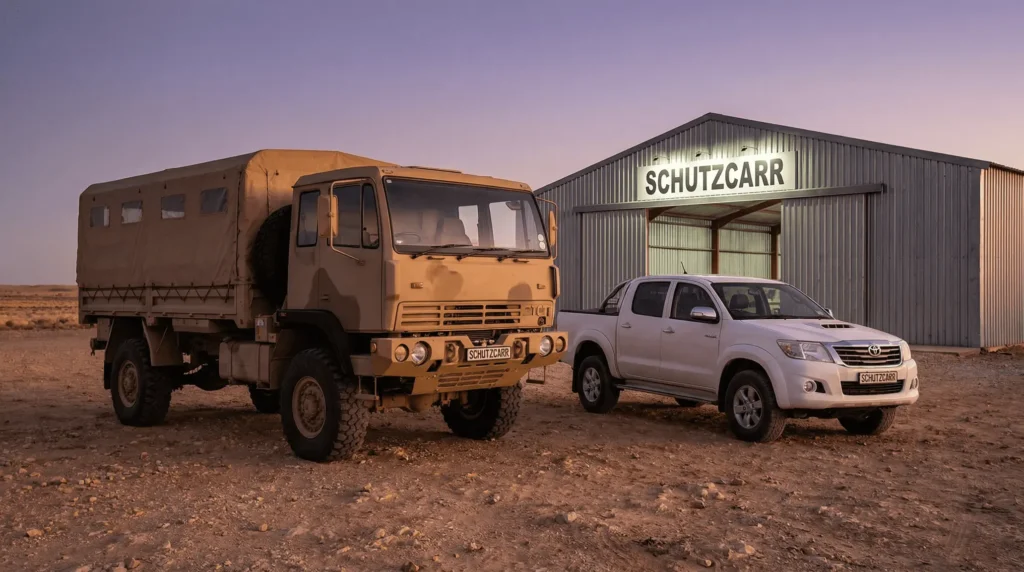
9. Fleet and Transport Use: BR6 Off-Road Trucks and Carriers
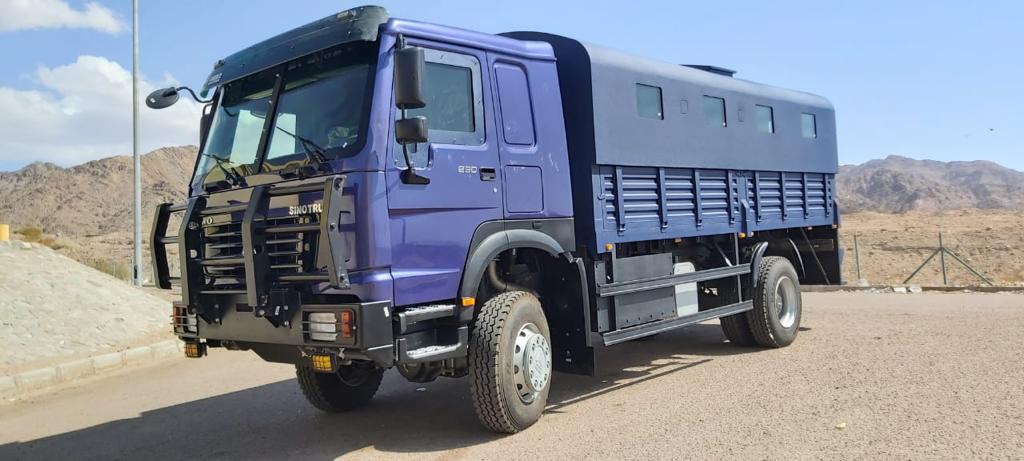
Organizations that move goods or groups of people sometimes need BR6 protection on trucks, pickups, or larger carriers. Off-road, these vehicles must handle both weight and repeated loading cycles while maintaining predictable handling.
In our armored truck work, we design layouts that keep the center of gravity as low and central as possible. This approach supports stability on rough tracks and reduces stress on axles and frames.
- Armored trucks and carriers can support secure transport on unpaved routes when capacity and durability are the main concerns.
- Suspension and frame reinforcement are central to long-term reliability once BR6 armor and cargo loads are combined.
We also pay close attention to loading patterns, door configurations, and interior layouts so crews can move safely and efficiently while the vehicle is on uneven ground.
10. Practical Checklist: Matching BR6 Protection To Your Off-Road Use
Choosing a BR6-capable off-road vehicle is about aligning your real usage with what the platform can safely support. We encourage prospective owners to define terrain, distances, occupancy, and cargo needs before deciding on a specific chassis.
Below is a concise checklist that we often walk through with clients when discussing off-road capability under BR6 protection.
- Terrain profile: Regular gravel roads, seasonal mud, sand, rocky tracks, or mixed.
- Distance and duration: Daily short runs or multi-day travel with limited support.
- Occupants and payload: Typical number of passengers plus expected cargo weight.
- Space constraints: Narrow streets, tight access roads, or open rural environments.
- Comfort expectations: Executive-level comfort or utility-focused interiors.
- Maintenance environment: Availability of service facilities and parts.
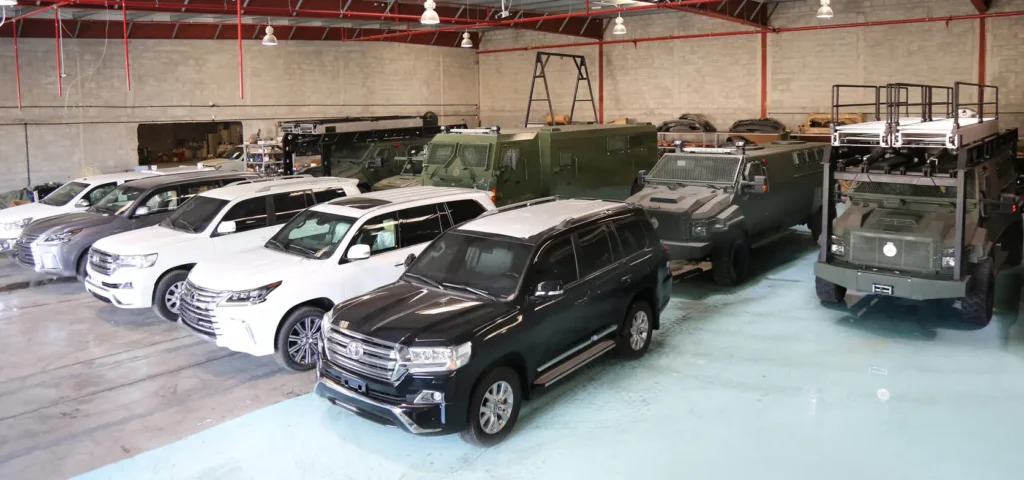
Once these points are clear, we can compare SUVs, pickups, and APCs in a structured way. Our role is to outline the trade-offs clearly so you can select a BR6 configuration that supports your off-road requirements with realistic operating characteristics.
Conclusion
Off-road capability with BR6 protection is the result of careful engineering, not a simple add-on. Armor weight, glazing thickness, chassis tuning, and geometry must all work together so a vehicle can handle real terrain while delivering the level of ballistic protection you expect.
At SchutzCarr, we design BR6 SUVs, trucks, and APCs by starting from your environment, routes, and usage patterns, then matching them to the right platform and configuration. If you are planning an armored vehicle for off-road or mixed use and want to discuss options in detail, we invite you to contact us directly through our SchutzCarr contact page.