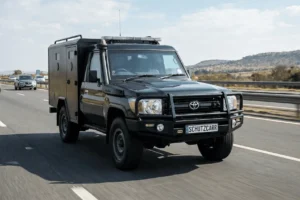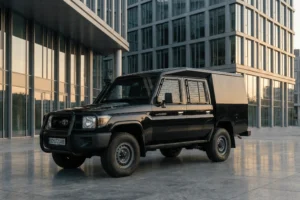


Tire choice and run-flat upgrades shape how an armored or security-focused vehicle behaves every day, and they matter even more when something goes wrong on the road. JD Power’s 2025 tire study found that satisfaction with tire traction and handling dropped by seven points in a single year, which shows how quickly drivers notice when tires are not matched to their use case.
Key Takeaways
| Question | Answer |
|---|---|
| 1. What is the main benefit of run-flat upgrades on armored SUVs? | Run-flat systems help a vehicle keep moving for a limited distance after tire damage, which is particularly useful on armored platforms like the Armored Toyota Land Cruiser 76. |
| 2. How do armor levels affect tire choice? | Higher ballistic levels such as BR6 and BR7 add significant weight, so tire selection must account for load rating and sidewall strength, as explained in our B4 to B7 ballistic protection guide. |
| 3. Are run-flat tires only for large armored trucks? | No, they appear across platforms from discreet sedans to MRAP-style vehicles such as the APC SHARK civilian MRAP, with different configurations for each use case. |
| 4. How does daily usability change with armored tires? | Armoring and run-flat hardware add mass and stiffness, which affects ride comfort, steering feel, and braking distance, topics we cover in detail in our daily usability of armored SUVs guide. |
| 5. Which platforms work well with integrated run-flat systems? | Rugged chassis such as the Land Cruiser 76, highlighted in our LC76 BR6 overview, accept armor and run-flat systems effectively due to their mechanical simplicity and strong axles. |
| 6. Can run-flats work on luxury BR6 SUVs? | Yes, many luxury BR6 builds, like those compared in our best armored SUVs for civilian use guide, are configured with run-flat packages that match their higher curb weight. |
1. Why Tire Choice And Run-Flat Upgrades Matter More On Armored Platforms
On an unarmored vehicle, tire choice is often about comfort, noise, and basic durability, but once armoring is added the tire becomes a critical part of the protection system. Additional weight, higher centers of gravity, and longer stopping distances all magnify what tires do well or poorly.
For armored builds, run-flat upgrades are not just an accessory, they are often part of a coordinated package that includes reinforced wheels, uprated suspension, and specific load ratings. If any of those elements are misaligned, the vehicle’s handling and reliability can suffer.

2. Understanding Run-Flat Systems On The Toyota Land Cruiser 76
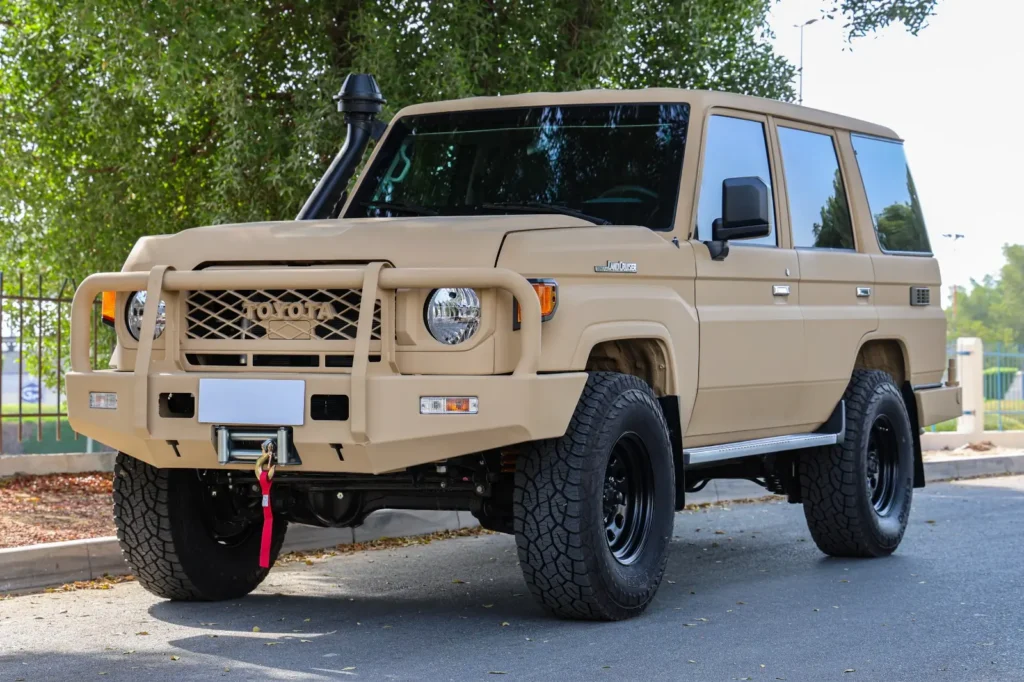
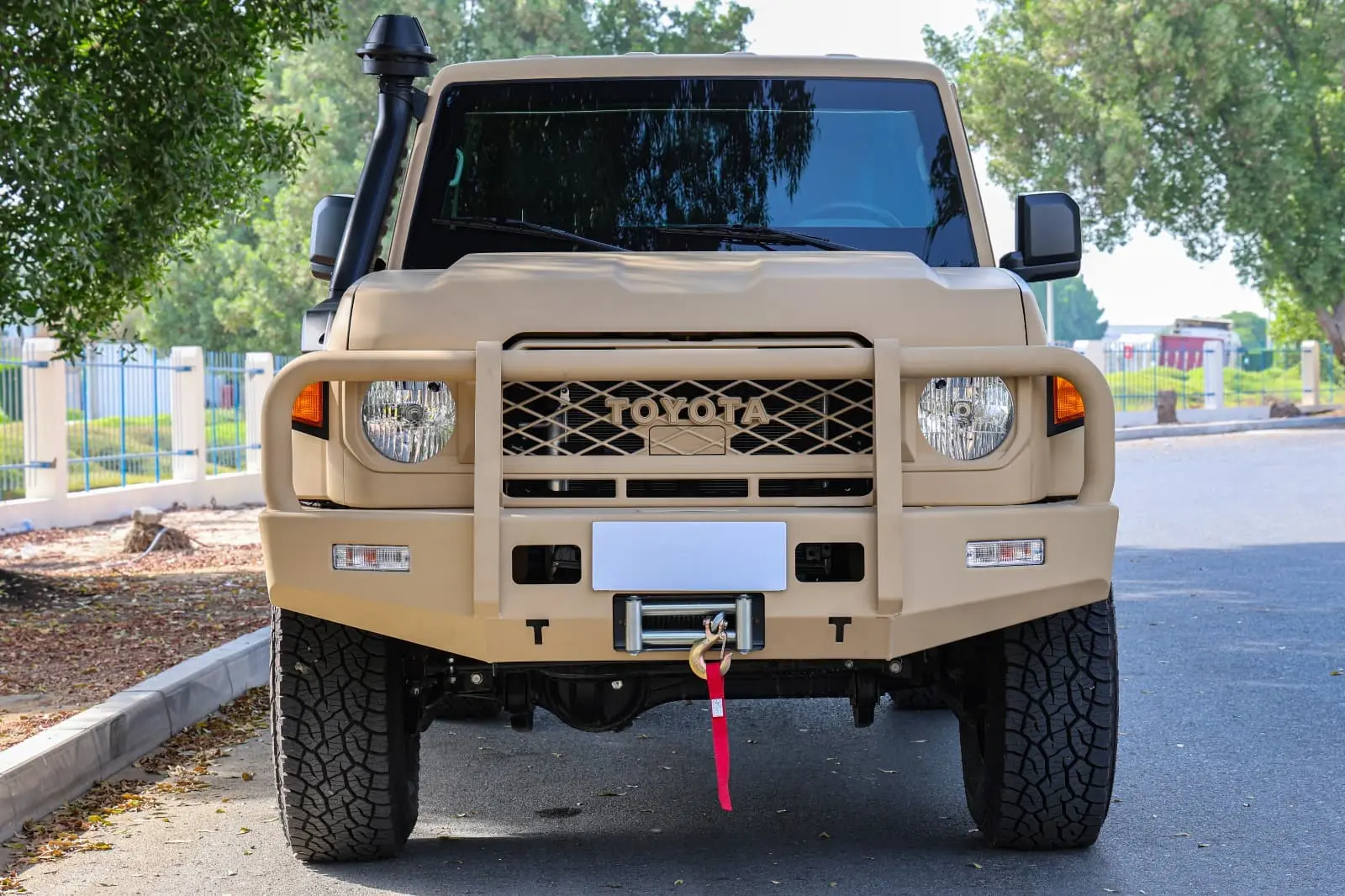
The Land Cruiser 76 is one of our signature platforms, and it shows clearly how tire choice and run-flat upgrades integrate into an armored build. We engineer LC76 packages with multi-layer ballistic glass, reinforced chassis components, and run-flat systems that suit both BR6 and BR7 configurations.
Run-flat hardware can be internal (inserts that support the tire after pressure loss) or wheel-based, and each choice affects unsprung mass and ride feel. Our role is to balance those factors so the Land Cruiser 76 remains predictable on paved and unpaved surfaces.
Run-Flat Integration On LC76 BR6 And BR7 Builds
For BR6 and BR7 Land Cruiser 76 builds, we prioritize tire load capacity and sidewall stability before choosing the specific run-flat package. This ensures the tire, insert, and wheel assembly can handle the increased curb weight without overheating or deforming under continuous use.
Because the LC76 is often used in remote areas, we also consider availability of replacement tires in typical operating regions and how easily local workshops can handle tire changes on reinforced wheels.
3. How Ballistic Levels (B4 To B7) Influence Tire And Run-Flat Choices
Ballistic protection levels such as B4, B6, and B7 change how heavy the vehicle becomes, which in turn dictates tire specifications. When you move from B4 to B6 or B7, weight increases substantially, so the tire’s load index and speed rating need to reflect that.
We often see buyers focus heavily on the armor rating itself, while underestimating how much the extra weight will affect the tire’s operating temperature and long-term durability. Selecting appropriate run-flat hardware is part of managing those loads safely.
Matching Tire Architecture To Armor Weight
For BR6 and BR7 builds, we favor robust all-terrain or highway-terrain structures with reinforced sidewalls and high-load indices. The chosen run-flat system must support the full armored weight during zero-pressure operation, not just the base vehicle weight.
This is why tire choice, wheel specification, and suspension upgrades are all discussed together when we plan a new armored build or retrofit.
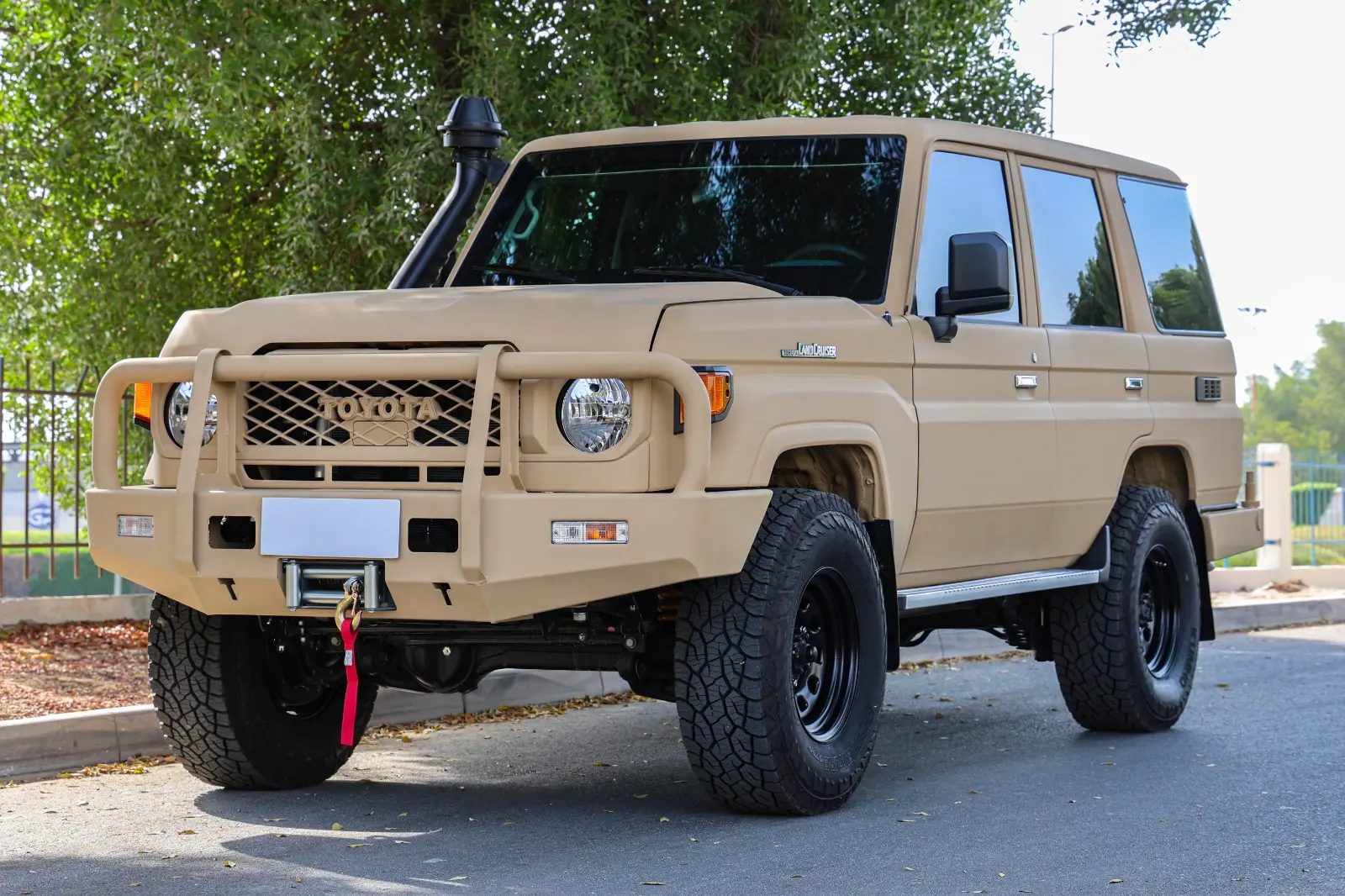
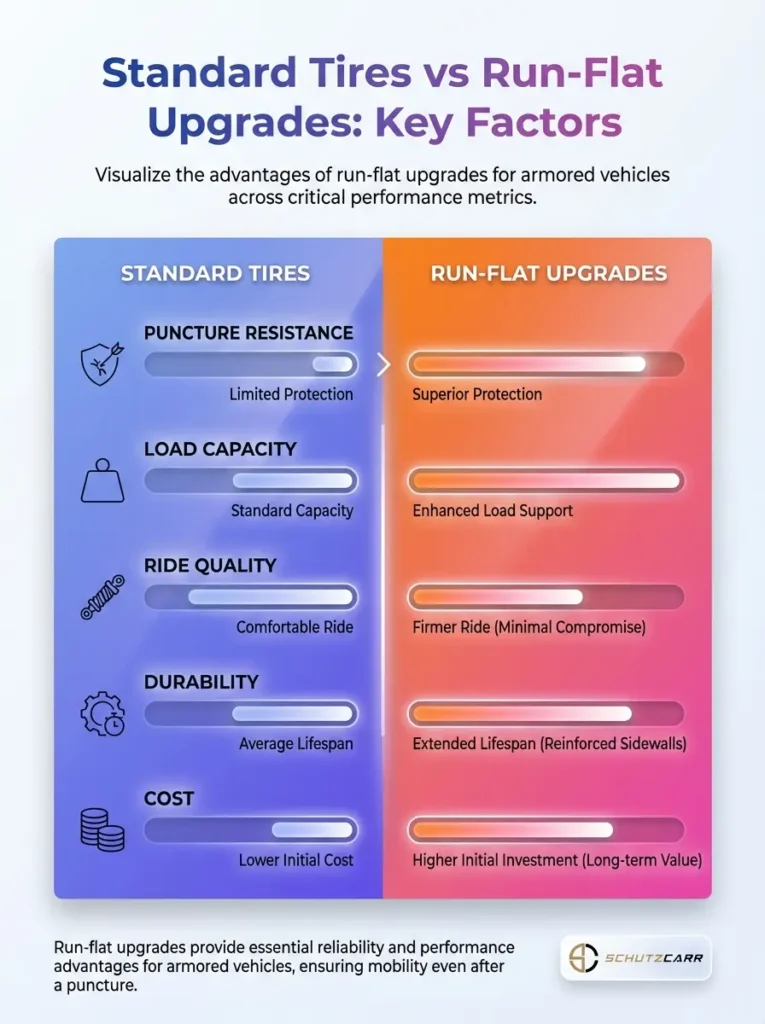
This infographic visualizes the comparison between standard tires and run-flat upgrades. It highlights key factors: cost, safety, performance, and maintenance, to help you decide the best option for your vehicle.
Did You Know?
JD Power’s 2025 U.S. Original Equipment Tire Customer Satisfaction Study found that tire traction and handling satisfaction declined by seven points to 803, and loyalty among owners who had traction or handling problems fell by 19 percentage points.
4. Standard Tires Versus Run-Flat Upgrades In Real Use
Standard tires generally offer more comfort and lower noise, especially on rough roads, but they require immediate attention after a major puncture. Run-flat systems trade some of that comfort and noise performance for the ability to keep moving for a limited distance under zero pressure.
In high-mileage use, some owners eventually choose to move from run-flats to conventional tires or vice versa based on how they weigh ride quality against contingency capability. That decision often comes after observing wear patterns and experiencing one or two puncture events over several years.
How Satisfaction Trends Influence Tire Decisions
After two years of ownership, overall tire satisfaction in the 2025 JD Power study declined from 796 to 790, which suggests that long-term performance and wear strongly influence whether drivers stay with the same tire type. For armored vehicles, this effect can be magnified because the added weight accelerates wear if tires are not specified correctly.
We use these market-wide satisfaction trends alongside our own field experience when we advise on tire selection for new builds or refresh projects.
5. Tire Choice And Daily Usability Of Armored SUVs
Daily usability is where tire decisions become tangible, especially for drivers who use armored SUVs in mixed urban and rural environments. Armor adds weight and stiffness, so even small changes in tire compound or sidewall structure can be felt in steering response and ride quality.
We see three main factors guiding daily tire choice: ride comfort, steering precision, and braking performance. Run-flat upgrades must be considered within that trio, because higher sidewall stiffness can sharpen steering but also pass more vibration into the cabin.
Balancing Comfort With Control
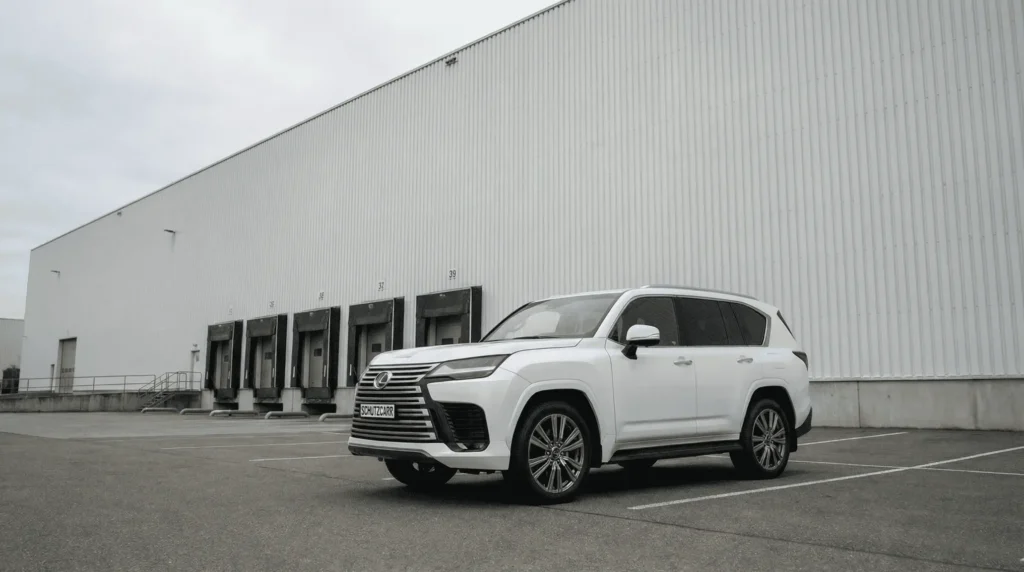
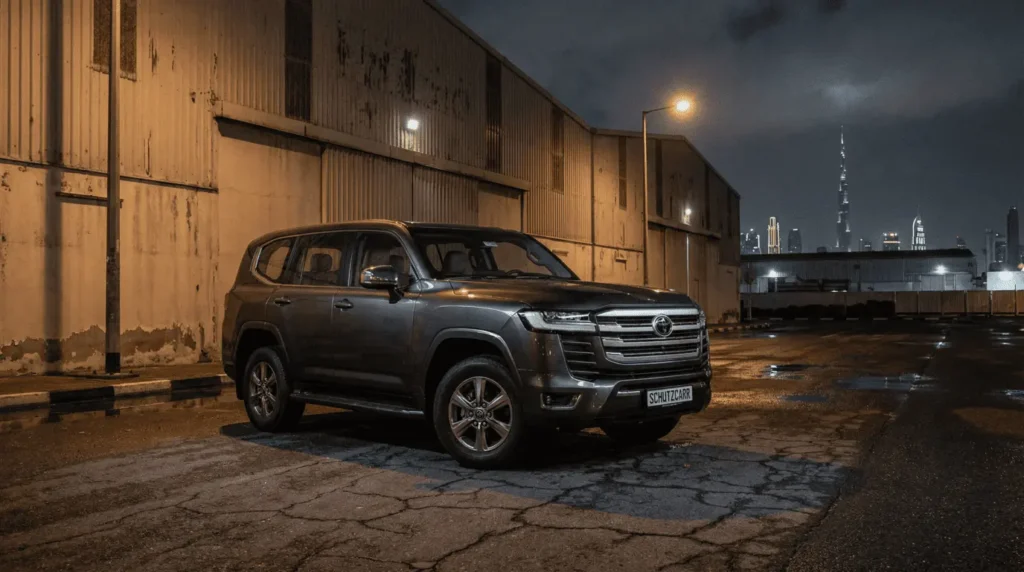
Modern platforms such as LC300, LX600, and similar SUVs are engineered with powerful brakes and refined suspensions that help offset the extra weight of armor and run-flat systems. Our task is to select tire sizes and constructions that support that engineering, not work against it.
For fleet operators, we often specify a single tire and run-flat setup across multiple vehicles to simplify maintenance and keep daily usability consistent for all drivers.
6. Tire And Run-Flat Considerations For The LC76 BR6 Platform
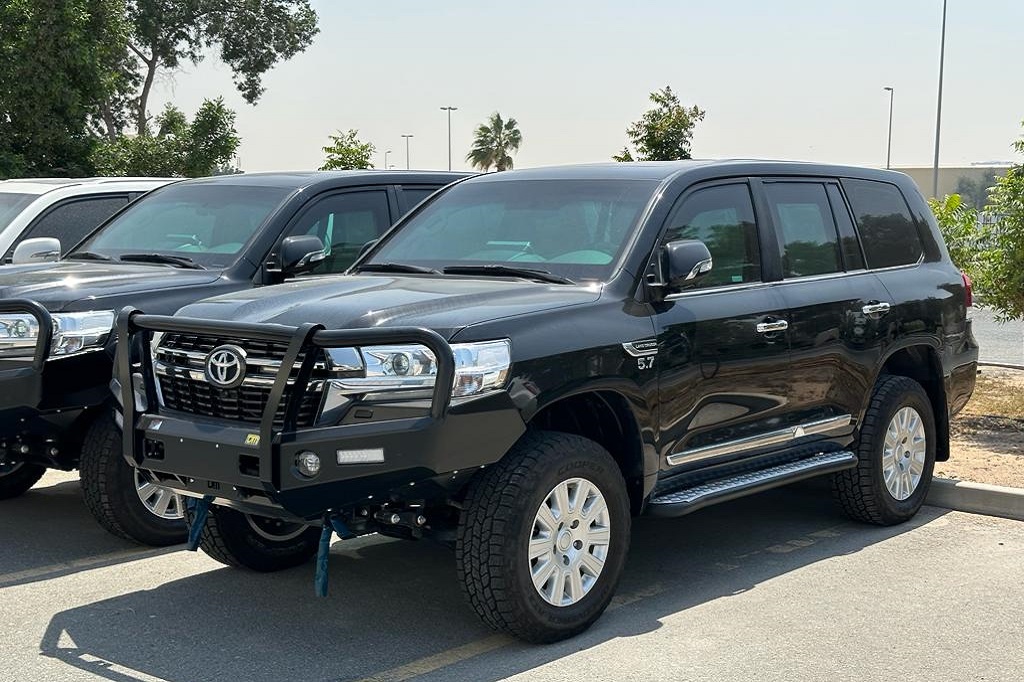
The LC76 BR6 is widely used in remote and rugged conditions, which puts unique demands on tires. Gravel, corrugations, and extended low-speed running in hot climates can build heat in tire carcasses, especially when combined with the extra mass of armor and run-flat inserts.
For this platform, we typically recommend robust all-terrain patterns that offer predictable grip on mixed surfaces and tough sidewalls. When combined with correctly specified run-flat systems, this helps maintain mobility even after a puncture from sharp rocks or debris.
Serviceability And Field Support
Because the LC76 is often far from major service centers, we prioritize tire sizes that are relatively easy to source in regional markets. Run-flat inserts and reinforced wheels are more specialized, but standardizing across a fleet makes stocking spares practical.
We also consider the tools and lifting equipment available on site, so wheel and tire assemblies can be safely removed and refitted during scheduled maintenance.
7. Run-Flat Upgrades On Civilian MRAP Platforms Like APC SHARK
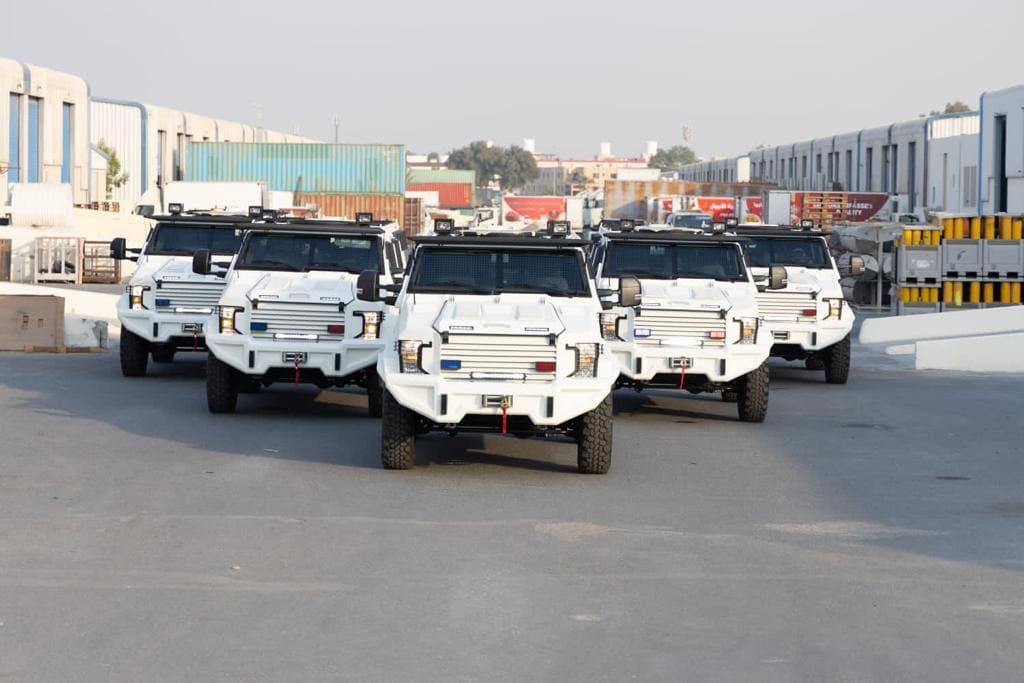
Civilian MRAP-style vehicles such as the APC SHARK operate at much higher curb weights than typical SUVs, so their tire and run-flat packages are in a different category. Larger wheel diameters, higher ply ratings, and specialized bead designs help these vehicles manage both load and off-road demands.
On these platforms, internal run-flat inserts are particularly important, because the vehicle must remain controllable even if multiple tires lose pressure on uneven ground. That requirement shapes everything from rim design to recommended tire pressures in loaded and unloaded states.
From Warehouse To Field: Matching Tires To MRAP Roles
When we prepare APC SHARK units for deployment, we align tire selection with expected road quality and average distances between service points. Some operators prioritize on-road efficiency, while others need maximum durability on unpaved routes.
We document tire and run-flat specifications clearly so maintenance teams can source correct replacements and understand the torque and safety requirements for wheel changes.
Did You Know?
Run-flat tires typically cost 40–60% more than comparable conventional tires, which is a key reason many buyers in non-premium segments still choose standard tires even when run-flats are available.
8. Tire Choice For Mixed Fleets: From SUVs To Cash-In-Transit Units
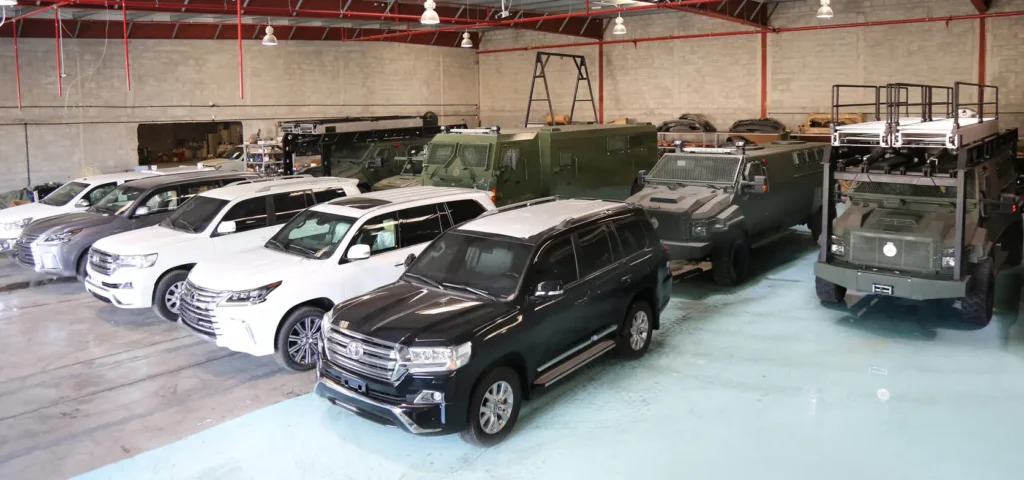
Many organizations operate mixed fleets that include SUVs, sedans, and specialized cash-in-transit or personnel carriers. In these cases, tire and run-flat choices must be coordinated so that stocking spares and training technicians remains manageable.
We often group platforms by wheel size and load category, then choose one or two tire and run-flat configurations that can serve multiple vehicle types. This simplifies logistics, but still respects the specific demands of each platform.
Why Consistency Across A Fleet Matters
Consistent tire choice across a fleet helps drivers understand how vehicles will respond in emergency maneuvers, since sidewall stiffness and grip characteristics stay similar. It also streamlines inspection routines, because technicians learn exactly what to look for in terms of wear patterns and heat-related stress.
For cash-in-transit and similar roles, where vehicles repeat the same routes frequently, we monitor tread wear over time and adjust compounds or patterns if we see premature wear on specific axles.

9. Long-Term Maintenance Planning For Run-Flat-Equipped Vehicles
Run-flat systems change how routine maintenance works, because tire rotations, balancing, and replacement intervals must consider the additional heat and load associated with the inserts or reinforced structures. Ignoring those differences can shorten tire life and introduce vibration at higher speeds.
We set maintenance schedules that align with both mileage and calendar time, which helps catch sidewall fatigue and insert wear before they become issues. For heavily loaded vehicles, more frequent inspections are prudent, especially after extended travel on rough surfaces.
What Drivers And Fleet Managers Should Monitor
Drivers should report changes in steering feel, noise, or vibration, because these often signal tire or run-flat problems before a visual inspection reveals anything. Fleet managers can support this by standardizing simple checklists that include tread depth, sidewall condition, and visible insert damage where applicable.
Our build documentation includes recommended pre-trip and post-trip checks, which maintenance teams can adapt to their own operating procedures.

10. Practical Checklist For Choosing Tires And Run-Flat Upgrades
When we guide clients through tire choice and run-flat upgrades, we frame the decision as a series of practical questions rather than a one-size-fits-all recommendation. Each platform, route profile, and usage pattern leads to a slightly different optimal solution.
You can use the checklist below as a structured way to think about your own requirements before contacting us.
| Decision Area | Key Questions |
|---|---|
| Vehicle Platform & Armor Level | Is the vehicle BR6, BR7, or lighter. What is the certified curb weight with armor and equipment. |
| Primary Environment | Mostly paved roads, rough gravel, or mixed. Typical climate and temperature range. |
| Run-Flat Requirement | Is continued mobility after puncture essential, or is immediate roadside assistance available. |
| Fleet Consistency | Can multiple vehicles share the same tire size and run-flat configuration to simplify maintenance. |
| Maintenance Capacity | Do your workshops have the tools and training to handle reinforced wheels and inserts. |
Once these points are clear, it becomes much easier to define a tire specification and run-flat package that supports both daily usability and contingency needs. We document these decisions for every build, so future replacements follow the same logic.
Conclusion
Tire choice and run-flat upgrades sit at the intersection of safety, usability, and maintenance for armored and security-focused vehicles. Getting them right means understanding vehicle weight, mission profile, and the capabilities of your maintenance network, then choosing a coherent package of tires, wheels, and inserts that support those realities.
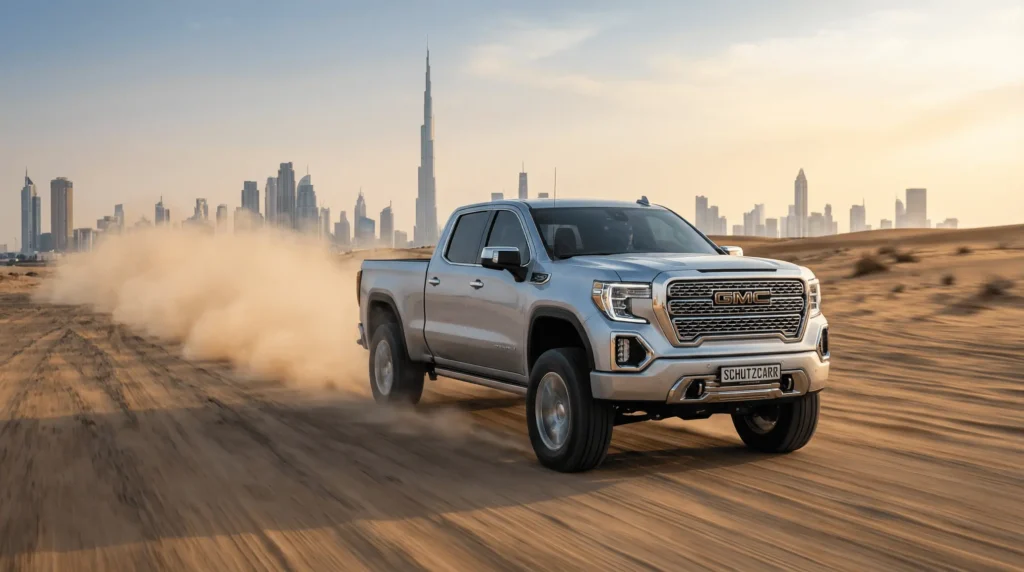
At SchutzCarr, we integrate tire and run-flat planning into every armored build and can also advise on upgrades for existing vehicles. If you want to review options for your platform or fleet, we invite you to contact us directly at https://schutzcarr.shop/contact/ so we can discuss a configuration that fits your operational needs.