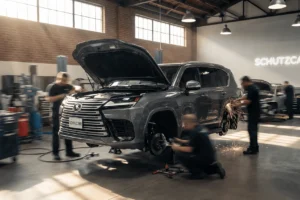

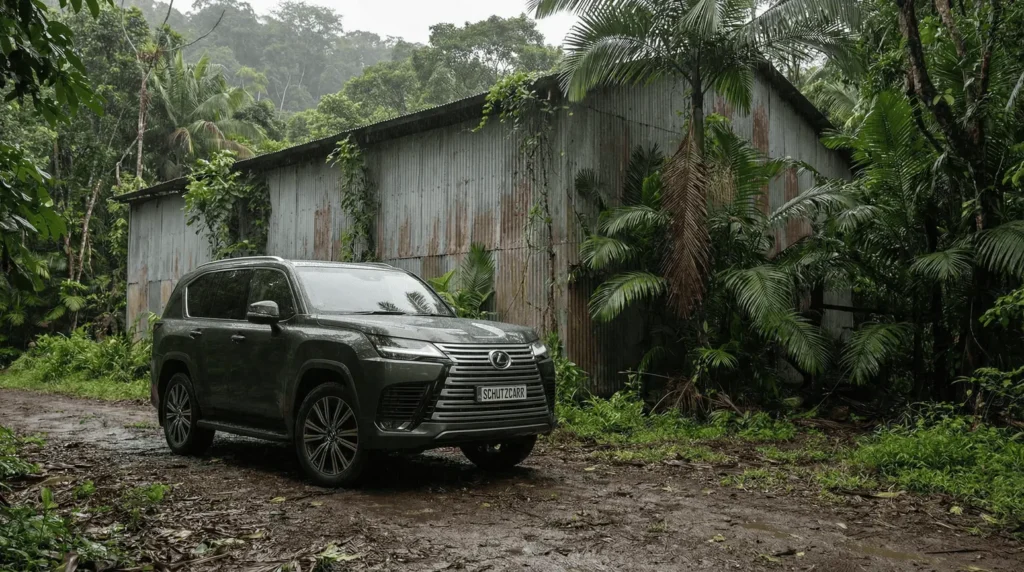
In modern games that use armor tiers and stat-based defense, the upgrade window that matters is surprisingly narrow, since systems like Armor 3.0 only give full base effects up to 100 points and stronger secondary bonuses between 101 and 200. Knowing precisely when to upgrade armor levels helps you avoid wasted resources in-game and, in the real world, clarifies when it makes sense to move from lighter protection to higher ballistic classes on platforms we build at SchutzCarr.
Key Takeaways
| Question | Short Answer |
|---|---|
| When should I upgrade armor levels in-game? | Upgrade aggressively until key stats reach about 100, then focus on targeted boosts toward 200 where they truly change cooldowns and survivability. |
| When is it time to move from B4 to B6 or BR6 on an armored vehicle? | Upgrade when your assessed risk profile shifts from handgun-dominant threats to rifle-class threats, which we explain in detail in our B4 to B7 ballistic protection guide. |
| How do I know if I should prioritize a new armor tier or keep upgrading my current gear? | If upgrades give only small stat gains or do not change breakpoints, it is usually better to move to a higher baseline tier instead of pushing the same piece further. |
| What real-world platforms make sense for higher armor levels? | Larger SUVs and APC-style builds handle BR6 and above more comfortably, such as the civilian MRAP platforms we describe in our MRAP overview. |
| Do discreet armored sedans ever need higher armor levels? | Most discreet executive sedans work around BR6 as a balanced standard, as we outline in our discreet sedan comparison guide. |
| What role does long-term ownership play in deciding when to upgrade armor? | Lifecycle costs, weight, and serviceability often matter more than the raw level, which is why we stress planning in our long-term ownership cost guide. |
1. How Game Armor Systems Teach You When to Upgrade
Many players first learn about armor levels in games, where resource limits force careful timing on upgrades. Those systems mirror real-world choices surprisingly well.
In Armor 3.0 style systems, six stats often scale from 1 to 200, and each point only matters if it pushes you over a meaningful breakpoint. That logic applies closely to ballistic upgrades in physical platforms.

Understanding Stat Breakpoints Before You Upgrade
In-game, you usually feel the biggest jump when you move a stat from the 80–100 range into triple digits, where cooldowns or mitigation often shift to a new tier. Pushing further toward 200 gives stronger returns again, but only for the stats you actually care about.
If an upgrade moves a stat from 41 to 43 with no visible effect, it is usually a poor use of materials. Instead, most players wait until they can reach a meaningful tier threshold.
Why This Matters For Real-World Armor Levels
We see the same pattern with ballistic ratings. Moving from B4 to B6 or BR6 is a large structural change, not a minor tweak.
Because of that, you should treat armor upgrades as tier jumps rather than small increments, both in your games and in your planning with us at SchutzCarr.
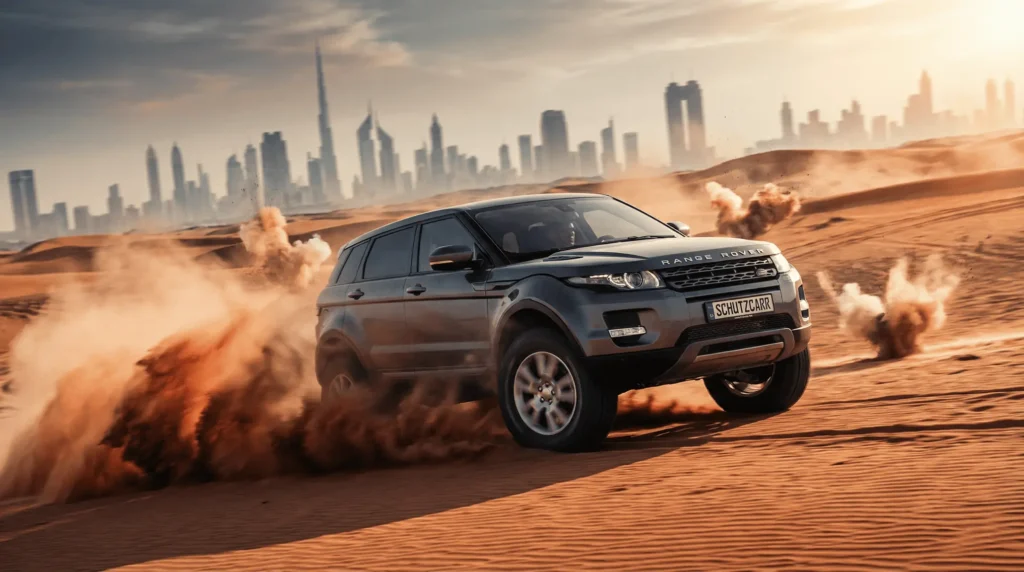
2. From B4 To B7: When Higher Ballistic Levels Make Sense
Ballistic ratings from B4 to B7 exist so you can align protection with a clearly defined risk profile, not guesswork. Each step adds significant material and weight, so timing your jump matters.
B4 is typically associated with handgun-focused protection, while B6 and BR6 move into rifle territory and B7 targets armor piercing threats. We always recommend mapping this to a written risk assessment before you consider an upgrade.
Signs You May Need To Move Beyond B4
You should consider a higher level when your expected exposure changes from short, lower-energy threats to more capable, higher-energy ones. That shift mirrors moving from mid-tier to endgame content in a game, where older gear no longer matches encounter design.
At that point, adding small incremental protections to B4 panels brings less value than moving the entire platform to a higher tested rating.
How Platform Choice Affects Timing
Lighter sedans may work well at B4 or B5, but repeated upgrades to higher levels put more strain on chassis and suspension. In contrast, rugged SUVs and APC-style platforms can handle heavier armor packages more comfortably.
This is why we often guide clients to choose a long-term platform before choosing a level, especially if upgrades might be needed later.
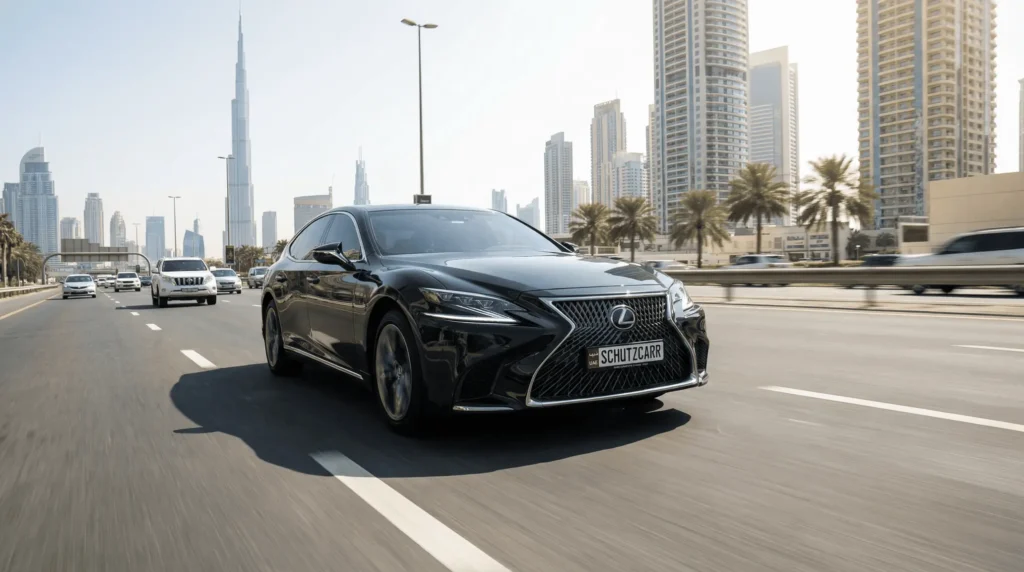
3. In-Game Armor Levels: When To Upgrade Existing Gear vs Replace It
Upgrade systems such as tiered ilvl paths, crest requirements, and soft caps mirror the way we think about upgrading real armor packages. You always work within resource limits.
For example, in systems that use distinct crest tiers for each ilvl bracket, it quickly becomes clear that pushing a low-base item to the limit can cost more than replacing it with a stronger base and upgrading less.
Reading Diminishing Returns On An Item
Suppose an armor piece starts at a low base level and you must spend scarce resources to push each tiny increase. If those increases no longer change stat tiers or gameplay feel, an upgrade of level alone will not justify the resources.
That is usually the right moment to pause upgrades and start looking for new gear with better baseline stats.
Applying That Thinking To Armor Levels On Vehicles
We use the same logic with vehicles. There is a point at which reinforcing a B4 vehicle repeatedly, for example with extra steel or localized panels, becomes less efficient than moving directly to a fully engineered BR6 build on a suitable chassis.
When clients reach that edge, we often recommend a platform reset rather than a patchwork upgrade path.
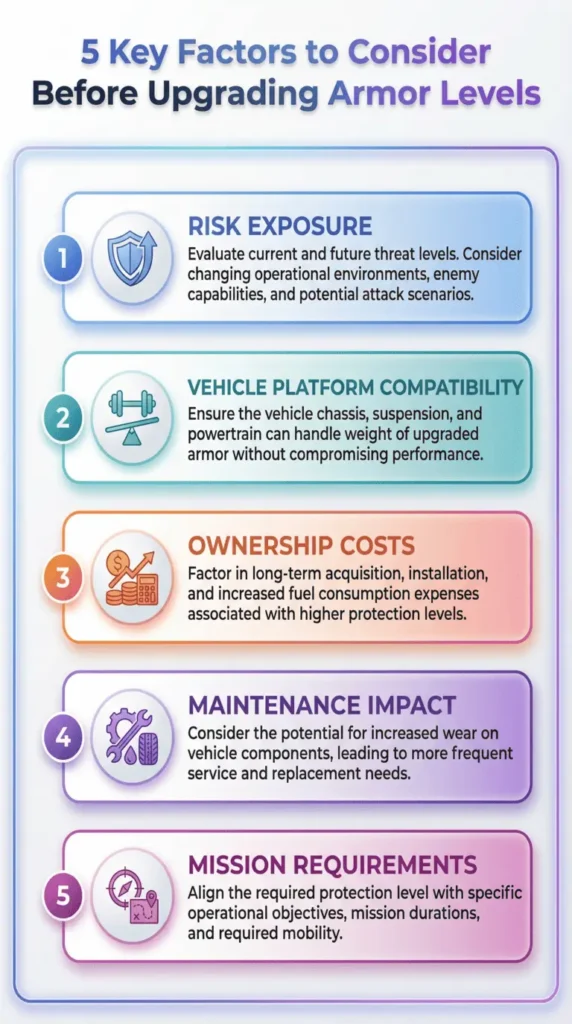
A concise guide outlining the five factors to weigh before upgrading armor levels. It helps players time upgrades wisely and maximize defense and value.
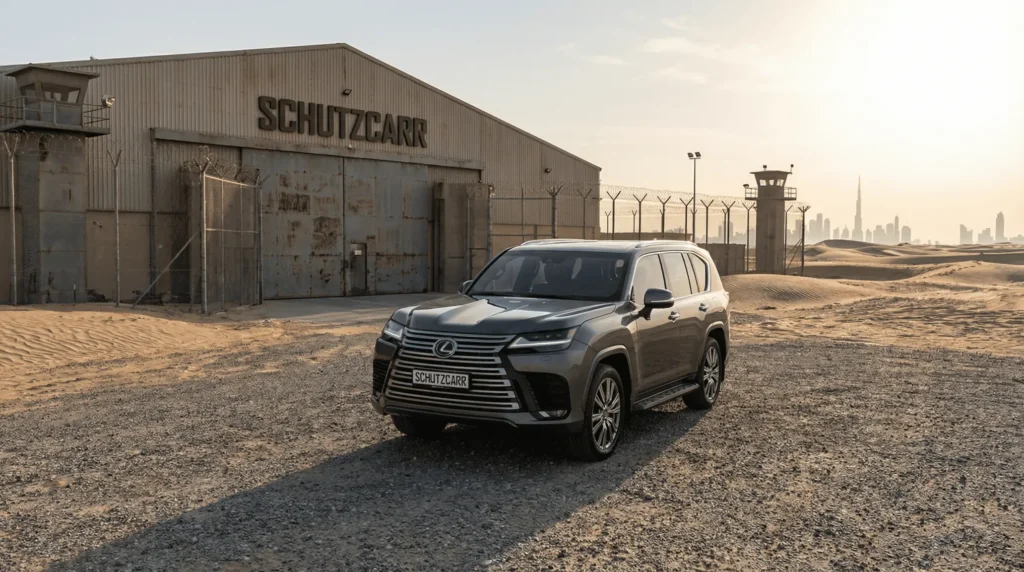

Did You Know?
Armor 3.0 introduces six stats that scale from 1 to 200, which means upgrade timing is really about which of those six you push toward their key breakpoints rather than just raising an overall level.
4. BR6 And BR7: When To Upgrade Into Higher SUV Protection
In our work at SchutzCarr, BR6 and BR7 often come up as inflection points where clients decide that previous levels are no longer sufficient. These ratings are closely associated with rifle-focused protection on larger SUVs and APCs.
Because they add substantial weight and require structural integration, choosing BR6 or BR7 is less about simple add-ons and more about committing to a specific platform architecture.
Using BR6 On Civilian SUVs
BR6 has become a common target for civilian and executive SUVs that travel through mixed-risk areas. It mirrors the way many players aim for a certain armor tier that comfortably carries them through endgame content without constant upgrades.
When we build BR6 SUVs, we design the entire vehicle around that level rather than treat it as a future add-on.
When BR7 Levels Are Worth Considering
BR7 increases protection demands, so the vehicle needs even more robust suspension, braking, and chassis reinforcement. This is similar to pushing a character build toward the absolute stat ceiling in a game, where only very specific gear sets are efficient.
Clients usually consider BR7 only when their risk assessments clearly justify it and when platform selection can accommodate the additional load.
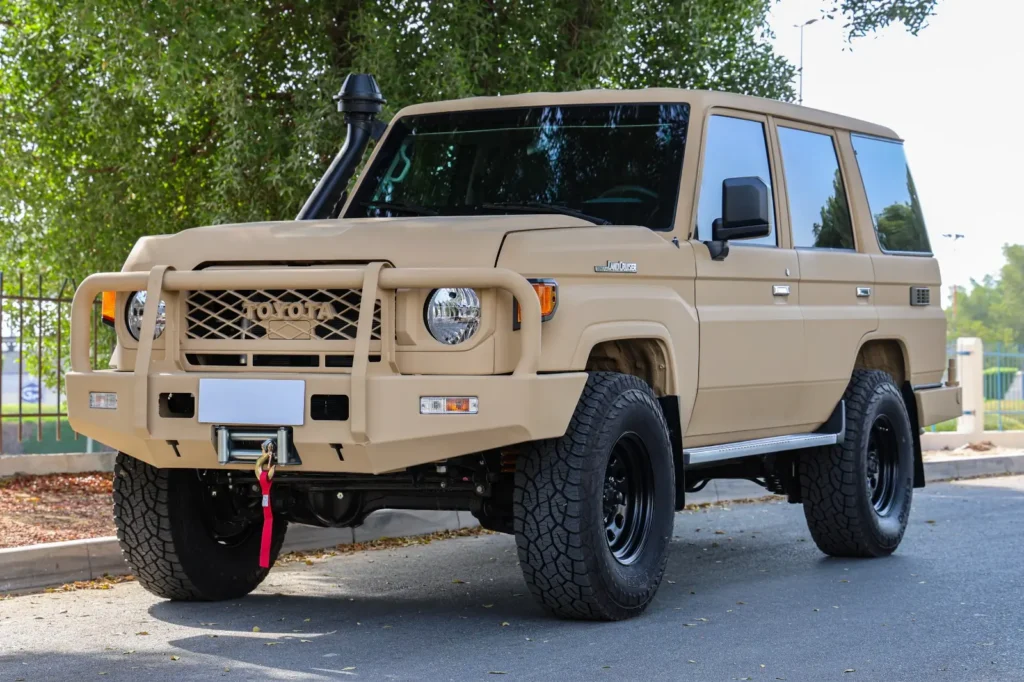
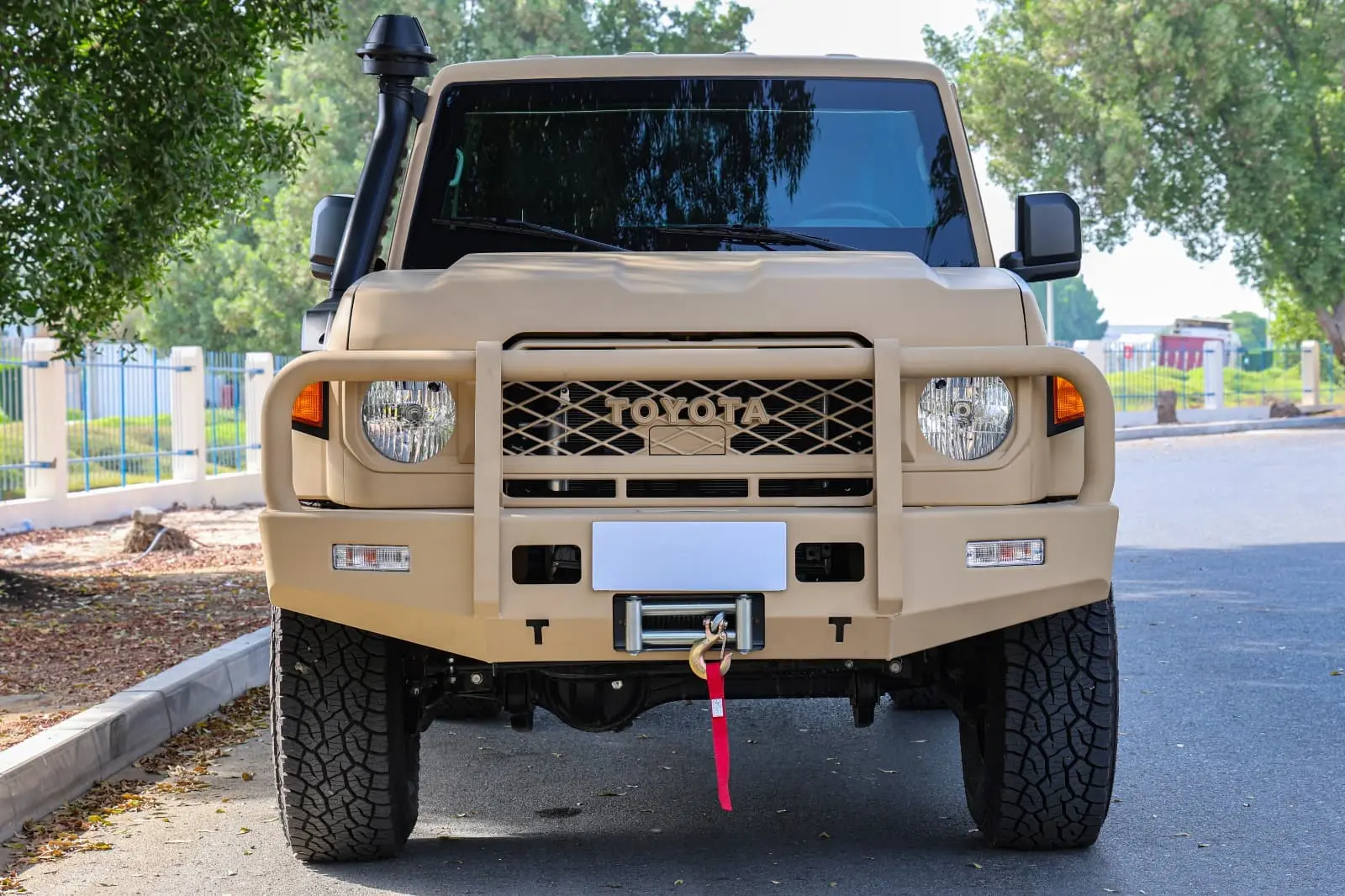
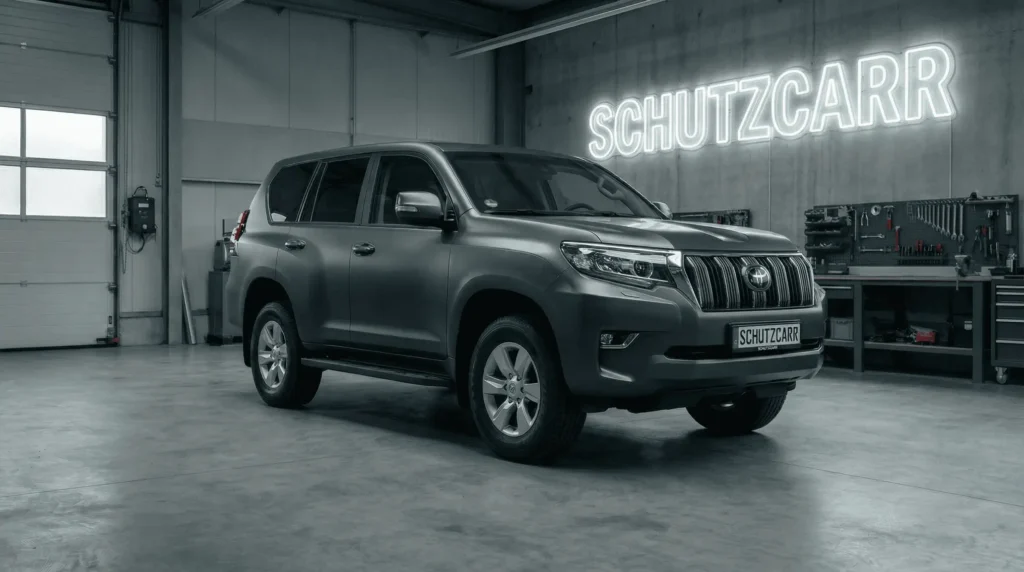
5. Case Study: When To Upgrade Armor Levels On The Toyota Land Cruiser 76
The Toyota Land Cruiser 76 is one of our signature armored platforms, and it provides a clear example of how and when to upgrade armor levels in a structured way. Many clients initially consider lighter protection, then shift to BR6 once they define long-term needs.
We integrate BR6 or B6 armor with a reinforced chassis and ballistic glass, so the level choice shapes the entire build from the start.
Assessing Whether BR6 LC76 Is The Right Upgrade
We usually discuss daily routes, typical usage, and service expectations before recommending BR6 on the LC76. If the risk profile suggests predominantly low-level threats with limited exposure, some clients decide that a lighter build is sufficient.
Once daily use patterns or duty cycles expand, however, stepping into BR6 on the LC76 can provide a more stable long-term baseline.
Why Timing The Upgrade Matters On This Platform
Switching from a non-BR6 LC76 to a BR6 build later requires deeper modifications than simply adding more panels. It may involve reworking the vehicle rather than just upgrading a kit.
This is similar to realizing halfway through a game expansion that you picked the wrong gear specialization, then needing to rebuild your kit from the ground up to reach the top tier efficiently.
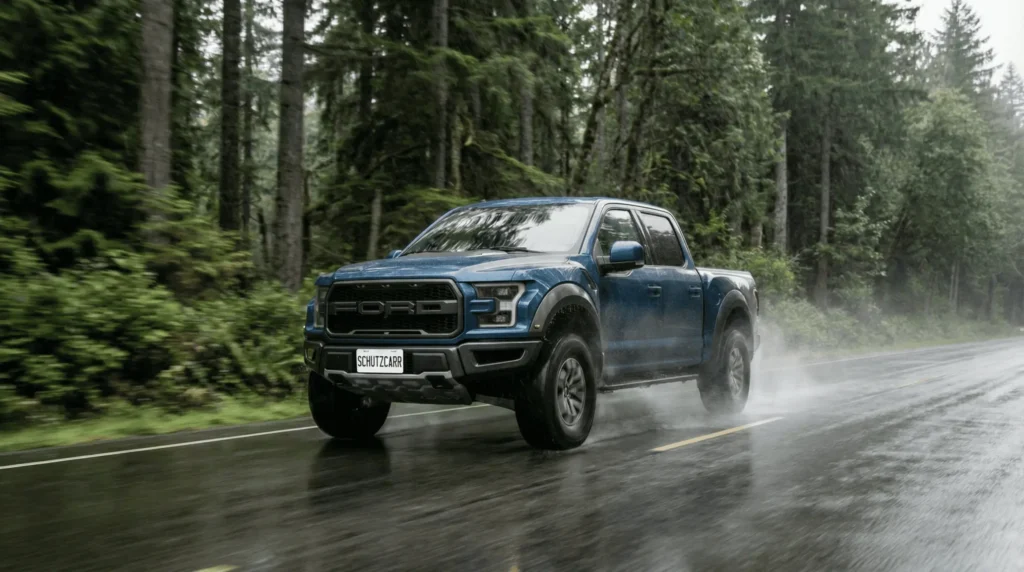
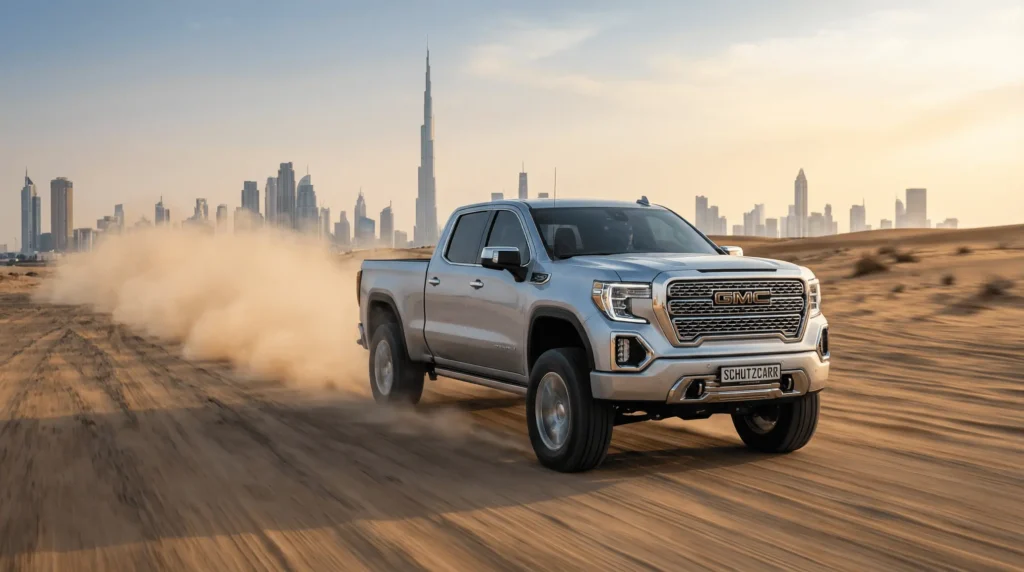
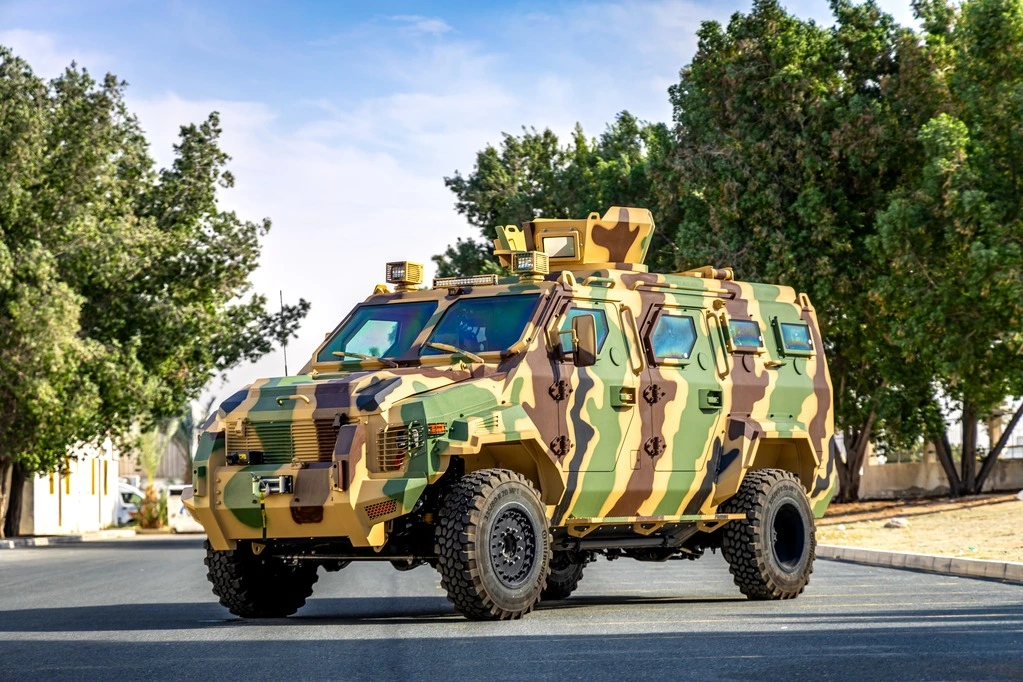
6. MRAP Platforms: When Higher Armor Levels Are Justified
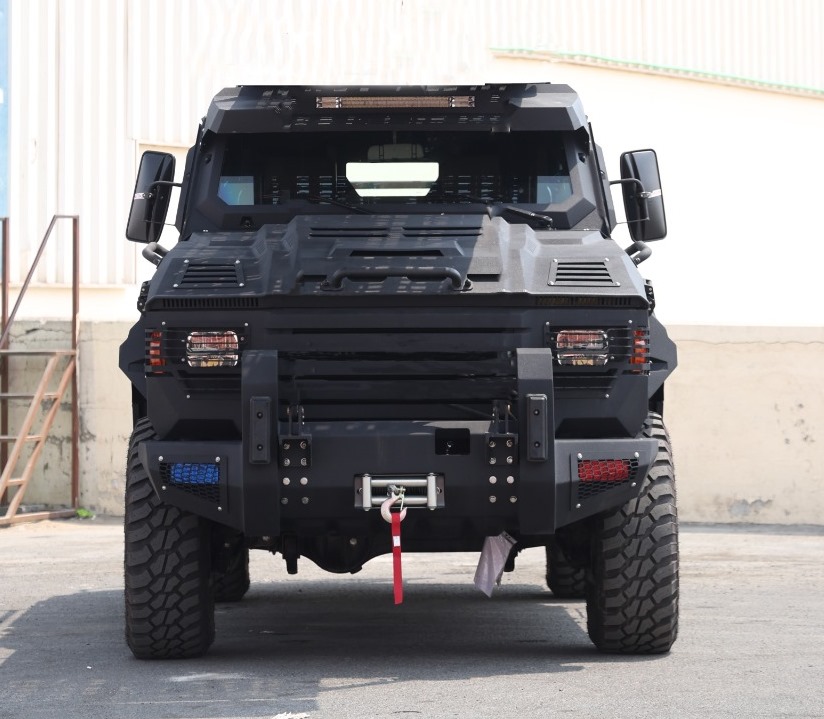
MRAP-style platforms represent a distinct category where higher armor levels pair with specialized underbody and structural design. These vehicles are built from the outset around heavy protection.
We use features such as V-hull underbody protection, energy absorbing floors, and higher ballistic ratings, which only make sense when the assessed risk clearly calls for that category of vehicle.
When To Shift From SUV To MRAP
The timing to step up from an armored SUV to a civilian MRAP typically comes when terrain, payload, or exposure make lighter platforms less suitable. At that point, the question is less about incremental armor level increases and more about selecting an entirely different platform class.
Just like moving from a mid-tier armor set to a fully new armor tier in a game, this step usually resets what you consider your base protection level.
Civilian MRAP Builds At SchutzCarr
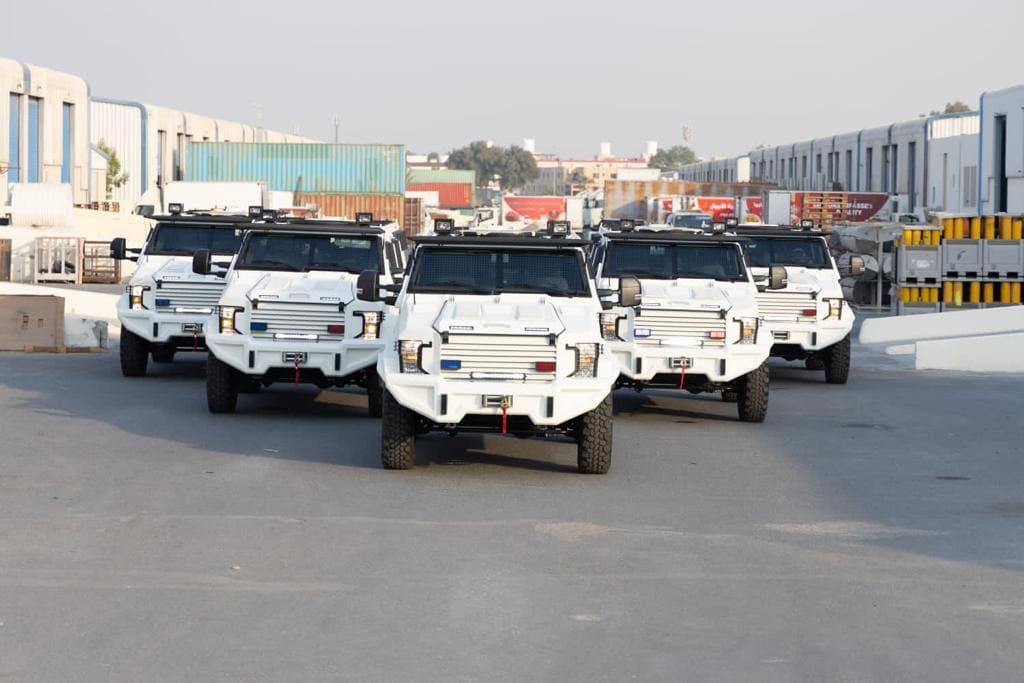
Our civilian MRAPs are road legal and designed to combine protection with reliability and occupant comfort. We integrate tested armor levels with structural elements rather than treat them as add-ons.
Clients usually explore these platforms when their operating environment and use cases exceed what typical SUVs can handle efficiently.
7. Long-Term Ownership: How Costs Influence When To Upgrade Armor Levels
In both games and real vehicles, upgrade timing is always constrained by resources. In real-world armored platforms, the key factors are lifecycle costs rather than in-game currencies.
Depreciation, fuel, maintenance, and insurance all change when you move to heavier armor levels, so we focus heavily on this during planning discussions.
Armor Level vs Total Cost Of Ownership
Each move upward in armor level increases weight, which can affect component wear, fuel usage, and service intervals. Those changes often outweigh the initial purchase decision over the life of the vehicle.
When a client asks whether to upgrade armor levels, we often run through multi-year ownership scenarios to show how the choice affects their fleet or individual vehicle.
Planning Armor Upgrades Over A Vehicle’s Lifecycle
One effective strategy is to choose an armor level that comfortably covers foreseeable needs rather than planning multiple future upgrades to the same unit. This reduces the risk of repeated structural modifications.
In practice, that may mean stepping directly to BR6 on a suitable platform rather than starting at B4 and adding reinforcements later.
Did You Know?
If you equip perfect gear across all five armor slots, you can reach roughly 515 total stats for your build, which is a useful ceiling to keep in mind before pouring resources into marginal armor upgrades.
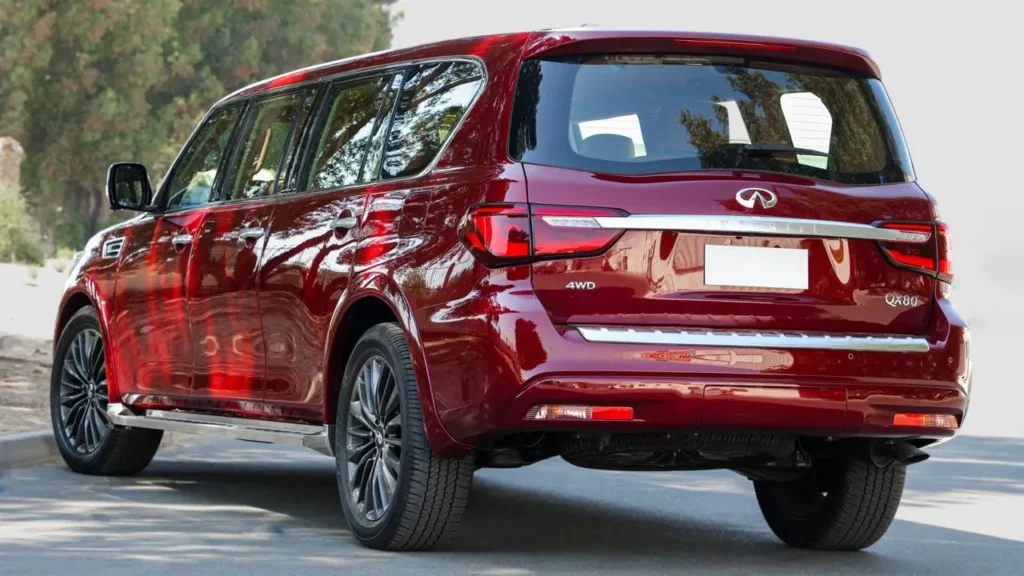
8. Discreet Sedans And Executive SUVs: When To Upgrade Armor Levels For Daily Use
Executives and private users often need protection that blends into regular traffic, so discreet sedans and SUVs play a major role. For these vehicles, the question is not only how high to go, but how visible the armor is.
BR6 is often a practical upper limit for truly discreet platforms, since higher levels tend to require more noticeable structural changes.
When Daily Use Justifies Higher Levels
If your routes, schedules, and exposure increase over time, a platform that started as a periodic-use B4 sedan may no longer be well matched to your needs. That is often the point when we discuss BR6 sedans or SUVs that remain visually understated.
We focus on build quality, suspension tuning, and glass clarity, since these strongly affect how the vehicle feels and appears in daily use.
Balancing Discretion With Protection
In many cases, clients prefer a discreet platform even if heavier armored trucks could support higher levels. We then work within that preference to identify the highest practical armor level that still preserves the look and handling they expect.
This echoes in-game choices where you might choose a slightly lower armor level to keep a favored playstyle instead of switching to a bulkier, less agile set.
9. Armored Trucks, APCs, And Specialized Platforms: When To Upgrade Armor Levels By Vehicle Type
Not every platform responds the same way to higher armor levels. Trucks, APCs, and specialized 4×4 builds bring different trade-offs compared to SUVs and sedans.
Because of that, the right moment to upgrade armor levels can differ significantly by vehicle type.
Armored Trucks And Secure Transport
Armored trucks often carry higher payloads and may justify heavier armor levels when logistics require it. The platform’s inherent strength can support armor upgrades with less compromise to dynamics.
We usually evaluate route conditions, loading patterns, and parking environments before recommending specific levels on truck platforms.
APCs And Multi-Role Platforms
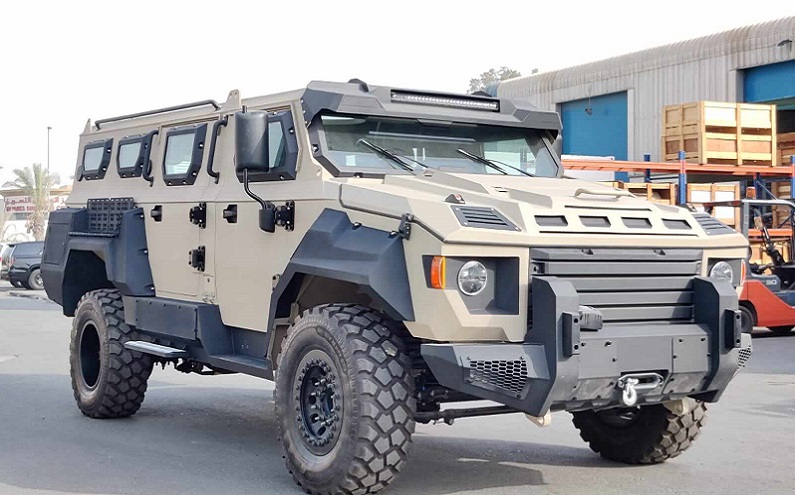
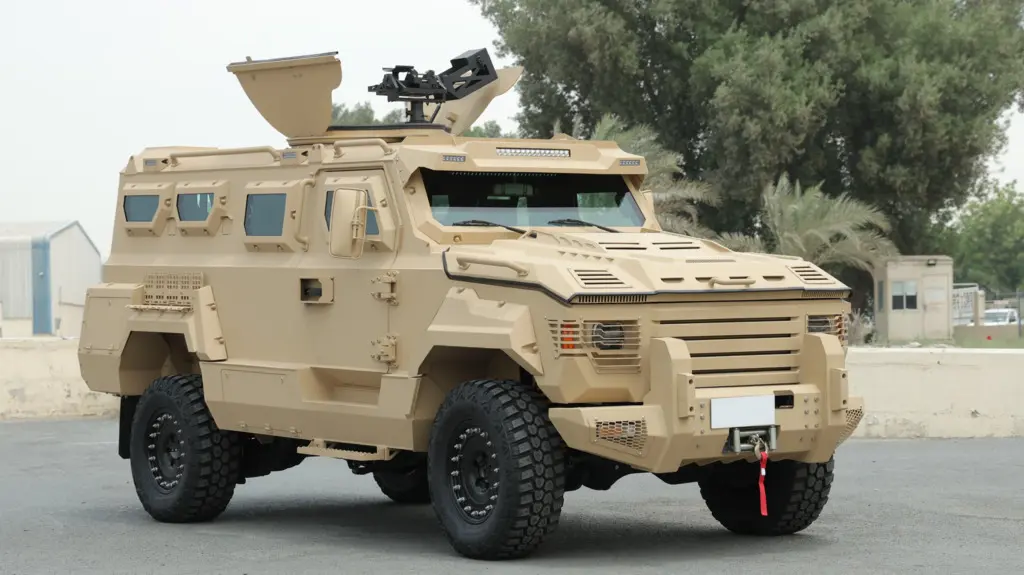
APC-style vehicles such as the APC MONO Q 4×4 or our various SAGIV-based builds are designed around heavier armor from the start. Upgrading armor levels here is mostly about aligning interior layout, payload, and external features with the desired rating.
These platforms behave more like endgame armor sets in a game, where you commit to a configuration and then fine tune around it rather than changing the core level frequently.
10. Practical Checklist: How To Decide When To Upgrade Armor Levels
To bring this together, it helps to use a clear checklist that works in both gaming and real-world contexts. The goal is to upgrade armor levels only when they genuinely change outcomes, not just numbers on a sheet.
Below is a concise framework we use when advising clients at SchutzCarr.
Five Questions To Ask Before Any Armor Upgrade
- Has the threat profile changed in a clear, documented way, or is this a precautionary idea?
- Will the upgrade move you to a new tested level (such as B4 to BR6), or is it a small incremental change?
- Can the current platform support the higher level efficiently, or would a different vehicle type be more appropriate?
- How will the higher armor level affect maintenance, range, and everyday usability over the next several years?
- Does the upgrade preserve the discretion, comfort, and handling that you or your passengers expect?
If you cannot answer these questions confidently, it is usually best to pause and clarify requirements before committing to a higher armor level. That pause often saves both resources in-game and lifecycle costs in the real world.
Conclusion
Knowing when to upgrade armor levels, in games and in real vehicles, is about timing improvements around clear thresholds instead of chasing small, expensive gains. Stat breakpoints, ballistic ratings, platform limits, and lifecycle costs all matter more than the label on a spec sheet.
If you are reviewing your current armored vehicle or planning a new build and want structured guidance on which armor level fits your needs, we are ready to help. You can reach our team directly through the SchutzCarr contact page at https://schutzcarr.shop/contact/ so we can walk through your requirements and outline suitable upgrade paths in detail.