
In recent years, civil applications such as VIP transport and cash-in-transit have accounted for several thousand armored vehicles worldwide, reflecting how armored mobility is no longer limited to public institutions. As a business that focuses on civilian and corporate protection platforms, we see private sector adoption of armored vehicles expanding across executive transport, security fleets, and specialized logistics. In this article, we share how organizations are using armored SUVs, sedans, pickups, and carriers, and how our own platforms at SchutzCarr fit into that shift.
Key Takeaways
| Question | Key Insight |
|---|---|
| How are private companies using armored vehicles today? | Most privately operated armored fleets support executive movement, secure logistics, and security operations. Our overview in Armored Car for Sale: Ultimate Buyer’s Guide breaks down typical use cases and vehicle categories. |
| Which armored platforms are most popular with private buyers? | Private buyers frequently select SUVs, sedans, and pickups that blend into everyday traffic. Our Best Armored SUVs for Civilian Use guide highlights commonly chosen BR6 SUV platforms. |
| What protection levels do private sector users usually consider? | Many corporate and personal users focus on mid to high ballistic classes that balance daily usability with meaningful protection. We explain typical B4 to B7 choices in our article on Ballistic Protection Levels Explained. |
| Are there discreet options for executive transport? | Yes. Discreet sedans and luxury SUVs maintain a conventional appearance while incorporating certified armoring. Our comparison of Discreet Armored Sedans for Executives shows how executives prioritize low‑profile protection. |
| Can organizations source ready‑stock armored vehicles? | Some fleets prioritize platforms that are already built, tested, and documented. Our Armored Vehicles category aggregates current SUVs, pickups, APCs, and sedans that we hold in stock or highlight for rapid allocation. |
| Do buyers always need a new build? | Not always. In certain cases, organizations adapt existing internal procedures around pre‑owned or stock vehicles that already carry certified protection. Our region‑specific page for Armored Vehicles in Rwanda illustrates how localized stock pages can support that approach. |
| Where can companies start if they are new to armored mobility? | Most start with platform selection, threat assessment, and protection class decisions. Our main hub at SchutzCarr Armored Vehicles consolidates guides, example builds, and contact paths for structured decision‑making. |
1. How Private Sector Adoption of Armored Vehicles Is Evolving
Private sector interest in armored vehicles now spans executive protection services, cash‑in‑transit work, and corporate security fleets. As part of that ecosystem, we observe that companies no longer view armored platforms as niche assets, but as planned components of broader risk management programs.
Globally, commercial armored applications already include many thousands of vehicles, with armored SUVs and executive sedans operating daily in civilian traffic across a wide range of environments. This scale reflects mainstream use in tasks such as airport transfers, board‑level mobility, and secure movement of personnel in higher‑risk areas.
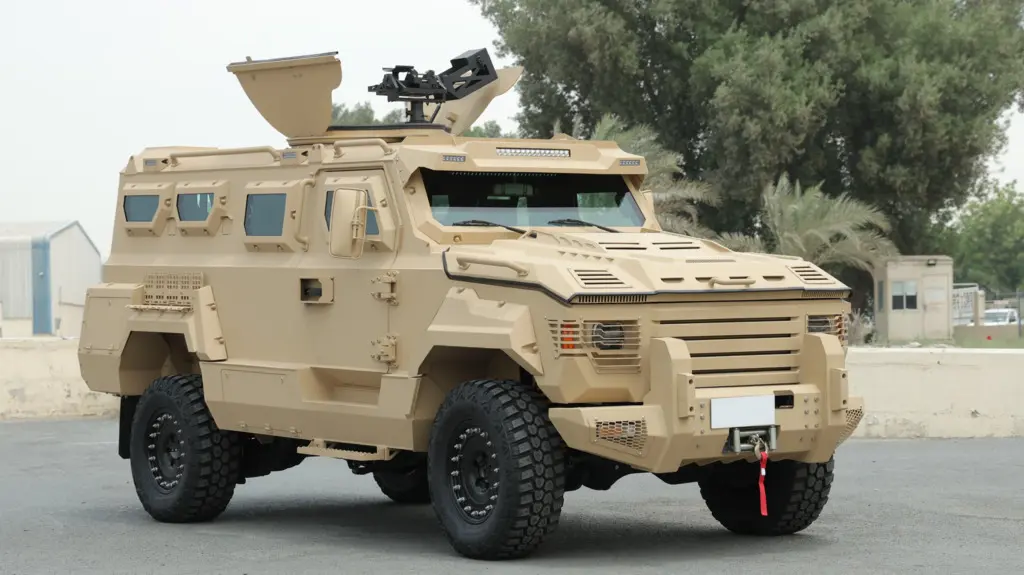
In our work, we see three main drivers behind private adoption: organizational duty of care to staff, growing professional private security markets, and a preference for structured, documented risk controls. Armored vehicles fit naturally beside access control, surveillance, and personnel training in that framework.
2. Ballistic Protection Levels: What Private Buyers Actually Use
When private organizations consider armored vehicles, the discussion usually starts with ballistic protection levels. Industry standards often refer to classifications such as B4 through B7 or BR6 and BR7, which indicate tested resistance levels of opaque armor and transparent materials.
In everyday private use, many executive and corporate fleets converge around mid‑to‑high ballistic classes that allow vehicles to remain drivable, serviceable, and discreet while offering structured protection. These classes guide decisions on glass thickness, armor layout, and supporting upgrades such as suspension and braking.
For us as builders, the protection class is not a marketing label, but a design constraint that shapes weight, handling, and maintenance requirements. Clear conversations around realistic exposure help private buyers align with an appropriate class and avoid over‑ or under‑specification.
3. Executive & Corporate Demand: Sedans and SUVs in Daily Use
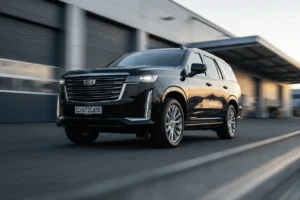
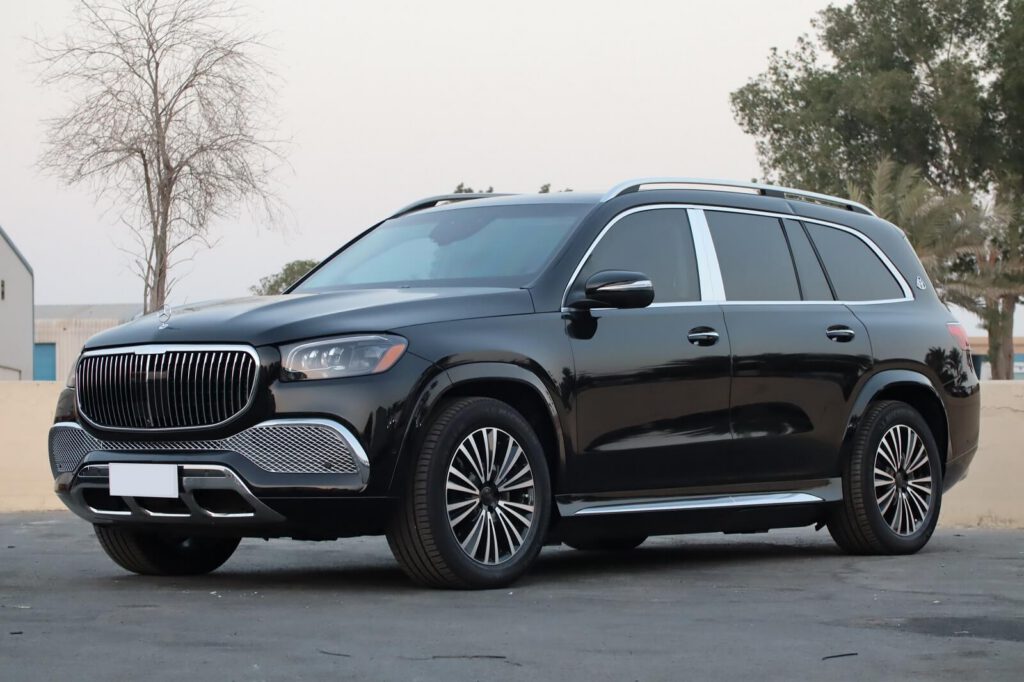
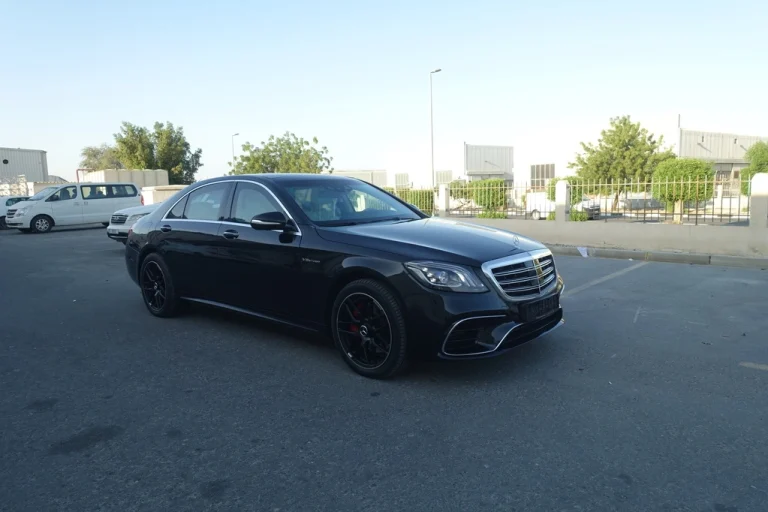
Executive mobility is one of the most visible areas of private sector adoption. Many leadership teams travel in armored sedans and SUVs that intentionally resemble their non‑armored counterparts so that they blend in while providing structured protection.
Globally, VIP protection services represent a multi-billion-dollar market, with executive drivers and protected transport forming a growing share of private security operations. Armored vehicles sit at the center of those programs, as they help organizations manage journeys that would otherwise depend only on routing and scheduling.
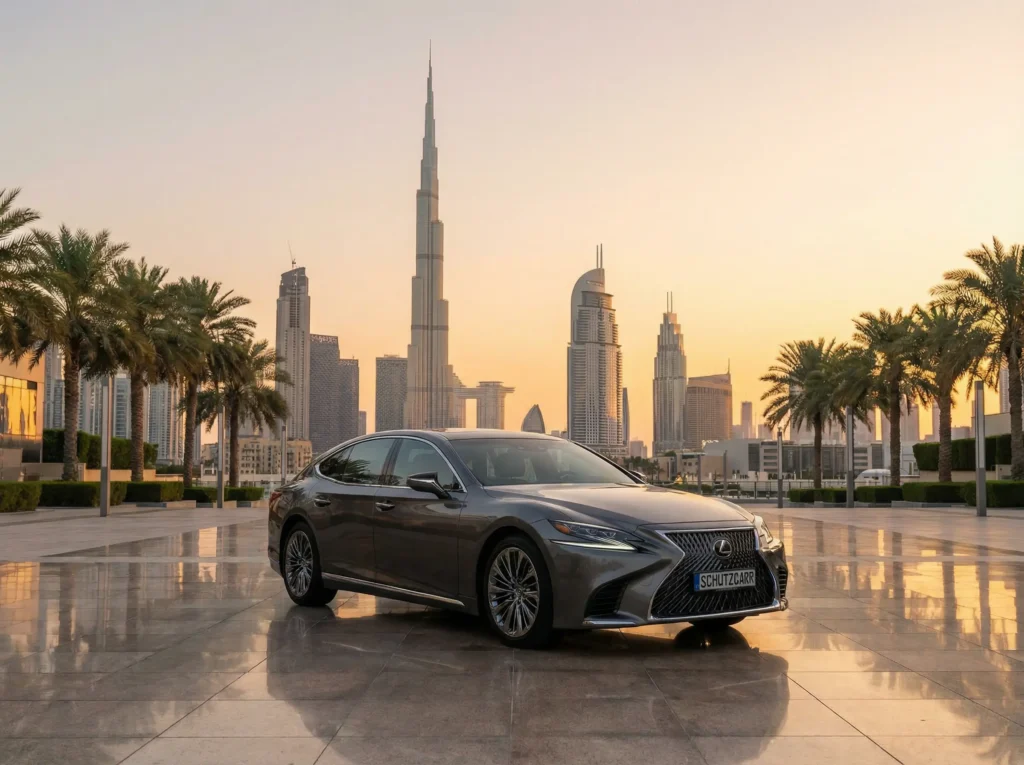
Discreet Armored Sedans for Executives
On our Discreet Armored Sedans for Executives: Real‑World Comparison Guide, we compare sedans and SUVs that maintain a familiar appearance while integrating BR6 or BR7 protection packages. These platforms are popular with boards, senior leadership, and visiting delegations.
Private buyers emphasize three qualities in executive vehicles: low visual profile, comfortable interiors suitable for work on the move, and credible certification of the underlying armoring. Our role is to help match platforms to these expectations while keeping the vehicle’s external appearance as standard as possible.
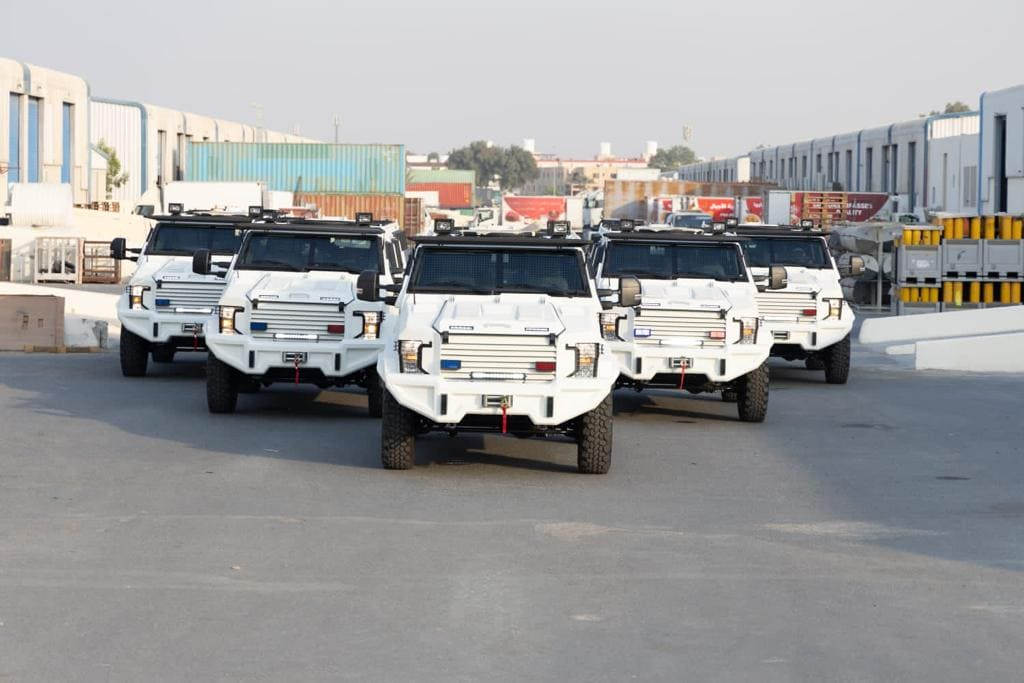
Did You Know?
Commercial armored car fleets have experienced significant growth in unit deliveries in recent years, highlighting how quickly private organizations are expanding their protected-transport capabilities.
4. Best Armored SUVs for Civilian & Corporate Use
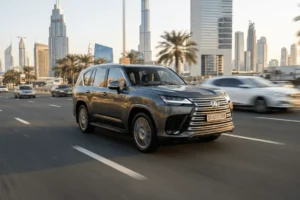
SUVs occupy a central place in private armored fleets because they offer interior space, suspension capacity, and all‑terrain capability that pair well with integrated armor. On our dedicated guide to the 10 Best Armored SUVs for Civilian Use, we compare multiple platforms with BR6 configurations that many corporate buyers prefer.
Across these models, private users focus on reliability, service networks, and how unobtrusive the vehicle appears in typical urban and suburban environments. Fleet managers often favor platforms that are common in their region, which simplifies maintenance and avoids drawing attention.
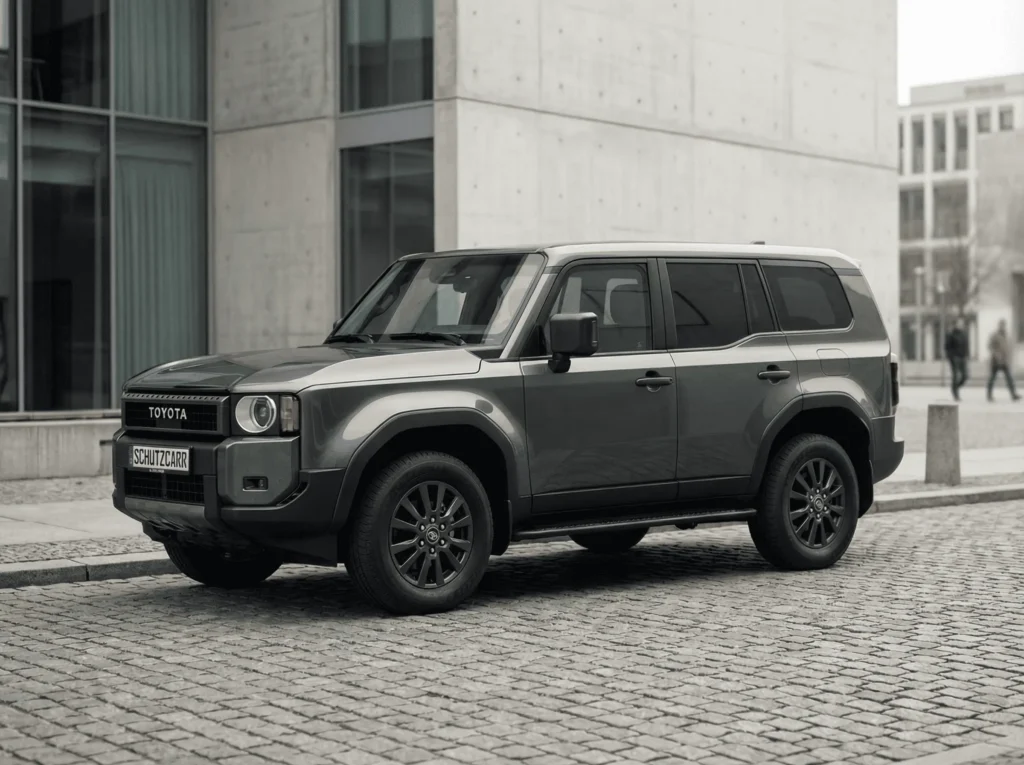
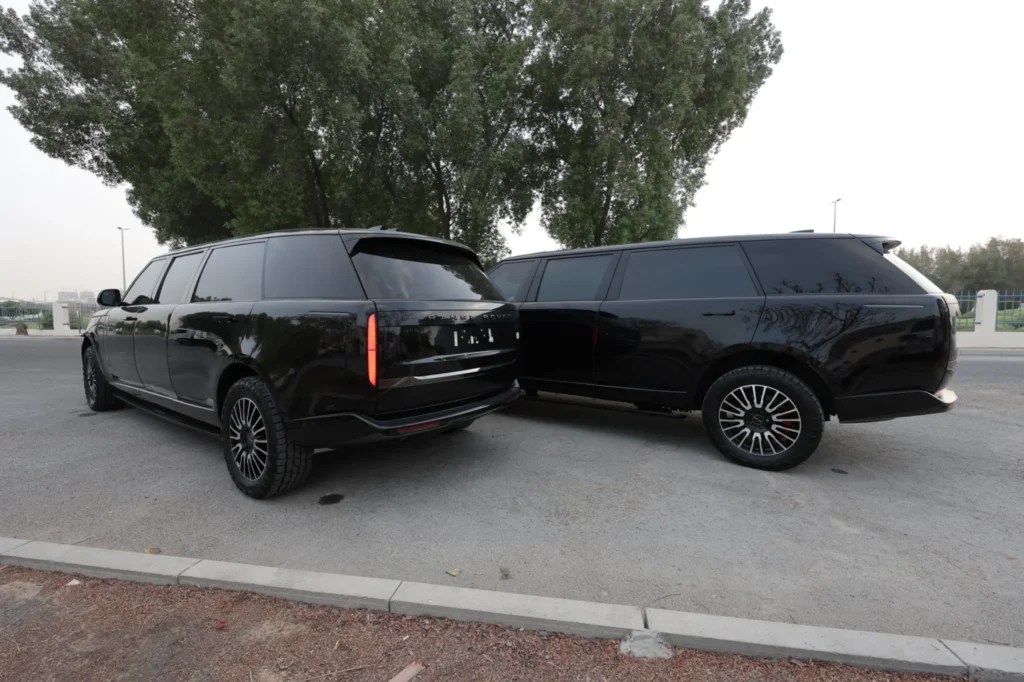
Range Rover, Land Cruiser 300 & Infiniti QX80 BR6 Builds
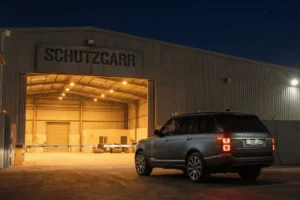
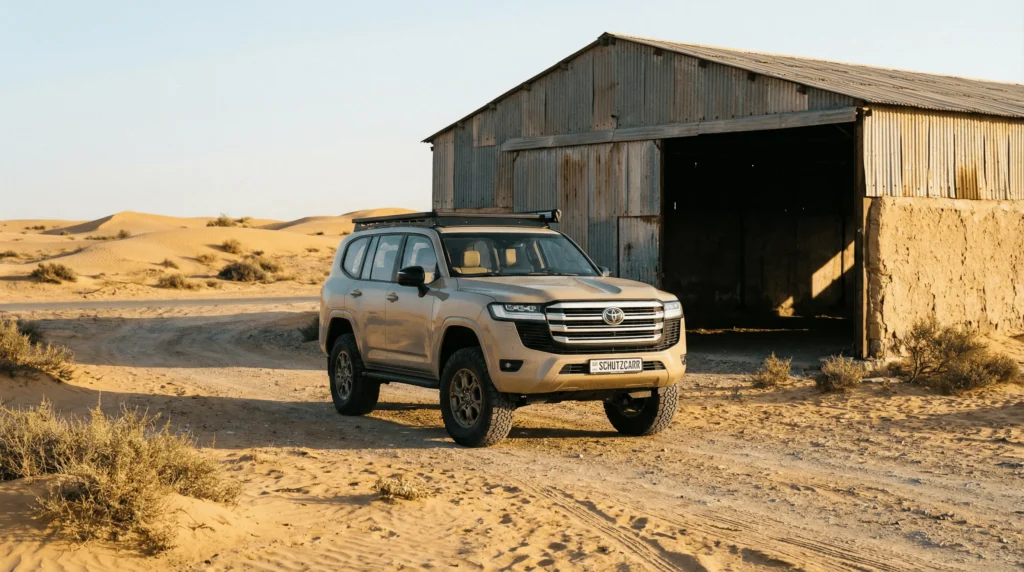
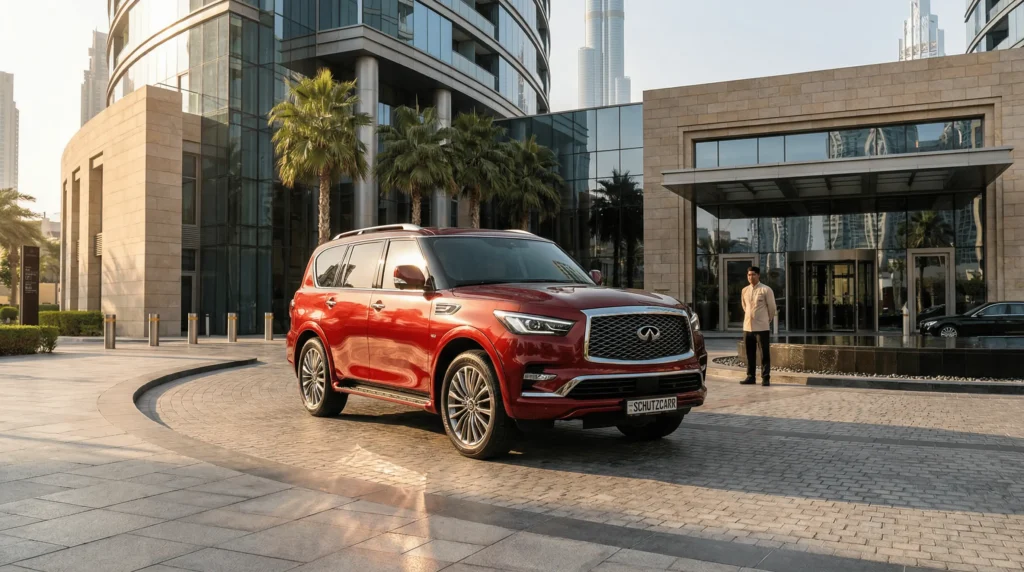
We showcase several popular SUV builds that align with private sector demand. The Range Rover BR6 Extended, the Toyota Land Cruiser 300 BR6 Extended, and the Infiniti QX80 4WD BR6 Extended each target executive and family use where discretion matters.
These platforms use factory SUV bodies coupled with hidden armor, upgraded suspension, and re‑engineered openings such as doors and tailgates. They are particularly common where organizations need to transport leadership teams and guests through mixed urban and rural environments.
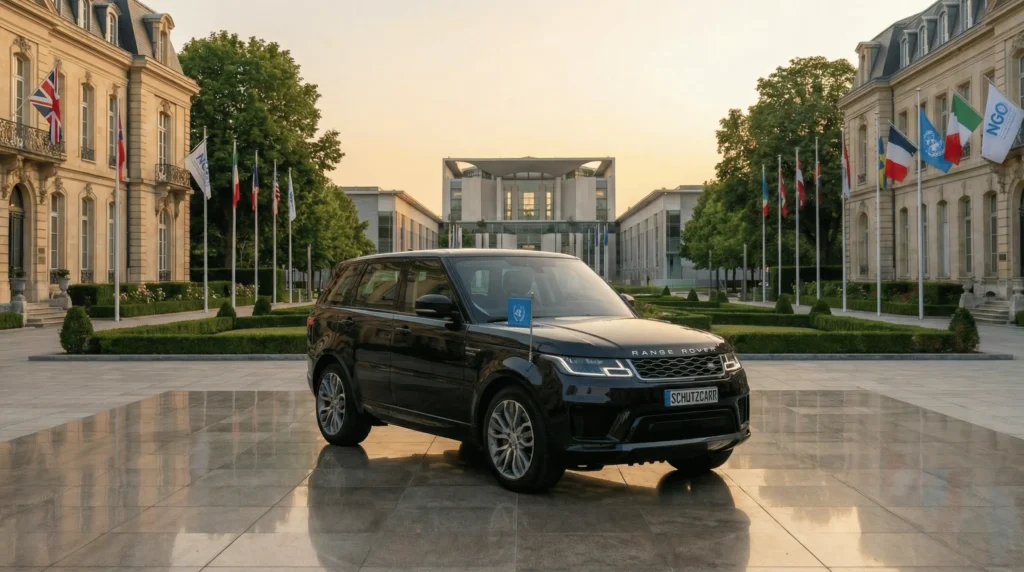
5. The Armored Toyota Land Cruiser 76: A Private Sector Workhorse
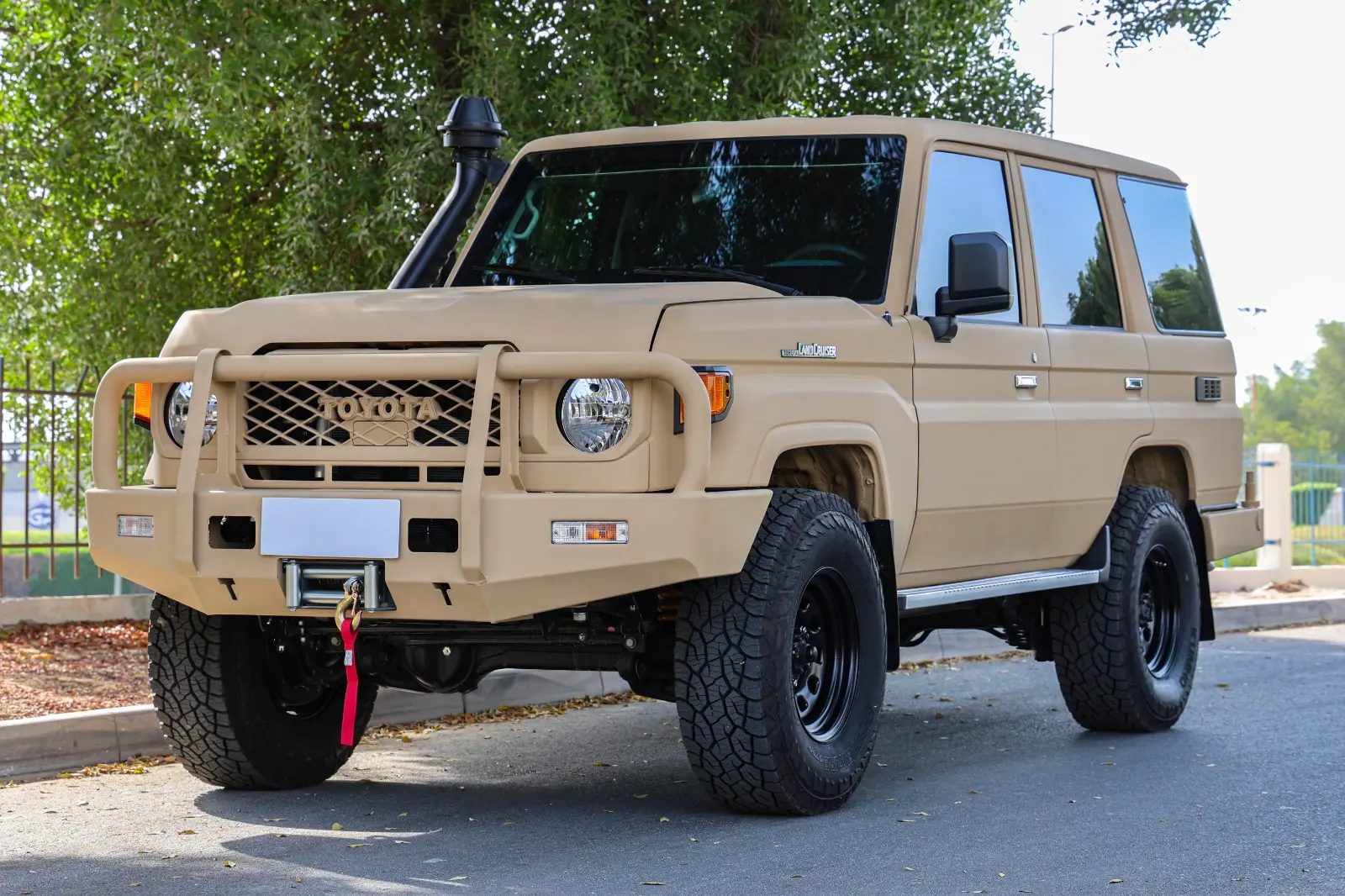
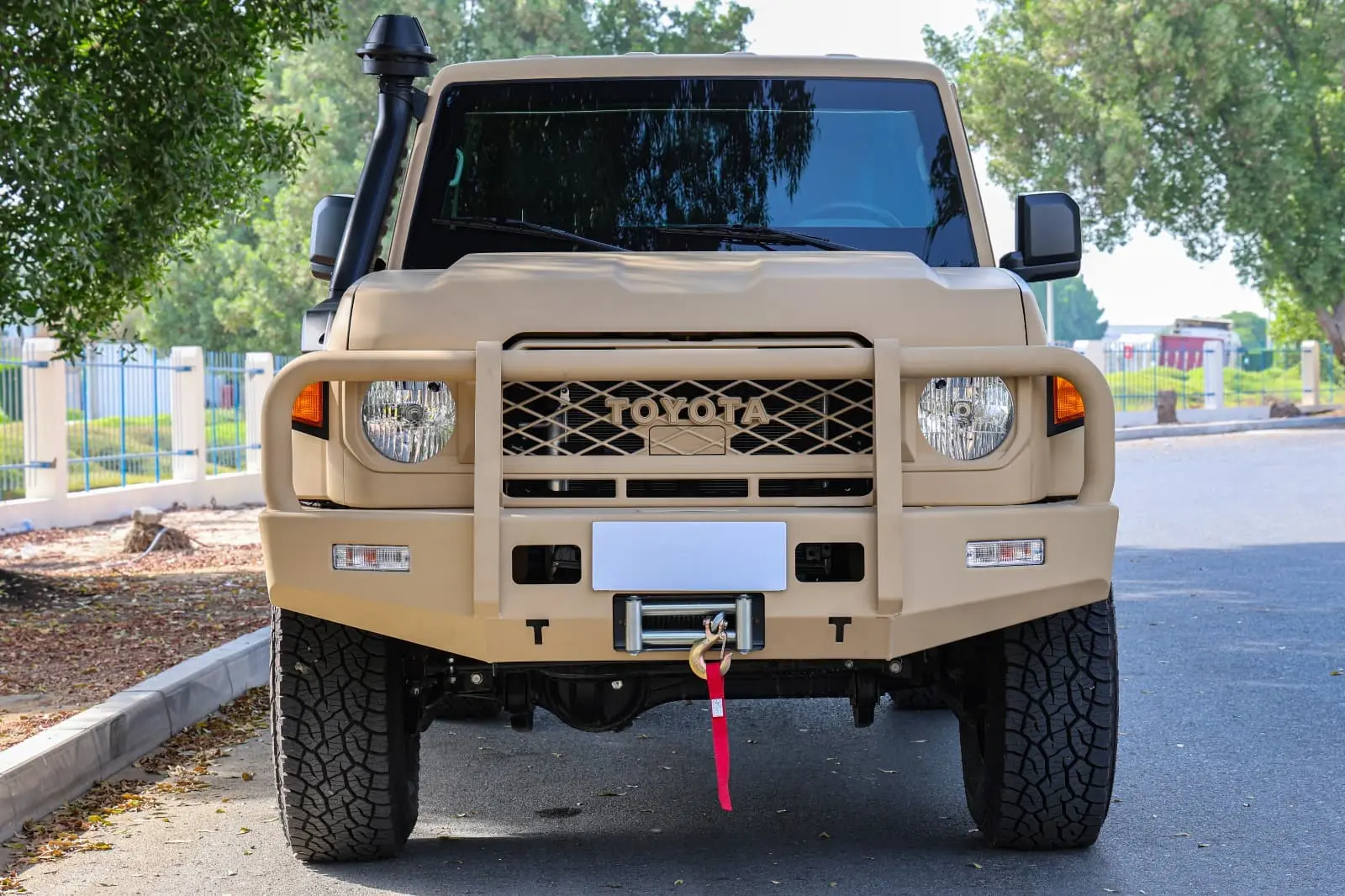
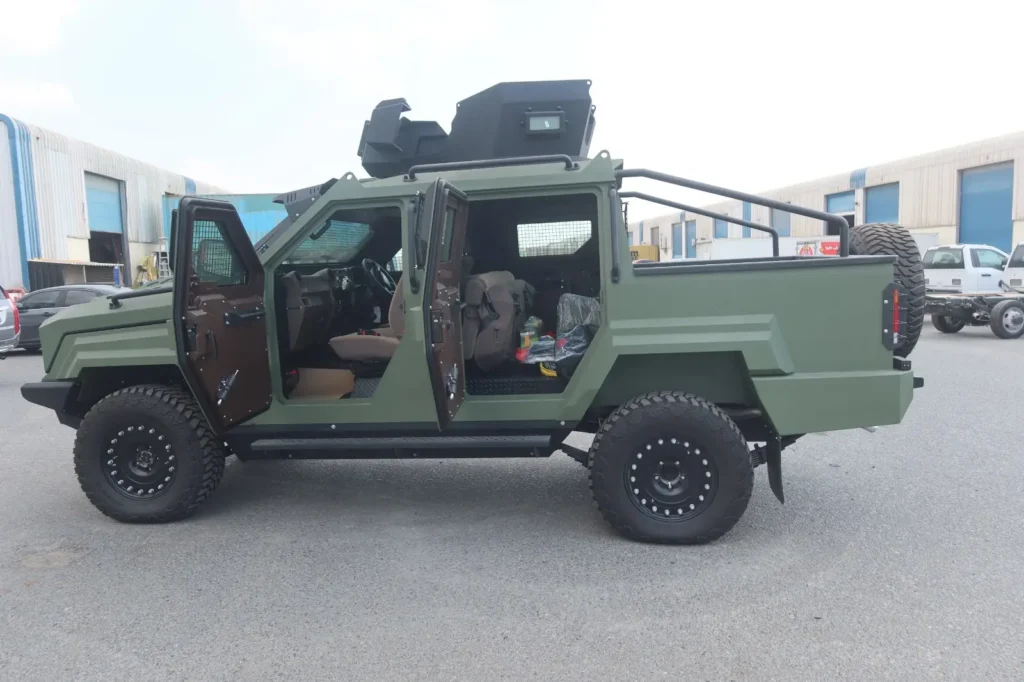
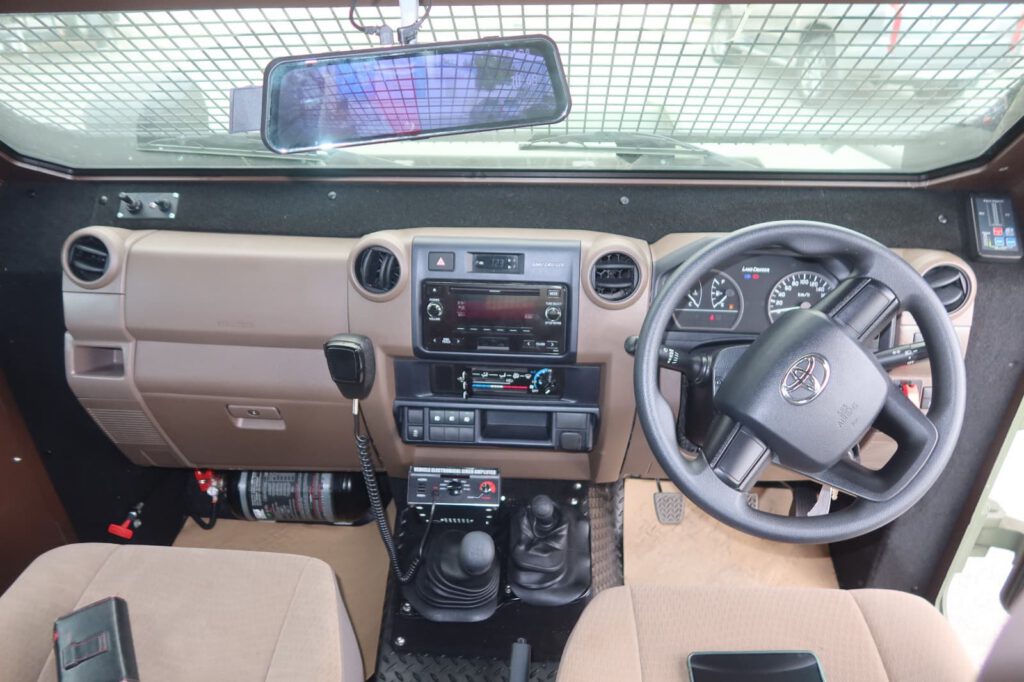
Among private security fleets, the armored Toyota Land Cruiser 76 frequently appears as a practical, high‑duty platform. On our product page for the Armored Toyota Land Cruiser 76, we describe how we configure this model with BR6 or BR7 protection while preserving its well‑known mechanical durability.
Organizations choose the LC76 when they require a vehicle that can operate in demanding terrain yet remain simple to maintain over long deployment cycles. For many private operators, this platform forms the backbone of convoy or escort fleets that accompany executive SUVs or carry security staff.
Engineering Approach to the LC76
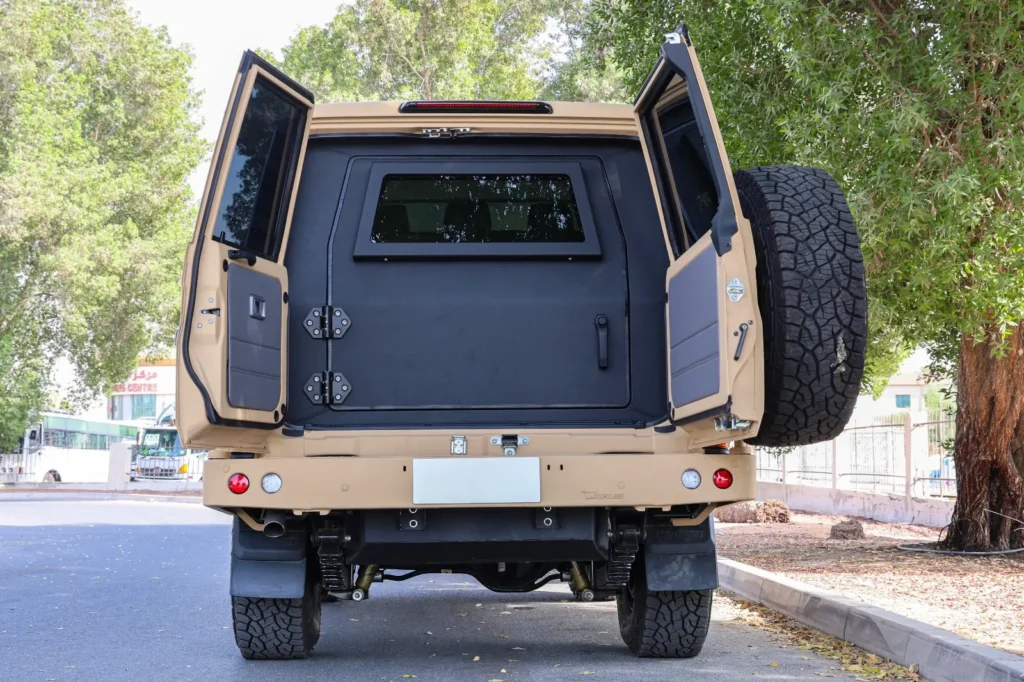
Our LC76 builds involve chassis reinforcement, integrated armor capsules, and ballistic glass that fits the original openings. We design the package so that door operation, seating configuration, and cargo access remain practical for everyday use.
For private buyers, this combination of ruggedness and structured protection helps create a dependable asset that can support security teams, transport staff, or act as a primary vehicle in more remote operations.
6. MRAPs and APCs in Civilian & Commercial Roles
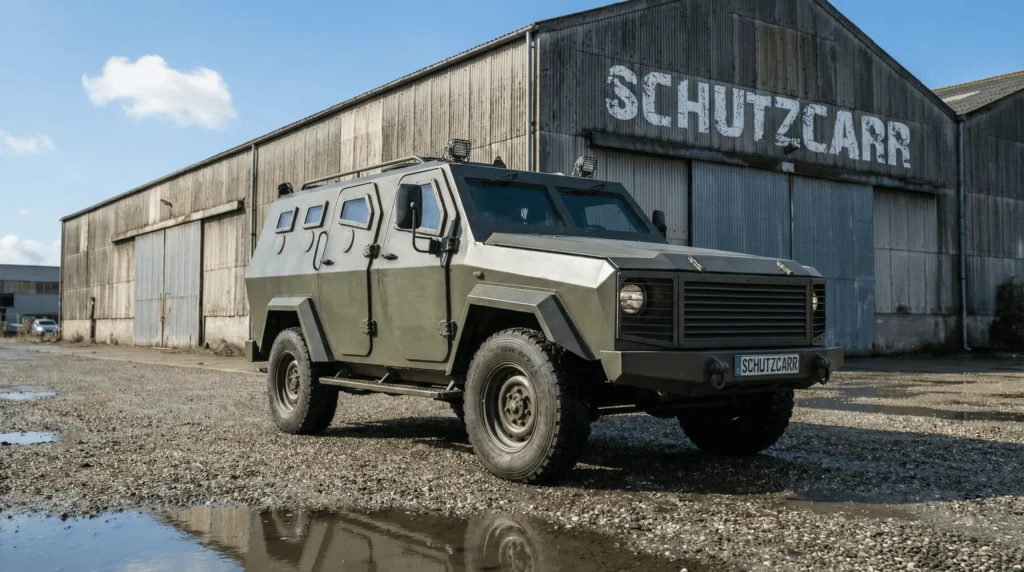
Not all private sector armored vehicles are SUVs and sedans. In civilian and commercial contexts, higher-capacity armored platforms are adapted specifically for protected transport, logistics, and group movement rather than any tactical or combat use. Some organizations rely on these vehicles to move personnel safely and predictably through higher-risk environments.
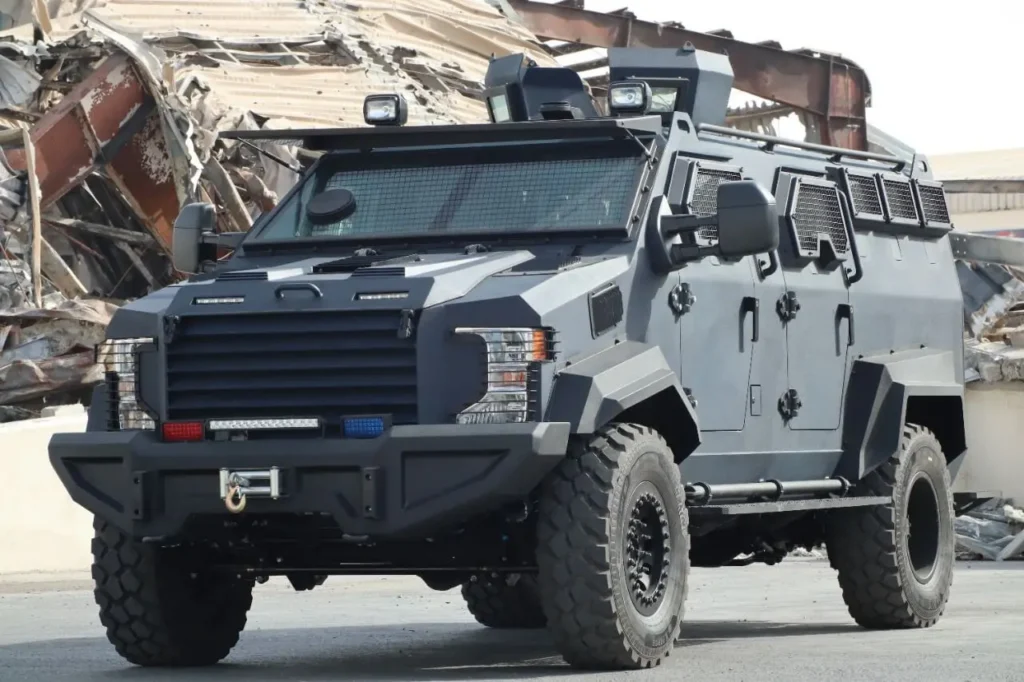
Our page on MRAPs for Civilian Armored Protection introduces how we adapt these platforms for road‑legal private use. The focus is on occupant survivability, seating capacity, and stability rather than aggressive features.
APC Platforms such as SHARK, MONO Q, and GER 1D
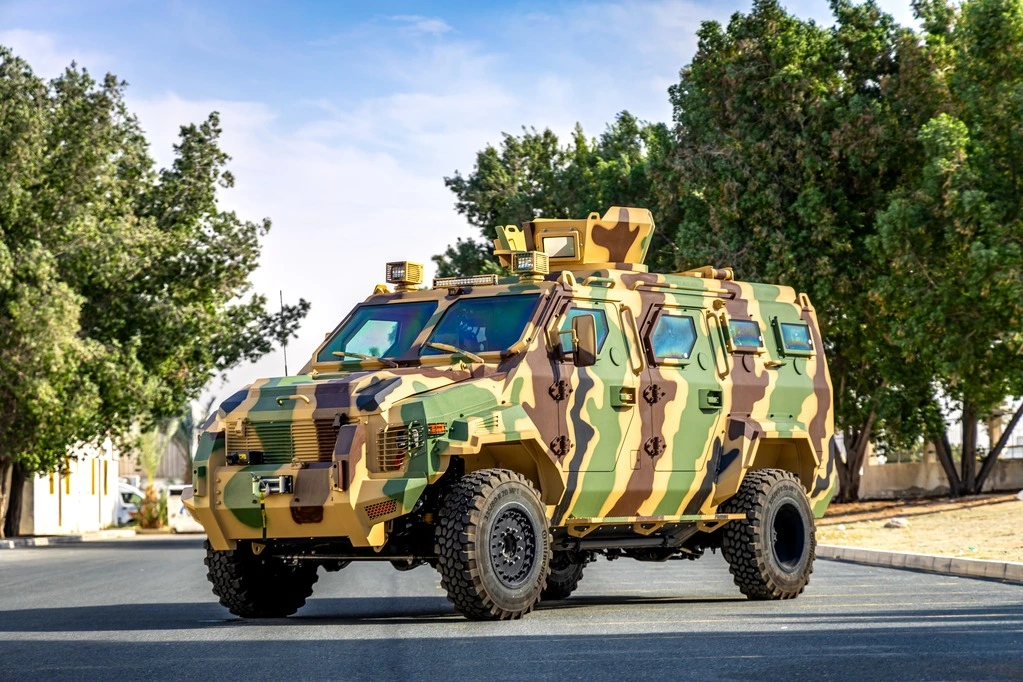
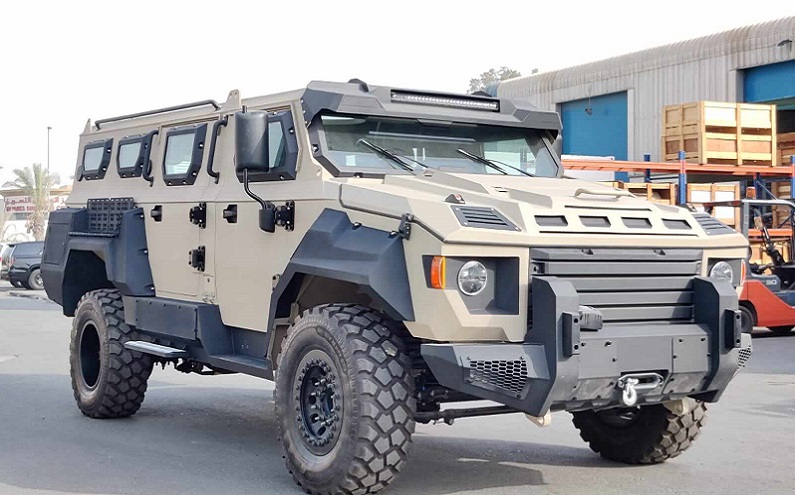
Within our portfolio, platforms like the APC SHARK, APC MONO Q 4×4, and GER 1D appear in private sector contexts where organizations need to move teams together with consistent protection. Typical deployments include group transport for staff, technicians, or support teams traveling through higher‑risk corridors.
In these cases, buyers ask us to prioritize ergonomic seating, safe ingress and egress, and straightforward maintenance routines. The goal is a predictable, well‑documented asset that integrates into broader fleet management systems.
7. Pickup‑Based Platforms and Cash‑in‑Transit Solutions
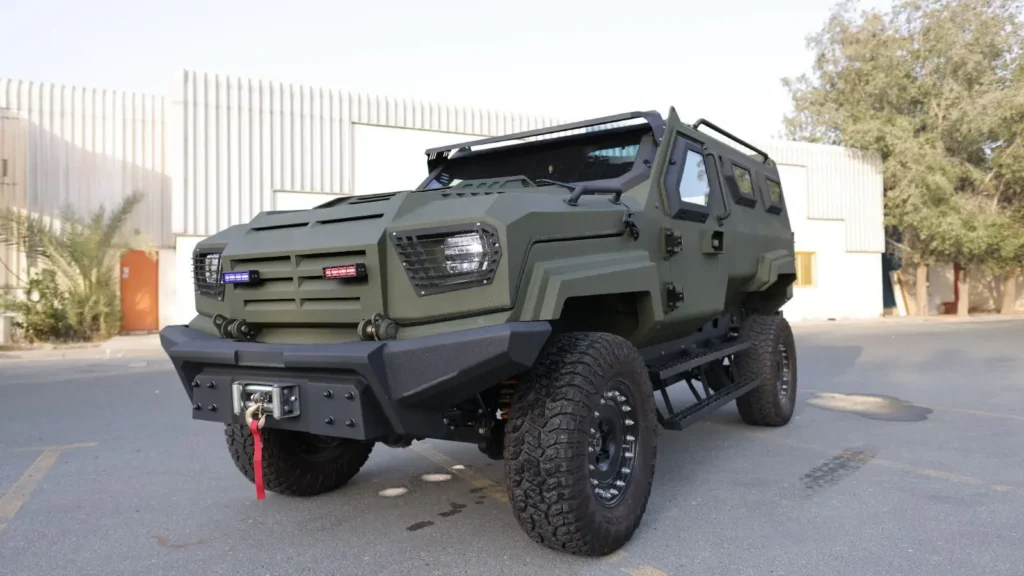
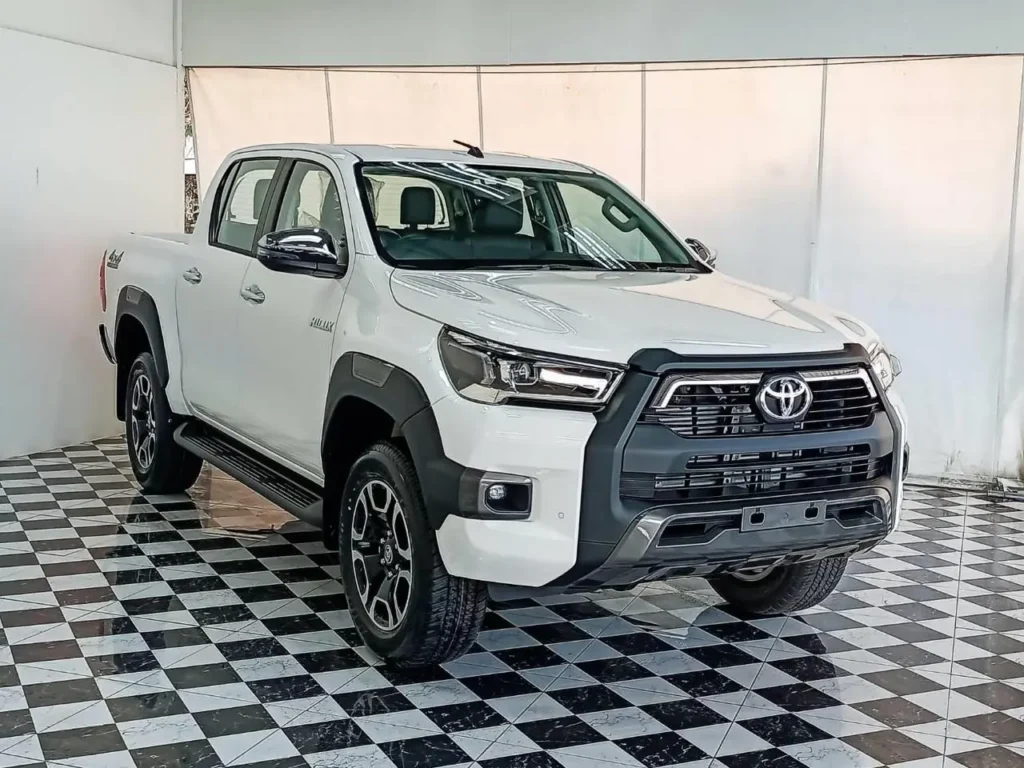
Pickups and light trucks provide a useful base for private armored builds, especially where organizations manage logistics, technical teams, or cash‑in‑transit work. Their chassis and axle capacity support armor integration while leaving practical cargo space.
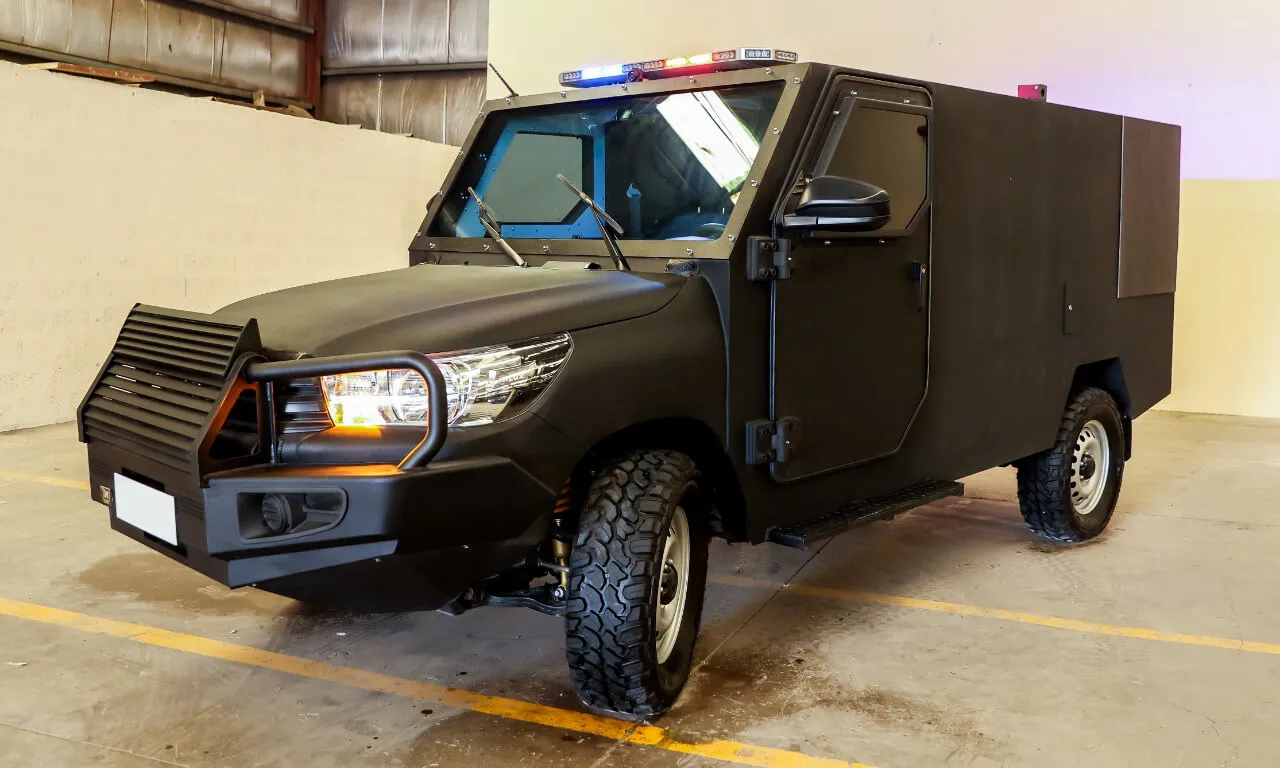
On our main site, we highlight armored pickups and cash‑in‑transit bodies that combine discrete profiles with specialized rear compartments. These vehicles are common across commercial fleets that move valuables or critical equipment along established routes.
Armored Cash‑in‑Transit Bodies
In addition to general pickups, some buyers seek dedicated cash‑in‑transit designs that feature reinforced cargo areas, specialized access points, and internal separation between crew and cargo. We configure these builds around predictable routes and clear operational procedures provided by the client.
Across all these platforms, our emphasis remains on structural integrity, tested armor layouts, and clear documentation that fleet managers can integrate into their compliance and safety records.
Did You Know?
Global commercial armored applications span many thousands of vehicles, including substantial numbers of cash-in-transit vans and armored SUVs or executive sedans operating in private and commercial roles.
8. Regional Adoption and Localized Stock Examples
Private sector adoption patterns differ by region, which is why we maintain localized pages such as our overview of Armored Vehicles for Rwanda and Surrounding Markets. These collections display a cross‑section of APCs, SUVs, and executive vehicles that reflect demand profiles in specific areas.
Regional buyers often look for a mix of high‑capacity APCs alongside familiar SUV platforms like the Land Cruiser or Infiniti QX80. This combination allows them to support both group transport and individual executive trips without operating unfamiliar brands or configurations.
Mixed Fleets: APCs, SUVs, and Executive Vehicles
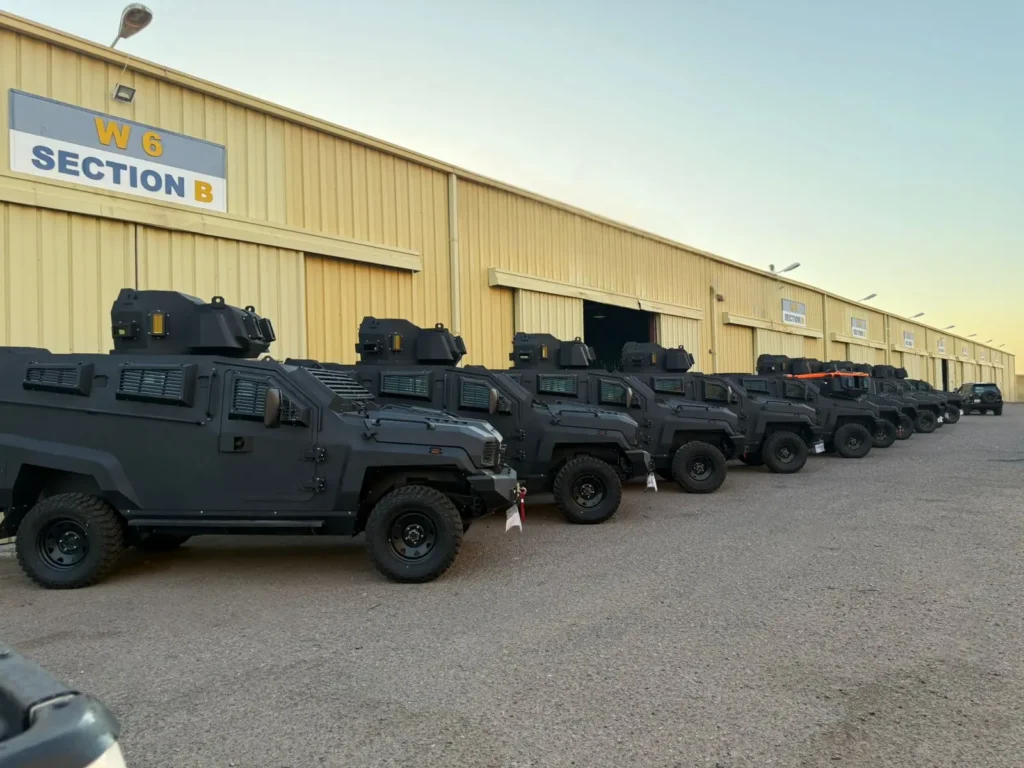
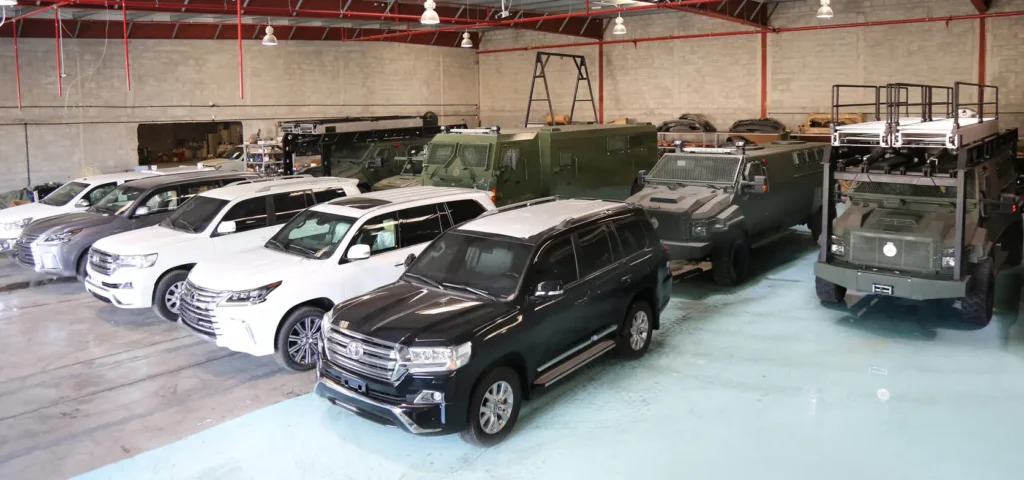
On our regional pages, we frequently show mixed fleets including APCs like the Merkava SAGIV and MONO Q, alongside SUVs such as the Land Cruiser 76 and luxury crossovers. This reflects how private operators combine different platforms in a single security or logistics plan.
By publishing these collections, we give buyers a realistic picture of what balanced fleets look like, making it easier for them to specify vehicles that align with local infrastructure, fuel availability, and service capabilities.
9. How Private Buyers Choose Platforms and Protection Levels
From our perspective, private sector adoption is healthiest when it starts with structured needs analysis rather than a focus on specific models. That is why our Armored Vehicles Stock pages and guides are designed to help buyers compare use cases, capacity requirements, and protection classes side by side.
Typical decision criteria include passenger count, required discretion, road conditions, maintenance capabilities, and internal risk policies. Executive sedans may be ideal for low‑profile urban work, while LC76 platforms or APCs better support more demanding environments.
Support for First‑Time Buyers
Many private organizations come to armored vehicles for the first time and need guidance on trade‑offs between sedans, SUVs, pickups, and APCs. We respond with transparent explanations of platform strengths and operational implications rather than steering them toward a single default choice.
By aligning the vehicle choice with the organization’s actual movement patterns and risk profile, we help them treat armored assets as part of long‑term planning rather than isolated purchases.
10. Integration with Private Security Ecosystems
Private sector adoption of armored vehicles does not happen in isolation. It connects directly with private security services, executive protection teams, and in‑house risk management structures. The private security market itself represents a very large global industry, with corporate buyers accounting for a significant share of long-term service contracts.
Armored vehicles, in this context, function as mobile components of an organization’s security posture. They complement physical security at offices and facilities, and they provide continuity of protection during journeys where exposure is hardest to control.
Fleet Coordination and Long‑Term Planning
We encourage clients to treat armored vehicles as part of multi‑year plans that cover driver training, maintenance schedules, and refresh cycles. This involves collaboration between security, fleet management, and finance teams within the organization.
By taking a long‑term approach, private buyers avoid ad‑hoc acquisitions and instead build coherent fleets that their teams know how to operate, monitor, and maintain in a controlled way.
Conclusion
Private sector adoption of armored vehicles has grown into a structured, global practice that spans executive sedans, luxury SUVs, workhorse pickups, and high‑capacity APCs. As part of that landscape, we focus on engineering, certification, and guidance that help organizations integrate these vehicles into wider security and mobility plans.
Whether a company considers a discreet BR6 SUV, a fleet of Land Cruiser 76 units, or a dedicated APC for group transport, the underlying questions are similar: what are the realistic risks, how should protection classes be selected, and how will these assets fit into long‑term operations. By addressing those questions openly, we and our clients work together to build armored fleets that are practical, documented, and aligned with genuine needs rather than trends.