
BR6 and BR7 might look like a small step apart on paper, yet they represent a major jump in real-world implications, especially since BR6 is commonly tested against 7.62×39 and 7.62×51 ball ammunition, while BR7 is tested against 7.62×51 armor piercing rounds. Understanding that gap is essential before specifying any armored SUV, truck, or APC with SchutzCarr.
Key Takeaways
| Question | Answer |
|---|---|
| What is the core difference between BR6 and BR7 armor? | BR6 is designed for high-powered rifle ball rounds, while BR7 targets higher penetration armor piercing threats, which changes weight, platform choice, and daily usability. |
| How does BR6 vs BR7 affect SUV choices like LC76 and LC300? | Rugged ladder-frame platforms such as the Land Cruiser 76 and 300 are often selected because they handle added mass from BR6 and potential BR7 upgrades more comfortably, as explained in our comparison of Land Cruiser 76 versus 300 GXR. |
| Is BR7 always “better” than BR6? | Not necessarily. BR7 brings more mass, different handling, and more complex integration. In many civilian and VIP use cases, well-executed BR6 provides a more balanced solution. |
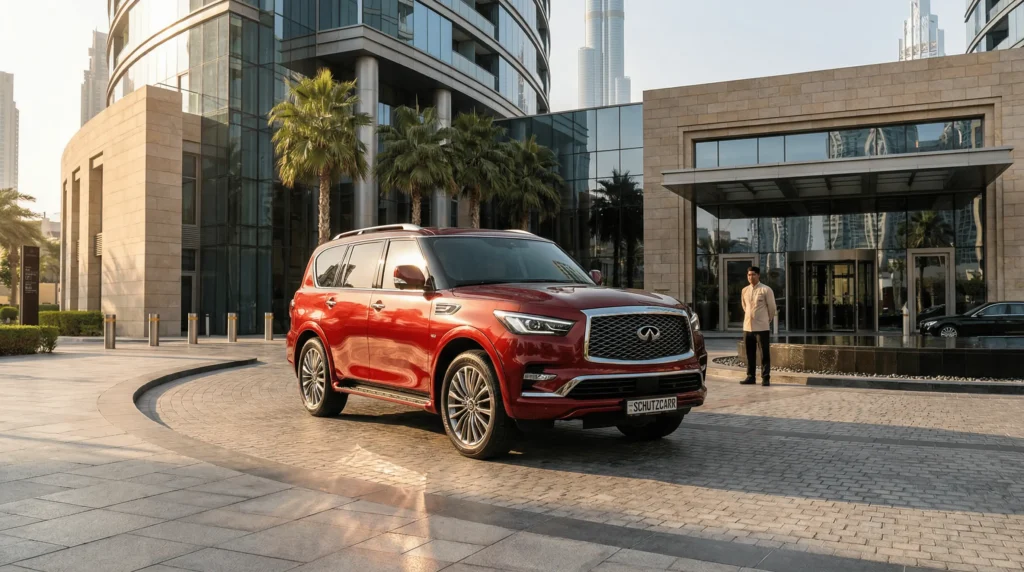
| Which luxury platforms commonly use BR6 protection? | Luxury SUVs such as the Infiniti QX80 BR6, Lexus LX600 BR6, and Maybach GLS 600 armored are built around BR6 packages that surround the cabin with ballistic steel and multi-layer glass, as detailed on the Infiniti QX80 BR6 Armored SUV page. |
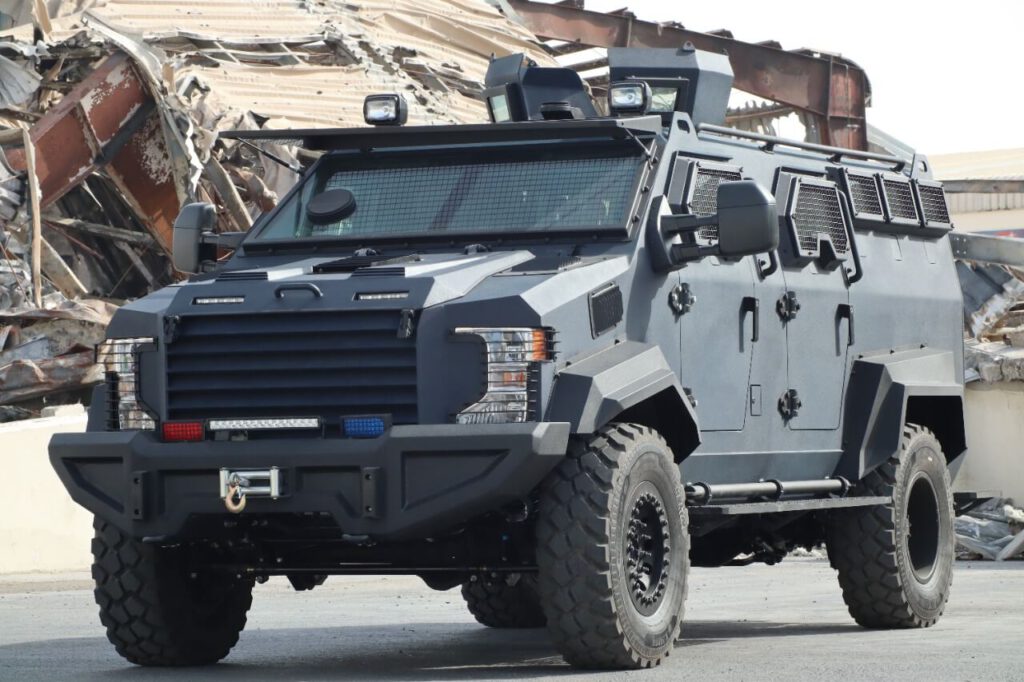
| When do APCs and MRAPs enter the BR6 vs BR7 discussion? | When group transport, blast mitigation, and higher ballistic ratings are priorities, platforms like the APC SHARK MRAP and other APCs in our lineup become relevant for BR6/BR7 planning, as introduced in the APC SHARK Armored MRAP overview. |
| Where can I learn about protection ratings from B4 to B7 in one place? | Our dedicated protection overview covers how B4 to B7 ratings relate to real threats and vehicle types, which is useful context before you choose between BR6 and BR7. You can explore that framework here: B4 to B7 ballistic protection levels explained. |
1. Understanding BR6 Versus BR7: What The Ratings Really Mean
We see many buyers treat BR6 and BR7 as simple “good, better” labels, but the difference is tied directly to specific test rounds and standards. BR6 is commonly validated against high-powered rifle ball ammunition, while BR7 is associated with armor piercing variants and, in many cases, enhanced blast considerations.
From our perspective, this distinction defines not just protection, but platform selection, axle loads, suspension setup, and long-term service planning. When we design a BR6 or potential BR7 package around a chassis, we account for the ballistic rating as a complete engineering problem, not just thicker steel or glass.
Testing frameworks such as EN 1063 and related ballistic standards specify panel sizes, distances, round types, and impact points. That is why a move from BR6 to BR7 is not just “more of the same” but a shift to a different test regime with higher penetration expectations and stricter performance envelopes.
In practice, that often means redesigned door structures, modified apertures around glass, stronger hinges, and more robust mounting for opaque armor. Our team treats BR7 projects as separate engineering programs rather than simply upgrading a BR6 kit, because that is what the standards demand.
2. Ballistic Threat Profiles: When BR6 Is Enough And When BR7 Matters
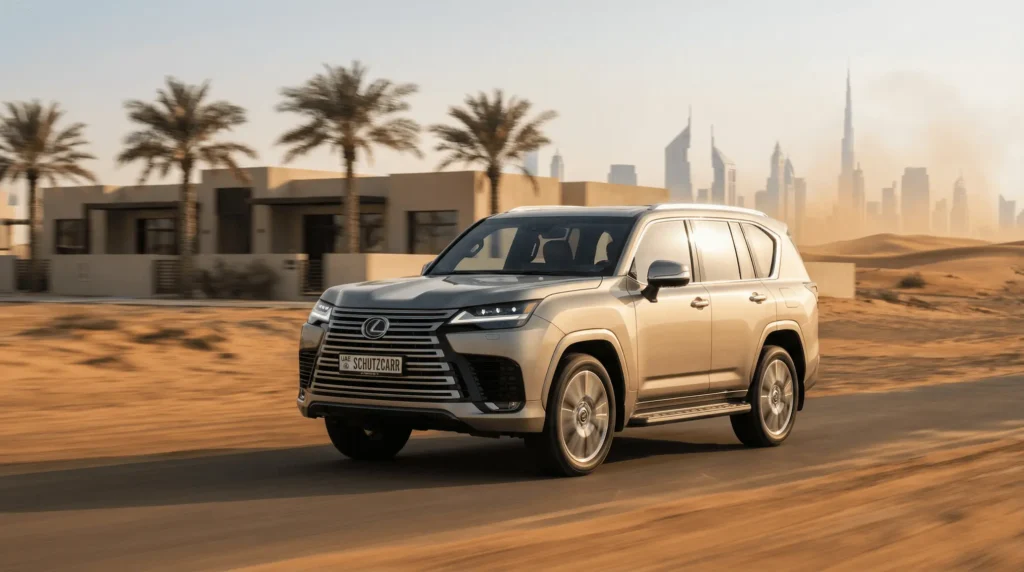
The reason BR6 is so widely used on SUVs is that it addresses the most common high-powered rifle threats typically considered in civilian-focused risk assessments. It balances protection against 7.62×39 and 7.62×51 ball rounds with weight and practicality, which is why you see BR6 across vehicles like the Infiniti QX80 BR6, Lexus LX600 BR6, and Land Cruiser 76 BR6.
BR7, by contrast, is associated with armor piercing 7.62×51 threats and usually enhanced blast performance. That level only becomes relevant when stakeholders identify more intense risk profiles that justify the added mass and complexity of a BR7-grade package.
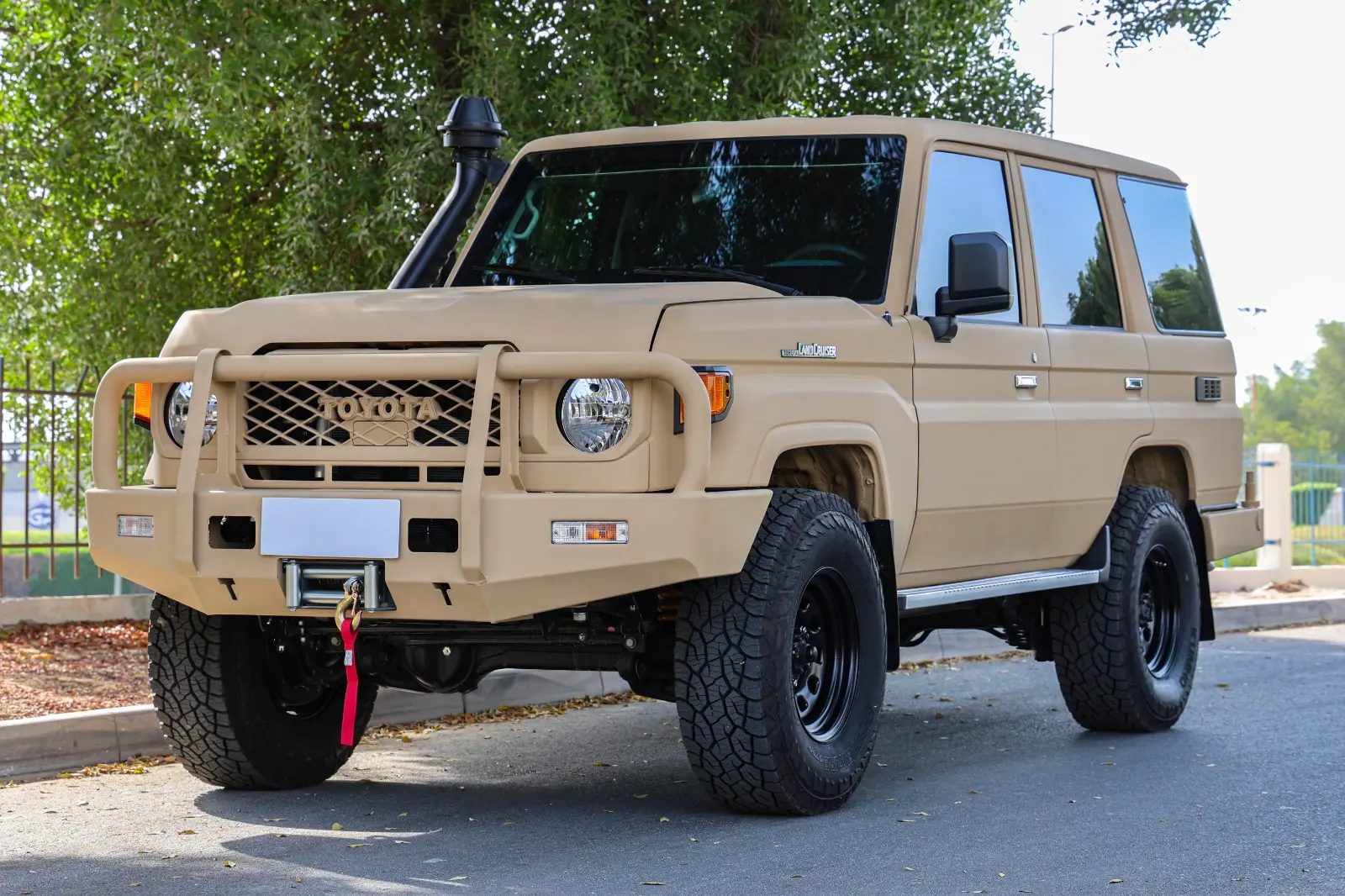
We often walk clients through use cases that clarify this distinction. For many VIP and executive schedules, movement is predictable but not typically associated with armor-piercing threats, so a certified BR6 build with strong documentation and testing is the rational choice.
Where risk profiles extend to higher-grade threats and blast, we widen the platform discussion to include APCs and MRAPs, because these vehicles are better suited to BR7-level packages and the underbody design needed for blast mitigation.
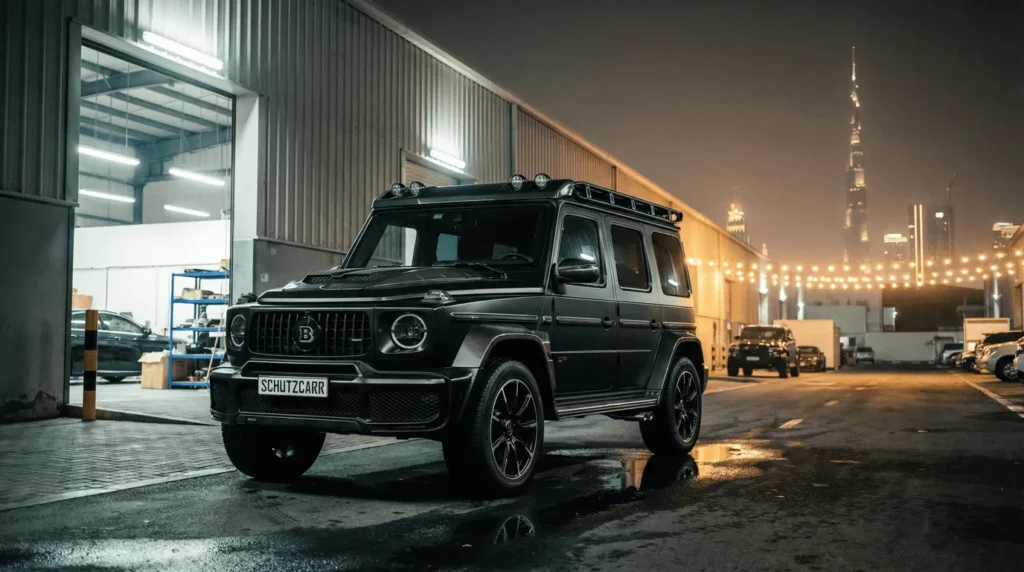
3. Weight, Performance, And Handling: How BR6 And BR7 Change The Vehicle
Every ballistic level brings added mass. For typical BR6 SUV builds, added weight commonly lands around 700 to 1,200 kg, which has direct implications for braking distances, acceleration, suspension wear, and tire selection.
To make that more tangible, consider a 2,500 kg SUV with 300 hp that gains 800 kg of armor. The vehicle becomes roughly 3,300 kg and the power to weight ratio drops from around 120 hp per ton to approximately 91 hp per ton, which is about a 29 percent reduction.
Moving from BR6 to BR7 typically requires more material or denser material combinations. That pushes weight higher again, which is why ladder-frame chassis like the Land Cruiser family or heavy-duty APC bases are so attractive for BR7-level integration.
We always pair these ratings with suitable suspension and brake upgrades, along with attention to center of gravity. The objective is to keep the handling predictable and safe, rather than simply achieving a ballistic rating on paper.
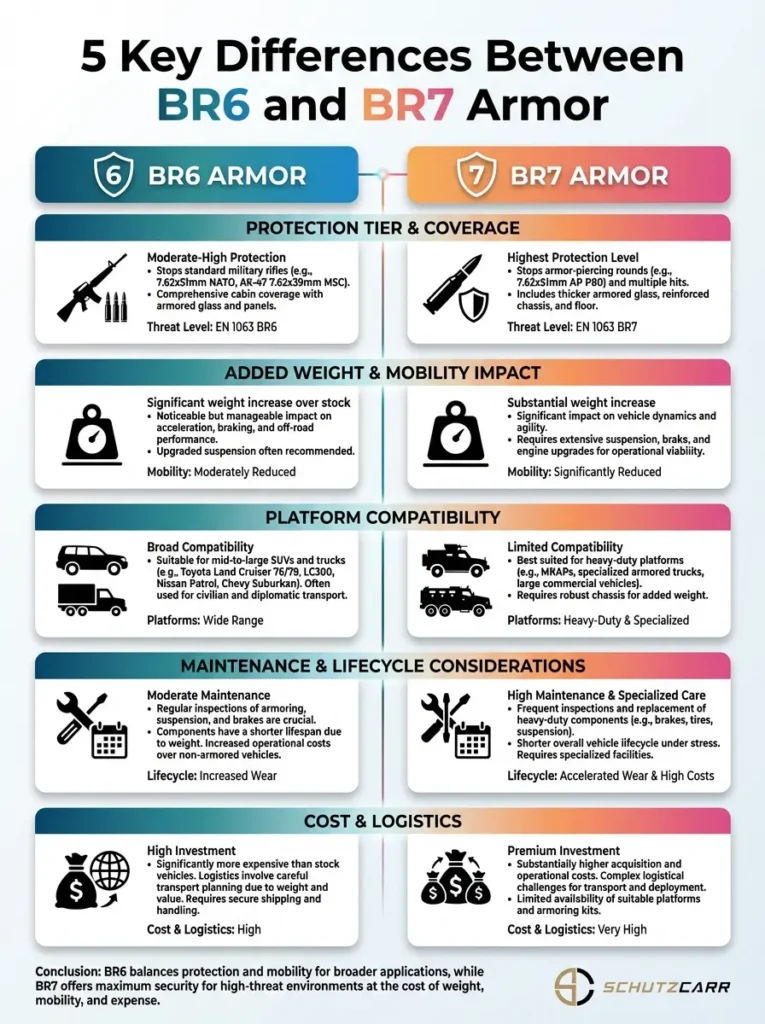
This infographic highlights 5 key differences between BR6 and BR7 armor and what they mean for gameplay. It helps readers quickly grasp armor implications.
4. BR6 Versus BR7 On Luxury SUVs: Infiniti QX80, Lexus LX600, Maybach GLS 600
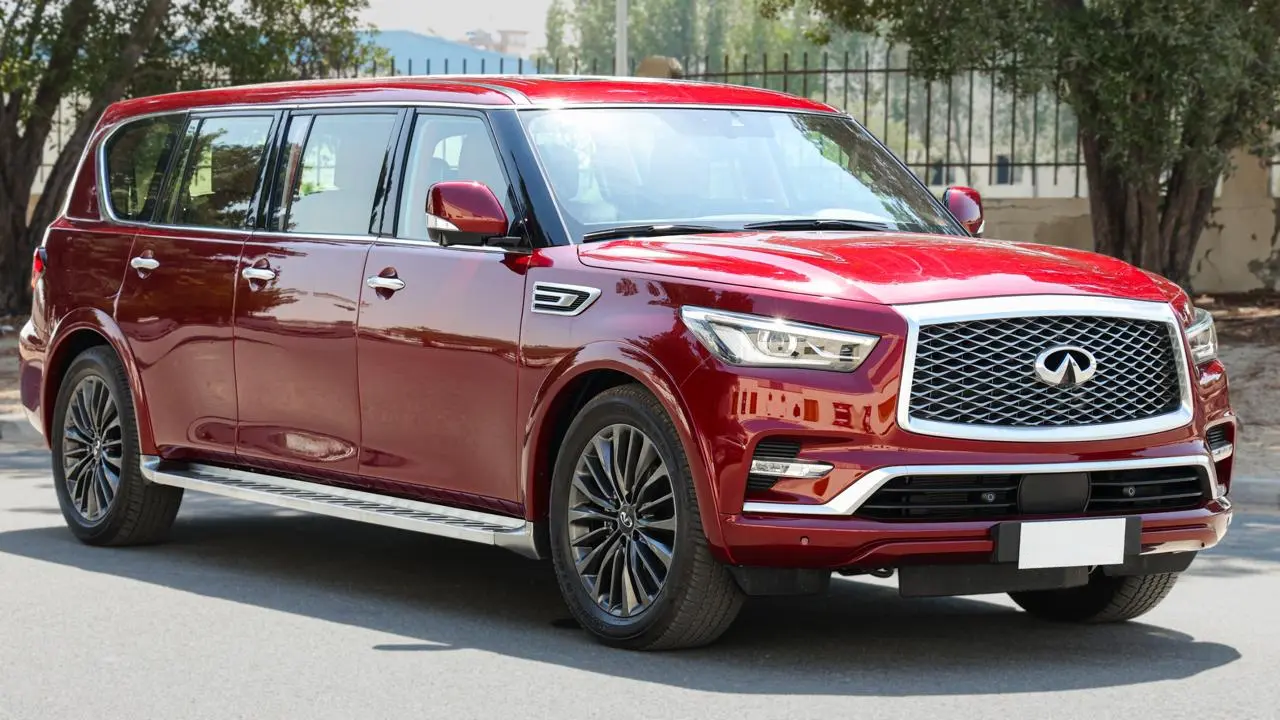
Luxury SUVs tend to concentrate around BR6 protection because they start from relatively high curb weights and focus strongly on comfort. Our Infiniti QX80 BR6 Armored SUV, for example, integrates a full 360 degree BR6 capsule with reinforced suspension and multi-layer glass around a spacious interior.
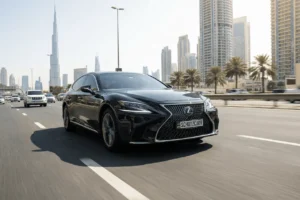
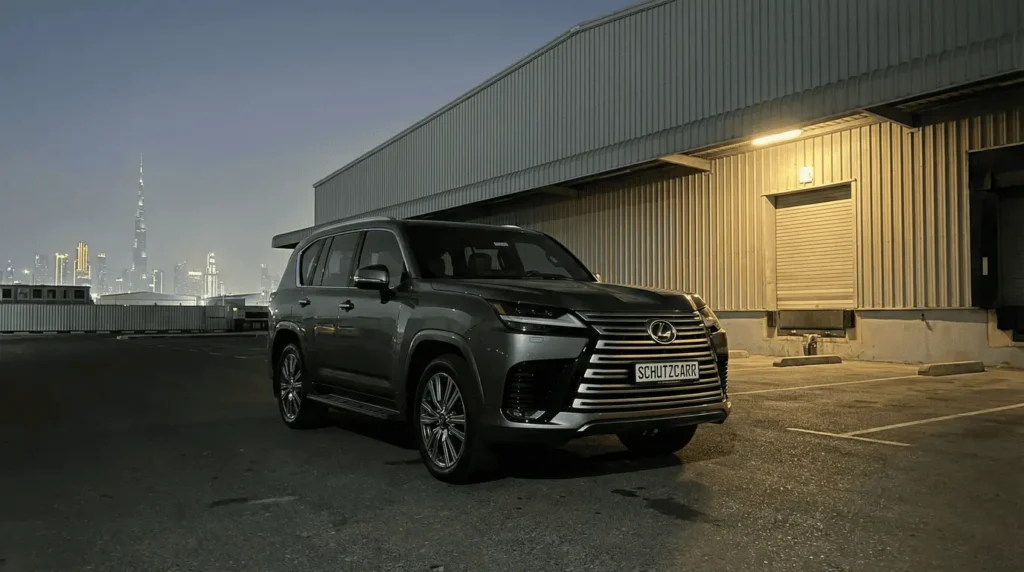
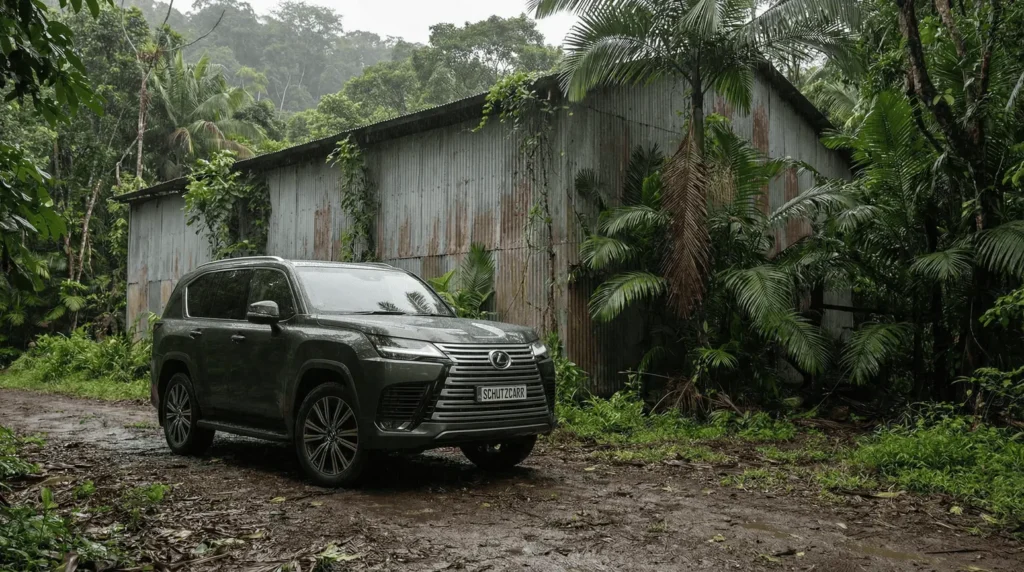
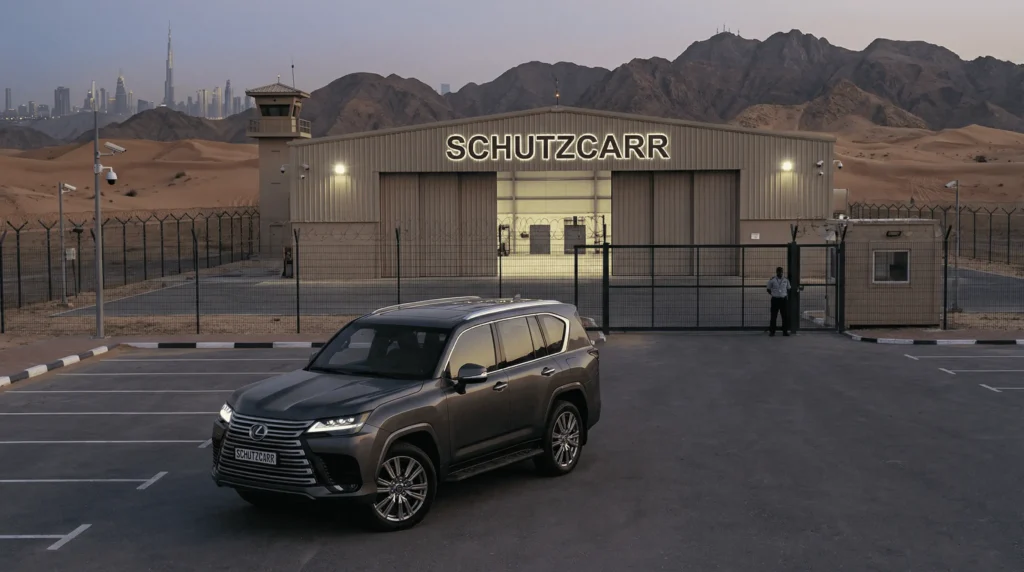
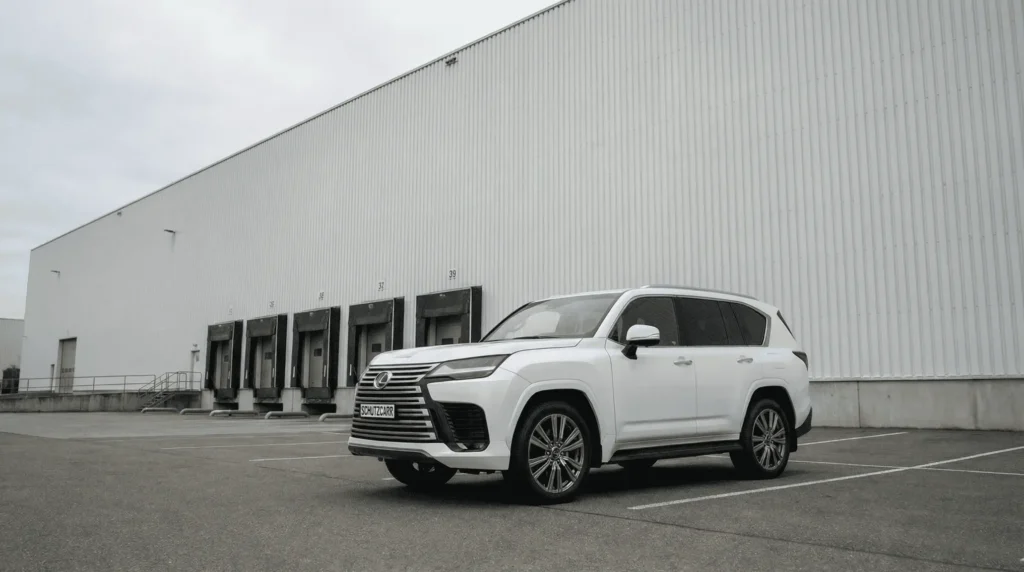
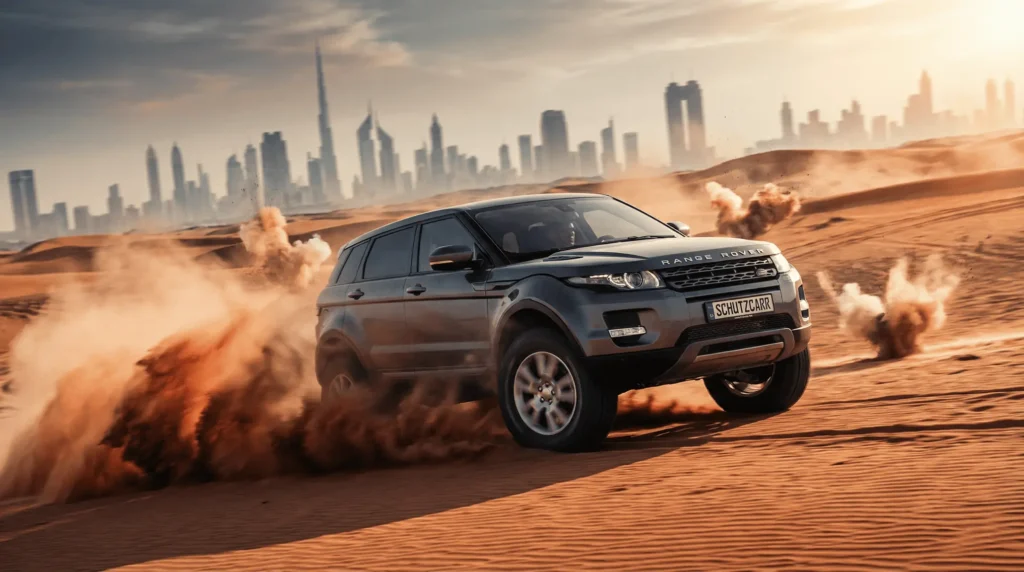
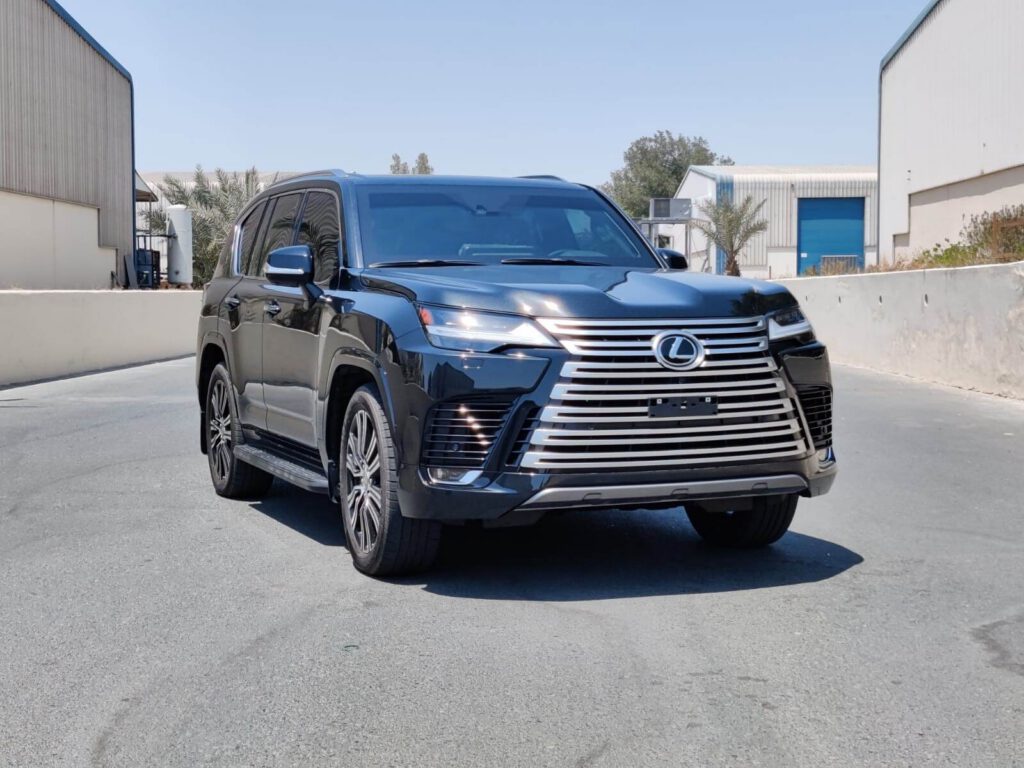
The Lexus LX600 BR6 armored builds use a similar approach, pairing a flagship luxury cabin with BR6 ballistic steel and glass. That gives executives and VIPs a familiar driving and riding experience while staying within a mass envelope that the chassis can tolerate long term.
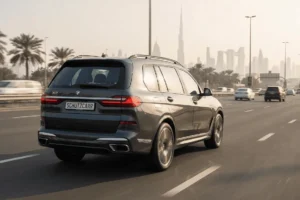
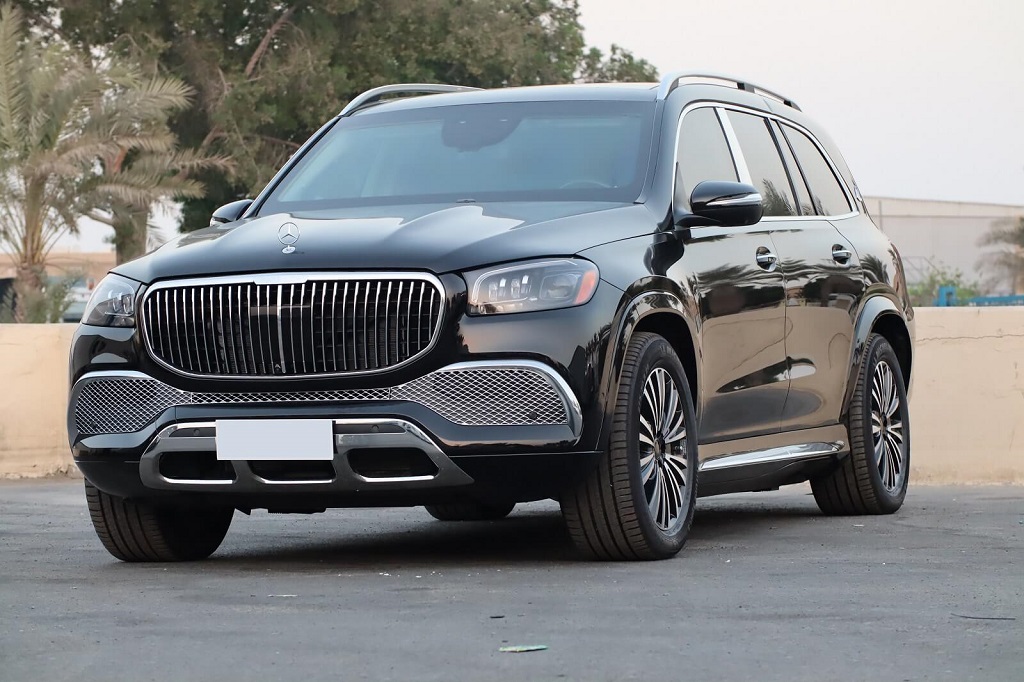
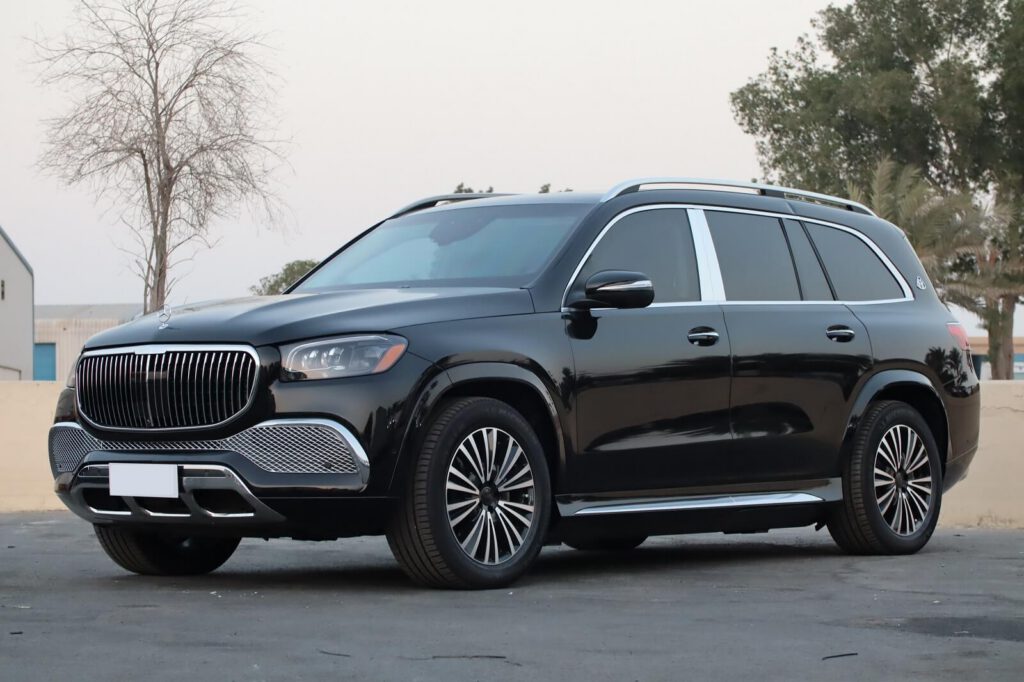
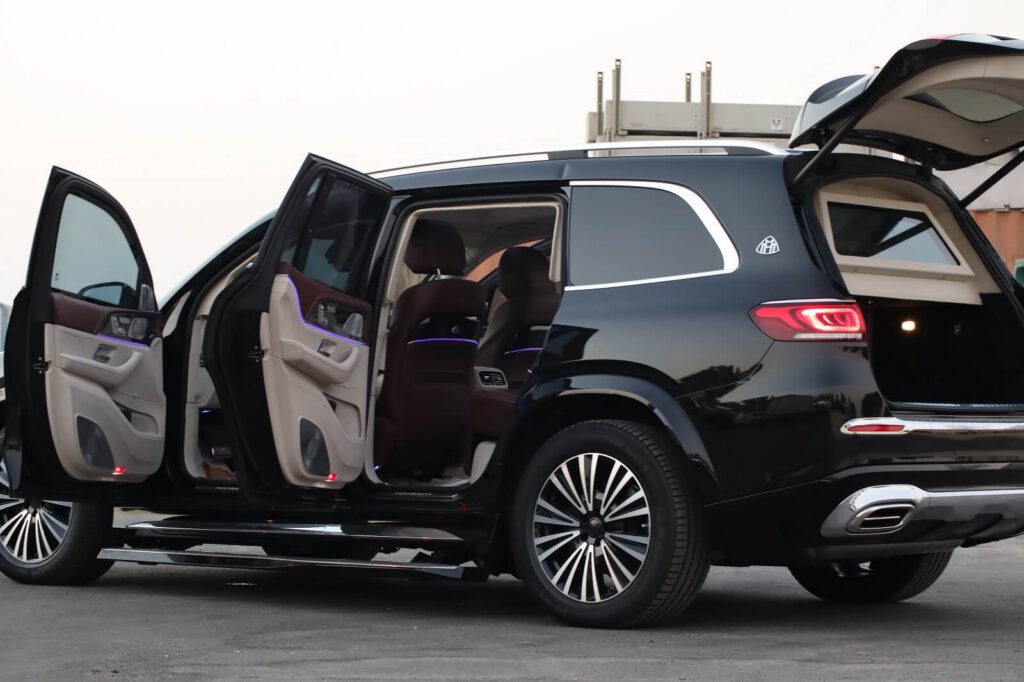
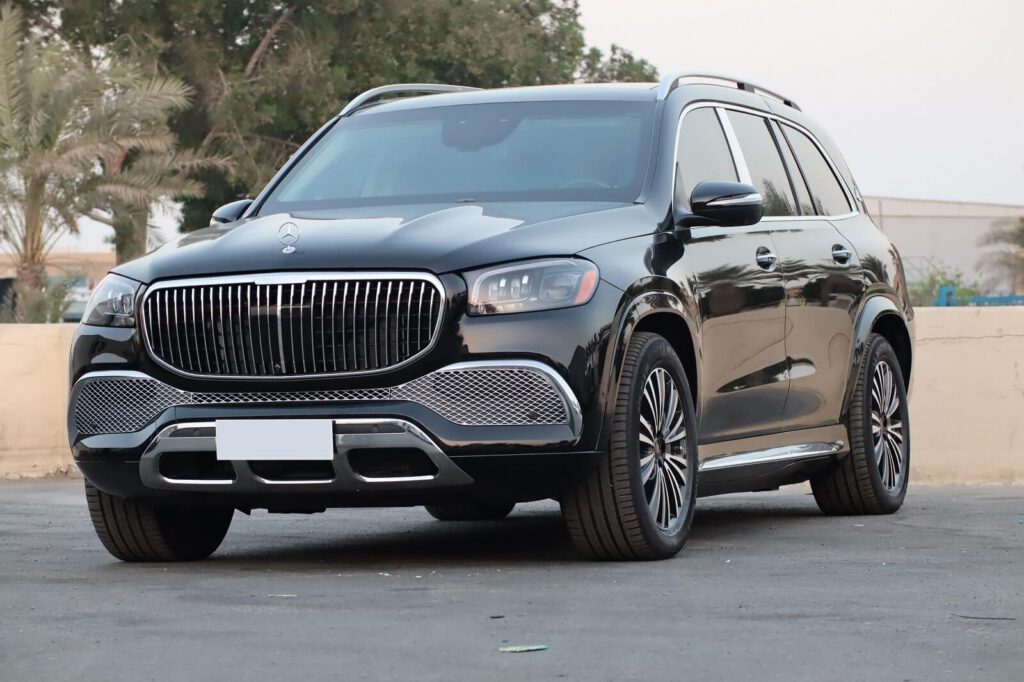
The Mercedes Maybach GLS 600 armored platform is another good illustration of BR6 implications. The armoring integrates ballistic steel, glass, and underbody elements while maintaining the quiet, refined cabin that Maybach owners expect.
In all these cases, BR7 on the same platform would push mass, braking, and dynamics further, which may not align with the comfort and discretion priorities that typically define these vehicles. That is why our consultations often guide luxury SUV buyers toward fully certified, high quality BR6 packages rather than straight to BR7.
Did You Know?
Typical added weight for BR6 armor is about 700–1,200 kg on many vehicles, which is why chassis strength, braking systems, and suspension design are central to any BR6 versus BR7 decision.
5. Rugged Platforms And Capsules: Land Cruiser 76 & 300 In BR6/BR7 Context
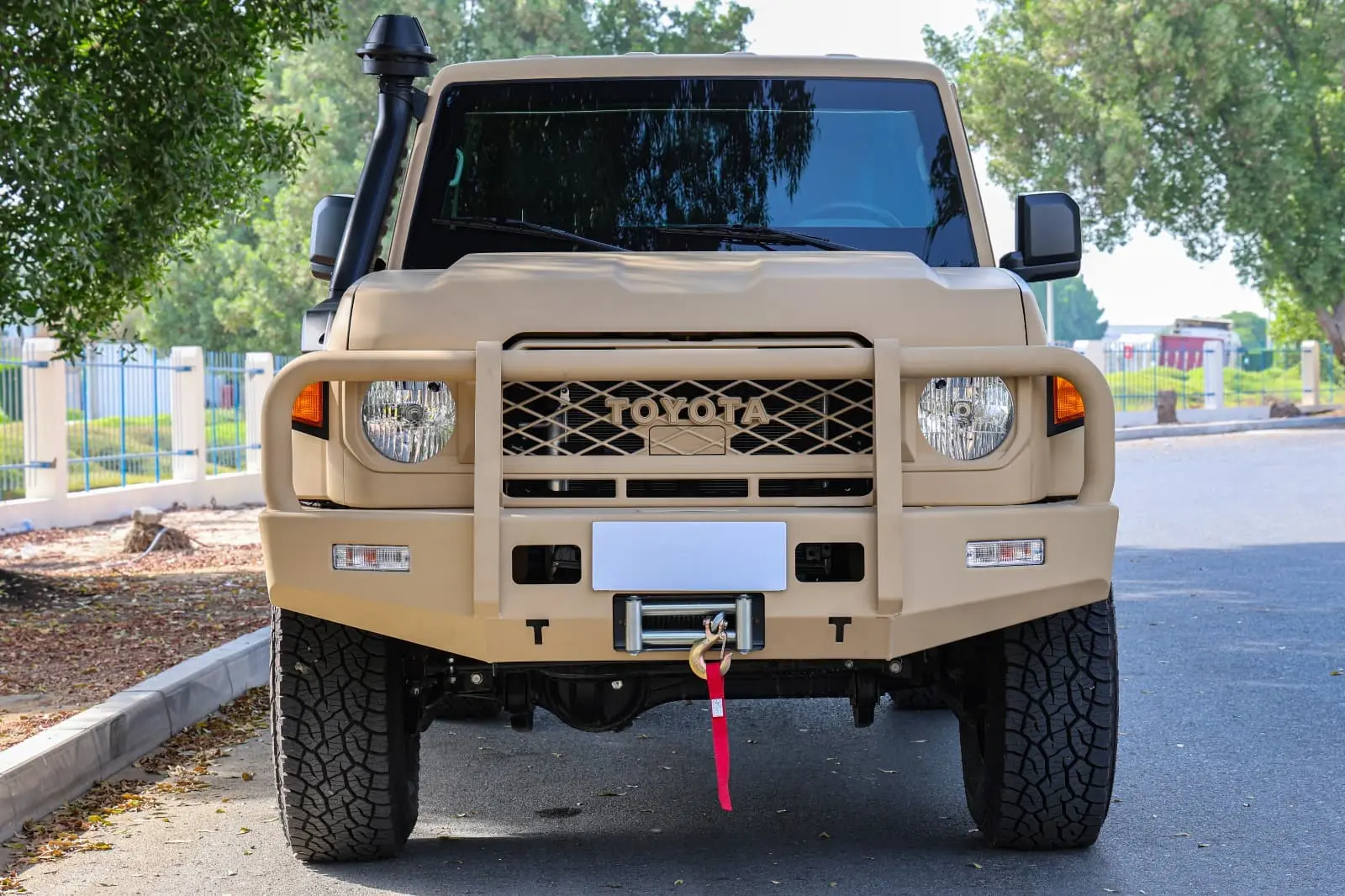
Rugged ladder-frame platforms such as the Toyota Land Cruiser 76 and 300 GXR occupy an important space in BR6 versus BR7 planning. Their simple, proven drivetrains and robust frames handle substantial added mass more predictably than many unibody vehicles.
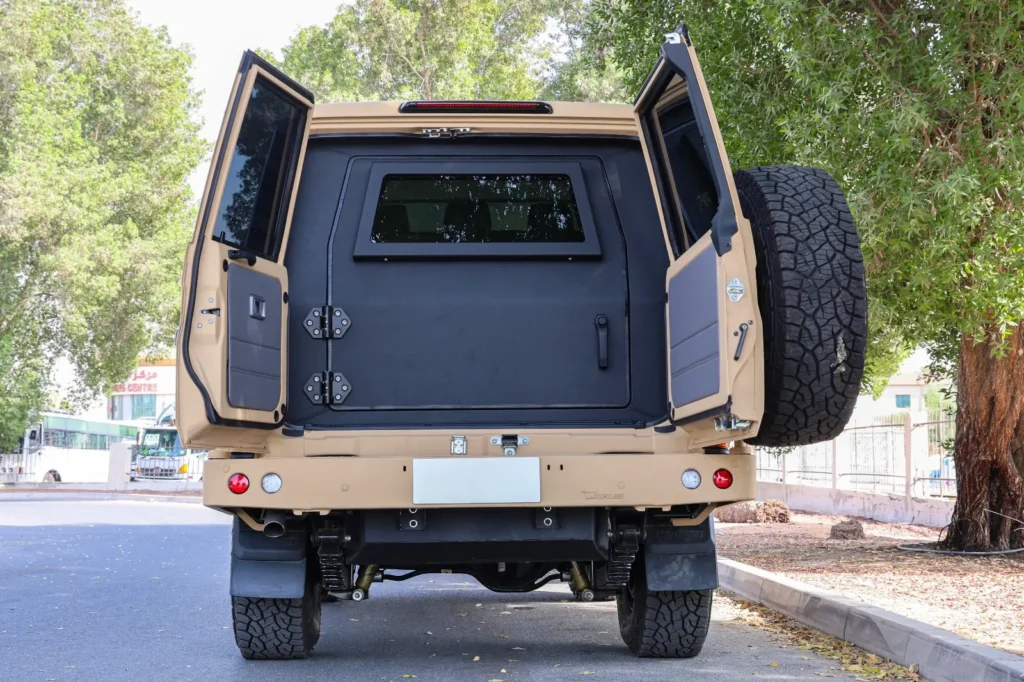
Our Land Cruiser 76 BR6 builds use a continuous armored capsule that wraps the passenger cell, rather than isolated panels. That approach removes weak seams and distributes weight more evenly through the vehicle structure.
When clients ask about the implications of moving from BR6 to BR7 on these platforms, we discuss not only armor thickness but also payload, seats, and auxiliary equipment. Additional armor usually reduces payload capacity and can affect towing or storage choices.
Our guidance typically frames LC76 and LC300 as flexible bases that can support robust BR6 packages, and in some specialized cases more, provided we adjust suspension, brakes, and sometimes gearing to match the final mass profile.
6. APCs And MRAPs: Where BR7 Armor Makes More Sense
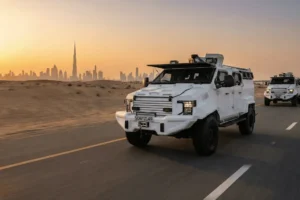
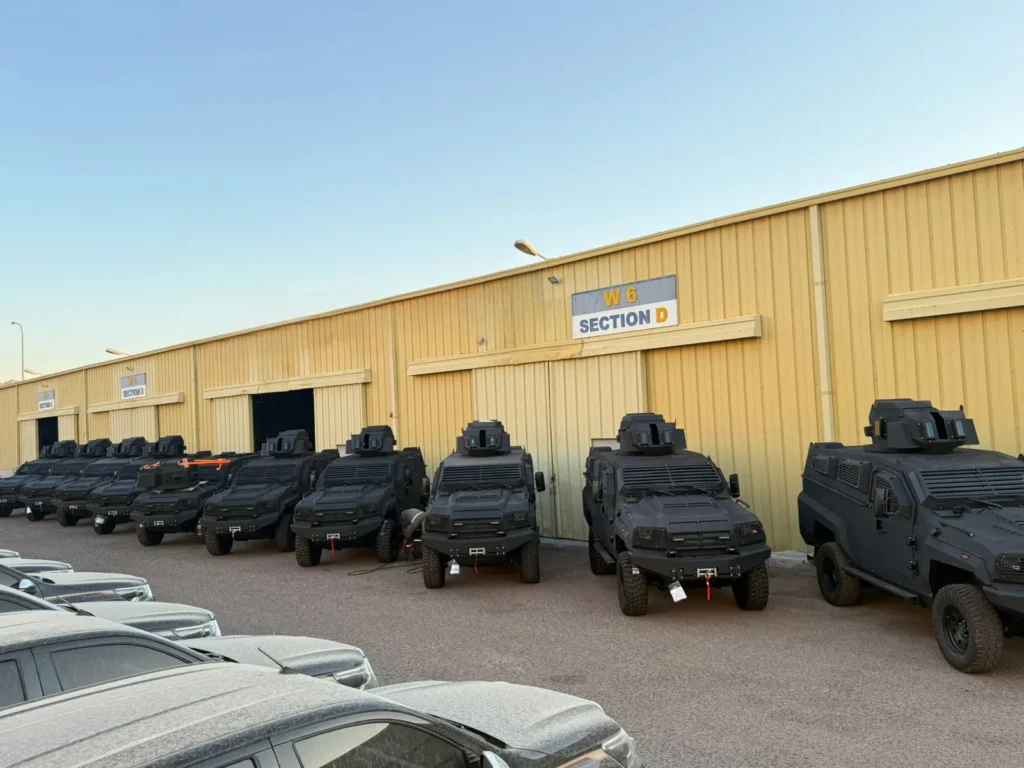
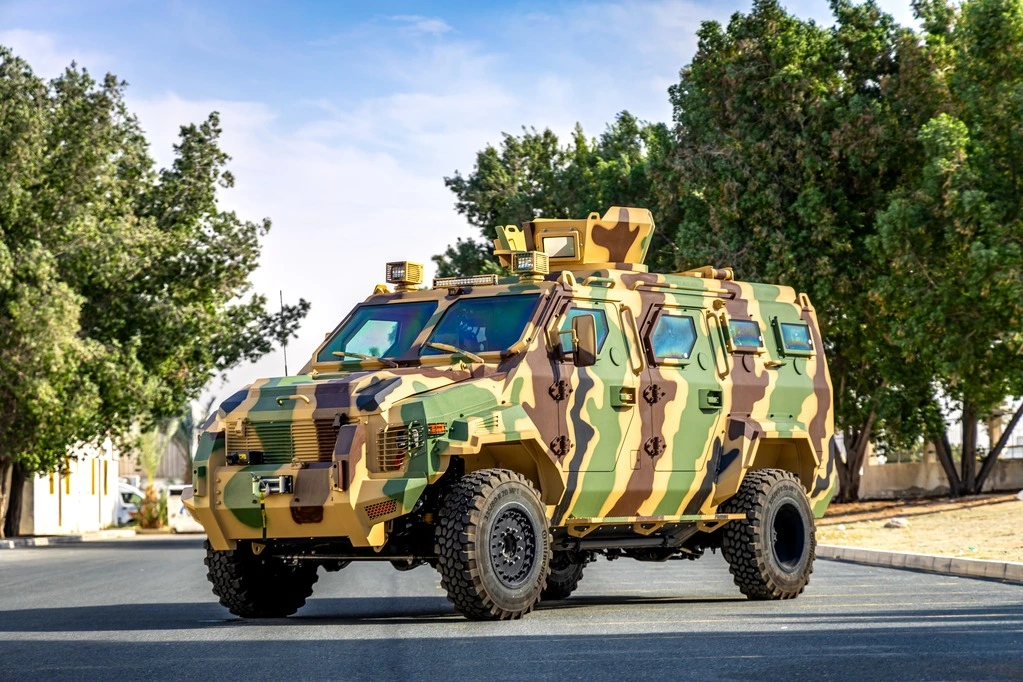
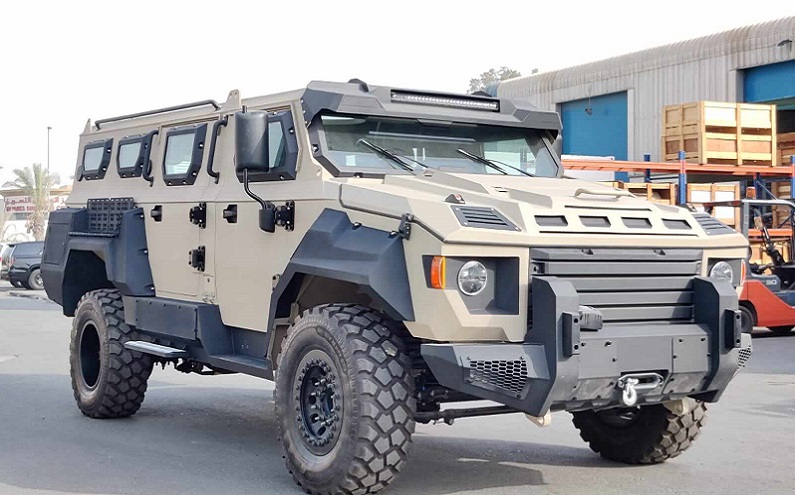
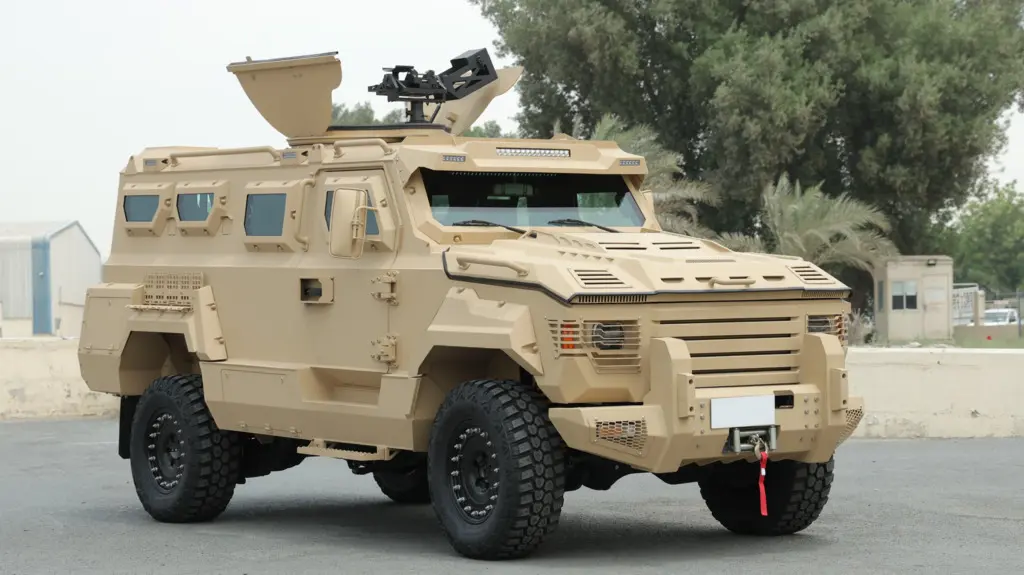
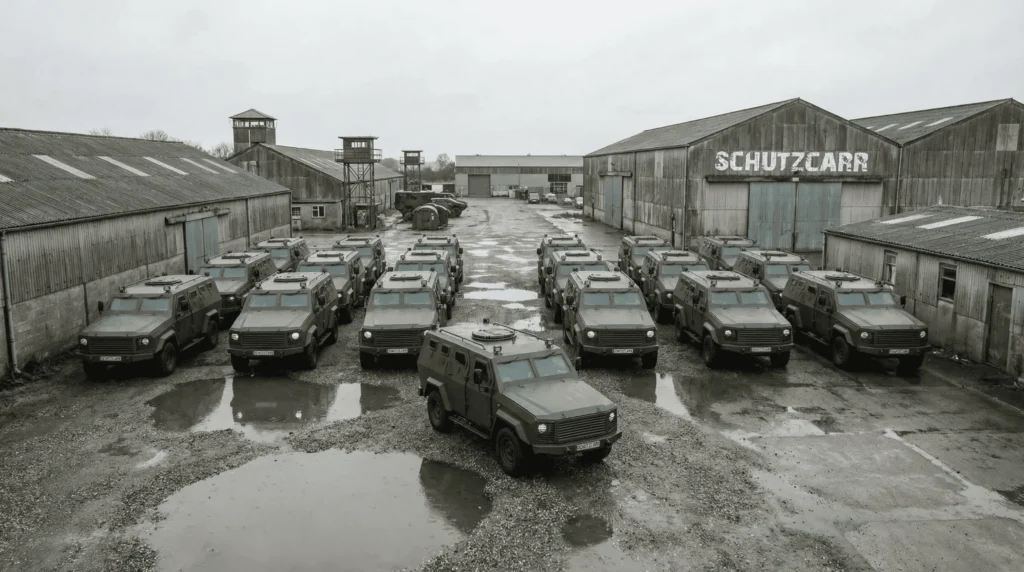
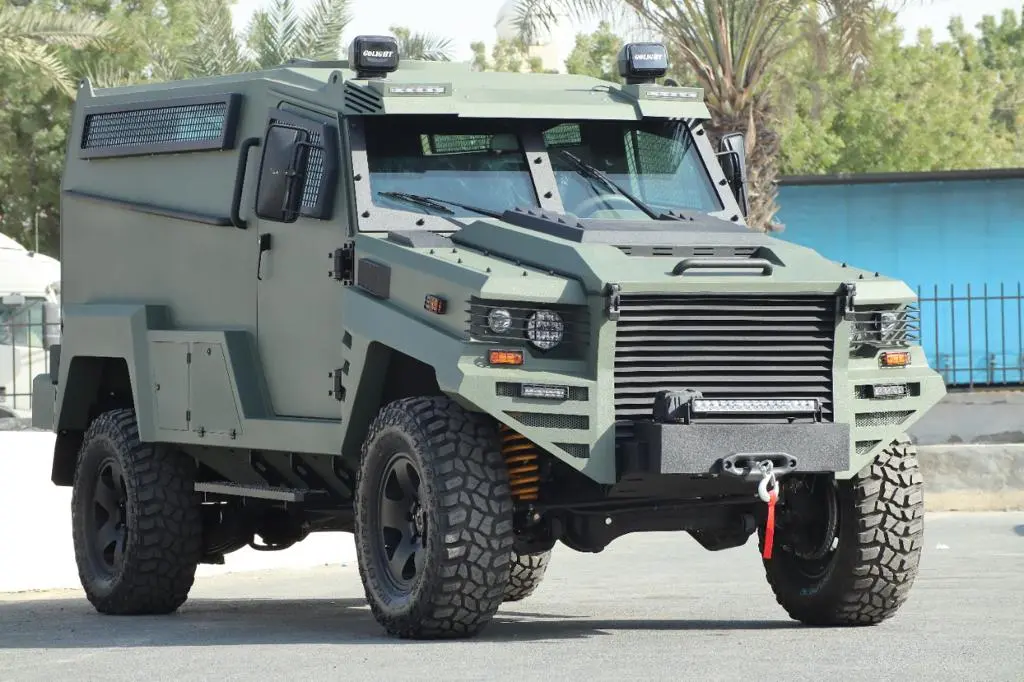
APCs and MRAPs exist precisely because there is a threshold where heavier armor and enhanced blast mitigation no longer fit comfortably on SUV platforms. Vehicles like the APC SHARK MRAP or our MONO Q 4×4 APC are designed from the outset to accept high ballistic ratings and underbody protection.
In BR6/BR7 terms, MRAPs often add protection against blast and fragmentation on top of the ballistic rating. Their V-shaped or specially profiled underbodies, higher stances, and robust suspension systems are suited to these loads and impact profiles.
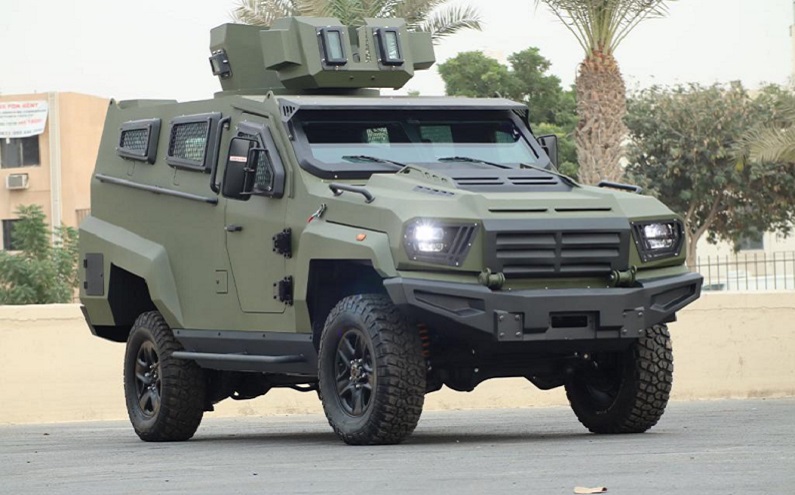
The APC Merkava SAGIV BR6, for example, shows how we integrate BR6 ballistic protection into a larger-capacity platform that still prioritizes civilian usability. For clients who need more passengers, equipment space, and the possibility of BR7-level packages, we typically start discussions with these categories of vehicles rather than stretching an SUV beyond its natural limits.
This is where we differentiate between “civilian armored SUV” thinking and “armored carrier” thinking. The former orients around discretion and comfort, while the latter is grounded in capacity, survivability, and system redundancy.
7. Material Choices And Structural Design: Why BR7 Is Not Just “Thicker BR6”
Both BR6 and BR7 packages use combinations of ballistic steel, multi-layer glass, aramid fibers, and sometimes ceramics. The blend and layout of these materials dictates not only the rating, but also how the vehicle behaves over hundreds of thousands of kilometers.
BR7 designs tend to incorporate more ceramic and denser steel in critical areas, along with more robust glass layups. That changes the center of gravity and the way loads transmit into door frames, pillars, and floor structures.
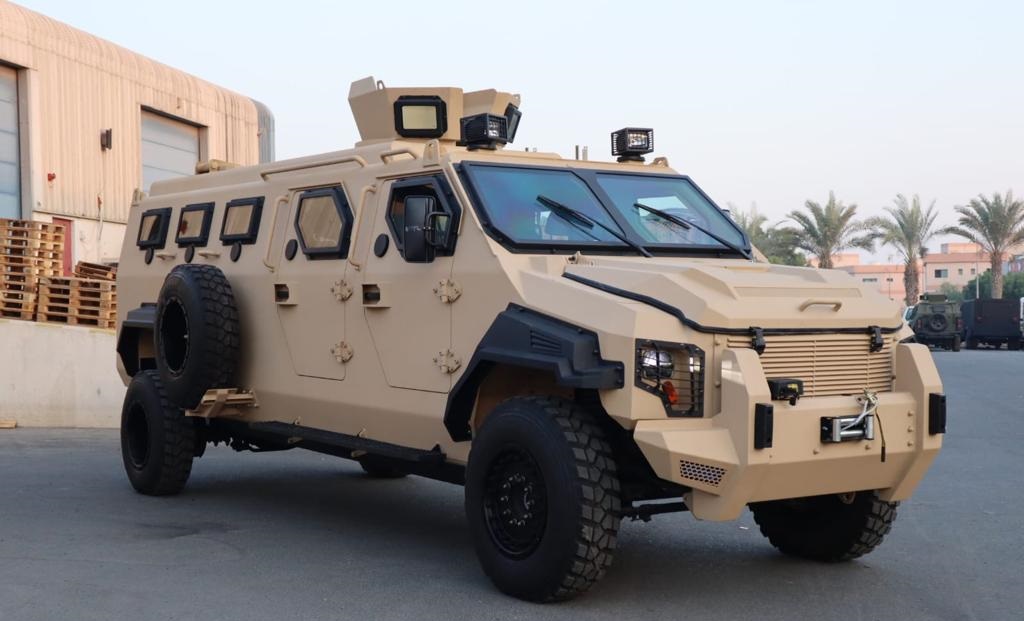
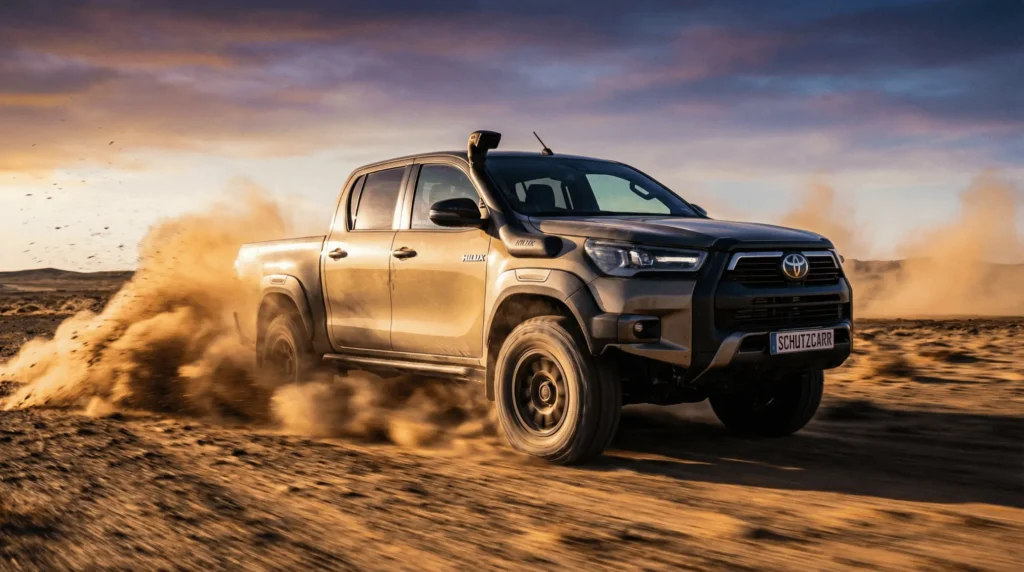
Our engineering teams pay particular attention to how hinges, latches, and window regulators cope with this additional mass. A BR7 door that is not adequately supported will sag or bind, which is not acceptable from a safety or usability standpoint.
This is also why we place emphasis on third-party testing and certification, especially for BR6 and any movement toward BR7. Independent verification validates not only plate materials, but also how the whole system behaves under controlled ballistic conditions.
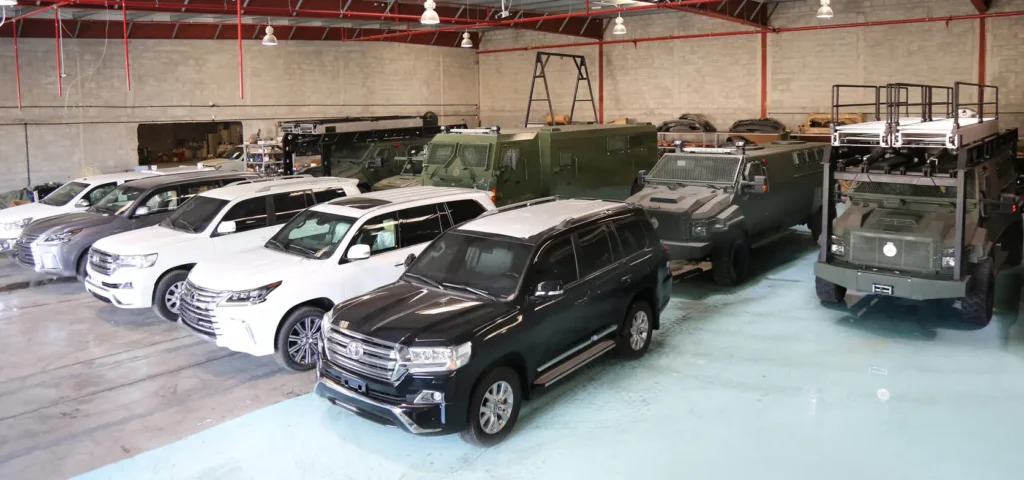
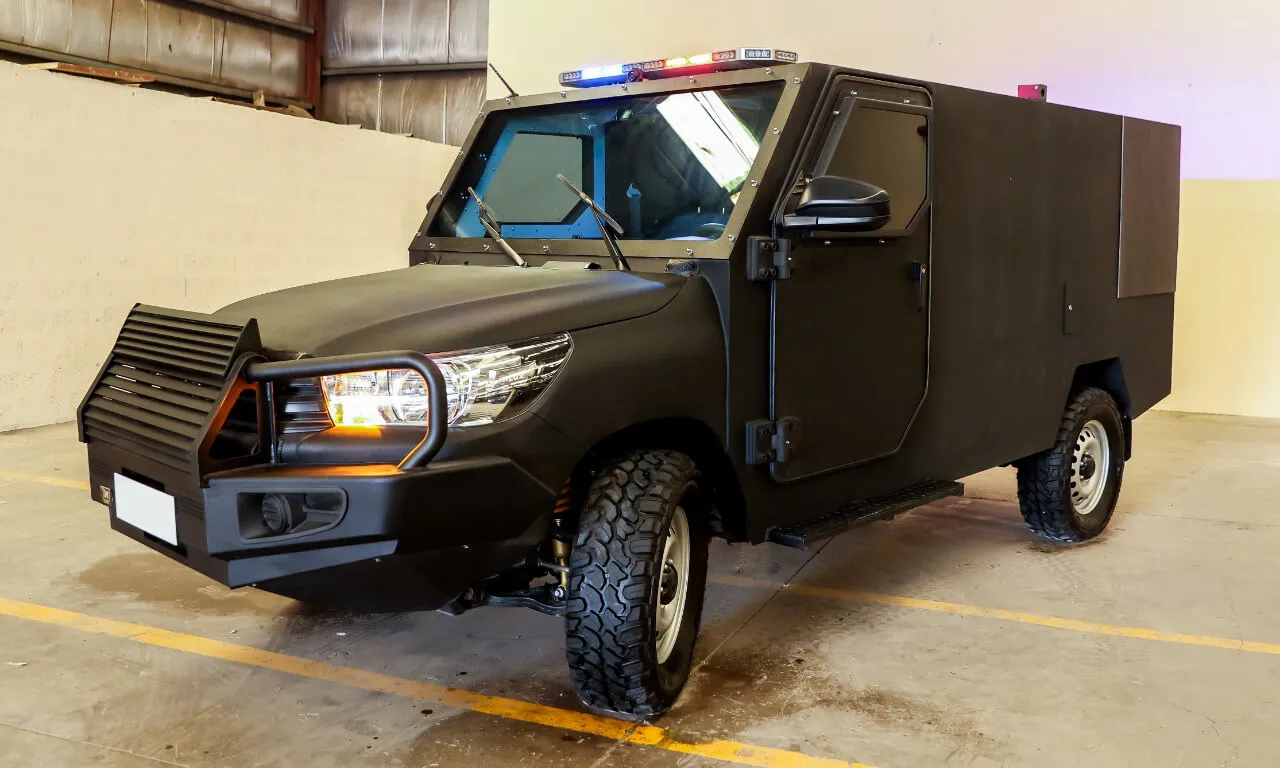
Did You Know?
BR6 is commonly tested against 7.62×39 (AK-47) and 7.62×51 ball ammunition, while BR7 is tested against 7.62×51 armor-piercing rounds, which is why BR7 projects often demand redesigned structures rather than a simple thickness increase.
8. BR6 Versus BR7 In Fleet Planning For VIP And Civilian Use
From a fleet planning perspective, BR6 and BR7 choices are less about labels and more about how vehicles work together in daily use. Many VIP and executive fleets combine BR6 luxury SUVs like LC300, QX80, LX600, and Maybach GLS 600 with at least one heavier APC or MRAP platform.
This mix allows planners to align vehicles with each itinerary. BR6 SUVs cover day-to-day metropolitan and intercity movements, while heavier platforms are available for higher-risk segments that merit greater protection or capacity.
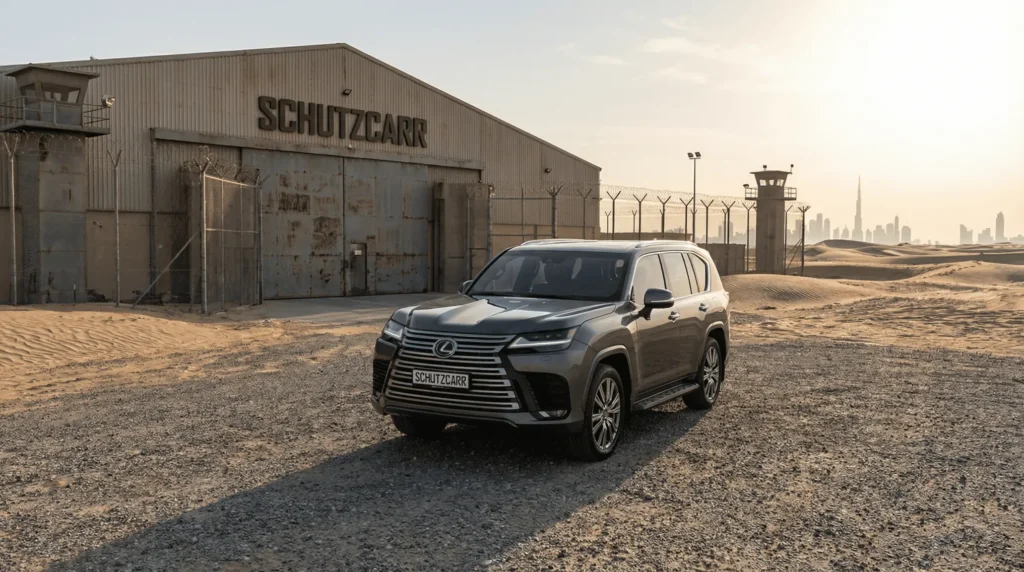
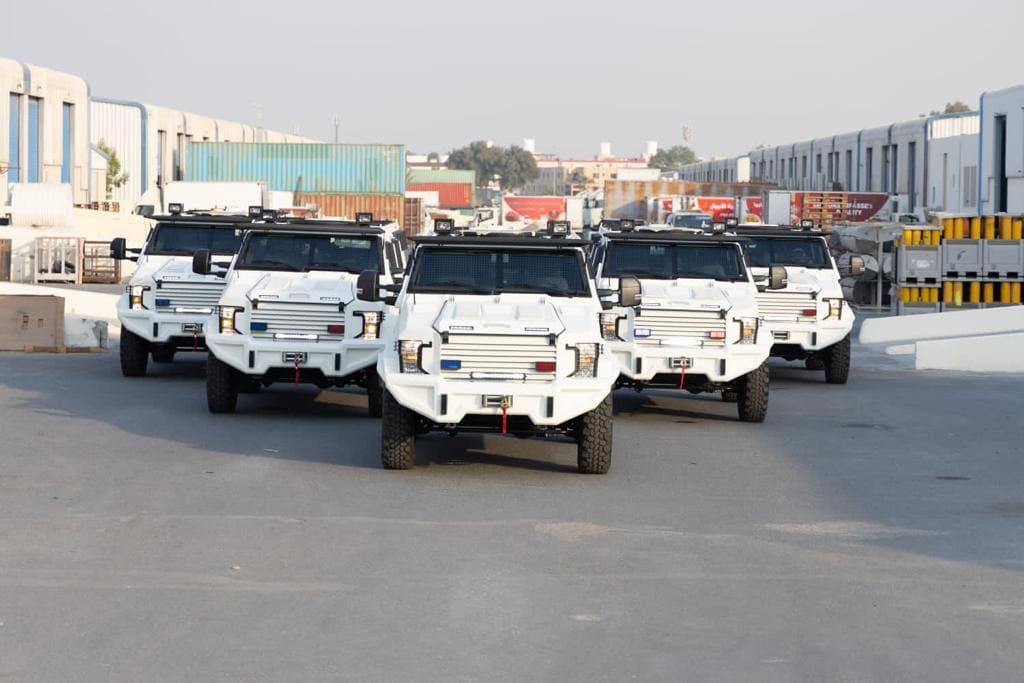
When we consult on these fleets, we look at how often extreme-threat segments actually occur, and which routes or regions are involved. Only then does a potential BR7 requirement emerge, often mapped to APC or MRAP categories instead of trying to force BR7 onto every vehicle.
This approach avoids overburdening the entire fleet with unnecessary mass, while still providing a structured response to higher-risk legs. It also helps with maintenance planning, spare parts stocking, and training for drivers and support staff.
9. Practical Scenarios: Choosing Between BR6 And BR7 With SchutzCarr
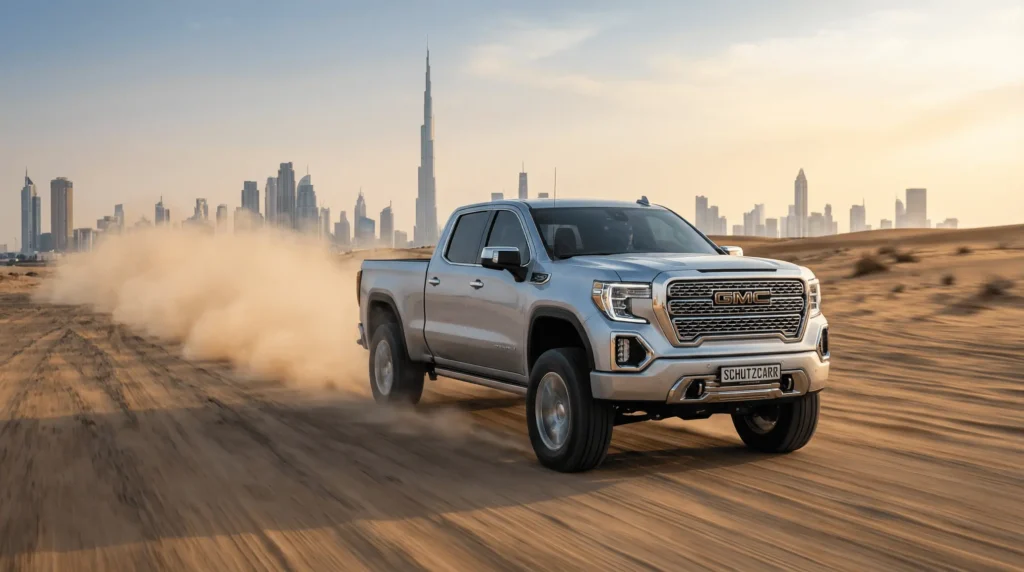
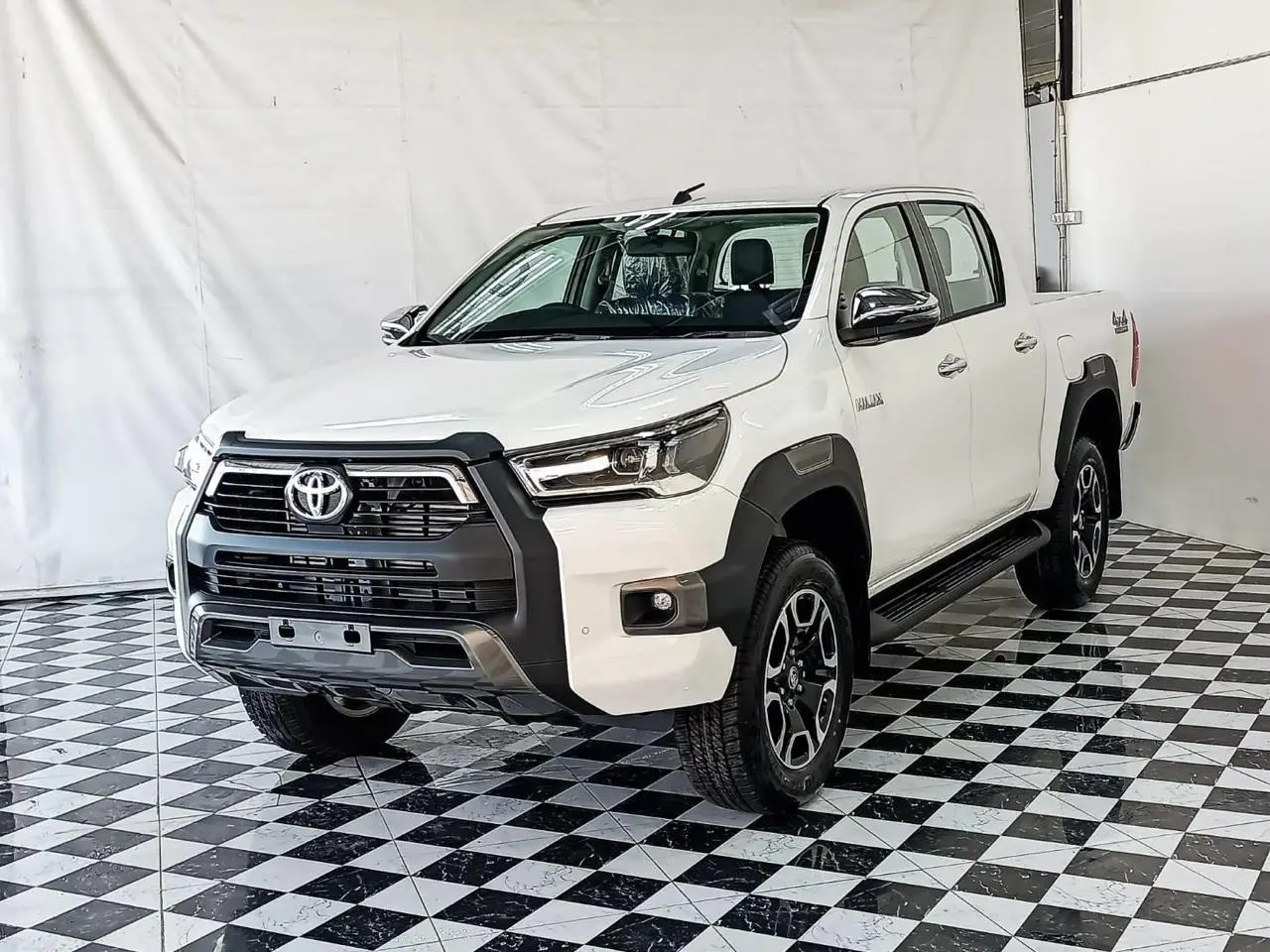
When clients approach us, the initial discussion usually starts with platform preferences, such as “Land Cruiser 76 BR6” or “Maybach GLS 600 armored.” We then reverse engineer from real itineraries, passenger counts, and regional considerations to decide if BR6, BR7, or a mix makes sense.
In many everyday cases, a Land Cruiser 76 or LC300 BR6 capsule combined with a BR6 luxury SUV covers most requirements well. Where risk assessments identify armor-piercing threats or increased blast risk, we introduce APC or MRAP options and discuss whether BR7 should be part of the specification.
We also consider service environments and local workshops. Heavier BR7 vehicles, particularly APCs and MRAPs, require different service infrastructure and driver training compared with BR6 SUVs.
This is why our advice is never just “go higher on the rating.” Instead, we treat BR6 and BR7 as parts of a complete mobility plan that must fit budgets, support systems, and long-term operational realities.
10. Documentation, Certification, And Lifecycle Implications
Regardless of whether you choose BR6 or move toward BR7, robust documentation and certification matter as much as the steel itself. Our LC76 BR6 builds, for instance, rely on third-party ballistic testing, complete export documentation, and traceable materials, which gives stakeholders confidence throughout the vehicle’s life.
Lifecycle implications of BR7 can be more demanding. Heavier vehicles may see different wear patterns on tires, bushings, and braking components, and they sometimes require more specialized parts that are not as widely stocked.
We encourage clients to factor these support considerations into any BR6 versus BR7 decision. The right choice is not only about the maximum projectile stopped, but about maintaining a safe, reliable vehicle over years of use.
In many cases, a well-executed BR6 fleet with clear documentation, third-party test results, and thoughtful platform selection delivers a stronger overall outcome than a poorly supported attempt to specify BR7 across the board.
Conclusion
BR6 versus BR7 is not simply a question of “more protection.” It is a strategic choice that affects which platforms you select, how your fleet behaves, what it costs to maintain, and how passengers experience every journey.
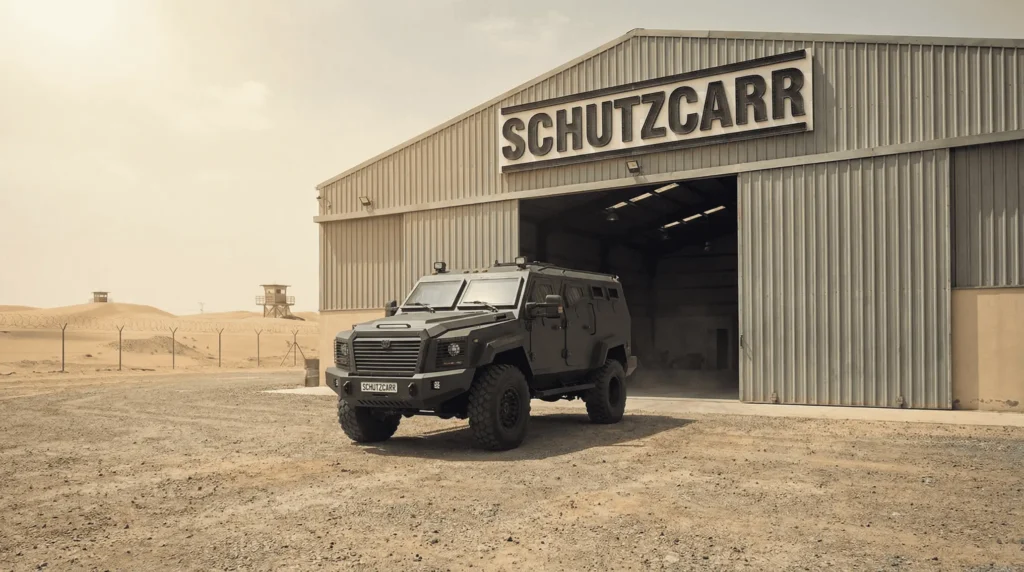
Our role at SchutzCarr is to map these implications onto your specific needs, whether that points to BR6 luxury SUVs like the Infiniti QX80 BR6 and Lexus LX600 BR6, rugged LC76 capsules, or APC and MRAP solutions where BR7-level considerations enter the picture. If you would like to discuss BR6 and BR7 options for your own requirements, we invite you to contact us directly via this SchutzCarr contact page so our team can walk you through the tradeoffs in detail.